


16 min 25 sec
House of Huawei: The Secret History of China's Most Powerful Company
By Eva Dou
House of Huawei explores the meteoric rise and controversial global expansion of China's premier tech titan, examining its military roots, aggressive work culture, and the geopolitical storm surrounding its high-stakes rivalry with the West.
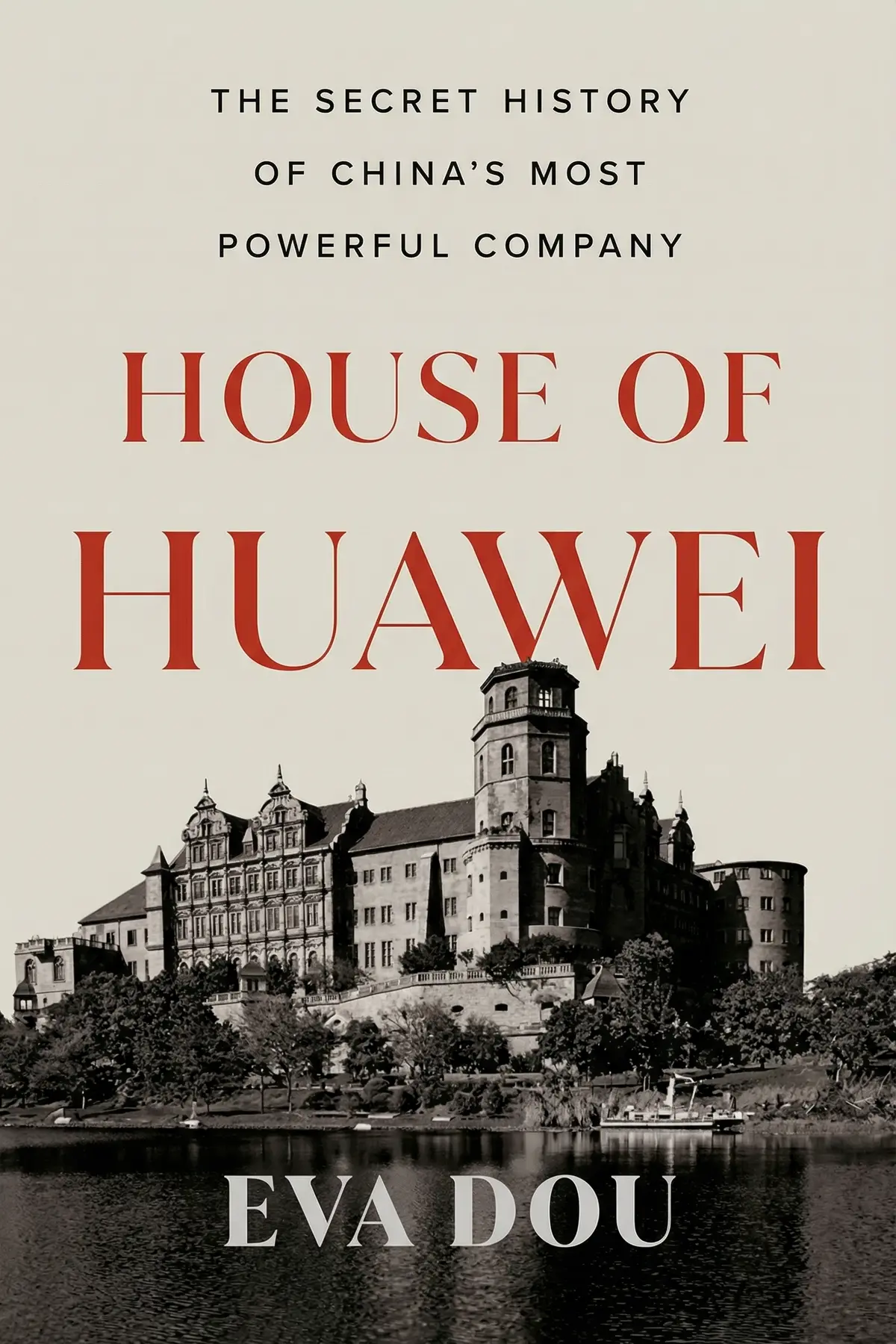
Table of Content
1. Introduction
1 min 38 sec
In late 2018, an event occurred at the Vancouver International Airport that would send shockwaves through the worlds of technology and international diplomacy. Meng Wanzhou, the Chief Financial Officer of Huawei, was detained by Canadian authorities. This wasn’t a simple legal dispute; it was the opening salvo in a high-stakes geopolitical drama. To the United States government, Meng represented a company that functioned as a digital Trojan horse for the Chinese state. To her father, the reclusive and powerful Ren Zhengfei, she was the victim of a political hit job designed to cripple China’s most successful global enterprise.
But the story of Huawei isn’t just about one arrest or one family. It is a narrative that mirrors the transformation of China itself—from a struggling, agrarian nation to a high-tech superpower. It’s a story of survival, extreme ambition, and a ‘wolf culture’ that pushed employees to their absolute limits. It involves secret trade with sanctioned nations, the development of sophisticated surveillance tools, and a relentless drive to dominate the backbone of the internet.
In this exploration of House of Huawei, we will peel back the layers of this secretive organization. We’ll look at the humble beginnings of its founder, the brutal working conditions that fueled its growth, and the deep-seated fears that led Western nations to eventually turn against it. By the end, you’ll see how a company that started by selling basic telephone parts became the primary battlefield in a new kind of cold war—one fought over data, chips, and the very future of global communication. This is more than a business history; it’s a guide to the friction points that are currently reshaping our world.
2. The Military Roots and the Shenzhen Experiment
2 min 44 sec
Explore the formative years of Huawei’s founder and the unique economic environment that allowed a small startup to challenge the global telecommunications establishment.
3. The Rise of the Iron Army and the Wolf Culture
2 min 39 sec
Discover how Huawei’s aggressive internal philosophy and willingness to enter dangerous markets allowed it to leapfrog Western competitors.
4. The Wall of Suspicion and the Intelligence Reports
2 min 35 sec
Learn how Huawei’s attempts to enter the American market backfired, leading to a decade-long investigation that branded the company a security threat.
5. Surveillance, Human Rights, and the 5G Battleground
2 min 36 sec
Examine the disturbing revelations regarding Huawei’s surveillance technology and how the Trump administration turned the company into a national emergency.
6. The Hostage Crisis and the Uncertain Future
2 min 42 sec
Witness the dramatic resolution of the Meng Wanzhou case and the ongoing mystery of Huawei’s technological resilience.
7. Conclusion
1 min 31 sec
The saga of Huawei is much more than a business success story; it is a profound lesson in how technology, culture, and national identity can collide on the global stage. We have seen how Ren Zhengfei took the lessons of his military past and the poverty of his youth to create an organization that prizes resilience and aggression above all else. This ‘wolf culture’ allowed Huawei to conquer the developing world and eventually challenge the giants of Silicon Valley and Europe. But that same insular and aggressive nature, combined with deep ties to the Chinese state, ultimately made it a target for a West that grew increasingly wary of China’s rise.
Today, Huawei stands as a symbol of the fragmented future of the internet. The company’s journey from a small office in Shenzhen to a central player in a global standoff shows that in the modern world, there is no such thing as ‘just business.’ Every chip, every 5G tower, and every smartphone is a piece of a larger geopolitical puzzle. Whether you view Huawei as a victim of political persecution or a genuine threat to democracy, its story forces us to confront uncomfortable truths about the nature of security and the price of technological independence. As we move forward, the lessons of the House of Huawei will continue to resonate, reminding us that the tools we use to connect the world are the same ones that can be used to divide it. The tech cold war is here, and its outcome will likely determine the balance of power for the century to come.
About this book
What is this book about?
House of Huawei offers a deep dive into the evolution of a company that transitioned from a small startup selling telephone switches to a global powerhouse at the center of a modern cold war. The book traces the life of its founder, Ren Zhengfei, whose military background and disciplined leadership shaped the company's unique, often brutal, work ethic known as 'wolf culture.' It examines how Huawei successfully navigated the early days of China’s economic opening in Shenzhen, eventually expanding into international markets that Western competitors often avoided. The narrative also confronts the darker side of this success, including allegations of intellectual property theft, involvement in state surveillance, and violations of international sanctions. Through the lens of the 2018 arrest of CFO Meng Wanzhou, the book illustrates the complex intersection of business, technology, and global politics. It promises to help listeners understand why Huawei became a symbol of national pride in China while simultaneously being branded a security threat by the United States, ultimately revealing the high price of technological supremacy in a divided world.
Book Information
About the Author
Eva Dou
Eva Dou is an award-winning US journalist with extensive experience reporting on the intersection of business and politics in Asia. She currently serves as the China business and economy correspondent for the Washington Post. Prior to this role, she spent several years as a reporter for the Wall Street Journal based in China, where she gained firsthand insight into the country’s rapidly evolving technological landscape and its impact on global markets.
Ratings & Reviews
Ratings at a glance
What people think
Listeners find the writing to be meticulously documented and an engaging read. However, the speed of the narrative has drawn some criticism, with several listeners characterizing the work as incomplete.
Top reviews
Tod
Eva Dou has delivered a powerhouse of a business biography that feels as much like a spy thriller as a corporate history. The depth of research regarding Ren Zhengfei’s early days in the military and the eventual move to the Shenzhen Special Economic Zone provides a context that is often missing from Western headlines. It’s a dense read, sure. However, the way Dou connects the 'wolf culture' of the 1990s to the current 5G geopolitical stalemate is masterfully handled. I was particularly gripped by the sections on the UK’s 'Cell' and how Huawei allowed foreign governments to look under the hood. It’s rare to find a book that balances technical nuance with human drama so effectively. Essential for anyone trying to understand the technological rift between the East and West.
Show moreRania
Finally got around to reading this, and the section on the 'wolf culture' and extreme work pressure was eye-opening. Dou manages to capture the sheer grit required to build a tech giant from nothing in a developing economy. I was fascinated by the early history of Shenzhen and how it shaped the company's DNA. The book is incredibly thorough. It covers everything from the early days of selling switches to the high-level diplomacy of the Biden and Trump eras. Every page feels backed by rigorous fact-checking. It’s a dense, rewarding read for anyone who actually wants to understand the complexity of modern China.
Show moreGun
After hearing so much about 'House of Huawei' on tech podcasts, I’m glad the actual book is as balanced as people said. Wow. The level of detail regarding the internal trade unions and shareholding structure was something I hadn't found elsewhere. It provides a much clearer picture of how the company actually functions compared to the soundbites we get on the news. Dou avoids the trap of simple villainy, instead showing a company navigating a very thin line between corporate success and state service. It’s a long book, but it’s an essential case study in 21st-century global complexity. Highly recommended for business students and policy geeks alike.
Show moreKwan
Ever wonder how a single company became the focal point of a global trade war? This book offers a compelling roadmap of that journey. Dou does an excellent job detailing the Skycom/Iran situation and the subsequent high-stakes arrest of Meng Wanzhou in Canada. While the prose is sharp and the facts are meticulously organized, I did feel the pacing slowed significantly in the middle chapters. Some of the data on regional telecom switches felt a bit like an info dump. To be fair, though, the analysis of the facial recognition tracking of Uyghurs in Xinjiang was chilling and necessary. It’s an objective look at a company that is neither a pure hero nor a simple villain. Definitely worth your time.
Show moreWyatt
Picked this up because I wanted to understand the 5G drama, and I wasn't disappointed by the level of detail provided. The narrative flows from the hardship of Ren’s childhood in Guizhou straight into the high-tech campuses of modern Shenzhen. I found the reporting on the internal 'mattress culture' where engineers slept at their desks to be particularly revealing of the company’s success. The book manages to stay neutral, which is no small feat given the subject matter. My only gripe is that it occasionally feels like a collection of very high-quality news reports rather than a singular, cohesive story. Still, for a journalist’s account, it is top-tier work.
Show moreYongyut
As someone who works in tech, I appreciated the nuanced look at Ren Zhengfei's military past versus the Western interpretation of his service. Dou doesn't just parrot the 'spy' narrative; she digs into the nuances of Chinese corporate law and Article 11. The writing style is straightforward and professional. I liked how the book didn't shy away from the darker side, like the employee suicides and the intense overwork. It’s a sobering reminder of the human cost of rapid innovation. The ending felt slightly abrupt, likely because the story of Huawei is still being written in real-time, but it’s a solid 4-star effort.
Show morePakpoom
Truth is, the book does a great job illustrating how Huawei became a symbol for China's technological rise. It is an outstanding journalistic account. Dou takes the reader from the firm’s humble origins up through the conclusion of the trial in Canada with impressive clarity. I appreciated the balance. She shows how Huawei was both a victim of geopolitical maneuvering and a willing participant in some questionable state activities. The prose is functional and clear, which helps when dealing with complex topics like semiconductor supply chains. Some sections are definitely slower than others, but the overall package is very strong.
Show morePisit
The research here is undeniably impressive, but I found the middle sections to be quite a slog to get through. Dou has clearly scoured every public record available, yet the lack of original interviews with current Huawei leadership makes the book feel a bit 'flat' at times. It’s a lot of reporting on noted facts without enough of the 'why' behind the scenes. Look, if you want a comprehensive timeline of the U.S. sanctions and the Meng Wanzhou extradition, this is the definitive source. But if you’re looking for a deep psychological profile of the leadership, you might leave feeling a little unsatisfied. It feels more like a detailed archive than a living history.
Show morePornpimon
Not what I expected, as it reads more like a chronological compilation of news reports than a narrative with deep internal access. Truth is, it’s hard to write a book about a company as secretive as Huawei. Dou does her best with the available material, but you can tell she was hitting walls with primary sources. The chapters on the African Union servers and the Le Monde exposé were highlights for me. However, the book struggles with pacing, often getting bogged down in the minutiae of 1980s telephone switches. It’s an interesting topic, but the execution feels a bit incomplete. Good for reference, but not exactly a page-turner.
Show morePriya
Frankly, this felt like an unfinished project. I understand that the author is a respected journalist, but the book reads like a long series of Washington Post articles stitched together. There is very little new information here if you have been following the news for the last five years. The pacing is quite off, with some minor events getting twenty pages while major shifts are summarized in three. It also feels dated already, missing the most recent developments in Huawei’s chip breakthroughs. I was hoping for more insider analysis and less of a data dump of publicly available records.
Show moreFeatured in
Readers also enjoyed

A Warning
Miles Taylor
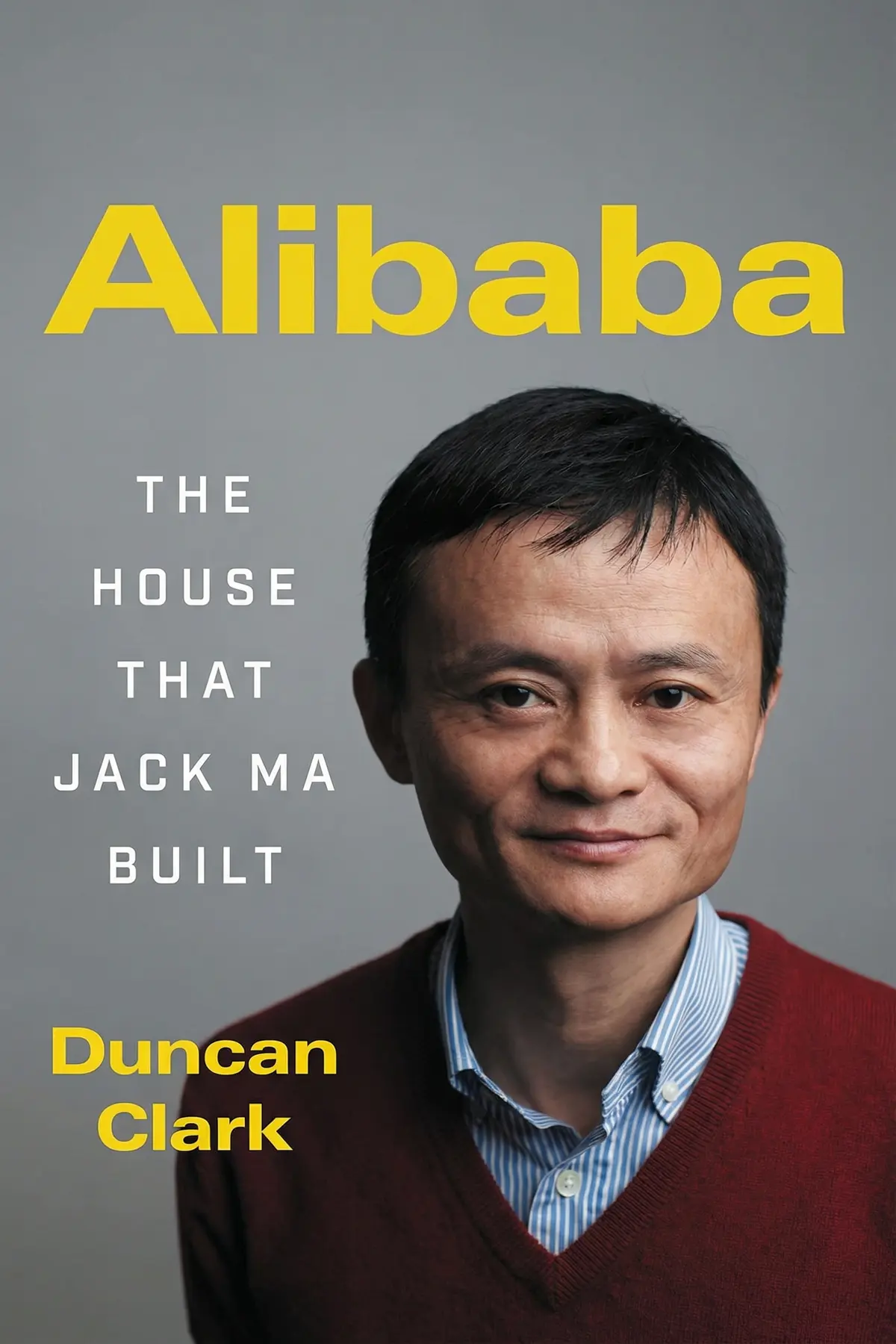
Alibaba: The House That Jack Ma Built
Duncan Clark


Abolish Rent: How Tenants Can End the Housing Crisis
Tracy Rosenthal

Abortion: Our Bodies, Their Lies, and the Truths We Use to
Jessica Valenti

Adults in The Room: My Battle With Europe’s Deep Establishment
Yanis Varoufakis
AUDIO SUMMARY AVAILABLE
Listen to House of Huawei in 15 minutes
Get the key ideas from House of Huawei by Eva Dou, plus 5,000+ more titles in English and Thai.
- 5,000+ titles
- Listen as much as you want
- 7-day free trial
- Cancel anytime







