

A Bigger Prize: How We Can Do Better Than the Competition
Margaret Heffernan
How to Become CEO provides a no-nonsense guide to navigating the corporate landscape. It explores unconventional rules for leadership, visibility, and personal discipline to help ambitious professionals reach the highest levels of management.
1 min 41 sec
The journey to the top of the corporate world is often portrayed as a linear climb, where hard work and technical skill eventually lead to the corner office. But if you look closely at those who actually reach the summit, you will notice a different pattern. The executive suite isn’t just populated by the smartest people in the room or those with the most degrees. Instead, it is filled with individuals who have mastered a specific set of behaviors, a way of thinking, and a method of positioning themselves that sets them apart from the crowd.
To become a CEO, you must realize that your professional growth is not the responsibility of your employer. It is a solo mission that requires strategic planning, social awareness, and a relentless focus on value. Many talented people stall out in middle management because they wait for permission to lead or expect a meritocracy to recognize them automatically. In reality, the corporate world rewards those who act like leaders long before they are given the title. It rewards those who understand where the power lies, who generate revenue, and who protect their reputations with iron-clad discipline.
In this summary, we are going to explore the fundamental principles of rising through an organization. We will look at why taking total ownership of your career path is the first step toward the top, and how results—not just effort—become your primary currency. We will examine the importance of visibility and why choosing the right role matters just as much as how well you perform in it. We will also dive into the daily habits, communication styles, and personal standards that signal to the world that you are ready for the highest levels of responsibility. This is not just about climbing a ladder; it is about building the foundation of a leadership legacy that starts exactly where you are today.
2 min 00 sec
Discover why relying on your company for career development is a mistake and how to map your own route to the executive suite.
2 min 08 sec
Learn why consistent execution is the most powerful way to build trust and how to become the person everyone relies on for follow-through.
2 min 08 sec
Find out why being in the right role is often more important than being the hardest worker and how to find your way to the center of the action.
2 min 04 sec
Explore why leadership is a behavior rather than a title and how to start acting like an owner in your current position.
2 min 02 sec
Learn how small, consistent habits like morning routines and physical presence can create a significant professional advantage.
2 min 00 sec
Discover how clarity, brevity, and the human touch in your communication can boost your influence across the organization.
2 min 14 sec
Uncover the common professional mistakes that can derail a career and learn the importance of accountability and emotional control.
1 min 39 sec
The path to becoming a CEO is paved with intentionality. It is not a reward for long tenure or a byproduct of mere intelligence; it is the result of a consistent commitment to excellence in every facet of your professional life. We have explored how the journey begins with total ownership—the realization that you are the captain of your own career and that you must proactively navigate the power structures of your organization. We’ve seen that results are the ultimate currency, and that reliability in the small things builds the trust necessary for the big things.
Success also requires a strategic eye for visibility, ensuring that your hard work is seen and that you are positioned in the revenue-generating heart of the company. By acting like a leader today, focusing on the customer, and building high-performance teams, you signal your readiness for the next level. This is reinforced by a foundation of personal discipline and a mastery of clear, human-centered communication. Finally, we’ve discussed the importance of reputation—how emotional control and accountability act as the safeguards of your professional trajectory.
As you move forward, remember that leadership is not a destination you reach, but a standard you uphold every single day. The rules for rising to the top are practical and often unspoken, but they are accessible to anyone willing to put in the effort. Start looking at your role through the eyes of the CEO. Make the extra call, send the handwritten note, and take responsibility for the problems that others avoid. By doing so, you don’t just prepare yourself for the top job—you become the obvious and inevitable choice for it. The ladder is there for the taking; it’s time to start the climb.
Many professionals believe that moving up the corporate ladder is simply a matter of technical expertise and long hours. However, the path to the executive suite is often dictated by a set of unspoken rules and behavioral shifts that go beyond a standard job description. This summary explores the mindset required to transition from a capable employee to a visionary leader who commands respect and achieves results. The promise of this guide is to strip away the corporate jargon and provide a direct, actionable roadmap for career advancement. It focuses on the importance of visibility, the necessity of personal discipline, and the strategic value of focusing on revenue-generating activities. By learning how to think like an owner, manage your personal brand, and avoid common political pitfalls, you can position yourself as the natural choice for leadership roles. Whether you are just starting your career or looking to break through to the next level of management, these principles offer a clear framework for accelerating your professional growth and becoming the leader your organization needs.
Jeffrey J. Fox is a highly regarded business author and speaker who earned his MBA from Harvard. He is the founder of the marketing consulting firm Fox & Company, where he specializes in helping businesses improve their branding and sales performance. Best known for his accessible and results-driven career advice, Fox has authored several best-selling books, including How to Become a Rainmaker, Secrets of Great Rainmakers, and How to Make Big Money in Your Own Small Business.
Listeners find this book is a fast, uncomplicated read full of actionable career guidance, making it particularly useful for those just starting out. They appreciate its direct language, with one listener highlighting that it has been translated into twenty-one languages. The book’s tempo is well-regarded, with one listener describing it as a brief assembly of reachable standards. Listeners also prize its inspirational tone, with one noting how it encourages them to work harder than their colleagues.
Picked this up during a long layover and finished it before the plane landed. Jeffrey Fox delivers a punchy, no-nonsense manual that feels like a mentor giving you the unfiltered truth about corporate climbing. Most of the advice is centered around personal accountability and the realization that your career belongs to you, not the HR department. I found the concept of WACADAD—Words Are Cheap And Deeds Are Dear—particularly resonant in today’s world of endless meetings and performative work. While some suggestions about skipping lunch seem extreme, the core message of outworking your peers is timeless. It is written in such a straightforward manner that anyone, regardless of their industry, can pull out actionable steps immediately. For a book that has been translated into twenty-one languages, its longevity makes sense because it focuses on the fundamentals of human perception within a professional hierarchy.
Show moreAfter hearing my father rave about this book for years, I finally bought a copy to see if the hype held up after two decades. It is incredibly inspiring to read a guide that cuts through the noise and tells you exactly what it takes to stand out in a crowded field. Fox emphasizes persistence and the value of gruntwork, reminding us that the glamour of the CEO suite is earned in the trenches. The simple language makes the concepts accessible, yet the advice on overinvesting in people shows a surprising amount of depth regarding human motivation. In my experience, the people who actually succeed are the ones who arrive 45 minutes early and leave 15 minutes late, just as Fox suggests. It is a motivational powerhouse that encourages you to strive harder than everyone else around you without any apology.
Show moreAs someone who is just starting out in a junior management role, I found this concise set of rules incredibly motivating and easy to follow. Fox does not waste time with fluff or complex theories; he gives you short, punchy chapters that focus on being visible and indispensable. To be fair, a few of the tips—like the suggestion to skip lunch or avoid your superiors while traveling—felt a bit bizarre and perhaps a little too lone wolf for my taste. However, the emphasis on seeking line jobs over staff roles is a goldmine of a tip that most career coaches completely overlook. It really forces you to think about how you are actually generating revenue for the firm. The writing style is simple enough to digest in a single sitting, making it perfect for a quick mental reset before a big interview.
Show moreFinally got around to reading this airport classic, and I must say the pacing is absolutely refreshing compared to the 400-page slogs usually found in the business section. Truth is, business isn't always complicated, and Fox captures that reality with his blunt, directive language. I especially appreciated the advice on making one more call and being the first person in the office every morning. These are small, achievable habits that build a reputation for reliability and grit over time. Not gonna lie, some of the social advice is a little cold—like not getting buddy-buddy with subordinates—but it offers a necessary perspective on maintaining professional authority. It is an easy, simple read that serves as a great kick in the pants for anyone who has grown complacent in their current position and needs to start acting like a leader.
Show moreLook, this isn't a book about empathy or servant leadership, so do not go in expecting soft skills or emotional support. Jeffrey Fox writes for the person who wants to win, period, and his advice is as sharp as a tailored suit. I found the chapter on assassinating the character assassin with a single phrase to be one of the most practical pieces of office-politics advice I have ever encountered. The book is short and direct, which is a blessing for busy professionals who do not have time for academic jargon. My only real gripe is that it leans heavily into a work-is-everything mindset that can lead to burnout if followed too literally. Still, the core idea of being a credit maker rather than a credit taker is a brilliant way to build a loyal team around you. If you can ignore the more extreme macho elements, there is wisdom here.
Show moreDirect and to the point, this is exactly the kind of book you want to keep in your desk drawer for a quick boost of professional focus. Fox lays out 75 rules that cover everything from dress codes to managing your boss, and most of them are surprisingly evergreen. I loved the section on practicing WACADAD because it forces you to stop talking about your ideas and actually start executing them. To be fair, the book is very much a product of its time, focusing heavily on a traditional corporate structure that does not always apply to modern startups. However, the fundamental principles of being a Heller Seller and pushing products instead of paper are universal for any business owner. It is easy to see why it has been translated into twenty-one languages; the drive for success is a global language Fox speaks fluently.
Show moreTo be fair, most people will find at least five things in this book that they absolutely disagree with, but that is actually what makes it a great read. It challenges the participation trophy mindset and demands that you take total responsibility for your own career path. I found the advice to always say yes to a senior executive request to be a bit extreme, yet it is probably the most honest assessment of how promotions actually happen in large organizations. The book is very short, which allows you to revisit it every few months to see if you are still hitting the benchmarks for visibility and productivity. It is a no-nonsense, hard-ass guide that reminds us that business is a competition, and the winners are the ones who do the things that everyone else is too lazy to do. Definitely worth a read.
Show moreEver wonder why some people just seem to rocket up the corporate ladder while others stall out? This book attempts to answer that by providing a roadmap for the hyper-ambitious, though I found the results to be a bit of a mixed bag. On one hand, the sections on always taking the job that offers the most money and never surprising your boss are pragmatic and grounded in reality. On the other hand, Fox’s insistence on being a flag-waving company patriot feels slightly sycophantic in today's gig economy. I appreciate the focus on physical fitness and keeping an idea notebook, which are great life tips regardless of your career goals. But the book lacks a central thesis on why one should want this life, assuming power is the only motivator. It is a decent collection of tactics, but it definitely requires some heavy filtering.
Show moreThe chapter on eating in your hotel room instead of the breakfast buffet was where I started to realize this book might be a bit too intense. Personally, I think building relationships over a meal is one of the most important parts of leadership, so Fox's work-every-second mantra feels counterproductive. That said, I cannot deny that the book is packed with practical career advice that actually works, especially the tips on handwritten notes and knowing everyone's first name. The writing is incredibly concise, which is great, but the tone can occasionally come off as a bit arrogant or out of touch. It is a classic tough-love manual that will definitely help you get promoted, but it might also make you the least popular person in the breakroom. Take the tactical advice, but maybe ignore the bits about never having a drink with the gang.
Show moreNot what I expected from a modern leadership guide, and frankly, some of the advice feels dangerously outdated for the 21st-century workplace. Fox advocates for a rigid, almost robotic separation between social life and the office, suggesting you should avoid holiday parties and never drink with colleagues. In an era where culture fit and emotional intelligence are prioritized, acting like an antisocial work-automaton is a quick way to get sidelined by any board. He pushes this ruthless, Randian approach where you should never take work home, yet simultaneously suggests you should spend every waking minute on business trips working in your hotel room. It is a contradictory mess of 1990s MBA tropes that completely ignores the reality of modern networking. While the section on making your boss look good is accurate, the rest of the book feels like it was written for a world that no longer exists.
Show moreMargaret Heffernan

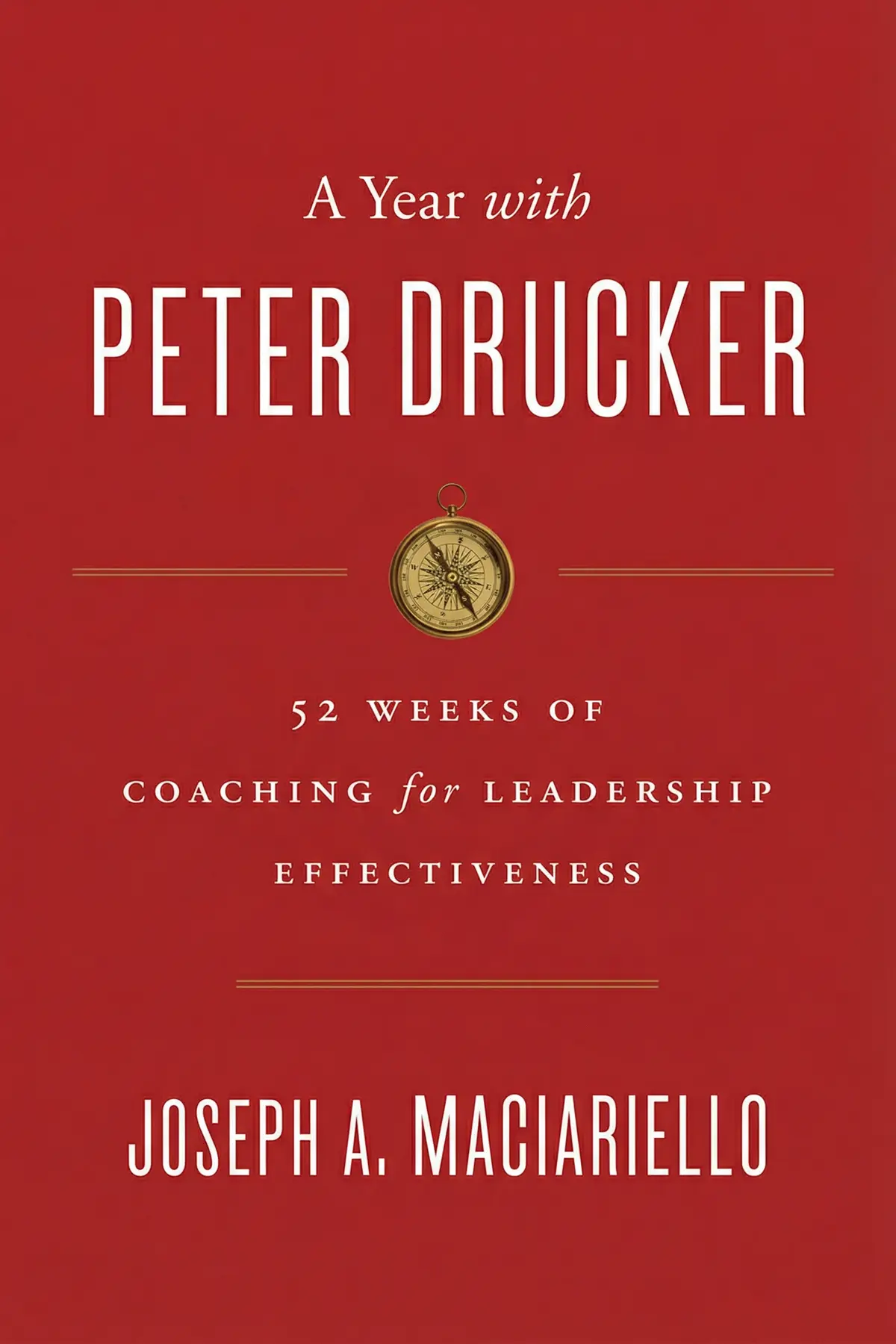
Joseph A. Maciariello


Deborah Gruenfeld
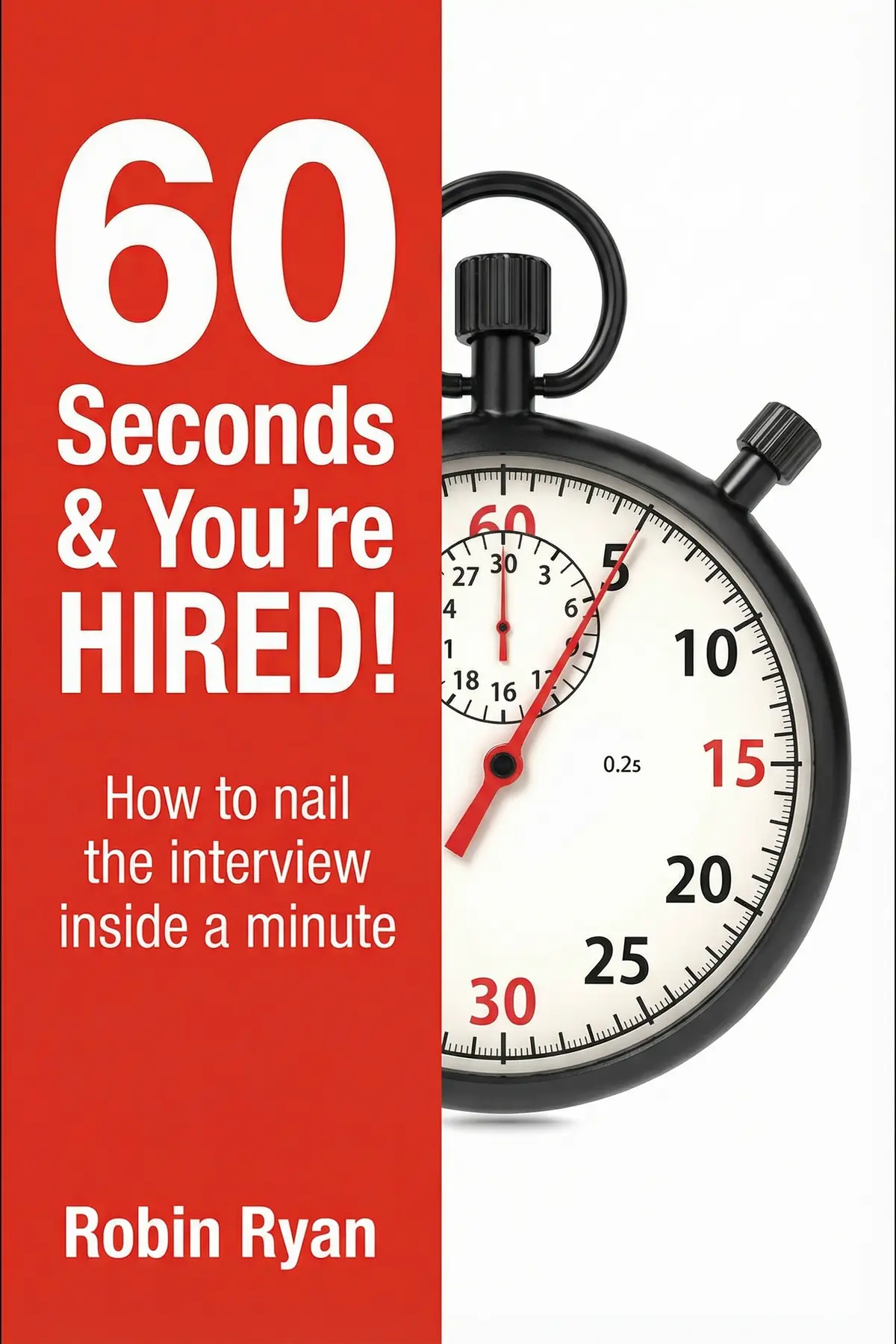
Robin Ryan
AUDIO SUMMARY AVAILABLE
Get the key ideas from How to Become CEO by Jeffrey J. Fox, plus 5,000+ more titles in English and Thai.







