The Power of Fun: How to Feel Alive Again
Catherine Price
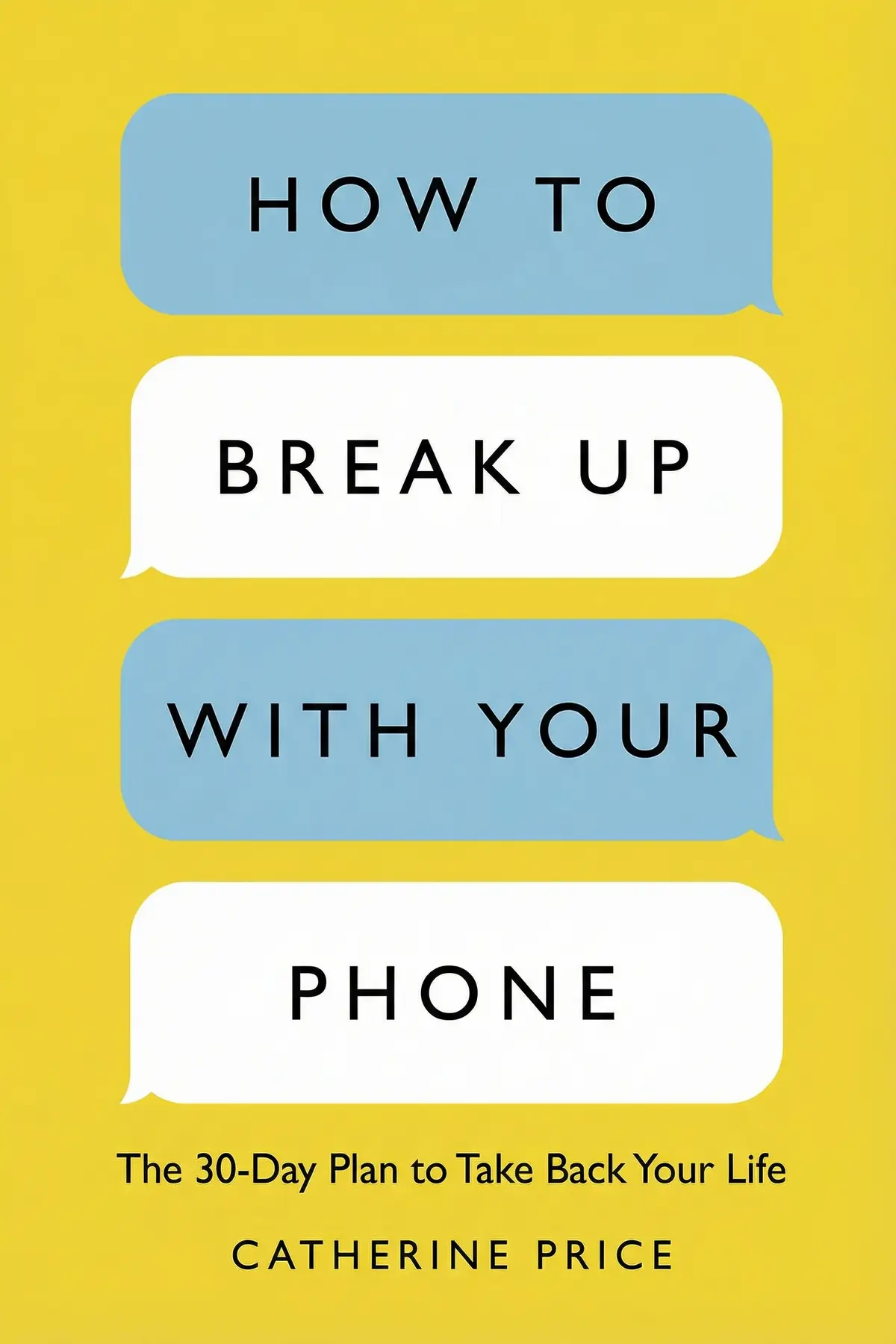
How to Break Up with Your Phone offers a science-backed, 30-day plan to reclaim your attention. Learn how to transform your relationship with technology to live a more present and fulfilling life.
2 min 25 sec
Imagine yourself standing on a busy street corner, or perhaps sitting on a quiet bus during your morning commute. Take a moment to look around. What is the one thing almost every person has in common? Whether they are young or old, alone or in a group, most people are looking down. They are absorbed in the glowing rectangles in their palms. It’s a scene so common that we’ve stopped noticing how strange it really is. We are living in an era where our attention is the most valuable commodity on earth, and we are giving it away, one notification at a time.
This isn’t just about being a little bit distracted. It’s about a fundamental shift in how we experience our lives. We often reach for our phones in those tiny gaps of time—waiting for a doctor, standing in line for coffee, or even during a lull in a conversation. While these moments seem small, they add up to a significant portion of our existence. The reality is that this constant connection isn’t just a habit; for many of us, it has become a full-blown addiction, carefully engineered by the very devices we carry in our pockets.
In this summary, we are going to explore the underlying science and psychology that makes our phones so incredibly difficult to put down. We’ll look at how our ancient hunter-gatherer brains are being hijacked by modern technology, and the real-world toll this takes on our memory, our sleep, and our ability to connect with the people right in front of us.
But this isn’t a story of doom and gloom. Instead, it’s a roadmap for a new beginning. We will walk through a practical, common-sense 30-day plan designed to help you break the cycle of compulsion. This isn’t about giving up technology forever; it’s about breaking up with the unhealthy version of that relationship so you can build something better. By the end, you’ll see how to take back those hours lost to mindless scrolling and reinvest them into a life that feels more content, more focused, and more truly yours. Let’s begin by looking at just how deep this digital rabbit hole goes.
2 min 44 sec
Are you checking your phone more than you realize? Discover the startling statistics behind our daily device usage and how a simple test can reveal the truth about your relationship with tech.
2 min 38 sec
Explore the biological mechanisms that keep you scrolling. Learn how tech companies leverage ancient brain rewards to ensure you stay hooked on their apps.
2 min 21 sec
Concentration is hard work, and our phones are the ultimate disruptors. Discover why your brain is biologically prone to distraction and how devices exploit this vulnerability.
2 min 31 sec
Your phone might be eroding your ability to remember your own life. Learn the link between digital distraction and the breakdown of your internal storage system.
2 min 35 sec
Is your phone stealing your sleep? Uncover the science of blue light and melatonin, and learn how nighttime scrolling can lead to serious long-term health risks.
2 min 20 sec
Success in breaking up with your phone requires more than willpower; it requires a plan. Learn why tracking your habits is the essential first step to change.
2 min 22 sec
You don’t have to quit social media to reclaim your focus. Learn the ‘Accessibility Hack’ that changes the power dynamic between you and your apps.
2 min 18 sec
What do you do with all that extra time? Learn how to combat FOMO by intentionally planning activities that reconnect you with your physical self and your community.
2 min 09 sec
The journey of a thousand miles begins with a single step—or in this case, a single app deletion. Walk through the first two weeks of the 30-day breakup plan.
2 min 19 sec
The final stretch of the plan focuses on deep concentration and a ‘trial separation.’ Learn how to master the last two weeks and set yourself up for long-term success.
2 min 17 sec
As we come to the end of this journey, it’s worth reflecting on what’s truly at stake. Breaking up with your phone isn’t just about reducing screen time or being less distracted. It is about reclaiming your humanity in a world that is increasingly designed to commodify your attention. We’ve seen how our brains are naturally prone to distraction and how tech companies have built sophisticated systems to exploit that vulnerability. We’ve seen the toll it takes on our memory, our sleep, and our health. But more importantly, we’ve seen that we are not helpless.
The 30-day plan we’ve explored is a path toward a life of greater intention. By building awareness, changing our digital environment, and intentionally filling our time with meaningful real-world experiences, we can shift the balance of power. We move from being a ‘user’—a term shared by the tech industry and drug dealers—to being a person who uses a tool for specific, helpful purposes.
If you take away just one actionable piece of advice today, let it be this: Buy a standalone alarm clock. It sounds almost too simple to be effective, but it is one of the most powerful changes you can make. When your phone is your alarm, it is the first thing you touch in the morning, often before you’ve even fully woken up. You find yourself scrolling through news or social media before you’ve even stepped out of bed. By using a simple, old-fashioned clock, you protect your first hour of the day. You allow yourself to wake up on your own terms, in your own body, rather than immediately surrendering your mind to the digital world.
This breakup isn’t about saying goodbye to technology; it’s about saying hello to everything else. It’s about being present for the sunset, the conversation, the book, and the quiet moments of reflection that make life worth living. You have the power to take back your time, your focus, and your life. The 30-day clock starts whenever you’re ready. Why not make it today?
Have you ever felt like your smartphone is an extra limb—one that you can't stop checking even when you want to? This book explores the deep psychological and neurological reasons why we are so attached to our devices. It explains how technology companies use brain science to keep us hooked, and how this constant distraction affects our memory, sleep, and overall well-being. More than just a critique of modern life, this guide provides a practical, step-by-step 30-day plan to help you reset your digital habits. By following this roadmap, you can learn to use your phone as a tool rather than a master. The goal isn't to throw your phone away, but to create a sustainable relationship that allows you to reclaim your time for the things and people that truly matter.
Catherine Price is an author and science journalist living in Philadelphia. Her writing has appeared in the New York Times, the Washington Post and the San Francisco Chronicle. Her other books include Vitamania (2015) and 101 Places Not to See Before You Die (2010).
Catherine Price
Listeners find this title accessible and value the practical, sequential plan for ending their phone dependency. The content is informative, life-altering, and skillfully authored, with one listener mentioning that it clarifies difficult topics without being judgmental. Listeners characterize the work as profoundly relevant, eye-opening, and occasionally frightening, with one review pointing out that it provides a day-by-day guide for the process.
Wow. I didn't realize how much of my life was slipping through my fingers until I read the chapters on time loss. This book is a practical, life-changing guide for anyone who feels like their brain has been turned into mush by social media algorithms. The writing style is incredibly accessible, breaking down complex neurological concepts without making the reader feel like they're in a biology lecture. I loved the lightness and freedom I felt after completing the tech fast. It's not just about the phone; it's about the psychological space we reclaim when we aren't constantly reactive to pings and buzzes. This should be required reading for the modern human. Five stars for the clarity, the lack of pretension, and the actionable steps that actually work.
Show moreAfter hearing about digital detoxing for years, I finally found a guide that works for the long term. Price is a science journalist, and it shows in the way she cites her sources and explains the 'surveillance-based enterprise' of modern tech. The book isn't just a list of tips; it's a fundamental shift in how you view your relationship with your devices. I especially loved the concept of 'phubbing' and how much it harms our actual, face-to-face relationships. The 30-day breakup isn't about ending the relationship forever, but about setting healthy boundaries. Since finishing the book, I’ve reclaimed hours of my day that used to be lost to mindless scrolling. It’s easily the most relevant book I’ve read this year for my mental health.
Show moreEver wonder why you feel so drained after an hour of scrolling? This book answers that question and then gives you the tools to stop the cycle. I found the 30-day agenda to be a brilliant way to ease into a new lifestyle. It wasn't about a sudden, painful withdrawal, but a gradual transition toward consciousness. The writing is clear, informative, and surprisingly non-judgmental for such a heavy topic. I particularly liked the section on building back your attention span through 'music baths' and meditation. It’s scary to think about how much of our lives we lose to these devices, but Price offers a way out that feels totally doable. Highly recommend for anyone feeling digitally overwhelmed and looking for a bit more peace in their daily life.
Show moreThis book delivers a punchy wake-up call that most of us desperately need in the age of constant scrolling. Price does a fantastic job explaining how apps are literally designed to hijack our dopamine systems, turning our pocket screens into slot machines. The first section provides the scientific 'why' behind our addiction, while the second half offers a structured 30-day plan to reset. I found the 'What do you want to pay attention to?' question particularly haunting and effective. It isn't about becoming a Luddite or throwing your phone in a lake; it’s about reclaiming your focus. Some of the suggestions felt a bit common sense, like turning off notifications, but having them organized into a daily schedule made a huge difference for my discipline. My attention span already feels less fragmented and I'm noticing a real shift in my daily habits.
Show moreFinally got around to reading this, and the 30-day plan is actually manageable rather than being an all-or-nothing approach. I really appreciated the focus on consciousness over abstinence. Price isn't telling you to quit the internet; she's teaching you how to be mindful of your habits. The chapters on how our phones kill our memory and sleep were particularly scary, but they provided the necessary kick in the pants to change my behavior. I’ve started charging my phone in the kitchen instead of the bedroom, and my sleep quality has improved significantly. The book is short, punchy, and provides plenty of resources for further reading. It's a great toolkit for anyone feeling 'phoned out' and exhausted by the digital noise and surveillance of modern apps.
Show moreAs someone who works in tech, seeing the inner workings of 'persuasive design' laid out like this was eye-opening. Catherine Price explains how we are essentially being manipulated by teams of engineers whose only goal is to keep our eyes on the screen. It's a menacing reality, yet she presents it in a way that feels empowering rather than hopeless. The practical steps, like stripping your home screen of everything but the essentials, have made my phone a lot less tempting. I did find her stance on online relationships a little dated and dismissive, but the core advice on reclaiming attention spans is gold. It’s a quick read that packs a lot of information into a small package and provides a workable guide for the average user.
Show moreThe first half provides the 'why' and the second half provides the 'how,' which makes for a very satisfying reading experience. I went into this thinking it would be another preachy 'tech is evil' rant, but I was pleasantly surprised by how balanced it actually is. Price treats the reader like an adult, acknowledging that smartphones are useful and even necessary in the modern world. My only real gripe is that the 30-day plan can feel a bit repetitive toward the end, but the results are hard to argue with. I’m spending much less time on social media and more time reading actual books again. If you’re looking for a practical, step-by-step guide to digital wellness that explains complex subjects clearly, this is it.
Show moreWhile the science presented here is solid, I struggled with the author’s occasionally judgmental tone regarding how we use technology to connect. To be fair, Price acknowledges that smartphones are tools, but she creates a harsh divide between 'real life' and digital interactions that doesn't quite sit right with me. The 30-day agenda is useful, but as someone living alone, my phone is my primary window to the world. Following her advice to the letter felt isolating at times. That being said, the 'WWW' (What for? Why now? What else?) check-in strategy is a total game changer for stopping mindless scrolling. It’s a decent starting point if you’re feeling overwhelmed, but you really have to pick and choose what fits your specific lifestyle rather than following it blindly.
Show moreLook, this is a helpful manual, but your mileage will vary depending on how much you rely on your phone for work. I enjoyed the first half's exploration of brain chemistry, even if some of the 'facts' are common knowledge at this point. The 30-day plan is a bit hit-or-miss; some days I felt genuinely challenged, while others felt like busywork. I also think the 'breakup' metaphor is a bit dramatic for what is essentially just a habit-tracking exercise. However, the author's emphasis on intentionality is valuable. If you want to become more deliberate about your technology use, this provides a solid framework. Just don't expect a revolutionary philosophical text—it’s very much a self-help guidebook with a specific focus on behavior modification.
Show moreHonestly, I found the tone a bit patronizing and much of the information felt like a rehash of articles I’ve already read online. We all know social media makes us depressed and that multitasking is a myth—do we really need another book telling us we're addicted to dopamine? The author assumes everyone uses their phone the exact same way she did, which makes the advice feel narrow-minded and somewhat privileged. I was hoping for deeper insights into the ethics of tech companies, but it mostly stayed on the surface. While the 30-day plan might help some people who have zero self-control, it felt repetitive and simplistic to me. If you’ve already done a basic digital detox or have read anything about the attention economy, there isn't much new here to discover.
Show more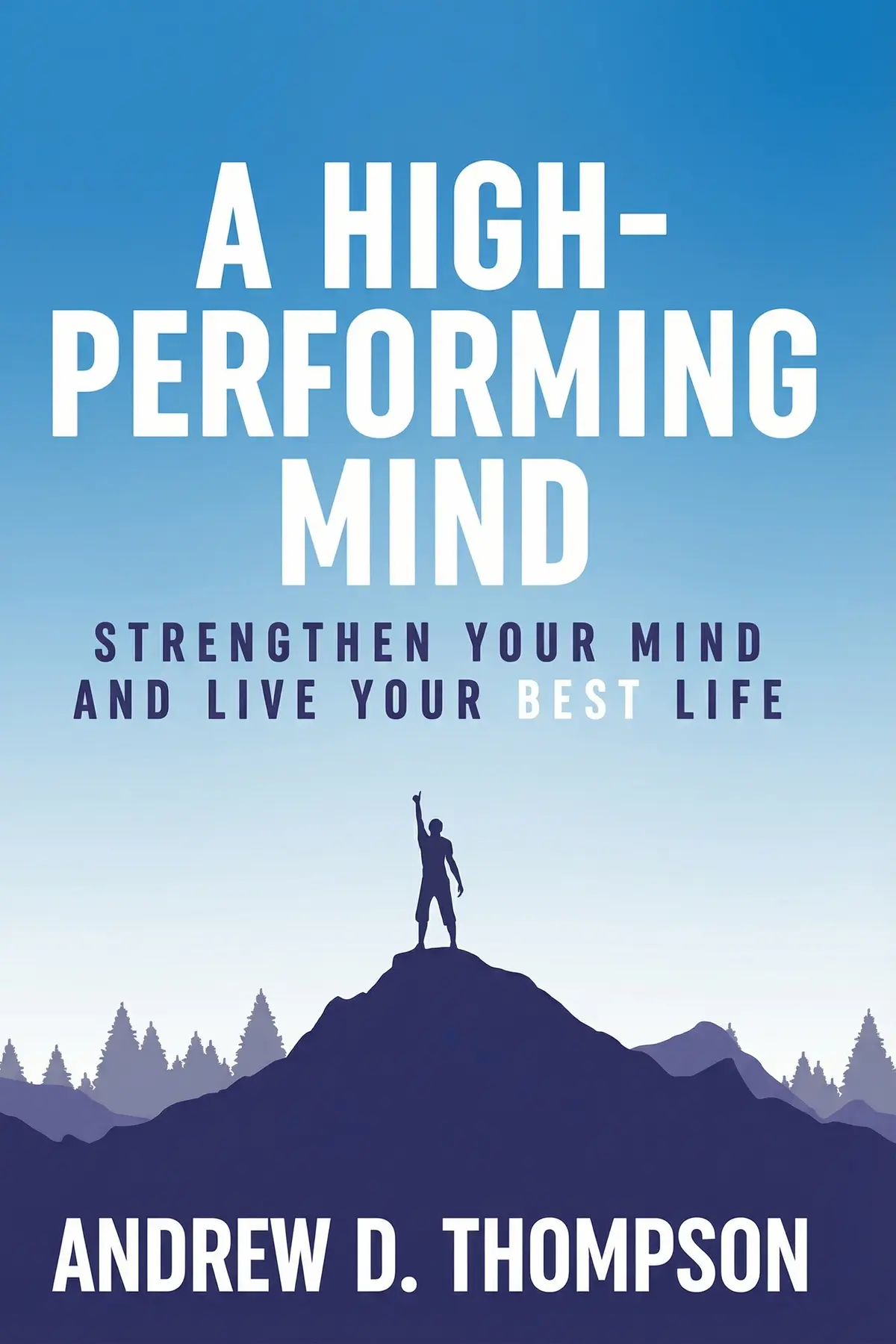
Andrew D. Thompson
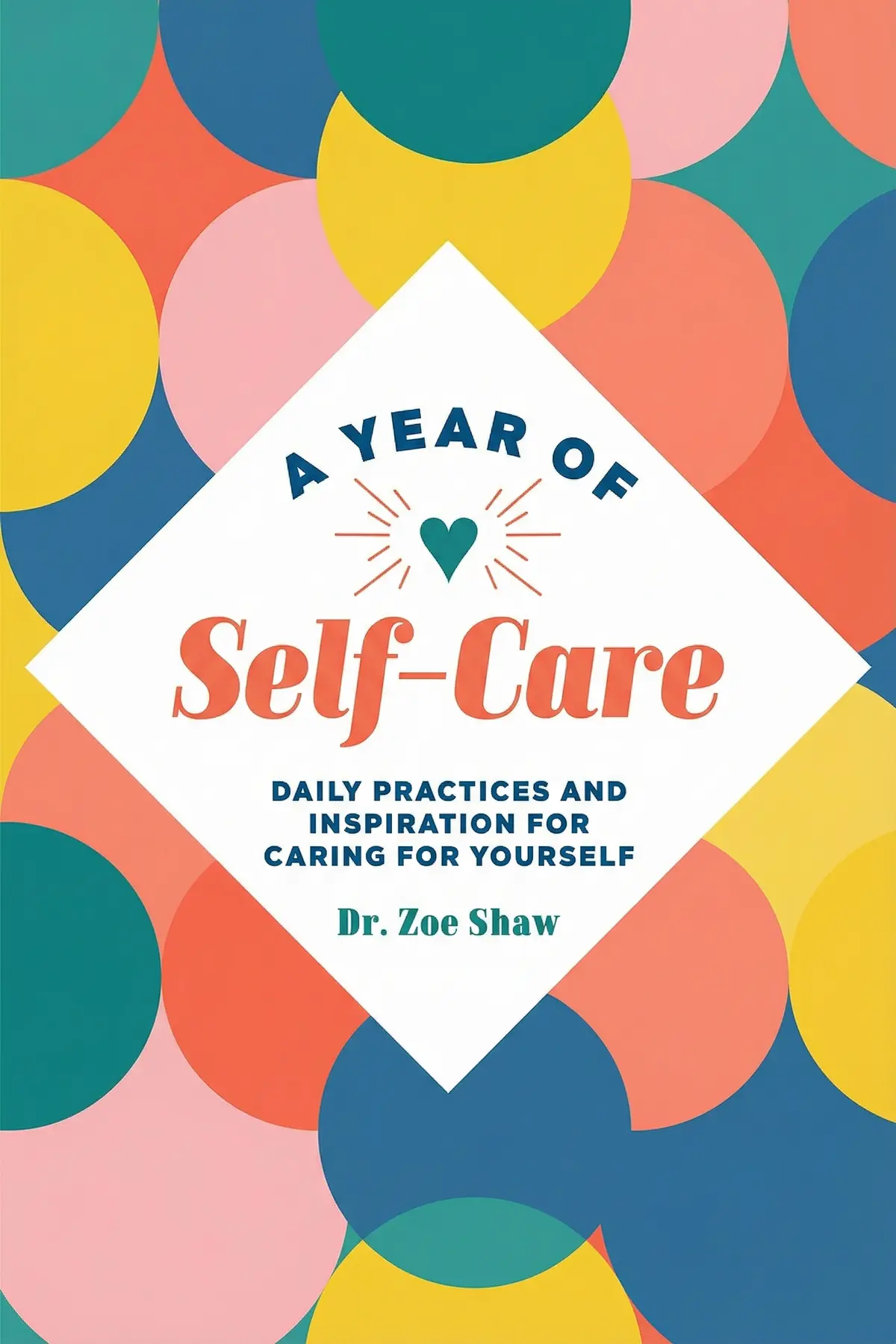
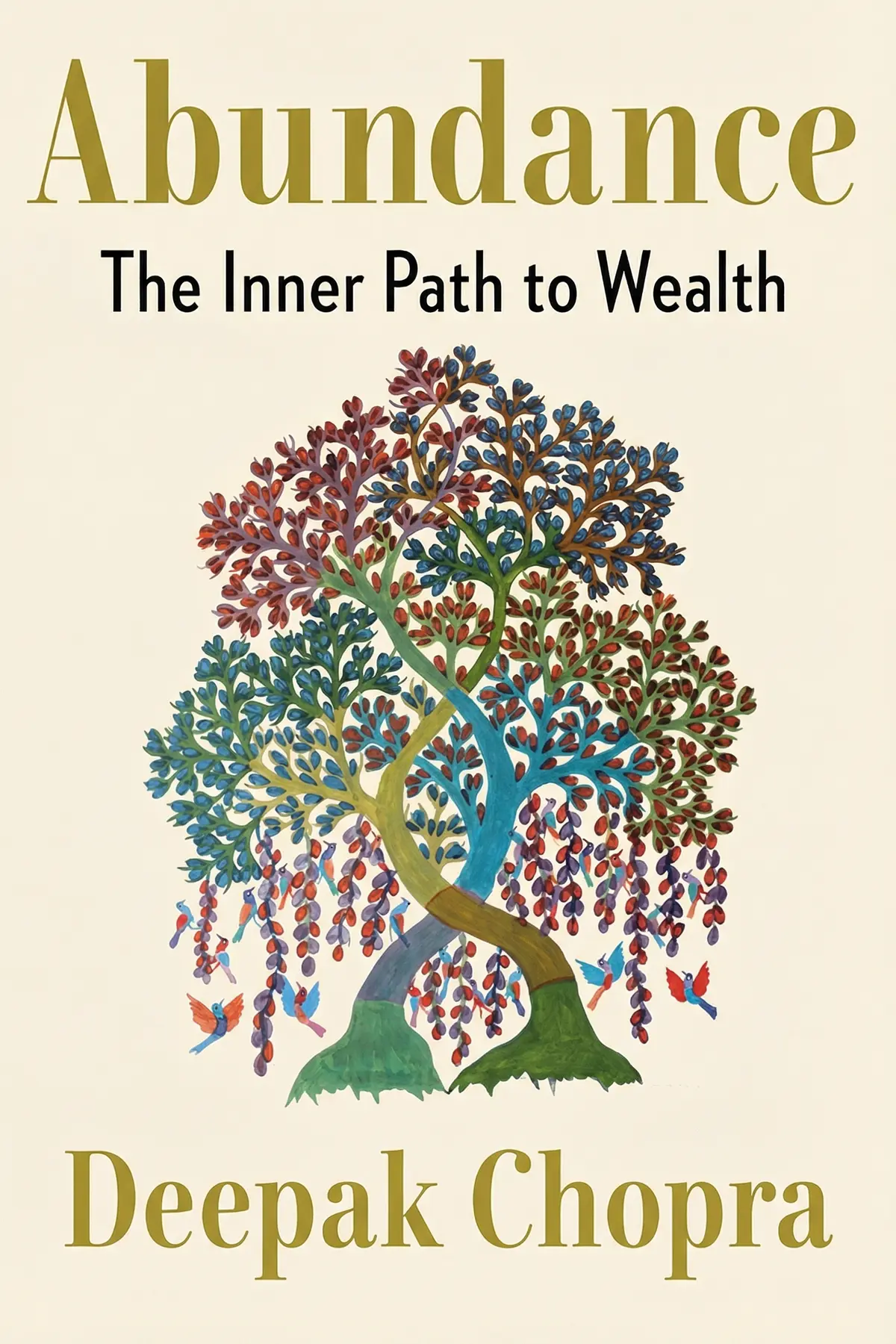
Deepak Chopra
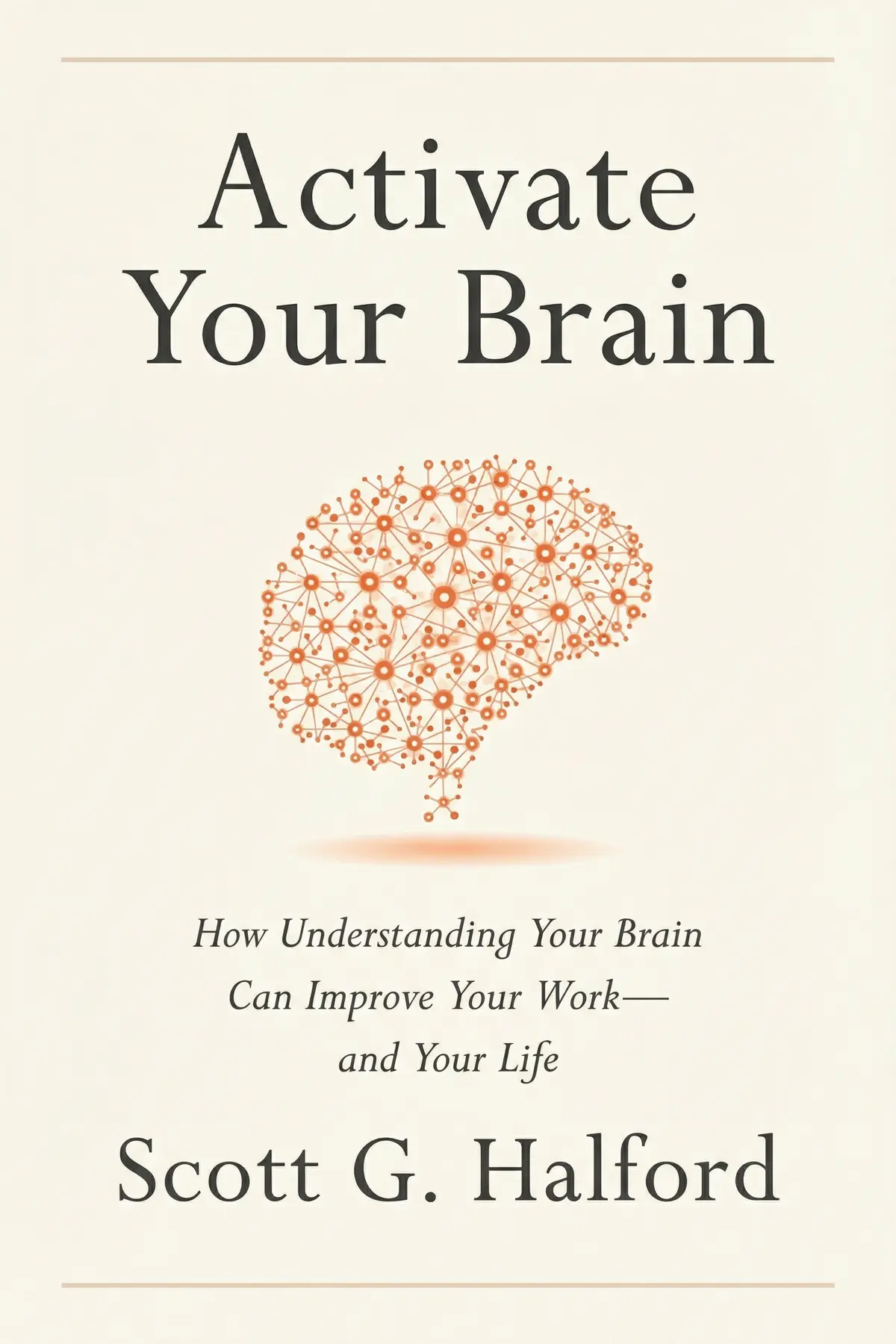
Richard Wiseman

William B. Irvine
AUDIO SUMMARY AVAILABLE
Get the key ideas from How to Break Up with Your Phone by Catherine Price, plus 5,000+ more titles in English and Thai.