
17 min 01 sec
How to Listen: Discover the Hidden Key to Better Communication
Master the art of intentional communication. This guide reveals how to move beyond hearing words to understanding deep meaning by managing distractions, noticing non-verbal cues, and uncovering the backstory behind every conversation.
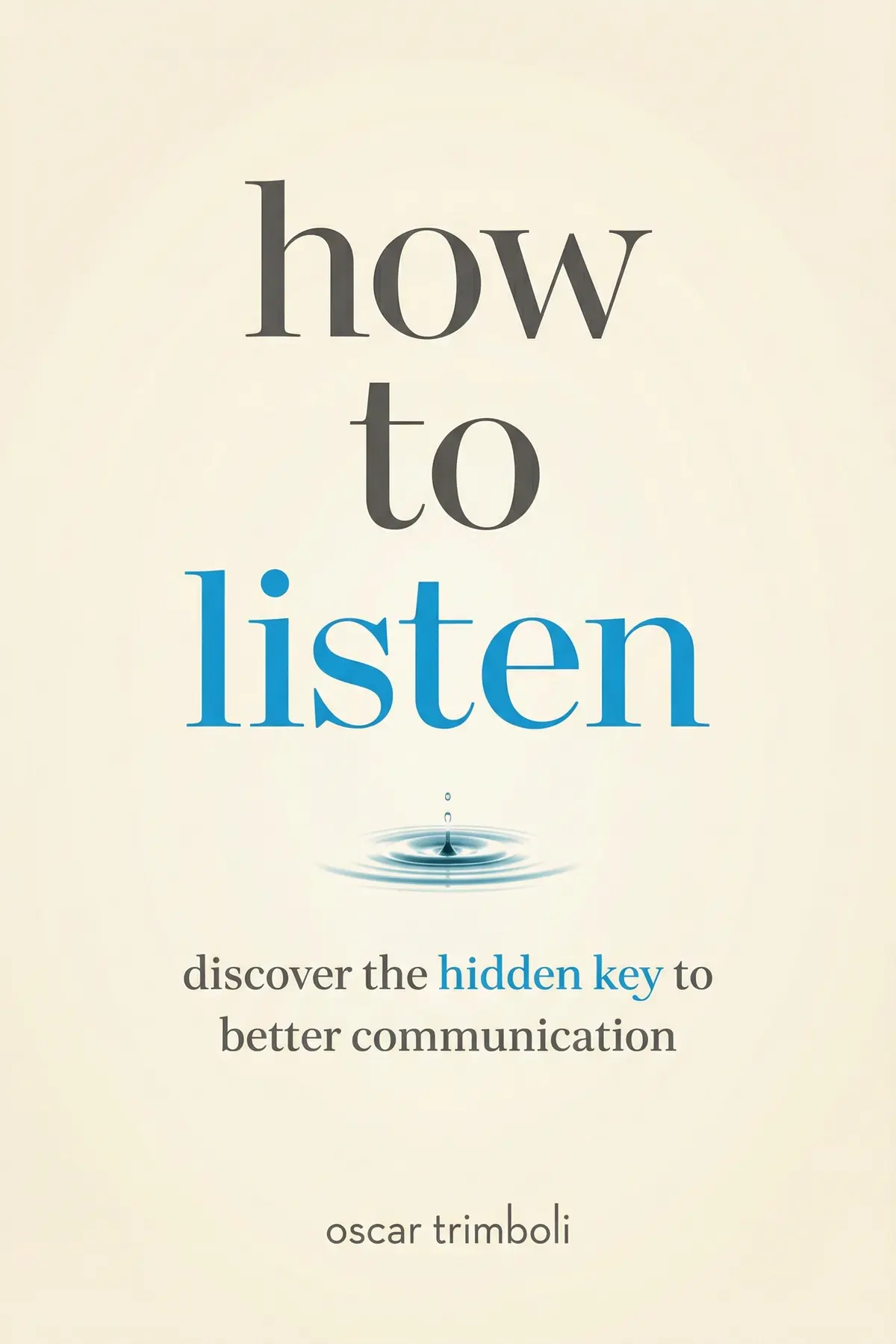
Table of Content
1. Introduction
1 min 48 sec
In our fast-paced, digital world, we often treat listening as a background task. We hear the words, but our minds are usually three steps ahead, preparing a rebuttal, checking a notification, or simply waiting for our turn to speak. However, there is a profound difference between the mechanical act of hearing and the intentional practice of listening. When we fail to listen deeply, we don’t just miss information; we miss the person behind the information. Trust begins to erode, projects stall because of unspoken disagreements, and connections that should be meaningful become shallow and transactional.
Most of us live under the illusion that we are naturally gifted at this skill. Yet, the data tells a different story. People generally rate their own listening effectiveness much higher than their colleagues or partners do. This gap creates a significant blind spot in our communication. True listening is a deliberate choice to be present and a willingness to be changed by what you hear. It requires us to set aside our assumptions and look for the deeper meaning that words often fail to capture. When done correctly, deep listening actually saves time by preventing the rework and repetition that stem from misunderstanding.
Over the course of this exploration, we will dive into the specific habits that distinguish a master listener. You will learn how to prepare your mind before a meeting, how to use your whole body to sense meaning, and how to track the subtle shifts in language that reveal a person’s true focus. We will look at how to uncover the essential backstory of a situation and how to move past surface-level answers to find the core significance of a story. By the end, you’ll have a roadmap for making every conversation more human, more effective, and far more rewarding. Let’s look at how to turn down the noise and finally start hearing what matters.
2. Preparation and Tuning
2 min 10 sec
Before you can hear anyone else, you must learn to silence the noise in your own head. Discover why preparation is the secret ingredient to any successful conversation.
3. The Power of Intentional Attention
2 min 21 sec
Most of us filter out the very information we need most. Explore how managing your internal processing speed and choosing empathy over sympathy can prevent costly misunderstandings.
4. Listening with the Whole Body
2 min 20 sec
Listening involves more than just your ears. Learn how to use your eyes, your body, and even the physical layout of a room to capture the unspoken messages in every exchange.
5. Uncovering the Backstory
2 min 10 sec
Every current problem has a hidden history. Understand why asking for the backstory is the only way to avoid the trap of making dangerous assumptions.
6. The Map of Language
2 min 28 sec
The words we choose act as a map for our inner state. See how tracking adjectives and pronouns can reveal a speaker’s hidden focus and emotional baseline.
7. Moving Past the First Answer
2 min 22 sec
A person’s first answer is rarely their most important one. Discover the power of the pause and the one question that helps uncover the deeper significance of a story.
8. Conclusion
1 min 22 sec
The art of listening is far more than the absence of talking. As we have explored throughout Oscar Trimboli’s insights, it is a comprehensive discipline that requires mental preparation, sensory awareness, and a deep curiosity about the human experience. By treating listening as a skill to be practiced rather than a natural gift, you can close the gap between how you think you listen and how you are actually perceived by others.
Remember that every conversation is an opportunity to practice these techniques. Start small: try the three-minute tuning exercise before your next important meeting. Practice using the “essence question” in your personal relationships. Pay attention to the adjectives and pronouns people use and see what they reveal about their hidden priorities. Above all, remember to embrace the silence. The most important things are often said in the moments when no one is speaking at all.
When you commit to being a deep listener, you change the dynamic of every room you enter. You become a person who people trust, a leader who understands the nuances of their team, and a partner who truly knows the person they are with. Listening is the hidden key to better communication, but its real value lies in its ability to create a more connected, empathetic, and understanding world. Now that you have the tools, the next move is yours. Start by simply being present and letting the other person be heard.
About this book
What is this book about?
Have you ever walked away from a conversation feeling like you and the other person were speaking two different languages? In How to Listen, communication expert Oscar Trimboli argues that while we spend years learning how to speak, we rarely receive formal training in how to listen. This lack of skill leads to wasted time, fractured relationships, and missed opportunities. The book provides a practical framework for becoming a deep listener by shifting from passive hearing to active, empathetic engagement. You will discover that listening is a multi-dimensional act that begins long before a word is spoken and continues well after the speaker finishes. By learning to tune your own internal state, noticing subtle linguistic patterns, and paying attention to physical signals, you can uncover the hidden essence of what people are trying to say. This summary promises to transform your professional and personal interactions by teaching you how to help others feel truly heard, fostering deeper connections and more effective collaboration.
Book Information
About the Author
Oscar Trimboli
Oscar Trimboli is a communication expert, speaker, and podcaster recognized globally for his work on improving listening skills in leadership and everyday life. He’s best known as the host of the award-winning Deep Listening podcast and has conducted extensive research with thousands of professionals on the art and science of listening. He has published the best-selling works Deep Listening and Breakthroughs: How to Confront Assumptions.
Ratings & Reviews
Ratings at a glance
What people think
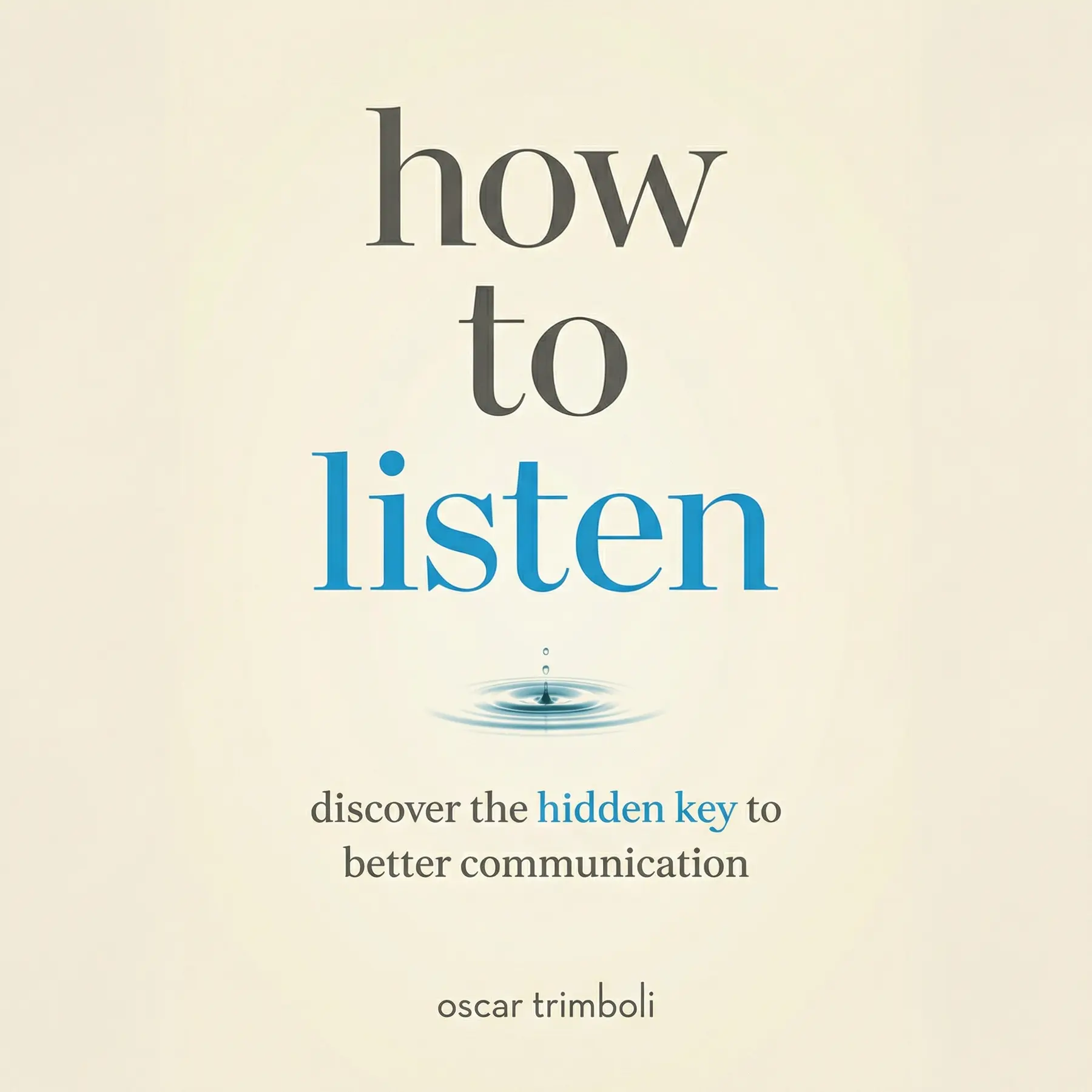
Listeners find the book deeply perceptive for honing listening abilities, and one review goes into detail regarding the five levels of focus. The information is praised as well, with one listener specifically noting the inclusion of real-life examples. The content is transformative, helping listeners become more intentional, and one listener observes that it builds stronger empathy in relationships. Additionally, listeners appreciate its value for money.
Top reviews
Darawan
This wasn't just a business read for me; it actually changed how I interact with my partner and children. Gotta say, the emphasis on empathy and 'listening to what isn't said' has made me much more intentional in my daily life. The book provides a transformative look at how we show up in spaces, using real-life examples that make the five levels of focus easy to visualize. I especially loved the section on how silence is like a tuning fork for the ear. It’s rare to find a self-help book that feels this grounded in humanity while still being applicable in a high-stakes corporate environment. For the price, the value here is incredible. It’s a manual for anyone who wants to build deeper, more authentic connections through the simple, yet difficult, act of truly hearing another person.
Show moreViolet
I’ve gone through countless communication manuals, yet this one finally broke down the actual how of the process in a way that feels sustainable. Not gonna lie, I was skeptical about a whole book dedicated to just listening, but the five levels of focus provided a roadmap I didn't know I needed. The knowledge base here is deep, and the real-life examples make the concepts of 'content vs. context' stick in your brain. I found the section on 'listening to the meaning' particularly helpful for strategic decision-making. It’s not just about being nice; it’s about being effective and uncovering the real issues that people are often too hesitant to voice directly. This is an essential tool for any leader's toolkit and offers massive value for the money spent.
Show moreIsabella
Leadership is often sold as a speaking skill, but Trimboli argues convincingly that it's actually about your ears. The truth is, the higher you go in an organization, the more your listening influences the culture around you. This book provides a profound yet practical manual for mastering that foundation. I found the insights into 'Listening for the Unsaid' to be particularly transformative for my one-on-one meetings with my team. It helps you move past the 'first explanation' to get to the real thoughts hiding underneath. The activities included are great for turning these insights into actual habits. If you are a leader, or aspire to be one, this book is an absolute must-read. It’s a masterclass in empathy and strategic communication that will pay dividends in every relationship you have.
Show moreKru
Did you know we can hear four times faster than people speak? That single insight from Oscar Trimboli changed my entire perspective on why my mind wanders during Zoom calls. Truth is, I always considered myself a 'good' listener because I stay quiet, but this book exposed my inner 'Listening Villains'—specifically my tendency to be the 'shrewd' listener who is already solving the problem before the speaker finishes. The framework for preparing your mindset before a conversation is practical, though some of the illustrations felt a bit thin and could have used more depth. I appreciated the specific micro-rituals suggested for resetting between meetings. It’s a solid 4-star read that offers immediate value if you're willing to actually practice the exercises rather than just skimming the text.
Show moreConnor
The chapter on listening for what isn't being said was a total game-changer for my client meetings. Frankly, I used to focus so much on the words being spoken that I missed the emotional undercurrents and the hidden assumptions driving the conversation. Trimboli’s breakdown of the 'Listening Villains' helped me identify my own habits of interrupting and assuming I knew the ending of the story. The book is well-researched and the stories, like the one about the doctor who identified the COVID-19 strain, add a powerful emotional layer to the data. My only gripe is that it can feel a bit theory-heavy in the middle. You really have to be disciplined about applying the 'rituals' he suggests, or it just becomes another book sitting on your shelf. Still, it's a highly recommended read for any professional.
Show moreUdom
Finally got around to finishing this, and the 'listening battery' concept is what stayed with me the most. Look, we all know we should listen better, but Trimboli explains why we actually fail to do so—it’s a capacity issue as much as a skill issue. The book is a welcome addition to the genre, providing a layered model that moves from the self to the speaker and then to the broader meaning. I liked the focus on micro-rituals, like taking a breath and clearing your desk before a call. It’s practical, actionable, and less 'fluffy' than a lot of other self-help books out there. While some of the formatting felt a bit disjointed, the 'gold' you find in the insights makes it well worth the read. It’s challenged me to be a better listener regardless of the environment.
Show morePensri
Trimboli clearly knows his stuff, but the book feels a bit disjointed in places, almost like a collection of podcast transcripts that weren't quite smoothed out by an editor. To be fair, there is plenty of gold to be mined here, especially regarding the levels of meaning and the importance of silence. But you really have to work for it. I found several sections where a sub-heading would introduce a fascinating concept, only for the text to move on to something else entirely without enough elaboration. The lack of an index is a major oversight for a book that positions itself as a reference manual for leaders. It is a decent resource if you have the patience for the choppy flow, but it definitely isn't a seamless read.
Show moreTanawan
As a project manager, I’m always looking for ways to improve communication protocols, and this book came highly recommended. Personally, I found it to be a bit of a mixed bag. The stuff about the gap between speaking and hearing speeds is great—stuff you might 'know' intuitively but haven't seen framed so clearly. However, the later chapters on 'leading by listening' felt a bit repetitive and recycled common leadership tropes. The book is very much in Trimboli’s specific voice, which is great if you like his podcast, but it can feel a bit rambling at times. Look, it’s a helpful framework for practicing a skill we all take for granted, but it didn't quite blow me away. It's a solid 3.5 stars, but I'm rounding down because of the lack of an index and some clunky transitions.
Show moreSom
Useful, but it could have been a long-form essay and achieved the same result. In all honesty, the core insights about the 125/400 rule (speaking vs. listening speed) are fantastic, but the book spends a lot of time circling the same drain in the later chapters. I appreciated the 'Listening Villains' quiz and the framework for 'Hear, See, and Sense,' but I found myself skimming through the repetitive calls to action. To be fair, the author’s voice is encouraging and the stories are engaging, but the structure feels a bit loose. It’s a good reminder of things we often forget, but don't expect a revolutionary new theory in every chapter. It’s a decent 3-star book that serves as a good reminder to slow down and pay attention.
Show moreUraiwan
The first three chapters of this book are genuinely insightful, providing a solid foundation based on established communication research. However, once I hit Chapter 4, the quality took a massive dive into territory that felt ungrounded and, frankly, a bit ridiculous. In my experience, the transition from presenting external studies to the author's own theoretical framework was jarring and lacked the intellectual rigor found in the opening pages. I found myself scribbling frustrated notes in the margins because the 'unsaid' layers felt more like guesswork than actionable strategy. While the concept of the 'listening battery' has some merit, the later half of the book loses the plot. It feels like the author had enough material for a great long-form article but stretched it into a repetitive manual that doesn't quite hold up under scrutiny.
Show moreFeatured in
Readers also enjoyed
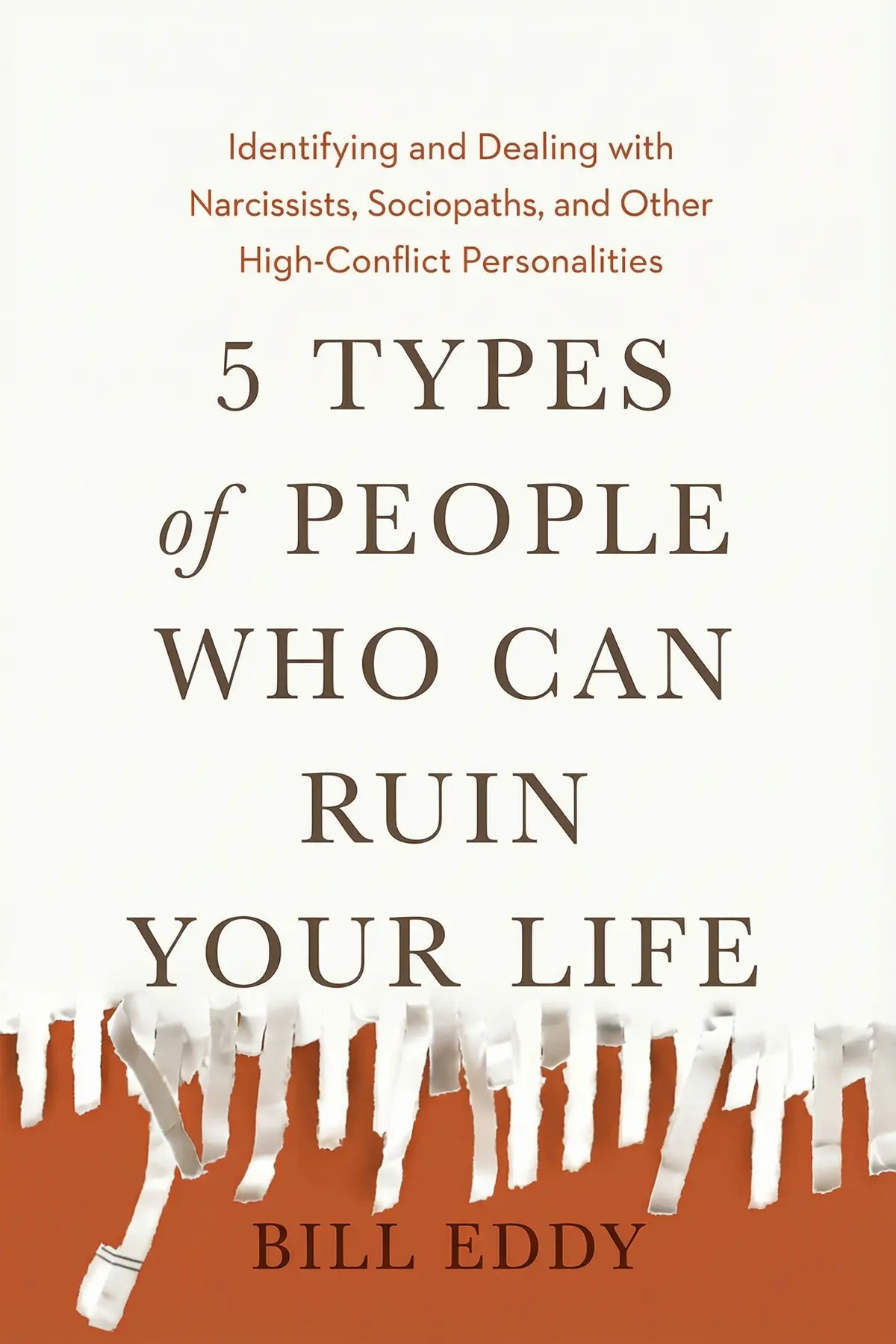
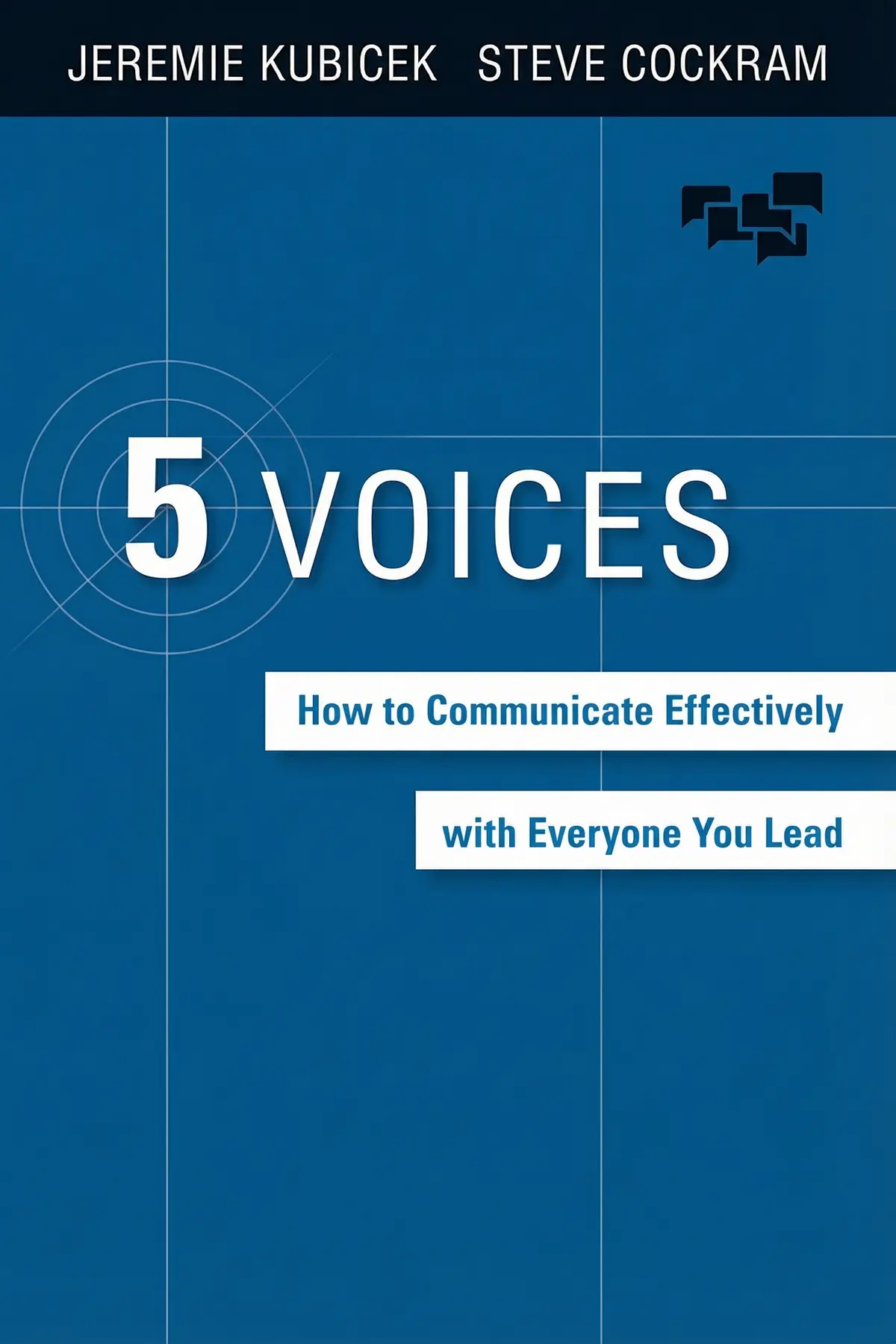
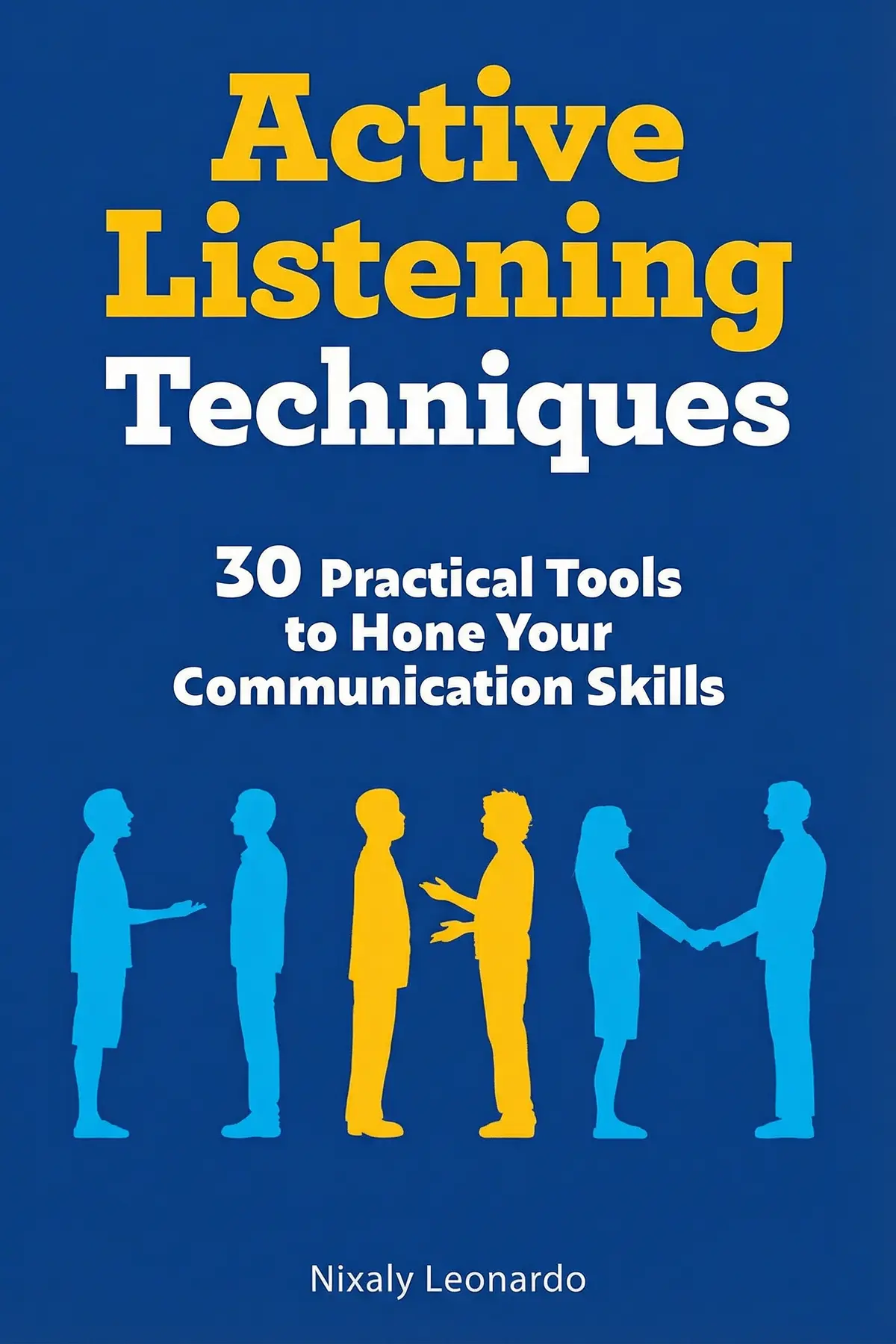
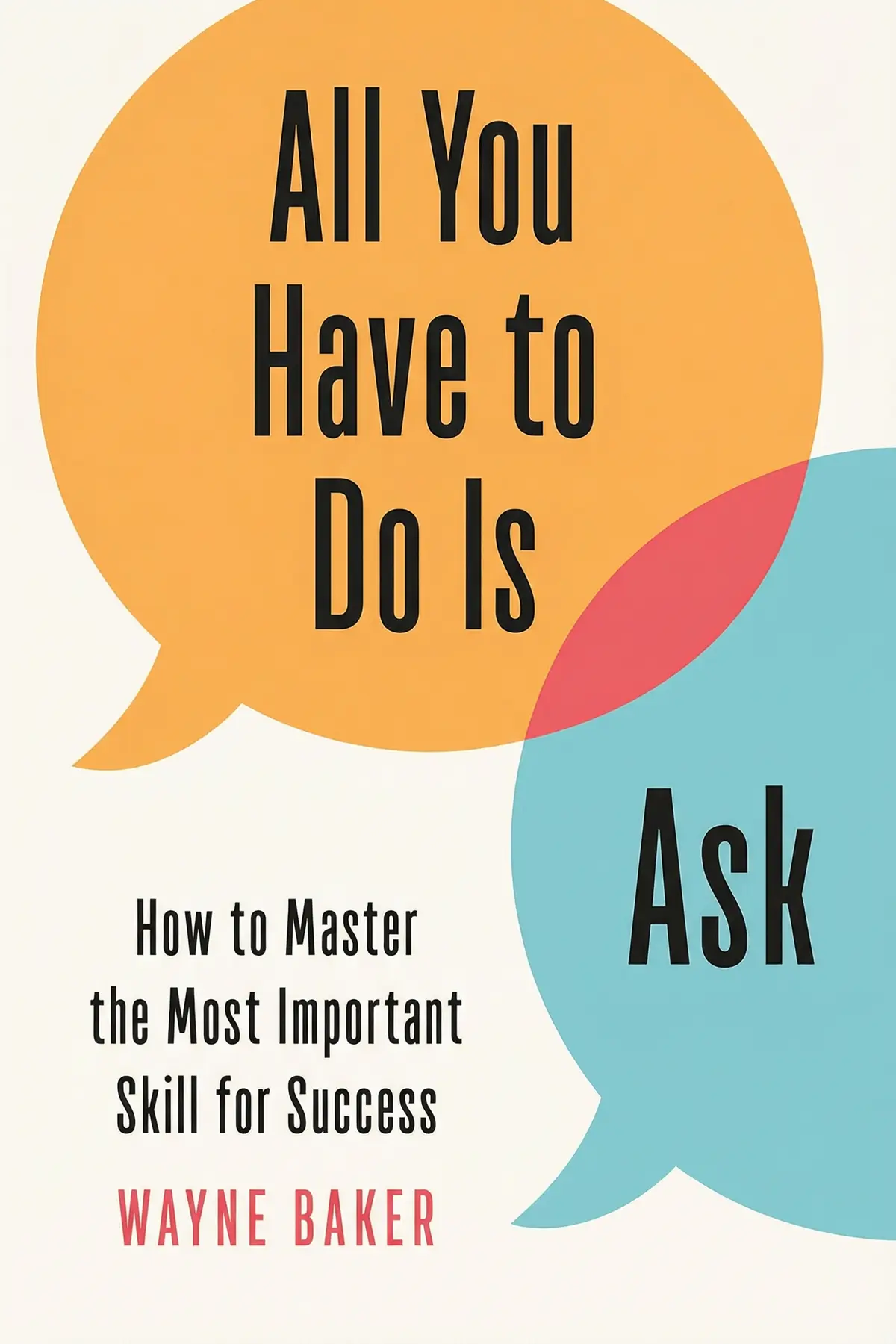
AUDIO SUMMARY AVAILABLE
Listen to How to Listen in 15 minutes
Get the key ideas from How to Listen by Oscar Trimboli, plus 5,000+ more titles in English and Thai.
- 5,000+ titles
- Listen as much as you want
- 7-day free trial
- Cancel anytime







