
16 min 18 sec
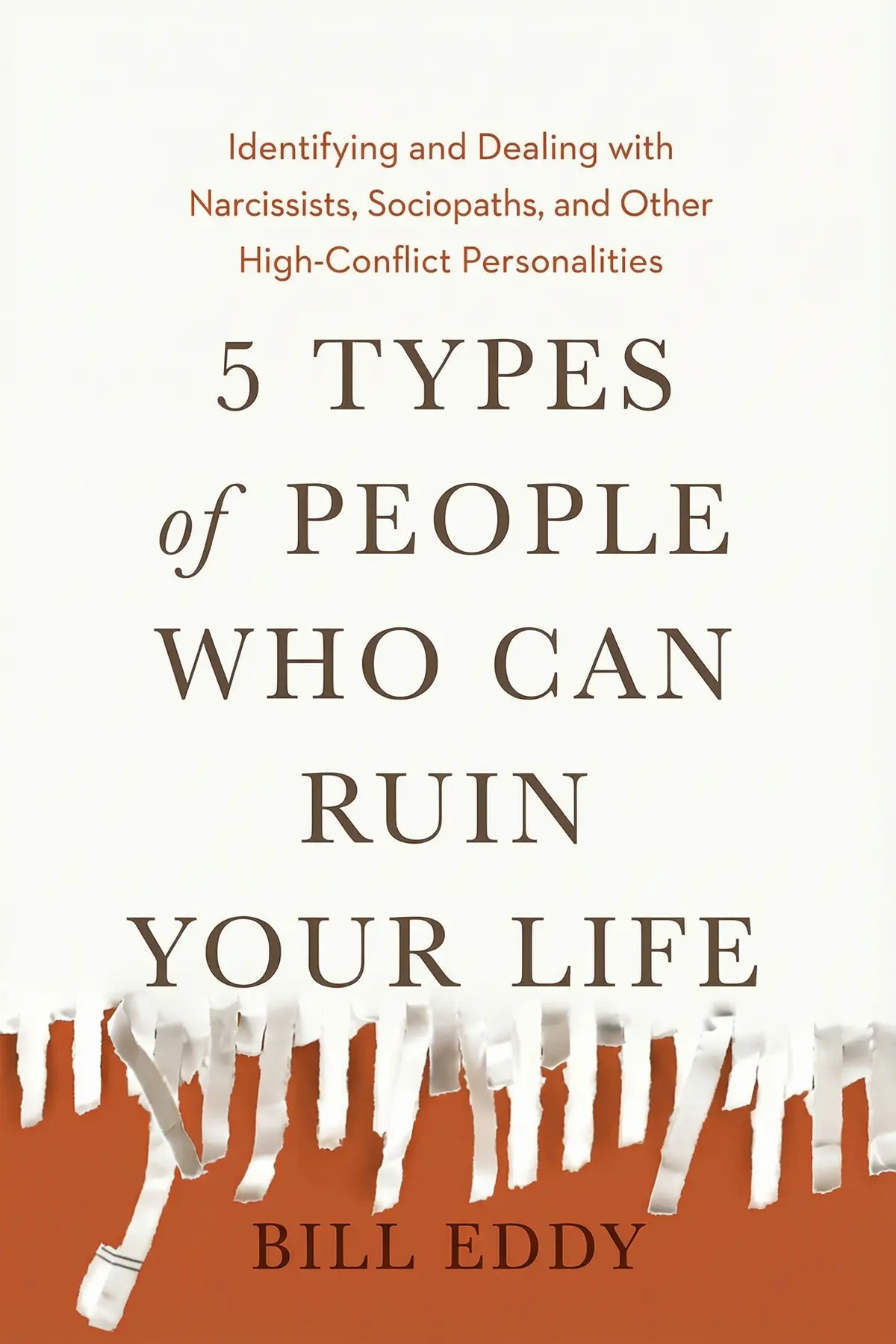
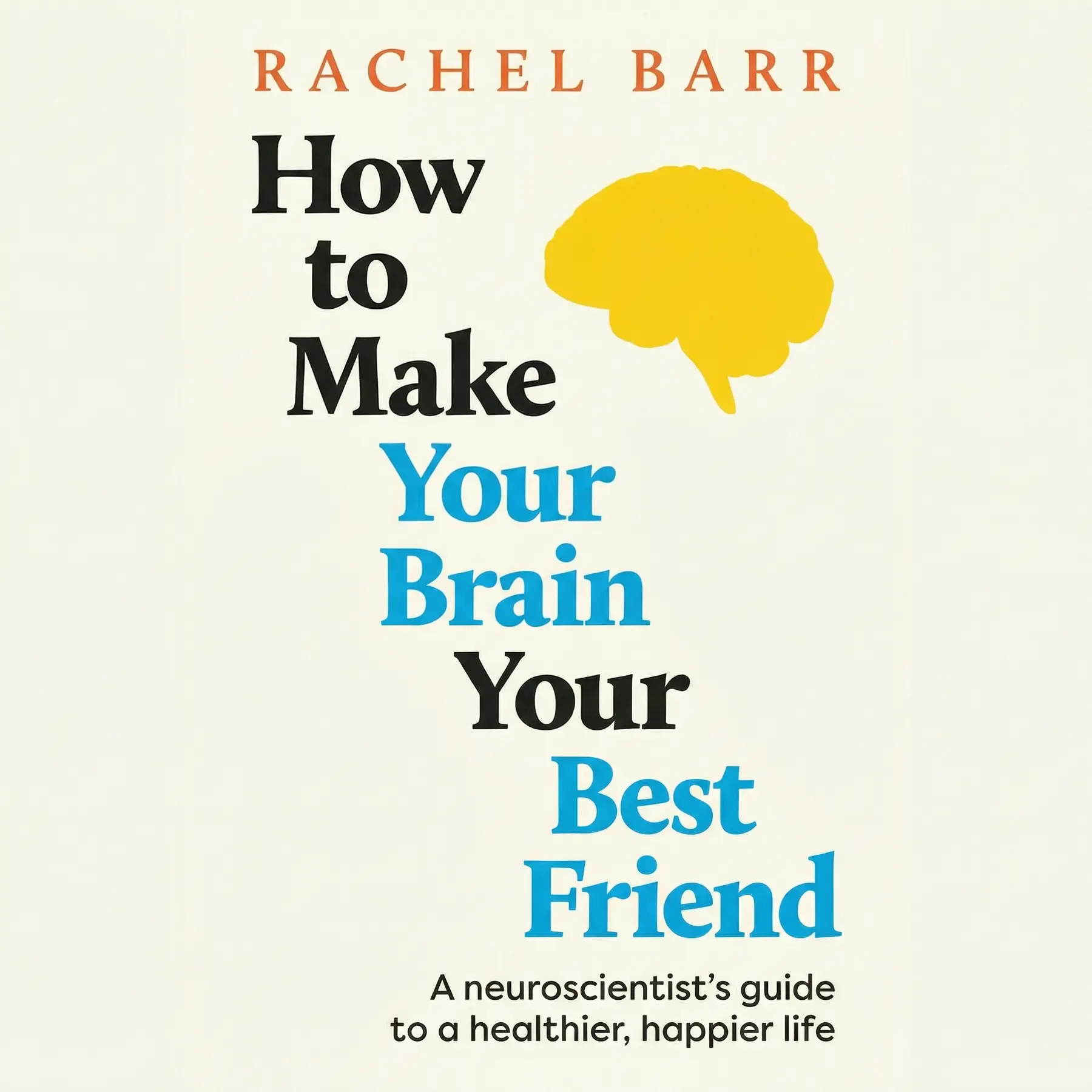
How to Make Your Brain Your Best Friend: A Neuroscientist's Guide to a Healthier, Happier Life
By Rachel Barr
Discover the neuroscientific secrets to emotional resilience and mental clarity. This guide explains how to align your daily habits with your brain’s biological needs for a more fulfilling, authentic life.
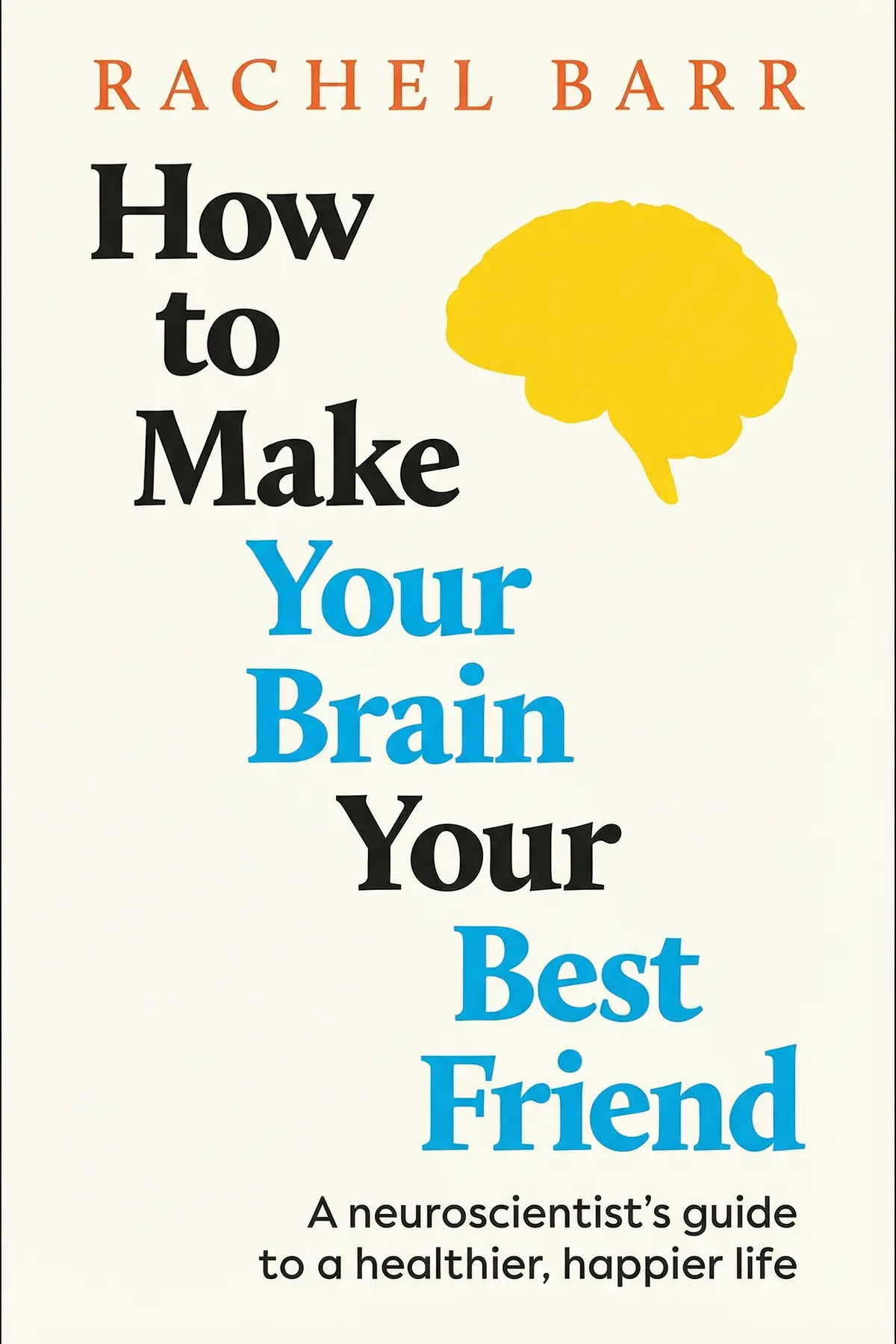
Table of Content
1. Introduction
1 min 33 sec
Imagine your brain as a lifelong roommate. You share every meal, every secret, and every waking moment with this partner. Yet, despite this constant proximity, most of us treat our brains like a stranger—or worse, an adversary. We ignore its needs, drown it in digital noise, and criticize it when it fails to perform perfectly. But what if the key to a happier, more resilient life wasn’t about fighting your mind, but befriending it?
You’ve likely had those days where you feel completely out of sync. Perhaps you’ve spent an hour scrolling through social media, only to end up feeling more drained and anxious than when you started. Or maybe you’ve noticed that your sense of self feels fragile, easily shaken by a single negative comment. These aren’t just personality quirks; they are signals from your biology. Our brains are incredibly powerful, but they are also sensitive and easily overwhelmed by the demands of the modern world.
In this exploration, we are going to dive deep into the mechanics of your gray matter. We’ll look at how your brain builds your identity, why it’s hardwired to focus on the negative, and how simple shifts in movement and attention can physically alter your neural landscape. The goal is to move from a state of mindless reaction to one of conscious cooperation. By the time we finish, you’ll have a new perspective on the connection between your neurological health and your daily happiness. It’s time to stop fighting against your biology and start working with it. Let’s begin this journey into the most important relationship you’ll ever have.
2. The Biological Construction of the Self
2 min 37 sec
Your identity is more than just a feeling; it is a complex narrative woven by specific brain regions that can sometimes experience a modern short circuit.
3. The Neurological Shift Toward Self-Compassion
2 min 36 sec
While self-esteem is often fragile and dependent on external validation, practicing self-compassion can actually rewire your brain’s response to failure and rejection.
4. Overcoming the Negativity Bias Through Savoring
2 min 24 sec
Our brains are evolutionarily wired to scan for danger, but we can intentionally train ourselves to find and prolong moments of delight.
5. The Brain’s Evolutionary Need for Movement
2 min 39 sec
Physical activity is not just for the body; it’s a biological requirement for maintaining a healthy, growing brain and improving cognitive function.
6. Protecting the Mind in a Digital Age
2 min 44 sec
The modern internet is a mismatch for our ancient neural architecture, but we can protect our mental energy by setting boundaries and embracing boredom.
7. Conclusion
1 min 45 sec
As we wrap up our look at How to Make Your Brain Your Best Friend, it’s clear that our mental well-being isn’t just about ‘thinking positive.’ It’s about understanding the biological reality of the organ that generates our every thought and feeling. We’ve seen how our sense of self is a construct of the medial prefrontal cortex and the hippocampus, and how we can protect that identity from the hollow signals of consumerism by focusing on authentic, lived experiences.
We’ve explored the transformative power of self-compassion, learning that being kind to ourselves isn’t a sign of weakness, but a neuroscientific tool for resilience. By retraining our brains to respond to failure with kindness instead of criticism, we change our very neural architecture. We’ve also discovered how to fight the ancient negativity bias by savoring small moments of delight and giving our brains the physical movement they evolutionarily crave.
Finally, we addressed the challenges of our digital world. We recognized that our attention is a finite resource and that we must protect it from the exhaustion of the infinite scroll. By embracing occasional boredom and practicing single-tasking, we allow our brains to recover and create.
The journey to befriending your brain is a daily practice. It starts with a simple realization: your brain is doing its best to keep you safe and help you navigate the world, even if its methods are sometimes outdated. When you approach your mind with curiosity and kindness rather than frustration, the entire quality of your life shifts. You aren’t just living with your brain; you are thriving with it. Take these insights into your day, move your body, savor the small things, and remember to be the kind of friend to yourself that your brain truly needs.
About this book
What is this book about?
Many of us feel like our minds are working against us, trapped in cycles of stress, digital exhaustion, and self-doubt. How to Make Your Brain Your Best Friend explores the biological mechanisms behind these feelings, revealing how our brain’s evolutionary programming often clashes with the modern world. It promises a roadmap for transforming this internal struggle into a supportive partnership. By understanding how specific regions of the brain construct our identity and respond to social feedback, listeners can learn to foster genuine self-compassion. The text moves beyond surface-level productivity tips, offering deep insights into how movement, mindfulness, and even boredom can physically reshape our neural pathways. Ultimately, it provides a guide to achieving lasting well-being through neuroscientific awareness and kinder mental habits.
Book Information
About the Author
Rachel Barr
Dr. Rachel Barr is an accomplished neuroscientist currently pursuing a PhD focused on the electrophysiology of memory formation during sleep. Beyond her academic research, she has built a significant public presence, sharing her expertise with a wide audience through her popular accounts on Instagram and TikTok.
Ratings & Reviews
Ratings at a glance
What people think
Listeners find the work to be thorough and well-documented, utilizing straightforward language that makes it reachable for any audience. They value the author’s wit and compassionate perspective, with one listener pointing out its honest view of the human mind. Listeners also speak highly of the prose, as one review emphasizes its unique storytelling approach.
Top reviews
Chatri
Rachel Barr has a way of making complex neurobiology feel like a conversation over coffee. Instead of treating the mind like a broken machine that needs fixing, she invites us to view it as a companion that occasionally gets confused by the modern world. I was especially struck by her breakdown of the medial prefrontal cortex and how it anchors our identity. The idea that our brains crave coherence between our values and our actions made so much sense. Frankly, it explains why I feel so much 'existential vertigo' when I’m just performing for social media. The writing is witty, warm, and remarkably grounded for a science book. It doesn’t just tell you to be better; it explains why your brain is currently struggling and how to negotiate a better relationship with it. This is a must-read for anyone who feels like their own mind is an adversary.
Show moreGame
Finally, a science book that actually gives you permission to enjoy a cup of tea without calling it 'productivity optimization.' Barr’s concept of 'delight' as a neurological counterweight to our natural negativity bias is beautiful. We are literally wired to look for danger, so we have to intentionally train our brains to notice the good stuff. I started the 'savoring' practice she suggests, and it’s surprisingly effective for grounding yourself during high-stress weeks. The book’s structure is great, moving from the internal identity to external habits and digital threats. The way she describes the brain as a 'rebellious anomaly' in a cold universe is genuinely poetic. If you’re tired of the hustle-culture version of self-help, this is the intellectual and emotional balm you need. It’s science with a soul.
Show moreAna
As someone who struggles with 'anxious achiever' syndrome, this book felt like a permission slip to stop fighting myself. The truth is, my brain isn't trying to sabotage me; it's just using old evolutionary tactics in a world it wasn't designed for. Barr’s advice to 'swap self-critique for curiosity' is something I’m now using daily. Instead of getting mad at my anxiety, I ask what my brain is trying to protect. This shift from conqueror to partner is profound. I also loved the section on 'intentional boredom' and how it sparks creativity. We're so afraid of a quiet mind that we drown it in digital noise. I’ve started leaving my phone behind on walks, and the mental clarity is real. This book earns a permanent spot on my shelf for its compassionate, evidence-based approach to well-being.
Show moreKek
Wow. I didn't expect a neuroscientist to make me cry, but the section on meaning and 'job crafting' hit me hard. Barr shows that we don't find meaning; we build it through small, purposeful actions that align with our neural foundations. The idea that our kitchen-sponge-of-a-brain is secretly 'writing sonnets' while we sleep is such a charming image. This book is a rare blend of intellectual substance and emotional solace. It’s helped me view my mistakes with more empathy and my successes with more savoring. The science is rigorous but presented with such warmth that it feels deeply personal. It’s the perfect gift for that friend who is always overthinking everything. It turns out, your brain is actually on your side—you just have to learn how to listen to it.
Show morePensri
Ever wonder why you can't stop scrolling even when you feel like a total zombie? This book dives deep into that hypnotic pull and explains what’s happening in our neural circuits. I loved the distinction between 'wanting' and 'liking.' It turns out dopamine is a bit of a trickster, pushing us toward cravings that don’t actually satisfy us. To be fair, some of the advice on sleep and exercise felt a little familiar, but Barr’s evolutionary perspective gave it a fresh coat of paint. She describes movement as a 'birthright' rather than a chore, which actually motivated me more than any gym influencer ever has. The tone is empathetic and the science is accessible without being patronizing. I did feel like the digital detox section could have used more specific tools, but the overall message is incredibly empowering.
Show moreArjun
The distinction between self-esteem and self-compassion was a total game-changer for me. Barr explains how the anterior cingulate cortex registers social slights like physical wounds, which is why we dwell on small embarrassments for years. I’ve always been my own harshest critic, so hearing the neurological basis for why kindness works better than judgment was eye-opening. Personally, I found the chapter on identity and 'consumer-driven signaling' to be the strongest part of the book. We try to buy a sense of self, and then we wonder why we feel hollow. The writing is punchy and varies from deep scientific insights to funny anecdotes about lab rats. It's a solid 4-star read that offers practical ways to downshift internal conflict. My only gripe is that some chapters felt a bit repetitive toward the end.
Show moreMikael
Picked this up because I was tired of the 'no pain, no gain' fitness manuals, and I wasn't disappointed. Barr frames movement as emotional hygiene rather than a performance metric. I learned that even a single workout boosts BDNF, which is like fertilizer for the brain. That’s a much better motivator than fitting into a specific pair of jeans! The book also tackles the digital world in a way that feels realistic. She doesn't tell you to delete your accounts, but she does explain how task-switching exhausts our cognitive filters. My concentration has honestly improved just by following her 90-minute break rule. The sentence structure is varied and the narrative moves fast. It’s a very practical guide that makes you feel like you finally have the user manual for your own head.
Show moreEmma
Not gonna lie, the chapter on embracing boredom actually made me put my phone in the other room for an hour, which is a miracle. Barr argues that our brains need stimulus-free space to reset dopamine and incubate new ideas. We’ve been treating boredom like a bug when it’s actually a feature! The writing is humane and a little mischievous, which keeps the science from feeling dry. I especially appreciated the 'friction audit' concept—identifying where my actions don't match my values. It turns out that a lot of my stress comes from this 'identity short circuit' she describes. While I would have liked more illustrations or diagrams to explain the brain structures, the storytelling is vivid enough to make the concepts stick. Definitely a solid recommendation for anyone feeling burnt out by digital life.
Show moreSatit
To be fair, while Barr is an engaging writer, I found the science a bit thin in the middle chapters. If you’ve read books like 'Atomic Habits' or 'The Body Keeps the Score,' a lot of this will feel like a recap. She covers the basics—sleep, exercise, and mindfulness—but doesn't always offer a brand-new perspective. Look, the writing is lovely and the humor is a nice touch, but I was hoping for more deep-dive neuroscience and fewer general wellness tips. The section on the hippocampus and its role in tracking experiences was fascinating, but I wanted more of that rigor throughout. It’s a great 'entry-level' book for someone new to brain science, but seasoned readers of the genre might find it a bit light on new information.
Show morePraepimon
Frankly, I have mixed feelings about this one. On one hand, Barr is a brilliant communicator and her explanation of the 'negativity bias' is the best I've read. On the other hand, the book feels very focused on individual agency while ignoring the structural stressors that affect brain health. It’s easy to talk about 'choosing delight' or 'curating inputs' when you have a certain level of privilege. As a public health professional, I wanted to see more about how environmental factors like poverty or systemic stress impact these neural circuits. That being said, for an individual seeking self-help, the advice is actionable and the neuroscientific grounding is solid. It’s a well-written guide, just a bit narrow in its social scope. I’d pair it with 'The Body Keeps the Score' for a fuller picture.
Show moreReaders also enjoyed
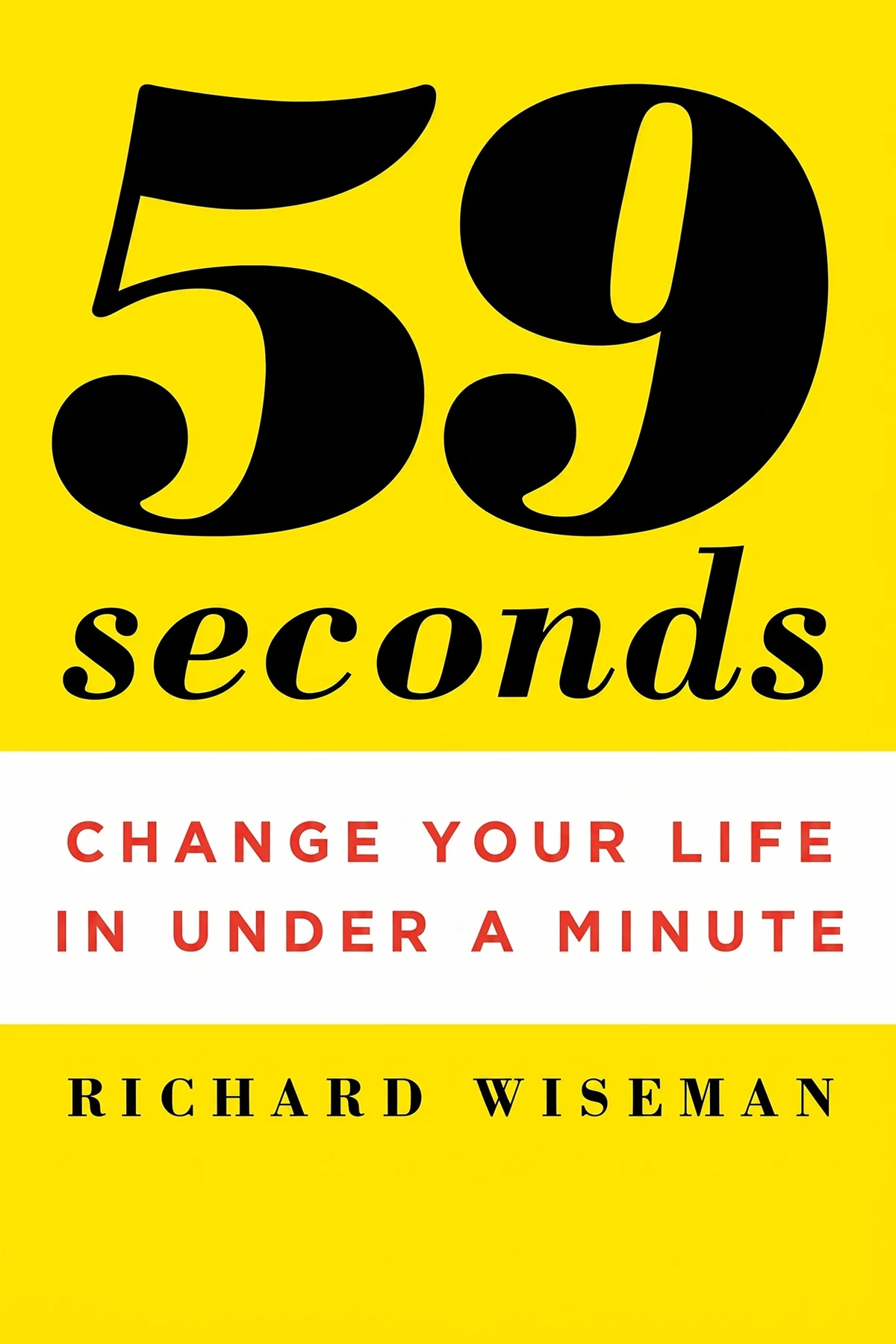
59 Seconds: Change Your Life in Under a Minute
Richard Wiseman
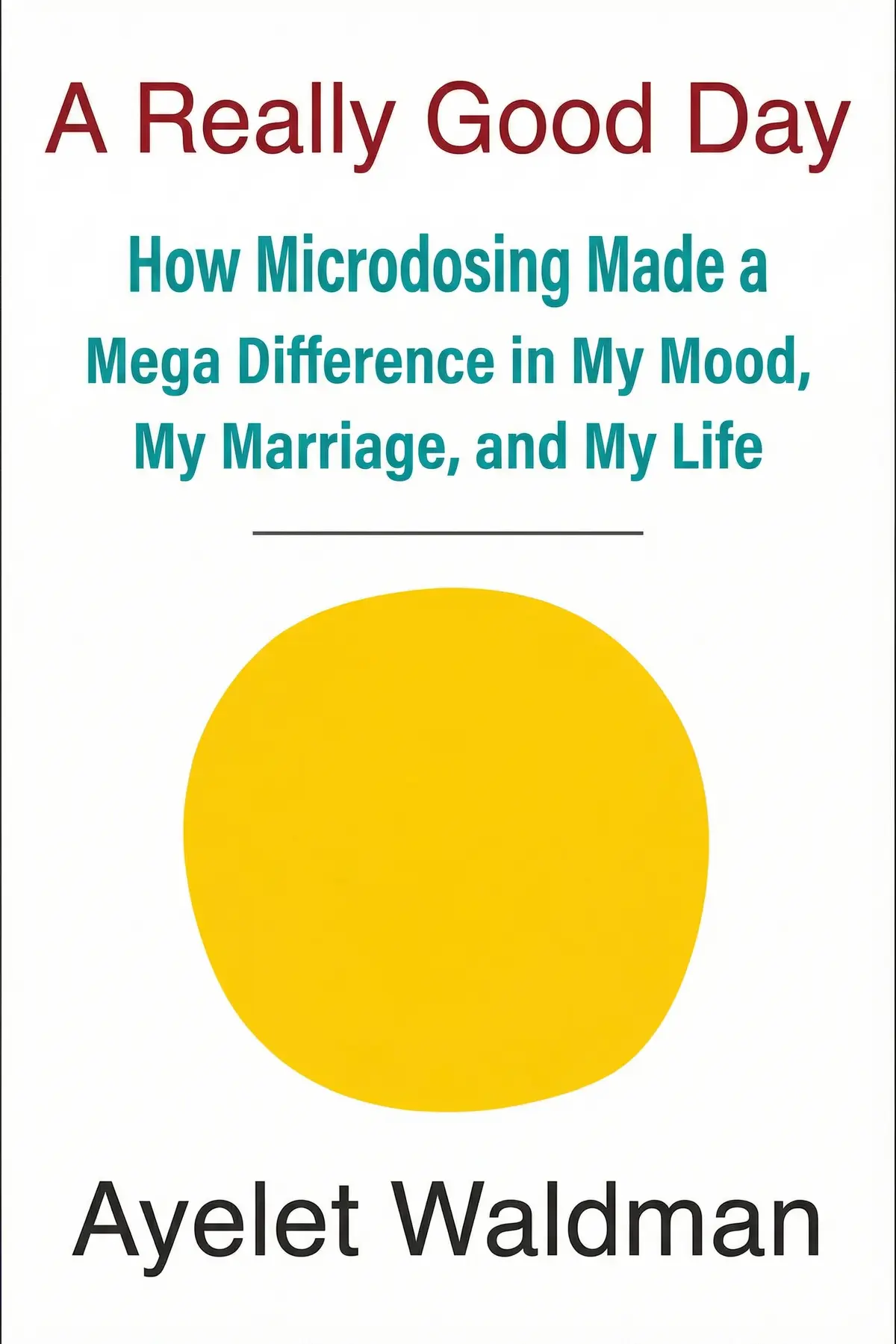
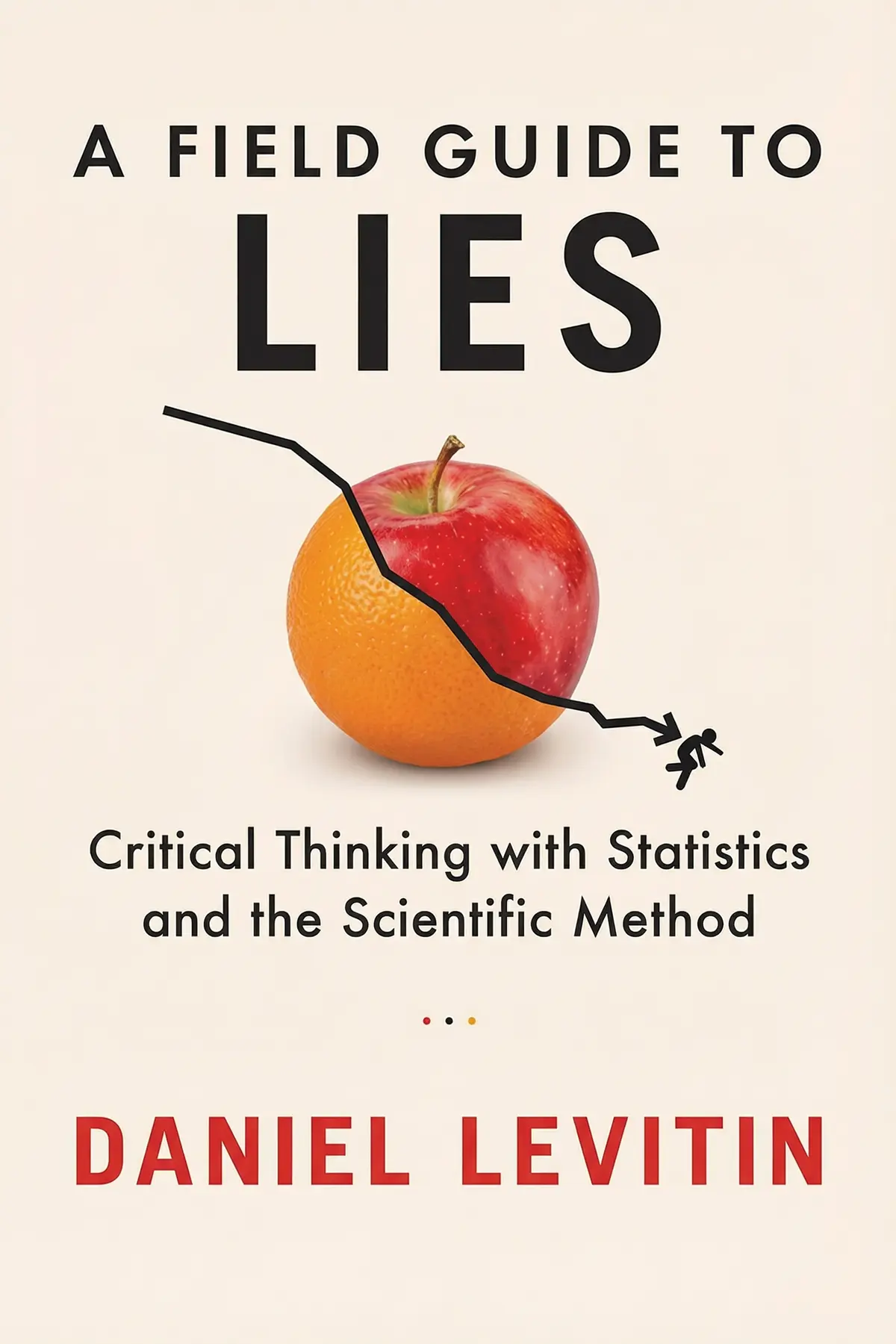
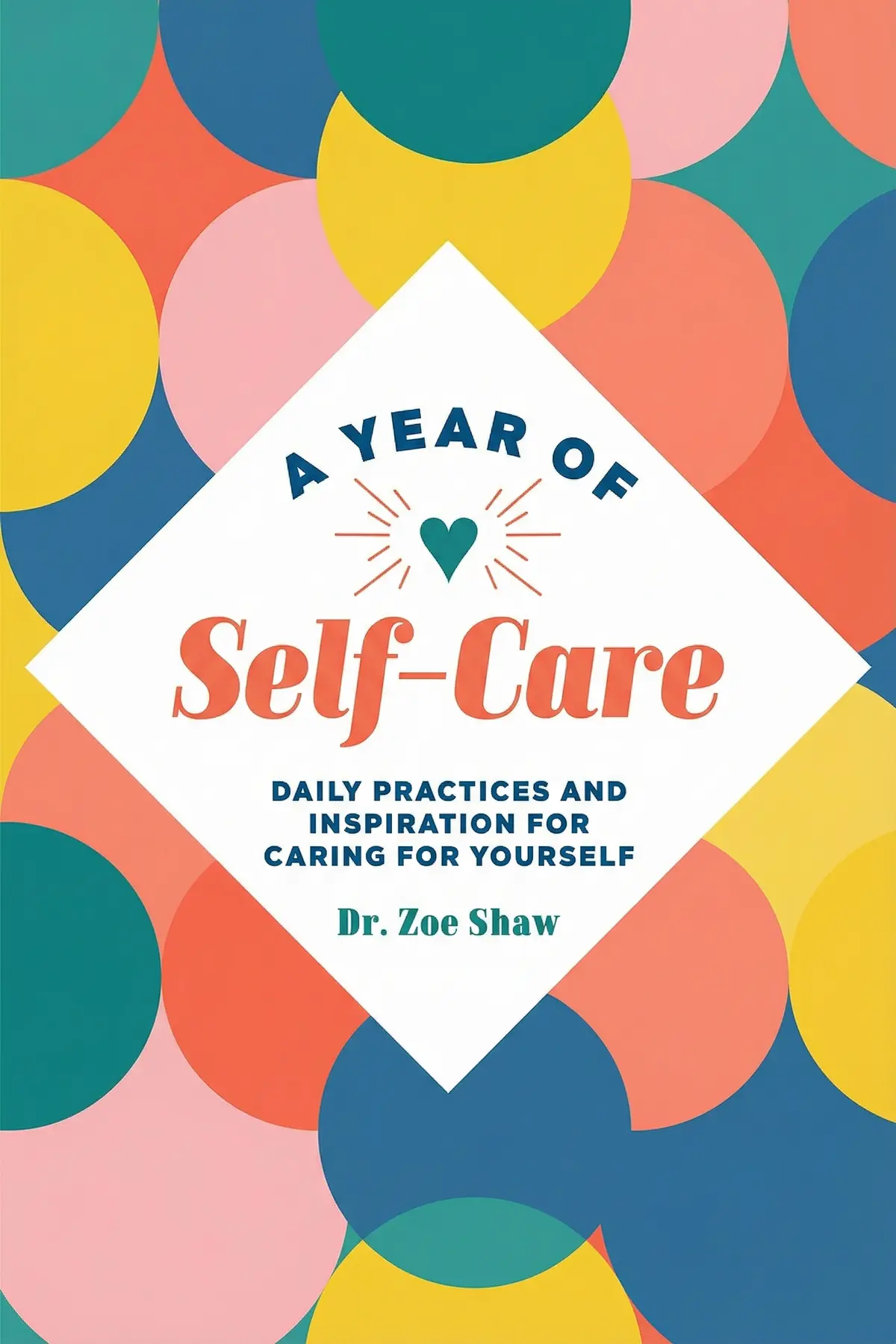
ADHD an A-Z: Figuring It Out Step by Step
Leanne Maskell
AUDIO SUMMARY AVAILABLE
Listen to How to Make Your Brain Your Best Friend in 15 minutes
Get the key ideas from How to Make Your Brain Your Best Friend by Rachel Barr, plus 5,000+ more titles in English and Thai.
- 5,000+ titles
- Listen as much as you want
- 7-day free trial
- Cancel anytime







