
13 min 57 sec
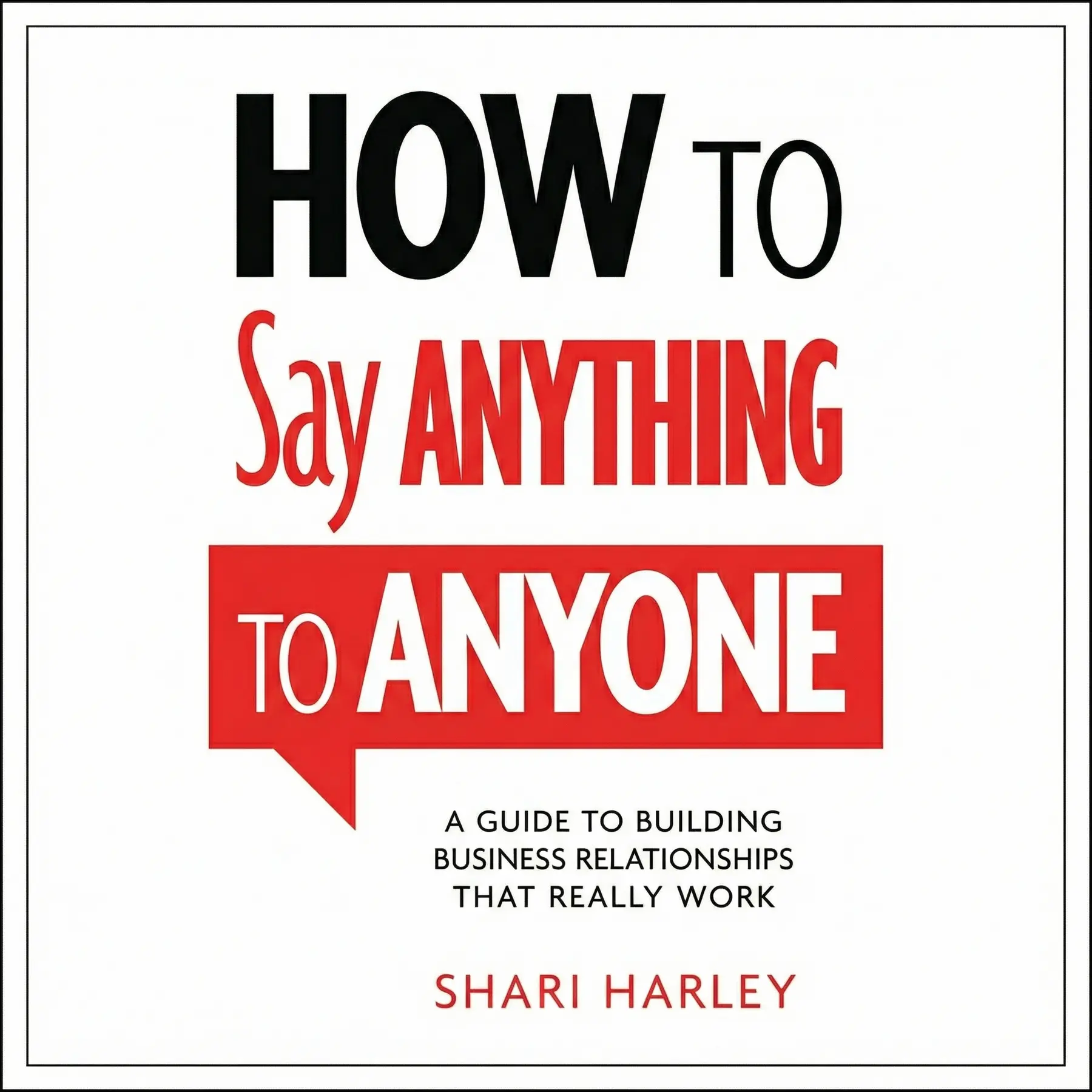
How to Say Anything to Anyone: A Guide to Building Business Relationships that Really Work
By Shari Harley
Discover how to transform workplace dynamics through radical transparency. This summary provides a roadmap for setting clear expectations, asking the right questions, and delivering difficult feedback to build stronger, more professional business relationships.
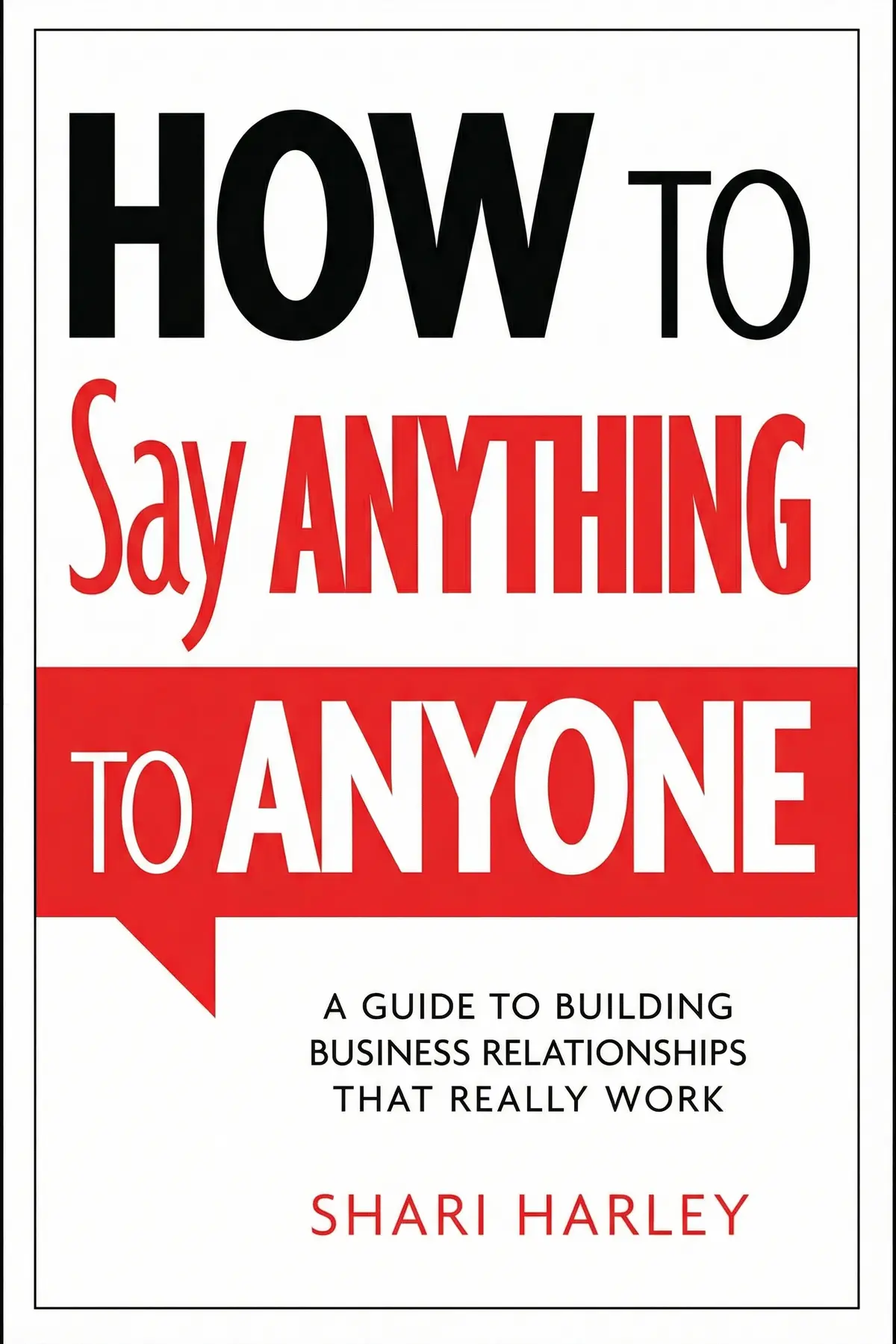
Table of Content
1. Introduction
1 min 40 sec
Imagine you are sitting in a quiet office, and the only sound is the rhythmic, aggressive clicking of a colleague’s pen. It is driving you to distraction, making it impossible to focus on the report in front of you. Yet, instead of saying something, you sit there, simmering in silence. Or perhaps you are a supervisor watching a talented employee miss the mark time and again. You know they need guidance, but the thought of sitting them down for a corrective conversation makes your stomach churn. Why is it that we often find it easier to complain to a friend about a coworker than to speak directly to the coworker themselves?
This gap between what we think and what we say is where professional relationships go to die. We avoid the truth because we fear the fallout, yet it is often our silence that creates the very tension we are trying to avoid. In her work as a communication consultant, Shari Harley has observed that the most successful business relationships are not the ones without conflict, but the ones where honesty is the default setting. Her approach, detailed in the guide How to Say Anything to Anyone, is about more than just being blunt; it is about building a foundation of trust through transparency.
Over the course of this summary, we will explore why we tend to be ‘wimps’ when it comes to the truth and how that behavior sabotages our careers. We will dive into the mechanics of setting expectations early, so that conflicts are solved before they even begin. You will learn the difference between vague labels and actionable feedback, and we will walk through a step-by-step formula for handling even the most sensitive personal issues in the workplace. By the time we are finished, you will have a roadmap for navigating the complexities of human interaction with confidence, kindness, and unshakeable candor.
2. Moving from Assumptions to Clarity
2 min 07 sec
Discover why silence is the enemy of productivity and how our brains fill informational gaps with negative assumptions that can sabotage our professional success.
3. The Art of Pre-emptive Agreements
2 min 01 sec
Learn how to prevent workplace conflicts by establishing clear expectations and feedback permissions before a single task is even assigned.
4. The Power of Curiosity Over Guesswork
2 min 12 sec
Avoid the devastating consequences of assuming you know the rules by learning to ask the right questions about work habits and personal preferences.
5. Delivering Feedback that Actually Works
2 min 13 sec
Understand the golden rules of feedback and how to move away from damaging labels toward specific behaviors that people can actually change.
6. Mastering the 7-Step Feedback Formula
2 min 09 sec
Gain a concrete framework for handling the most awkward and sensitive conversations without destroying the relationship or your own nerves.
7. Conclusion
1 min 35 sec
The journey toward better business relationships is not about becoming a person who likes conflict. It is about becoming a person who values the truth more than they fear a moment of awkwardness. As we have seen, the cost of silence in the workplace is high—it leads to a culture of assumptions, missed expectations, and simmering resentments that eventually boil over. By choosing to be candid, you aren’t just ‘fixing’ problems; you are building a professional environment where everyone knows where they stand and what is expected of them.
In this exploration of Shari Harley’s work, we have looked at the fundamental need for clarity over guesswork. We’ve learned that setting expectations at the start of a project is a form of professional insurance. We’ve seen how asking about personal preferences and work habits can build rapport and prevent accidental friction. Most importantly, we have identified a concrete way to deliver feedback—by focusing on specific behaviors rather than vague labels and by using a structured formula to navigate even the most sensitive topics.
As you move forward into your next meeting or your next project, remember that the most respectful thing you can do for a colleague is to be honest with them. Candor, when delivered with empathy and a genuine desire to help, is a gift. It gives the other person the power to change, and it gives you the power to lead. Start small. Ask a coworker about their communication preferences. Request permission to give feedback the next time you start a project. By making these small agreements upfront, you will find that the ‘big’ conversations become much less daunting. You really can say anything to anyone, provided you have the courage to start with the truth.
About this book
What is this book about?
Have you ever felt trapped by a colleague’s annoying habit or found yourself dreading a performance review because you didn't know how to deliver the truth? Most people avoid difficult conversations to spare feelings or dodge conflict, but this silence actually erodes trust. How to Say Anything to Anyone addresses this head-on, offering a toolkit for navigating the most awkward professional interactions with ease. The book promises a shift from a culture of guesswork and resentment to one of clarity and collaboration. By learning to set expectations before projects begin and mastering a specific formula for feedback, you can eliminate the 'surprises' that derail careers. Whether you are a manager, an employee, or a consultant, these strategies help you foster a 'candid culture' where honesty is the norm, and every interaction serves to strengthen the working bond.
Book Information
About the Author
Shari Harley
Shari Harley is a professional speaker, trainer, and business communication consultant. She founded the firm Candid Culture, which is dedicated to helping organizations build more honest and transparent workplaces. With years of experience in corporate training, she specializes in helping individuals improve their relational skills through directness.
Ratings & Reviews
Ratings at a glance
What people think
Listeners find the guide practical and expertly written, offering useful advice and in-depth content. They appreciate how readable it is, particularly for managers and employers, and one listener mentions that it provides links to extra resources. The book earns praise for its focus on communication skills, with one review calling out its outlines for tough conversations, and listeners consider it straightforward and successful, with one remarking that it is particularly helpful for managing difficult colleagues.
Top reviews
Gun
As a manager struggling with a particularly defensive team, I found these models for communication to be incredibly refreshing and easy to understand. The book isn't just theory; it’s a practical guide with step-by-step examples for every kind of challenging conversation you can imagine. I especially appreciated the sections on how to request feedback from your own boss to ensure you’re actually meeting their expectations before an annual review. While I don't agree with every single suggestion regarding extra work hours, the core communication skills taught here are absolutely essential for career growth. I’ve already recommended this to several colleagues who are looking to move into leadership positions.
Show moreTanawan
Wow, I wish I could mail a copy of this to every terrible supervisor I've ever dealt with. It’s a cathartic read because it highlights exactly why some bosses fail so miserably at the human element of their jobs. Harley provides a framework for telling people exactly where they stand, which would have saved me years of confusion regarding missed promotions and confusing exit interviews. Not gonna lie, I found myself getting a bit emotional thinking about past managers who were bullies or who simply didn't know how to have a tough conversation. This is essential reading for anyone who wants to stop being a scapegoat and start being a professional.
Show moreSupranee
After hearing Shari speak at a HR conference last year, I knew her written work would be just as punchy and effective. The book is packed with practical steps and humorous anecdotes that make the lessons on feedback actually stick. I particularly loved the included links to additional material, which added a lot of value for someone like me who wants to dive deeper into leadership models. It's hard to argue with her logic because her methods for dealing with difficult colleagues are so clearly laid out and easy to implement immediately. This is a great read for anyone looking to strengthen their workplace relationships through radical transparency.
Show moreLars
Finally got around to reading this one after it sat on my desk for months. I've read quite a few communication guides, but Harley’s approach is far more practical than the typical academic fluff found in this genre. The book contains detailed outlines for those awkward conversations we all try to avoid, like telling a coworker they have a hygiene issue or smell. Frankly, some of the advice on office politics felt a little bit cynical to me, but the core message about setting expectations early is gold. It’s a very quick, digestible read that provides immediate takeaways for anyone dealing with difficult colleagues or a confusing supervisor.
Show moreKae
The truth is, most of us are terrified of what people actually think of us and our contributions to the team. This book serves as a functional guide for breaking down those barriers by encouraging a culture of constant, respectful candor. I appreciated the specific outlines for having tough conversations, as they provide a safety net for those of us who get nervous in the moment. Some readers might find the tone a bit blunt, but I found it refreshing compared to the usual sugar-coated management advice. If you're struggling to navigate office politics or peer-to-peer relations, this offers a very clear path forward without any unnecessary fluff.
Show moreSuvannee
This book provides a functional roadmap for those of us who tend to beat around the bush during annual reviews. Harley's writing style is direct and no-nonsense, which perfectly matches the 'say anything' theme she is promoting throughout the chapters. I found the advice on peer-to-peer relations especially helpful for navigating the tricky waters of collaborative projects where roles aren't always clearly defined. There is a lot of detailed content here, though the layout can be a bit dense in the middle sections. Overall, it’s a solid resource for anyone who needs a push to be more honest in their professional life and stop guessing reactions.
Show moreTee
Look, communication books are a dime a dozen, but Harley actually provides a script you can use when things get messy. The content is quite detailed and specifically addresses how to form better bonds with supervisors and direct reports without the usual corporate jargon. I'll admit that some of the suggestions for working weekends to get noticed didn't sit right with my personal values. However, the sections on giving and receiving feedback in a digestible way are worth the price of the book alone. It really helps you move past the fear of what people might say and focuses on the actual work at hand.
Show moreLook
Ever wonder why you didn't get that promotion but were too afraid to ask for the specific reason? Shari Harley argues that we should stop guessing at people's reactions and just invite a truthful exchange of opinions with respect to the task at hand. Personally, I found a lot of this to be basic common sense that any adult should have picked up through life experience. However, the specific advice on specifying how you want to interact before a problem arises is a helpful tactic for new teams. It's a quick read, but I'm not sure it offers enough 'new' information to justify the hype it receives in some professional circles.
Show moreHarper
While the step-by-step examples are definitely useful, some of the scenarios felt slightly naive or oversimplified. In my experience, office politics are rarely as clean-cut as the scripts in this book suggest. That said, the section on maneuvering through peer-to-peer relations and managing up to your supervisor contains some genuinely solid nuggets of wisdom. The truth is, I wanted more depth on how to handle truly toxic personalities rather than just 'difficult' ones. It’s a decent starting point for a new manager, but seasoned professionals might find it repeats things they've already learned through years of trial and error in the corporate world.
Show moreJai
This book simply hasn't aged well in the modern workplace environment. To be fair, the author provides some interesting perspectives on candor, but it frequently crosses the line into cold, blunt rudeness that wouldn't fly in my office. My biggest gripe is how she promotes an incredibly unhealthy work-life balance, suggesting that working late nights and being available at all hours is the only way to get noticed by the company. While I appreciated the encouragement to ask direct questions instead of assuming, the overall tone feels a bit dated and promotes a level of corporate grind that is ultimately unsustainable for most people.
Show moreReaders also enjoyed


AUDIO SUMMARY AVAILABLE
Listen to How to Say Anything to Anyone in 15 minutes
Get the key ideas from How to Say Anything to Anyone by Shari Harley, plus 5,000+ more titles in English and Thai.
- 5,000+ titles
- Listen as much as you want
- 7-day free trial
- Cancel anytime







