
17 min 09 sec
How to Think Like Socrates: Ancient Philosophy as a Way of Life in the Modern World
Discover the timeless methods of history’s most influential philosopher. This guide explores how Socratic questioning and intellectual humility can lead to a more examined, purposeful, and resilient life in the modern world.
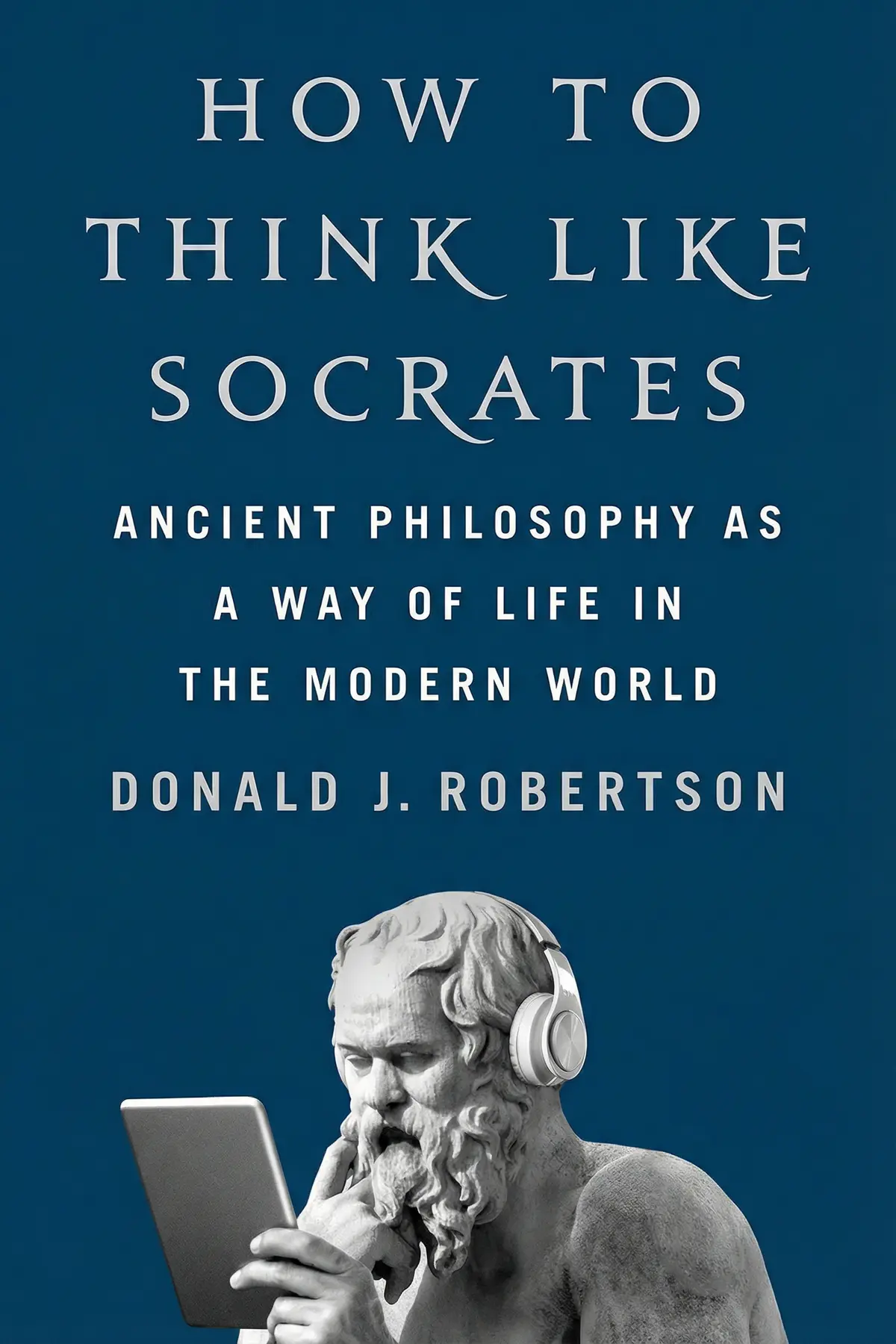
Table of Content
1. Introduction
1 min 32 sec
Imagine walking through a city at the height of its power, only to watch it crumble under the weight of war, disease, and internal corruption. This was the world of Socrates, a man who didn’t respond to crisis with anger or despair, but with a relentless quest for truth. He was a stone-cutter by trade, but his real work happened in the public squares of Athens, where he challenged anyone and everyone to think more deeply about what they claimed to believe.
In our modern era, we face our own versions of noise, confusion, and social pressure. We are constantly told what to think, what to buy, and how to feel. The Socratic approach offers a radical alternative: a way to reclaim your own mind. It’s not just about winning arguments; it’s about a throughline of intellectual honesty that leads to psychological resilience.
This summary will guide you through the dramatic events of Socrates’s life and the core principles he developed. We will look at how he moved from the battlefield to the marketplace, and finally to a prison cell, all while maintaining a commitment to clarity that still resonates today. You’ll discover how his methods can help you strip away false certainties and find a more stable foundation for your own life. By the end, you’ll see that thinking like Socrates isn’t an academic exercise—it’s a way of being in the world that prioritizes wisdom over status and character over convenience. Let’s explore how the lessons from ancient Athens provide a map for navigating the challenges of the present day.
2. The Power of Intellectual Humility
2 min 44 sec
What if the secret to being the wisest person in the room is simply admitting you know nothing? Discover how Socrates turned ignorance into a strength.
3. The Art of Conversational Inquiry
2 min 31 sec
Moving from the specific to the universal is the key to deep insight. Learn how Socrates used curiosity to help others discover their own contradictions.
4. Finding Clarity Through Definitions
3 min 01 sec
In a world of noise and emotional rhetoric, clear definitions are your best defense against manipulation. See how Socrates used logic to pierce through chaos.
5. Integrity as the Ultimate Foundation
2 min 47 sec
Is it better to suffer an injustice or to commit one? Socrates’s radical ethical stance shows why our character is our most valuable possession.
6. The Examined Life and Its Legacy
2 min 39 sec
Facing the end with calm and clarity, Socrates proved that a life lived with purpose is stronger than the fear of death. Discover his final lesson.
7. Conclusion
1 min 55 sec
As we wrap up our journey through the life and mind of Socrates, the central theme is clear: philosophy is a practical tool for living, not an abstract puzzle. Through the lens of Donald Robertson’s work, we’ve seen how ancient wisdom directly maps onto modern psychological health. The ‘throughline’ of Socrates’s life was a commitment to the truth, no matter how uncomfortable it became for him or the people around him.
We’ve learned that wisdom starts with the humility to admit what we don’t know. We’ve seen how the art of questioning can peel back the layers of our own contradictions and lead us to a more coherent way of thinking. We’ve explored the vital importance of defining our terms clearly to avoid being swept away by the emotional tides of the crowd. And perhaps most importantly, we’ve seen that integrity—acting in accordance with our best understanding of what is right—is the only path to a truly resilient life.
The actionable takeaway from this summary is simple but demanding: start your own practice of the ‘examined life’ today. Choose one belief you hold strongly and try to argue against it. Ask yourself for a precise definition of a value you claim to hold, like ‘success’ or ‘happiness.’ In your next conversation, try to ask three questions for every one opinion you offer.
Socrates showed us that while we cannot control the wars, plagues, or political shifts of our time, we can control the quality of our thoughts and the integrity of our actions. By thinking like Socrates, you aren’t just learning about history; you are developing the mental and moral strength to face the modern world with an unshakeable sense of purpose. The gadfly of Athens is still buzzing, reminding us that the search for wisdom is the most worthwhile adventure a human being can undertake.
About this book
What is this book about?
How to Think Like Socrates explores the intersection of ancient Athenian philosophy and modern psychological practices. By tracing the life of Socrates through the turbulent years of the Peloponnesian War and the plague, the book reveals how he developed a unique approach to wisdom centered on questioning assumptions rather than providing easy answers. The promise of this exploration is a practical toolkit for the mind. You will learn how to practice intellectual humility, move from specific examples to universal truths, and maintain moral integrity even under immense social pressure. By understanding why Socrates believed the unexamined life was not worth living, you can apply his methods to improve your decision-making, clarify your values, and navigate the complexities of contemporary life with the same courage and clarity that the famous philosopher displayed in the face of his own death.
Book Information
About the Author
Donald J. Robertson
Donald Robertson is a cognitive-behavioral psychotherapist and writer who has spent decades studying ancient Greek and Roman philosophy and its applications to modern psychological resilience. As the founding member of the Modern Stoicism organization and creator of the Plato’s Academy Centre in Athens, he has written extensively about practical philosophy, including The Philosophy of Cognitive Behavioural Therapy, Stoicism and the Art of Happiness, and the best-selling How to Think Like a Roman Emperor. His work combines academic expertise in classical philosophy with practical experience in psychological coaching and therapy.
Ratings & Reviews
Ratings at a glance
What people think
Listeners find this book charming and a superb chronicle of Socrates' existence and philosophy, with one listener mentioning how it connects ancient insights to contemporary psychology. Furthermore, the book is highly recommended for history buffs, and listeners value the author’s deep knowledge, with one calling it an instant classic. Additionally, listeners consider the work approachable and informative; one listener emphasizes how it brings ancient philosophy within reach, while another commends the gripping story of Socrates' life.
Top reviews
Supatra
As someone who practices CBT, I found this absolutely brilliant. Robertson bridges the gap between ancient wisdom and modern psychology in a way that feels seamless and necessary. I loved how the book isn't just dry theory but uses Socrates' life—from his stonemason beginnings to his final trial—to illustrate his "questioning" mindset. The sections on how we define "justice" or "goodness" were eye-opening and made me pause to evaluate my own assumptions. It’s a rare book that manages to be both an engaging biography and a therapeutic tool. I finished it feeling like I actually had a new set of mental habits to practice. Highly recommended for anyone feeling overwhelmed by modern political noise and seeking a way to find clarity through questioning.
Show moreSiriporn
Finally, a philosophy book that doesn't put me to sleep! Robertson has a gift for storytelling that brings the Golden Age of Athens to life with vivid detail. I felt like I was right there in the marketplace watching Socrates dismantle the egos of powerful men with nothing but a few well-placed, probing questions. It's fascinating to see how his methods for testing choices under pressure apply to our lives today. I actually started discussing some of the questions—like what makes a good leader—with my teenagers at dinner, and it sparked the best conversation we've had in weeks. It's more than just a history book; it's a guide for living with integrity when the world around you is falling into corruption and partisan bickering.
Show moreNora
Wait until you get to the trial scene. I thought I knew the story of Socrates, but Robertson’s narrative made it feel visceral and heartbreakingly relevant. The way he stood his ground against the 500 jurors, refusing to trade his principles for his life, is a masterclass in ethics. This isn't just a biography; it's a blueprint for mental resilience in the face of public pressure. I loved the connection between Socratic dialogue and modern cognitive behavioral therapy. It’s easily one of the most practical philosophy books on my shelf. If you want to stop following the crowd and start thinking for yourself, buy this book immediately. It is an instant classic that makes ancient wisdom feel brand new.
Show moreLuke
What truly matters in life? That’s the question that drives this entire book, and Robertson explores it beautifully through the eyes of Socrates. I found myself pausing frequently to reflect on my own motivations and my definitions of success. The habit of admitting what I don't know has already started to change how I approach arguments at work. Not gonna lie, I was surprised by how much I enjoyed the historical bits about the plague and the wars. It makes the philosophy feel less like an academic exercise and more like a survival strategy for hard times. This is an essential read for anyone interested in self-improvement, classical history, or simply learning how to ask better questions in an age of misinformation.
Show moreJib
Ever wonder if ancient Athens was just as chaotic as the modern world? This book proves that human nature hasn't changed a bit in over two millennia. The descriptions of demagogues like Cleon were eerily familiar and gave me a fresh perspective on today’s political landscape. Robertson’s writing is incredibly accessible, stripping away the academic jargon that usually makes Plato’s dialogues a chore to read. My only minor gripe is that the pacing can be a bit uneven, especially when it dives deep into specific military campaigns. Still, the core message about "knowing thyself" and the importance of intellectual humility shines through clearly. It's a solid 4-star read that I’ll likely revisit when I need to clear my head and refocus on what truly matters.
Show moreOmar
The most striking thing about this work is the focus on the method over the answers. We often think of philosophers as people with all the solutions, but Robertson shows that Socrates' power was in his radical honesty about his own ignorance. The way he engaged with figures like Alcibiades serves as a warning about what happens when we stop asking "why" and start chasing power instead. I found the historical context regarding the plague and the war helpful for understanding why the Athenians were so defensive during his trial. Frankly, some of the military history could have been trimmed to allow for more modern psychological analysis. However, as an introduction to Socratic thought, it’s hard to beat this for clarity and narrative depth.
Show moreYindee
Donald Robertson has done it again. After loving his previous book on Marcus Aurelius, I had high hopes for this one, and it mostly delivered on its promises. The prose is clean and avoids the "thorny tracts" that make original Greek texts so difficult for beginners to parse. I particularly liked the focus on Socrates as a soldier; it humanizes him in a way that Plato’s more abstract writings often don't. Personally, I think some readers might struggle with the sheer amount of political history involving the Thirty Tyrants, but it's necessary context for the charges of "corrupting the youth." It’s a thoughtful, well-researched, and ultimately inspiring look at the man who started it all. Great for anyone looking to sharpen their critical thinking skills.
Show moreOrawan
Before reading this, my knowledge of Socrates was limited to a few famous quotes and a vague idea of his execution. This book changed that entirely. It’s an excellent account of his life that feels like a necessary bridge between history and self-help. The author’s expertise as a psychotherapist shines through in the way he explains the Socratic method as a tool for mental clarity. While the middle sections about various students like Critias got a little confusing with all the names and dates, the overall narrative is riveting. It’s a wonderful resource for anyone who wants to understand the roots of Western thought without getting lost in academic jargon. It definitely makes ancient philosophy accessible to the modern reader.
Show moreTariq
Picking this up felt like a gamble because philosophy books can be hit or miss for me. Truth is, while I enjoyed the stories about Socrates standing barefoot in the snow and his interactions with the Sophists, the fictionalized dialogue felt a bit stiff at times. Robertson tries to make it read like a novel, but the transitions between the biography and the psychological analysis didn't always land. I appreciated the practical suggestions at the end of sections, but they felt a bit disconnected from the long historical chapters about the rise of the Thirty Tyrants. It’s definitely educational, and you’ll learn a lot about the culture of ancient Greece, but it felt more like a textbook in disguise than I expected. Good for students, maybe less so for casual readers.
Show morePim
Look, I really wanted to like this, but it felt more like a history lecture than a practical guide. The title promises to teach you how to think, yet the text spends more time on the details of the Peloponnesian War and the political drama of the Thirty Tyrants than on actual mental exercises. While Robertson clearly knows his stuff, the narrative gets bogged down in names like Critias and Alcibiades. If you’re a history buff, you’ll probably find this fascinating, but I was looking for more actionable philosophy. By the halfway point, Socrates isn't even the focus anymore; it's just a chronological account of Athenian decay. To be fair, it’s well-written for what it is, but the marketing is a bit of a bait and switch for those expecting a self-help manual.
Show moreReaders also enjoyed
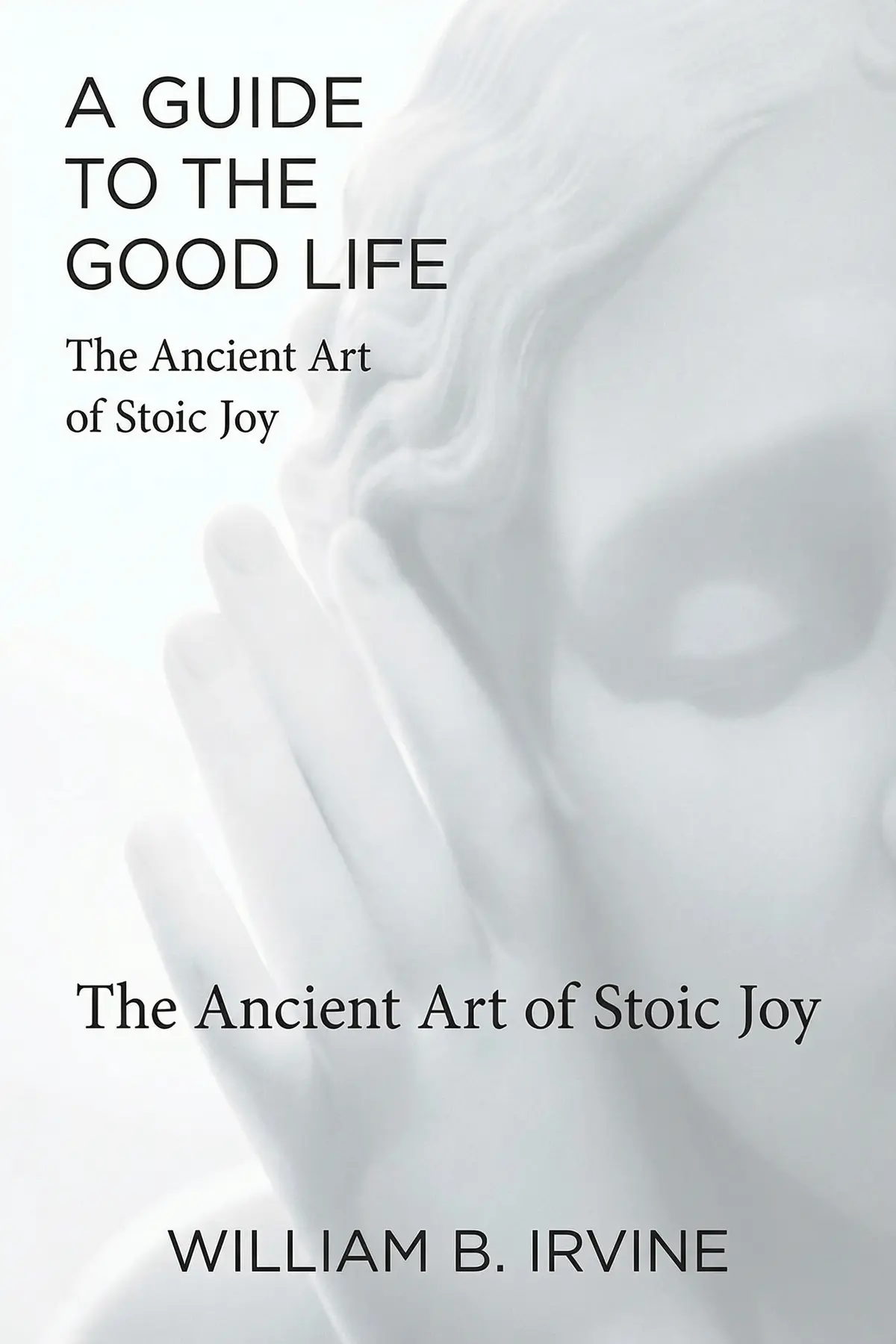
A Guide to the Good Life: The Ancient Art of Stoic Joy
William B. Irvine
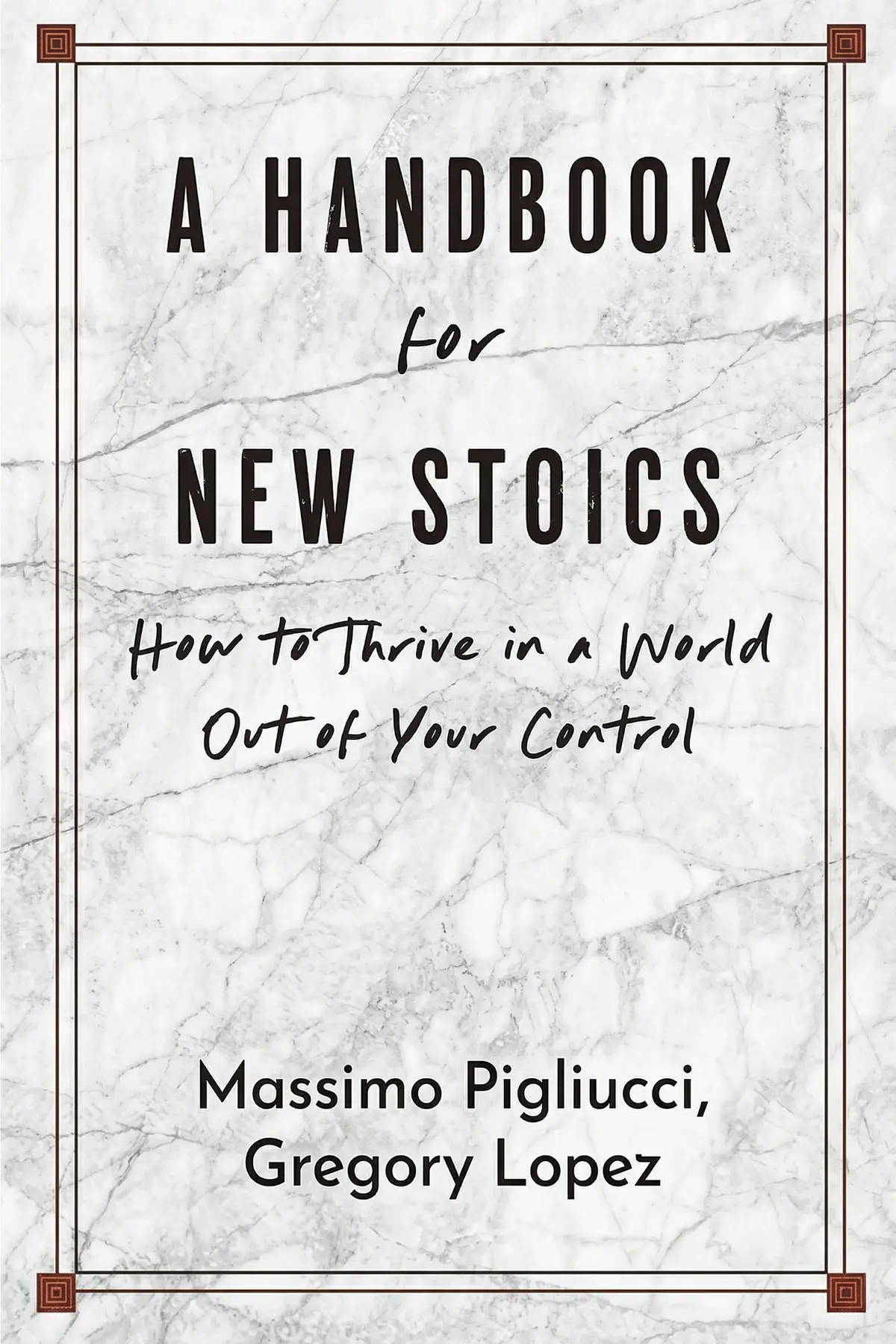
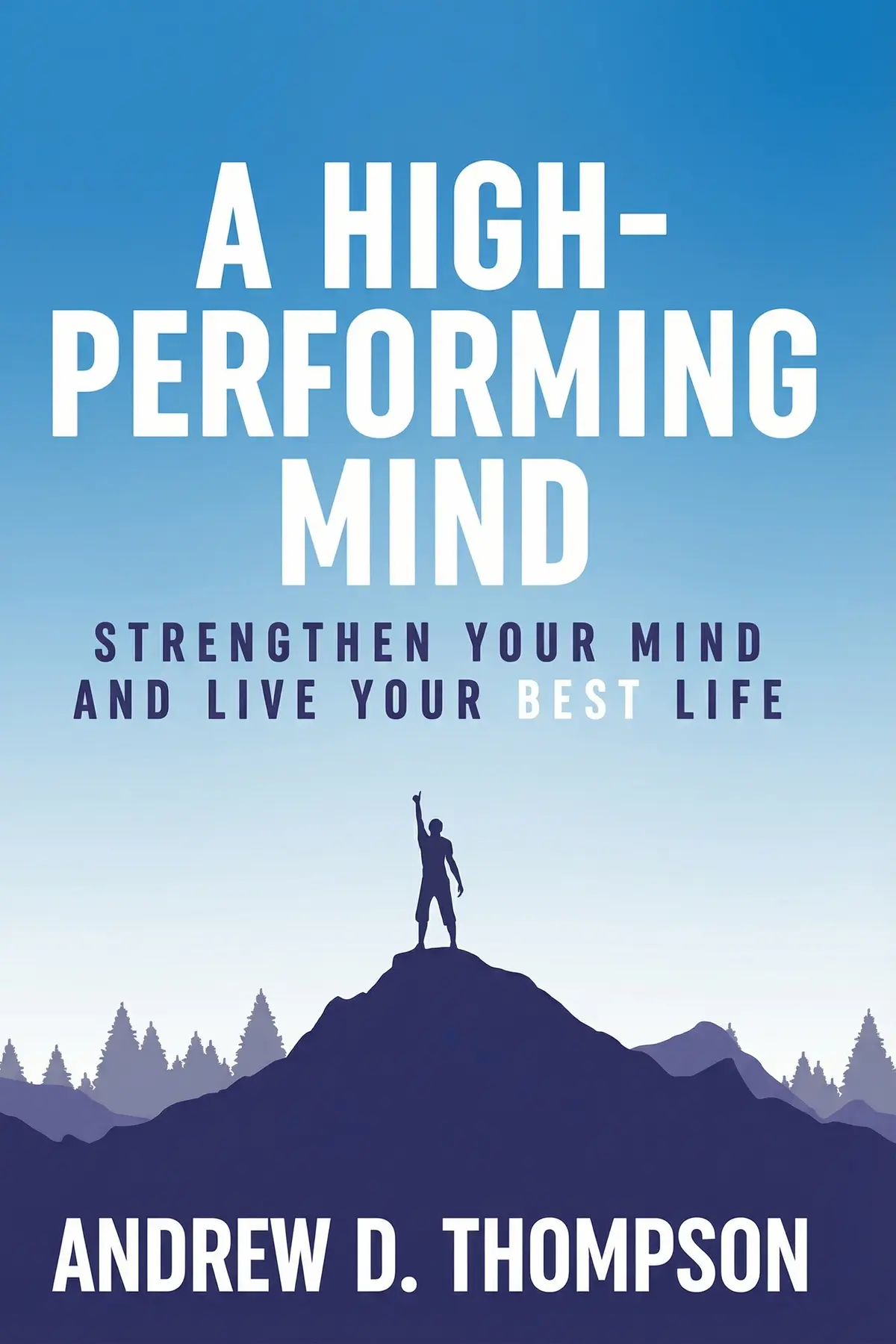
A High-Performing Mind: Strengthen Your Mind and Live Your Best Life
Andrew D. Thompson
Abundance: The Inner Path to Wealth
Deepak Chopra
A Little History of Philosophy
Nigel Warburton
AUDIO SUMMARY AVAILABLE
Listen to How to Think Like Socrates in 15 minutes
Get the key ideas from How to Think Like Socrates by Donald J. Robertson, plus 5,000+ more titles in English and Thai.
- 5,000+ titles
- Listen as much as you want
- 7-day free trial
- Cancel anytime







