
17 min 35 sec
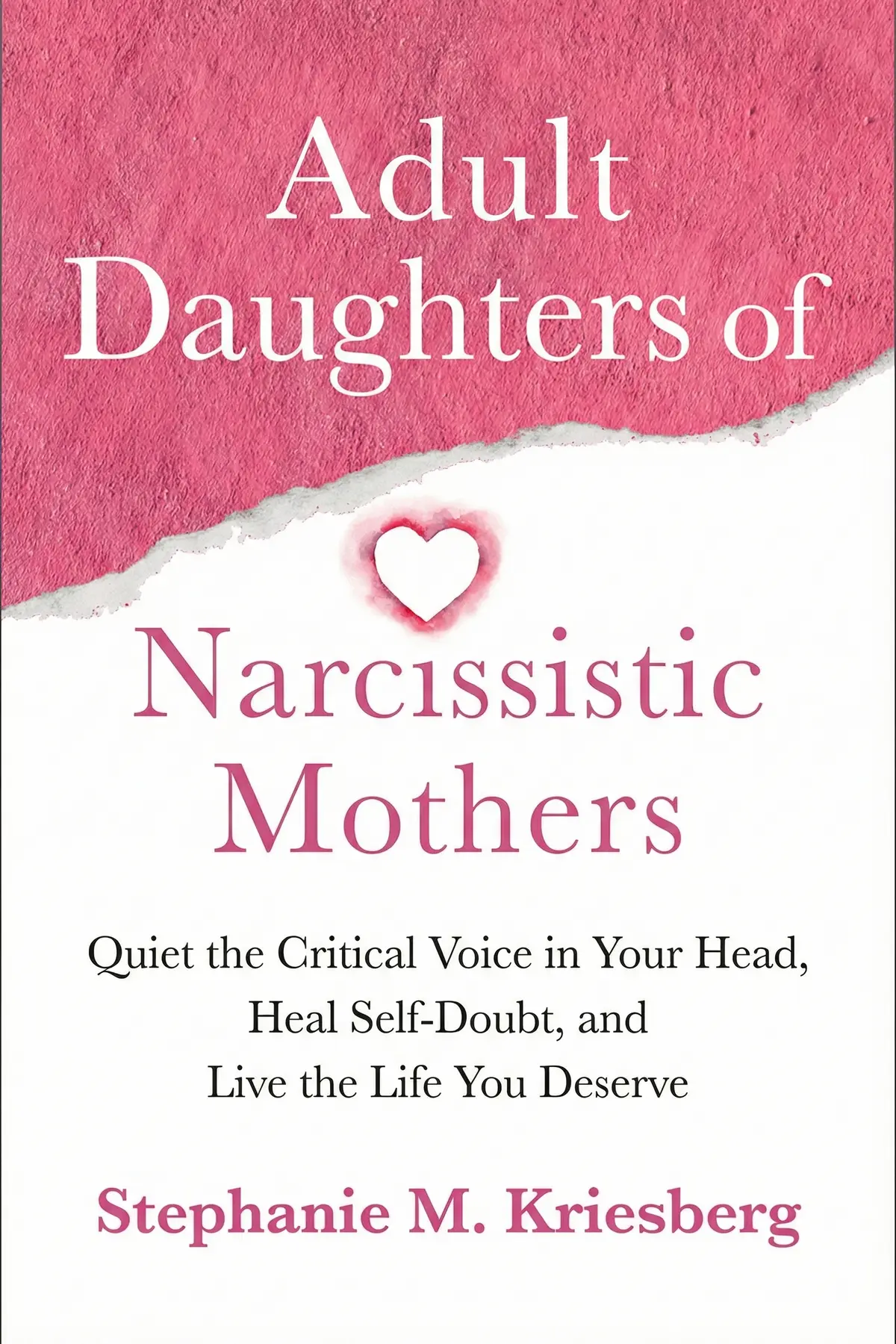
How to Winter: Harness Your Mindset to Thrive on Cold, Dark, or Difficult Days
Learn to transform the coldest months into a season of rejuvenation. This summary explores psychological tools and cultural practices from northern climates to help you embrace winter with joy and resilience.
Table of Content
1. Introduction
1 min 36 sec
Imagine the world slowing down. The air turns crisp, the light fades earlier each afternoon, and a quiet stillness begins to settle over the landscape. For many of us, this transition triggers a reflexive urge to pull away. We might find ourselves complaining about the biting wind, mourning the loss of sunlight, and counting the days until the first signs of spring. This state of constant endurance can make the winter months feel like a heavy burden on our mental and physical well-being. But there is another way to experience this time of year—one that doesn’t involve merely waiting for it to end.
In this summary of Kari Leibowitz’s research and insights, we are going to explore a radical shift in perspective. Instead of viewing winter as a hostile force to be defeated, we can learn to see it as a distinct and valuable season with its own set of rewards. We will look at how communities in the far north of Norway treat the winter not as a period of gloom, but as a time for gathering, reflection, and unique outdoor adventures. By the end of this journey, you’ll have a toolkit of psychological strategies and cultural practices designed to help you flourish in the cold. We will examine how your expectations shape your reality, why your body might actually need the extra darkness, and how the very words you use to describe the weather can change how you feel when you step outside. This is about more than just surviving the frost; it’s about discovering the throughline of resilience and joy that can sustain us through any difficult season of life.
2. The Power of the Wintertime Mindset
2 min 22 sec
Discover how residents of the Arctic Circle maintain high levels of happiness during months of darkness by changing how they perceive the season.
3. Overcoming the Cycle of Negative Expectations
2 min 20 sec
Your brain might be making winter harder than it needs to be. Learn how to break the self-fulfilling prophecy of seasonal dread.
4. Aligning with the Natural Need for Rest
2 min 20 sec
Instead of fighting against low energy, discover why winter is the perfect time to honor your body’s biological call for renewal.
5. Changing the Conversation through Language
2 min 31 sec
The words we use to describe winter can either heighten our misery or open our eyes to beauty. Explore the vocabulary of coziness.
6. Creating a Sanctuary of Light and Comfort
2 min 28 sec
Learn the Scandinavian secrets of indoor lighting and cozy spaces to create a home that feels like a warm embrace during long nights.
7. Finding Resilience in the Open Air
2 min 26 sec
Explore the concept of ‘friluftsliv’ and learn why stepping into the cold air is one of the most effective ways to boost your winter mood.
8. Conclusion
1 min 32 sec
As we reach the end of this exploration into how to winter, it’s clear that our experience of the season is far more within our control than we might have previously believed. We’ve looked at the throughline that connects mindset, language, and physical habits. By shifting our focus from what we lose in the winter to what we gain—rest, reflection, and a unique kind of cozy connection—we can transform several months of the year from a time of endurance into a time of true flourishing.
The lessons from northern communities show us that resilience isn’t about being ‘tough’ or ignoring our discomfort. Instead, it’s about adapting with grace. It’s about lighting a candle when the sun goes down, honoring our body’s need for an extra hour of sleep, and finding the right gear so we can still enjoy the crisp morning air. These are practical, accessible strategies that anyone can implement, regardless of where they live or how cold it gets.
As the days continue to change, I encourage you to pick one or two of these ideas to try for yourself. Perhaps you’ll start by changing how you describe the weather to your friends, or maybe you’ll finally turn off the ‘big light’ and see how your evening mood shifts. Whatever you choose, remember that winter is a natural part of the cycle of life. By embracing its darkness and its chill, you aren’t just getting through the season; you are building a deeper, more resilient relationship with the world around you. You are learning that you have the internal warmth necessary to thrive, no matter how cold it gets outside. Happy wintering.
About this book
What is this book about?
For many, winter is a season to be endured rather than enjoyed. As the days grow shorter and the air turns cold, it is common to feel a sense of dread or a desire to simply hibernate until spring. But what if the dark and cold were actually invitations to a deeper, more meaningful way of living? This book explores the unique psychology of the winter season and provides a roadmap for shifting your perspective. Drawing on research conducted in some of the world's most extreme northern environments, the text reveals how people in places like Norway and Iceland manage to thrive despite months of limited sunlight. By adopting a wintertime mindset, you can learn to appreciate the specific gifts of the season, from the restorative power of rest to the deep comfort of communal warmth. This guide promises to move you beyond survival mode, offering practical strategies to cultivate resilience, improve your mood, and find beauty in the chill.
Book Information
About the Author
Kari Leibowitz
Kari Leibowitz is a psychologist and researcher who specializes in mindset and well-being. She is particularly recognized for her innovative research into how individuals adapt to and thrive in challenging environments. Her groundbreaking work on the wintertime mindset involved extensive study in regions like Tromsø, Norway, where she examined how local residents maintain high levels of mental health despite the long, dark Polar Night.
Ratings & Reviews
Ratings at a glance
What people think
Listeners find the research to be credible, with one listener noting how applicable the findings are to other parts of life. Furthermore, the tempo is well-received, as one listener mentions it is an excellent pick-me-up for winter months. The book effectively helps people shift their perspective on the season, with one listener highlighting how it can positively impact one's mindset.
Top reviews
Bun
Wow, I never thought I’d actually look forward to the clocks turning back in October, but this book changed everything for me. Leibowitz identifies three main approaches—Celebrate Winter, Make It Special, and Get Outside—that are simple but surprisingly difficult to implement without a conscious shift in perspective. I’ve started treating the darkness as a cue for rest rather than a hurdle to my productivity, and the mental shift has been massive. The writing style is engaging and the pacing is perfect for a cozy winter read. I especially appreciated the 'Get Outside' chapter; it’s not just about extreme sports, but about noticing the subtle beauty in the frost or the way the fog rolls in. This isn't just a book about snow; it’s a manual for finding joy in any difficult or 'dark' season of life. Highly recommended for my fellow sun-worshippers who struggle every December.
Show moreNatalie
Ever wonder why some people seem to thrive in the snow while the rest of us are huddled by the space heater? This book provides the answer, and it’s all in the head. Kari Leibowitz has written an essential guide for anyone living in a northern climate. Her research is accurate and her personal anecdotes from her time in Norway are both charming and insightful. I loved the idea that rest is not a luxury we earn, but a necessity we should embrace during the darker months. The pacing of the book kept me interested throughout, and I found myself highlight something on almost every page. I’ve already started changing the way I talk about the cold with my coworkers, and I can feel my mood shifting already. It is a fantastic pick-me-up that teaches us to stop fighting the seasons and start flowing with them.
Show moreCamila
As someone who has lived in Jersey my whole life, I've always hated the grey slush and the biting wind of January. This book was exactly what I needed to stop the spiral of winter depression. The truth is, I was my own worst enemy because I spent the whole season complaining. Leibowitz’s research into the residents of Tromsø showed me that you can actually look forward to the polar night if you have the right rituals in place. I’ve started focusing on the 'crispness' of the air rather than the 'bitterness' of the cold, and it makes a world of difference. The book is well-paced and filled with warmth, making it the perfect companion for a snowy afternoon. It's a rare non-fiction book that feels both scientifically grounded and deeply personal. I’m buying copies for all my friends who complain about the snow!
Show morePete
This book is a refreshing change of pace for anyone who treats the colder months like a prison sentence. Kari Leibowitz does an excellent job reframing our outlook on winter by showing that it doesn’t have to be a season of pure endurance. I particularly loved the section on 'making winter special' through small rituals like using warmer lighting and embracing specific seasonal hobbies. Truth is, her research on Norwegian mindsets in Tromsø feels incredibly accurate and provides a great pick-me-up for those gloomy February mornings. My only real gripe is that some of the advice feels tailored strictly to people with flexible desk jobs. Not everyone can simply adjust their work schedule to catch the three hours of available sunlight. Still, the core message about how our language and attitude affect our physical experience of the cold is powerful and widely applicable.
Show moreIsabella
The chapter on how language shapes our reality was the standout moment of this book for me. Instead of just grumbling about the 'bad weather,' the author suggests we adopt more descriptive, nuanced ways of talking about the seasons. It’s a small change, but it really works! To be fair, I felt the section on Japanese and Finnish customs dragged a bit, and I didn't quite buy the idea of the sauna being a 'great equalizer' in the way she described. However, the practical tips at the end of each chapter are excellent. I’ve already bought a few new lamps and started a winter-only craft project because of her advice. Even if you don't agree with every cultural observation she makes, the underlying science about how mindset impacts our health is undeniable. It’s a solid 4-star read that I’ll likely revisit every November.
Show moreNongnuch
Finally got around to reading this, and I was pleasantly surprised by how much of the advice applies to life in general, not just winter. The idea of leaning into 'dark times' rather than resisting them is a powerful metaphor for coping with any hardship. Leibowitz is a great guide, and her Stanford background shines through in the way she presents her data. My only criticism is that the book leans heavily on her experiences in very specific, high-income cultures. I would have liked to see more about how people in less wealthy areas 'winter' without the luxury of fancy outdoor gear or expensive candles. Despite that, the tips on getting outside and changing your home environment are very practical. It’s a quick, informative read that effectively reframes the 'winter doldrums' into something much more manageable and even beautiful.
Show moreBella
In my experience, books about 'wellness' often ignore the systemic issues that make life hard, but Leibowitz actually touches on infrastructure and accessibility. She acknowledges that 'wintering' is easier when you have a warm home and a flexible job, which I appreciated. The three-part structure of the book—Celebrate, Make Special, and Get Outside—is easy to follow and provides a clear roadmap for change. I particularly liked the section on Canadian 'Winter Cities' and how they use light and design to keep people active. While some of the cultural comparisons felt a little repetitive by the end, the overall impact of the book is very positive. It helped me reframe my outlook on the upcoming season from one of dread to one of quiet anticipation. It's a solid, well-researched guide that offers plenty of food for thought for those of us stuck indoors.
Show moreRodrigo
Picked this up because I suffer from what I thought was Seasonal Affective Disorder every year. While I appreciate the author's research and her breezy writing style, I felt the book lacked a bit of depth regarding the biological side of things. Leibowitz argues that mindset is everything, but for some of us, the lack of Vitamin D and sunlight is a physiological battle that a 'positive attitude' can’t entirely fix. Not gonna lie, the repetitive nature of the 'get outside' advice started to grate on me after a while. We get it: wear wool and walk in the park. That said, the section on how governments can improve winter infrastructure was fascinating and something I’ve never considered before. It’s a decent book with some helpful reminders, but it definitely targets a specific demographic of healthy, office-working adults who have the luxury of slow mornings.
Show moreNoi
After hearing so much hype about Leibowitz's research, I found the actual reading experience to be a bit of a mixed bag. On one hand, the central thesis—that our mindset dictates our experience—is life-changing if you actually commit to it. On the other hand, the book feels like a long-form magazine article that was stretched to meet a publisher's word count. It got repetitive around page 120, and I found myself skimming the later chapters about city planning. To be fair, her advice on 'making winter special' is lovely, but I felt like the author was occasionally talking down to the reader. As an American, her 'discovery' of European customs felt a little bit naive at times. It’s a helpful book if you’re looking for a quick mindset shift, but don’t expect anything groundbreaking if you’ve already read about hygge or lagom.
Show moreOmar
Why does a 150-page message need twice that many pages to get across? I was fascinated by the initial concept of the 'wintertime mindset,' but the book became repetitive very quickly and lost its momentum by the halfway mark. Frankly, the author’s observations about European sauna culture and Scandinavian parenting felt a bit superficial, as if she were a tourist looking in rather than an expert. As a parent of two toddlers who are constantly sick in the winter, I found many of the suggestions—like taking long, reflective walks or embracing the 'quiet'—to be completely out of touch with my reality. While the research from Stanford is interesting, the book is written from a very privileged perspective that assumes you have plenty of free time and no physical limitations. It’s a decent essay padded out into a repetitive book.
Show moreReaders also enjoyed

A High-Performing Mind: Strengthen Your Mind and Live Your Best Life
Andrew D. Thompson
Alcoholics Anonymous
Alcoholics Anonymous World Services
Abundance: The Inner Path to Wealth
Deepak Chopra
A Liberated Mind: How to Pivot Toward What Matters
Steven C. Hayes


AUDIO SUMMARY AVAILABLE
Listen to How to Winter in 15 minutes
Get the key ideas from How to Winter by Kari Leibowitz, plus 5,000+ more titles in English and Thai.
- 5,000+ titles
- Listen as much as you want
- 7-day free trial
- Cancel anytime







