


19 min 20 sec
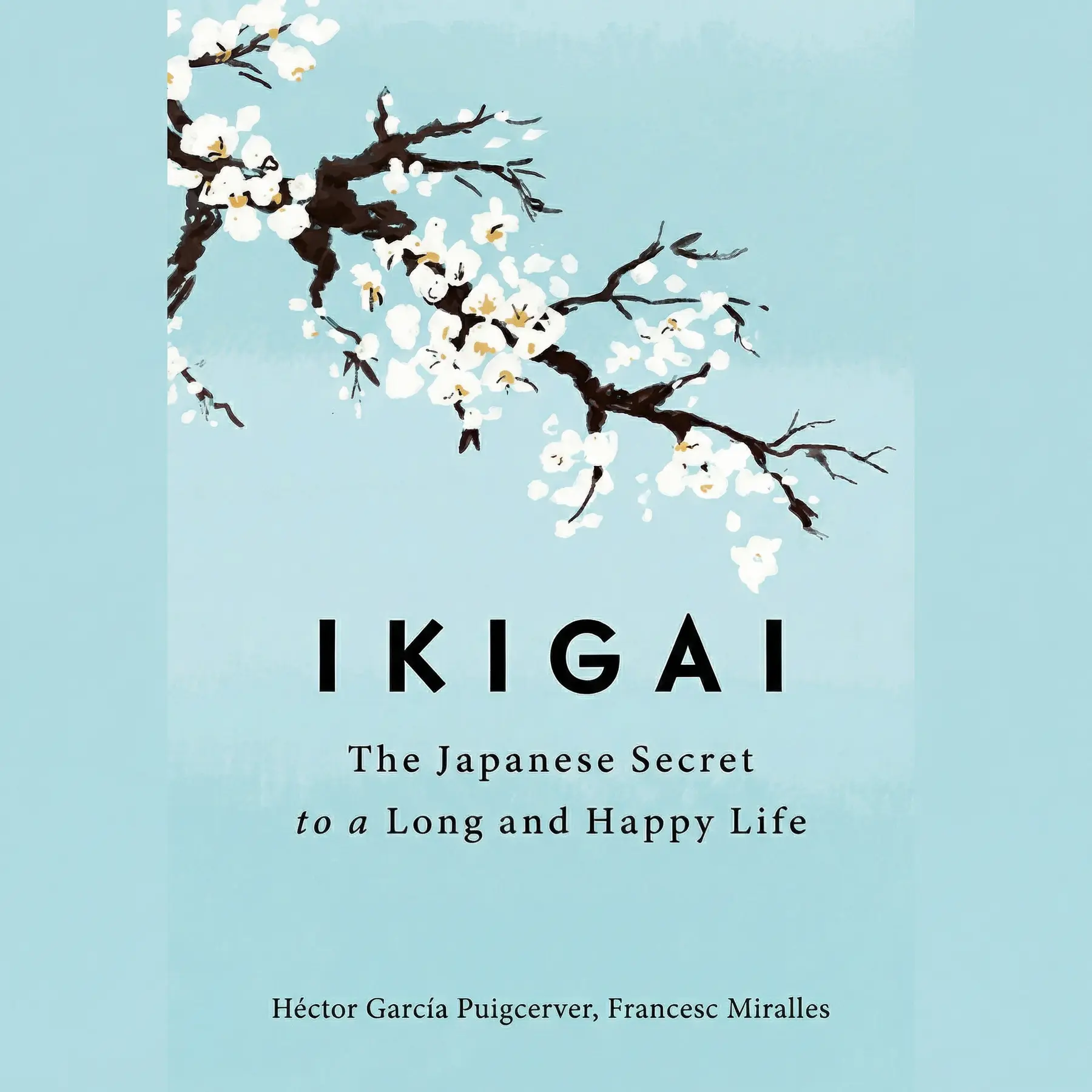
Ikigai: The Japanese Secret to a Long and Happy Life
Discover the Okinawan secrets to longevity and fulfillment. This summary explores the Japanese concept of ikigai, helping you find your life’s purpose while adopting healthy habits for a balanced, joyful existence.
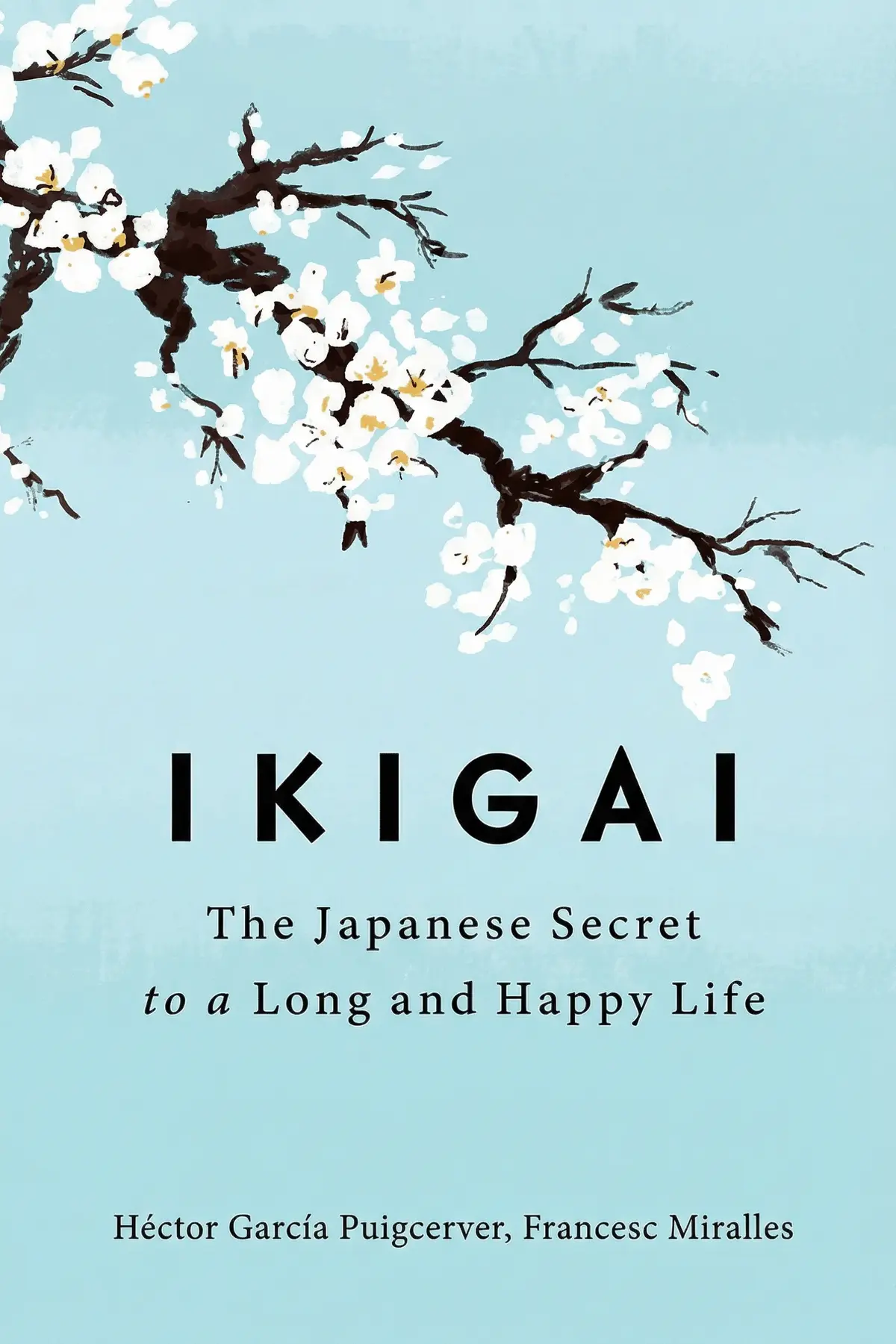
Table of Content
1. Introduction
1 min 28 sec
What if the secret to a long, vibrant life wasn’t found in a laboratory or a bottle of expensive supplements, but in the way you perceive your purpose? Imagine waking up every morning with a clear sense of why you are here—not just to complete a checklist of chores, but to fulfill a destiny that brings you deep, personal satisfaction. This is the essence of ikigai, a Japanese concept that has fascinated researchers and seekers of happiness alike. It represents the sweet spot where your passions, your talents, your contribution to the world, and your livelihood all meet.
In the following pages, we are going to explore the habits, mindsets, and traditions of the people of Okinawa, an island in southern Japan known for its incredible concentration of centenarians. These are individuals who don’t just reach the age of one hundred; they do so with a smile on their faces and a spring in their step. We will delve into why a sense of purpose is more than just a nice idea—it’s a biological necessity for longevity.
We’ll also look at the physical and mental practices that support a long life, from the way we handle stress to the specific foods we put on our plates. You’ll discover that longevity is a holistic endeavor, combining an active mind, a resilient body, and a connected spirit. Whether you are searching for your own life’s mission or simply looking for ways to reduce stress and improve your health, the wisdom of ikigai offers a timeless roadmap. Let’s begin this journey by looking at the heart of the matter: how having a clear reason for living can actually add years to your life.
2. Finding Your Reason for Being
2 min 08 sec
What truly motivates you to wake up each morning? Discover how the intersection of passion and skill creates a foundation for a long life.
3. The Vitality of an Engaged Mind
2 min 09 sec
Keeping your brain active is just as important as physical exercise. Explore why mental flexibility and social connections are the enemies of aging.
4. Japanese Approaches to Emotional Resilience
2 min 17 sec
When stress becomes overwhelming, traditional techniques can offer a path back to calm. Learn how Morita therapy helps people find peace.
5. Finding Youth in the State of Flow
1 min 57 sec
Have you ever been so absorbed in a task that you lost track of time? Discover how the state of ‘flow’ can keep you young.
6. The Wisdom of Okinawan Elders
2 min 10 sec
Centenarians have lived through it all, and their advice is surprisingly simple. Learn the small habits that make a big difference.
7. The Art of the Okinawan Diet
1 min 53 sec
Longevity isn’t just about what you eat, but how much and in what variety. Discover the power of ‘Hara hachi bu.’
8. Superfoods and Natural Elixirs
2 min 01 sec
Certain local ingredients provide a powerful boost to the immune system. Learn about the ‘miracle’ teas and fruits of the island.
9. The Power of Gentle, Constant Movement
2 min 03 sec
You don’t need a gym membership to stay fit. Discover why simple, regular movement is the key to a long and mobile life.
10. Conclusion
1 min 14 sec
As we reach the end of our journey into the heart of ikigai, it’s clear that a long and happy life is built on a foundation of purpose, simplicity, and connection. We have seen that longevity is not a matter of luck, but a result of the small, daily choices we make—the way we eat, the way we move, and the way we interact with our communities. Finding your ikigai provides the ‘why’ for your existence, while the habits of the Okinawans provide the ‘how.’
One final lesson to carry with you is the Japanese concept of wabi-sabi. This is the appreciation of the beauty in imperfection. In a world that often demands perfection, wabi-sabi reminds us that there is grace in a cracked tea cup or the weathered face of an elder. By embracing the imperfections in ourselves and our lives, we can lower our stress and find a deeper sense of peace.
So, as you step back into your daily routine, I encourage you to look for your own ikigai. What is the one thing that makes you feel most alive? How can you bring a bit more variety to your plate, or a bit more movement to your day? Remember that the path to a hundred years begins with a single, purposeful breath. Embrace the journey, cherish your friends, and never stop looking for the beauty in the world around you. Your reason for being is waiting to be discovered.
About this book
What is this book about?
Have you ever wondered why some people seem to age with incredible grace, maintaining their energy and joy well into their nineties and beyond? The answer might lie in a small island chain in Japan called Okinawa. This book takes you on a journey to discover the concept of ikigai—a Japanese term that translates to your reason for being. It is the intersection of what you love, what you are good at, what the world needs, and what you can be paid for. Beyond just a philosophical concept, the authors provide a practical roadmap based on the lifestyles of the world’s longest-living people. You will learn about the importance of a low-stress mindset, the benefits of the Okinawan diet, and the power of staying active through simple, daily movements. By the end, you’ll understand that a long life isn’t just about physical health; it’s about having a reason to get out of bed every morning and a community to share that journey with. The promise is simple: by finding your ikigai, you can unlock a life of deep satisfaction and lasting vitality.
Book Information
About the Author
Hector Garcia Puigcerver
Hector Garcia Puigcerver is a dual citizen of Japan and Spain. He is a recognized specialist in Japanese culture and has authored the book A Geek in Japan. Francesc Miralles is a best-selling author known for his works Love in Small Letters and Wabi Sabi. Together, they traveled to Okinawa to uncover the secrets of the world's most resilient and happy centenarians.
Ratings & Reviews
Ratings at a glance
What people think
Listeners find this work both brief and stimulating, containing valuable lessons on discovering one’s mission and living with intention. It delivers solid scientific details and useful advice for the audience, with one listener pointing out the thoroughness of the research. Additionally, listeners like the book's clarity, with one noting how easy it is to grasp, and its concentration on finding present-moment happiness while enhancing overall well-being. They also highly regard the health-related tips, especially those concerning wholesome lifestyle choices and perspectives on aging well.
Top reviews
Kofi
Finally got around to reading this, and it had such a centering, meditative effect on my morning routine. The authors capture the essence of what it means to live with a sense of mission, using the village of Ogimi as a beautiful, living example. I loved the focus on the 'micro-flow' moments—finding purpose in small things like tending a garden or preparing a cup of tea for a friend. Not gonna lie, the ten rules mentioned at the end are now taped to my fridge because they are so simple yet transformative. It’s more than just a health book; it’s a reminder that happiness is found in staying active and maintaining strong social bonds throughout your entire life. Highly recommended for anyone searching for their reason to jump out of bed every single morning.
Show morePatcharaporn
Picked this up during a stressful week and it was exactly the soul-soothing balm I needed. The prose is concise and elegant, mirroring the very Japanese concept of 'wabi-sabi' or finding beauty in imperfection. I was particularly struck by the idea that we should never truly 'retire' in the Western sense, but rather keep our minds and bodies engaged in what we love. The stories about the elders in the 'Village of Longevity' are heartwarming and provide such a clear blueprint for a contented life. It’s not a complex manual, but its simplicity is exactly what makes it so accessible and moving. This book helped me realize that my ikigai doesn't have to be a grand, world-changing career; it can be the simple joy of my daily hobbies. A beautiful, life-affirming read.
Show morePhimwan
Ever wonder why some people seem to stay young and vibrant well into their nineties? This book provides a compelling answer by looking at the intersection of passion, mission, and lifestyle in Japanese culture. I was deeply inspired by the stories of the Okinawan elders who spend their days gardening and laughing with neighbors while maintaining a clear sense of purpose. The advice on 'micro-flow' and staying present in each moment has genuinely changed how I approach my work day. Personally, I found the sections on the 'hara hachi bu' eating habit to be very practical for improving my general well-being and energy levels. It’s a slender volume packed with insightful lessons that promote contentment and a high quality of life. Truly a gem for anyone interested in the secrets of longevity and happy living.
Show morePridi
This short read acts as a gentle nudge toward a more intentional lifestyle without overwhelming the reader with dense academic jargon. I found the sections on the 80% rule for eating and the importance of light, daily movement particularly grounded and easy to implement. To be fair, most of the health advice regarding diet and exercise isn't groundbreaking, but the way it's framed within the Japanese concept of a 'purposeful life' makes it feel fresh. The authors do a decent job of weaving together anecdotal evidence from Okinawan centenarians with more established psychological theories. It’s a calming book that encourages you to slow down and find joy in the mundane tasks of your day-to-day existence. While it lacks deep original research, its simplicity is its greatest strength for those feeling burnt out by modern life.
Show moreChon
As someone who appreciates scientific insights into aging, I found the data regarding Okinawan longevity quite fascinating. The book explores how a low-stress environment combined with a plant-based diet contributes to an impressively high number of super-centenarians in Japan. I specifically enjoyed the discussion on how 'low-intensity' exercise, like radio taiso, can be more beneficial for long-term health than high-impact gym sessions. My only minor gripe is that the book meanders into topics like yoga and tai chi that feel a bit disconnected from the core Okinawan theme. However, the overall message about finding a balance between what you love and what the world needs is incredibly thought-provoking. It’s a practical guide that encourages anti-aging through a positive mental attitude rather than just expensive skincare or supplements.
Show moreAisha
The chapter on the village of Ogimi and their community bonds was definitely the highlight of this entire experience for me. It’s fascinating how their 'moai'—an informal social support group—serves as a safety net for both emotional and financial health. This book does a great job of explaining how our social environment is just as important as our diet when it comes to living a long life. I liked the inclusion of the 'Ten Rules of Ikigai' at the end, as they provide a clear summary of the book's core philosophy. My only criticism is that the writing style can feel a bit repetitive, especially when discussing gardening and the 80% fullness rule. Still, the practical guidance on mindfulness and the importance of 'flow' makes this a very worthwhile addition to any self-development library.
Show moreVera
After hearing so much buzz about this title, I expected a more profound exploration of the actual philosophy of Ikigai. Instead, the book feels like a summarized compilation of other people’s work, ranging from Viktor Frankl’s logotherapy to the science of flow states. Truth is, the connection to Japanese culture feels somewhat superficial at times, relying on broad strokes about green tea and community gardening. I appreciate the focus on longevity and the 'ten rules,' but the narrative structure is a bit jumbled and repetitive in the middle chapters. It’s a nice enough introductory guide for someone who has never read a self-help book before, but seasoned readers might find it a bit thin on substance. I wanted more 'why' and a little less 'how to live like an Okinawan.'
Show morePraepimon
Look, if you have already read 'The Blue Zones' or any of Mihaly Csikszentmihalyi’s work on flow, this book will feel very redundant. It’s a very quick read, which is nice, but it doesn't offer much in the way of a concrete strategy for actually *finding* your personal ikigai. The authors suggest that we shouldn't worry too much about it, but then tell us our mission is to discover it, which feels contradictory. While the interviews with the Japanese elders were charming, they mostly just told me to eat my vegetables and keep smiling. It’s a pleasant book with a beautiful cover, but it functions more as a light lifestyle aesthetic guide than a deep philosophical dive. It serves as a decent summary of longevity tips, though it lacks the 'aha!' moment I was hoping for.
Show moreBoss
To be fair, the book is quite beautiful to hold and look at, but the content felt like a collection of Pinterest quotes. It is an extremely easy-to-follow guide, which is great for a plane ride, but it lacks the depth of a true cultural study. I enjoyed the bits about Japanese food and the specific exercises they do in the morning, yet I felt like the actual 'Ikigai' diagram was barely explained. The authors seem to jump from one topic to another—from logotherapy to resilience to anti-aging—without a strong thread connecting them all. It’s a sweet book with good intentions, but it feels like it’s skimming the surface of a much deeper ocean. It’s a solid 3-star read for the nice sentiment, but don't expect a life-altering epiphany.
Show moreWit
Not what I expected at all given the massive hype surrounding this book on social media. It claims to be about finding your life's purpose, but it spends 90% of its time talking about why you should eat smaller portions and walk more. Frankly, the advice is generic to the point of being useless—do we really need a book to tell us that smiling and having friends makes us happier? The authors' trip to Okinawa seems like it was the basis for a blog post that got stretched into a full-length book. I found the constant quoting of Viktor Frankl and other better thinkers to be a distraction from the lack of original insight. If you want to understand purpose, read 'Man’s Search for Meaning' instead of this watered-down version. It’s a bit of a jumbled mess.
Show moreReaders also enjoyed


A Guide to the Good Life: The Ancient Art of Stoic Joy
William B. Irvine
A High-Performing Mind: Strengthen Your Mind and Live Your Best Life
Andrew D. Thompson

Abundance: The Inner Path to Wealth
Deepak Chopra
AUDIO SUMMARY AVAILABLE
Listen to Ikigai in 15 minutes
Get the key ideas from Ikigai by Hector Garcia Puigcerver, plus 5,000+ more titles in English and Thai.
- 5,000+ titles
- Listen as much as you want
- 7-day free trial
- Cancel anytime







