

26 min 49 sec
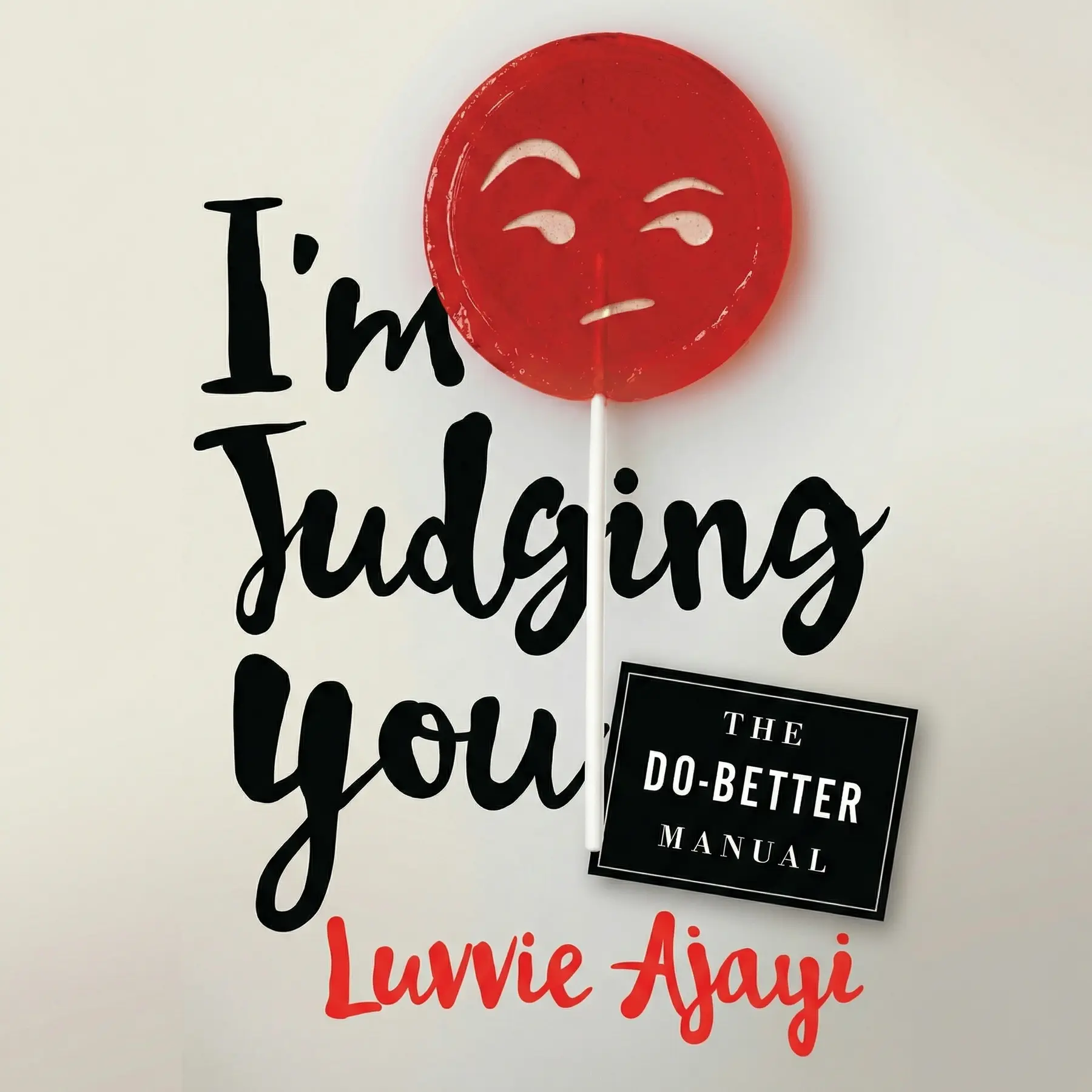
I’m Judging You: The Do-Better Manual
By Luvvie Ajayi
Luvvie Ajayi offers a sharp, hilarious, and necessary guide to navigating modern life, social media, and systemic injustice. This manual challenges us to audit our behavior and strive for a more conscientious world.
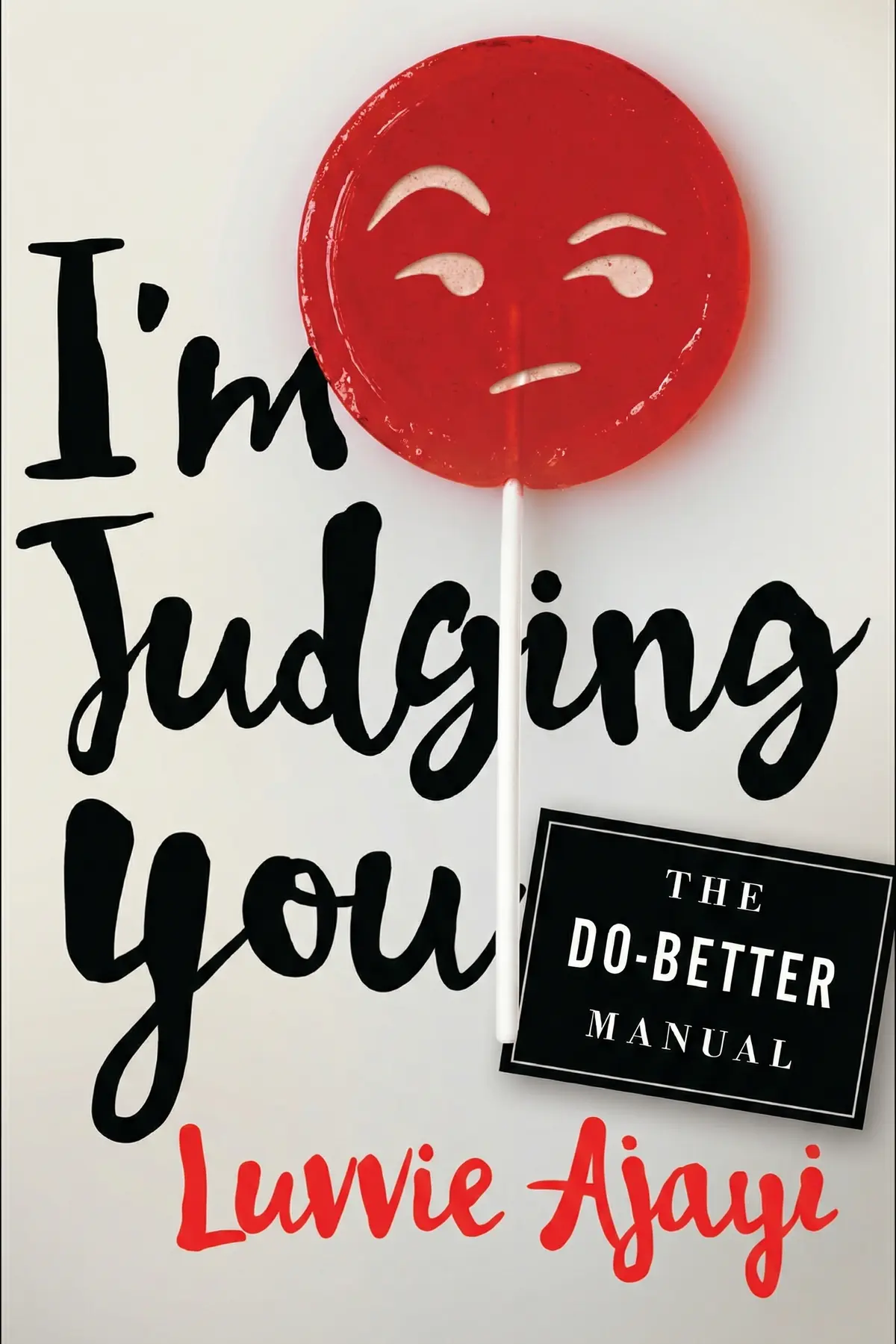
Table of Content
1. Introduction
2 min 24 sec
In an era where everyone has a platform and a microphone, the world can often feel like it’s spiraling into a chaotic mess of bad behavior, digital faux pas, and deep-seated societal issues. We’ve all seen it: the cringeworthy social media post, the friend who only calls when they need a favor, or the systemic injustices that seem to dominate the headlines. It’s enough to make anyone want to roll their eyes and walk away. But Luvvie Ajayi suggests a different approach. Instead of just observing the mess, she proposes that we start ‘judging’ it—not out of malice, but as a necessary step toward collective improvement.
Luvvie Ajayi has spent years as a prominent voice in pop culture, originally gaining a massive following for her sharp, witty recaps of television shows like Scandal. Her writing caught the eye of heavyweights like Shonda Rhimes, but Ajayi’s ambitions go far beyond the TV screen. As a Nigerian-born writer living in America, an activist, and a digital strategist, she sits at the intersection of several different worlds. This unique vantage point allows her to see the cracks in our social fabric that others might miss. She’s seen how social media platforms transformed from small digital experiments into tools that can sway national elections, and she’s experienced firsthand how race and gender continue to shape the American experience.
This summary explores the ‘Do-Better Manual,’ a guide that is as much about personal accountability as it is about social critique. We aren’t just looking at the flaws of others; we’re looking in the mirror. Ajayi is the first to admit she isn’t perfect—she’s been late to her own life more times than she can count—but she argues that acknowledging our imperfections is the first step toward fixing them.
Over the course of this narrative, we’ll dive into the specifics of what it means to live well in the twenty-first century. We’ll look at the etiquette of the dinner table and why some people are just exhausting to eat with. We’ll audit our inner circles to identify the types of friends who might be holding us back. We’ll also tackle the ‘big’ stuff: the subtle ways racism persists even among the well-intentioned, the toxic standards of beauty we’ve internalized, and the way religion is often weaponized against marginalized groups. By the end, the goal isn’t just to feel superior; it’s to walk away with a roadmap for how we can all do better in our digital lives, our personal relationships, and our broader communities. Let’s begin this journey through the eyes of a commentator who isn’t afraid to say exactly what needs to be said.
2. Dining Room Etiquette and the Rise of the Dinner Scrooge
2 min 26 sec
Shared meals should be a joy, but certain financial behaviors turn dinner into a source of deep frustration and social awkwardness.
3. A Field Guide to Problematic Friendships
2 min 37 sec
Not all friendships are built to last, especially when they fall into patterns of competition, unreliability, or toxic enabling.
4. The Absurdity of Modern Beauty Standards
2 min 12 sec
Society’s narrow and shifting ideals of beauty drive us toward extreme measures, but true character is often built in the absence of perfection.
5. The Reality of Systemic and Casual Racism
2 min 07 sec
Racism isn’t just found in overt acts of hate; it is woven into daily interactions and the very foundations of society.
6. Unpacking Rape Culture and Inclusivity in Feminism
2 min 23 sec
True progress requires men to take accountability for toxic environments and feminism to embrace women of all backgrounds.
7. Religion, Hypocrisy, and the Call for True Compassion
2 min 12 sec
Faith can be a source of great comfort, but when it is used to justify hate or exclusion, it loses its fundamental purpose.
8. The Wild West of Social Media Manners
2 min 02 sec
Our digital footprints are a reflection of our character; mastering hashtags and avoiding creepy behavior are the new social essentials.
9. Professionalism and the Pitfalls of Online Oversharing
2 min 06 sec
From outdated email accounts to the trap of oversharing every mundane detail, how we present ourselves online impacts our credibility.
10. The Mirage of Internet Infamy
2 min 10 sec
The quest for digital validation has created a new class of ‘internet famous’ personalities who often prioritize notoriety over talent.
11. A Call to Action: Doing Better in a Post-2016 World
2 min 21 sec
The political shifts of recent years highlight the urgent need for empathy, accountability, and the courage to speak up.
12. Conclusion
1 min 49 sec
As we wrap up this exploration of Luvvie Ajayi’s ‘Do-Better Manual,’ the throughline is clear: we are living in a world that is often absurd, but our response to that absurdity defines who we are. From the small-scale frustrations of a poorly split dinner bill to the massive, systemic challenges of racism and political division, the remedy is the same: accountability. We cannot expect the world to change if we are unwilling to audit our own behaviors and the people we choose to keep in our inner circles.
Throughout these ideas, we’ve seen that ‘doing better’ involves a mix of digital literacy, social etiquette, and a deep commitment to social justice. It means putting away the Comic Sans and the Hotmail accounts, but it also means putting away the ‘colorblind’ rhetoric and the exclusionary feminism. It means recognizing that our social media posts and our real-world actions are two sides of the same coin. We have to stop being passive observers of the mess and start being active participants in the cleanup.
The final takeaway is both a challenge and a comfort. You don’t have to be perfect, and you don’t have to change everything at once. Real change happens through small, consistent acts of integrity. It happens when you speak up against a biased joke, when you choose to be a reliable friend, and when you educate yourself on the experiences of those who live on the margins. By being more aware, more considerate, and more courageous, we can move away from the ‘fun-house’ version of society and toward something authentic and just. It’s time to stop just judging the world and start doing the work to make it a place worth living in. Now, take these insights, look in the mirror, and ask yourself: how can I do better today?
About this book
What is this book about?
I'm Judging You serves as a cultural intervention, blending humor with hard truths to address the messiness of contemporary society. Luvvie Ajayi takes readers through a series of essays that critique everything from bad dinner etiquette and toxic friendships to the much heavier realities of systemic racism, sexism, and religious hypocrisy. The book’s core promise is that by acknowledging our own shortcomings and calling out the ridiculousness of the world around us, we can begin to 'do better.' It moves seamlessly between lighthearted digital critiques—like the proper use of hashtags or the death of antiquated email providers—and serious social commentary on the 2016 political landscape. It is a call to action for empathy, awareness, and personal growth in an age of digital distraction.
Book Information
About the Author
Luvvie Ajayi
Luvvie Ajayi is a writer of pop-culture criticism and sought-after public speaker who doesn’t shy away from calling out injustices when she sees them. She’s also an activist, digital strategist and executive director of HIV/AIDS organization The Red Pump Project. You can find more of her writing at awesomelyluvvie.com.
Ratings & Reviews
Ratings at a glance
What people think
Listeners find this book wonderfully humorous and amusing, featuring a chatty narrative style that maintains their interest throughout. Furthermore, the work provides sensible advice and speaks honestly on numerous topics, making it an essential read. They prize its ability to provoke thought, with one listener remarking on how it inspired them to do more and be better.
Top reviews
Cha
This was exactly the digital age kick in the pants I didn't know I needed. Luvvie Ajayi has a way of calling out our collective nonsense that is both hysterical and painfully accurate. I found myself nodding along to her 'common sense' rules for social media, especially the bits about what not to post at funerals. Beyond the humor, she delivers some hard-hitting truths about how we treat each other in real life and online. The book is wonderfully funny, but it also challenges the reader to step up and be a more decent human being. It’s rare to find a book that makes you laugh out loud in one chapter and then deeply reflect on social justice in the next. If you are looking for a guide to navigating the modern world without being a 'trashbag' person, this is it. I’ve already recommended it to three friends this week alone.
Show morePan
Wow, I wasn't expecting a book marketed as humor to leave me feeling so introspective about my own place in the world. Luvvie manages to weave together common sense advice with deeply profound social commentary about racism and feminism in a way that never feels like a lecture. Not gonna lie, I was laughing out loud at the chapters on bad hygiene and funeral selfies, but the shift into more serious topics really grounded the experience. It’s rare to find a writer who can transition from mocking terrible TV shows to dismantling rape culture without losing the audience's attention entirely. This book is a must-read playbook for anyone who wants to navigate our modern, hyper-connected world with a bit more grace and a lot more awareness. I finished the last page feeling genuinely inspired to do better and be a more thoughtful participant in society.
Show moreAubrey
After hearing so much buzz about Luvvie’s blog, I finally decided to dive into her debut book. Truth is, her conversational style makes it feel like you’re just sitting on a couch grabbing drinks with your smartest, funniest friend. She covers everything from the absurdity of social media etiquette to the deep-seated issues of systematic racism with a blend of snark and sincerity. I particularly appreciated the sections on 'doing better' because they forced me to look at my own habits without feeling like I was being lectured. Some of the slang and made-up words were a bit much for me, and the footnotes occasionally broke the flow of my reading. However, the insight she provides into pop culture and human behavior is genuinely thought-provoking and often incredibly necessary in our current climate. It’s a fast, engaging read that manages to be both lighthearted and deeply serious when it counts.
Show moreUdom
Picking up the audiobook was definitely the right move for this particular title because Luvvie’s voice really carries the material. She is a friendly reader who knows exactly how to land a joke, making the 'preachy' parts feel much more like a shared joke between friends. Look, we all know people who are terrible on social media, but she actually breaks down why that behavior is so draining for the rest of us. I enjoyed the way she bridged the gap between trivial topics like bad hygiene and the serious scaffoldings of institutional prejudice. Some of the pop culture references might feel a little dated in a few years, but the core message of decency is timeless. It’s an entertaining guide that manages to deliver common sense without being boring or dry. I’m glad I gave it a chance despite not being a regular reader of her blog.
Show moreEleni
Luvvie Ajayi has essentially written the modern manual for not being a terrible human being in the digital age. In my experience, most people who need this book probably won't read it, but for those of us who do, it's a cathartic experience. She tackles the 'playbook' of decency with a wit that is both sharp and surprisingly warm. The chapter on hashtags alone should be required reading for anyone over the age of thirty with a smartphone. To be fair, some of the jokes fall flat if you aren't familiar with her specific brand of internet slang, but the overall message is loud and clear. She encourages us all to 'do better,' and she does so by pointing out the ridiculousness of our current habits. It’s a thought-provoking read that balances the trivial with the essential in a way that feels fresh and current.
Show moreDuang
Truth is, we all need a friend who will tell us when our behavior is absolutely ridiculous, and Luvvie is that friend. Her writing is irreverent and bold, which makes the more serious-minded sections on rape culture and homophobia hit even harder. I think this book will be best appreciated by readers in their 20s and 30s who have grown up alongside the rise of social media. While she spends a lot of time on pop culture, she never loses sight of the fact that our online interactions have real-world consequences. I did find some of the made-up vocabulary a little distracting, but her voice is so distinct that I eventually just went with the flow. It’s a solid 4-star read that offers a lot of common sense for a world that seems to be running low on it. This is definitely a book that stays with you long after you finish it.
Show moreChatchai
Mixed feelings are an understatement for how I felt finishing this collection of essays. On one hand, Luvvie is clearly talented and her writing on serious social issues like feminism and racism is incredibly sharp. On the other hand, the first half of the book felt like a repetitive list of grievances about things that don't really matter. Do we really need twenty pages on why people shouldn't be late or how to use a bathroom properly? Personally, I felt like I was reading a printed version of a Twitter feed, which isn't always what I want from a book. The 'judging' persona is fun for a while, but it can start to feel a bit mean-spirited when she targets people for minor lifestyle choices. It’s worth a read for the more substantial chapters at the end, but you might find yourself skimming the earlier sections.
Show moreMikael
Ever wonder if we’ve collectively lost our minds when it comes to basic social etiquette? Luvvie certainly thinks so, and she isn't afraid to let you know exactly where you're failing. Gotta say, the first few chapters were a bit of a slog because I felt like I was being yelled at for things I don't even do. However, once she got into the meat of the book—the social activism and the systemic issues—I became much more interested. The footnotes were hit or miss for me; sometimes they were funny, but other times they just felt like they were trying too hard to be 'extra.' It’s a decent book, but it definitely feels like it was written by someone used to writing for the web. If you like fast-paced, snarky social commentary, you’ll probably enjoy this, but don't expect a deep academic dive into the topics.
Show moreJom
Is it just me, or does it feel like every popular blogger thinks they can sustain a full-length book without repeating themselves? To be fair, I went in with high expectations because the cover looked hilarious and everyone keeps talking about how witty she is. However, the reality was a collection of tired rants about hashtags and Facebook etiquette that felt like they were plucked straight from a 2012 Buzzfeed list. It's frustrating when an author uses mash-up words like 'summagoat' that just feel forced rather than clever or funny. While the later chapters on systematic racism and privilege were actually quite insightful, they felt totally disconnected from the earlier snarky tone. Frankly, I think her voice works much better in short-form blog posts where the repetition isn't so glaringly obvious to the reader.
Show moreLuke
Wait, so let me get this straight: we're judging people for being annoying on the internet while writing an entire book that reads like a series of long-winded Facebook posts? Not gonna lie, I was pretty disappointed by the lack of original insight here. Most of the 'rules' she mentions are things that anyone with a modicum of social awareness already knows and practices. I also found the contradictions in her arguments quite jarring, specifically when she rants about body shaming only to turn around and complain about her own slender build. It felt like she was trying to have it both ways, being the 'cool girl' and the 'social justice warrior' at the same time. The tone shifts were so abrupt that I had a hard time staying engaged with the more important topics she tried to cover. Overall, it just felt like a missed opportunity to say something truly new.
Show moreReaders also enjoyed

A Room of One’s Own
Virginia Woolf

Abolish Rent: How Tenants Can End the Housing Crisis
Tracy Rosenthal
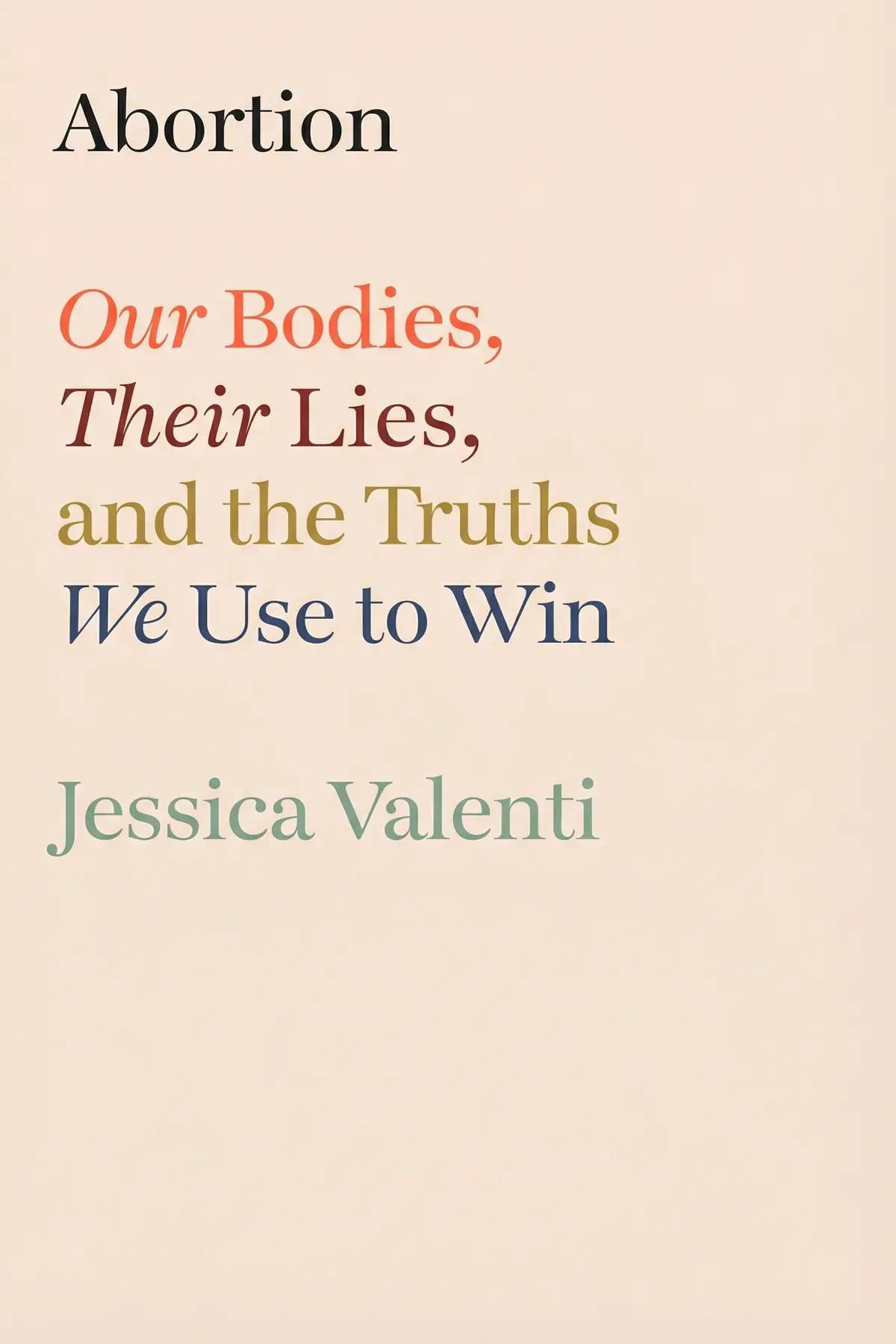
Abortion: Our Bodies, Their Lies, and the Truths We Use to
Jessica Valenti



Afropean: Notes From Black Europe
Johny Pitts
All About Love: New Visions
bell hooks
AUDIO SUMMARY AVAILABLE
Listen to I’m Judging You in 15 minutes
Get the key ideas from I’m Judging You by Luvvie Ajayi, plus 5,000+ more titles in English and Thai.
- 5,000+ titles
- Listen as much as you want
- 7-day free trial
- Cancel anytime







