
A Splendid Exchange: How Trade Shaped the World
William J. Bernstein
In This Economy? breaks down the complex systems of modern finance, explaining how money creation, market dynamics, and central bank policies influence our daily lives and the global financial landscape.
1 min 25 sec
Every day, we are bombarded with headlines about inflation, interest rates, and the fluctuating stock market. For many of us, the “economy” feels like a massive, unpredictable storm that we simply have to weather. But what if the economy isn’t just a force of nature? What if it’s a series of interconnected systems, built on human choices and social trust?
In this summary of Kyla Scanlon’s In This Economy?, we are going to pull back the curtain on these systems. Whether you are looking to grow a business, manage your personal investments, or just understand why the world feels so expensive right now, there is a deep reservoir of logic beneath the surface of the financial news. We’ll explore the fundamental building blocks of wealth—starting with the very definition of money itself—and move through the mechanisms of banking, the way we measure national success, and the powerful institutions that try to keep the whole ship from sinking.
The throughline of this journey is understanding that the economy is a narrative. It is a story we all participate in, governed by rules of risk, reward, and regulation. By the end of this exploration, the goal is to shift your perspective from being a passive observer of the economy to an informed participant who understands how money, markets, and policy really work.
2 min 57 sec
Explore how currency functions as a shared belief system and why the process of creating money is more about trust and banking cycles than just printing paper.
3 min 02 sec
Investigate why our primary method for measuring national wealth often falls short in a digital world and fails to capture the full picture of human well-being.
2 min 55 sec
Understand the mechanics of stock and bond markets, the hidden risks of massive market concentration, and how diversification tools like ETFs are changing the game.
3 min 05 sec
Discover the powerful tools the Federal Reserve uses to steer the national economy and why managing inflation and employment is a delicate, uncertain art.
1 min 39 sec
As we have seen, the economy is far more than just a collection of charts and confusing terms. It is a living, breathing system built on a foundation of trust and managed through a complex web of institutions and policies. We’ve explored how money functions as a shared belief, how banks multiply that belief through lending, and how the markets distribute risk and reward across the globe. We also touched on the limitations of our traditional tools, like GDP, and the immense responsibility held by the Federal Reserve to balance the needs of a modern workforce with the necessity of price stability.
The main takeaway is that while the economy can feel overwhelming, it is ultimately a human creation. It reflects our priorities, our fears, and our hopes for the future. By understanding the underlying mechanics—the plumbing of the financial system—you can begin to see through the noise of the daily news cycle. You can recognize that market concentration and digital shifts are new challenges for an old system, and that central bank policies are attempts to navigate an uncertain world.
Armed with this knowledge, you are better equipped to navigate your own financial journey. Whether you are adjusting your investment strategy to account for market concentration or simply understanding why your local bank is changing its rates, you now have a map of the landscape. The economy will always be complex, but it doesn’t have to be a mystery. By staying curious and looking at the systems behind the numbers, you can find your footing in this—and any—economy.
In This Economy? provides a comprehensive look at the machinery powering our financial world. From the conceptual nature of money to the intricate maneuvers of the Federal Reserve, the book demystifies topics that often feel inaccessible to the average person. It explores how banks create capital through lending, the significance of the U.S. dollar as a global reserve currency, and the evolving challenges of measuring economic health via GDP in an increasingly digital and intangible age. The book also addresses the shifting landscape of investment, particularly the rise of index funds and the resulting concentration of market power among a handful of tech giants. By the end, readers gain a clearer understanding of how these various forces interact to shape the broader business cycle. It promises to transform the economy from a confusing set of headlines into a navigable landscape, empowering individuals to make more informed decisions in a world of fluctuating interest rates and shifting global dynamics.
Kyla Scanlon is a financial analyst and content creator renowned for her skill in simplifying intricate financial concepts for a broad audience. Her insightful commentary and analysis have been featured in major publications, including The New York Times, The Washington Post, and Bloomberg.
Listeners find this work both educational and accessible, featuring thorough breakdowns of economic frameworks and how financial systems operate. The prose is skillfully written, and listeners value the high caliber of the material, with one listener noting it contains several chapters on the Federal Reserve. The book is praised for its readability, with one listener mentioning it's required reading for high school juniors. The political viewpoint draws mixed reactions from listeners.
Finally got around to reading Scanlon’s debut, and it’s basically the survival guide my generation needed for the 2020s. She takes these massive, terrifying concepts like inflation and housing shortages and strips away the stuffy academic gatekeeping. I love how she centers the human element, reminding us that the economy isn't just a series of cold charts but a reflection of how we live and interact. The "vibecession" concept is brilliant and explains so much of the current social anxiety. Truth is, most of us feel the disconnect between what the news says and what our bank accounts feel. This book bridges that gap perfectly. It's written in a style that feels like a long-form version of her videos—punchy, relevant, and deeply empathetic.
Show moreScanlon has a unique way of making the dismal science feel, well, not so dismal. I picked this up because I was tired of feeling like I needed a PhD just to understand why my rent is so high. This book is a phenomenal explainer that treats the reader like an intelligent human being who just happens to be outside the financial bubble. The way she links the Federal Reserve’s decisions to everyday life is eye-opening. Frankly, the economy IS people, and Kyla never lets you forget that moral core. Even though it’s very US-centric, the themes of inequality and community are universal. It’s a fast, engaging read that actually made me feel more empowered as an economic citizen.
Show moreThis book does exactly what it says on the tin: it explains the economy in a way that actually matters to real people. Ever wonder why the stock market is up while everyone you know is struggling? Kyla explains that disconnect better than anyone else writing today. The structure is clear, the writing is sharp, and the tone is perfectly balanced between informative and entertaining. I loved the chapters on the Federal Reserve; they took a topic that is usually incredibly boring and made it fascinating. It’s a vital tool for anyone who wants to stop being confused by financial news. This is exactly the kind of economic education we should be providing in schools.
Show moreThe chapters on the Federal Reserve alone make this a worthwhile purchase for anyone trying to understand the plumbing of our financial system. Kyla manages to break down the mechanics of interest rates and monetary policy without putting the reader to sleep, which is no small feat. That said, I did find some sections a bit repetitive, and the heavy reliance on "meme-speak" occasionally distracted from the weight of the topics. While the information is solid, some of the policy suggestions in the latter half felt a bit idealistic rather than grounded in historical trade-offs. Still, for a primer, it’s incredibly effective and much more engaging than any textbook I’ve ever picked up. It's refreshing to see a young woman leading this conversation with such confidence.
Show moreAs a parent looking for resources for my teenager, I think this should be required reading for high school juniors. My daughter actually finished it, which is the highest praise I can give an economics book. Kyla Scanlon speaks the language of the youth without being patronizing or overly simplistic. She explains how the American economy functions in a way that feels immediate and personal. I appreciated the emphasis on how policy impacts real people on the ground. There were a few spots where the definitions felt a bit shallow, and the focus is almost exclusively on the US, but as a primer, it hits all the right notes. It’s a great jumping-off point for more serious study.
Show moreWhile I don't agree with every policy recommendation Kyla makes toward the end, I have to give her credit for making macroeconomics accessible. The book functions like an expanded glossary for the modern age. It's smart, witty, and surprisingly comprehensive when it comes to the basics of money and fiscal policy. My only real gripe is that she occasionally ignores the unintended consequences of some of the "people-centric" solutions she advocates for. Every economic choice involves a tradeoff, and I wish the book explored those complexities a bit more deeply. Regardless, it’s a refreshing voice in a field dominated by dry, out-of-touch academics. It’s definitely worth a read if you want to understand the "why" behind the headlines.
Show moreEconomics always felt like a foreign language to me until I read this. Scanlon manages to distill incredibly complex theories into something that feels like a conversation at a coffee shop. I particularly enjoyed the breakdown of how the different parts of the economy—from the Fed to the labor market—are all interconnected. Not gonna lie, I was expecting something a bit more "fin-bro" given the topic, but this was the opposite. It’s compassionate and grounded. My only critique is that some of the earlier chapters felt a bit like a list of definitions, which slowed the momentum. Once it gets into the "vibecession" and current sentiment, though, it really picks up speed.
Show moreI wanted to love this more than I actually did. Look, Kyla’s "vibecession" term is a work of genius, and her ability to identify the disconnect between sentiment and data is unmatched. However, the book feels a bit disjointed, almost like a collection of scripts for her videos rather than a cohesive narrative. The transition from objective definitions to highly specific policy recommendations was a bit jarring. One minute you’re learning about GDP, and the next you’re reading about supply-side progressivism. It’s an interesting perspective, certainly, but I worry some of the more complex issues are glossed over to maintain the breezy tone. It’s a decent entry-level book, but seasoned investors won’t find much new here.
Show moreIf you follow Kyla on TikTok or Twitter, you already know her "voice," and that’s exactly what you get here. For some, the heavy use of current online language will be a plus, but for me, it felt like it might not age very well. The book is essentially a modern textbook for Zoomers. The truth is, the content is quite good, especially the sections on how the Federal Reserve operates. However, I found the second half to be a bit preachy. The shift from "here is how it works" to "here is what we should do" felt rushed. I respect the effort to center human needs, but the execution felt a bit like a long-form opinion column.
Show moreMaybe I’m just not the target audience for this specific brand of economic commentary. I was expecting a deep dive into market mechanics, but instead, I found the writing to be filled with word salads and excessive "vibe" talk. To be fair, Kyla is a great communicator on social media, but that high-energy, short-form style doesn't always translate well to a 200+ page book. The first half is a very basic glossary that anyone over thirty probably already knows by heart. By the time we get to the actual policy discussion, it becomes an opinion piece that lacks the nuance I was hoping for. It’s not a "bad" book per se, but it definitely feels misaligned with the promise of being a definitive guide for everyone.
Show moreWilliam J. Bernstein
Yanis Varoufakis
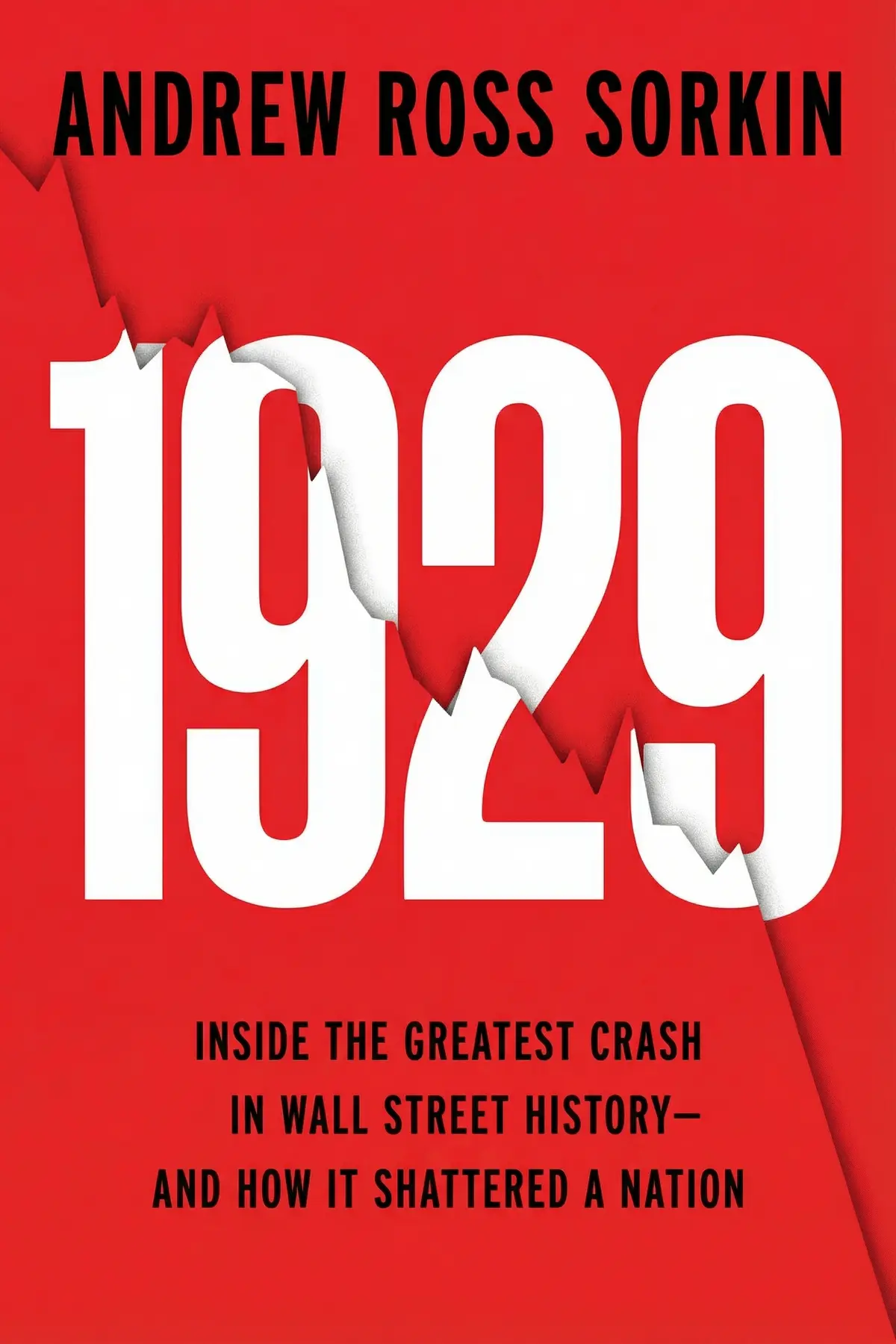
Andrew Ross Sorkin
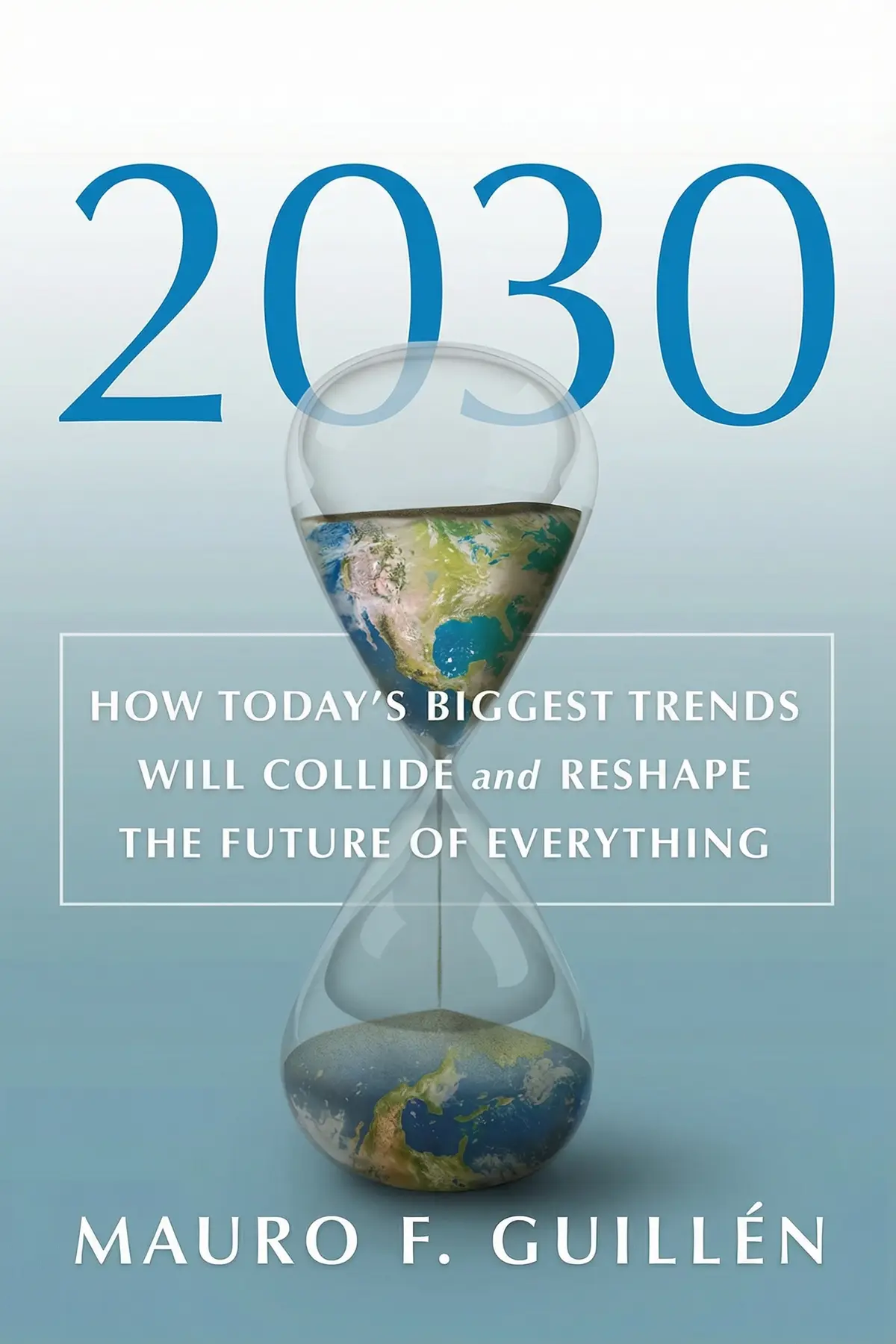
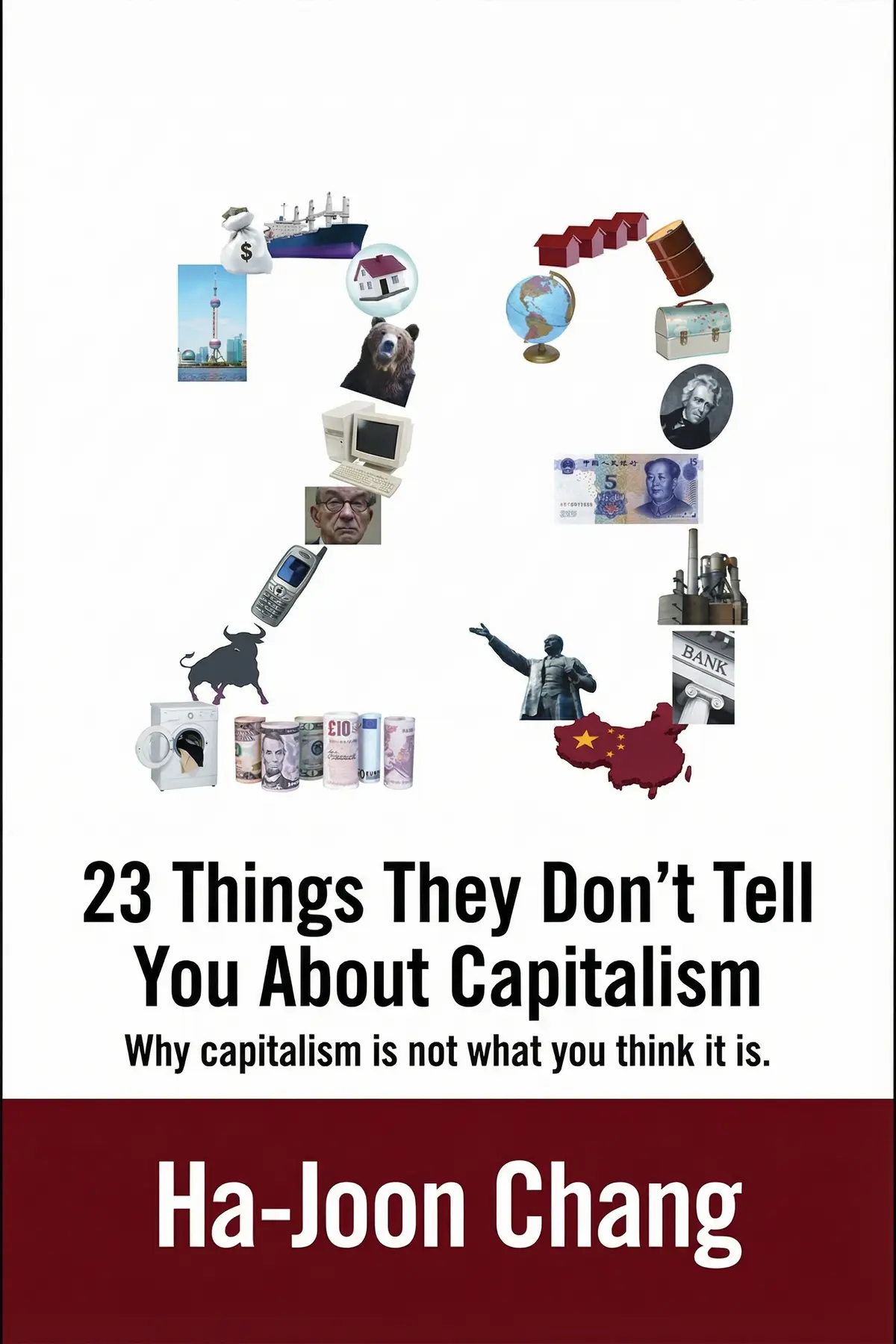
Ha-Joon Chang
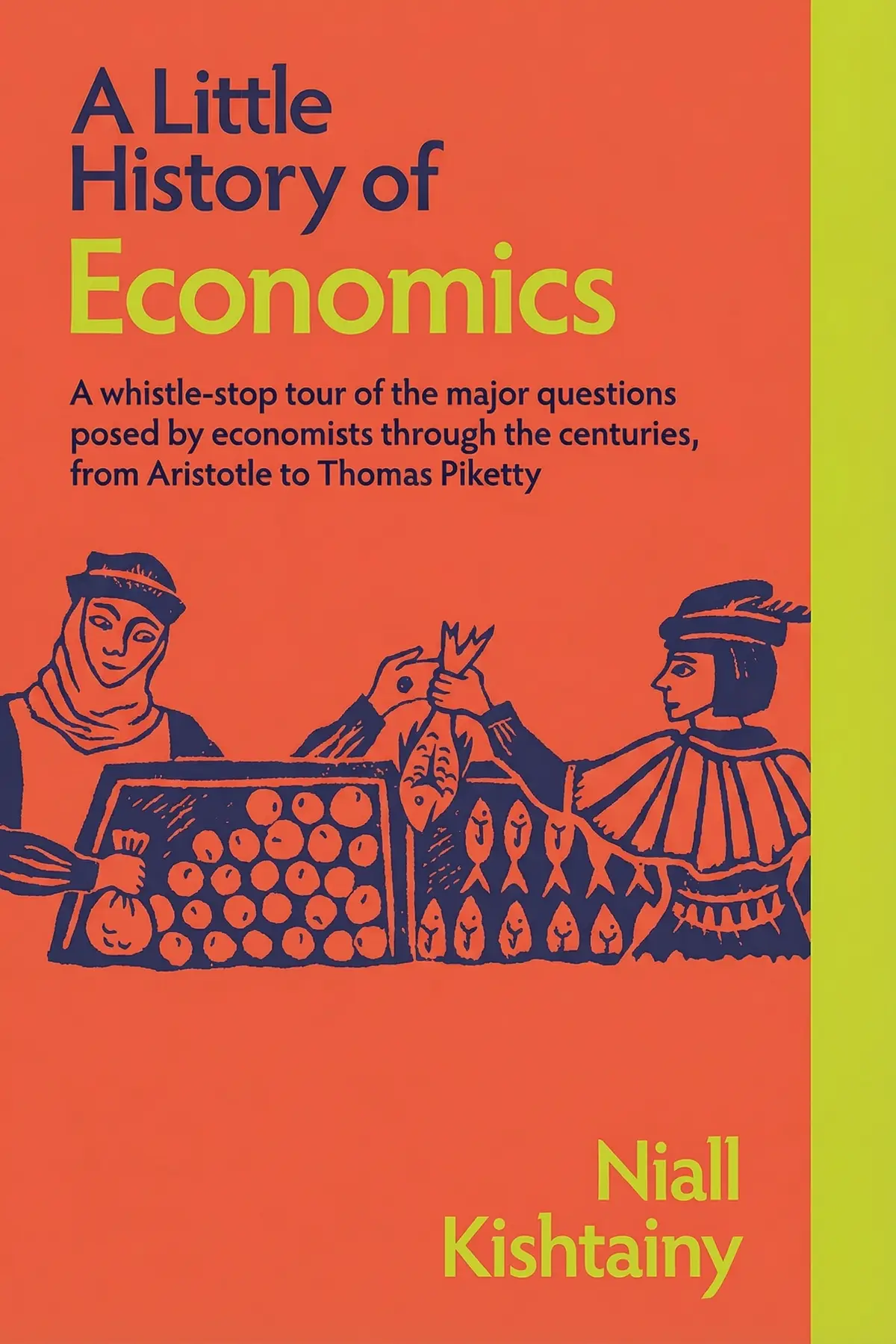
Niall Kishtainy
AUDIO SUMMARY AVAILABLE
Get the key ideas from In This Economy? by Kyla Scanlon, plus 5,000+ more titles in English and Thai.







