
22 min 52 sec
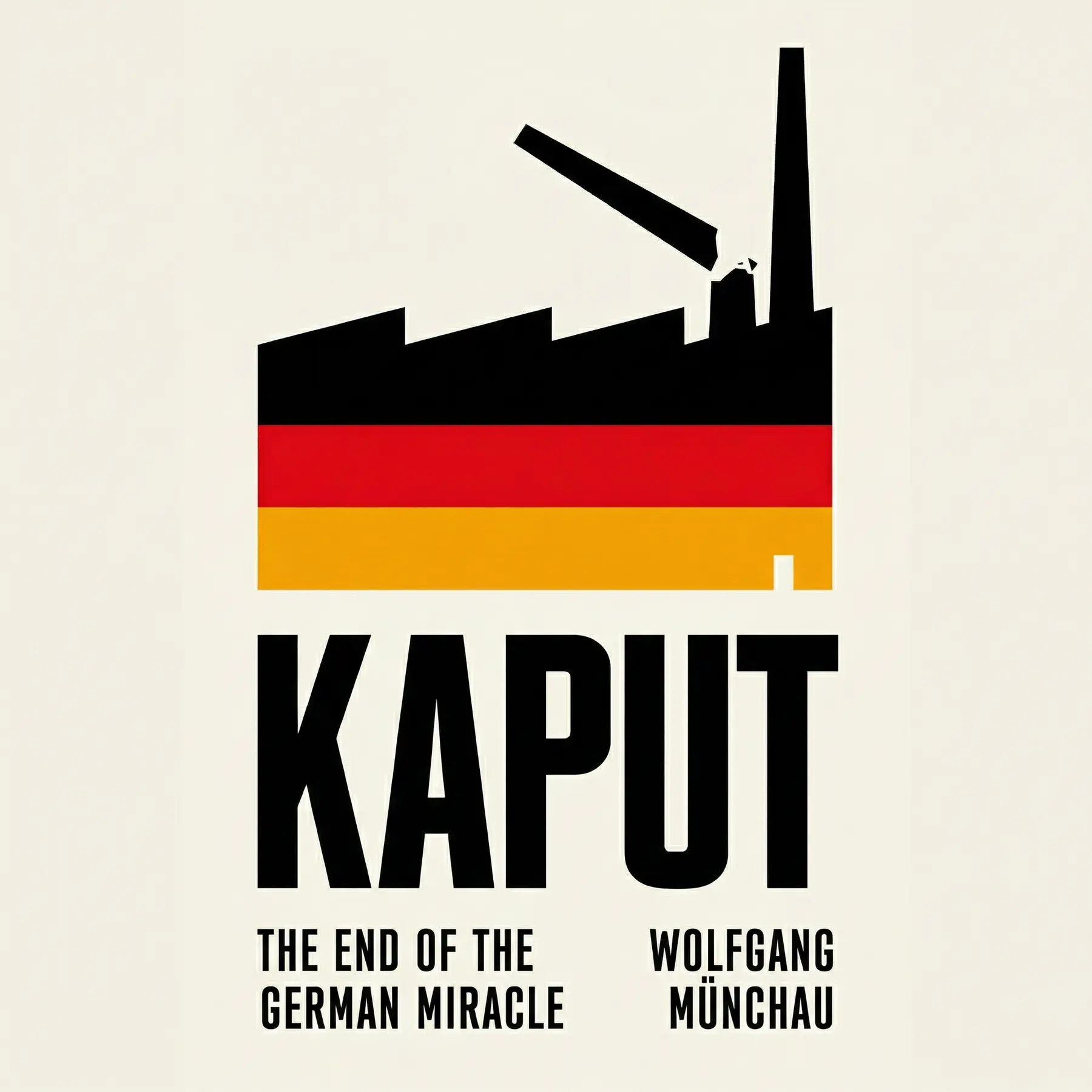
Kaput: The End of the German Miracle
Explore the structural vulnerabilities and historical missteps currently threatening Germany’s economic stability. This analysis reveals why the world’s third-largest economy faces a period of deep systemic decline and potential obsolescence.
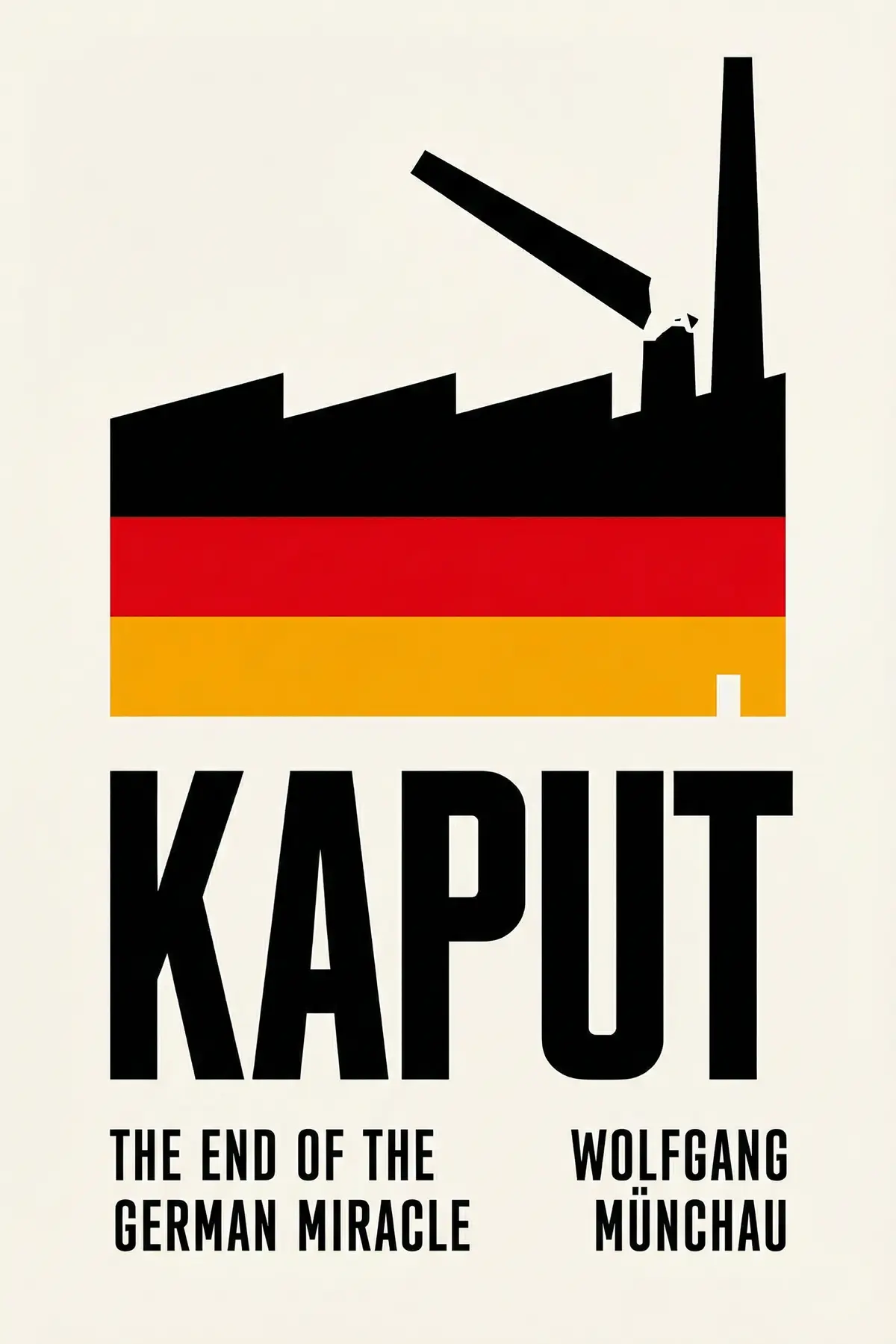
Table of Content
1. Introduction
2 min 18 sec
For decades, the phrase “Made in Germany” was synonymous with unrivaled quality, engineering precision, and a seemingly unstoppable economic engine. Following the devastation of the Second World War, the nation achieved what many considered impossible, transforming itself into a global industrial leader. This era was celebrated as the Wirtschaftswunder, or the economic miracle. It was a time when Germany didn’t just participate in the global market; it set the pace. But if you look beneath the surface today, that legendary engine is starting to sputter and smoke. The foundations that once supported incredible growth are now showing deep, structural cracks that threaten to bring the whole house down.
In this exploration, we are going to look at why this decline is happening and how the very things that made Germany great in the 20th century are now holding it back in the 21st. We often think of economic success as a permanent state, but as we’ll see, it is often a delicate balance. Germany’s reliance on manufacturing, its unique approach to banking, and its specific trade policies worked brilliantly for a different era. However, the world has changed. The digital revolution, shifts in global geopolitics, and new energy realities have created a landscape that the old German model simply wasn’t built to navigate.
What does it mean for the rest of the world when the globe’s third-largest economy begins to falter? The implications are massive, especially for the stability of the European Union. Over the next several sections, we will trace the history of these policy decisions, from the small industrial towns where the miracle began to the high-stakes boardrooms where the future was signed away. We’ll uncover the myth of the German miracle and look at the rot that has been setting in for years. By the end, you’ll have a clear understanding of why the current system is failing and what bold, perhaps even painful, steps might be required to turn things around. It is a story of a nation at a crossroads, forced to decide whether it will reinvent itself or simply fade into industrial history.
2. The Hidden Costs of Export Obsession
3 min 14 sec
Explore how Germany’s strategy of suppressing domestic wages and using state-backed banks to dominate global trade created a rigid system unable to adapt to modern economic shifts.
3. The Self-Inflicted Digital Divide
3 min 08 sec
Discover why a nation once famous for technological breakthroughs ended up trailing behind in the digital age due to a cultural and political preference for analog systems.
4. The High Price of Geopolitical Energy Gambling
2 min 57 sec
Unpack the history of Germany’s energy dependency on Russia and see how a policy intended to foster peace through trade eventually led to a massive industrial crisis.
5. The Berlin-Beijing Axis and the New Vulnerability
3 min 03 sec
Analyze the deepening economic ties between Germany and China, and understand why the once-profitable relationship has now inverted, leaving German industry at risk.
6. Infrastructure Decay and the Erosion of Stability
3 min 15 sec
Observe the physical and political consequences of a decade of underinvestment, from crumbling bridges to the rise of political polarization.
7. The Path Toward a European Solution
3 min 04 sec
Consider the radical reforms necessary for Germany to reclaim its economic standing, focusing on fiscal flexibility and deeper integration with the European Union.
8. Conclusion
1 min 53 sec
As we have seen throughout this exploration of Wolfgang Münchau’s analysis, the situation in Germany is more than just a temporary downturn; it is the end of an era. The pillars of the post-war economic miracle—the focus on heavy industrial exports, the cozy relationship between state banks and legacy manufacturers, and the reliance on cheap external inputs—have all reached their breaking point. What was once a source of strength has become a source of fragility. The physical decay of the nation’s infrastructure and the rising political tensions are clear signals that the status quo is no longer sustainable.
The core message of this analysis is that Germany can no longer rely on the strategies of the 20th century to solve the problems of the 21st. The world is moving toward a future defined by software, renewable energy, and complex geopolitical realignments, and Germany is currently ill-equipped for all three. The technophobia and fiscal rigidity that have characterized the last few decades must be replaced by a bold commitment to innovation and a willingness to invest in the future, even if it means breaking old rules.
Ultimately, the path forward lies in a more unified Europe. By leading the charge for a common financial system and embracing a digital-first economy, Germany can reinvent itself and maintain its place as a global leader. But this requires a fundamental shift in national identity—a move away from the image of the solitary industrial powerhouse toward that of a collaborative, tech-driven European partner. The title “Kaput” serves as a warning, but it also implies that when something is broken beyond repair, the only logical step is to build something better in its place. The choice now lies with the German people and their leaders: will they cling to the wreckage of the old miracle, or will they have the vision to start anew?
About this book
What is this book about?
The world once looked at the German economic engine with awe, calling its rapid post-war rise an economic miracle. However, as Wolfgang Münchau argues, the very strategies that built that success have now become its greatest liabilities. This summary details how an over-reliance on industrial exports, a stubborn refusal to embrace digital transformation, and dangerous geopolitical energy dependencies have pushed the nation to a breaking point. Listeners will learn about the internal contradictions of the German model, from the failure of its regional banking systems to the physical decay of its infrastructure. The narrative explores how the country’s leadership prioritized short-term stability over long-term innovation, leaving Germany vulnerable in a rapidly changing global landscape. Ultimately, the book offers a sobering look at what happens when a global powerhouse clings to the past, while proposing a radical path toward European integration as the only viable escape route.
Book Information
About the Author
Wolfgang Münchau
Wolfgang Münchau is a highly regarded German economic journalist and the co-founder of Eurointelligence, a specialized platform focused on analyzing the complexities of Eurozone economics. His expertise has been featured in major publications including The Times, the Financial Times, and the New Statesman. In 2016, he was honored with the Wirtschaftspublizistik award for his contributions to economic writing. He is also the author of several influential books, including The Meltdown Years.
Ratings & Reviews
Ratings at a glance
What people think
Listeners find this work to be a keen and approachable evaluation of Germany's recent economic history, focusing especially on its dependence on Russian fuel and the weakening of its manufacturing base. Additionally, they value the perceptive exploration of how red tape and the "neo-mercantilist" approach have obstructed progress in the digital sector. They further point out that the thorough study of the car industry is very enlightening, with one listener observing that the text offers a "solid account" of the nation's policy mistakes. Although some find the writer’s perspective too negative about what lies ahead, they nevertheless describe the title as a thoroughly researched guide to navigating a complicated economy in turmoil.
Top reviews
Soontorn
Wolfgang Münchau provides a chilling diagnostic of the German 'economic miracle' turned nightmare. He masterfully deconstructs the 'neo-mercantilist' obsession with exports that left the country vulnerable once cheap Russian gas vanished. The book isn't just about spreadsheets; it’s about a cultural refusal to embrace the digital age. While the US and China were building the future of AI and software, Germany was busy perfecting the internal combustion engine. Gotta say, some might find the tone a bit harsh, but the reality on the ground in Berlin confirms many of these points. It is a necessary, if uncomfortable, read for anyone interested in the future of the EU. The author connects the dots between industrial decline and the recent collapse of the Scholz government with remarkable foresight.
Show moreTee
Ever wonder why a country famous for engineering can't seem to figure out basic software or venture capital? Münchau’s breakdown of German bureaucracy is both hilarious and depressing. He uses the example of vertical farming to show how red tape kills innovation before it even starts. The section on Landesbanken was particularly enlightening; it’s shocking how local politicians use these banks to prop up zombie companies instead of investing in the future. It’s a world where vertical farming is strangled by red tape and local politicians treat public banks like personal piggy banks to bail out failing steel plants. It is maddening. This should be mandatory reading for every policymaker in Brussels and Berlin who thinks austerity is a magic bullet.
Show moreCaleb
Münchau’s 'Kaput' is the obituary for the industrial engine that powered Europe for half a century. It’s a biting, brilliant analysis of how arrogance and bureaucracy turned a global leader into the 'sick man of Europe.' He doesn't hold back when discussing how politicians like Schröder and Steinmeier tethered the country to Putin's whims. The lack of venture capital and the cultural fear of 'Neuland' (digital territory) are portrayed as the ultimate sins. It is rare to find an economic book that reads like a thriller, but the stakes here are high enough to justify the tension. Highly recommended for anyone tracking global shifts. The Schumpeterian battle is being lost in real-time.
Show moreWanida
Not what I expected from a book on economics, but I found myself genuinely gripped by the narrative of decline. The way the author explains the fall of the German car industry—from 'lord and master' of the road to struggling with software—is fascinating. It’s not just about money; it’s about a mindset that got stuck in the 1990s. Truth is, I picked this up thinking it would be dry, but the personal anecdotes and the 'iPad on wheels' comparisons make it very readable. It made me look at my 'Made in Germany' appliances in a whole new, slightly more worried light. Absolutely worth the time for the insights into the 'auto-politics' alone.
Show moreSomboon
Picked this up after seeing the headlines about the German government collapse, and the timing couldn't be better. The author explains the car industry crisis perfectly—calling a Tesla an 'iPad with wheels' really highlights how far behind Volkswagen has fallen. We used to think German engineering was invincible, but Münchau shows how they bet everything on the wrong horses. The chapters on Russian energy dependency were especially eye-opening and deeply frustrating. I wish there was a bit more hope offered, but maybe the situation just doesn't allow for it right now. Still, this is the most accessible economics book I've read this year. It turns a dry subject into a compelling narrative of strategic failure.
Show moreTaw
As someone who has lived in Berlin for a decade, I can't help but feel Münchau has hit the nail on the head regarding the 'digital desert' we live in. We are surrounded by amazing mechanical engineering, yet the internet barely works and cash is still king. The author connects these daily frustrations to the larger 'neo-mercantilist' strategy of the state. He argues that the focus on exports has left our infrastructure in ruins. In my experience, the book is quite pessimistic. However, when you see the state of the railways and schools, it's hard to disagree with his bleak outlook. It provides a sharp, penetrating analysis of how the 'Schumann' era of stability actually sowed the seeds of today's chaos.
Show moreMaksim
This isn't just a book about Germany; it’s a warning for any nation that gets too comfortable in its manufacturing niche. I found the analysis of the China-Germany relationship to be the strongest part of the text. For years, Germany thought they were selling tools to China, only to realize China was learning to build better versions of those tools themselves. Münchau’s point about the 'Schumpeterian battle' of creative destruction is vital. If you stop innovating, you don't just stand still—you fall behind. The writing is sharp and moves quickly through complex topics without becoming bogged down in jargon. It’s a bit repetitive in the middle chapters, but the core argument about the end of cheap energy is undeniable.
Show moreYaowaluk
The history here is top-notch, but the conclusions feel a bit like a stretch. I appreciated the deep dive into the 2005-2015 era, especially the stuff about labor market reforms and the 'black zero' austerity policy. It gives a lot of context to why things feel stagnant today. However, I’m not entirely sold on the idea that the entire German model is 'kaput' forever. Personally, the author’s point about the lack of digital innovation is hard to argue with when you try to use public services here. It’s a solid read if you want to understand the past, but I'd take the future predictions with a grain of salt. Good economic history, poor conclusion.
Show morePornpimon
Frankly, the author's fixation on 'neo-mercantilism' overlooks the structural benefits that the export model provided for years. While Münchau is right that the reliance on Russian gas was a strategic blunder, he acts as if the entire German culture is a fallacy. Look, the automotive industry is struggling, but writing off the entire precision engineering sector feels premature. The book also ignores how similar corporate lobbying problems exist in the US, which he holds up as a digital role model. It’s an interesting read for the historical data on the Landesbanken and the SPD's ties to Russia, but I found the overall thesis to be way too one-sided. It’s informative, but definitely written with an axe to grind.
Show moreKamol
Do we really need another doomsday prophecy about the European heartland? The author writes with a certain sanctimonious air that suggests he is the only person who understands basic macroeconomics. While he provides a decent historical account of the energy pivot, his insistence that the system is beyond repair feels like clickbait. Germany has faced existential crises before and managed to bounce back. Münchau admits the country has a history of resilience, yet he largely ignores that possibility for the future. It's a well-documented book regarding the 2000s, but the "everything is broken" conclusion is just exhausting. I found the constant bashing of the car industry particularly one-sided and lacking in nuance.
Show moreReaders also enjoyed
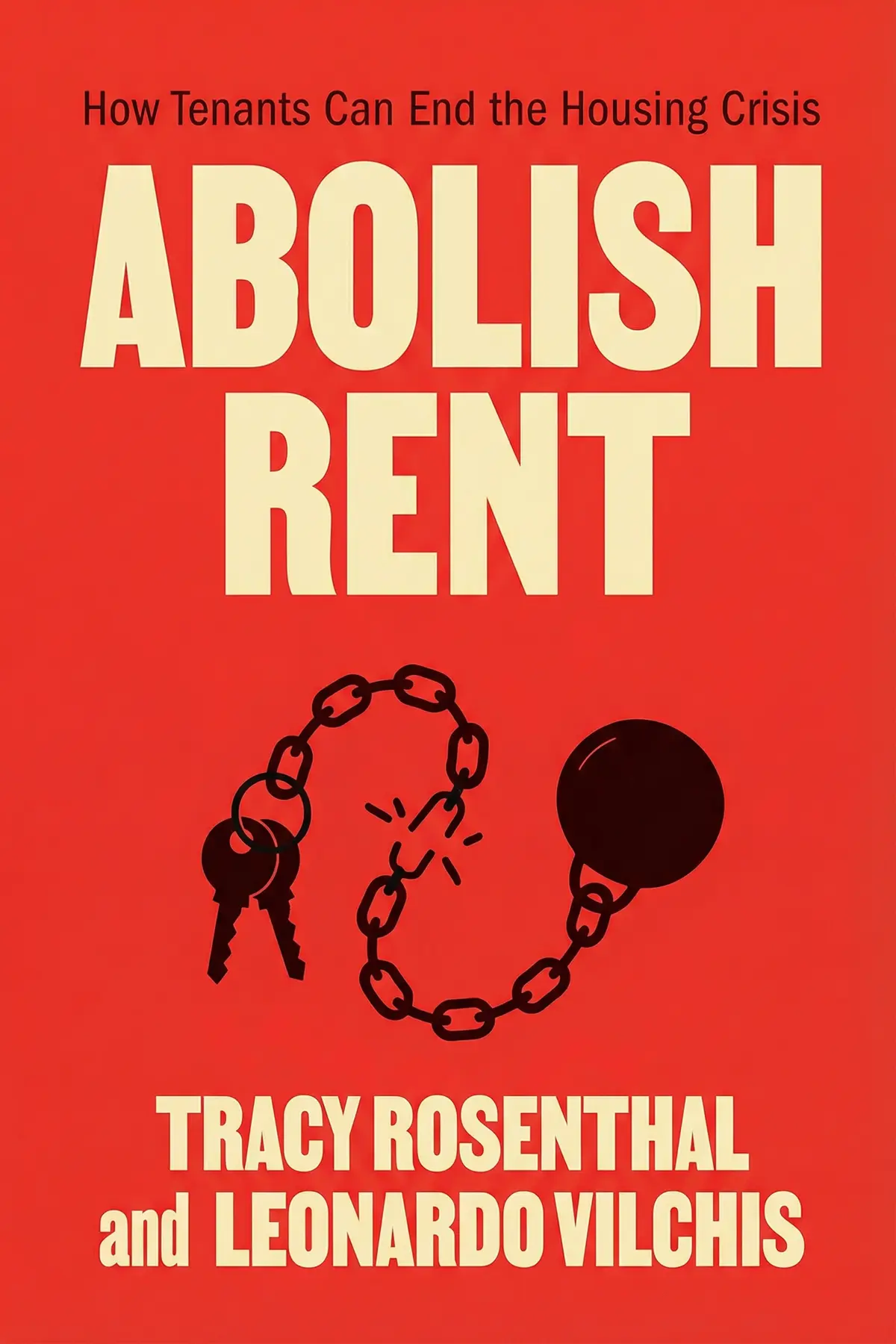
Abolish Rent: How Tenants Can End the Housing Crisis
Tracy Rosenthal

Abortion: Our Bodies, Their Lies, and the Truths We Use to
Jessica Valenti
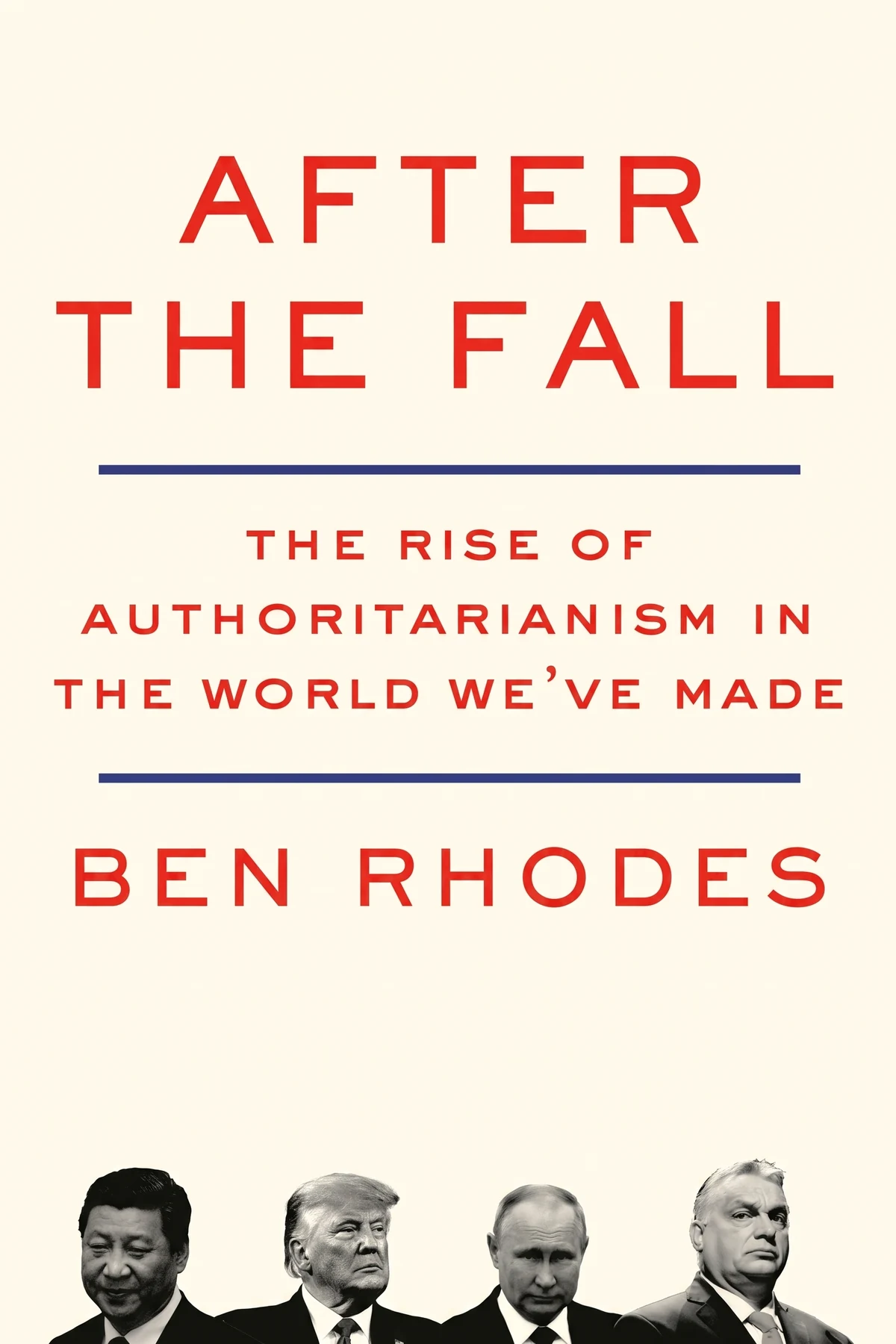

21 Lessons for the 21st Century
Yuval Noah Harari
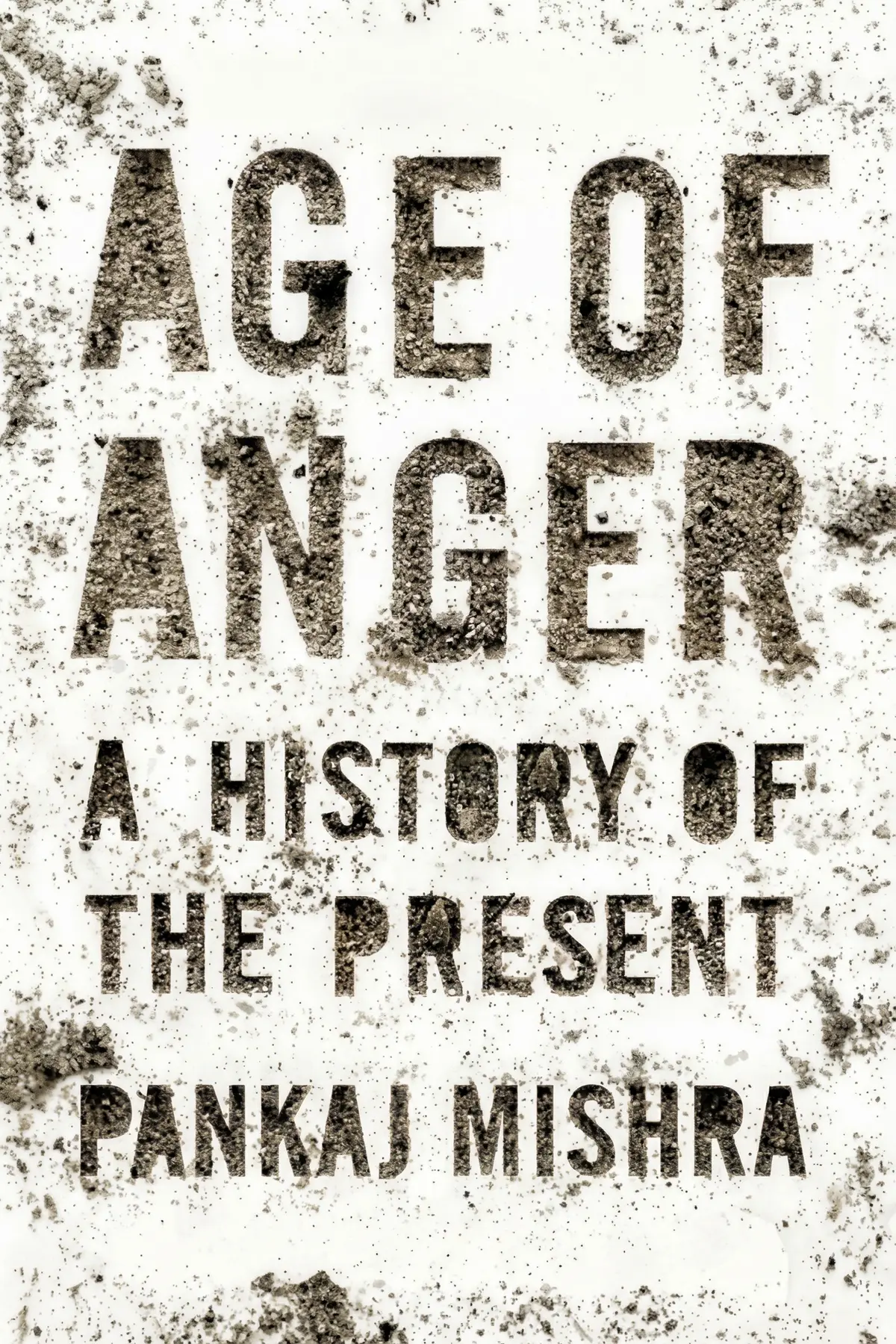
Age of Anger: A History of the Present
Pankaj Mishra

A Different Kind of Power: A Memoir
Jacinda Ardern
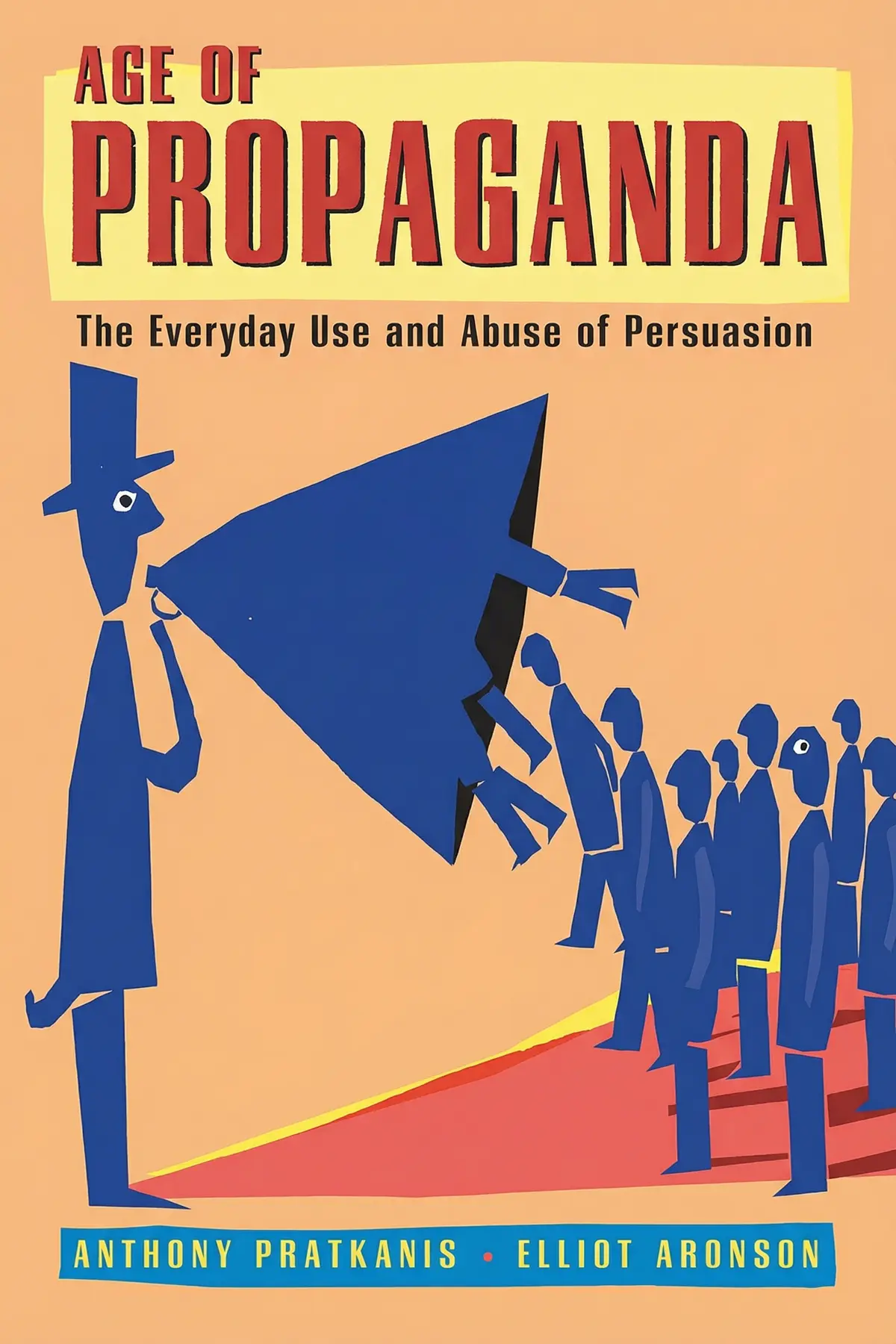
Age of Propaganda: The Everyday Use and Abuse of Persuasion
Anthony Pratkanis
1929: Inside the Greatest Crash in Wall Street History--and How It
Andrew Ross Sorkin
AUDIO SUMMARY AVAILABLE
Listen to Kaput in 15 minutes
Get the key ideas from Kaput by Wolfgang Münchau, plus 5,000+ more titles in English and Thai.
- 5,000+ titles
- Listen as much as you want
- 7-day free trial
- Cancel anytime







