
A Year with Peter Drucker: 52 Weeks of Coaching for Leadership Effectiveness
Joseph A. Maciariello
Explore five essential mindset shifts for leaders to combat burnout, foster resilience, and build a culture where employees feel valued, connected, and motivated to contribute their best work every day.
1 min 39 sec
In the modern professional landscape, the foundation of a healthy workplace culture is under significant pressure. We are living through an era where the traditional ways of managing teams are being tested by unprecedented forces. From the lingering effects of global health crises to the rapid integration of artificial intelligence into daily tasks, the stressors on the average employee have never been more complex. Recent data reveals a sobering reality: nearly half of the workforce in the United States reports feeling the heavy weight of burnout. This isn’t just a personal struggle for those individuals; it manifests across organizations as ‘quiet quitting,’ where employees disengage and do only the bare minimum required to get by.
When we see these trends, it becomes clear that we can’t simply rely on old-school management tactics or assume that well-being is a separate concern for the human resources department to handle. Instead, we have to look at leadership through a different lens. Creating a culture that works isn’t about superficial perks or occasional team-building events. It requires a fundamental shift in how leaders perceive their role and their relationship with their team members.
This summary explores five transformative mindsets that can help leaders navigate these turbulent times. We will delve into how to move from transactional recognition to deep mattering, how to design work around human psychological needs, and how to build a resilient environment that prioritizes sustainability. By the end, you’ll see a clear path toward a leadership style that doesn’t just drive performance, but nurtures the human spirit behind the work. It’s about creating an atmosphere where people feel supported, motivated, and deeply connected to the mission of the organization.
2 min 26 sec
Standard recognition often fails to stick with employees. Discover why specific, strength-based feedback is the secret to making your team feel they truly matter and how small shifts in appreciation change everything.
2 min 47 sec
Motivation isn’t a mystery; it’s driven by three core psychological needs. Learn how autonomy, belonging, and challenge form the framework for a workplace where engagement is built into the design of the job.
2 min 42 sec
Burnout isn’t just an individual problem; it’s a structural one. We explore how leaders can address impact blindness and create sustainable workloads that protect their most valuable assets from total exhaustion.
2 min 34 sec
Resilience isn’t about just ‘toughing it out.’ It’s a collective resource built on safety, efficacy, and improvisation. Find out how to prepare your team to navigate uncertainty and emerge stronger.
2 min 33 sec
When personal values and work roles drift apart, trust evaporates. Explore how to foster deep engagement by aligning organizational purpose with individual meaning, ensuring your team finds genuine value in their daily tasks.
1 min 40 sec
As we conclude this exploration of the five mindsets for leading well, the central theme is clear: the future of work belongs to leaders who prioritize the human experience. We’ve seen how moving toward ‘sticky recognition’ and fostering a sense of mattering can reignite the spark in a disengaged team. We’ve explored the ABC framework—Autonomy, Belonging, and Challenge—as a blueprint for designing roles that naturally motivate and fulfill. We’ve also tackled the systemic issues of workload sustainability and the necessity of building collective resilience to navigate an increasingly complex world.
Finally, we reflected on the power of values alignment, acknowledging that people are looking for more than just a salary; they are looking for meaning. These five mindsets are not just independent strategies; they work together to create a holistic culture of health and performance. When you, as a leader, choose to acknowledge a person’s unique strengths, protect their boundaries, and connect their work to a larger purpose, you are doing more than just ‘managing.’ You are building a sustainable community.
The transition to this style of leadership doesn’t happen overnight. It requires consistent effort and a willingness to step away from the ‘way things have always been done.’ But the rewards—higher retention, lower burnout, and a team that is genuinely inspired to give their best—are well worth the investment. As you move forward, look for the small daily opportunities to implement these shifts. Start with one conversation, one specific ‘thank you,’ or one moment of boundary-setting. Over time, these actions will build the foundation for a workplace where both the business and the people can truly thrive.
Lead Well addresses the modern crisis of workplace burnout and disengagement by providing a roadmap for resilient leadership. The book argues that traditional management styles are no longer sufficient in an era shaped by systemic stress, remote work challenges, and the rapid advancement of technology like AI. Instead, it proposes a shift toward five specific mindsets that focus on the human elements of the workplace: recognition, psychological needs, workload sustainability, stress resilience, and values alignment. Readers are promised a practical guide to creating an organizational culture that doesn't just survive challenges but thrives through them. By focusing on how to make employees feel that they truly matter, providing them with the autonomy and connection they crave, and ensuring that their workloads are actually sustainable, leaders can transform their teams. This summary breaks down how to move away from legacy leadership habits and toward a more adaptive, emotionally intelligent approach that prioritizes long-term well-being and engagement.
Paula Davis JD, MAPP, is the Founder and CEO of the Stress & Resilience Institute. Drawing on her extensive background in both law and positive psychology, she works with organizations to improve the quality of work life and prevent burnout. Her career is dedicated to helping leaders and teams build the resilience necessary to navigate high-stress environments and foster a healthier, more productive organizational culture through evidence-based strategies.
Listeners appreciate the evidence-based and timely framework offered for tackling current leadership obstacles like burnout and low employee engagement. While some listeners suggest that the fundamental principles might be well-known to those familiar with management books, they find the suggestions highly applicable and useful for the post-pandemic world. Additionally, they value the book’s focus on creating a sense of "mattering" through "sticky recognition" and pragmatic instruments like "Tiny Noticeable Things" (TNTs). Many also emphasize the successful application of the ABC framework to encourage team autonomy and belonging, with one listener mentioning that the text provides a comprehensive toolkit for anyone aiming to enhance their workplace culture.
Paula Davis has captured exactly why so many of us feel disconnected at work right now, and her solutions are remarkably practical. The highlight for me was the concept of 'Tiny Noticeable Things' or TNTs, which are small shifts that create a massive impact on team culture without requiring a massive budget. I started implementing the 'notice and name' strategy for strengths this week, and the shift in morale was almost immediate. We often overcomplicate leadership, but this book reminds us that human needs for connection and purpose are what drive performance. I appreciated how she balanced high-level research with very specific scripts for better communication. Even if you think you’re a 'good' manager, this book provides the tools to move from being a boss to being a true steward of your team’s well-being. It is easily one of the most useful management books I’ve picked up this year.
Show moreFinally got around to reading this, and the focus on 'mattering' really hit home for me as both a leader and an employee. In a world of remote work and digital isolation, we all just want to know that our work isn't going into a void. Davis provides a brilliant roadmap for overcoming 'impact blindness' and helping teams see the bigger picture of their daily tasks. I loved the emphasis on psychological safety and the idea that leaders must model vulnerability by acknowledging their own mistakes first. This isn't just about being 'nice' to people; it’s a strategic approach to building a resilient, high-performing team that can withstand market turbulence. The writing is clear, the advice is actionable, and the focus on human-centric leadership is exactly what the industry needs right now. If you want to move beyond legacy leadership and actually inspire people, buy this book.
Show moreWow. I didn't realize how much I needed the 'Mindful Business Charter' concepts until I was halfway through this book. In my experience, most leadership books focus on the leader's ego, but Davis focuses entirely on the team’s ecosystem. The shift from 'We’ve always done it this way' to a mindset of stress resilience and adaptability is handled with such clarity and grace. I especially appreciated the deep dive into why recognition fails when it isn't 'sticky'—it explains exactly why our last company-wide awards ceremony felt so hollow. The focus on 'mattering' is the secret sauce here. This book doesn't just tell you to be a better leader; it gives you the psychological tools to actually make it happen. It’s a must-read for anyone who is tired of the 'burn and churn' culture of modern business and wants to build something that actually lasts.
Show moreThis book feels like a necessary update for the post-pandemic corporate world where burnout has become the default state. Paula Davis moves beyond the superficial wellness advice we usually see and focuses on what she calls 'sticky recognition.' To be fair, I have seen some of these psychological concepts in other leadership manuals, but the way she connects appreciation to a sense of 'mattering' is incredibly insightful. The idea that employees need to feel they add value through their contributions—not just receive a generic annual award—really resonated with my current team struggles. While the chapter on workload sustainability felt a bit idealistic for a high-pressure environment, the actionable frameworks are worth the price of admission. It’s a grounded, research-backed guide for any manager who feels like their current leadership style is no longer cutting it in an era of quiet quitting and AI disruption.
Show moreThe concept of 'sticky recognition' is something I started using immediately with my direct reports after finishing the first few chapters. Instead of a generic 'good job' email, Davis encourages leaders to show clear evidence of impact, which builds a much-needed sense of mattering. Look, the book isn't perfect; the writing occasionally leans a bit too heavily on corporate terminology that can feel a little dry during the middle chapters. However, the section on stress resilience and the importance of a 'team charter' to define communication norms is worth its weight in gold. Most organizations just expect teams to work well together by magic, but this book provides a blueprint for actually building that cohesion. It’s a practical toolkit for navigating the complexities of hybrid work and the looming anxiety of AI integration. Definitely a 4-star read for anyone looking to retain their best talent.
Show moreEver wonder why your top performers are 'quiet quitting' even when they're getting decent bonuses? Davis argues that it’s because we’ve failed to make work feel meaningful through values alignment and autonomy. I particularly liked the distinction between feeling valued and knowing you add value; it’s a subtle difference that makes a huge impact on employee commitment. The book is well-structured and uses clear headings, making it a great reference guide to keep on your desk for those days when team tension is high. I wish there were more case studies from smaller businesses, as some examples felt very tailored to large law firms or massive corporations. Still, the core message about fostering a sense of community is universal. It’s a very strong 4-star book that I’ll be recommending to my peers who are struggling with high turnover rates.
Show moreAs someone who has managed teams for over a decade, I found several sections here to be a bit repetitive of existing HR literature. Frankly, the ABC framework—Autonomy, Belonging, and Challenge—is standard self-determination theory that most experienced leaders will already recognize from their initial training. However, the book shines when Davis discusses 'impact blindness' and how executives lose track of the cumulative weight of their initiatives. That specific insight made me pause and reflect on how many 'band-aid fixes' I’ve implemented recently without considering the long-term stress on my staff. It is a solid resource if you are an emerging leader or need a refresher on modern workplace dynamics, but don’t expect a total revolution in management thought. It is more of a helpful consolidation of best practices than a groundbreaking new discovery, though the focus on resilience is certainly timely.
Show moreTruth is, I expected a bit more innovation regarding AI's impact on workforce stability, as the book mentions it early on but doesn't dive as deep as I’d hoped. Lead Well is a decent compilation of five mindsets that every leader should probably already have in their repertoire: recognition, needs, workload, resilience, and values. While the research is robust and Davis is clearly an expert in her field, the prose can be a bit slow in the sections regarding organizational values. I did find the 'Mindful Business Charter' reference interesting, as it offers a practical way to set boundaries with clients. If you are struggling with a team that is already burnt out, this will give you some good starting points. Just be aware that many of these strategies require significant buy-in from upper management to truly work, which isn't always easy to get.
Show moreLead Well is a solid primer for new managers who haven't yet grappled with the complexities of team resilience or sustainable workloads. Personally, I felt the 'ABC framework' section was a bit light on how to implement autonomy in highly regulated or rigid industries. It's easy to say 'give employees ownership,' but the 'how' is much harder in practice than the book suggests. That said, the chapter on 'sticky recognition' is fantastic and provides a lot of value for anyone who feels like their praise isn't landing. The book is an easy read, though it does feel a bit like a collection of very good blog posts rather than one cohesive, revolutionary theory. It’s a safe bet for a book club or a management training seminar, but seasoned executives might find themselves skimming the more basic psychological explanations. It’s helpful, just not quite transformative for me.
Show moreNot what I expected given the hype surrounding Davis's work on resilience and burnout prevention. Not gonna lie, I found the tone to be a bit too 'corporate-speak' for my taste, and many of the suggestions felt like things an average HR department would put in a PowerPoint. The concept of 'Tiny Noticeable Things' is basically just being a decent human being, which shouldn't require a whole book to explain. I also struggled with the section on sustainable workloads; it felt very disconnected from the reality of industries that have fixed, demanding deadlines. While the research is clearly there, the execution felt unoriginal and didn't offer any real solutions for the systemic issues that cause burnout in the first place. It might be a good gift for a first-time supervisor, but for me, it just didn't bring anything new to the table.
Show moreJoseph A. Maciariello
Deborah Gruenfeld
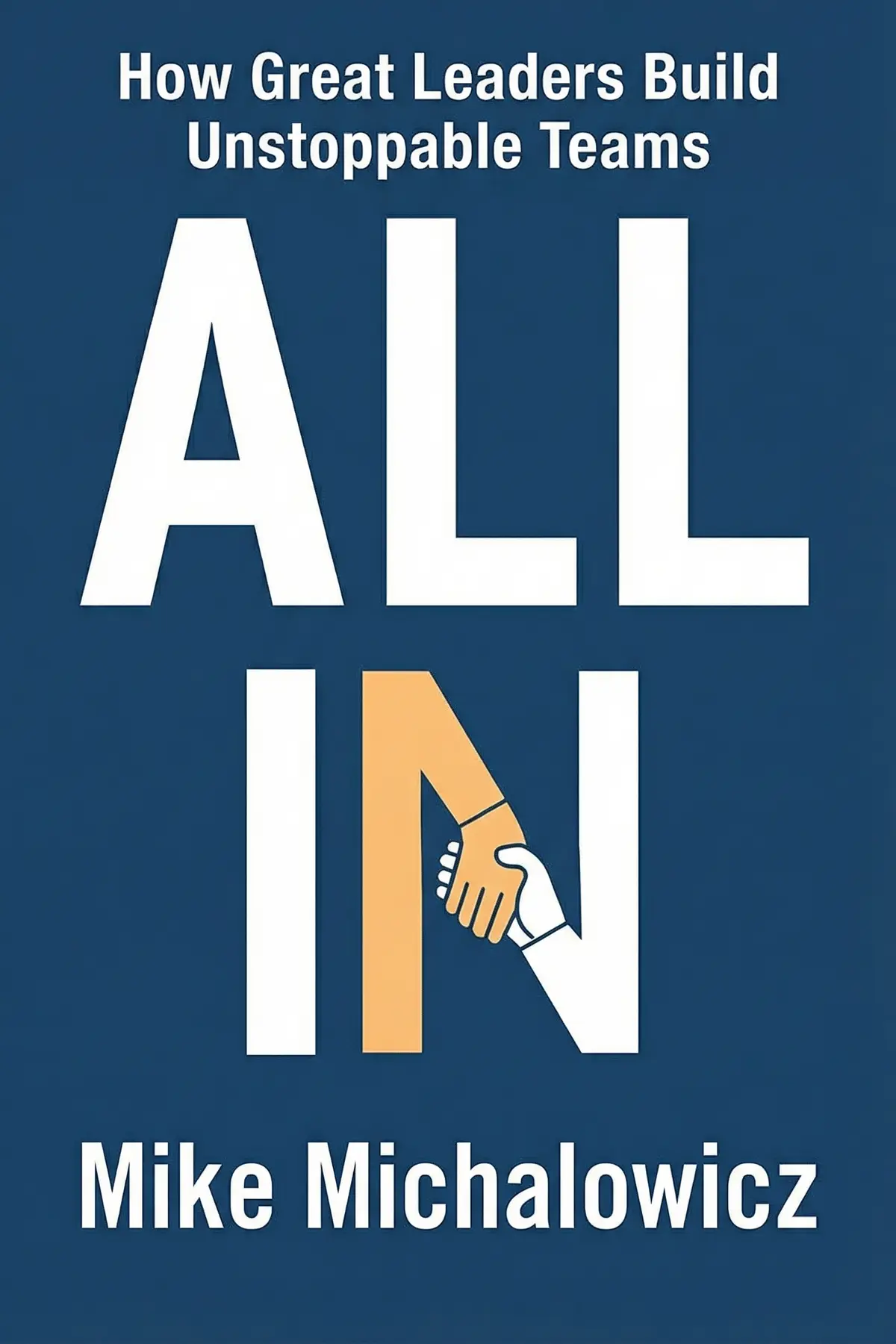
Mike Michalowicz
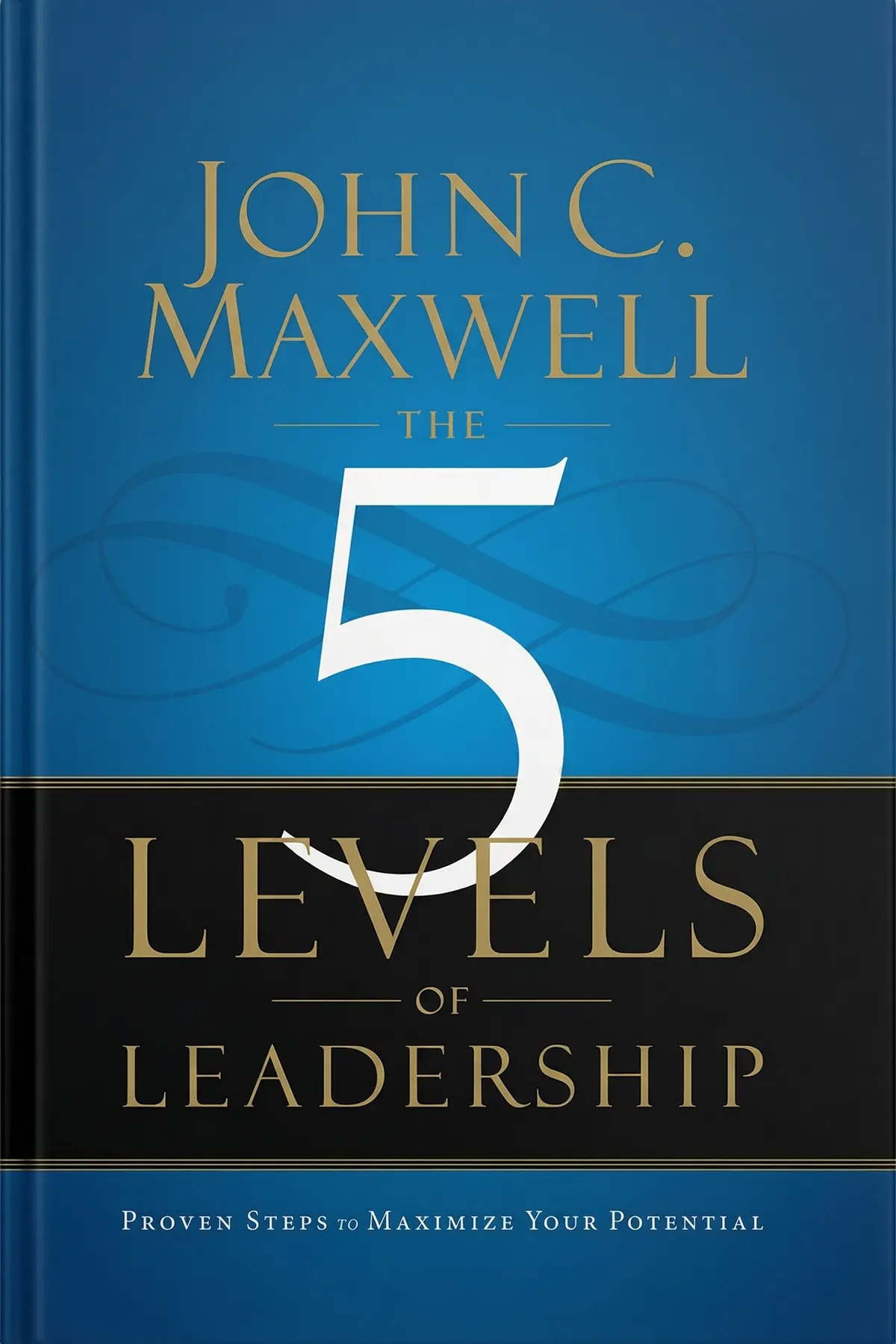
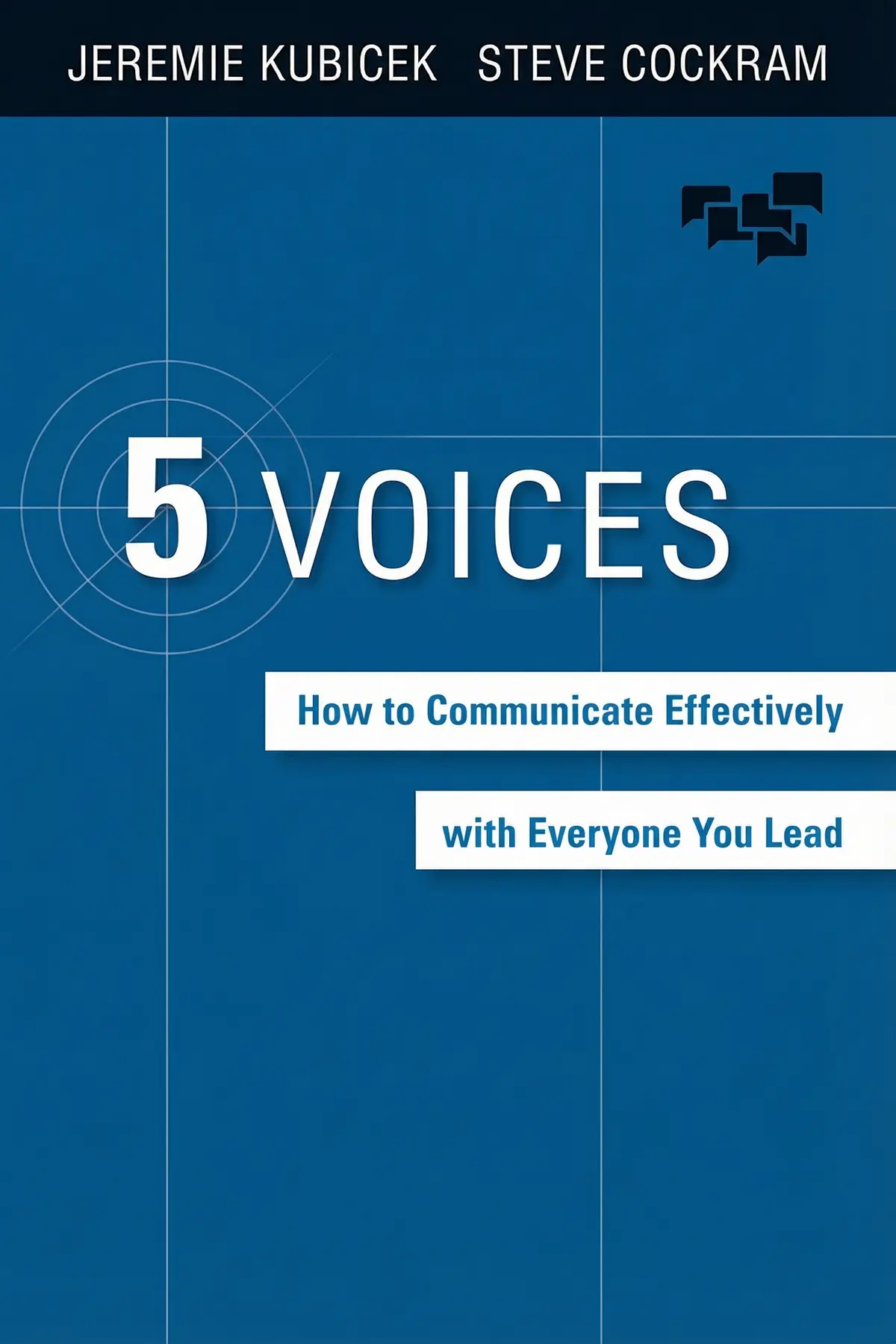
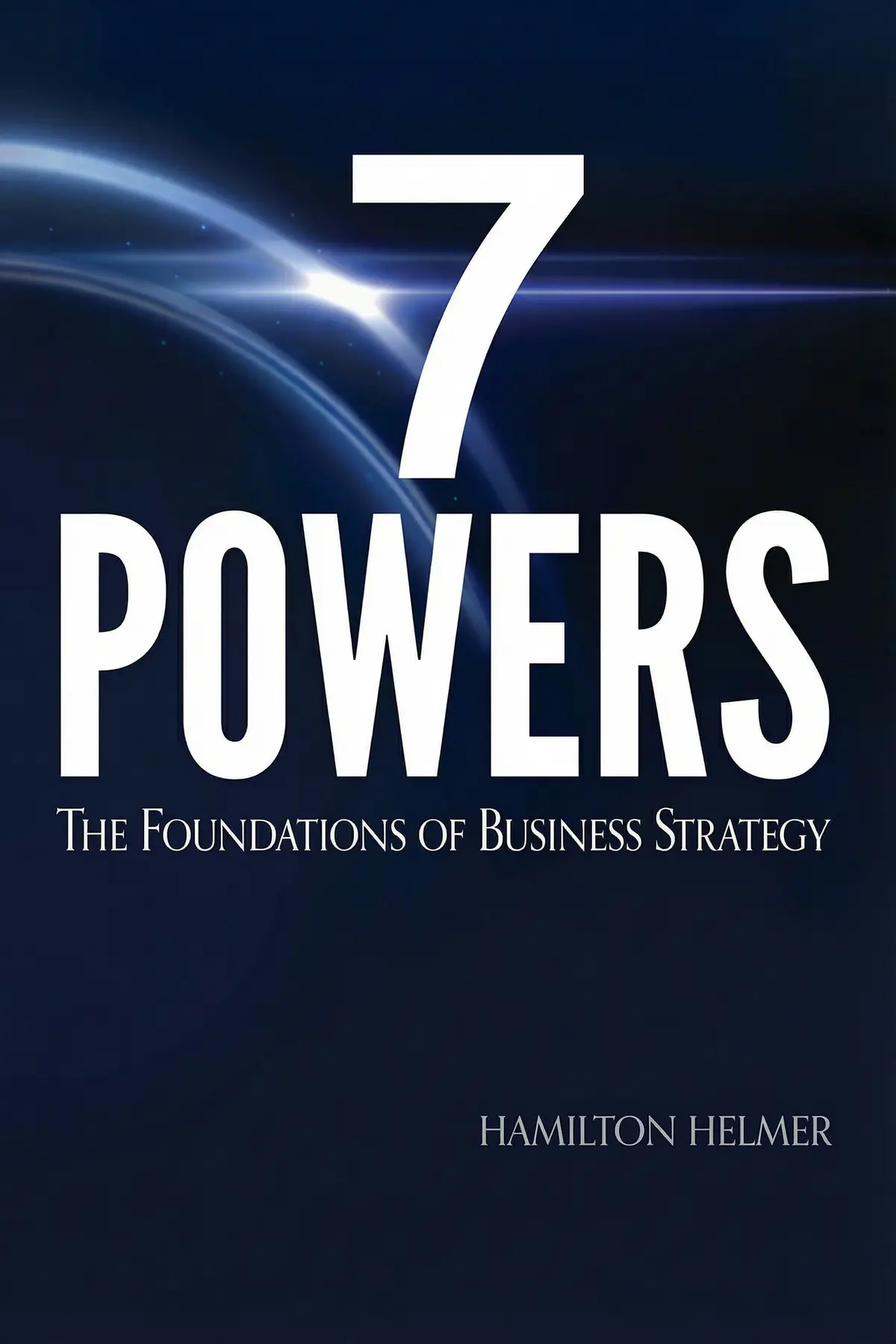
Hamilton Helmer
AUDIO SUMMARY AVAILABLE
Get the key ideas from Lead Well by Paula Davis, plus 5,000+ more titles in English and Thai.







