
18 min 45 sec
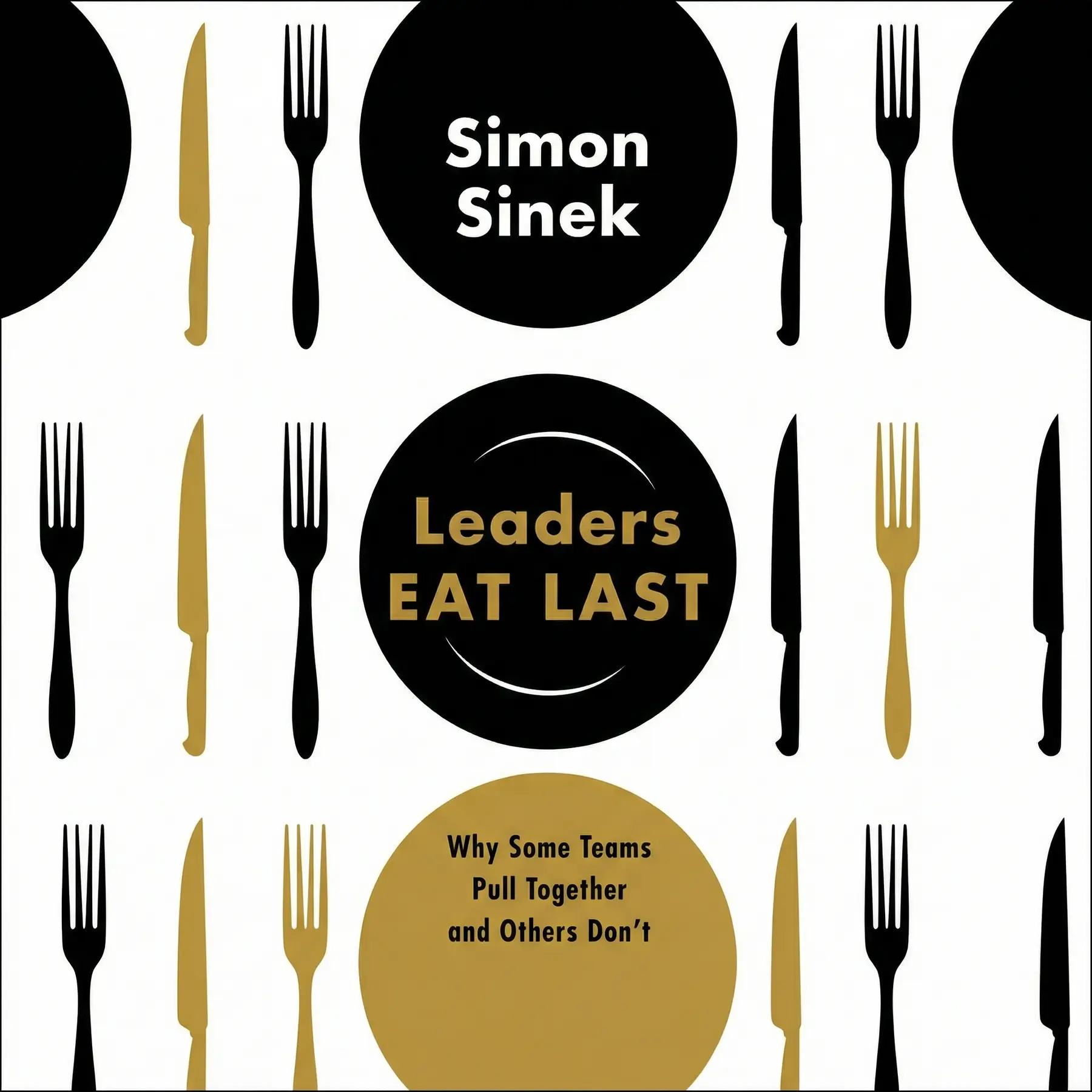
Leaders Eat Last: Why Some Teams Pull Together and Others Don’t
By Simon Sinek
Explore how biology and psychology shape our professional environments. This summary reveals how great leaders foster trust and safety by prioritizing their team’s well-being over short-term gains and personal status.
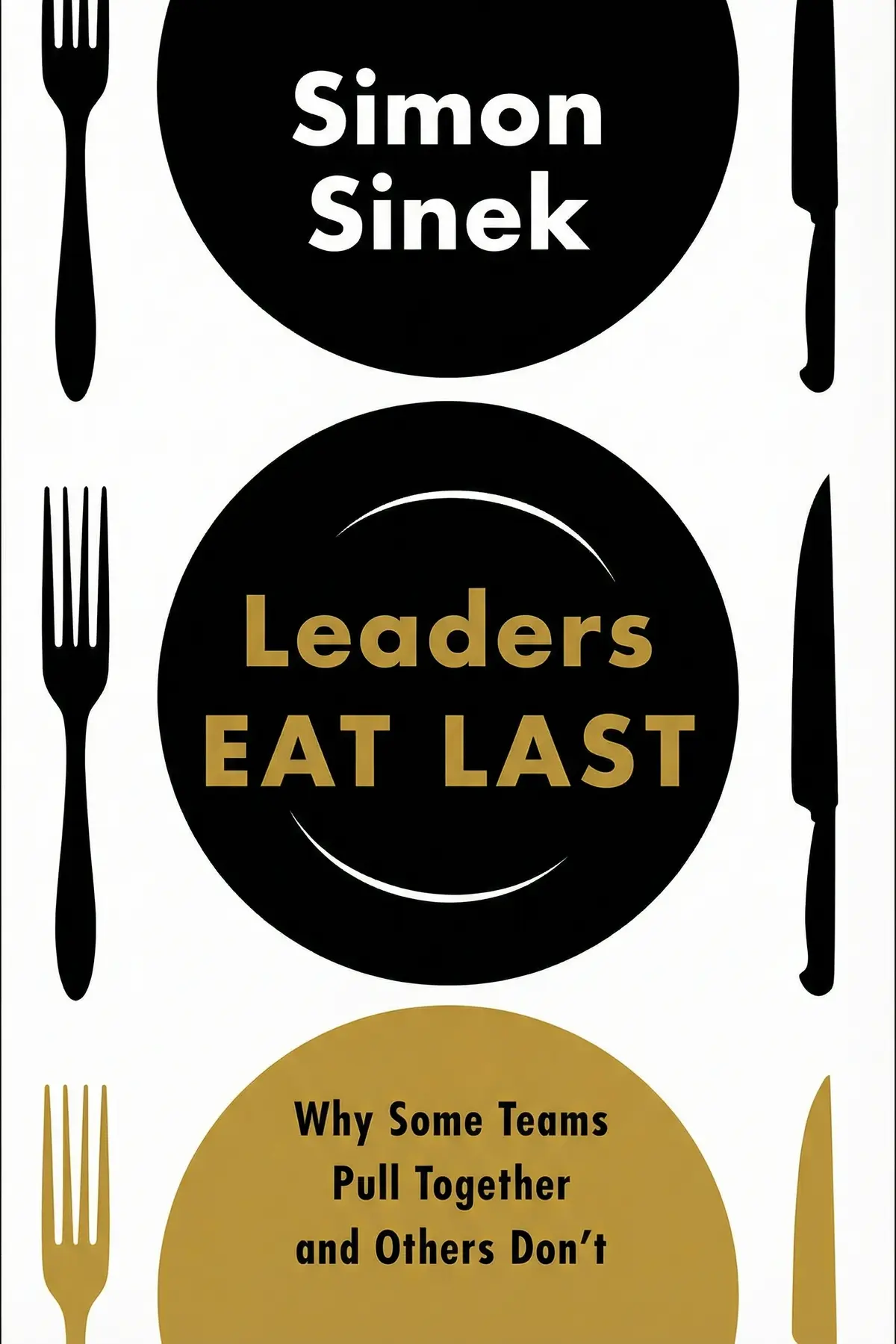
Table of Content
1. Introduction
1 min 42 sec
Have you ever wondered why some workplaces feel like a battlefield where everyone is out for themselves, while others feel like a supportive family where people are willing to make sacrifices for one another? It is a question that goes to the heart of how we function as a species and how we organize ourselves into groups. To understand the friction in modern offices, we have to look much further back than the invention of the cubicle or the spreadsheet. We have to look back to our ancestors and the very biological foundations that allowed us to survive in a hostile world thousands of years ago.
At its core, leadership is not about being in charge or having a corner office. It is about a biological and social contract that has existed since humans first walked the earth. This contract dictates that in exchange for the perks of high status, a leader is responsible for the safety and well-being of the group. When this balance is maintained, teams thrive. When it is broken, organizations suffer from a lack of trust, a focus on short-term survival, and a pervasive sense of anxiety.
In this exploration, we will dive into the chemistry of human behavior and see how our internal hormones still drive our reactions in the workplace. We will see how a leader’s primary job is to create a specific kind of environment—a protective space where members feel secure enough to take risks and innovate. We will also examine the dangers of the modern world, where distance and technology can sometimes strip away our natural empathy, leading to disastrous consequences. By the end of this journey, the throughline will be clear: true leadership is a selfless act that yields the greatest collective rewards. Let’s begin by looking at the ancient origins of our social hierarchies.
2. The Biological Roots of Hierarchy
2 min 11 sec
Uncover how the chemicals in our bodies—dopamine, serotonin, and others—actually dictate how we form social structures and why we crave effective leaders for our survival.
3. Building the Circle of Safety
1 min 53 sec
Learn how the most successful organizations create a protective environment that shields employees from external threats and fosters deep internal cooperation.
4. The Influence of Organizational Culture
1 min 54 sec
Discover why the values and behaviors modeled at the top of a company dictate how every employee interacts with customers and each other.
5. The Peril of Distance and Abstraction
1 min 49 sec
Explore how physical and emotional distance from the consequences of our actions can lead to ethical lapses and the breakdown of responsibility.
6. The Rise of Modern Selfishness
1 min 49 sec
Understand the historical and generational shifts that have encouraged a focus on individual profit over collective well-being in the modern era.
7. Escaping the Dopamine Addiction
2 min 01 sec
Learn why our modern obsession with quick results and instant gratification is a biological trap that undermines long-term success.
8. Integrity and the Power of Bonding
1 min 57 sec
Find out why honesty and physical presence are the indispensable foundations of a leader’s ability to command true loyalty.
9. Leadership as a Act of Service
1 min 53 sec
Uncover the true meaning of leadership through the concept of ‘eating last’ and the importance of having a vision that serves others.
10. Conclusion
1 min 36 sec
As we reach the end of this look into the mechanics of leadership and group success, the central theme is impossible to ignore: our biology is wired for cooperation and trust, but it requires the right environment to flourish. We have seen how the chemicals in our brains can either drive us toward selfish, short-term achievements or pull us toward long-term, collective prosperity. The difference between these two paths almost always comes down to the person at the helm.
A true leader is the architect of a Circle of Safety. They understand that their primary responsibility is to protect the people within their organization from the dangers of the outside world—and from the corrosive effects of internal fear and politics. When people feel safe, they don’t just work harder; they work better. They become more creative, more empathetic, and more invested in the success of the whole. This isn’t just a ‘nice’ way to run a business; it is the most effective way to ensure longevity and resilience in an unpredictable world.
The lessons here are clear. If you want to lead, you must be willing to give. You must prioritize integrity over convenience and people over profits. You must stay connected to the human reality of your work and avoid the trap of seeing others as mere abstractions. Most importantly, you must be willing to ‘eat last.’ By putting your own needs and status behind the well-being of your team, you earn the loyalty and trust that no title or salary can buy. Whether you are leading a small team or a multinational corporation, the path to greatness starts with the humble act of serving those who follow you. When you take care of your people, they will take care of the mission.
About this book
What is this book about?
This exploration of organizational dynamics delves into the fundamental reasons why some teams thrive while others crumble under pressure. It examines the deep-seated biological mechanisms—specifically the hormones that dictate human behavior—to explain how modern work environments often fail to satisfy our primal need for security. By contrasting ancient survival strategies with contemporary corporate practices, the text illustrates the profound impact of what is known as the Circle of Safety. The promise of this work is a blueprint for transformative leadership. It argues that when a leader creates an environment free from internal conflict and fear, employees are empowered to face external challenges with collective strength. Through various case studies, from the high-stakes world of investment banking to the selfless traditions of the Marine Corps, you will learn how to cultivate a culture rooted in empathy, integrity, and long-term vision, ultimately leading to more sustainable and fulfilling success.
Book Information
About the Author
Simon Sinek
Simon Sinek is a British author who focuses on questions about leadership. In addition to Leaders Eat Last, he has also authored the best-selling book Start With Why.
Ratings & Reviews
Ratings at a glance
What people think
Listeners view this as an essential guide for those in leadership roles, highlighting the extensive research and profound insights throughout. They find the hands-on tips and encouraging perspective helpful, while one listener mentions that it assists in cementing the concepts currently being learned. The prose is lauded for its superb quality, and listeners enjoy the illustrative stories that prove the author's points. Overall, they feel this is a valuable use of both their time and money.
Top reviews
Mai
Sinek has a way of taking complex biological concepts and turning them into actionable leadership advice. The 'Circle of Safety' isn't just a catchy phrase; it's a fundamental necessity for any group that wants to survive in a volatile market. I loved the deep dive into how oxytocin and serotonin actually drive our loyalty to one another. Some might say it's common sense, but if it were so obvious, why do so many CEOs fail at it? The stories about the Marine Corps provide such a stark, powerful contrast to the selfish layoff culture we see in many modern corporations today. Frankly, it’s a refreshing take that moves beyond simple spreadsheets. This is a must-read for anyone who wants to build a culture where people feel safe enough to innovate and take risks. It’s thoroughly researched and genuinely motivational.
Show moreMoo
Picked this up after watching the TED talk, and the book goes so much deeper into the 'why' behind human cooperation. Sinek connects our ancient evolutionary survival instincts to the way we behave in modern office cubicles. The idea that we are biologically wired to look for leaders who sacrifice their own comfort for the group is profound. I was particularly struck by the anecdotes regarding Next Jump and Barry-Wehmiller; they show that putting people first isn't just a nice sentiment, but a viable business strategy. The prose is brilliantly written and keeps you engaged throughout the entire journey. It’s not just a business book; it’s a call to return to a more human way of interacting. Truth is, we need more leaders who understand that their primary job is to protect their tribe.
Show moreThida
The chapter on the chemical 'Big Four' completely changed how I look at office dynamics. Understanding how dopamine, endorphins, serotonin, and oxytocin interact to create either a culture of addiction or a culture of trust was a total lightbulb moment for me. Sinek is a master storyteller, and he uses these biological incentives to explain why modern corporate structures are often so dysfunctional. He doesn't just complain about the state of the world; he offers a vision of what leadership could actually look like if we prioritized long-term human connection over short-term quarterly gains. I found the book to be incredibly well-researched and deeply moving. It’s rare to find a business book that focuses so heavily on the heart. If you want to inspire your team, start right here.
Show moreLayla
Finally got around to reading this, and it’s arguably one of the most important pieces of literature for modern management. The way Sinek describes the transition from the 'Greatest Generation' to our current era of me-first capitalism is both convicting and enlightening. He uses powerful stories—like the pilot who risked everything to protect soldiers on the ground—to show what true sacrifice looks like. This isn’t just some dry textbook; it’s a brilliantly written manifesto for a better way of working. Personally, I found the section on the abstraction of modern business to be the most chilling part of the book. When we treat people like numbers on a screen, we lose our humanity. This book is a must-read for anyone who wants to lead with integrity.
Show moreSupaporn
Ever wonder why some teams thrive while others crumble under pressure? Simon Sinek argues it all comes down to empathy and how leaders treat their lowest-ranking members. The book is filled with fascinating case studies, from the military to manufacturing, that illustrate how a lack of trust can destroy an organization from the inside out. I found the sections on the neurobiology of leadership particularly insightful, even if the science felt a bit simplified for a general audience. To be fair, the middle section drags slightly as he repeats several of his core theories, but the payoff is worth the effort. It’s a solid, practical guide for anyone looking to transition from a boss to a true leader. The writing style is engaging and accessible, making it an easy recommendation for your professional development shelf.
Show moreSuthee
As a manager in a high-stress tech environment, the concept of the 'Circle of Safety' resonated with me immediately. We often focus so much on external threats that we forget how internal politics and backstabbing drain our collective energy. Sinek does a great job of explaining how a leader’s behavior dictates the chemical balance of the entire team. While I found his critiques of the Baby Boomer generation a bit sweeping and perhaps slightly unfair, his observations on the decline of corporate loyalty are spot on. The book provides a very thorough framework for understanding how to foster an environment where employees actually want to show up. It’s a great mix of storytelling and practical advice. My only gripe is that it could have been about fifty pages shorter without losing much impact.
Show moreMason
Not what I expected from a typical business book, as it reads more like a manual on human decency. Sinek explores how the environment a leader creates can literally change the physical health of their employees. I loved the focus on servant leadership and the idea that the rank of a leader is a responsibility, not a privilege. The writing is incredibly clear and the pacing is generally good, though some of the historical comparisons felt a bit stretched to fit his narrative. Still, the practical advice on building trust and empowering others is invaluable for anyone in a management position. It’s a very motivational piece of work that challenges the status quo of 'shareholder first' mentality. Definitely worth your time and money if you care about your team’s well-being.
Show moreConnor
This book does a brilliant job of solidifying the lessons we often forget in the chase for quarterly profits. Sinek provides a very thorough look at why trust is the ultimate currency in any successful organization. By using the 'Circle of Safety' as a recurring theme, he makes a compelling case for why leaders must be the first to move into danger and the last to reap the rewards. I appreciated the specific examples of how to implement these ideas, though I wish there were even more concrete, step-by-step methods provided. The writing style is engaging, and the research into how our brains react to stress is fascinating. It’s a very insightful read that will definitely make you rethink how you interact with your colleagues every day.
Show moreMoon
While I appreciate the core message that leaders should prioritize their people, the delivery felt a bit redundant at times. Sinek spends a lot of time on what he calls his theories of anthropology and biology, which sometimes feel more like personal ideologies than hard science. The central point—that good leaders care—is something that should be obvious to anyone with a modicum of emotional intelligence. Do we really need 300 pages to tell us not to be a jerk to our subordinates? To be fair, the military stories are quite gripping and do a good job of illustrating the 'leaders eat last' philosophy in high-stakes environments. However, the book tends to lean heavily into business cliches and vague calls to action toward the end. It’s a decent read for beginners, but seasoned managers might find it a bit elementary.
Show moreTom
Look, the central premise is great—leaders should care about their people—but did we really need 300 pages of repetitive anecdotes to prove it? Sinek relies heavily on what some might call pseudo-science to back up his claims, making broad assumptions about human evolution that don't always hold up under scrutiny. The tone can be a bit condescending at times, as if he’s discovered a secret that has actually been the cornerstone of leadership for centuries. I felt the book was a lot of business jargon and vague ideologies strung together with a few interesting military stories. It’s not that the advice is bad; it’s just that it’s incredibly thin. You could probably get the same value from watching a 20-minute YouTube summary of his main points. Just being honest, it felt like a bit of a chore to finish.
Show more
Readers also enjoyed
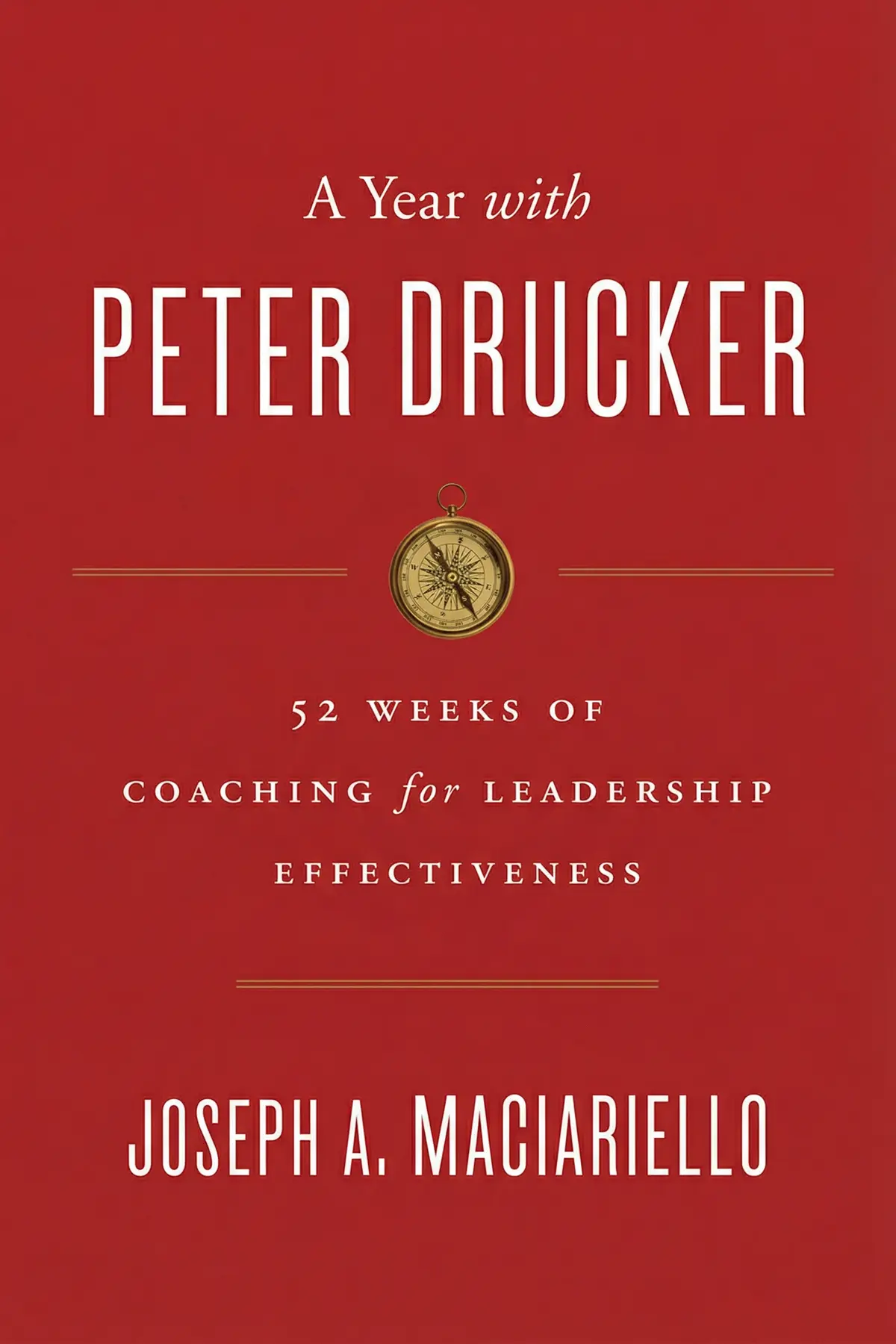
A Year with Peter Drucker: 52 Weeks of Coaching for Leadership Effectiveness
Joseph A. Maciariello


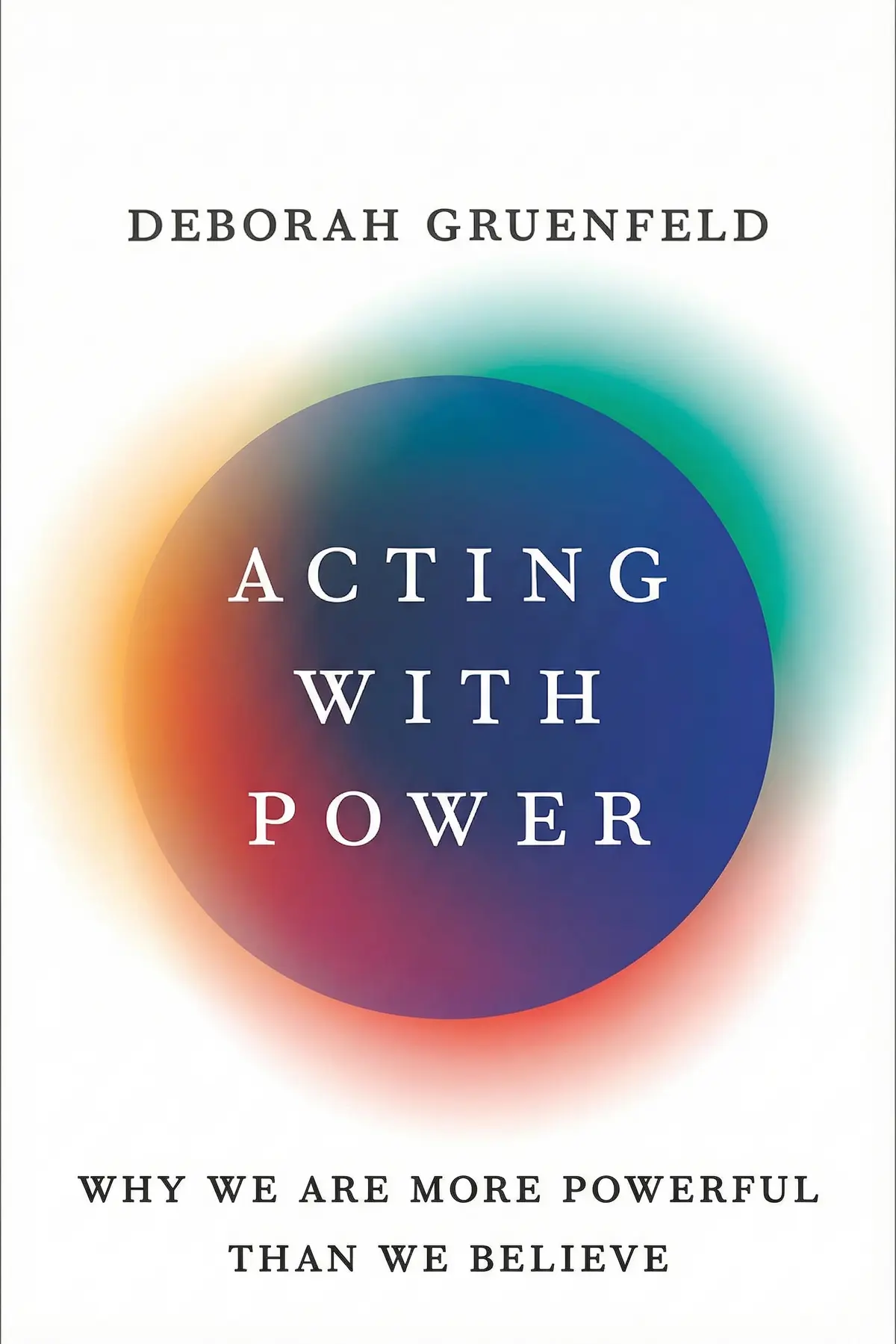
Acting with Power: Why We Are More Powerful Than We Believe
Deborah Gruenfeld
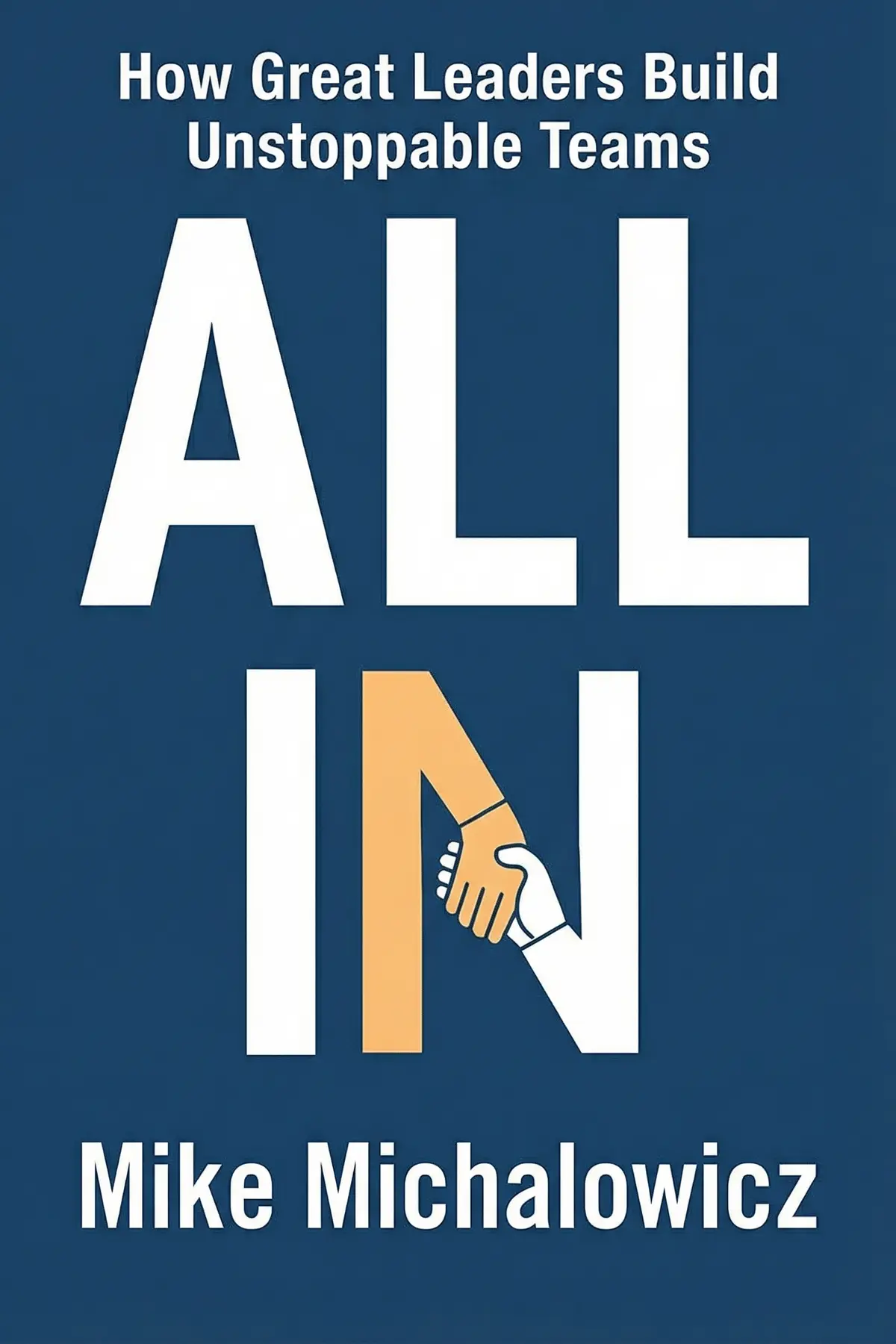
All In: How Great Leaders Build Unstoppable Teams
Mike Michalowicz
7 Powers: The Foundations of Business Strategy
Hamilton Helmer
AUDIO SUMMARY AVAILABLE
Listen to Leaders Eat Last in 15 minutes
Get the key ideas from Leaders Eat Last by Simon Sinek, plus 5,000+ more titles in English and Thai.
- 5,000+ titles
- Listen as much as you want
- 7-day free trial
- Cancel anytime







