
25 min 10 sec
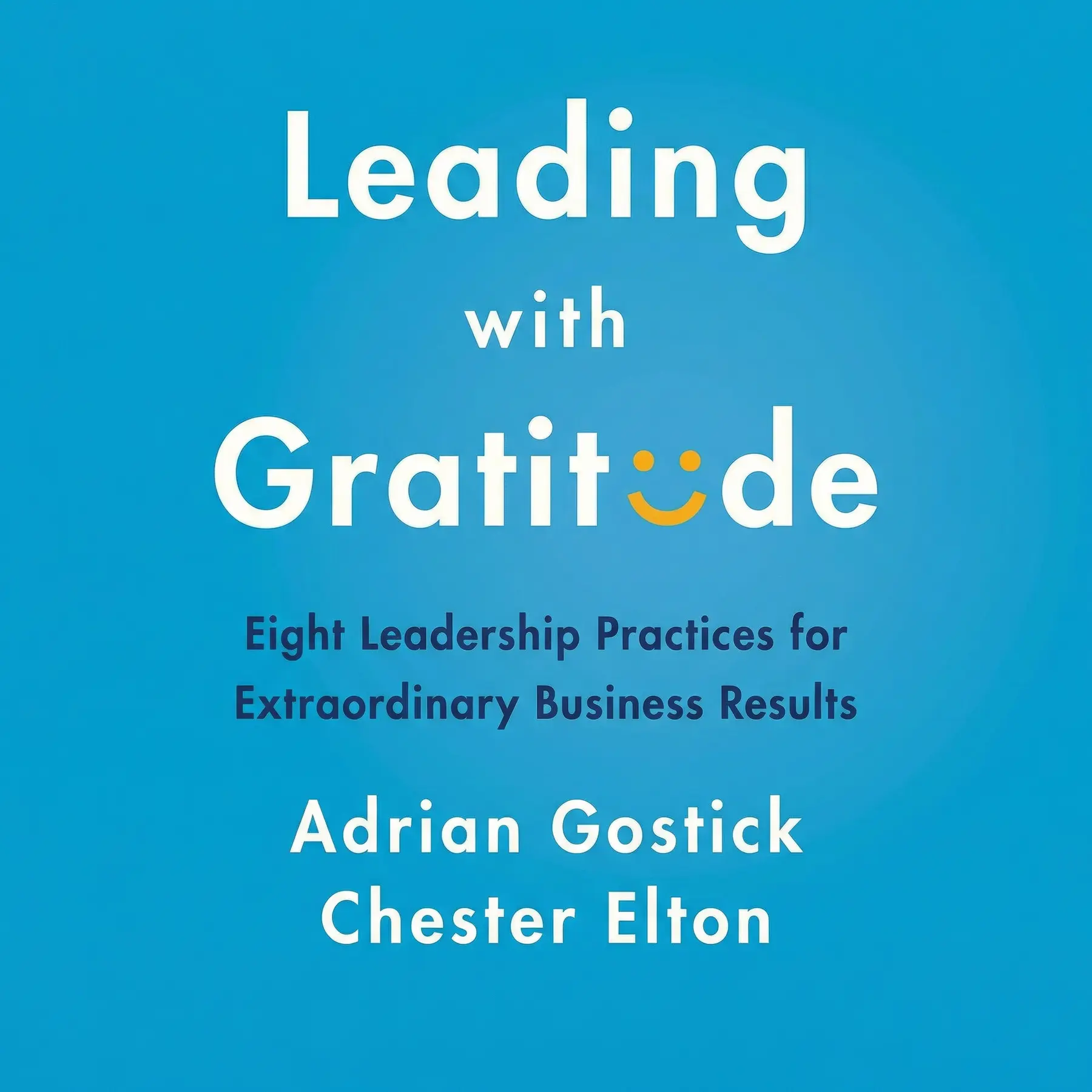
Leading with Gratitude: Eight Leadership Practices for Extraordinary Business Results
Leading with Gratitude explores how simple, authentic appreciation can transform workplace culture. Discover eight practical strategies to boost employee engagement, foster trust, and achieve extraordinary business results through the power of thanks.
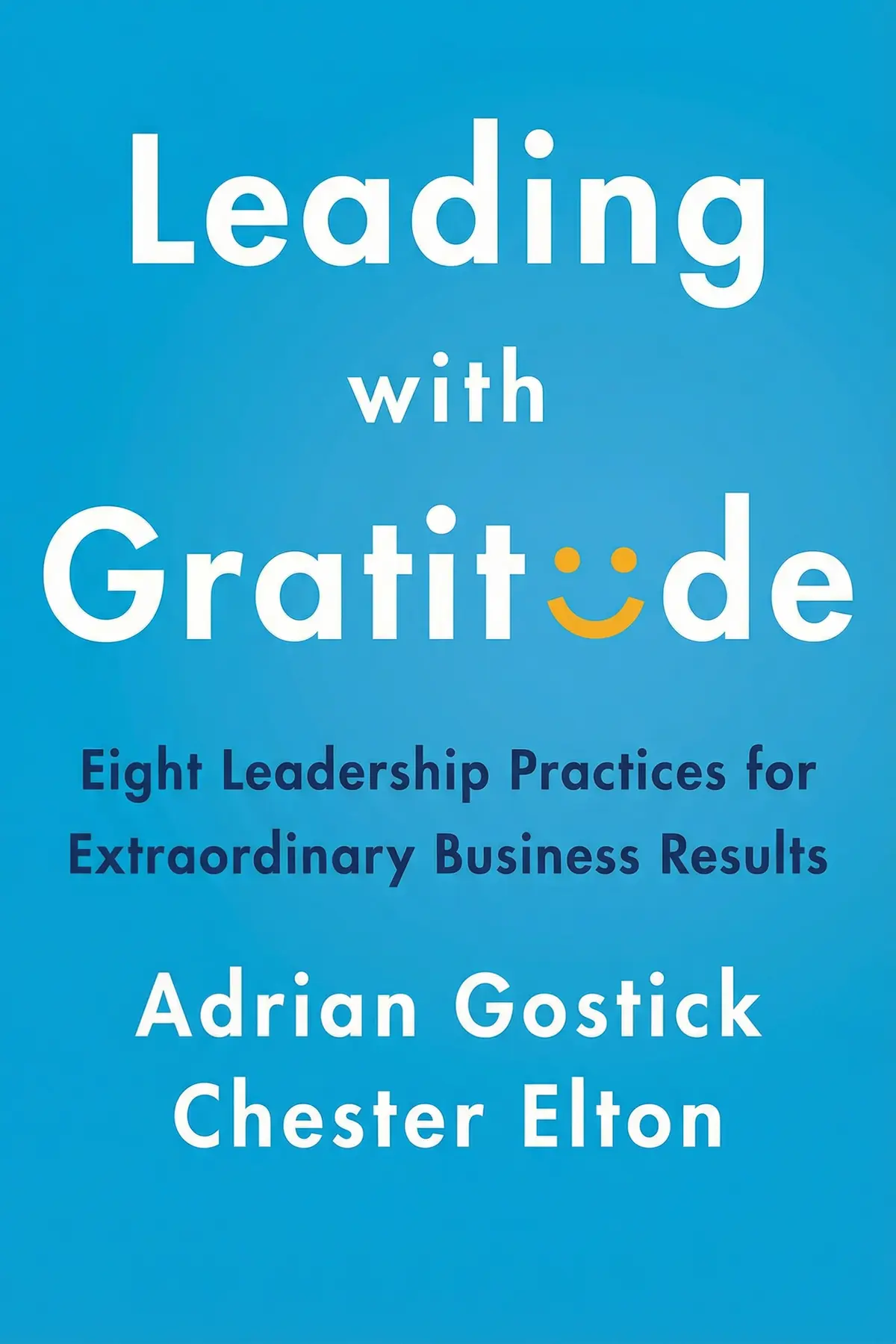
Table of Content
1. Introduction
2 min 06 sec
When you think about the engines that drive a successful business, your mind might go straight to high-tech infrastructure, cutting-edge marketing strategies, or complex financial models. Leaders often spend hours agonizing over quarterly bonuses and incentive schemes, hoping a bigger carrot will lead to more effort from their staff. But there is a remarkably powerful motivator that many executives completely overlook, and interestingly enough, it doesn’t require a single cent from the company budget. That tool is gratitude.
It sounds simple, perhaps even obvious. You likely think of yourself as a polite person who thanks people for their work. However, there is a massive disconnect in the modern workplace. While most leaders believe they are expressing enough appreciation, the vast majority of employees feel starved for it. Statistics suggest that over eighty percent of workers would be willing to put in more effort if they felt their contributions were truly recognized by their supervisors. This gap represents a massive, untapped reservoir of potential productivity and morale.
In this exploration of how to lead with appreciation, we are going to look at why gratitude is much more than a social grace—it is a strategic leadership practice. We will move past the surface-level pleasantries and dive into eight specific, actionable habits that can transform a stagnant office into a vibrant, high-energy environment. This isn’t just about being ‘nice’; it’s about creating a culture where people feel seen, heard, and valued.
Through the following insights, we will examine how real-world leaders from massive corporations to small teams have used gratitude to solve problems, increase retention, and spark innovation. We will see how a simple phone call can fix a menu problem, how a childhood action figure can become a symbol of team unity, and why a high-priced luxury watch might actually be the wrong way to say thank you. By the end, you’ll see how integrating gratitude into your daily routine can become your most effective tool for achieving extraordinary results. Let’s look at how to bridge the appreciation gap and start building a more engaged workforce today.
2. Direct Interaction and Listening
2 min 36 sec
Uncover how the most effective solutions often come from the front lines and why leaders must engage personally to tap into this wealth of knowledge.
3. Assuming Positive Intent
2 min 29 sec
Explore why giving your team the benefit of the doubt can prevent conflict and uncover the hidden barriers to high performance.
4. The Power of Empathy
2 min 38 sec
Learn how experiencing the daily reality of your staff’s work can lead to better decision-making and deeper employee engagement.
5. Recognizing the Small Wins
2 min 40 sec
Discover why waiting for major milestones to celebrate can kill morale and how small, frequent gestures keep a team energized.
6. The Importance of Timing and Frequency
2 min 46 sec
Unpack the science of negativity bias and learn why waiting for a performance review to give praise is a missed opportunity for growth.
7. Tailoring Gratitude to the Individual
2 min 36 sec
Understand why a one-size-fits-all approach to rewards can fail and how to customize your appreciation to match your team’s unique drivers.
8. Linking Gratitude to Core Values
2 min 43 sec
See how appreciation can be used to breathe life into company values, turning abstract slogans into daily workplace habits.
9. Encouraging Peer-to-Peer Appreciation
2 min 33 sec
Discover why the most powerful thank-you might not come from the boss, and how to foster a team culture where everyone supports each other.
10. Conclusion
2 min 03 sec
As we wrap up our look at the transformative power of appreciation, it’s clear that gratitude is much more than just a polite habit. It is a strategic tool that, when used with intention, can solve some of the most persistent problems in modern business. From increasing productivity and innovation to boosting employee retention and customer satisfaction, the benefits of a grateful culture are far-reaching and profound.
We’ve explored how leading with gratitude starts with a fundamental shift in mindset: choosing to listen to your team, assuming they have positive intentions, and developing the empathy to understand their daily challenges. We’ve seen that the most effective leaders don’t wait for massive milestones to say thank you; they celebrate the small wins, they act quickly, and they tailor their recognition to the individual needs and values of their staff. By bridging the gap between company values and daily actions, and by encouraging peers to support and recognize one another, you create an environment where everyone feels valued and invested in the collective success.
Transitioning to this style of leadership doesn’t happen overnight. It requires a commitment to being present and observant. A practical way to start is by keeping a ‘work gratitude journal.’ Each day, take a few minutes to jot down a few small victories you witnessed or a few people who made a difference. This simple habit keeps your focus on the positive, making it much easier to catch people doing things right. When you hit a difficult patch or a stressful deadline, looking back through those successes can provide the perspective and energy you need to keep moving forward.
Leading with gratitude is an investment that pays dividends in human capital. It costs nothing but your time and attention, yet the return is a more vibrant, loyal, and high-performing team. By making appreciation a core part of your leadership identity, you aren’t just improving your business—you’re improving the lives of the people who make that business possible. Start today by looking for one small thing to be thankful for, and see how that one gesture can begin to change the world around you.
About this book
What is this book about?
Leading with Gratitude tackles a common leadership blind spot: the failure to effectively express appreciation. While many managers believe they are grateful, employees often feel undervalued, leading to stagnation and turnover. Authors Adrian Gostick and Chester Elton argue that gratitude is not just a soft skill but a hard-edged business tool that drives productivity and innovation. The book provides a roadmap for leaders to move beyond generic 'thank yous' and into a culture of deep, meaningful recognition. By exploring eight core practices—such as assuming positive intent, practicing empathy, and personalizing rewards—leaders can bridge the gap between their intentions and their team's reality. The promise is a more energized, loyal, and high-performing workforce, created not through expensive incentives, but through the consistent, sincere application of gratitude.
Book Information
About the Author
Adrian Gostick
Adrian Gostick and Chester Elton are the coauthors of Wall Street Journal best sellers The Carrot Principle, The Best Team Wins, and All In. Translated into over 30 languages, their books have sold to 1.5 million readers around the globe. Gostick and Elton are also cofounders of The Culture Works, which helps companies recruit and retain stellar employees.
Ratings & Reviews
Ratings at a glance
What people think
Listeners find the book very easy to digest, and one listener notes it is filled with useful advice. The text is also praised for its advancement tactics, with one listener highlighting the clear roadmap for building soft skills. Furthermore, listeners value the inspiring material, with one mentioning it is excellent for cultivating appreciation both professionally and personally.
Top reviews
Saovapa
Wow, I didn't expect a business book to hit me right in the feels like this. While the primary focus is definitely on workplace leadership, the principles of appreciation have started bleeding into my personal life as well. There’s a fantastic Brene Brown quote in here about how gratitude makes us joyful, and I’ve found that to be 100% true. The authors provide a terrific framework for helping with gratitude both at work and home, making it feel less like a habit and more like a core value. I started sending small 'shout-outs' to my team this week, and the shift in morale was almost instantaneous. It turns out people just want to know their hard work is actually being seen by those at the top. This is a must-read for anyone who feels like their current management style is a bit too cold or transactional.
Show moreIsabelle
As someone who has always struggled with the 'softer' side of management, this book was a revelation. It treats gratitude not as some fluffy, optional extra, but as a hard business metric that drives profitability. I loved the story about the Amazon engineer who suggested free shipping; it perfectly illustrates why soliciting and acting on input is so vital. It’s a blueprint for developing soft skills that feels grounded in real-world results rather than just wishful thinking. The authors show how a simple 'thank you' can actually reduce turnover and sharpen your team's competitive edge. Truth is, I’ve already started implementing the '30-day goals' recognition strategy, and my staff seems much more engaged already. It’s a terrifically practical guide for any leader who wants to move beyond the old-school 'command and control' style of management.
Show moreRungtip
Picked this up during a particularly rough patch with my team and I'm so glad I did. The book offers a refreshing take on leadership that prioritizes empathy and recognition over constant pressure. It’s packed with motivational content that makes you want to be a better person, not just a better boss. I found the sections on 'walking in their shoes' to be the most impactful for my current situation. It really forced me to consider the subtle hurdles my team faces every day that I’ve been ignoring for way too long. This book is a terrific blueprint for anyone looking to build a more resilient and happy team. Highly recommended for new managers who want to avoid the common mistakes of seasoned executives!
Show moreSkylar
Finally got around to reading this one after seeing it on several 'best of' leadership lists. It functions less like a dense academic text and more like a practical blueprint for developing the soft skills that many managers lack. The authors provide a structured approach to recognizing efforts that usually go unnoticed in the corporate grind. While the tone leans heavily into 'dad joke' territory, which can be a bit cringey, the core message about boosting employee engagement through simple appreciation is solid. I particularly liked the section on overcoming the negativity bias. We are naturally wired to see problems first, so intentionally looking for the good requires a real mental shift. It’s a fast read that offers a lot of actionable strategies for any manager wanting to build a more positive culture. Just be prepared for some slightly out-of-touch humor along the way.
Show moreKan
Looking for a quick, high-impact read for your next flight? Leading with Gratitude is exactly that. It’s highly readable and packed with practical tips that you can actually start using the minute you land. I’ve read a lot of leadership books that are all theory and no action, but Gostick and Elton give you a literal checklist for success. The concept of peer-to-peer gratitude was a standout for me. Breaking down those silos and letting team members reward each other is such a simple way to increase retention. I did find the writing a bit 'salesy' in parts, especially when they promote their own tools, but the data from their 200,000-person study is hard to argue with. If you want a blueprint for making your team feel valued without spending a fortune on bonuses, this is your book.
Show morePongpan
Does the world really need another book on saying thanks? Apparently, yes, because the 81% statistic about employees working harder for a grateful boss is staggering. This book isn't reinventing the wheel, but it provides a necessary reminder that most of us are failing at the basics of human connection. The writing style is a bit 'airport self-help,' but the strategies for reinforcing core values through appreciation are genuinely helpful. I appreciated the emphasis on tailored gratitude; not everyone wants a public shout-out, and knowing the difference is key. It’s a solid read that will definitely help you improve your leadership credibility if you actually put the work in. It's a fast-paced guide that avoids being too academic while still providing plenty of data to support its claims.
Show moreAria
After hearing several colleagues rave about Gostick and Elton, I decided to see what the hype was about. The book is essentially a masterclass in soft skill development, providing clear strategies for expressing authentic appreciation. I particularly liked the idea that ingratitude is often just an 'information deficit'—we simply aren't looking hard enough for the good things. While the 'Motivators Assessment' felt a bit like a marketing ploy for their business, the overall message is incredibly valuable. It’s a readable, fast-paced guide that avoids being too academic while still providing plenty of data to support its claims. It has definitely changed how I approach my weekly check-ins with my direct reports and how I view my own role as an enabler.
Show moreKavya
The advice here is undeniably useful, but the delivery feels stuck in a different era. As a younger manager, I found the commentary regarding Millennials and Gen Z quite alienating and frankly inaccurate. It’s as if the authors view anyone under forty as a puzzling species rather than actual leaders in the workforce. They even use phrases like 'tribe' which feel culturally tone-deaf in today's professional landscape. To be fair, if you can look past the generational generalizations, the 8 gratitude practices are worth implementing. The idea of walking in your employees' shoes to understand their specific hurdles is a great way to build empathy. It's a shame the packaging is so dated because the psychological research on gratitude and productivity is actually quite compelling. It just needs a serious update for the modern, diverse workplace.
Show moreThawee
The core research in this book is fantastic, but the authors' 'dad joke' energy nearly ruined it for me. It’s hard to take the data seriously when it’s punctuated by failed attempts at humor that feel thirty years out of date. Look, the content regarding the 'negativity bias' and how it poisons workplace culture is spot on. We spend so much time fixing problems that we forget to celebrate the wins, and that leads to massive burnout. The '8 gratitude practices' provide a good starting point for any manager, but you have to wade through a lot of fluff to get there. It’s a useful resource if you can tolerate the overly-conservative tone and the slightly repetitive nature of the chapters. Good for a one-time read, but probably won't be a permanent fixture on my desk.
Show moreNora
Skip the foreword unless you enjoy listening to over-privileged people patting themselves on the back. This book has some decent points tucked away, but the barrier to entry is high because the tone is so incredibly out of touch. It feels very heteronormative and white-centric, ignoring many of the nuances of leading in a modern, inclusive environment. Also, the constant pushing of their 'Motivators Assessment' felt more like a sales pitch for their consulting firm than genuine advice. I took the test out of curiosity, but the results were mediocre at best. Personally, I found the first section on dispelling management myths to be the only part worth the price of admission. The rest is filled with groan-worthy attempts at humor and outdated leadership clichés that didn't resonate with me at all. There are much better, more inclusive books on leadership out there.
Show moreFeatured in
Readers also enjoyed
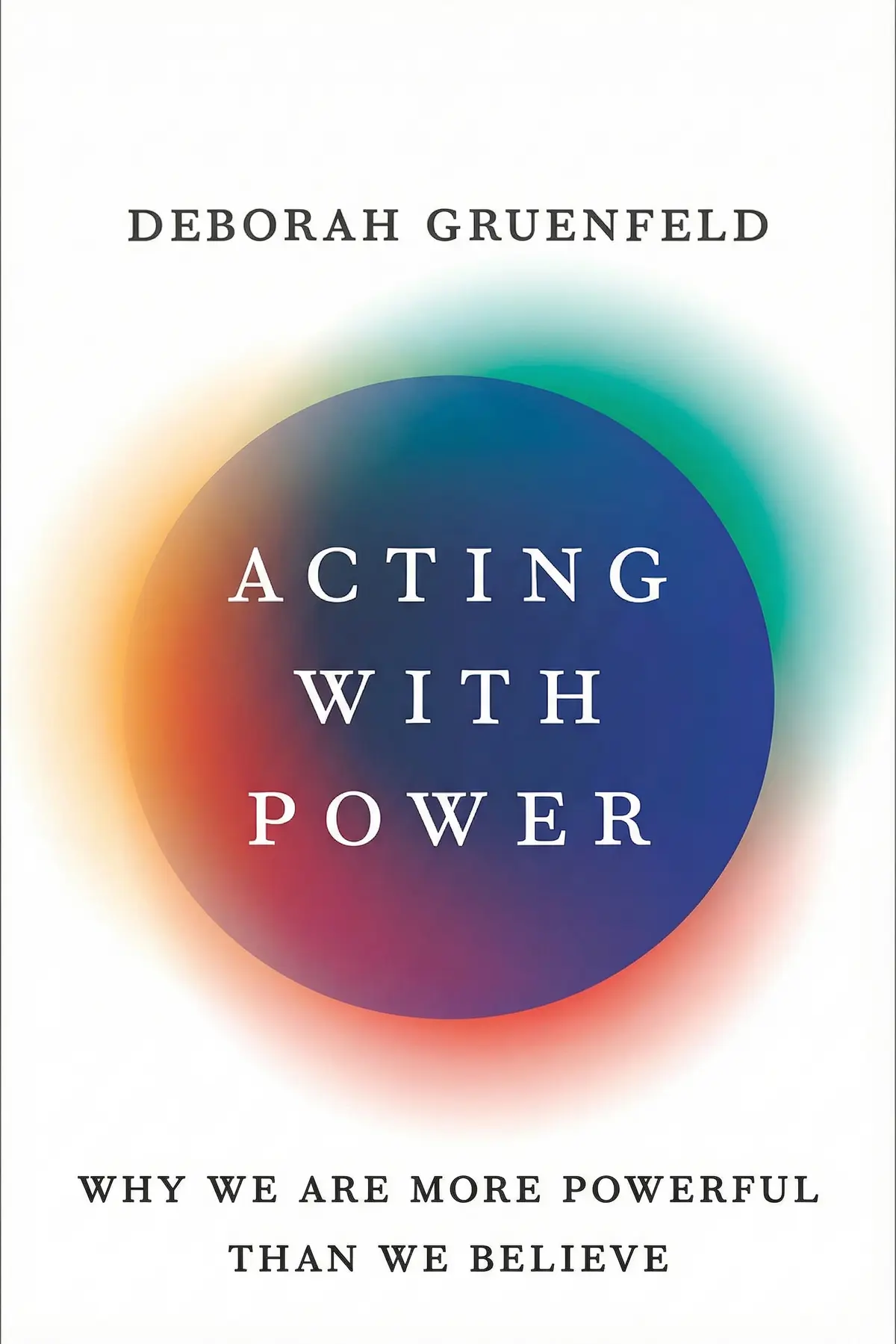
Acting with Power: Why We Are More Powerful Than We Believe
Deborah Gruenfeld
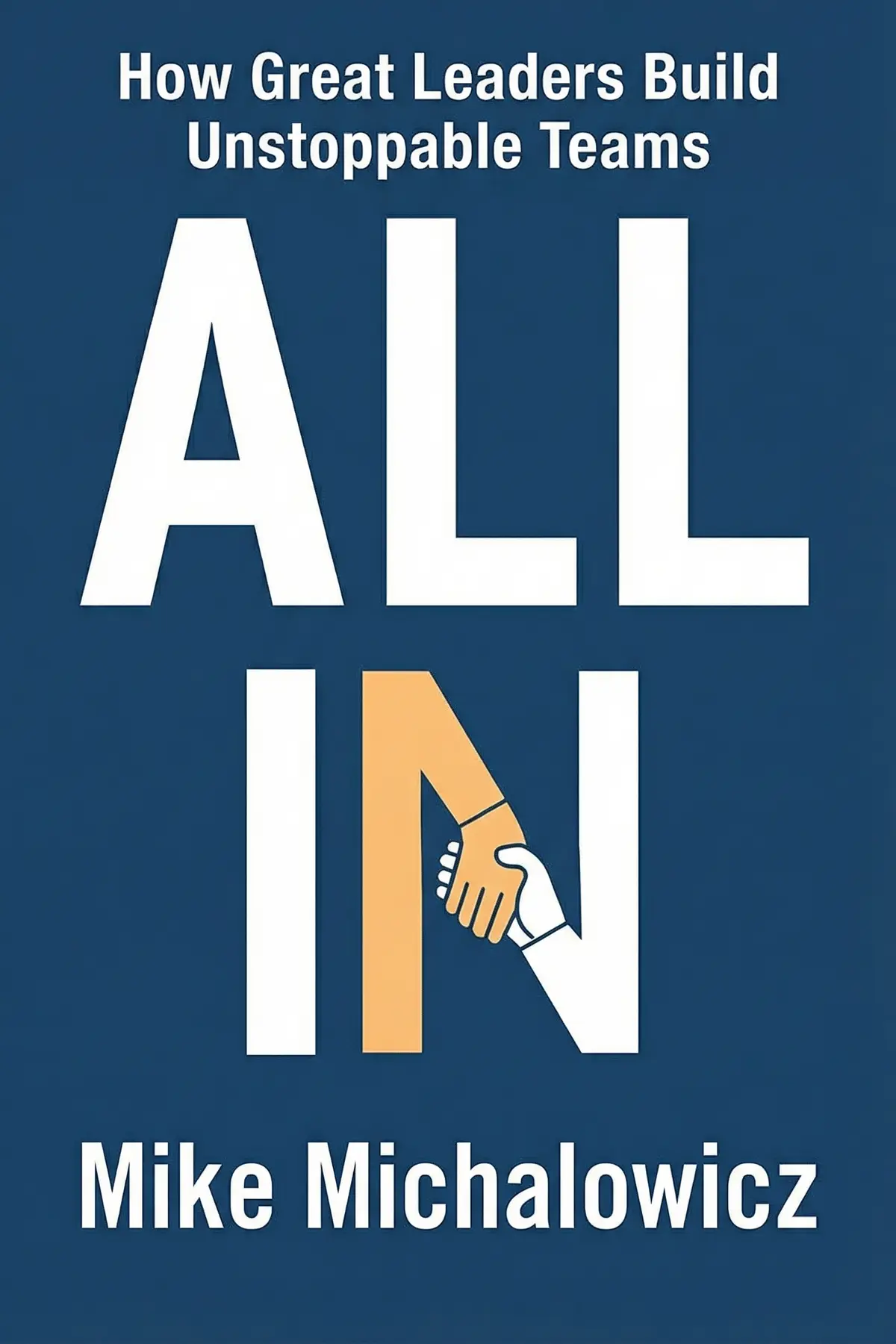
All In: How Great Leaders Build Unstoppable Teams
Mike Michalowicz
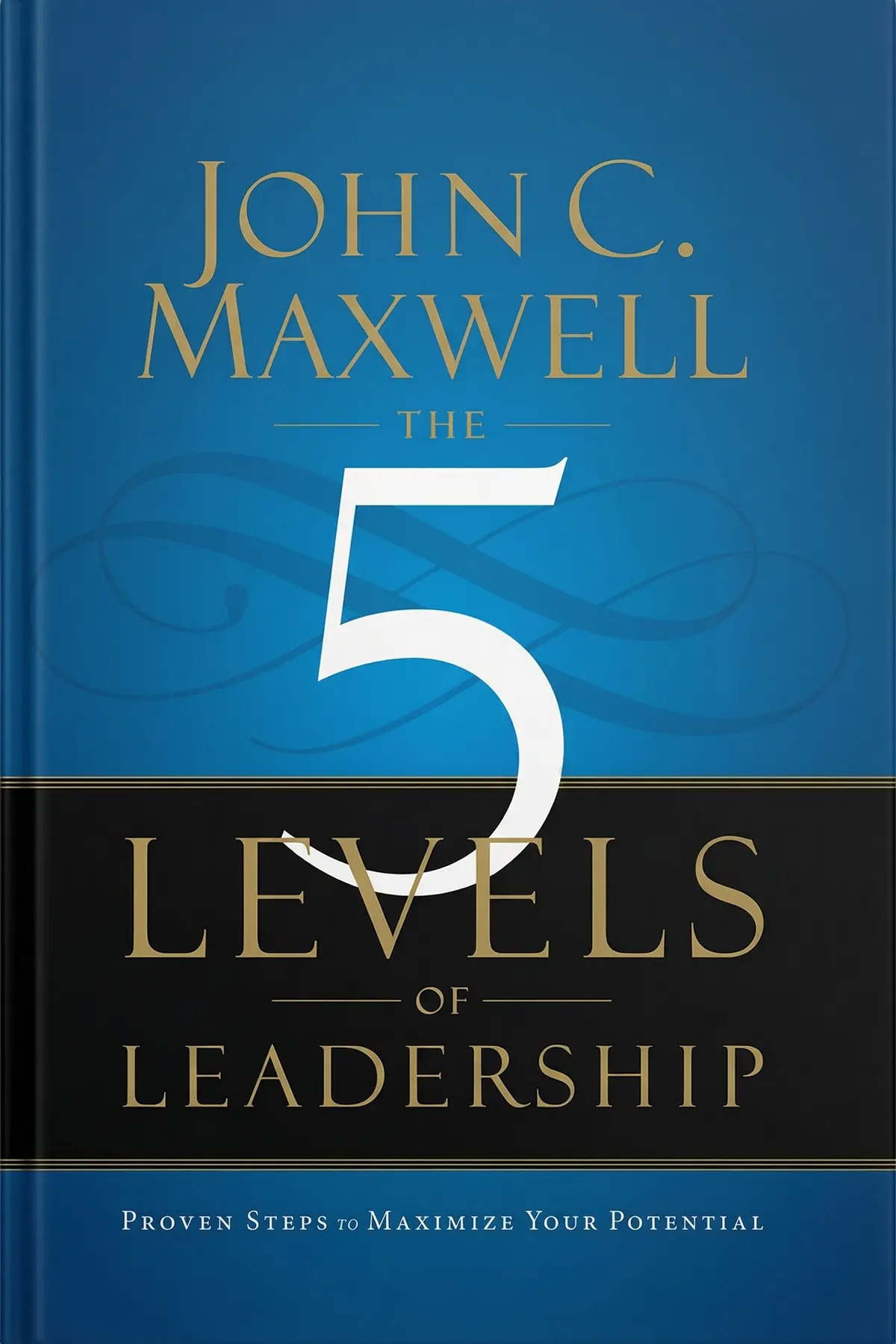
7 Powers: The Foundations of Business Strategy
Hamilton Helmer

A Bigger Prize: How We Can Do Better Than the Competition
Margaret Heffernan

AUDIO SUMMARY AVAILABLE
Listen to Leading with Gratitude in 15 minutes
Get the key ideas from Leading with Gratitude by Adrian Gostick, plus 5,000+ more titles in English and Thai.
- 5,000+ titles
- Listen as much as you want
- 7-day free trial
- Cancel anytime







