
19 min 24 sec
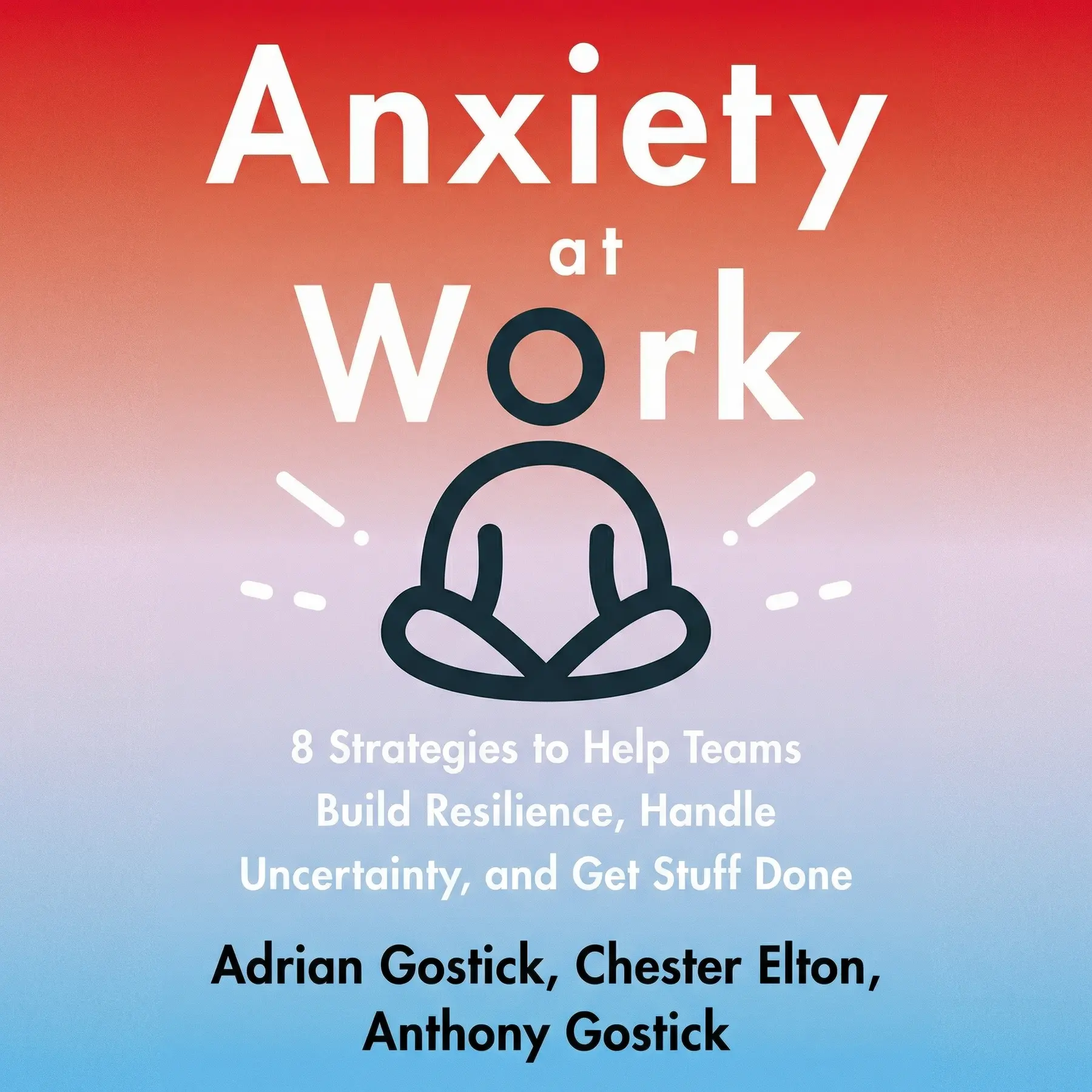
Anxiety at Work: 8 Strategies to Help Teams Build Resilience, Handle Uncertainty, and Get Stuff Done
Anxiety at Work offers a practical roadmap for leaders to identify and mitigate workplace stress. It explores how modern pressures affect team performance and provides strategies for building a supportive, resilient culture.
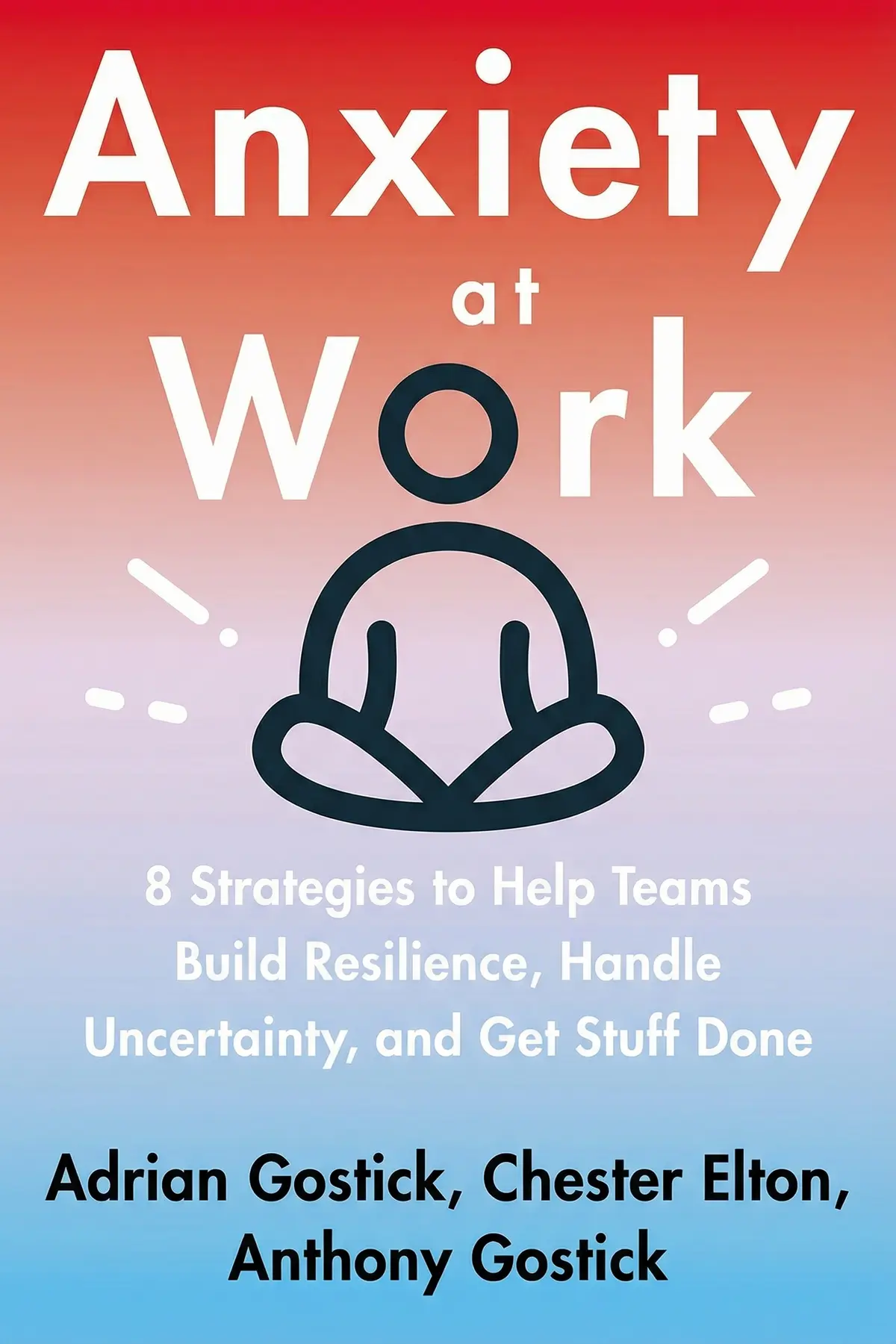
Table of Content
1. Introduction
1 min 56 sec
In recent years, the conversation around mental health has undergone a massive transformation. What was once a whispered concern in the shadows of the human resources department has moved to the forefront of corporate strategy. More than ever, employees are finding the courage to speak openly about their mental wellness, but this shift presents a new challenge for leadership. How do managers respond? How can a business become a constructive part of this vital conversation rather than a source of the problem?
This is where we begin our journey into the mechanics of workplace stress and the strategies needed to overcome it. We aren’t just talking about individual moments of nerves before a big presentation; we’re looking at a systemic rise in anxiety that threatens productivity, retention, and overall well-being. This discussion serves as a comprehensive guide for anyone in a leadership position—or anyone who aspires to be—to understand how the fast-paced, modern working world is specifically impacting our minds.
Throughout this exploration, we will move through several key areas. We’ll look at why uncertainty has become the new normal for younger workers and how job insecurity has created what some call a paranoid generation. We’ll examine the surprising benefits of healthy conflict and why a team that never disagrees might actually be in trouble. We’ll also tackle the heavy but necessary topics of systemic bias and how leaders can act as genuine allies for marginalized groups.
Furthermore, we’ll dive into the social fabric of the office, exploring why a sense of belonging is a better predictor of success than almost any other metric. We’ll debunk the myths surrounding burnout, proving that it isn’t a lack of resilience that breaks people, but a cult of overwork. Finally, we’ll look at the specific anxieties of perfectionism and career-related FOMO, providing actionable steps to keep talent engaged and calm. The throughline here is simple: when leaders prioritize the psychological safety of their people, the business doesn’t just survive—it thrives. Let’s get started by looking at the landscape of uncertainty that defines the modern office.
2. Navigating the Climate of Uncertainty
2 min 37 sec
Uncertainty is a primary driver of modern workplace stress, leaving many employees feeling constantly on edge about their future.
3. The Necessity of Healthy Conflict
2 min 21 sec
Avoiding disagreement might seem like the path to a happy office, but a lack of debate can actually breed anxiety and stagnation.
4. Confronting Systemic Bias and Discrimination
2 min 19 sec
Leaders must move beyond surface-level diversity and engage in brave conversations about the real-world impact of bias in the workplace.
5. The Vital Importance of Belonging
2 min 06 sec
A sense of community is a fundamental human need that, when ignored, leads to isolation and decreased performance.
6. Challenging the Cult of Overwork
2 min 00 sec
Burnout is not a personal failure of resilience, but a direct result of unrealistic workloads that must be structurally addressed.
7. Curing Career FOMO through Growth
2 min 01 sec
Younger workers often leave jobs not for more money, but for the development opportunities they fear they are missing elsewhere.
8. Taming the Perfectionist Mindset
2 min 13 sec
The drive to be perfect is a major source of workplace anxiety, and leaders can help by redefining what ‘good enough’ looks like.
9. Conclusion
1 min 51 sec
As we reach the end of this exploration, the central message is clear: the modern workplace is an anxiety-prone environment, but it doesn’t have to stay that way. The shift in our economic and social landscape has created new pressures that the previous generation simply didn’t have to face. From the constant hum of job insecurity to the paralyzing standards of perfectionism, the challenges are real, and they are significant. However, as a leader, you have the power to act as a buffer against these stressors.
By fostering transparency, you can turn the fog of uncertainty into a manageable path forward. By encouraging healthy conflict, you can transform silence into innovation. And by prioritizing belonging and inclusivity, you can ensure that every member of your team feels they have a seat at the table. Remember that burnout isn’t solved by wellness perks, but by a realistic reassessment of what we ask of our people. Career FOMO isn’t cured by a pay raise, but by a commitment to growth and development.
Here is one final, actionable piece of advice to take with you: don’t forget to praise your star performers. It’s a common managerial trap to spend all your time and energy on the employees who are struggling. This leaves your best people operating in a vacuum of ‘radio silence.’ Paradoxically, this silence can make high achievers feel incredibly anxious, leading them to worry that their best efforts are going unnoticed or that they are somehow failing. Take the time to express genuine gratitude and recognition for a job well done. It costs nothing, but it provides the psychological fuel your team needs to keep going.
Creating a low-anxiety workplace is a journey of empathy. It requires listening more than talking and valuing people more than processes. When you build a culture of resilience and support, you aren’t just helping your employees; you are building a stronger, more adaptable, and ultimately more successful organization for everyone involved.
About this book
What is this book about?
The modern professional landscape is shifting rapidly, and with that change comes a significant rise in workplace anxiety. This guide explores the psychological pressures facing today’s employees, particularly younger generations who deal with unprecedented levels of job insecurity and digital burnout. It moves beyond simple wellness trends, like office yoga or meditation apps, to address the structural issues within organizations that cause distress. The book promises to turn managers into allies. By focusing on eight core strategies, it teaches leaders how to foster a sense of belonging, encourage healthy disagreement, and provide the clarity needed to silence the inner critic of the perfectionist. Ultimately, it’s about creating an environment where people feel safe enough to be productive, ensuring that mental health and high performance go hand in hand.
Book Information
About the Author
Adrian Gostick
Adrian Gostick is a British author and organizational psychology expert who founded The Culture Works, a consulting firm based in Utah. Chester Elton is a Canadian management strategist and author focused on employee motivation. Together with Anthony Gostick, they have written several influential books, including the New York Times best sellers The Carrot Principle, All In, and Leading with Gratitude.
Ratings & Reviews
Ratings at a glance
What people think
Listeners find this book approachable and simple to comprehend, offering functional techniques for reducing anxiety on the job. They appreciate its clear delivery and feel it is a valuable use of time, while one listener points out that it is a must-read for leaders.
Top reviews
Pensri
Finally got around to reading this and I was struck by how much it shifts the burden away from the individual employee. For years, we’ve been told to just 'meditate more' or 'do yoga' to fix workplace burnout. This book argues that managers must create the environment where that stress doesn't happen in the first place. The authors provide a clear blueprint for building resilience that feels actually achievable. I especially loved the emphasis on transparency and how it directly counters the fear of the unknown. It’s a must-read for anyone in a leadership position who actually cares about their retention rates. When 90% of people are reporting they feel burned out, we have to admit the system is broken. This book is a great first step toward fixing that culture from the inside out. Truly gewd stuff.
Show moreIsaiah
Wow, I didn't realize how much the 'perfectionism' trap was fueling the stress in my department until I hit the middle chapters. This isn't just a book about being 'nice'; it's about being effective. The authors show that anxiety isn't just a personal hurdle—it's a productivity killer for the whole team. I loved the inclusion of the semicolon (;) symbol near the end. It was a small but powerful touch that showed the authors are actually connected to the mental health community. The eight strategies are distinct and actionable, particularly the parts about setting clear boundaries and expectations. I’ve already started using some of the check-in techniques with my direct reports, and the feedback has been immediate and positive. It’s a game-changer for modern management.
Show moreNan
Personally, I think this should be mandatory reading for every MBA program in the country. We spend so much time teaching people how to read spreadsheets and so little time teaching them how to lead human beings. Gostick and Elton bridge that gap perfectly. The book is light on fluff and heavy on empathy. I found the sections on how to ask for what you need from your manager to be particularly useful for non-managers. It empowers employees to seek the security they need to do their best work. The tone is encouraging without being patronizing. I finished the book feeling like I had a real toolkit for the next time things get chaotic. It’s simple, direct, and very gewd.
Show moreRosa
After hearing the authors on a podcast, I picked this up hoping for a blueprint to help my team build resilience, and it delivered. It's refreshing to find a book that doesn't just treat employees like assets to be managed, but like people with complex emotional lives. The authors are clearly experts, but they don't talk down to the reader. They understand that the current work pace is unsustainable for most people. By focusing on how leaders can set better expectations, they offer a way out of the burnout cycle. I especially liked the summaries at the end of the chapters; they make it easy to go back and find specific advice when you're in a rush. If you're a leader who feels the tension in your office, don't ignore it. Buy this book.
Show moreLaor
As someone who has navigated the corporate landscape while managing generalized anxiety, this book felt like a deep breath. Gostick and Elton shift the conversation away from just 'individual grit' and place the responsibility squarely on the shoulders of leadership. It is incredibly validating to see authors acknowledge that the modern work pace is often the root cause of the problem rather than a personal failing. The eight strategies offered are practical and easy to implement, especially for middle managers who want to protect their teams but don't know where to start. I appreciated the specific advice on handling uncertainty, which has been the biggest trigger for me lately. I would have liked a bit more scientific depth regarding the neurology of stress, but the actionable nature of the text makes up for the lack of data. It’s a solid resource for anyone feeling the weight of their inbox.
Show morePop
This book is incredibly easy to digest, which is exactly what you need when you're already feeling overwhelmed by your workload. I’ve read a lot of business books, and many of them are dry or overly academic. Gostick and Elton keep things moving with clear summaries and relatable stories. I appreciated the validation I felt while reading about the 'perfectionism' trap. It’s a real issue that managers often accidentally encourage. The strategies for building resilience are solid, though I agree with other reviewers that more mention of smaller organizations would have been helpful. Not everyone works at a Fortune 500 company with endless resources. Still, the core message about handling uncertainty is universal. It’s a worthwhile read for any leader who wants to be more empathetic.
Show morePaiboon
The chapter on handling uncertainty is probably the most relevant piece of business writing I've encountered since the pandemic began. We are all living in a state of constant flux, and this book gives you the tools to lead through that without losing your mind. I found the writing to be very clean and the examples to be illustrative rather than just filler. It was validating to see workplace anxiety treated as a legitimate organizational challenge rather than something people should just 'leave at the door.' My only real complaint is that I wanted more data. A deeper dive into the research being done in the field would have added a lot of credibility. Regardless, it’s a practical handbook that I’ll be keeping on my desk for reference during high-stress quarters.
Show moreMethinee
Truth is, I have mixed feelings about this one. On one hand, the book is exceptionally well-written and flows at a pace that won’t trigger the very anxiety it’s trying to soothe. On the other hand, much of the advice feels like basic common sense that any decent human being should already be practicing in a professional setting. Do we really need a book to tell us that clear expectations and kindness reduce stress? It feels a bit like a collection of standard management consulting tips rebranded for the mental health era. I also found the focus on large corporations a bit alienating. Most of the examples involve massive firms with huge budgets, leaving those of us in small startups wondering how to apply these resilience tactics without a HR department. It’s a decent introductory read, but don’t expect groundbreaking psychological revelations.
Show moreSaengdao
Ever wonder why everyone in your office seems one bad meeting away from a total meltdown? This book attempts to answer that, and while it makes some good points, it also misses the mark in a few areas. The statistic that 90% of people feel stressed to the point of burnout is staggering. It suggests a systemic failure that a few management tips can't really solve. I liked the focus on the manager’s role, as most books just tell the victim of the stress to work harder on their 'mindfulness.' However, the advice occasionally veers into 'toxic positivity' territory. Sometimes work just sucks, and pretending a new communication strategy will fix it feels a bit reductive. It’s a helpful guide for general management, but it doesn't quite get to the root of the problem.
Show moreMaya
Picking this up was a disappointment, mostly because it lacks the scientific rigor I was hoping for. While the authors are clearly experienced consultants, the book relies heavily on anecdotes rather than hard research or clinical data. To be fair, the writing style is accessible, but it feels very 'corporate-lite' and ignores the systemic issues of capitalism that drive this anxiety. It focuses on how to help teams 'get stuff done' rather than questioning why we are all working ourselves into early graves. If you are looking for a surface-level guide on being a nicer boss, this works. However, if you want a deep understanding of the prevalence of anxiety or the physiological mechanisms at play, you should look elsewhere. It felt like a long brochure for their consulting business rather than a transformative text.
Show moreReaders also enjoyed
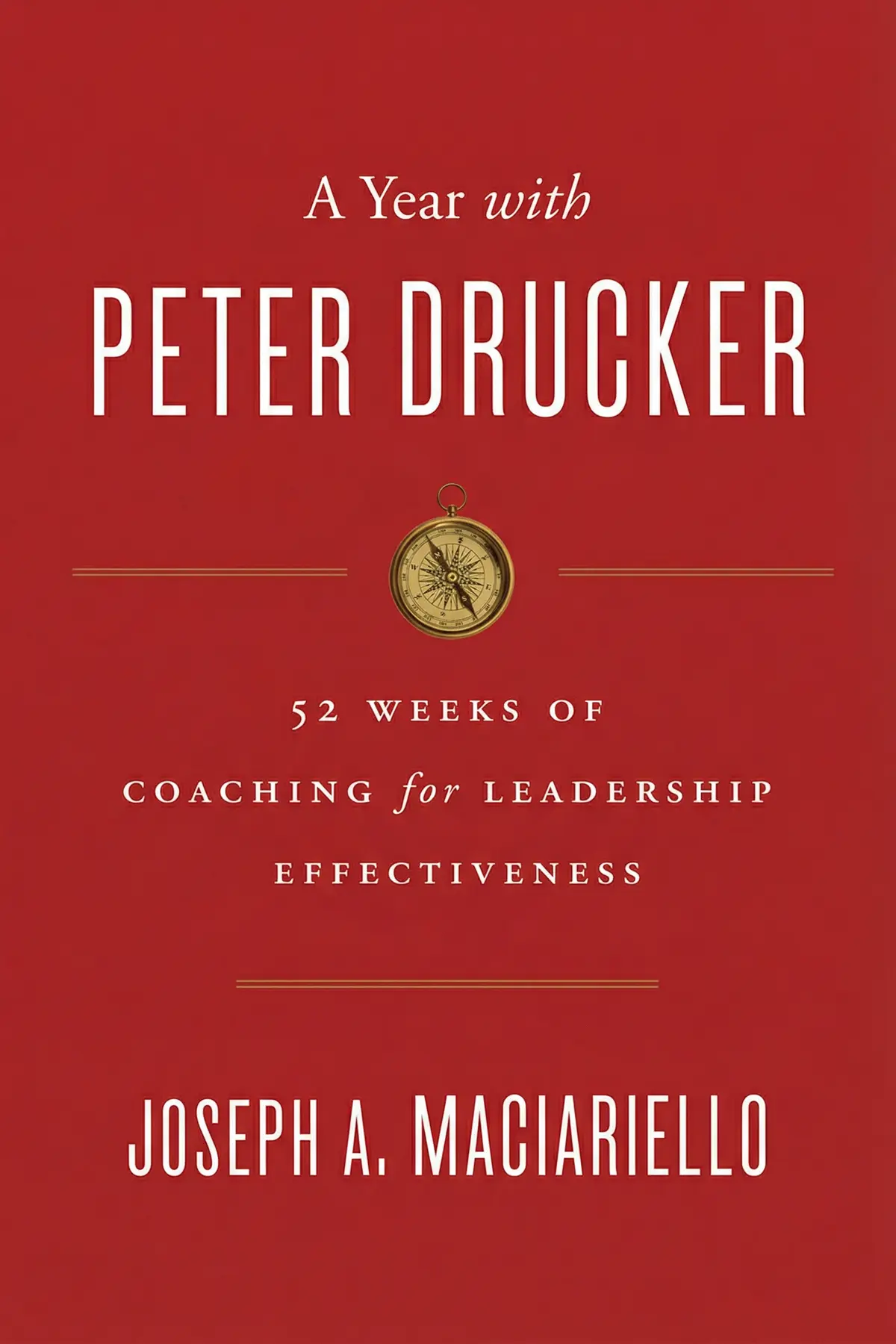
A Year with Peter Drucker: 52 Weeks of Coaching for Leadership Effectiveness
Joseph A. Maciariello


Acting with Power: Why We Are More Powerful Than We Believe
Deborah Gruenfeld
AUDIO SUMMARY AVAILABLE
Listen to Anxiety at Work in 15 minutes
Get the key ideas from Anxiety at Work by Adrian Gostick, plus 5,000+ more titles in English and Thai.
- 5,000+ titles
- Listen as much as you want
- 7-day free trial
- Cancel anytime







