
16 min 17 sec
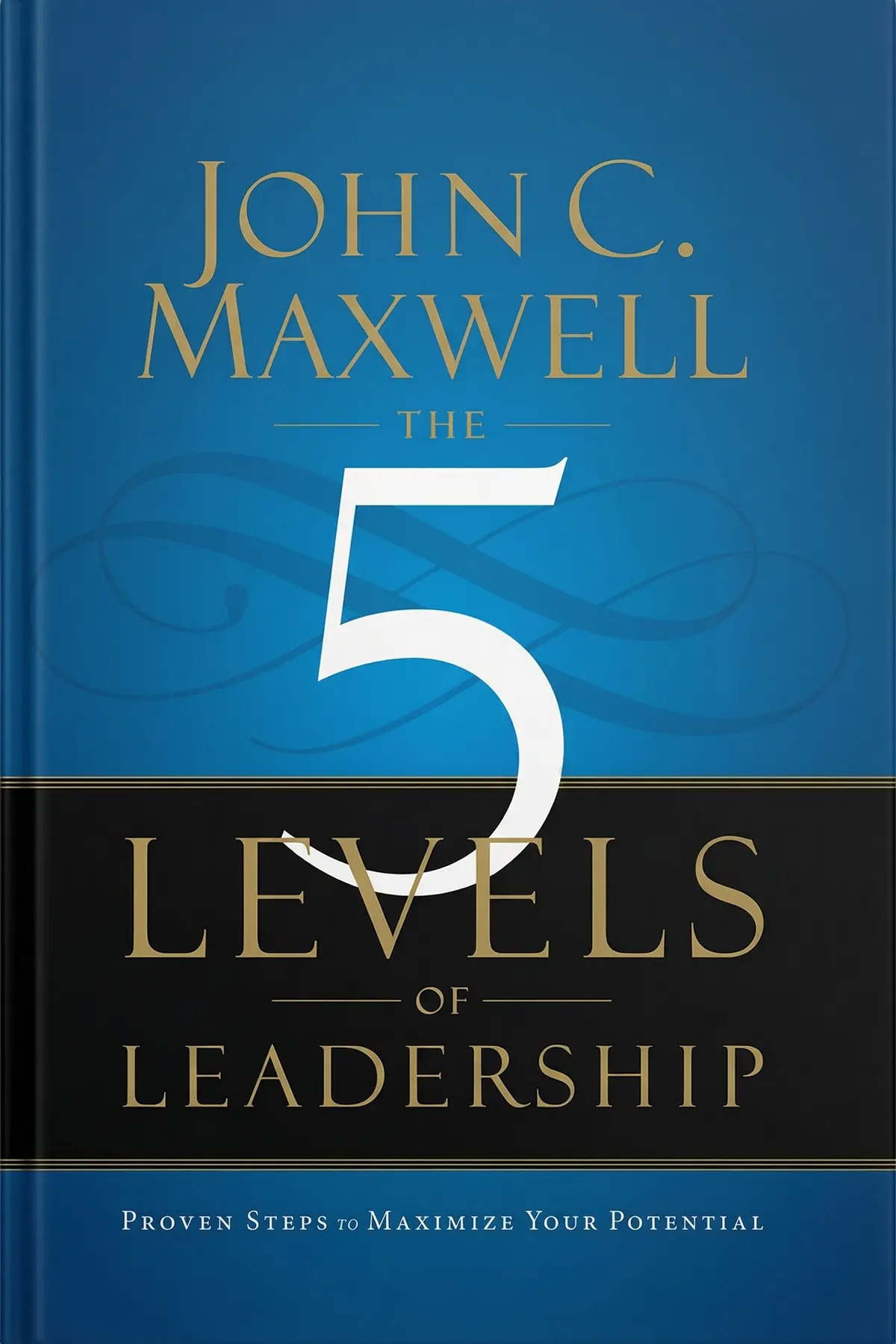
Lean Six Sigma QuickStart Guide: The Simplified Beginner's Guide to Lean Six Sigma
Discover how to merge the precision of Six Sigma with the efficiency of Lean to eliminate waste, improve quality, and foster a culture of continuous operational excellence in any organization.
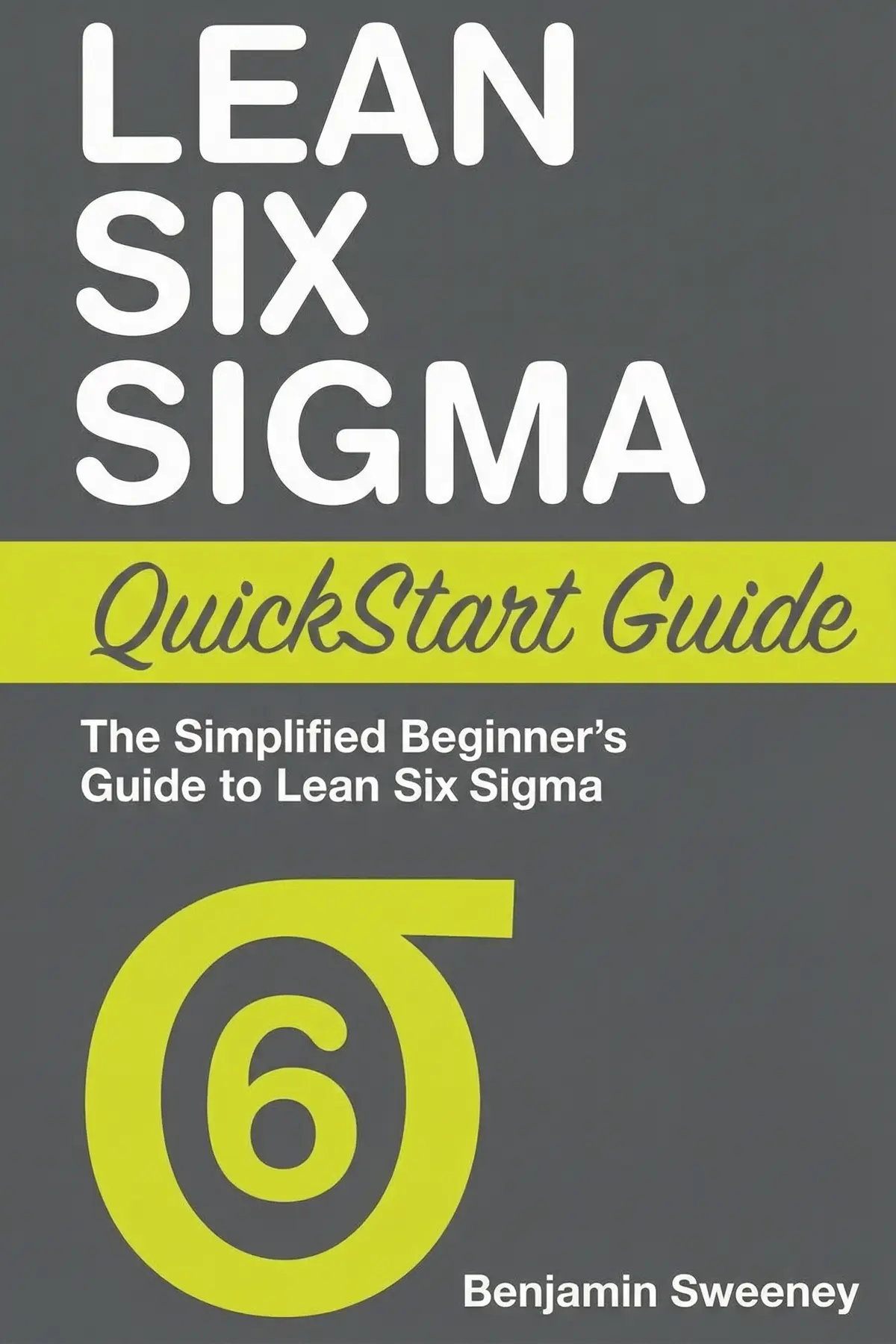
Table of Content
1. Introduction
1 min 36 sec
Every business, regardless of its size or sector, eventually hits a wall where things simply aren’t running as smoothly as they should. You might notice that customer complaints are creeping up, or perhaps the warehouse is overflowing with inventory that isn’t moving. Maybe projects are consistently overrunning their budgets, or the staff feels overwhelmed by repetitive, low-value tasks. These aren’t just isolated headaches; they are symptoms of underlying process friction. When these frictions go unaddressed, they eat away at profit margins and damage a company’s reputation. The challenge, however, is that identifying the root cause of these problems can feel like searching for a needle in a haystack.
This is where the methodology known as Lean Six Sigma enters the picture. It isn’t just a corporate buzzword; it’s a robust, structured approach to problem-solving that combines two of the most successful management philosophies in history. On one side, you have Lean, which focuses on speed and the ruthless elimination of waste. On the other, you have Six Sigma, which prioritizes precision and the reduction of variation. Together, they create a comprehensive toolkit for anyone who wants to stop guessing and start improving.
In this guide, we will explore how these two systems work in tandem to create a more efficient, customer-focused organization. We will look at how data can reveal hidden truths about your workflows, how simple visual tools can transform a chaotic office into a streamlined engine, and why the ultimate goal is always to deliver exactly what the customer needs—nothing more and nothing less. As we move through these concepts, we’ll see that Lean Six Sigma is less about complex math and more about a mindset of continuous growth and clarity.
2. The Power of Consistency and Variation Control
2 min 02 sec
Unpredictability is the enemy of quality. Learn how focusing on standard deviation and the Six Sigma benchmark can transform erratic processes into reliable systems.
3. Making Decisions Based on Concrete Data
1 min 53 sec
Data is the foundation of any meaningful change. Explore the difference between continuous and discrete information and why inputs matter more than you think.
4. Eliminating the Three Pillars of Waste
2 min 01 sec
Lean is about more than just cutting costs; it’s about removing anything that doesn’t add value. Discover the Japanese concepts of Muda, Mura, and Muri.
5. Visual Tools for Mapping the Path to Efficiency
1 min 48 sec
You can’t fix what you can’t see. Learn how visual aids like SIPOC and Spaghetti Plots reveal the hidden bottlenecks in your daily workflows.
6. The Voice of the Customer and the Kano Model
1 min 52 sec
Quality is defined by the user, not the producer. Discover how to translate customer feedback into specific, measurable quality requirements.
7. Nurturing a Culture of Continuous Change
1 min 48 sec
Frameworks are only as good as the people using them. Explore why leadership, training, and a strong business case are vital for long-term success.
8. Recognizing the Boundaries and Hurdles
1 min 52 sec
No system is perfect for every situation. Examine the common criticisms and the potential pitfalls of applying Lean Six Sigma too rigidly.
9. Conclusion
1 min 25 sec
The Lean Six Sigma QuickStart Guide provides a clear-eyed look at how to transform an organization from the inside out. By merging the statistical precision of Six Sigma with the waste-cutting speed of Lean, it offers a balanced approach to modern business challenges. We’ve seen how reducing variation leads to predictable quality, how data-driven decisions replace guesswork, and how visual tools can make even the most complex workflows easy to understand. Most importantly, we’ve explored the idea that true improvement is a cultural journey, not just a set of checklists.
The throughline of this entire methodology is a relentless focus on the customer and a commitment to doing things better today than they were done yesterday. Whether you are looking to fix a specific problem in your department or overhaul an entire global supply chain, the principles of Lean Six Sigma provide a reliable compass. The path to operational excellence isn’t always easy—it requires discipline, patience, and a willingness to look honestly at your own inefficiencies. But for those who embrace the challenge, the rewards are clear: lower costs, happier customers, and a more engaged, empowered workforce. As you move forward, remember that every big success is built on a foundation of small, consistent improvements. Start where you are, use the data you have, and keep your eyes on the value you provide.
About this book
What is this book about?
Lean Six Sigma QuickStart Guide serves as a comprehensive gateway into the world of process optimization. It breaks down the sophisticated methodologies used by global giants to streamline their operations, reduce errors, and maximize customer value. By blending the waste-reduction philosophy of Lean with the data-driven rigor of Six Sigma, the book provides a dual-threat strategy for business improvement. It is designed to take the intimidation factor out of complex statistical concepts and replace it with actionable, clear frameworks. Readers will explore the core tenets of both systems, from the historical roots of the Toyota Production System to the mathematical precision of standard deviation. The promise of this guide is a clearer path toward operational excellence, regardless of industry or company size. It covers essential tools like DMAIC, the 5S method, and value stream mapping, while emphasizing that true success requires more than just tools—it requires a cultural shift and a relentless focus on the needs of the customer. Ultimately, the book offers a roadmap for anyone looking to make smarter, more data-backed decisions and build more resilient systems.
Book Information
About the Author
Benjamin Sweeney
Benjamin Sweeney is a business strategist and author known for breaking down complex concepts into accessible, actionable insights. He’s written several best-selling guides in the QuickStart series, including titles on project management and blockchain, and is recognized for his clear, no-nonsense approach to business education. ClydeBank Business is a division of ClydeBank Media LLC that specializes in educational resources for entrepreneurs, students, and professionals, with a strong track record of producing popular titles on finance, economics, and management.
Ratings & Reviews
Ratings at a glance
What people think
Listeners have differing perspectives on the level of detail provided, as one listener feels the information might be a bit too basic for absolute novices. Nevertheless, many value the work as a practical and educational resource for test prep and a brief overview of Lean principles. Furthermore, they emphasize the benefit of the included diagrams and visual models, although one listener suggests that the physical book is better than the audio version for taking advantage of those illustrations.
Top reviews
Savannah
Finally got around to reading this after struggling through two university courses on process improvement and feeling totally overwhelmed. This book actually made the concepts click for me in a way my professors couldn't. The way Benjamin Sweeney organizes the Lean and Six Sigma material is incredibly logical and streamlined. Not gonna lie, I was skeptical about a 'QuickStart' guide, but it covered almost everything I learned in my formal classes. The models and visual explanations are clear, concise, and professional. It’s a perfect companion for exam prep. I feel much more confident about my upcoming certification now that I have this summarized reference on my desk. Highly recommended for any aspiring CEO or manager.
Show moreTum
This guide serves as a solid bridge for anyone staring down the barrel of a certification exam. It effectively condenses several semesters' worth of material into a very readable, summarized format that hits the high points of Lean and Six Sigma. Truth is, the visual models and photos are essential for grasping the more technical concepts, so I’m glad I opted for the print version over the audiobook. While the tone is quite helpful, I did notice that some of the abbreviations come at you fast and furious. It is definitely more of a refresher than a deep-dive encyclopedia for absolute novices. If you need to cram or just want a high-level overview of the methodology, Sweeney delivers exactly what the title promises.
Show moreSophia
The visual models included in the physical copy are worth the price of admission alone. I used this book primarily as a study aid for an upcoming test, and it was incredibly informative for that specific purpose. It distills Lean Six Sigma into digestible chunks that make the core methodology easy to memorize. One minor criticism is that the audio version seems to be a waste of time since so much depends on seeing the diagrams. Look, if you want a massive textbook, go elsewhere. This is for the person who needs a fast, efficient summary of the most important tools. I highly recommend it for students who are already somewhat familiar with the basic concepts.
Show morePraepimon
Pick this up if you need a refresher on DMAIC and Lean principles without the 500-page fluff of a traditional textbook. The author does a great job of highlighting the general ways to improve company leadership and corporate efficiency. While it is a bit short, the information included is very high quality and helped me study for my internal audit. Just be sure to buy the physical book. I've heard the audio version is difficult to follow because you miss all the visual explanations and models. It’s a very informative summary that serves its purpose well. My only complaint is that a few more case studies would have helped ground the theory in reality.
Show moreAna
After hearing several coworkers mention process improvement, I grabbed this for a quick flight read. It functions reasonably well as an introductory text, but the superficiality of certain chapters left me wanting more. The book is packed with abbreviations that might overwhelm a true beginner who isn't already familiar with corporate jargon. Personally, I found the charts and diagrams to be the most valuable part of the experience. Without those visual aids, I would have been completely lost in the sea of acronyms. It’s a decent enough summary for a manager, though it lacks the instructional depth required to actually implement these systems from scratch. Not a bad purchase, but certainly not a definitive resource.
Show moreThida
Is it possible to pack too much into a 'QuickStart' guide? This book attempts to cover a massive amount of ground, which leads to a lot of abbreviations that a beginner might find hard to track. I think it’s a good summary for someone preparing for an exam, but it’s a bit too superficial for a total newcomer. The tone is encouraging, and the structure is clean, but it lacks the 'how-to' depth needed for real-world application. I kept feeling like I was reading a very long executive summary rather than a teaching manual. It’s a 4-star book for exam students, but probably a 2-star book for practitioners. I'll settle on three stars for the effort.
Show moreYindee
As someone who prefers tangible learning, I appreciated the clear charts peppered throughout the text. The book provides a helpful birds-eye view of Lean methodology without getting bogged down in too much fluff. However, I found the content to be a bit thin in the later chapters. It feels like a very fast-paced tour of a very large factory. You see everything, but you don't stay in any one room long enough to understand how the machines work. Gotta say, I'm glad I didn't get the audiobook because the diagrams are the highlight here. It’s a fine introduction, but don’t expect to be an expert by the time you reach the final page.
Show moreThitima
To be fair, Sweeney manages to condense a massive corporate philosophy into a manageable weekend read. It’s a quick guide that hits all the major notes of Lean Six Sigma without becoming boring. The downside is that it depends heavily on your ability to memorize abbreviations quickly. It’s a bit of a surface-level overview, which might frustrate people looking for deep technical mastery. If you are a CEO looking for a broad understanding of the methodology, this is perfect. If you are the person actually running the data, you’ll need a second, more detailed book. It’s a helpful starting point, provided you understand its limitations as a summarized text.
Show moreRatthapong
Not what I expected from a book that claims to be a comprehensive starting point for such a complex topic. The writing style is accessible, yet it feels like the author is just skimming the surface of the pool. In my experience, you can't really master Lean principles by reading a few dozen pages of summaries. It’s very abbreviation-heavy, which makes for a clunky reading experience if you aren't taking constant notes. To be fair, the visual models are decent, but they can't save a text that feels this light on actual substance. I would suggest looking for a more robust guide if you are serious about becoming a Green or Black Belt.
Show moreVimolwan
Frankly, this felt like reading a dictionary of business jargon rather than a useful teaching tool. The description promised a beginner's guide, but the superficiality of the explanations makes it almost useless for someone with zero background. You're better off watching a few free videos online than spending money on this brief summary. It relies way too heavily on the reader already knowing what half the terms mean. Even as a simple review, it felt lacking in substance and actionable advice. I found myself frustrated by the constant acronyms and the lack of real-world examples that actually go into detail. Save your money and find a guide with more meat on the bones.
Show moreReaders also enjoyed
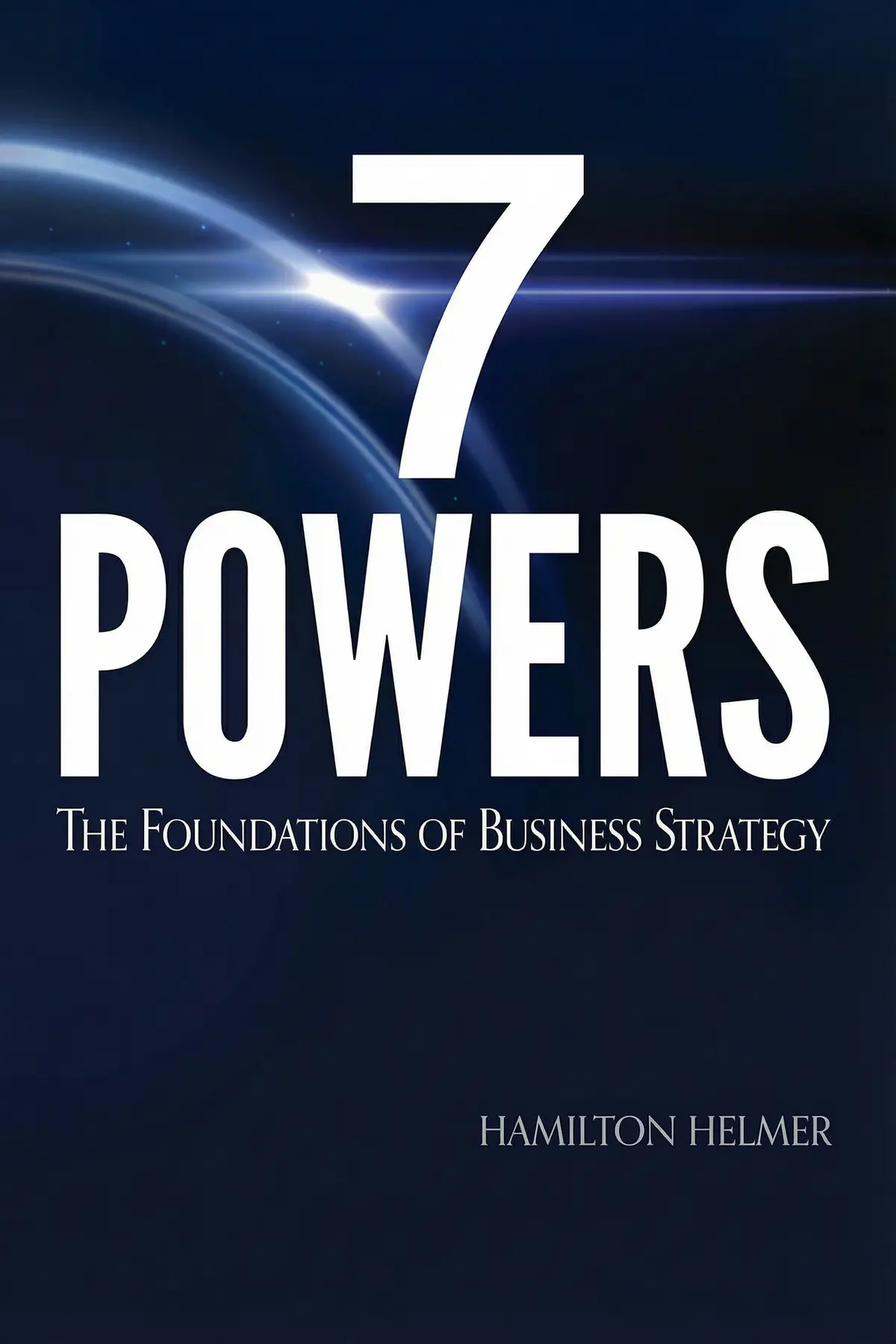
7 Powers: The Foundations of Business Strategy
Hamilton Helmer
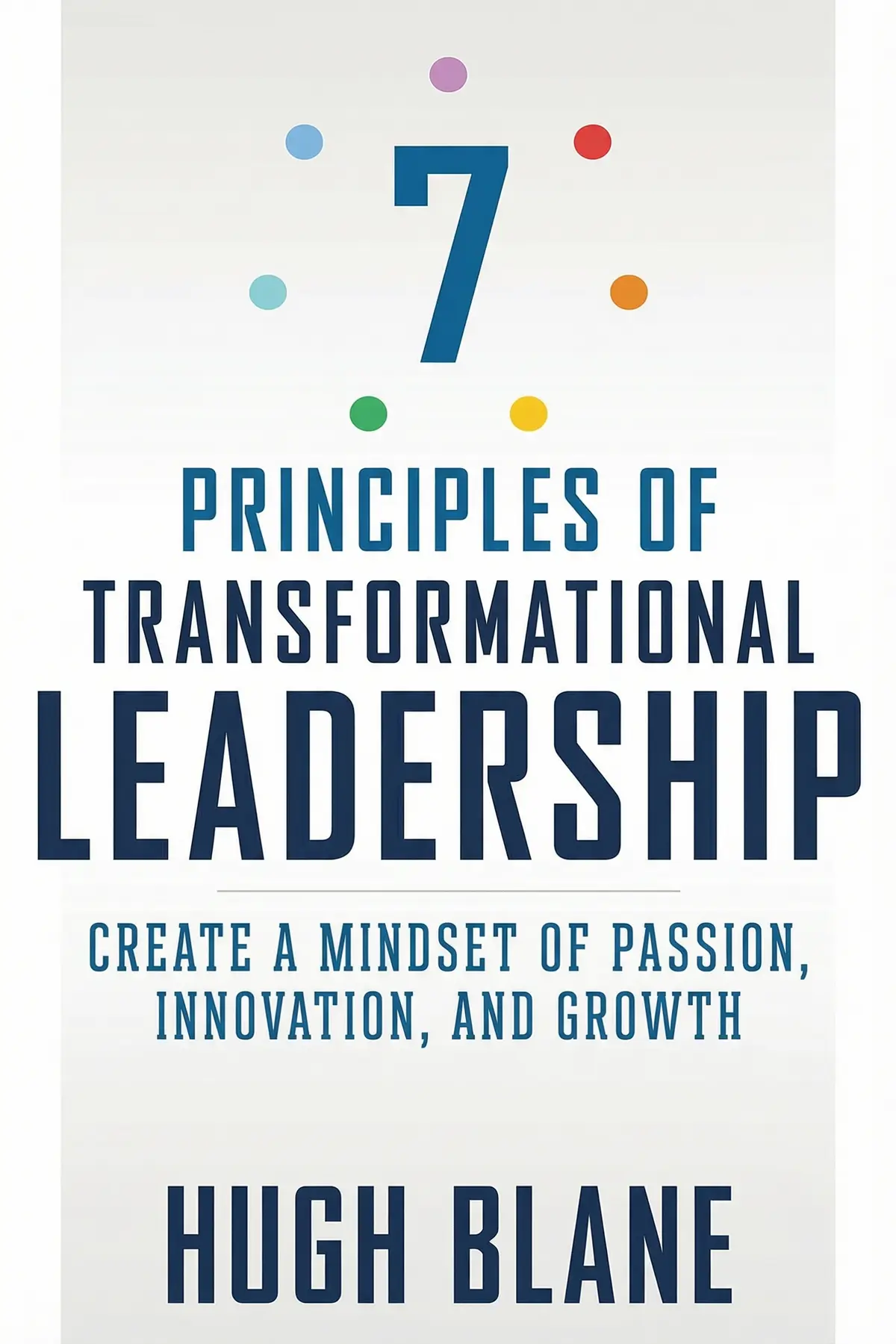

A Bigger Prize: How We Can Do Better Than the Competition
Margaret Heffernan
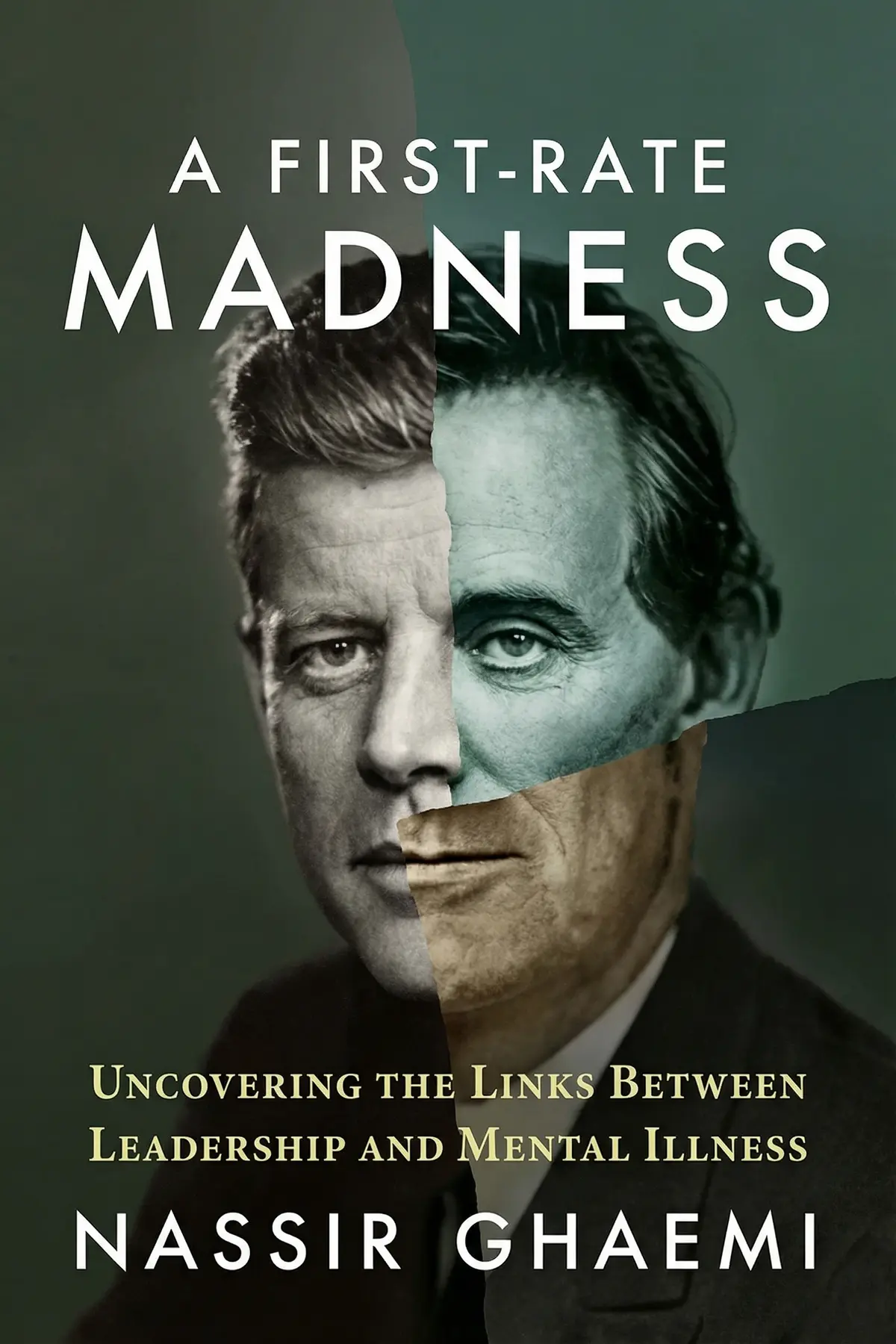
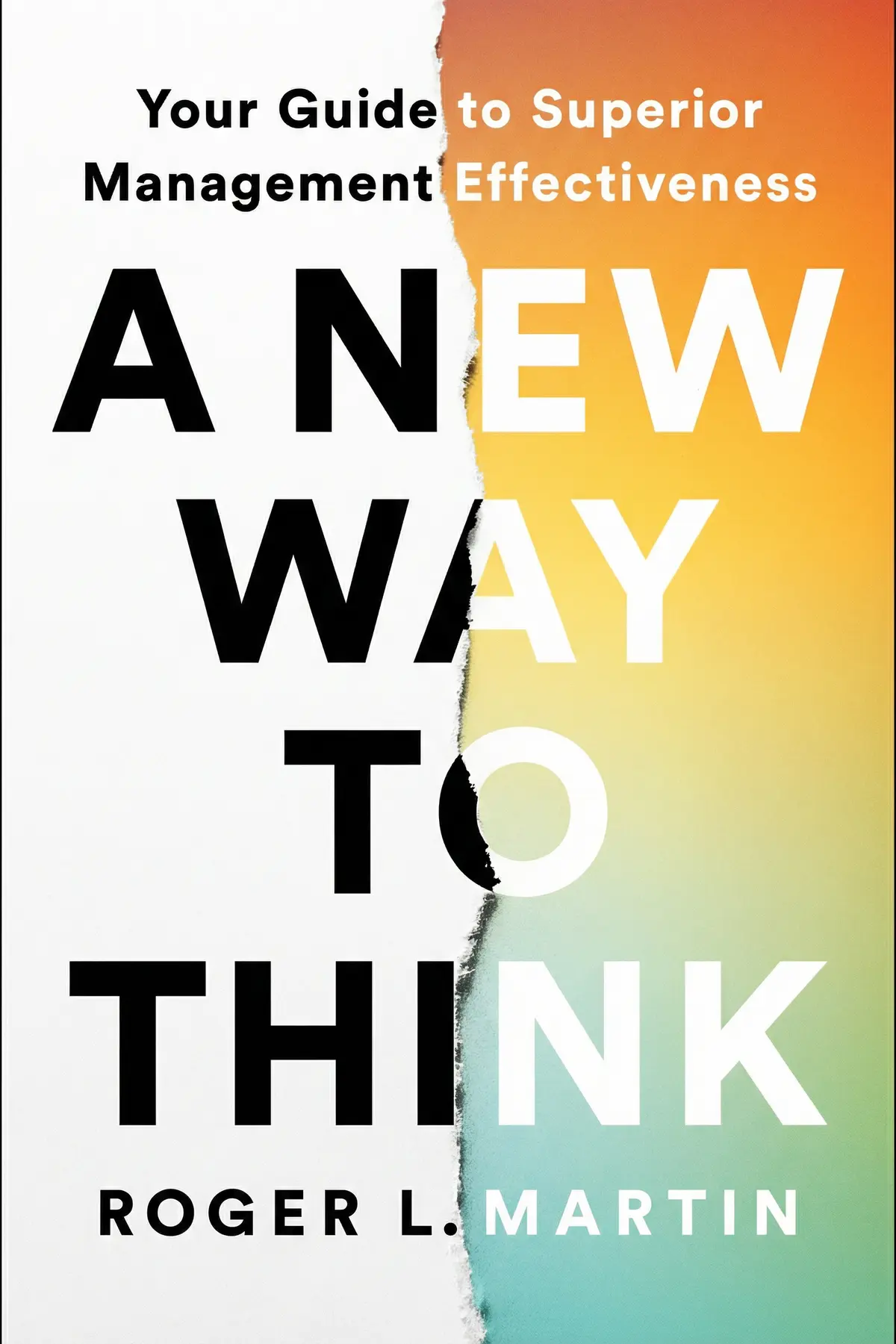
A Year with Peter Drucker: 52 Weeks of Coaching for Leadership Effectiveness
Joseph A. Maciariello
AUDIO SUMMARY AVAILABLE
Listen to Lean Six Sigma QuickStart Guide in 15 minutes
Get the key ideas from Lean Six Sigma QuickStart Guide by Benjamin Sweeney, plus 5,000+ more titles in English and Thai.
- 5,000+ titles
- Listen as much as you want
- 7-day free trial
- Cancel anytime







