

12 min 32 sec
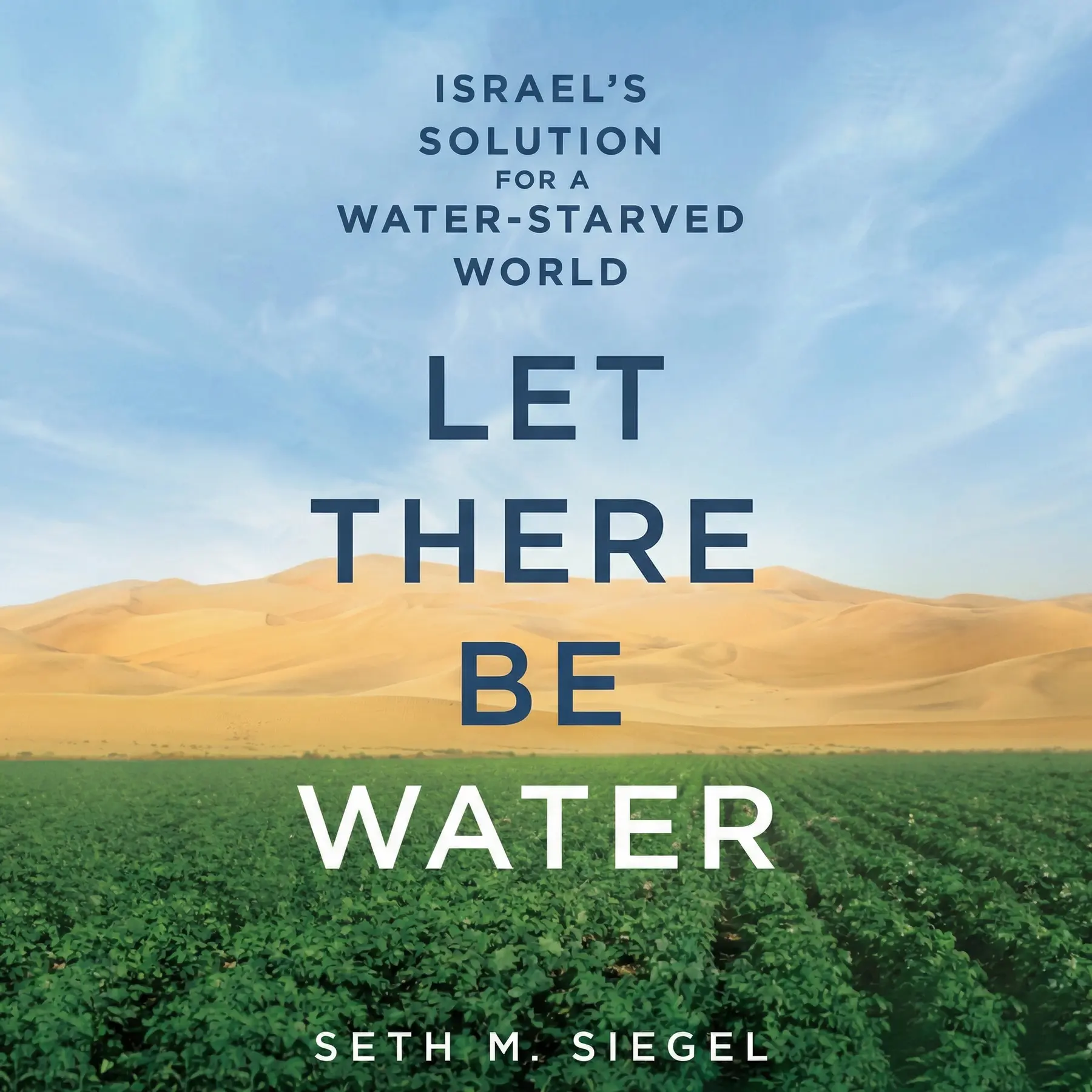
Let There Be Water: Israel’s Solution for a Water-Starved World
Let There Be Water examines how Israel transformed from a parched desert nation into a global leader in water technology, offering essential lessons for a world facing increasing water scarcity and climate challenges.
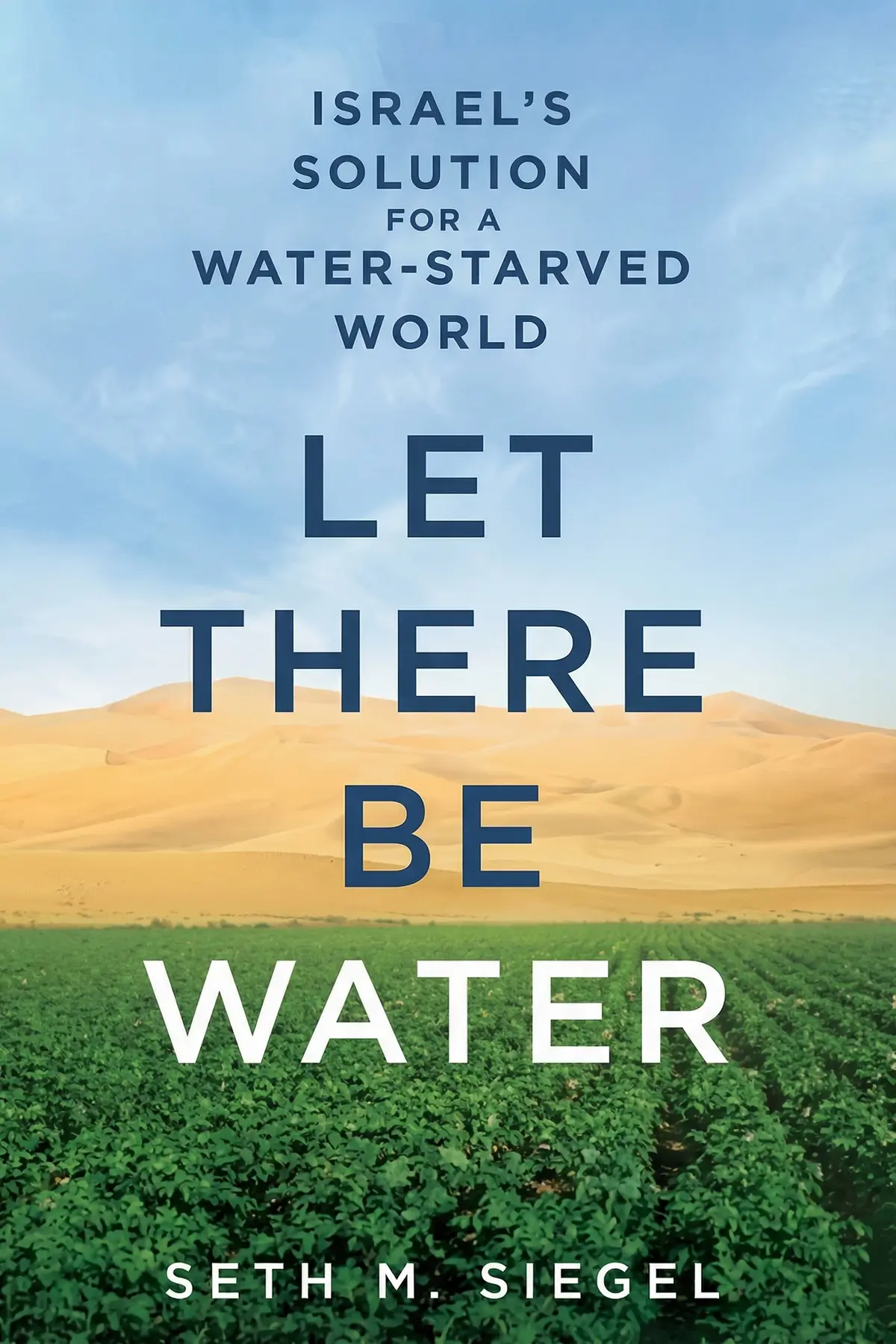
Table of Content
1. Introduction
1 min 33 sec
Picture a nation where sixty percent of the landscape is dominated by parched, arid desert. In most places, this would be a recipe for permanent crisis—a struggle for survival where agriculture is impossible and urban growth is capped by the limits of the local well. But in Israel, the story is remarkably different. Instead of a shortage, there is a surplus. Instead of rationing, there is innovation. How did a country with so little natural rainfall become a global powerhouse in water management?
The answer lies in a throughline of national necessity meeting relentless creativity. From the very beginning, Israel recognized that water was not just a commodity, but the lifeblood of national security and sovereignty. This led to a unique societal contract where technology, government policy, and public mindfulness converged to solve a problem many thought was unsolvable. In this summary, we will explore the specific breakthroughs that made this possible, ranging from the accidental discovery of drip irrigation to the high-tech marvels of modern desalination. We will see how a culture of respecting water, combined with long-term strategic planning, has created a blueprint that the rest of the world desperately needs to study as global temperatures rise and water sources vanish. By the end, you’ll understand how Israel’s journey from a thirsty newcomer to a water-rich leader provides more than just a success story—it offers a practical toolkit for a water-starved planet.
2. A Culture of Water Mindfulness
1 min 45 sec
Explore how deep-seated cultural values and early national planning laid the groundwork for Israel’s remarkable transition to water independence.
3. The Power of Drip Irrigation
1 min 40 sec
Learn how a simple observation of a leaking pipe led to a global agricultural revolution that drastically reduced water waste.
4. Recycling Every Drop Through SAT
1 min 22 sec
Discover the sophisticated methods Israel uses to treat and reuse nearly all of its wastewater for agricultural purposes.
5. Desalination and the Reverse Osmosis Miracle
1 min 30 sec
Follow the journey of turning the sea into a fountain of fresh water through the breakthrough of membrane technology.
6. Exporting Expertise and Building Bridges
1 min 34 sec
See how water technology has become a vital tool for international diplomacy and a lucrative global business.
7. The Economic and Legal Pillars of Success
1 min 38 sec
Understand how smart laws and honest pricing mechanisms ensure that water is managed fairly and used efficiently.
8. Conclusion
1 min 30 sec
The journey of Israel from a thirsty, desert-bound nation to a global leader in water abundance is a testament to what is possible when a society treats an environmental challenge as an existential priority. Through the lens of Let There Be Water, we’ve seen that there is no single ‘silver bullet’ solution. Instead, success comes from a comprehensive, multi-layered approach. It requires a culture that values every drop, a government that plans decades in advance, and an economy that rewards innovation while being honest about the true cost of resources.
As the rest of the world faces a future defined by climate uncertainty and growing populations, the lessons from this small nation are more relevant than ever. We see that wastewater is not trash, but a resource for the next harvest. We see that the sea is not an obstacle, but a potential fountain. And most importantly, we see that policy and technology must walk hand-in-hand. The throughline here is clear: scarcity does not have to be a destiny. With the right mix of mindfulness and ingenuity, even the most arid regions can flourish. The Israeli model suggests that if we treat water with the respect it deserves, we can ensure that the taps never run dry, regardless of how much the world warms. It is a call to action for every leader, engineer, and citizen to start rethinking our relationship with our most precious resource today.
About this book
What is this book about?
The threat of global water shortages is one of the most pressing issues of our time, yet one small, arid nation has managed to defy the odds. Let There Be Water tells the story of how Israel, a country where more than half the land is desert, solved its water crisis through a combination of engineering, forward-thinking policy, and a deep-seated cultural reverence for every drop. This book details the transition from scarcity to abundance. It promises to show readers how innovative techniques like drip irrigation, advanced wastewater recycling, and massive-scale desalination have not only secured Israel's future but also turned the nation into a primary exporter of environmental solutions. By analyzing the intersection of technology and public management, it provides a practical roadmap for other regions—from California to China—struggling to keep their taps running in an increasingly warming world.
Book Information
About the Author
Seth M. Siegel
Seth M. Siegel is a multifaceted professional whose career spans entrepreneurship, law, and writing. He is a prominent voice in the fields of water and environmental policy, with his insights frequently appearing in prestigious publications such as the New York Times, the Wall Street Journal, and the Los Angeles Times. Beyond his writing, Siegel is a highly sought-after public speaker who addresses complex global issues, including Middle Eastern politics, international water management strategies, and matters of national security.
Ratings & Reviews
Ratings at a glance
What people think
Listeners find this work to be both captivating and deeply researched, calling it a gripping narrative that offers thorough insights into the water management strategies used by Israel. Additionally, the book acts as a roadmap for conservation, illustrating how the nation successfully secures water supplies for domestic use and agriculture alike. Listeners also value the high-quality writing, the historical background, and the inventive mindset, with one listener emphasizing the country’s creation of new technology to solve freshwater shortages. Ultimately, listeners feel the book is uplifting, with one noting that it fundamentally altered their outlook on water and life.
Top reviews
Arjun
Imagine a country where a desert doesn't just survive but thrives through sheer technological willpower. This book is an absolute page-turner that breaks down complex water management into a gripping narrative of national survival. Siegel explains how Israel became the only nation to actually increase its water supply while its population exploded, which is a feat that seems almost impossible. From the early days of drip irrigation to the modern miracles of desalination, the level of research here is astounding. I was particularly struck by the data on how much water is lost in cities like London and Chicago compared to the efficiency of the Israeli system. It’s an inspiring read that provides a genuine blueprint for the future. If we want to solve the global water crisis, this is the map we need to follow.
Show moreSawit
Living through a multi-year drought in the American West, I found this book to be less of a history lesson and more of a survival manual. Seth Siegel details a roadmap for water security that feels incredibly urgent for those of us watching our reservoirs disappear. The success of Israel’s 'make the desert bloom' initiative isn't just luck; it's the result of decades of brutal honesty about what water actually costs. I was fascinated by the transition from flood irrigation to drip systems, which seems like such a simple shift but has massive global implications for food security. This book left me feeling hopeful for the first time in a while about our environmental future. It is a brilliant, well-structured, and deeply researched piece of work that everyone should read.
Show moreSiriphen
Every politician and city planner on the planet needs a copy of this on their desk right now. Not gonna lie, I was skeptical that a book about sewage treatment and pipes could be this engaging, but Siegel makes a compelling case for water as the ultimate diplomatic tool. The focus on 'big data' through companies like Takadu shows how modern technology can fix ancient problems like infrastructure leakage. It’s more than just a history; it’s a visionary look at how humanity might actually survive the coming droughts of the 21st century. While some might find the tone a bit patriotic, the sheer volume of data and the success of the Israeli model are hard to argue with. It truly changed how I view the glass of water sitting on my nightstand.
Show moreSaovapa
Wow, I am genuinely stunned by the sheer level of foresight the early Israeli planners had regarding their resource limitations even before the state was officially formed. Did you know they spent six times more on their National Water Carrier than the US spent on the Panama Canal? That’s the kind of obsessive detail Siegel brings to the table, making a potentially boring subject feel urgent and vital. The way they’ve integrated everything from toilet flushing to high-end agricultural exports into one cohesive system is nothing short of a masterclass in sustainability. This isn't just a book about Israel; it’s a manual for how the rest of the world can avoid a total collapse of our freshwater supplies. My perspective on how I use water in my own home has completely shifted.
Show moreBoss
As much as I appreciated the technical deep-dive into desalination and sewage recycling, the political omissions here are occasionally hard to ignore. To be fair, Siegel is an excellent storyteller who makes the history of the National Water Carrier feel as dramatic as a spy thriller. I found the sections on drip irrigation particularly enlightening, especially the statistics regarding how much water is wasted in traditional flood irrigation. However, the book does lean heavily into a 'miracle' narrative that brushes over the complexities of water rights in the West Bank. It’s a brilliant blueprint for conservation and high-tech management, but readers should probably pair it with a more balanced geopolitical analysis. Still, for anyone interested in how to solve the global water crisis, the technical insights here are gold.
Show moreGrace
Seth Siegel has written what is essentially a masterclass in public policy disguised as a historical narrative. It’s fascinating to see how a centralized water authority can transform a nation’s destiny by pricing water at its true cost rather than subsidizing it into oblivion. Personally, I think the most important takeaway is the culture of conservation—everyone from the top levels of government to the average citizen seems to treat water as a precious, finite resource. The writing is crisp and the pacing is excellent, keeping you engaged through chapters on infrastructure that could have easily been tedious. My only minor gripe is that it occasionally feels a bit like an extended brochure for Israeli tech companies. Regardless, the lessons on resource management are universal and incredibly timely for our warming planet.
Show moreJib
Before picking this up, I never thought a 300-page book about water infrastructure would be a genuine page-turner. Siegel has a knack for making the history of pipes and pumps feel like a grand adventure, especially when he discusses the 1939 British decree that limited Jewish immigration based on 'water capacity.' To see how they proved that decree wrong through sheer innovation is quite a story. The writing quality is high, and the book is filled with detailed insights into the National Water Carrier. To be fair, it does get a little repetitive with the 'miracle' theme toward the end, and a bit more focus on the ecological impact of desalination would have been nice. Still, it’s a high-quality read that offers real-world solutions.
Show moreSam
Got around to this after hearing a podcast interview with the author and was surprised by how much I learned about the sheer economics of hydration. For example, did you know raising a pound of beef takes 17 times more water than a pound of corn? These kinds of facts are sprinkled throughout, making the technical aspects of reverse osmosis and drip irrigation much easier to digest. The book is well-researched and serves as a fantastic case study on how innovation can overcome geographical limitations. It’s a bit one-sided when discussing the regional politics of the Middle East, but as a technical and historical overview, it’s top-tier. Highly recommended for anyone who likes micro-histories.
Show moreScarlett
Look, the technological achievements documented in these pages are undeniably impressive, yet I found the tone to be a bit too hagiographic for my taste. While I learned a ton about the evolution of reverse osmosis and the benefits of pricing water at its true cost, the narrative feels like it’s trying too hard to sell a specific image of the country. It reminds me a lot of 'Start-Up Nation' in that regard. Frankly, ignoring the way water is used as a tool of leverage in the Palestinian territories makes the 'diplomacy' chapters feel incomplete. Is it informative? Absolutely. Is it an honest picture of the regional water struggle? Not entirely. It’s a solid resource for engineering and policy, but take the glowing praise with a grain of salt.
Show morePop
The chapter on water diplomacy was fascinating, yet it left me with more questions than answers regarding whether these specific models can be exported to more decentralized nations. Truth is, Israel’s success relied on a unique centralized authority that most Western democracies would struggle to implement today. I enjoyed reading about the sheer grit required to make the desert bloom, but the author sometimes ignores the heavy environmental and social costs associated with such massive infrastructure projects. Some parts felt repetitive, rehashing the same 'innovation against all odds' theme multiple times. I’d recommend it for the facts about sewage treatment and big data, but the prose can get a little dry. A decent read, just not the definitive word on the subject.
Show moreReaders also enjoyed


Beyond Words: What Animals Think and Feel
Carl Safina


Comfortably Unaware: What We Choose to Eat is Killing Us and Our
Richard A. Oppenlander
Cradle to Cradle: Remaking the Way We Make Things
William McDonough
Cod: A Biography of the Fish That Changed the World
Mark Kurlansky
Drinking Water: A History
James Salzman
AUDIO SUMMARY AVAILABLE
Listen to Let There Be Water in 15 minutes
Get the key ideas from Let There Be Water by Seth M. Siegel, plus 5,000+ more titles in English and Thai.
- 5,000+ titles
- Listen as much as you want
- 7-day free trial
- Cancel anytime







