

22 min 56 sec
Letters from a Stoic
By Seneca
Explore Seneca’s timeless wisdom on achieving a virtuous life through simplicity, reason, and mental fortitude. These ancient letters provide practical guidance for finding inner peace in a chaotic, unpredictable world.
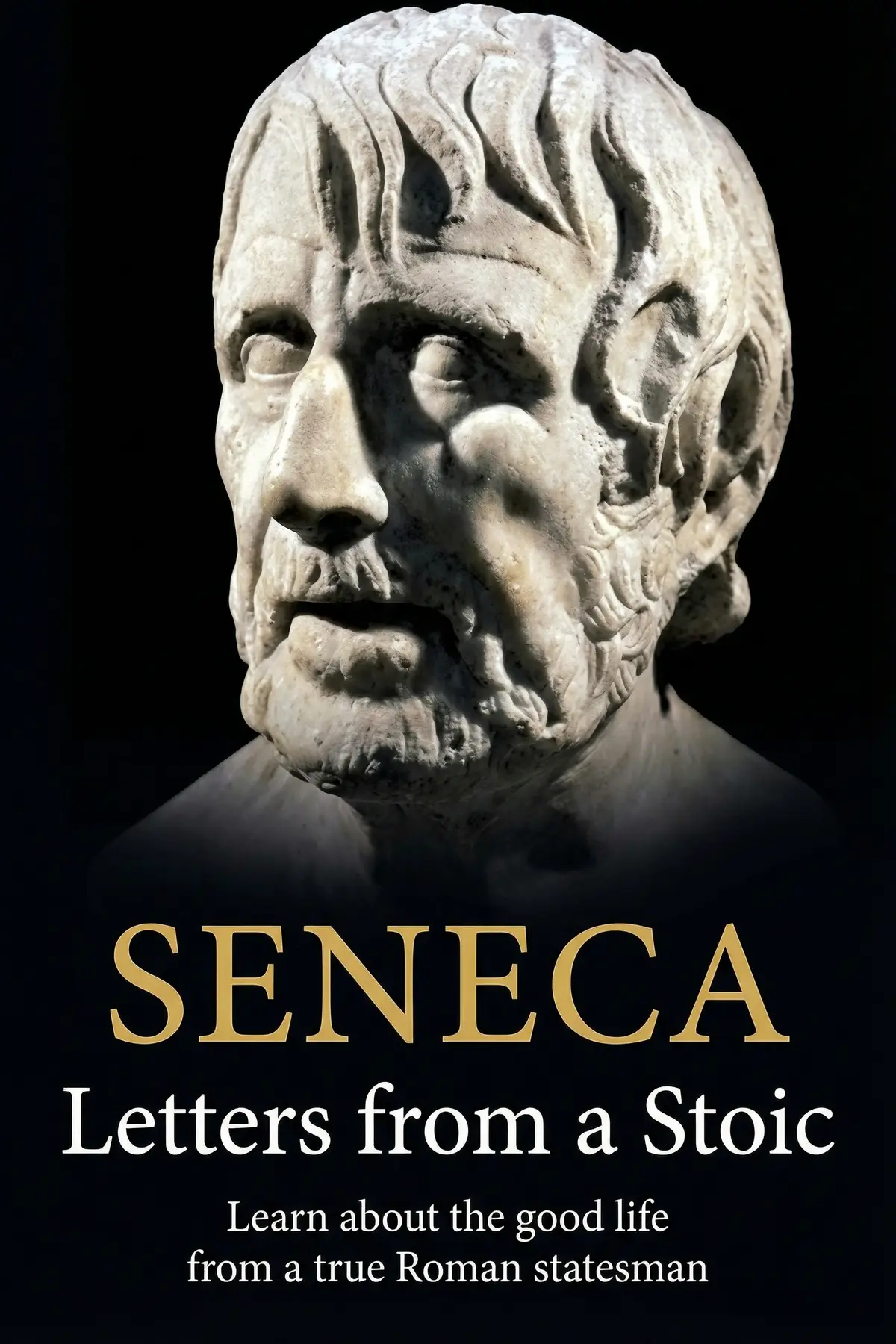
Table of Content
1. Introduction
1 min 41 sec
Have you ever felt like the world is moving too fast, or that your happiness depends entirely on things you cannot control? It’s a common feeling in our modern age, but it’s a problem humans have been grappling with for thousands of years. In ancient Rome, a statesman and philosopher named Seneca wrote a series of letters to his friend Lucilius that addressed these exact anxieties. These writings, known today as Letters from a Stoic, offer a profound and practical guide to what it means to live a truly good life.
Seneca wasn’t just theorizing from an ivory tower; he was a man who lived through the highest peaks of political power and the most dangerous depths of imperial whim. His letters serve as a mentorship through time, teaching us how to navigate the maze of human frailty, unpredictable fortune, and the eventual reality of death. The core throughline of his work is simple yet demanding: we must find peace within ourselves rather than seeking it in the outside world.
As we explore these insights, we will see how Seneca advocates for a life of balance, rationality, and simplicity. He encourages us to look past the distractions of wealth and fame to focus on the one thing we truly possess: our own minds. By aligning ourselves with the natural order of the universe and refining our character, we can move from being victims of circumstance to being masters of our own internal state. Over the next segments, we will dive into the specific practices and shifts in perspective that Seneca believed could lead any person toward true wisdom and lasting happiness.
2. Living Simply and Rationally
2 min 32 sec
Discover why the key to a meaningful life lies not in external achievements, but in the internal cultivation of a rational mind aligned with nature.
3. Philosophy as a Tool for Life
2 min 33 sec
Learn how philosophy acts as a practical guide for making better decisions and achieving a sense of lasting inner harmony.
4. The Art of Focused Study
2 min 24 sec
Explore why the depth of your learning matters far more than the breadth, and how to truly internalize the wisdom of great thinkers.
5. Cultivating an Unshakeable Mind
2 min 34 sec
Discover why inner peace can only be found within, and how a healthy mind acts as a sanctuary no matter where you are in the world.
6. Guarding Against the Dangers of Vice
2 min 21 sec
Explore why avoiding the crowd and resisting the lure of common vices is essential for maintaining your integrity and focus.
7. Practicing for Adversity
2 min 19 sec
Learn the Stoic technique of anticipating the worst to ensure you remain calm and prepared when challenges inevitably arise.
8. The Value of True Friendship
2 min 17 sec
Understand the Stoic approach to friendship, emphasizing the importance of trust, mutual growth, and self-sufficiency.
9. Facing Death with Dignity
2 min 27 sec
Confront the ultimate human fear by learning to see death as a natural part of life’s cycle and a duty to be performed honorably.
10. Conclusion
1 min 48 sec
As we reach the end of Seneca’s letters, the message is clear: the path to a good life is paved with reason, simplicity, and internal focus. We have seen that while we cannot control the external world—the whims of emperors, the fluctuations of wealth, or the timing of our own deaths—we have absolute authority over our own minds. By choosing to live in accordance with nature, we strip away the unnecessary complexities that breed anxiety and replace them with a sturdy, quiet confidence.
Seneca’s wisdom serves as a powerful reminder that our mental state is our most valuable asset. It is our sanctuary in times of trouble and our guide in times of peace. The practice of philosophy is not a hobby for the elite, but a survival skill for everyone. It teaches us how to choose our friends, how to guard against the corrupting influence of the crowd, and how to prepare for life’s inevitable storms. When we internalize these lessons, we stop being reactive victims of our environment and start being the deliberate architects of our own character.
The actionable takeaway from these ancient letters is to treat your mind with at least as much care as you treat your body. Just as you might watch what you eat or commit to a workout routine, you should be disciplined about what you read, who you spend time with, and how you react to challenges. Engage in ‘mental gymnastics’ by reflecting on your values and practicing for potential hardships. By doing so, you build a level of resilience that no external event can take away. If you can master your internal world, you will find that the ‘good life’ is not some distant dream, but a reality you can inhabit every single day, right where you are.
About this book
What is this book about?
Letters from a Stoic is a profound collection of correspondence written by the Roman philosopher Seneca to his friend Lucilius. While composed nearly two millennia ago, the advice remains strikingly relevant for anyone navigating the complexities of modern existence. The book serves as a roadmap for developing a resilient character, focusing on what we can control, and letting go of the superficial desires that often lead to misery. Seneca promises that through the diligent study of philosophy and the practice of self-discipline, anyone can attain a state of tranquility. He covers a wide range of topics, from the importance of choosing the right friends and the dangers of following the crowd to preparing for adversity and facing mortality with dignity. The ultimate goal is to live in harmony with nature and reason, transforming the mind into an unshakeable fortress against the whims of fate.
Book Information
About the Author
Seneca
Seneca (ca. 4 BCE – 65 CE) was a prominent Roman Stoic philosopher, statesman, and dramatist. Known for his extensive essays and tragedies, he served as a tutor and later an advisor to Emperor Nero. His life ended tragically when he was accused of involvement in a conspiracy against the emperor and was ordered to take his own life.
Ratings & Reviews
Ratings at a glance
What people think
Listeners find the writing both approachable and stimulating, commending its wisdom as a trifecta of Stoic insights and noting the quality of the translation. Many view it as essential for self-improvement and believe it offers great value for the cost. Opinions on the font size are divided; some enjoy the compact paperback design, whereas others feel the text is difficult to read. Furthermore, several listeners point out that the collection omits certain letters, specifically key portions of Letter 18.
Top reviews
Komsan
This collection is essentially a spiritual toolkit for the modern soul. Seneca doesn’t hide behind the dense, academic jargon that ruins most philosophy books today; instead, he writes like a mentor who actually wants you to succeed. Each letter feels personal, as if the distance between imperial Rome and my living room has completely vanished. I was particularly struck by his ability to turn a simple observation about a crowd or a bathhouse into a profound meditation on internal peace. While some might find his lifestyle hypocritical given his wealth, his prose is so deathless and his insights on friendship so moving that it’s hard to care. The translation is exceptionally smooth, making his 'good advice' feel as fresh as if it were written this morning. It is the perfect entry point for anyone tired of abstract theories.
Show moreBun
Ever wonder why 2,000-year-old letters are still trending on social media? After finishing this, I totally get it. Seneca’s voice is intimate and self-deprecating, yet he possesses this incredible talent for the epigram—squeezing a lifetime of truth into a single, punchy line. I found myself tabbing almost every page because the advice on avoiding 'busy-ness' and focusing on character is so relevant to our distracted age. To be fair, he’s a bit of a nagger at times, but it’s the kind of nagging you need from a wise friend. This isn't just a book you read once; it’s a manual for staying sane when the world feels chaotic. Truly a must-read for anyone interested in self-transformation. The way he treats Epicurus with respect despite their different schools is a lesson in intellectual maturity.
Show moreSirirat
The chapter on liberal studies changed how I view my own education. Seneca argues that the only study that truly matters is the one that makes us free, and he makes a compelling case. His writing is remarkably tolerant and informal for a Roman statesman, which makes him much more accessible than Marcus Aurelius. I didn't find the 'unsystematic' nature of the letters to be a drawback; life isn't systematic, so why should advice be? Truth is, his insights on enduring hardship and finding joy within yourself are exactly what I needed during a stressful career transition. The translation is masterful, capturing the elegance of the original Latin without feeling stuffy or dated. Worth every penny for the sheer volume of thought-provoking wisdom included in such a small volume.
Show moreOat
Finally got around to reading this classic and it’s now a permanent fixture on my nightstand. Seneca’s take on time—how we waste it and how to reclaim it—hit me like a ton of bricks. He doesn't just lecture; he offers workaday observations that you can actually apply to your morning routine. The translation is crisp and doesn't feel like you're wading through a dusty museum exhibit. Frankly, I think everyone should read his thoughts on why 'no man is good by chance.' It’s a powerful reminder that virtue is a skill we have to practice daily. Even if you aren't into philosophy, the sheer quality of the writing makes it worth the effort. It’s a masterclass in style and substance that remains incredibly accessible.
Show moreAroha
I was smitten with the mental thrills these letters provided. There is something deeply comforting about reading a man from 2,000 years ago who struggled with the same anxieties about the future and social pressure that we do today. Seneca’s prose is deathless; he manages to be profound without being pompous. I especially loved his letters on the value of sharing knowledge—that there’s no joy in possessing something valuable unless you have a friend to share it with. This book is a treasure chest of insights for personal growth. Despite the tiny font size mentioned by others, the quality of the translation and the accessibility of the advice make this a 5-star read for me. It’s a gulp of pure wisdom that heals the mind.
Show moreRoongsak
As someone who usually finds classical texts a bit dry, I was surprised by how much I enjoyed this. Seneca isn't interested in logic-chopping or proving how smart he is; he just wants to help Lucilius (and us) live better. It’s practical, pithy, and remarkably modern in its cosmopolitan outlook. I did notice some inconsistencies in how he describes the divine, which can be a bit confusing if you’re looking for a rigid system. Also, let’s be real: the print in this specific paperback edition is absolutely tiny. It’s a great price for such a heavy-hitting classic, but keep your glasses handy. Despite the eye strain, the wisdom inside is a total trifecta of Stoic insight that every growth-minded person needs to check out. It really focuses on action over reflection.
Show moreRatthapong
Picked this up after hearing it was a favorite among high-performers, and the hype is largely justified. Seneca acts as a moral guide, emphasizing that philosophy should be about action rather than mere reflection. I love the informal, friendly tone of the correspondence, which makes the heavy topics of death and poverty feel much more manageable. However, the Penguin edition is missing significant portions of Letter 18, which was a bit of a letdown when I tried to follow along with a study group. Still, the remaining content is gold. His thoughts on choosing friends carefully and the dangers of seeking external validation are timeless. It's a solid 4-star experience that provides a great foundation for anyone starting their Stoic journey. Just be prepared for some repetition across the letters.
Show moreSoontorn
Wisdom comes in many forms, but Seneca’s letters are perhaps the most digestible version of ancient philosophy I’ve encountered. He has this way of being both a stern teacher and a supportive friend at the same time. The way he references Epicurus—the supposed 'rival' of the Stoics—shows a cosmopolitan spirit that I really appreciated. He’s more interested in what works than in being right. My only real complaint is that the book is physically quite small, which makes it portable but also means the font size is microscopic. Additionally, the lack of introspection compared to someone like Montaigne makes him feel a bit distant at points. Still, for the price, you won't find a better collection of thought-provoking advice for everyday living.
Show morePongpan
Not what I expected given the glowing recommendations I see everywhere. While there are definitely some gems hidden in these pages, the repetitive nature of Seneca’s advice started to wear on me after the first hundred pages. He spends a lot of time preaching about the worthlessness of wealth, which feels a bit rich coming from one of the wealthiest men in Rome. Also, this edition feels cheap. The margins are cramped and the text is so small it’s genuinely difficult to read for long periods without getting a headache. If you want a quick hit of inspiration, he’s great, but reading the whole collection felt like a chore. It’s an okay introduction to Stoicism, but I think I prefer the directness of Epictetus over Seneca’s flowery and sometimes inconsistent prose.
Show moreRapee
Wow. The content here is 5 stars, but the physical book I received is a nightmare. I was looking forward to diving deep into the Stoic trifecta, but the missing sections in Letter 18 are a huge oversight for an 'authentic' edition. Plus, the print is so tiny it feels like you're reading a legal contract rather than a philosophy book. It’s a shame because Seneca’s advice on negative thinking and facing poverty is incredibly profound. I love his informal attitude and the way he bridges the gap between ancient thought and modern problems. However, I’d suggest looking for a different printing if you actually want to enjoy the reading process. The wisdom is there, but the presentation is lacking and frustrates the overall experience.
Show moreFeatured in
Readers also enjoyed
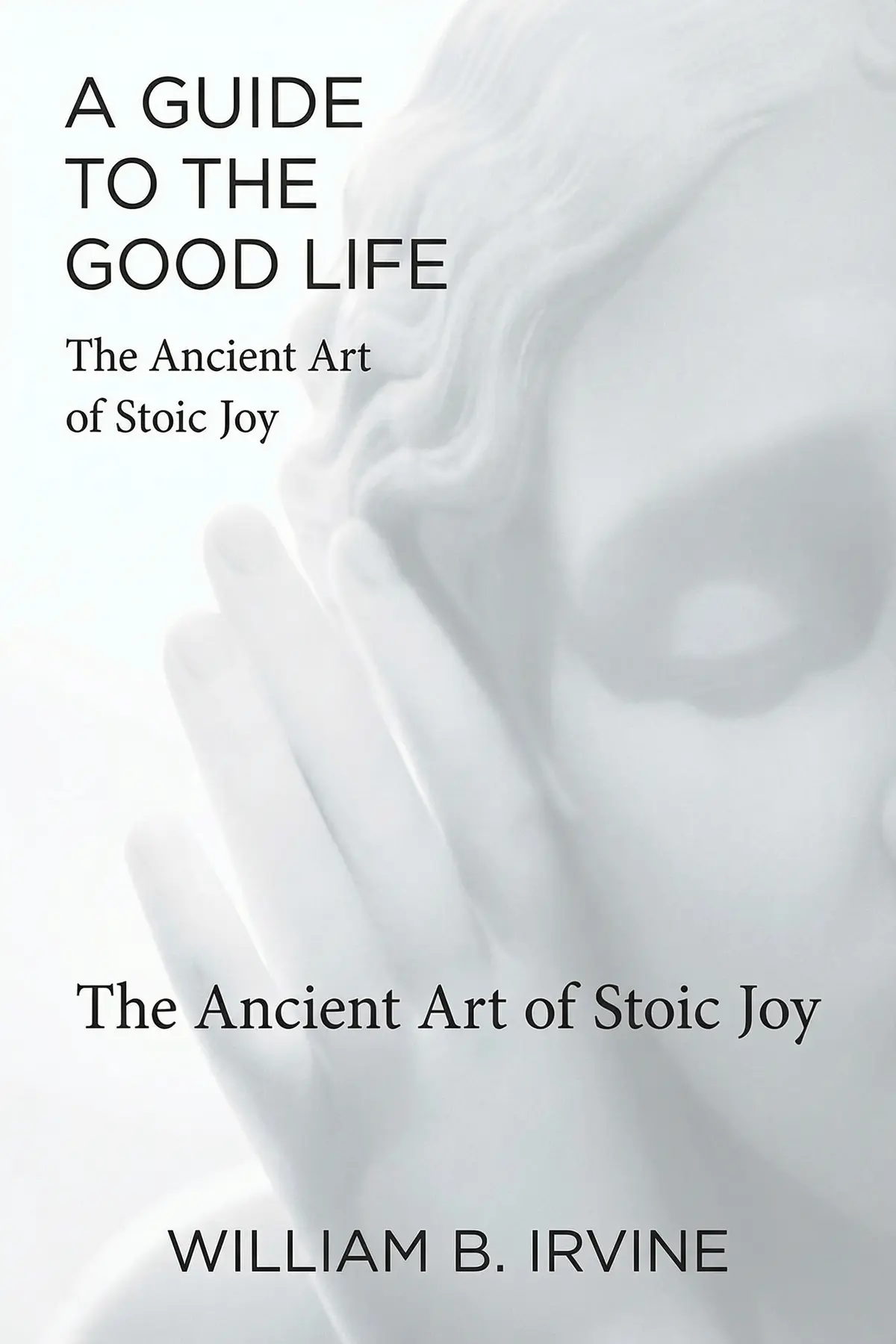
A Guide to the Good Life: The Ancient Art of Stoic Joy
William B. Irvine
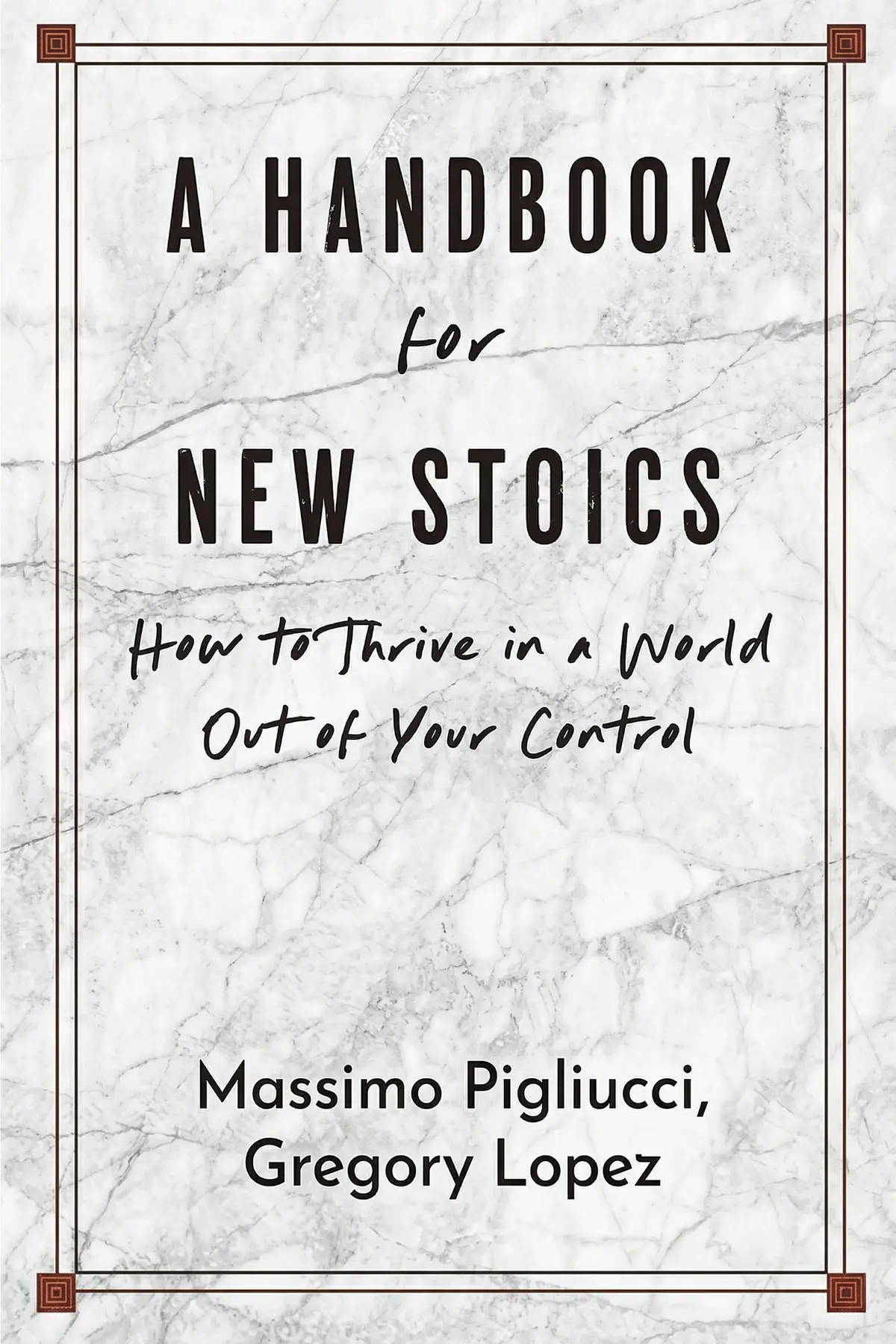
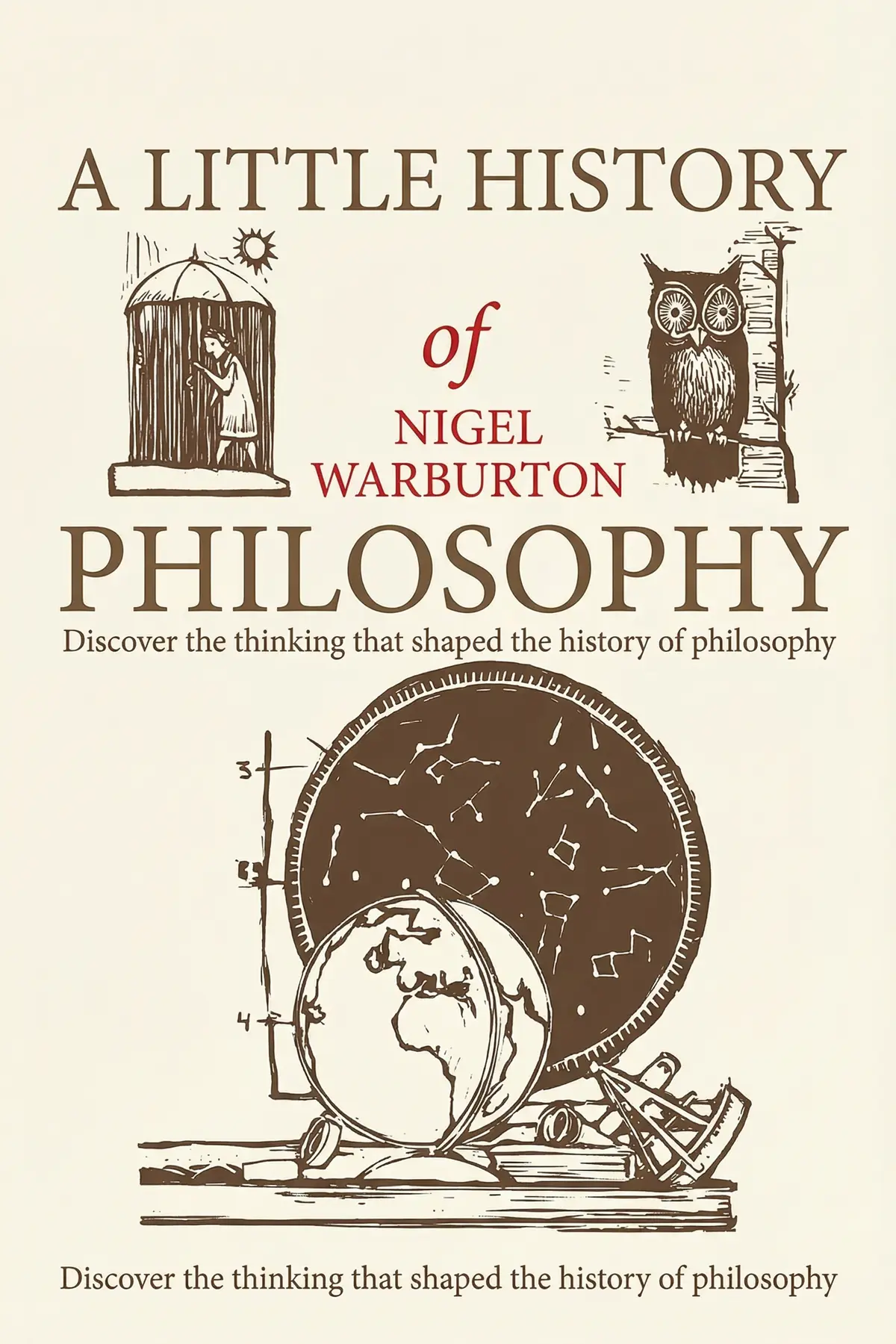
A Little History of Philosophy
Nigel Warburton
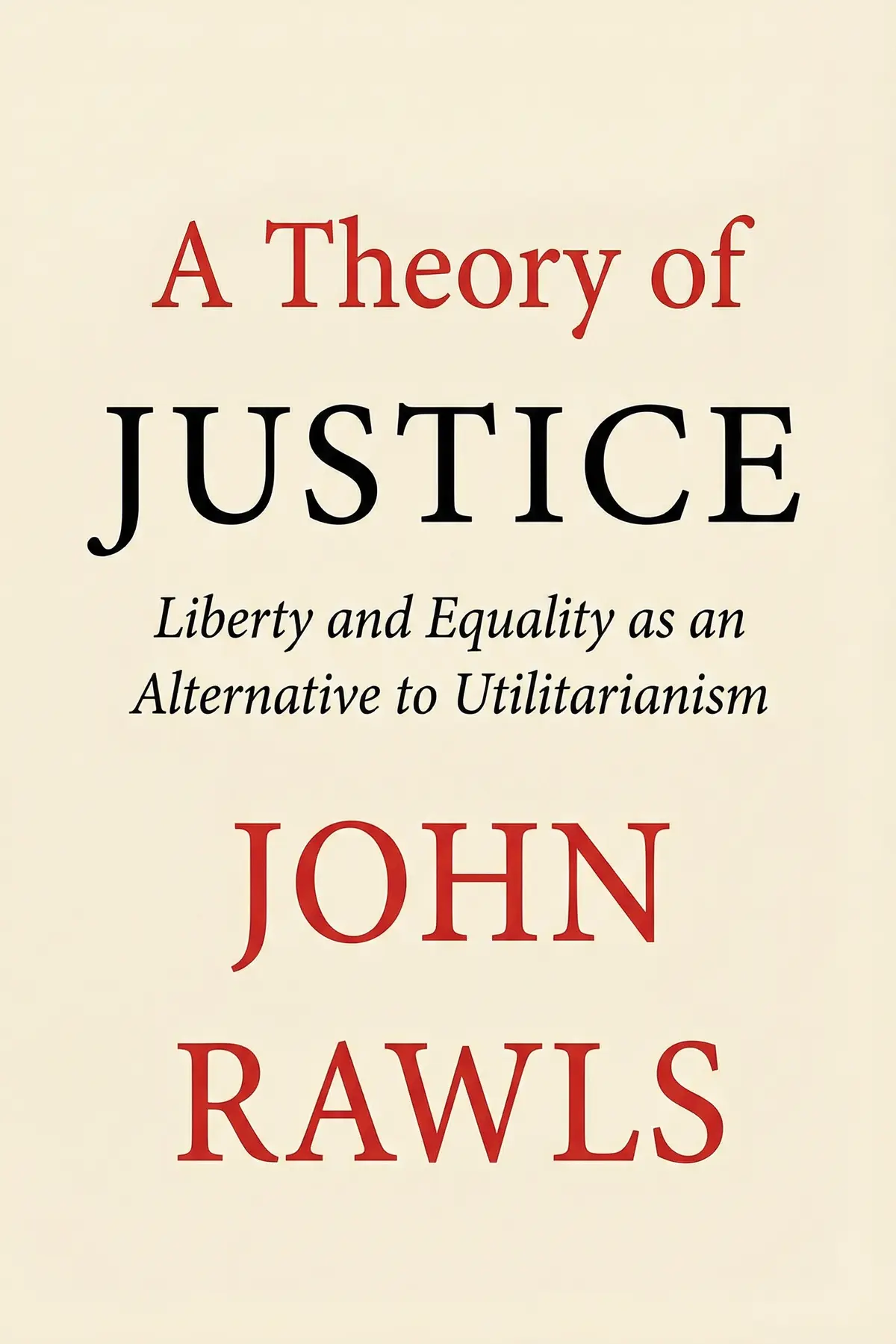
A Theory of Justice
John Rawls
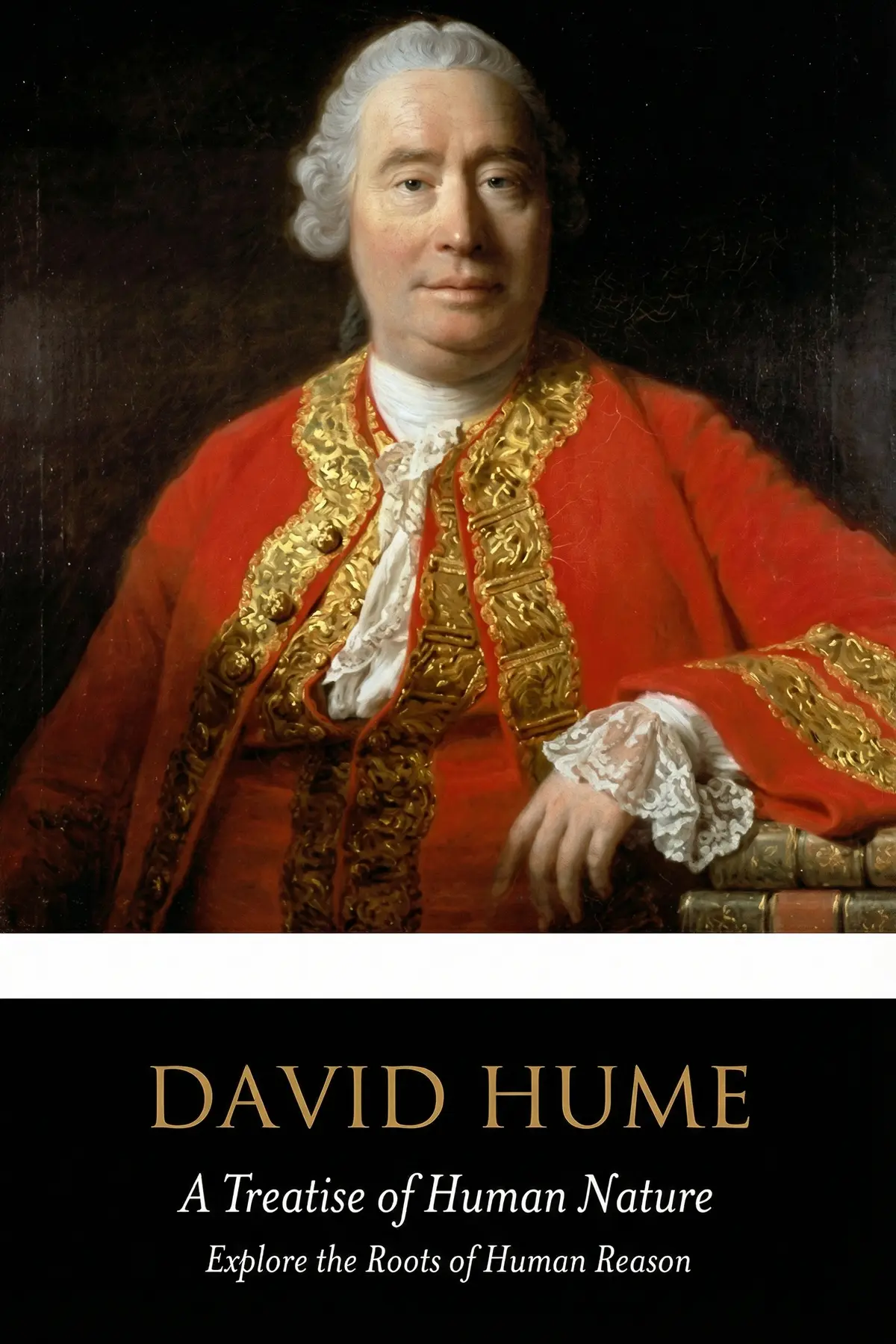
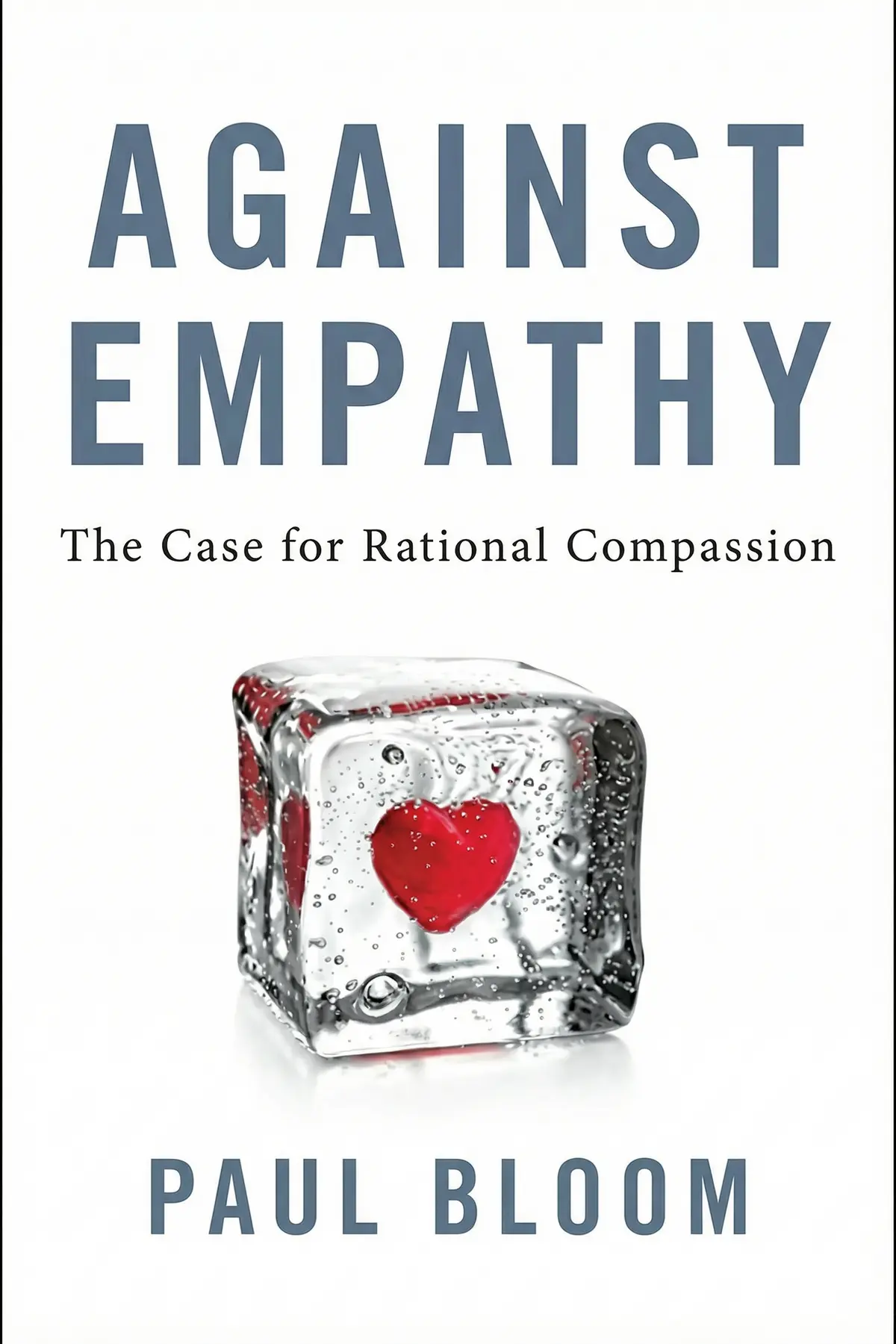

Becoming Beauvoir: A Life
Kate Kirkpatrick
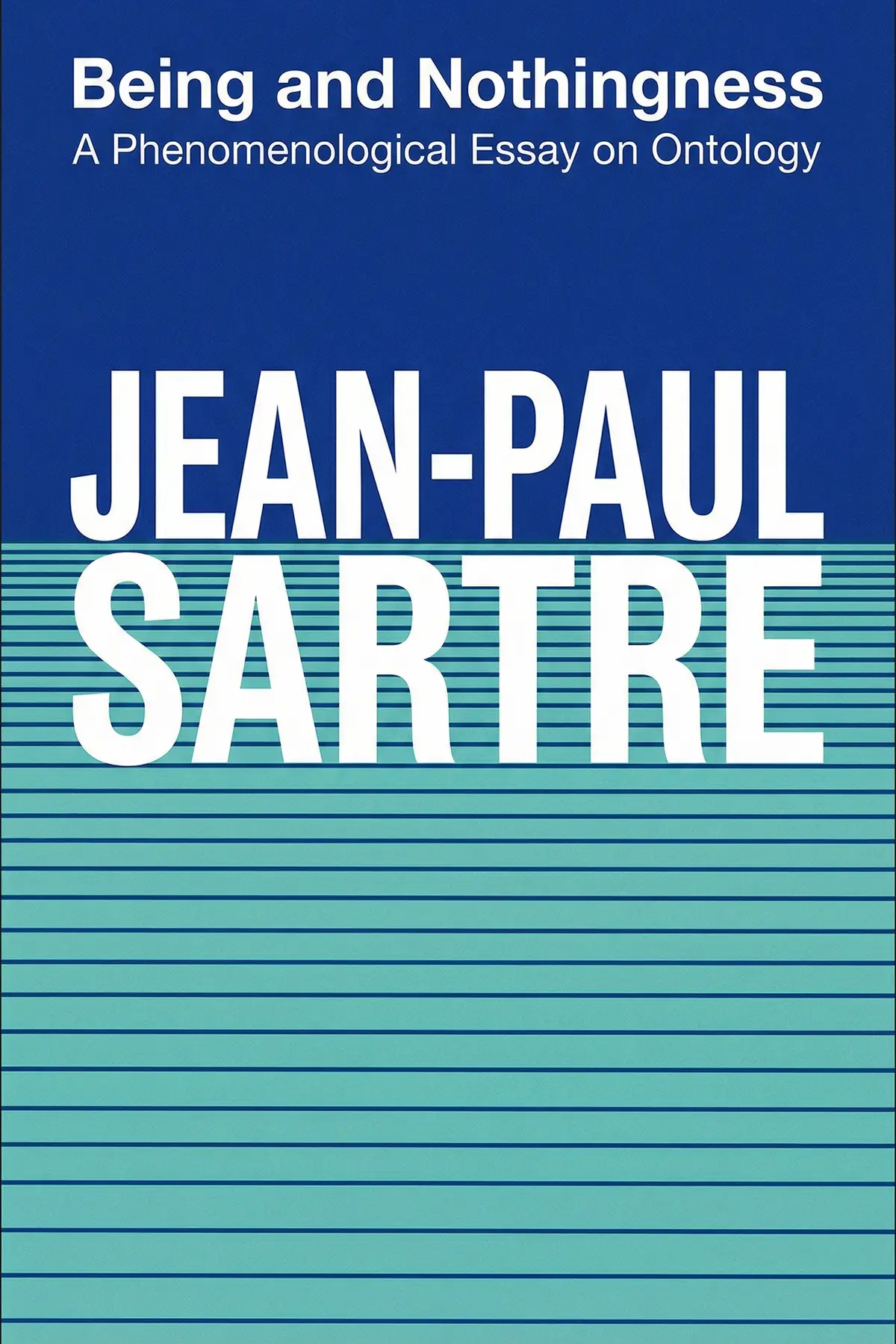
Being and Nothingness: A Phenomenological Essay on Ontology
Jean-Paul Sartre
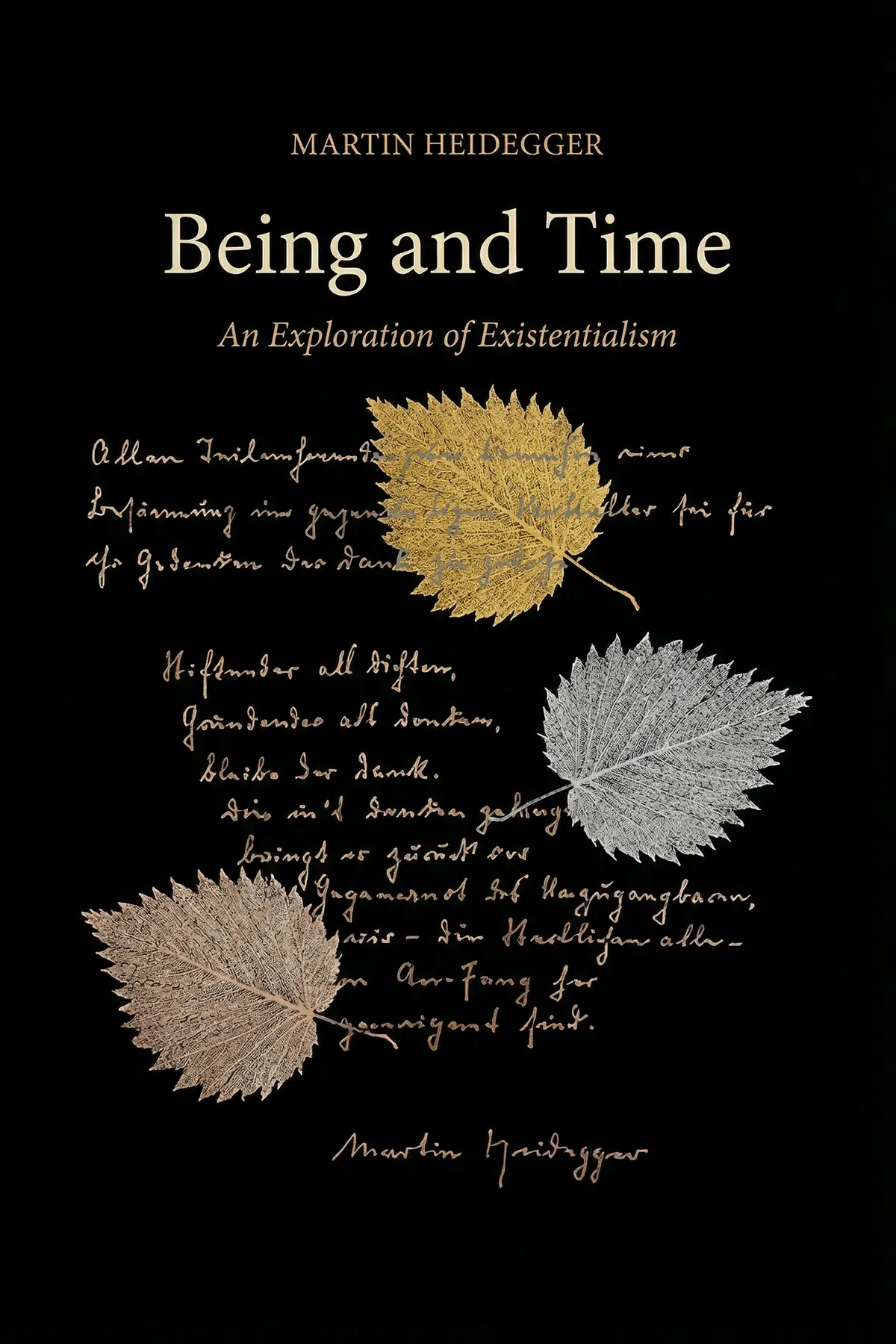
Being and Time
Martin Heidegger
AUDIO SUMMARY AVAILABLE
Listen to Letters from a Stoic in 15 minutes
Get the key ideas from Letters from a Stoic by Seneca, plus 5,000+ more titles in English and Thai.
- 5,000+ titles
- Listen as much as you want
- 7-day free trial
- Cancel anytime







