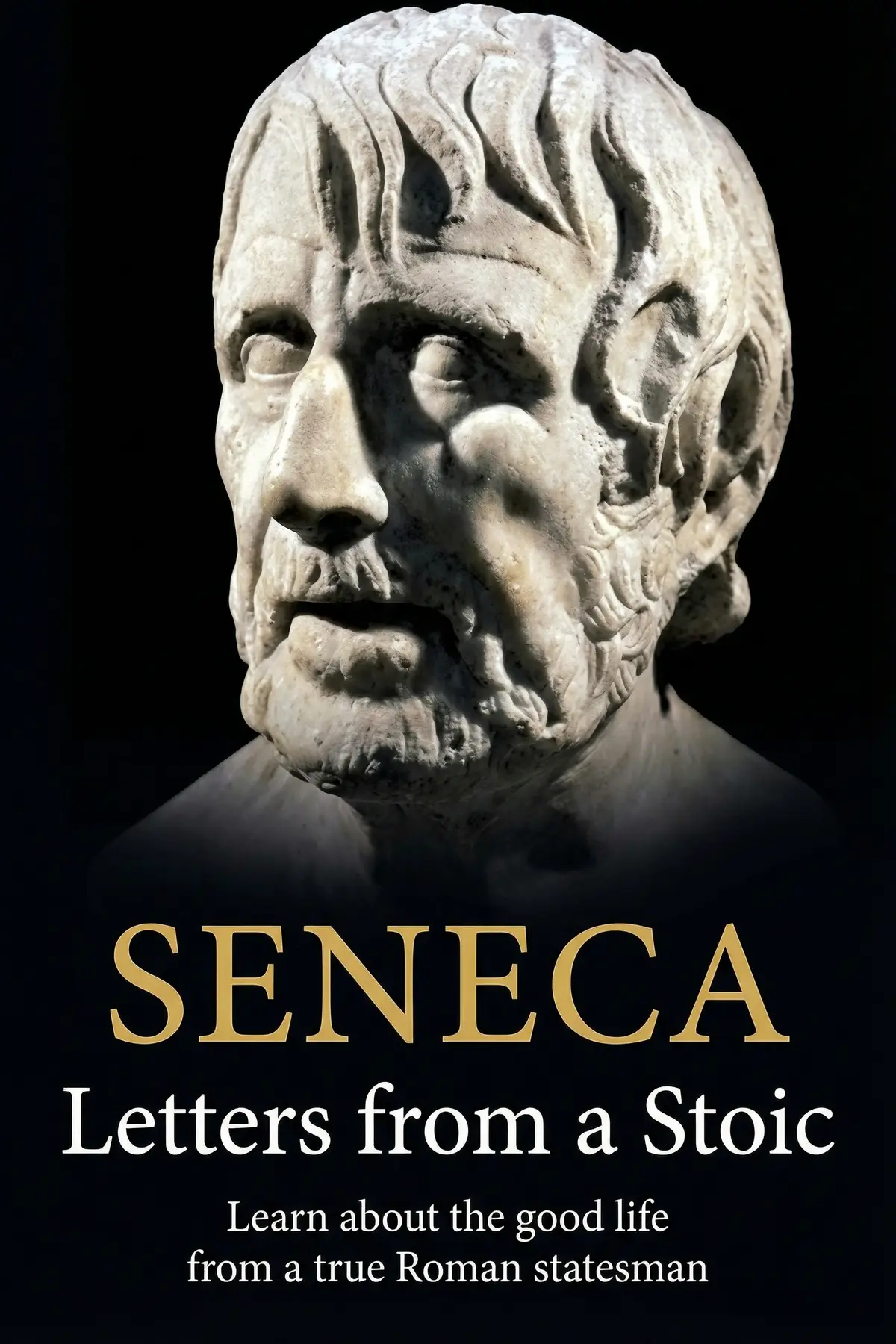
Letters from a Stoic
Seneca
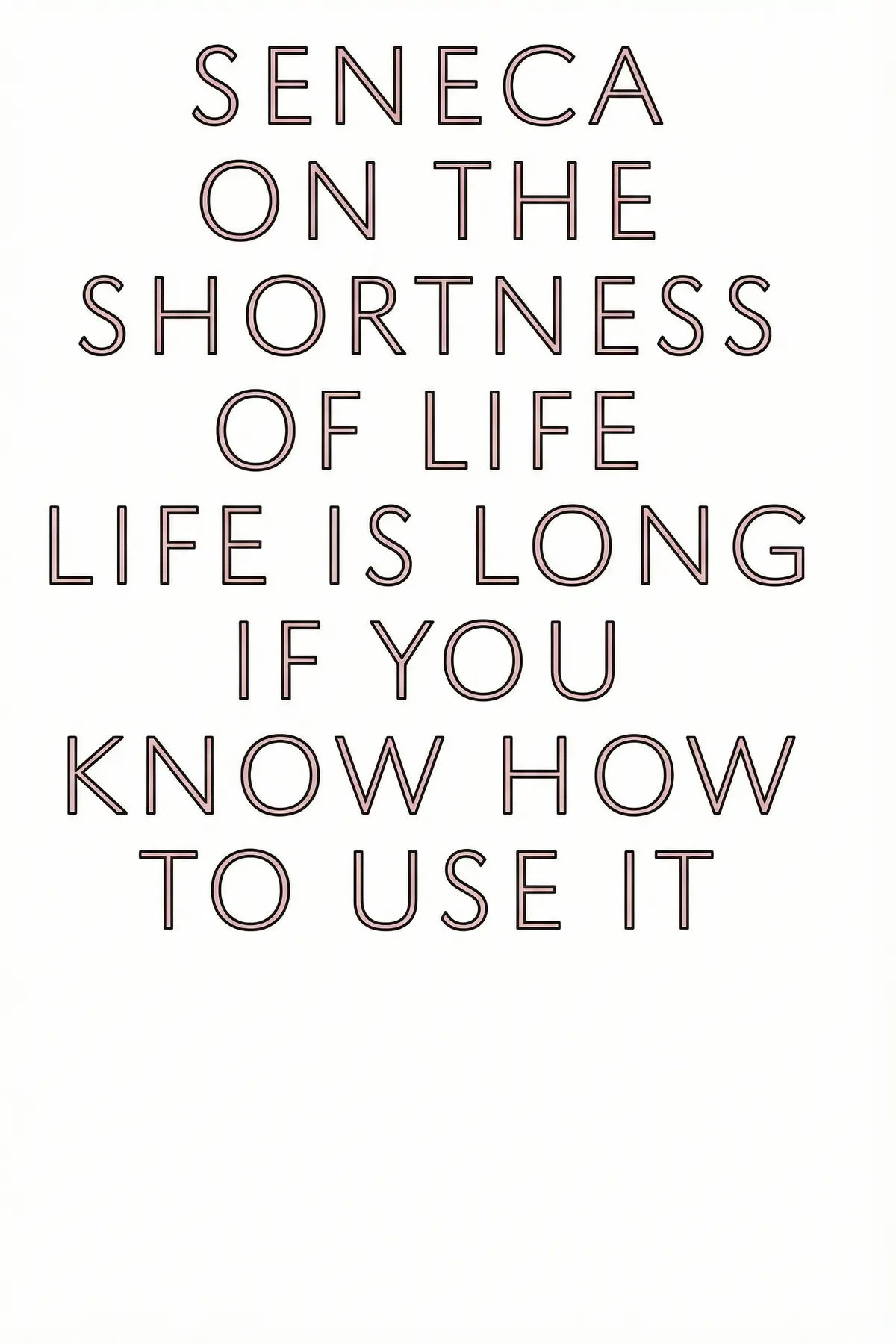
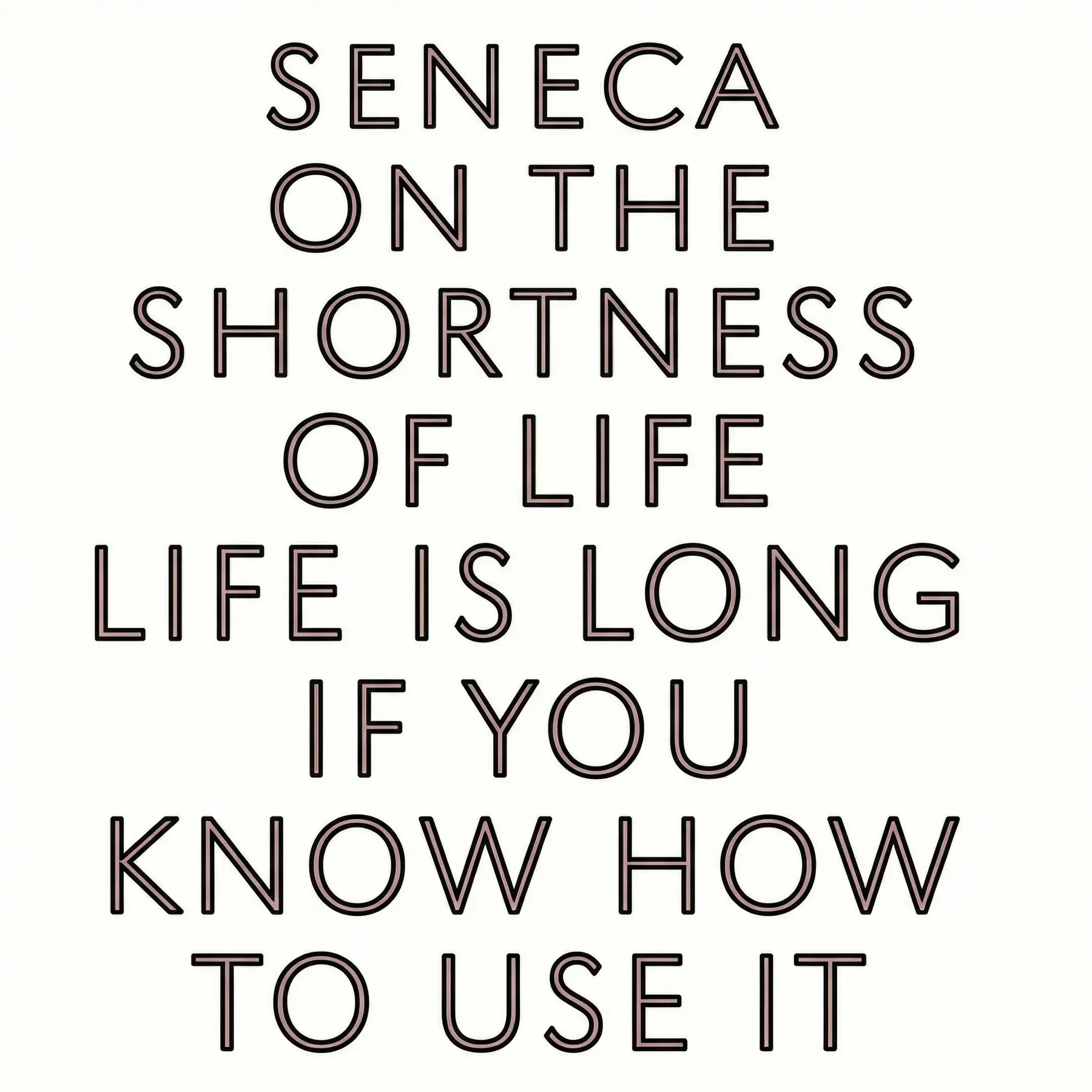
A profound exploration of time and human existence, this guide reveals why life only feels brief when we squander it. It offers Stoic strategies for living a meaningful, self-directed life through wisdom and reflection.
1 min 32 sec
Imagine looking back on your life decades from now, only to realize that while you were busy preparing to live, you never actually started. It’s a haunting thought that crosses many of our minds in the middle of a frantic workday or during a sleepless night. We often complain that life is too brief, that our time on this earth is a mere flash that vanishes before we can truly taste it. But what if the problem isn’t the clock, but how we use the seconds? This is the central provocation of Seneca’s timeless work, a guide that has survived nearly two millennia because its core message is as urgent today as it was in the streets of ancient Rome.
Seneca was a man who lived at the heart of power and chaos. As a high-ranking statesman and advisor to the notorious Emperor Nero—the man who allegedly played his violin while his own city burned—Seneca knew exactly what it meant to be caught in the gears of public life. Yet, as a practitioner of Stoicism, he argued that we have the power to step outside that frantic pace. He suggests that if we feel life is short, it is because we are squandering our hours on things that don’t truly matter. Over the course of this summary, we will explore Seneca’s philosophy for reclaiming your time, distinguishing between being busy and being alive, and finding a sense of tranquility that external circumstances cannot touch. By the end, the goal is to shift your perspective so that you no longer feel like a victim of time, but its master.
2 min 41 sec
Do you feel like you are always getting ready for a future that never arrives? Discover why we spend our best years in a state of perpetual preparation.
2 min 13 sec
Is your life a purposeful journey or just a series of reactions to external storms? Explore why constant motion doesn’t always lead to progress.
1 min 50 sec
What if you could have the world’s greatest thinkers as your personal advisors? Learn how education can expand your life across centuries.
2 min 02 sec
True satisfaction doesn’t come from what you own, but from how you think. Discover the Stoic secret to internal self-sufficiency.
1 min 48 sec
Can doing less actually help you achieve more? Explore the importance of tailoring your life to your nature and the value of leisure.
1 min 27 sec
As we reach the end of this exploration into Seneca’s wisdom, the takeaway is clear: life is only as short as we allow it to be. If you spend your days chasing the approval of others, accumulating things you don’t need, or waiting for a distant retirement, you are essentially throwing your life away. But if you turn inward, seek the guidance of history’s greatest thinkers, and focus on your own mental tranquility, you can stretch your time into something that feels vast and meaningful.
True fulfillment doesn’t require a change in your external circumstances; it requires a change in your perspective. You don’t need to be an emperor to find peace, and you don’t need a thousand years to live a full life. All you need is the discipline to value your time and the wisdom to use it on the things that truly matter.
To put these ideas into practice, here is a simple piece of actionable advice: choose a mentor from history. It doesn’t matter if they lived two thousand years ago or twenty. Find a philosopher, a scientist, or a writer whose ideas resonate with you. Pick up one of their books and spend time with it every day. Let them become your guide and your companion. By doing so, you are not just reading; you are reclaiming your time and joining a conversation that transcends the limits of a single human lifespan. Start today, because as Seneca reminds us, the clock is already ticking.
Have you ever felt like the years are slipping through your fingers while you remain stuck in a cycle of endless busyness? On the Shortness of Life addresses this universal anxiety by arguing that our existence is not actually short; rather, we are simply inefficient in how we spend it. Seneca, the famous Stoic philosopher, provides a diagnostic look at the ways we waste our most precious resource on trivial pursuits, social obligations, and the pursuit of luxury. The book promises a path toward a more tranquil and fulfilling life. It encourages readers to step away from the noise of public life and the distractions of material wealth to focus on personal growth and the study of philosophy. By learning from the great minds of the past and focusing on internal satisfaction rather than external validation, Seneca suggests we can stretch our years and achieve a sense of timelessness, regardless of our actual lifespan.
Lucius Annaeus Seneca, commonly known as Seneca the Younger, was a prominent Roman philosopher and statesman during the first century AD. A leading figure in the Stoic tradition, his intellectual influence was vast, and he famously served as a tutor to the Emperor Nero. His diverse body of work includes influential essays, letters, tragedies, a biography of his father, and Menippean satire.
Seneca
Listeners find this work of philosophy to be invigorating and perceptive, valuing the elegant, uncomplicated translation and brief format. Furthermore, the volume is an excellent, fast listen that touches on many themes, with one listener observing that it prompts individuals to contemplate their own priorities. Additionally, they prize its outlook and substance, with one listener noting how it results in people reconsidering their life paths.
This book is a sharp wake-up call for anyone caught in the mindless hustle of modern existence. Seneca argues that life isn't actually short; we just throw most of it away on trivialities that don't matter. I found the translation incredibly accessible. It strips away the dense academic jargon you often find in older classics. Each page forced me to stop and evaluate how many hours I spend on 'busy work' instead of actual living. While some might find his tone a bit lecturing, the wisdom is too timeless to ignore. It’s a slim volume. You can finish it in an afternoon, but the ideas will likely haunt your schedule for months. Truth is, I needed this reminder to stop treating my time like an infinite resource.
Show moreWow, I wasn't expecting a 2,000-year-old book to read like a modern-day productivity and mindfulness guide. Seneca cuts right to the bone, reminding us that we are stingy with our money but shockingly reckless with our time. The way he describes 'busy' people who achieve nothing of substance hits incredibly close to home in our age of social media. This edition is perfect because it’s concise and doesn't get bogged down in unnecessary footnotes. It’s the kind of philosophy that actually changes how you look at your daily to-do list. Frankly, everyone should read this at least once a year to keep their priorities in check. It's a beautiful, simple meditation on existence.
Show moreFinally got around to this classic and it’s easily one of the most impactful things I’ve read this year. The realization that 'it is a small part of life we really live' is both terrifying and deeply motivating. Seneca’s ability to dissect human nature is uncanny, as he identifies the same distractions and procrastinations we face today. This isn't just dry academic theory; it’s a manual for reclaiming your own existence before it’s too late. I loved the section on how we should study the great minds of the past to expand our own short lifespans. It leaves you questioning every choice you make about how to spend your evening. Truly a profound work.
Show moreI honestly think this book should be mandatory reading in high school or college. It’s a short, punchy reminder that we are all dying and that our time is the only thing we can never get back. Seneca’s observations on how we let others 'steal' our time through social obligations and useless meetings are brilliant. The translation in this version is smooth and doesn't feel like you're trudging through a dusty museum. It’s refreshing to read something so ancient that feels so relevant to the 21st-century experience of burnout. I found myself highlighting almost every other paragraph because the insights were just that sharp. Stop wasting time on Netflix for one night and read this instead.
Show moreThe chapter on the shortness of life is worth the price of the book alone. Seneca manages to be both a harsh critic and a comforting guide as he explains how to learn the art of living. I was particularly moved by his thoughts on death, suggesting that we must spend our entire lives learning how to die well. It sounds morbid, but it’s actually quite the opposite—it’s an invitation to value every single breath we take. The writing style is simple and direct, which makes the heavy subject matter feel much more manageable. While the historical context of his relationship with Nero is messy, the wisdom on the page stands on its own. This is a life-changing little book.
Show morePicked this up after seeing it recommended on a list of essential Stoic readings. I was pleasantly surprised by how refreshing and direct the language felt compared to other ancient texts. The central essay is a masterpiece of observation, cataloging the absurd ways people distract themselves from their own mortality. I especially appreciated the satirical bits about wealthy Romans obsessing over their bronzes and hair. Some of the later essays, like the consolation to his mother, felt a bit more dated and less applicable to modern life. Still, for a book written two thousand years ago, it feels remarkably current. If you’re looking for a quick but deep read, this is a solid choice.
Show moreAfter hearing so much about Stoicism lately, I finally decided to dive into the source material. Seneca's 'On Tranquility of Mind' was the standout for me, offering practical ways to find inner peace amidst a chaotic career. He doesn't suggest we all become hermits, but rather that we balance our public duties with meaningful personal reflection. The prose is elegant and easy to follow. This makes it a great entry point for those new to philosophy. My only minor gripe is that the structure can feel a bit repetitive at points. He tends to hammer the same point home using different metaphors, which is effective but occasionally tedious. Nonetheless, the depth of insight provided is truly impressive.
Show moreAs someone who struggles with work-life balance, this book provided a perspective I didn't know I was missing. Unlike the more clinical style of Marcus Aurelius, Seneca writes with a certain rhetorical flair that keeps the reader engaged. He perfectly captures the anxiety of the 'busy' person who is always looking toward the next goal while forgetting to actually live. I do think his views on 'leisure' are a bit elitist, as he mostly advocates for philosophical study over everything else. In my experience, some context is required because he was writing for a specific class of Roman citizens. It’s still a fantastic read for anyone feeling overwhelmed by the pace of modern society. Highly recommended.
Show moreEver wonder how the richest man in Rome, who advised a tyrant like Nero, could lecture others on frugality and virtue? It is difficult to separate Seneca’s beautiful prose from his questionable historical reputation as a money-grubber. His writing is undeniably brilliant and "On the Shortness of Life" contains some of the most quotable lines in philosophy. However, there is a lingering sense of 'do as I say, not as I do' throughout these essays. The section on tranquility felt particularly hollow coming from someone whose life was famously turbulent and filled with political compromise. To be fair, the insights on how we squander our time are still relevant today. It’s worth reading for the rhetoric, but take his moral superiority with a massive grain of salt.
Show moreNot what I expected at all, and frankly, I found the whole thing quite repetitive and condescending. While I understand the historical importance of Stoicism, Seneca sounds like an old man yelling at clouds about how everyone is living wrong. He spends a lot of time criticizing harmless hobbies. Is it really a waste of life to enjoy a banquet or take pride in your home? The translation is clear enough, but the content felt like a precursor to the most annoying types of modern 'grind culture' advice. I struggled to finish the essay to Helvia because the logic seemed so forced and disconnected from human emotion. Maybe philosophy just isn't for me.
Show more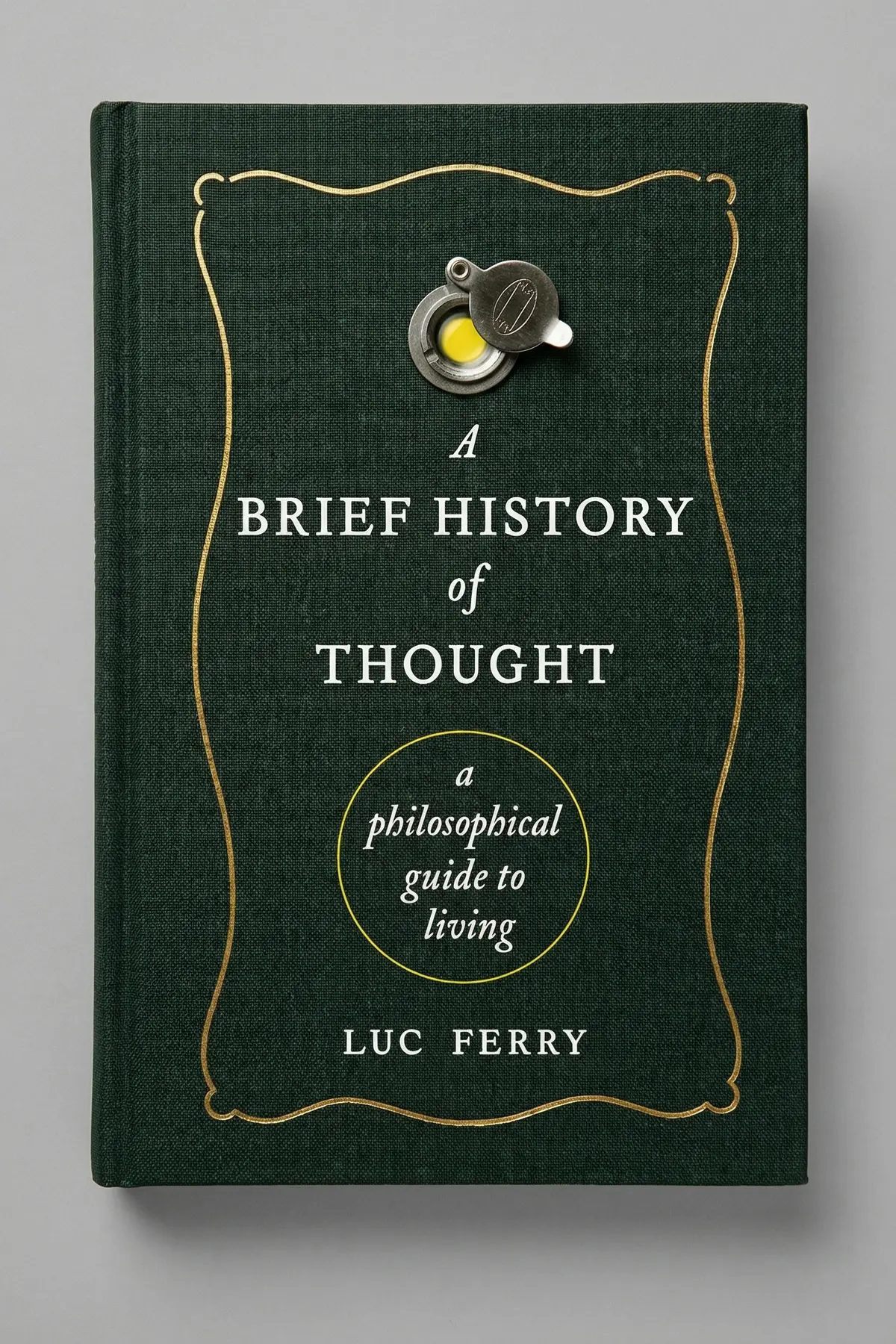
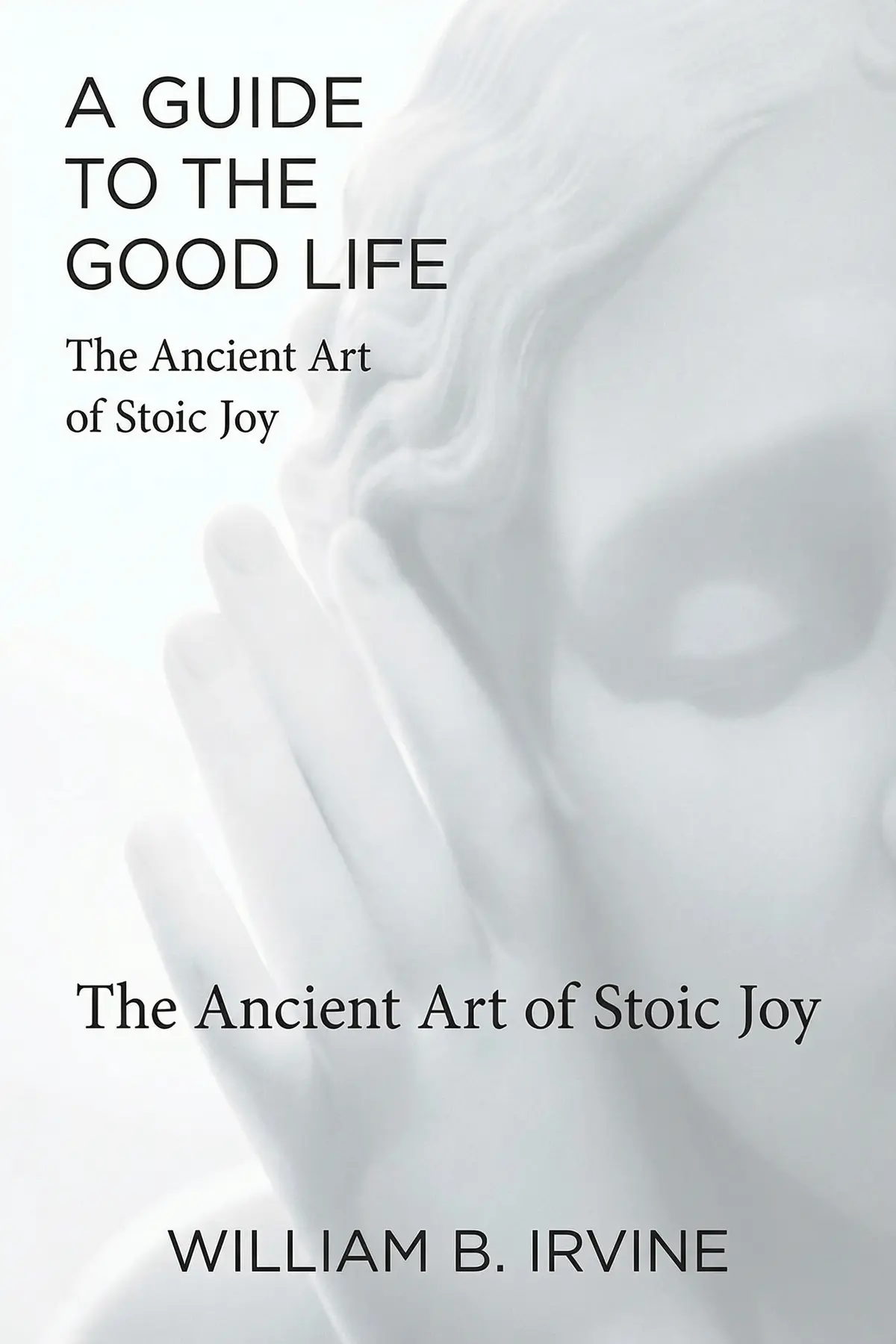
William B. Irvine
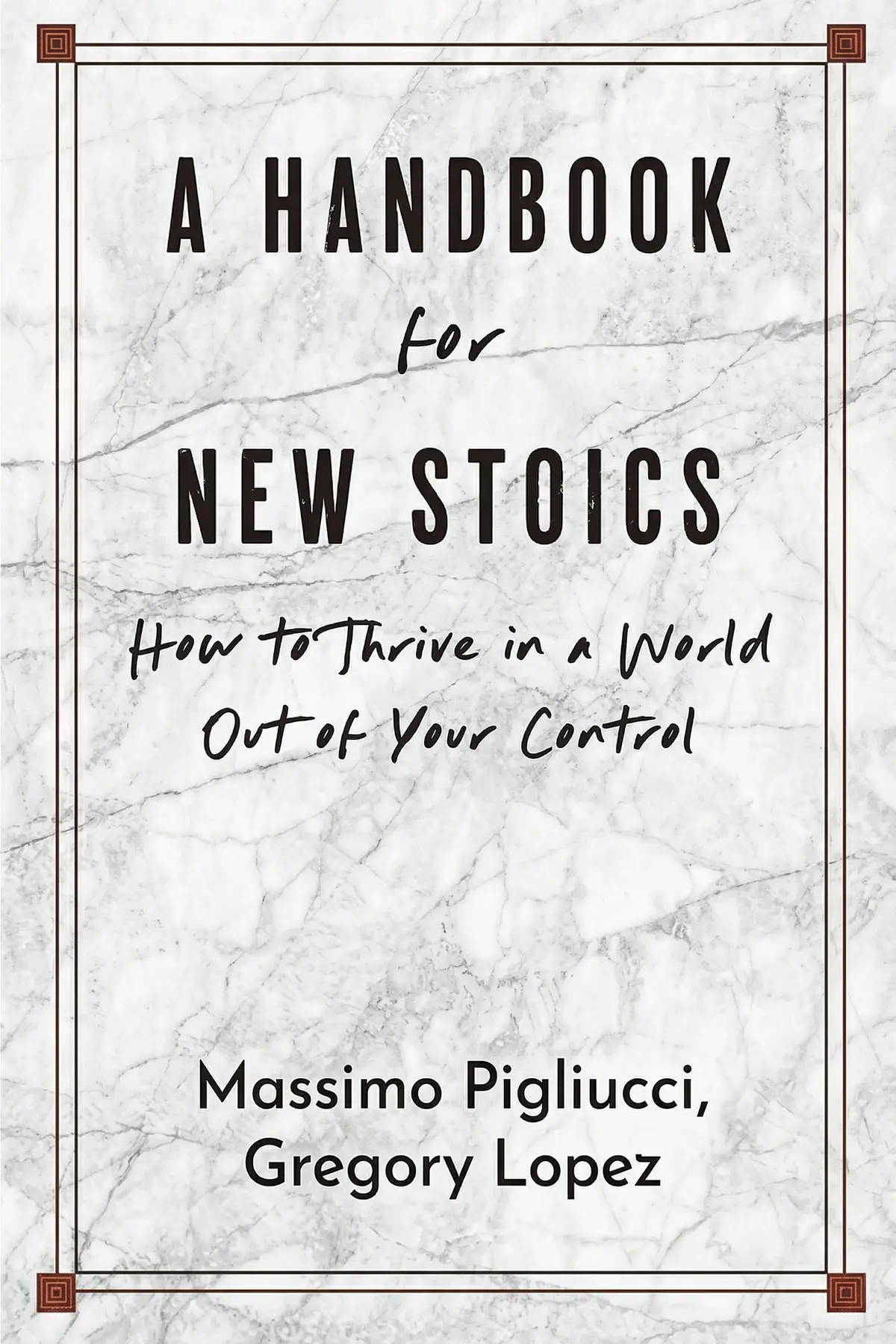
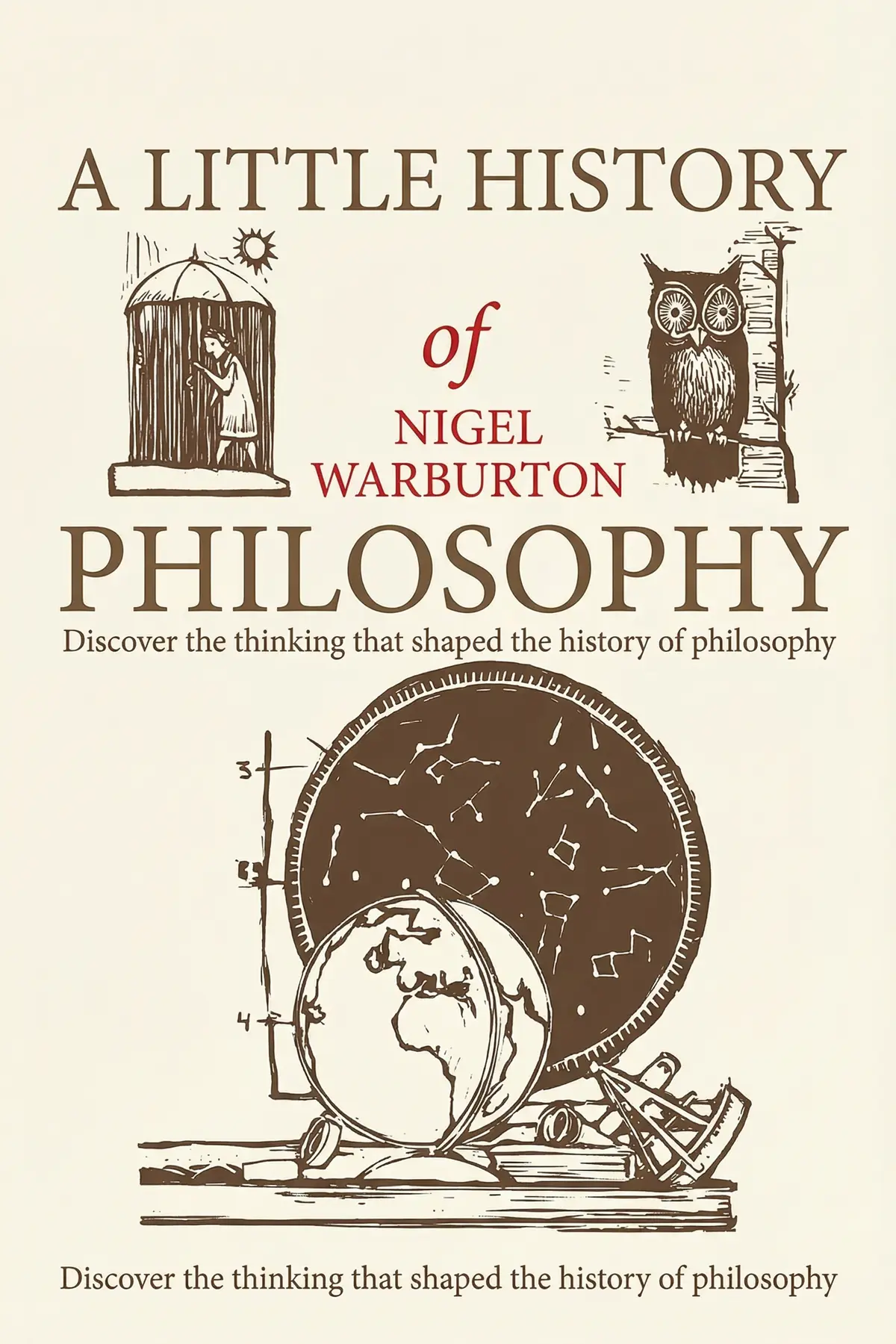
Nigel Warburton
John Rawls
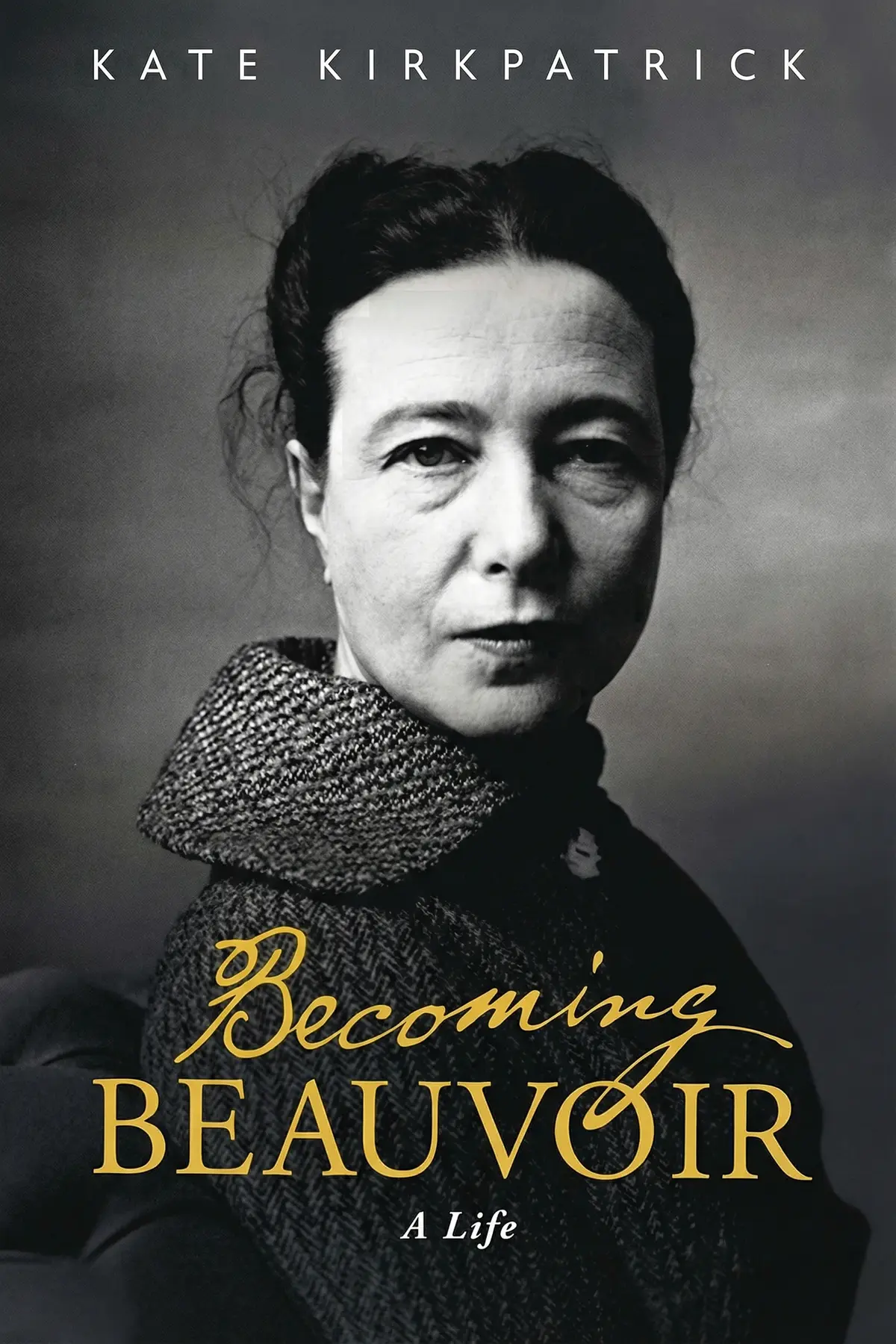
Kate Kirkpatrick
Jean-Paul Sartre
AUDIO SUMMARY AVAILABLE
Get the key ideas from On the Shortness of Life by Seneca, plus 5,000+ more titles in English and Thai.