

22 min 37 sec
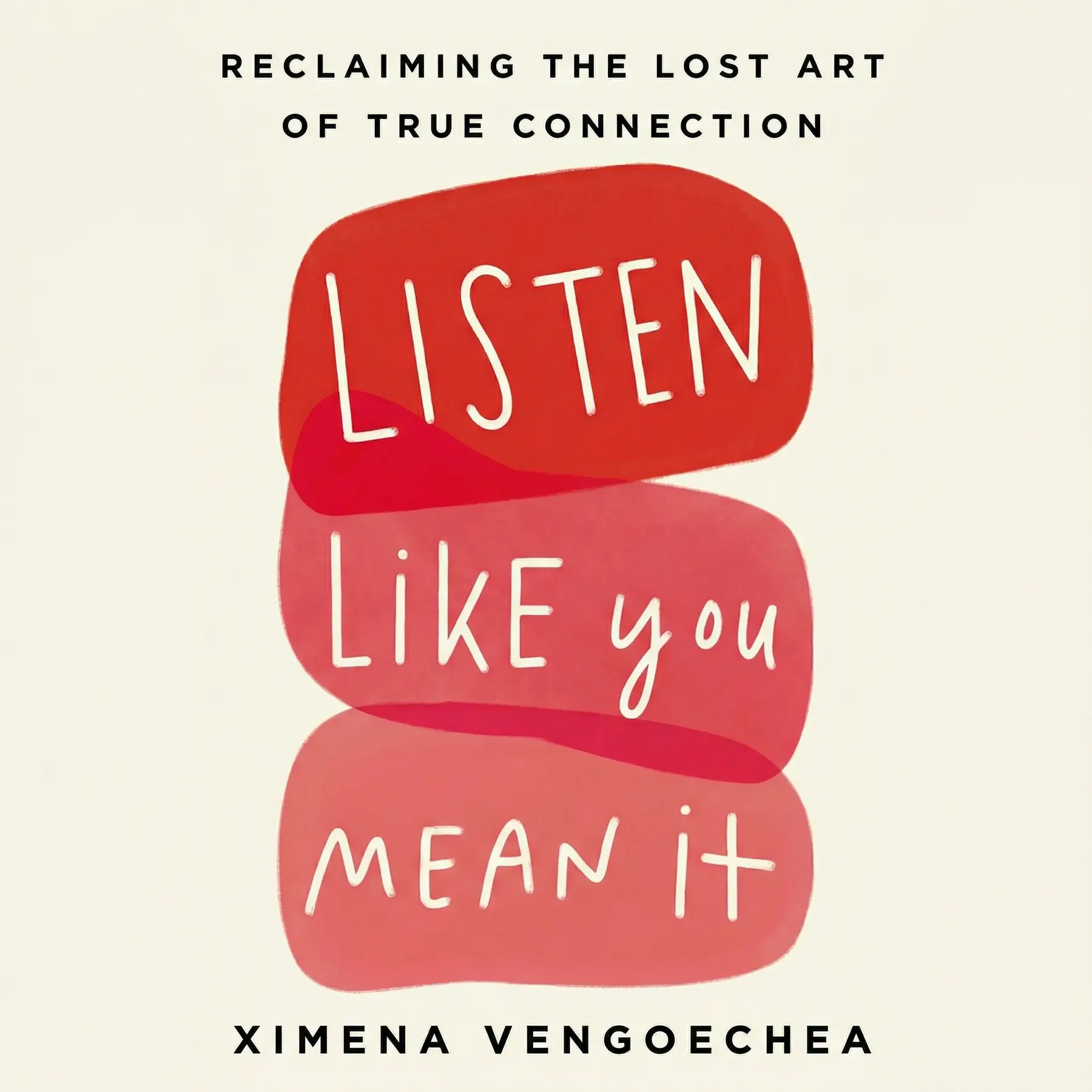
Listen Like You Mean It: Reclaiming the Lost Art of True Connection
Discover how to transform your interactions by moving from passive hearing to empathetic listening. This guide provides tools to decode hidden needs, ask better questions, and build deeper, more authentic connections.
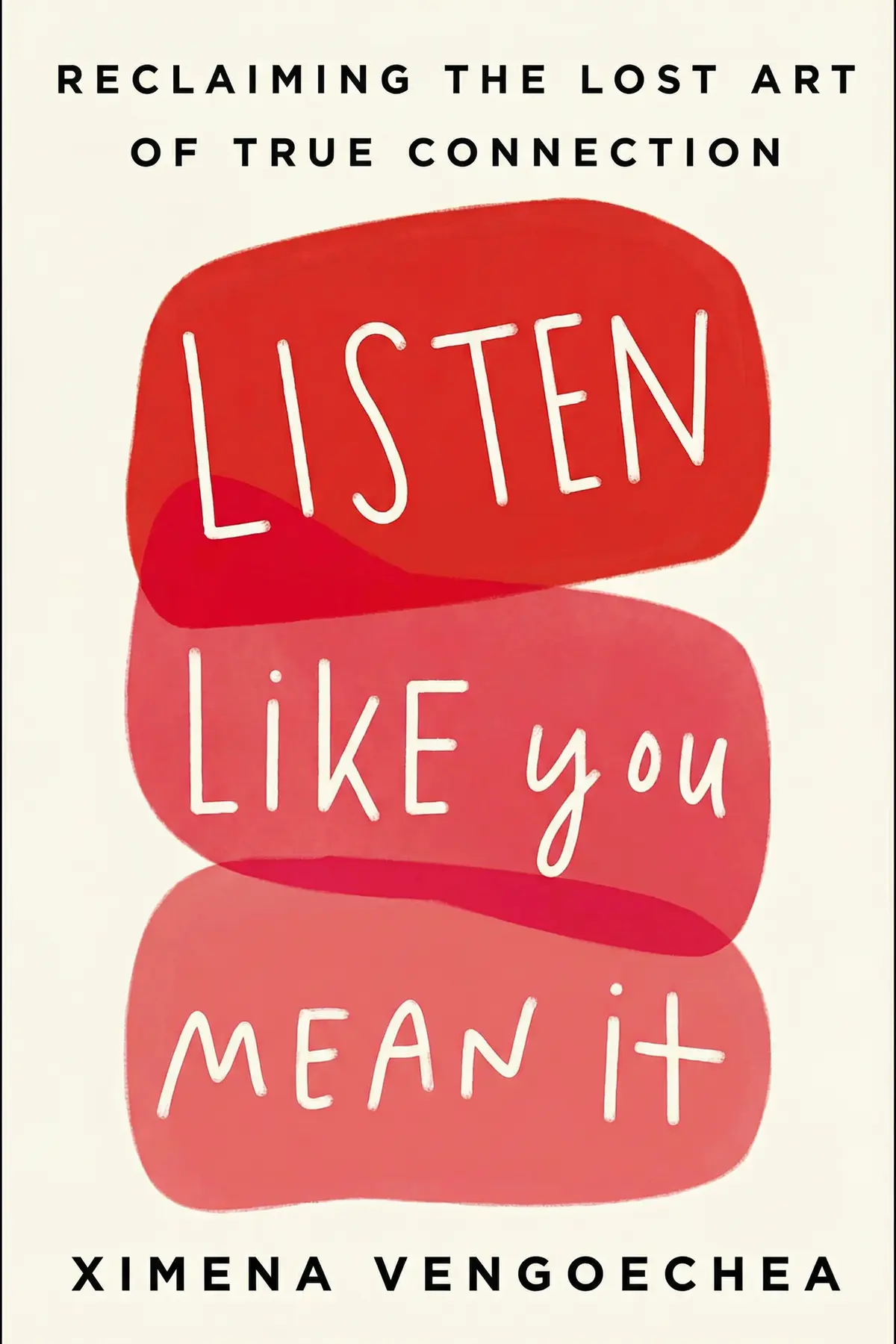
Table of Content
1. Introduction
1 min 59 sec
In our fast-paced, digitally-driven world, we often find ourselves in a strange paradox: we are more connected than ever, yet many of us feel increasingly misunderstood. We participate in countless exchanges every day, but how many of those interactions leave us feeling truly seen? The truth is that while most of us believe we are decent listeners, we are often merely waiting for our turn to speak or processing information at a purely superficial level. We hear the words, but we miss the music. We capture the data, but we lose the soul of the message. This gap between hearing and understanding is where connections fail and relationships wither.
True listening is not a passive act; it is a dynamic, intentional practice that requires us to step outside our own perspectives and enter the world of another person. It involves a shift from being a recipient of information to being a partner in a shared experience. When we fail to make this shift, we fall into the trap of surface listening, where we project our own biases, offer unhelpful advice, or miss the subtle emotional cues that tell the real story. This lack of depth doesn’t just happen with strangers; it happens with our friends, our partners, and our colleagues, leading to a sense of isolation even in the midst of a crowded room.
Over the course of this summary, we are going to explore how to reclaim this lost art. We will look at the internal work required to prepare our minds for deep engagement, the external observations needed to read the room, and the practical verbal tools that can turn a stalled conversation into a breakthrough. We’ll examine the different roles we play when we listen and how to adjust those roles to meet the specific needs of the person across from us. Most importantly, we will establish a throughline of empathy—a commitment to understanding others on their own terms. By the time we conclude, you will have a comprehensive toolkit for listening like you mean it, transforming your conversations from transactional exchanges into meaningful connections that resonate long after the words have stopped.
2. Transitioning from Surface to Empathetic Listening
2 min 13 sec
Uncover why simply hearing words isn’t enough for true connection and how adopting a specific mindset can transform your daily interactions.
3. The Power of Presence and Observation
2 min 32 sec
Learn why your internal state and your ability to read non-verbal cues are just as important as the words being spoken.
4. Decoding Listening Styles and Hidden Needs
2 min 23 sec
Identify your default listening role and discover how to adapt it to provide what your partner truly requires in the moment.
5. Mastering the Art of Connecting Questions
2 min 21 sec
Explore the strategic use of open-ended inquiries to unlock deeper stories and avoid the trap of making false assumptions.
6. Embracing Flexibility and the Power of Silence
2 min 23 sec
Discover how improv techniques and the deliberate use of pauses can reveal truths that words often miss.
7. Navigating Off-Track Conversations with Grace
2 min 11 sec
Learn how to politely steer a rambling or avoidant speaker back to the core of the discussion without causing offense.
8. Bridging Social and Personal Divides
2 min 27 sec
Understand how power dynamics, cultural differences, and personal triggers can distort communication and how to manage them.
9. Setting Boundaries and Managing Listener Drain
2 min 12 sec
Discover why knowing when to stop listening is just as important as knowing how to start, and how to protect your emotional energy.
10. Conclusion
1 min 56 sec
We have explored the profound difference between simply hearing words and truly listening to the human experience. Through the lens of empathetic listening, we’ve seen that connection is not something that happens by accident; it is something we build through intention, presence, and a willingness to be curious about the world of another person. We’ve discussed how to prepare our internal state, how to read the non-verbal cues that tell the real story, and how to use connecting questions to dive beneath the surface of everyday talk.
We also acknowledged the practical realities of conversation—the need for flexibility, the importance of silence, and the necessity of redirecting when a talk goes off-course. We looked at the social barriers that can distort our understanding and the vital importance of setting boundaries to prevent emotional burnout. All of these tools serve a single purpose: to bridge the gap between ourselves and others, creating a shared space where truth can be told and heard without judgment.
The throughline of all these techniques is the recognition that every person you encounter has a unique inner life that is worth understanding. When you listen like you mean it, you are not just gathering information; you are offering a gift of attention that is increasingly rare in our world. This practice doesn’t just change your conversations; it changes your relationships, your professional life, and your own perspective on humanity.
As you move forward, start small. Choose one interaction today where you commit to being fully present. Leave your phone aside, quiet your internal monologue, and listen for the music behind the words. Notice the shifts in tone, the pauses in breath, and the hidden needs. By practicing these skills consistently, you will find that your connections grow deeper, your misunderstandings decrease, and your world becomes a much more vibrant and connected place. The art of listening is the art of being human—and it is a skill that is always within your reach to reclaim.
About this book
What is this book about?
In an era of digital distractions and surface-level interactions, the ability to truly connect with others has become a rare and valuable skill. This summary explores the philosophy and practice of deep listening, moving beyond the literal words spoken to understand the emotions and intentions beneath the surface. It addresses common conversational pitfalls, such as making assumptions or centering the dialogue on ourselves, and offers a roadmap for reclaiming the art of genuine human engagement. You will learn how to cultivate a mindset of humility and curiosity, how to read non-verbal cues like a professional researcher, and how to navigate difficult or high-stakes conversations with grace. The promise of this book is not just better communication, but stronger relationships and a more profound understanding of the people around you. By mastering these techniques, you can turn every exchange into an opportunity for growth and mutual discovery, ensuring that those you speak with feel seen, heard, and valued.
Book Information
About the Author
Ximena Vengoechea
Ximena Vengoechea is a San Francisco–based user researcher who has worked at various tech-focused companies including Pinterest, LinkedIn, and Twitter. She is also a writer and illustrator whose work has appeared in the Washington Post, Newsweek, the Huffington Post, and Inc. Listen Like You Mean It is her first book.
Ratings & Reviews
Ratings at a glance
What people think
Listeners find the book to be a superb introductory guide for sharpening listening abilities, with one listener mentioning it provided personal benefit. Additionally, the content is deeply perceptive, and one listener highlighted the fascinating real-world scenarios featured. Listeners also value the visual elements, as one person described the illustrations as amazing.
Top reviews
Fah
Ximena Vengoechea has crafted something special here that feels like a master class in human connection. We live in such a loud, distracted world that actually hearing what someone is meaning rather than just what they are saying is a superpower. I loved the little drawings throughout; they add a layer of warmth and make the dense psychological concepts much easier to digest. One of my favorite takeaways was the section on how to respectfully exit a conversation, which is something I’ve always struggled with. To be fair, some of the techniques take real practice to feel natural, but the shift toward empathetic listening has already improved my relationships on a personal level. It's an excellent primer for anyone looking to bridge the gap between surface-level small talk and genuine, deep intimacy.
Show moreAey
As someone who works in a people-facing role, I found this book incredibly insightful. The book is definitely a deep dive, but it never feels dry because of the author’s professional background. I found the 'connecting questions' useful, and I think the techniques are brilliant for building rapport quickly. In my experience, real conversations are messier than the examples provided here, but having these frameworks helps navigate the chaos. That said, the illustrations are fantastic and the overall message about the importance of being present is vital. It’s a great read that helped me on a personal level by making me realize how often I am actually 'over threshold' and unable to listen properly. Highly recommended for those who want to deepen their social ties.
Show moreMonthon
The chapter on being over threshold was a total game-changer for me. It’s so easy to forget that our physical and mental state dictates how well we can show up for others. This book is more than just a guide on how to talk; it’s about how to be a better human in an era of digital disconnect. I loved the emphasis on curiosity and the reminder that we often stop listening because we think we know what the other person will say. The illustrations are truly amazing and make the reading experience feel very personal and warm. Truth is, I think everyone should read this. It provides a much-needed way forward for building authentic connections in a culture that often feels very divided and loud.
Show moreSiriphen
Picked this up on a whim after realizing I'm a chronic interrupter. It’s been a bit of a wake-up call for my ego. The section on surface listening hit home—I realized how often I project my own experiences onto others instead of just letting them speak their truth. Vengoechea’s writing is accessible, though she sometimes gets a bit deep into the UX weeds. The book is incredibly insightful when it discusses how our devices and current culture of self-promotion have eroded our ability to connect. Not gonna lie, some of the exercises felt a little awkward to try out in real time, but the mindset shift is valuable. The amazing illustrations really do help keep the tone light when the subject matter gets a bit heavy on self-reflection.
Show morePranee
Finally got around to reading this, and it’s a solid 4-star experience. The core idea of training your ear to detect shifts in a person's baseline is fascinating, though it requires a lot of mental bandwidth. I’ve started paying more attention to pitch and expressiveness in my meetings at work, and it really does reveal a lot about what isn't being said. My only gripe is that some of the advice feels a bit too clinical for a night out with friends. However, the author’s emphasis on empathy and vulnerability is exactly what we need in this divided age. Look, it’s not a perfect manual, but it’s an excellent primer for anyone who wants to stop just waiting for their turn to speak and start actually connecting.
Show moreJiraporn
Ever wonder why you feel lonely even after a long lunch with a friend? This book explains that disconnect perfectly. We are often just hearing words without understanding the underlying emotion. Vengoechea encourages us to be 'neutral Switzerland,' which is a tough but rewarding way to approach dialogue. The real-life examples she shares are relatable and help illustrate how easily we fall into the trap of surface-level listening. I particularly liked the focus on non-verbal cues, even if some of the pitch stuff felt a bit rigid. It’s an amazing opportunity for self-reflection. If you’re looking to deepen your ties with family or coworkers, there is plenty of wisdom to be found in these pages. It is a very thoughtful guide.
Show moreRyan
After hearing a lot of buzz about this one, I dived in expecting a general communication guide. It mostly delivered, but be warned: the author’s UX research roots are very visible. Personally, I enjoyed the professional anecdotes, but I can see why some might find it a bit too technical. The advice on asking connecting questions and staying flexible during a conversation is gold. To be fair, I felt it dragged a bit in the middle and could have been tightened up by about fifty pages. Still, the visual aids are great and the focus on empathetic listening is handled with a lot of grace. It’s a helpful guide for those of us who want to improve our social ties and make others feel truly seen.
Show moreWararat
Is this a business book or a self-help guide? I found myself asking that question frequently because the balance felt off. While the author provides some incredibly insightful real-life examples from her career, the transition to everyday application wasn't always seamless. The truth is, about seventy percent of the content feels geared toward professional interviewing techniques. I enjoyed the concept of 'neutral Switzerland' and staying curious, but I fret that the sheer number of frameworks will be hard to recall in the heat of a real conversation. It’s a helpful guide, certainly, but it overstays its welcome by about a hundred pages. I did appreciate the focus on non-verbal cues and establishing a baseline for your conversation partner, though it’s a lot to keep track of for a casual chat.
Show morePim
I really wanted to love this because I struggle with staying present in conversations, but it missed the mark for me. The author’s background as a UX researcher dominates the narrative far too much, making it feel like a professional manual rather than a guide for daily life. Frankly, I found the charts about voice pitch being 'submissive' or 'authoritative' to be quite problematic and even a bit sexist. It suggests a rigid way of interpreting people that doesn’t account for neurodiversity or cultural differences. While the illustrations are cute and help break up the text, the advice often feels impractical for a casual coffee date with a friend. If I started analyzing my mom's baseline pitch during Sunday dinner, she’d think I’d lost my mind. It could have been much shorter without losing its core message.
Show moreWitthaya
Not what I expected based on the title. I was looking for ways to have better conversations with my kids and spouse, but a lot of this felt like I was being trained to conduct a professional user interview. Some of the techniques suggested would definitely make my friends ask why I’m talking so weirdly. For example, the hyper-focus on monitoring someone's eye contact and fidgeting as a baseline feels a bit clinical and potentially ableist. While there are a few helpful reminders about not interrupting and staying curious, the book is far too long for what it actually offers. It’s an interesting look into the mind of a researcher, but as a practical tool for ordinary life, it mostly falls short.
Show moreReaders also enjoyed


AUDIO SUMMARY AVAILABLE
Listen to Listen Like You Mean It in 15 minutes
Get the key ideas from Listen Like You Mean It by Ximena Vengoechea, plus 5,000+ more titles in English and Thai.
- 5,000+ titles
- Listen as much as you want
- 7-day free trial
- Cancel anytime







