
10 min 13 sec
Loving What Is: Four Questions That Can Change Your Life
By Byron Katie
Explore a transformative method for ending mental suffering. By questioning stressful beliefs through a simple four-question process, you can find clarity, peace, and a more profound connection to the reality of your life.
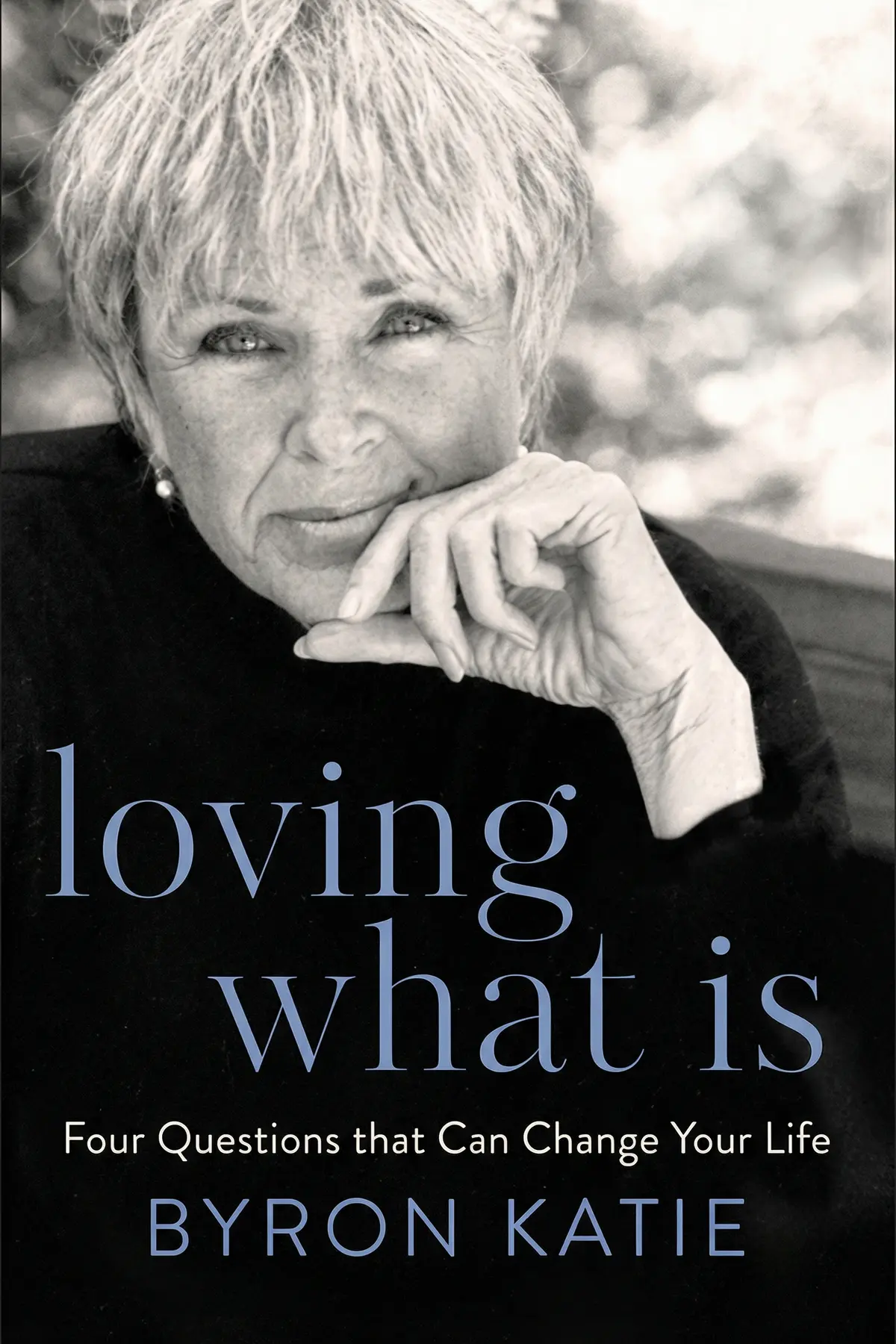
Table of Content
1. Introduction
1 min 25 sec
Most of us walk through life under a heavy cloud of stress. We feel overwhelmed by our jobs, frustrated by our partners, or deeply anxious about the state of the world. We often assume that this suffering is an inevitable response to the circumstances we face. If our partner is distant, we feel sad; if we face financial hurdles, we feel panicked. It seems as though our environment dictates our emotional state. But what if that entire premise is actually a misunderstanding of how the human mind works?
This is the central inquiry of our journey today. We are exploring a method of self-examination called The Work. It is a straightforward yet incredibly deep system for deconstructing the thoughts that cause us pain. The core idea is that reality itself is never the problem; rather, it is our internal argument with reality that creates the friction. When we stop demanding that the world be different than it is, we find a sense of peace that we previously thought was impossible.
Over the next several minutes, we will walk through the specific steps of this inquiry. We will look at how our interpretations of events are often the true source of our agony and how four simple questions can act as a key to unlock a more fulfilling life. By the end, you’ll see how this process can be applied to everything from minor daily annoyances to the biggest challenges in your career and relationships. Let’s begin by looking at the architecture of our thoughts.
2. The Root of Suffering in Interpretation
1 min 45 sec
Discover why it isn’t the events of your life that cause pain, but the stories you construct about those events and the people around you.
3. The Four Questions of Inquiry
2 min 02 sec
Learn the systematic process of questioning your beliefs to dismantle the stress they cause and uncover a more objective perspective.
4. The Turnaround Technique
1 min 54 sec
Explore how reversing your stressful thoughts can reveal hidden truths and offer a more balanced view of your reality.
5. Acceptance and Action in Harmony
1 min 49 sec
Discover how embracing reality as it is—even the parts you cannot control—empowers you to take more effective and peaceful action.
6. Conclusion
1 min 18 sec
The journey through Byron Katie’s method brings us to a singular, liberating conclusion: our peace of mind is entirely our own responsibility. We have seen that stress is not a natural result of our environment, but a consequence of our uninvestigated thoughts. By using the four questions and the turnaround, we can dismantle the mental structures that keep us trapped in cycles of fear, anger, and disappointment.
This doesn’t mean that life will suddenly become free of challenges. There will still be rainy days, difficult colleagues, and moments of uncertainty. However, the way you experience these events can be fundamentally transformed. When you master the art of questioning your own mind, you stop being at the mercy of every passing thought. You become a person who can face any situation with a sense of curiosity and calm.
As you move forward, try this simple practice: the next time you feel a surge of stress, don’t look at the person or situation in front of you. Look at the thought you are having about them. Write it down, ask if it’s true, and see who you would be without it. By loving what is, you aren’t settling for less—you are opening yourself up to the fullness of life as it truly exists. You are choosing freedom over the need to be right, and in that choice, you find the fulfillment you’ve been seeking all along.
About this book
What is this book about?
This summary explores a powerful self-inquiry process known as The Work. It suggests that our psychological pain does not stem from external events, but from the unexamined stories we tell ourselves about those events. By systematically investigating our stressful thoughts, we can dismantle the foundations of our anxiety and frustration. The promise of this approach is a life lived in alignment with reality rather than in a constant, losing battle against it. Through practical examples involving relationships, career struggles, and even the weather, the text demonstrates how shifting our internal perspective leads to external freedom. It provides a roadmap for anyone looking to move beyond feelings of powerlessness and toward a more fulfilling, present existence.
Book Information
About the Author
Byron Katie
Byron Katie is an author and speaker who underwent a life-altering realization following a decade-long descent into severe depression and despair. Since the 1980s, she has dedicated her life to sharing her method of self-inquiry with the world, helping individuals overcome unhappiness and lead more satisfied lives through her unique approach to mental freedom.
Ratings & Reviews
Ratings at a glance
What people think
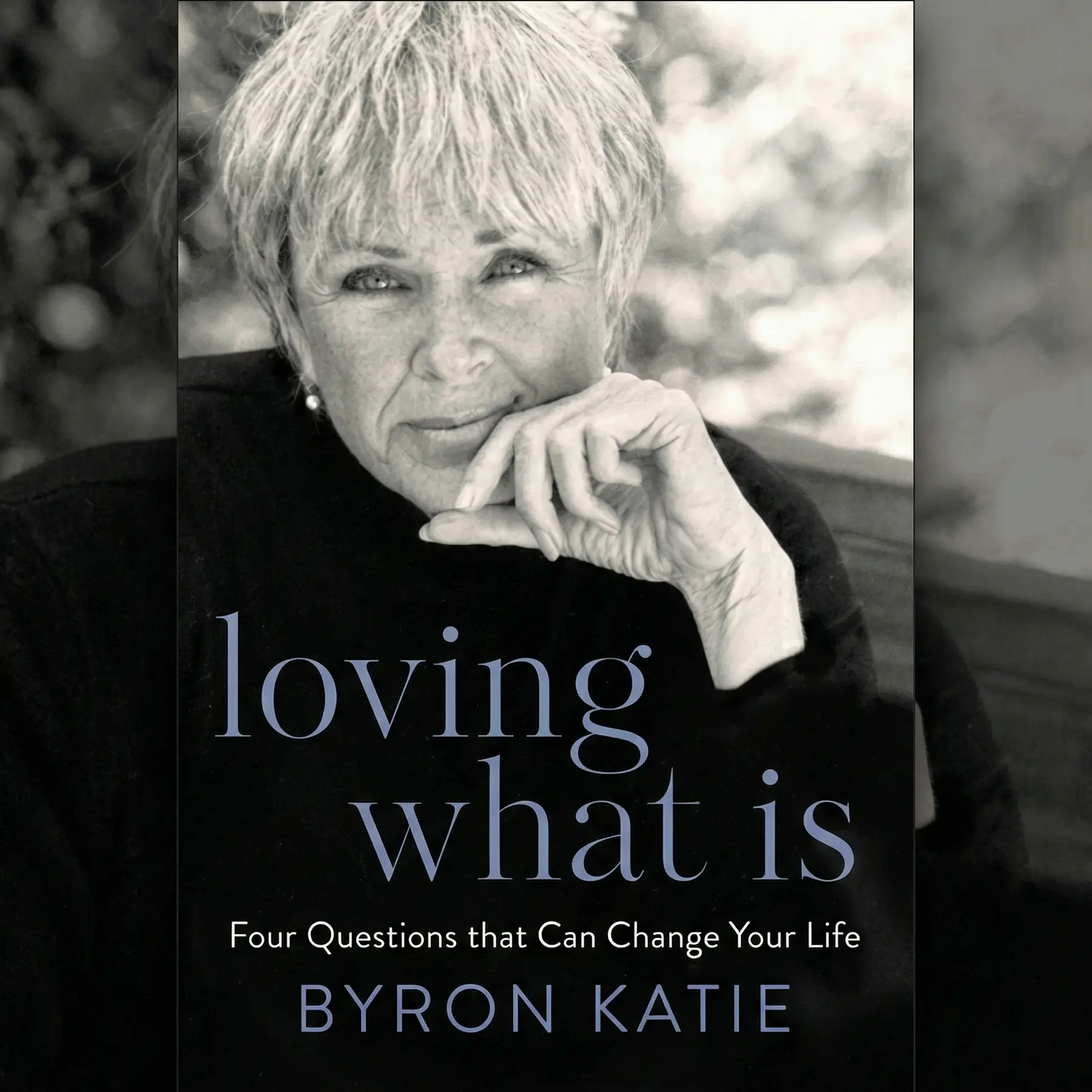
Listeners describe the book as life-altering, assisting them in challenging their own thoughts and fundamentally shifting their worldviews. Moreover, the material is highly educational, with listeners finding it applicable across various life scenarios. It is also noted for being accessible and functioning as a solid resource for healing. Conversely, listeners express conflicting views on its readability, and some consider it potentially damaging.
Top reviews
Felix
This book completely shifted the way I process my anxiety and internal stress. Byron Katie introduces "The Work," which consists of four simple questions that challenge the validity of our stressful thoughts. I found the concept of staying in "my own business" rather than worrying about God’s or yours to be a total revelation. It sounds simplistic on the surface, but when you actually sit down with a worksheet, the results are profound and immediate. To be fair, some of the case studies in the book feel a bit extreme or dated, yet the core methodology remains incredibly effective for daily stressors. I used to spend hours ruminating on what people thought of me, but now I just ask, "Is it true?" Usually, the answer is a resounding no. It’s a tool for healing that I’ll keep in my mental health toolkit forever. If you are willing to look at your own projections, this will change everything.
Show moreWillow
After hearing so many people rave about Byron Katie, I finally picked this up. It is easily one of the most transformative books I have ever encountered. The simplicity of the four questions allows you to dismantle years of resentment in just a few minutes of inquiry. Truth is, I was skeptical of the "loving what is" mantra because it sounded like passive resignation. Instead, I discovered it’s about ending the internal war so you can actually act with clarity. The examples of "The Work" being done in real-time helped me understand how to apply the turnarounds to my own life. It’s incredibly easy to follow and doesn’t require any prior knowledge of philosophy or meditation. My view of my relationships has completely changed for the better. This is a must-read for anyone who feels stuck in their own head and wants a clear path toward emotional freedom.
Show morePawinee
Wow. This is the fast-track to mental peace. Katie explains that we are the projectors of our own world; if the movie we’re watching is scary, we need to check the lens. I’ve spent years in traditional talk therapy, but these four questions got to the root of my issues faster than anything else. Can you absolutely know it’s true? That question alone has saved me from dozens of unnecessary arguments this week. The writing is clear and the exercises are straightforward enough for anyone to try. Not gonna lie, the turnarounds are difficult at first because they challenge your ego's desire to be "right." But if you want to be happy instead of right, buy this book. It is a life-changing resource for healing that requires nothing but a pen, paper, and an open mind. I am honestly shocked at how much better I feel after just one week of practice.
Show moreWichai
Finally got around to reading this classic self-help title, and it lives up to the hype. Byron Katie has a very unique way of cutting through the noise of the human mind. The core message is that we don't need the world to change to be happy; we just need to change our thoughts about it. This isn't just "positive thinking"—it's a deep inquiry into the nature of truth and our attachment to suffering. The book is very easy to follow, and the live dialogues provide a great template for how to do the work yourself. Truth is, I feel much more equipped to handle life's curveballs now. It completely changed my view of what it means to be "in control." I've already recommended it to several friends who struggle with overthinking and chronic worry. Truly a masterclass in psychological freedom and personal accountability.
Show moreViroj
Ever wonder why you’re so angry at people who probably aren’t even thinking about you? Loving What Is explains that our suffering comes from our thoughts about reality, not reality itself. The "turnaround" exercises are particularly eye-opening because they force you to see how you are often guilty of the very things you criticize in others. Look, the writing style is a bit repetitive and the dialogue transcripts can be a chore to get through after a while. However, the underlying message about radical acceptance is something I really needed to hear. It’s a very informative guide for anyone stuck in a cycle of blame or victimhood. While I don’t agree that this applies to every single tragedy in human history, it works wonders for interpersonal conflicts and self-esteem. It’s definitely a solid addition to the self-help genre and serves as a great starting point for those new to inquiry.
Show moreNannapat
Picked this up during a particularly rough patch in my marriage. I was constantly making lists of things my husband "should" do, and it was making me miserable. The concept that "arguing with reality" is what causes our pain hit me like a ton of bricks. Once I started doing The Work on my judgments, I realized how much of my stress was self-imposed by my own expectations. It's not a light read—not because the language is hard, but because the self-reflection required is quite intense. Gotta say, some of the transcripts in the book felt a bit repetitive, and I skipped a few toward the end. Still, the impact on my daily happiness has been undeniable. It’s a very practical guide that provides a structured way to handle conflict without feeling like a doormat. I feel much lighter now and less prone to reacting to every perceived slight.
Show moreErn
The chapter on "The Three Kinds of Business" alone is worth the price of admission. It’s such a simple way to categorize the world: my business, your business, and God’s (reality's) business. I realized I was spending about 90% of my time in everyone else’s business, which explains why I was so exhausted! This book is extremely informative and offers a very useful framework for setting emotional boundaries. While I found the author’s stance on physical illness a bit questionable—she implies we cause our own suffering even when sick—the mental shifts are still valuable. It’s a tool for healing that requires a lot of honesty and a willingness to be wrong about your own stories. The formatting makes it easy to dip in and out of. Definitely a solid 4-star read for the self-improvement crowd who wants actionable steps rather than just theory.
Show moreCharlotte
Honestly, I was ready to hate this book within the first ten pages. It felt a bit "woo-woo" and the author's personal story seemed almost too good to be true. But as I actually tried the exercises on some of my recurring grievances, I couldn't deny that it worked. Asking "Who would you be without that thought?" is a powerful way to visualize a life without resentment. It’s a very practical tool for anyone who feels victimized by their circumstances or their past. My only gripe is that the book is a bit long-winded; the same points are made repeatedly through different examples, which can feel like a bit of a slog if you've already grasped the primary concept. To be fair, maybe that repetition is necessary for the concepts to really sink in. It’s a healing tool that I'll definitely revisit whenever I find myself spiraling into negativity.
Show moreNutnicha
As someone who has studied a lot of Buddhism, I found this to be a mixed bag. On one hand, the emphasis on radical acceptance and questioning the ego is very much in line with ancient wisdom. Byron Katie has a knack for making these complex psychological concepts accessible to a general audience. However, I found her tone to be somewhat arrogant at times, as if these four questions are the only path to salvation. Life is infinitely complex, and a one-size-fits-all solution often falls short when dealing with deep-seated clinical depression or systemic injustice. Personally, I think the book works best as a supplement to other forms of therapy rather than a total replacement. It’s a useful tool for clearing up "mental lint," but don't expect it to solve every nuance of the human experience. It’s worth a read, but keep your critical thinking cap on while navigating her more absolute claims.
Show moreRung
Not what I expected, and frankly, some of it was quite disturbing. While the initial idea of questioning your thoughts seems helpful for minor annoyances, the way Katie applies it to trauma is irresponsible. The chapter regarding sexual abuse and the "turnaround" suggested for a victim made me feel physically ill. Telling someone who was abused as a child to find "their part" in the situation is victim-blaming at its worst. I understand the goal is total mental liberation, but this approach ignores clinical reality and the power dynamics of trauma. In my experience, suggesting that "there is no such thing as verbal abuse" is a dangerous message to send to vulnerable readers. There are better ways to find peace that don’t involve gaslighting yourself about your own history. I gave it two stars because the "three types of business" concept is actually a decent boundary-setting tool, but the rest is problematic.
Show moreReaders also enjoyed
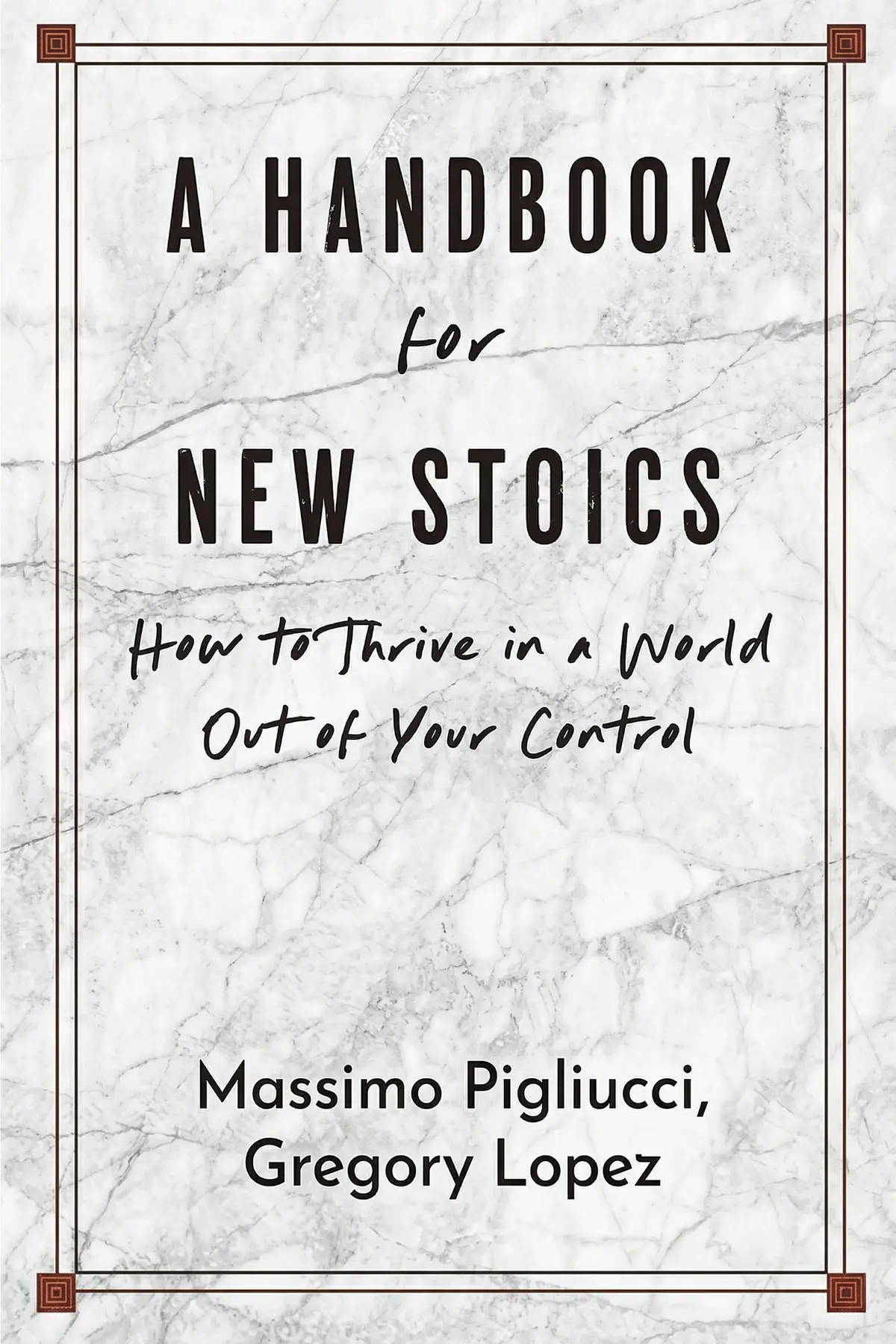
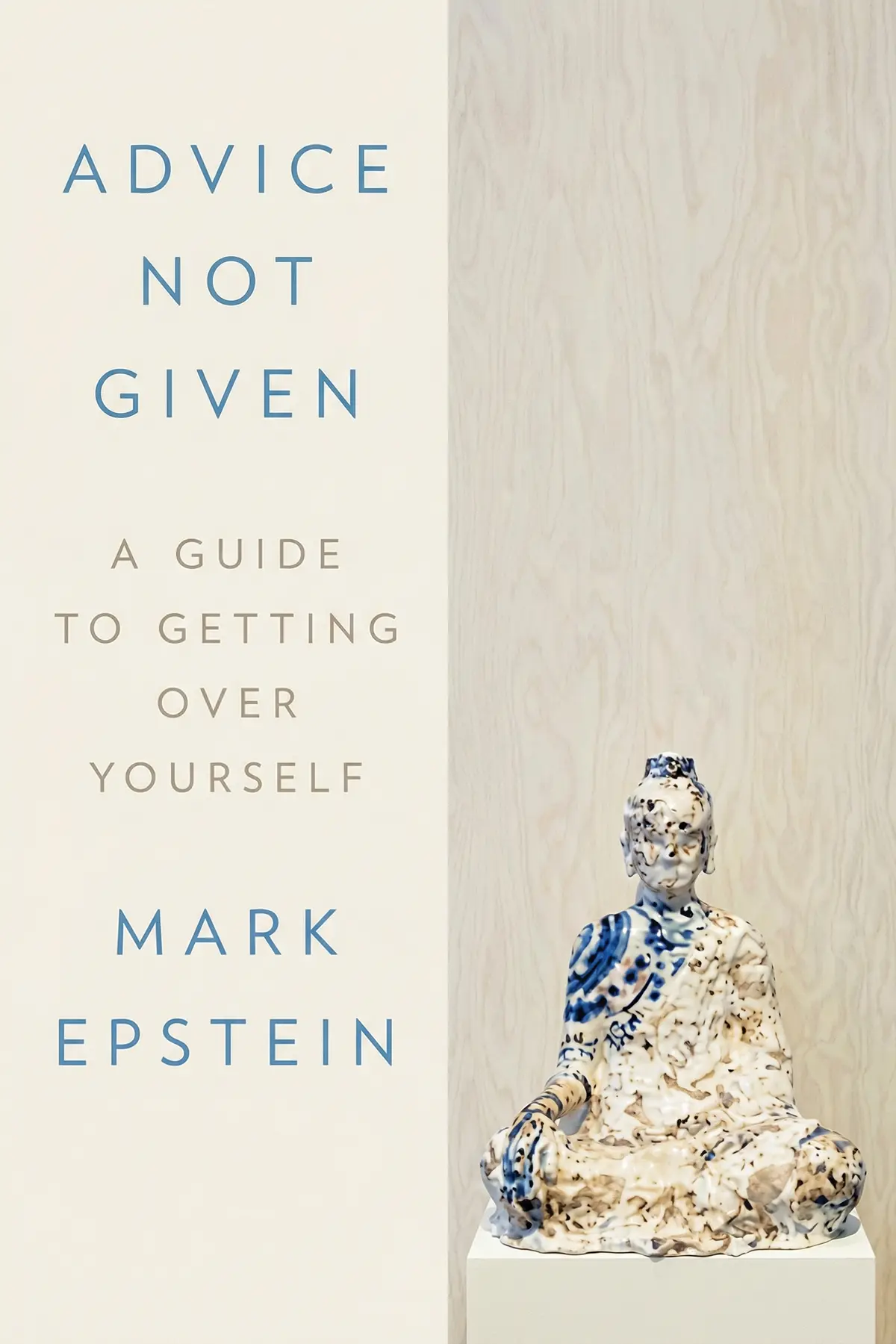
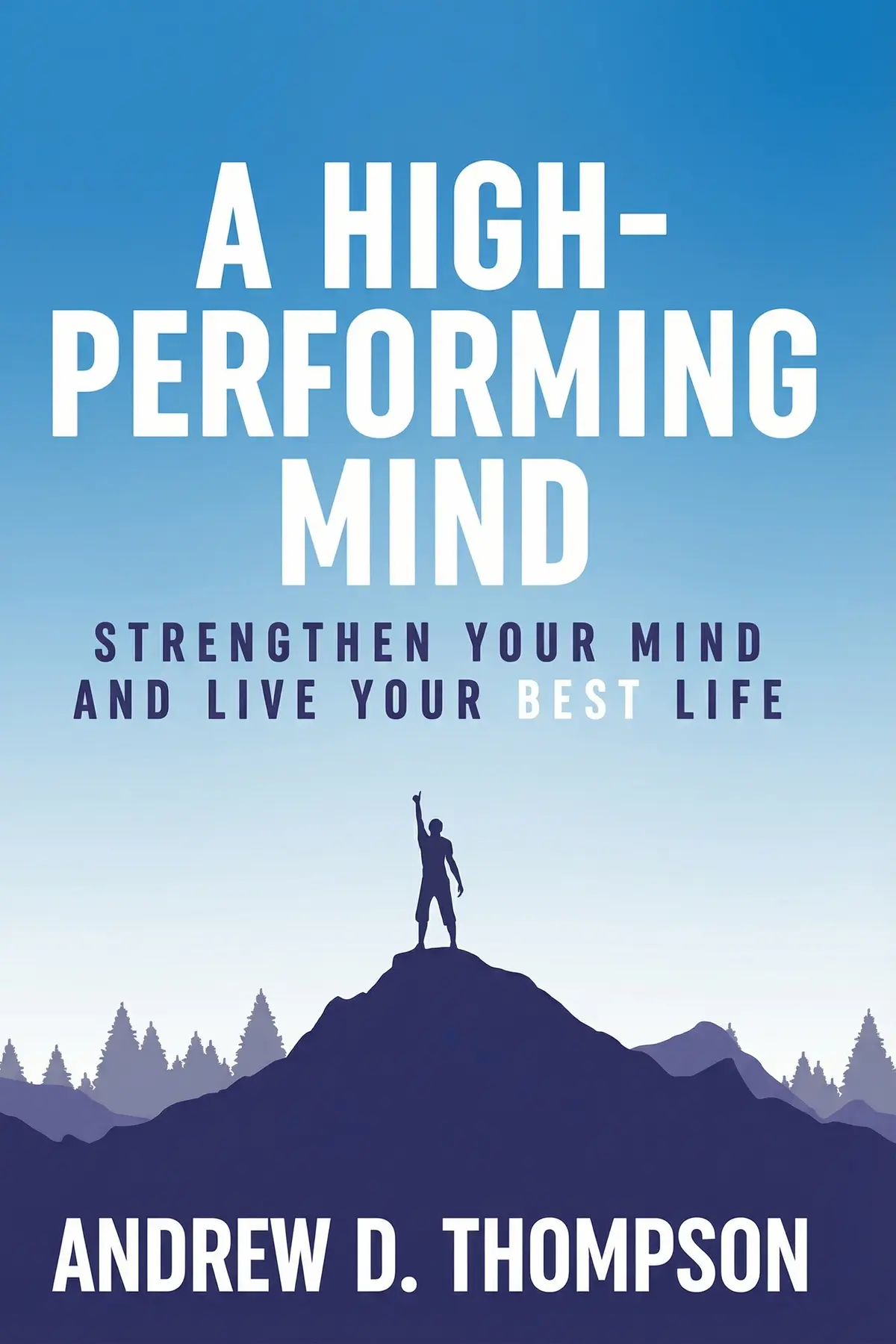
A High-Performing Mind: Strengthen Your Mind and Live Your Best Life
Andrew D. Thompson
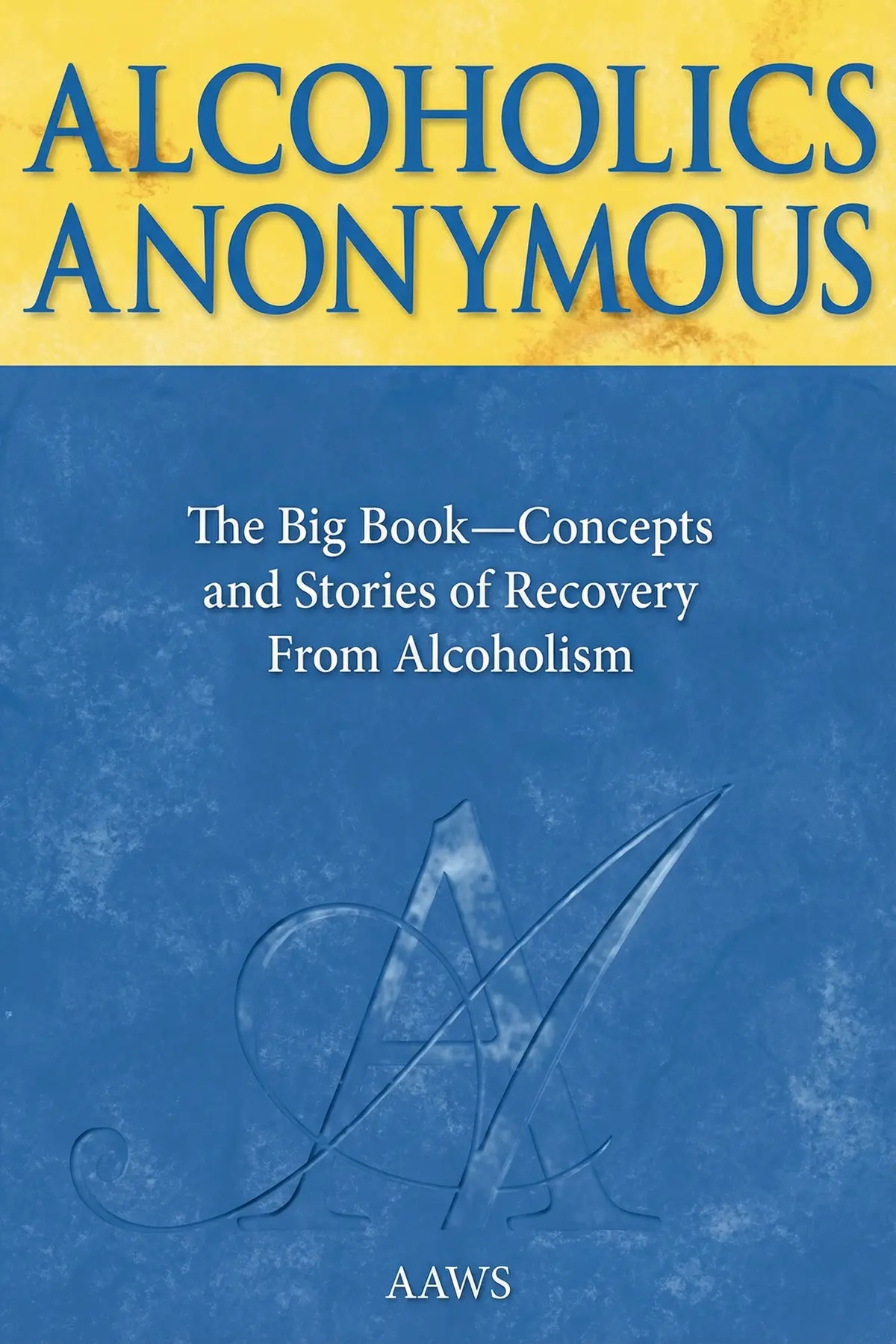
Alcoholics Anonymous
Alcoholics Anonymous World Services
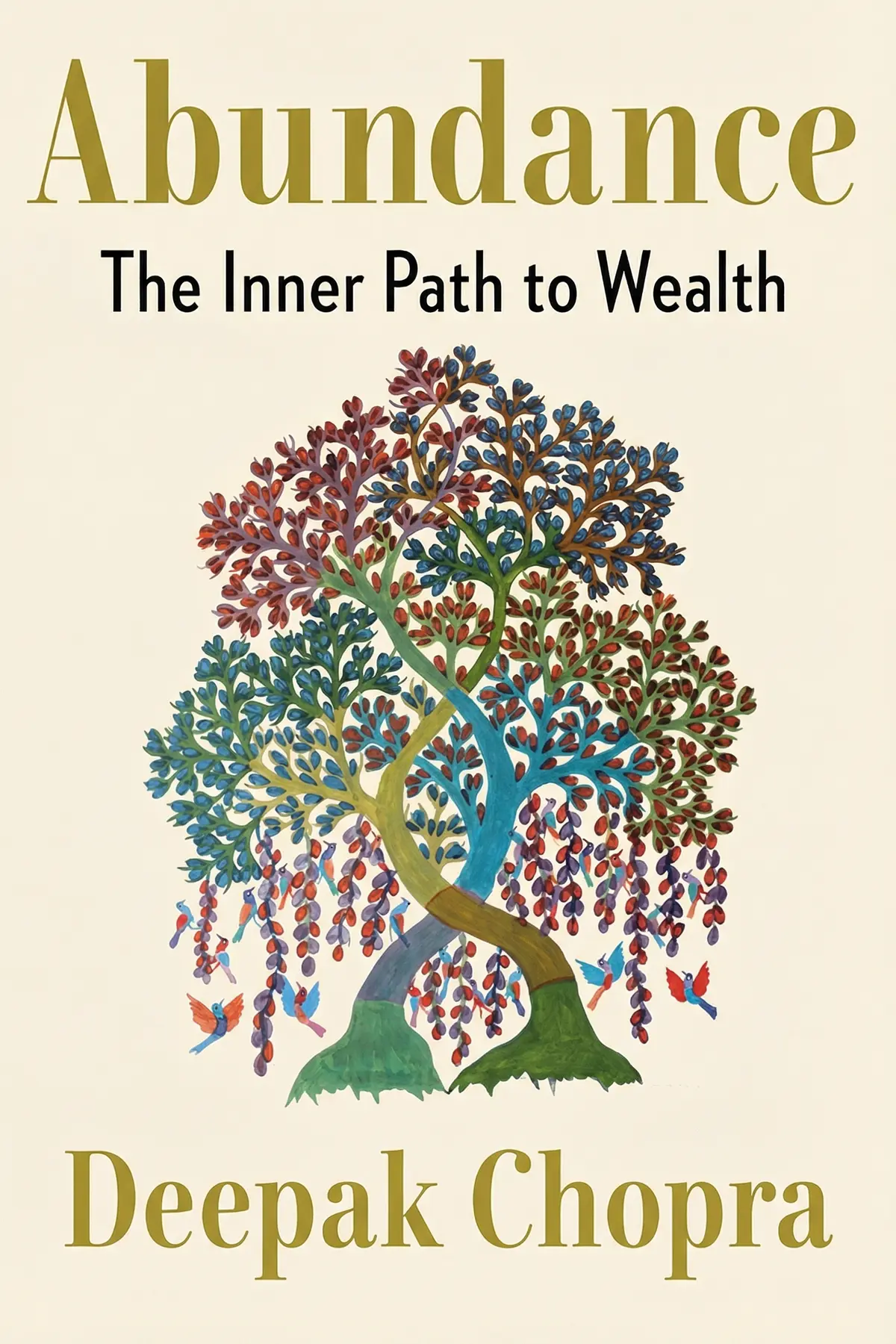
Abundance: The Inner Path to Wealth
Deepak Chopra
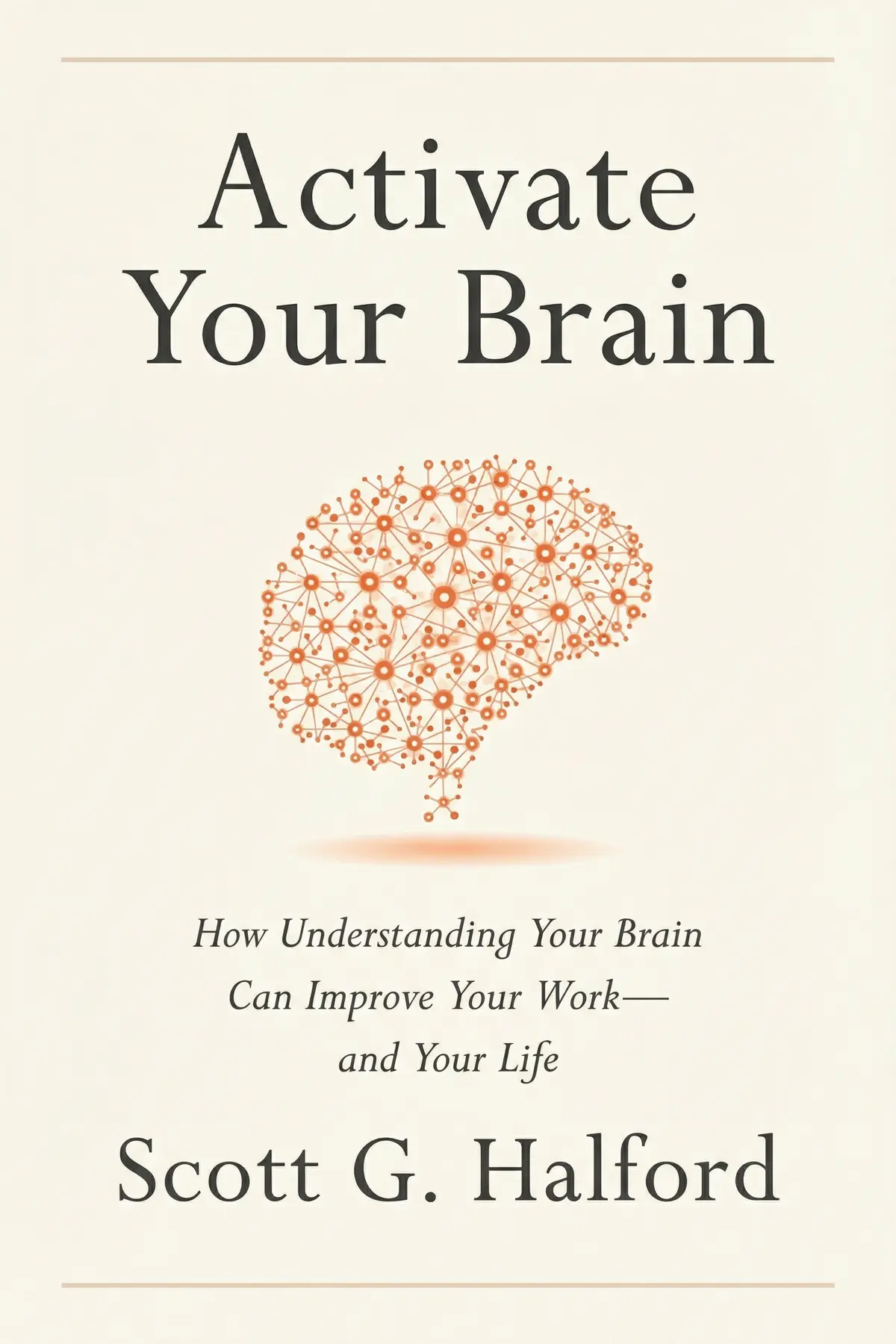
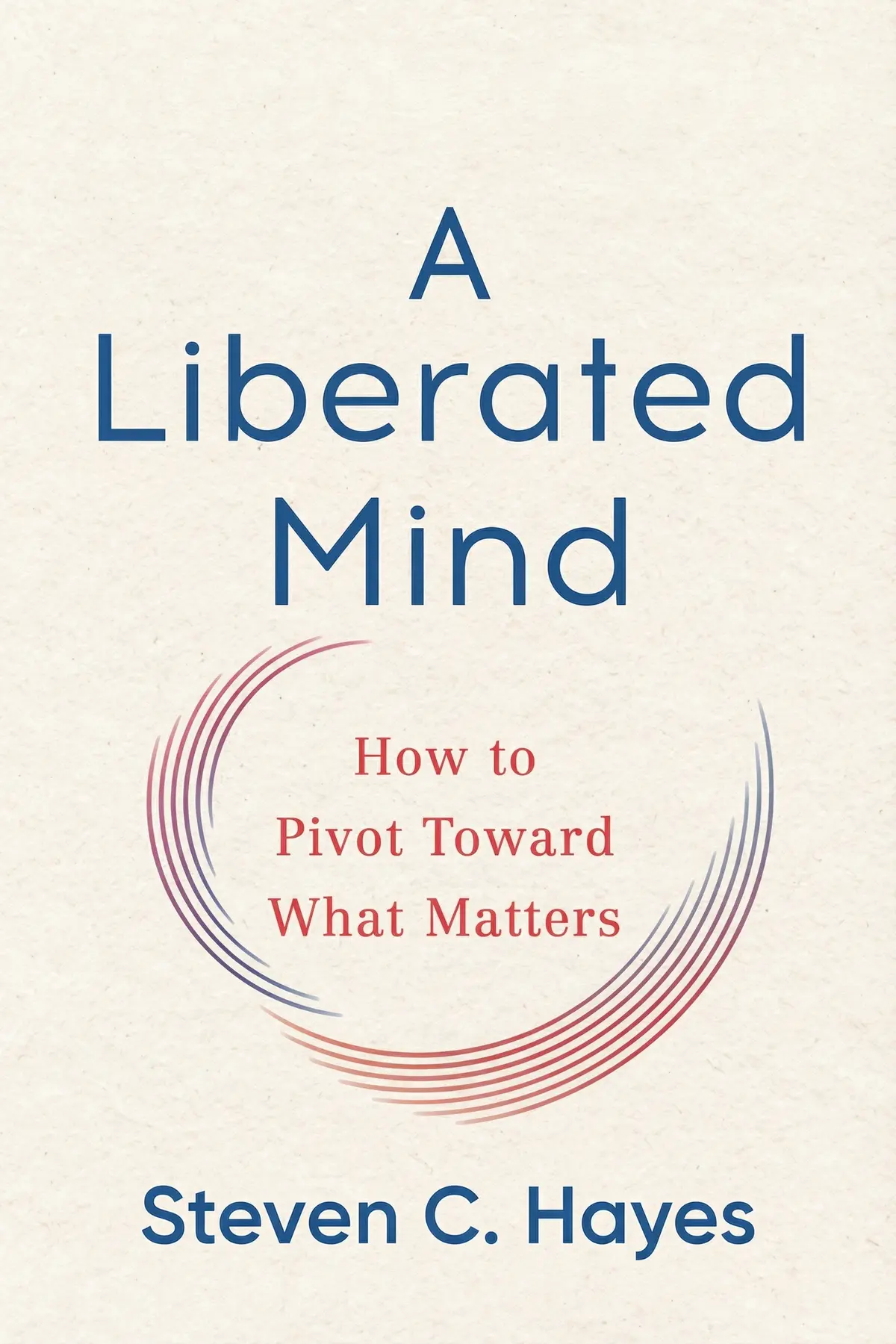
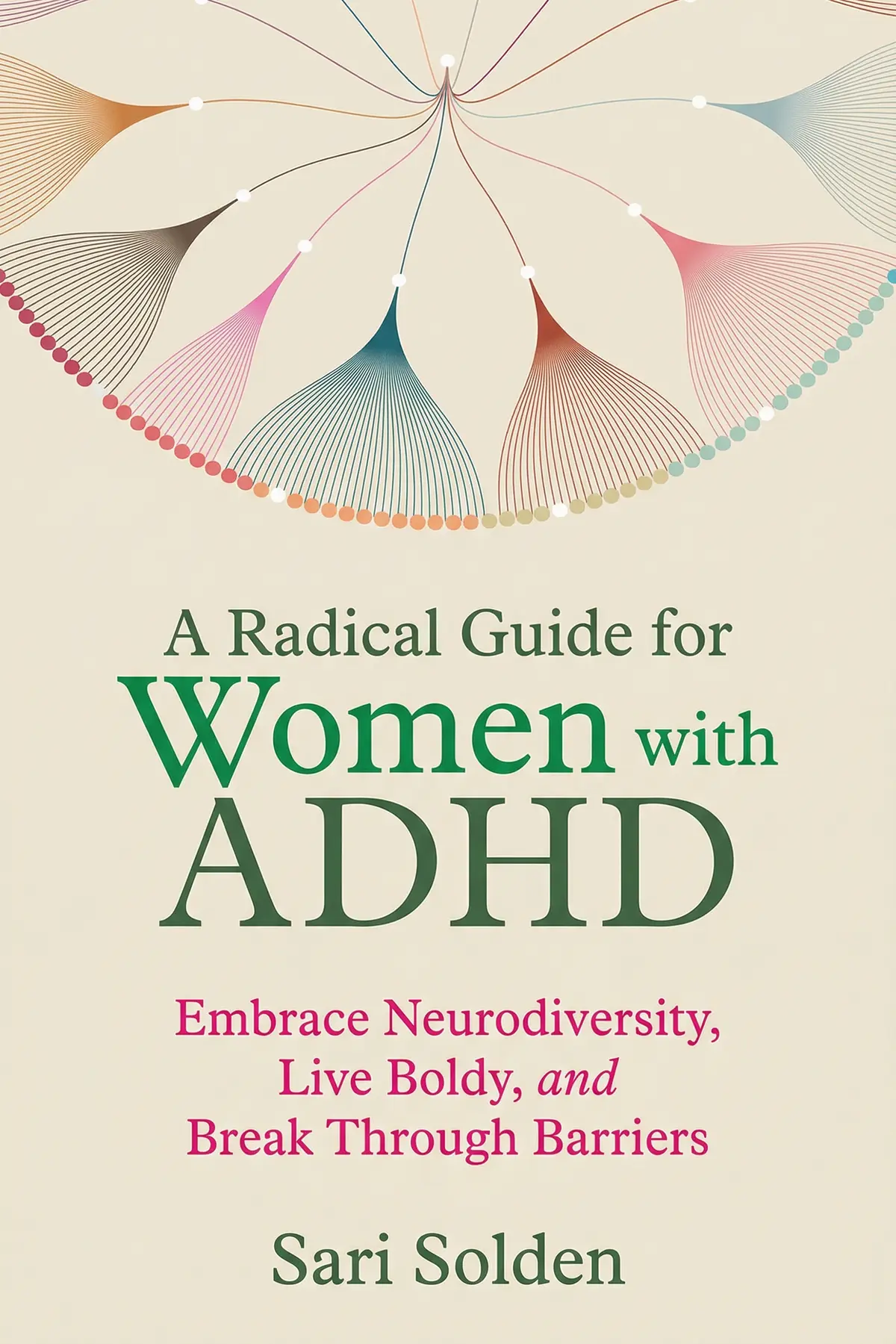
A Liberated Mind: How to Pivot Toward What Matters
Steven C. Hayes
AUDIO SUMMARY AVAILABLE
Listen to Loving What Is in 15 minutes
Get the key ideas from Loving What Is by Byron Katie, plus 5,000+ more titles in English and Thai.
- 5,000+ titles
- Listen as much as you want
- 7-day free trial
- Cancel anytime







