
A River in Darkness: One Man’s Escape from North Korea
Masaji Ishikawa
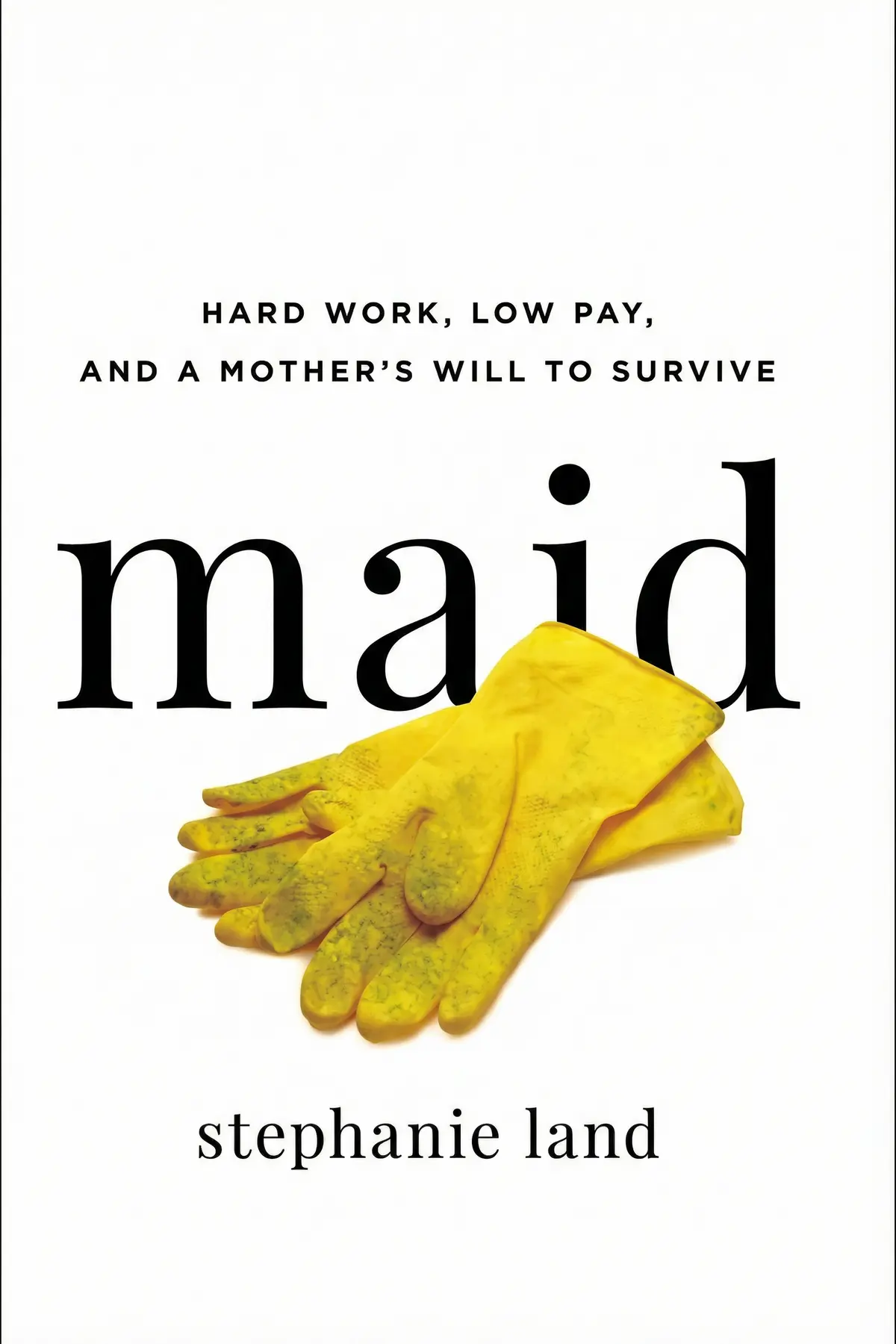
A powerful memoir detailing one woman's journey through the American welfare system, the grueling reality of low-wage domestic labor, and the indomitable spirit required to build a better life for her daughter.
1 min 45 sec
Imagine, for a moment, the weight of the world resting entirely on your shoulders, with no safety net to catch you if you slip. For many, the American Dream is a promise of upward mobility and reward for hard work. But for others, the reality of life in the United States is a relentless cycle of low-wage labor, bureaucratic hurdles, and the exhausting struggle of raising a child in poverty. This is the world Stephanie Land invites us into—a world that exists in the shadows of the very houses many of us call home.
In this story, we follow a young woman who had literary ambitions and dreams of a life in the mountains, only to find herself trapped by circumstance. When an unplanned pregnancy and an abusive partner upend her plans, she is thrust into a life she never anticipated: working as a maid, cleaning the homes of the affluent while struggling to afford a safe place for her own daughter to sleep. This isn’t just a story about cleaning houses; it is a deep dive into the psychological and physical reality of being part of the ‘working poor.’
Through her experiences, we gain a firsthand perspective on what it truly means to rely on government assistance in a society that often views such aid with suspicion and contempt. We see the invisible barriers that make it nearly impossible to climb out of a financial hole once you’ve fallen in. But through the grit and the grime, there is a consistent throughline of maternal love and an unwavering will to survive. As we walk through these reflections, we’ll see how one woman managed to keep her dreams alive even when the system seemed designed to extinguish them. It is a journey of hardship, yes, but also one of profound clarity regarding what truly matters in life.
2 min 18 sec
Explore how a sudden change in life circumstances can transform ambitious dreams into a desperate, daily struggle for basic security and survival.
2 min 03 sec
Understand the harrowing transition from an abusive domestic environment to the uncertainty of a homeless shelter and the lack of a familial safety net.
2 min 04 sec
Delve into the complex and often condescending world of government assistance, where help comes at the cost of privacy and personal dignity.
1 min 59 sec
See how the cultural perception of poverty creates an internal ‘bag of shame’ that haunts every interaction for those receiving aid.
2 min 03 sec
Go behind the scenes of the domestic cleaning industry to uncover the physical toll and financial exploitation of low-wage service work.
1 min 53 sec
Understand the hidden health crises and the feelings of parental inadequacy that stem from life on the financial edge.
2 min 05 sec
Discover the surprising insights gained from cleaning the homes of the wealthy and how it redefined the author’s view of happiness.
1 min 58 sec
Follow the final steps of Stephanie’s journey as she finds the support needed to finally pursue her long-deferred dreams.
1 min 54 sec
The story of Stephanie Land is a testament to the hidden strength found in millions of people who navigate the ‘low-wage’ economy every day. It reminds us that poverty is not merely a lack of funds, but a complex web of social, physical, and psychological challenges that require immense resilience to overcome. Through her eyes, we have seen the indignity of being monitored by the state, the grueling physical toll of manual labor, and the heavy burden of social stigma. Yet, we have also seen the power of perspective and the enduring strength of the maternal bond.
Her journey from a homeless shelter to a university degree serves as a powerful critique of a system that often makes survival a full-time job. It challenges us to look closer at the ‘invisible’ workers who keep our society running and to reconsider the assumptions we make about those who rely on public assistance. The throughline of this narrative is one of unwavering hope—the idea that even when you are at your lowest point, your dreams are still valid and worth fighting for.
As we close this chapter, the actionable takeaway is to cultivate a deeper empathy for those whose struggles we may not see. Whether it’s the person cleaning an office building late at night or the parent using food stamps at the grocery store, there is a story of survival behind every interaction. By recognizing the systemic barriers that exist and advocating for a more compassionate approach to social support, we can help ensure that stories like Stephanie’s don’t have to be defined by such extreme hardship. Resilience is a powerful thing, but no one should have to be that strong just to survive. The ultimate lesson is that home is not defined by the size of the house, but by the love and the community we build within it.
Maid offers a raw and deeply personal look into the lives of the working poor in the United States. It follows the story of Stephanie Land, a young mother who finds herself suddenly single and destitute after escaping an abusive relationship. To support her young daughter, she takes a job as a house cleaner, navigating a complex web of government assistance, social stigma, and the physical toll of manual labor. The book serves as more than just a personal narrative; it is a profound exploration of the systemic barriers that keep families trapped in poverty. Through Land's eyes, we see the indignity of surveillance, the frustration of bureaucratic hurdles, and the isolation that comes with being invisible to the wealthy clients whose homes she meticulously cleans. Ultimately, it is a story of resilience, illustrating the promise of survival and the pursuit of a dream against seemingly insurmountable odds.
Stephanie Land is a freelance writer whose work has appeared in prestigious publications such as the New York Times, the Washington Post, and the Guardian. Before achieving success as a writer, she navigated the immense challenges of escaping an abusive relationship and raising her daughter while living in poverty. Her experiences working as a maid provided the foundation for her celebrated memoir. Land has also collaborated with author Barbara Ehrenreich as part of the Economic Hardship Reporting Project, continuing to advocate for those facing financial instability.
Listeners find this book to be a marvelous experience with a gripping narrative about a mother's challenges, delivered in a poignant and reflective tone. Listeners describe it as an inspiring story that prompts personal reflection, marked by clear emotional resonance and deeply painful moments. Listeners admire the depiction of persistence, with one listener calling out the triumph of the human spirit over adversity. Listeners value the work’s depth, with one listener specifically mentioning its valuable perspective on people with low incomes.
This memoir is a masterclass in emotional clarity. Stephanie Land doesn't just describe poverty; she makes you feel the cold dampness of a moldy apartment and the crushing weight of a $275 gas bill. It is heartwrenching to witness her struggle to provide the most basic necessities for Mia while navigating a system that feels designed to watch her fail. There is a profound triumph of the human spirit on display here as she clings to her dream of becoming a writer despite the physical toll of scrubbing floors. Every page hums with a quiet, moving intensity that forced me to reexamine my own assumptions about the people we often choose not to see. This is an essential read for anyone who wants to understand the sheer perseverance required to survive on the margins of American society.
Show moreWow, Land’s account of navigating poverty in America is nothing short of eye-opening. The way she describes the physical exhaustion of being a maid—the aches, the chemicals, and the invisibility—is visceral and thoughtfully moving. I was struck by her resilience in the face of an abusive relationship and a lack of a familial safety net. She writes about Mia with such fierce love that it provides a beautiful counterpoint to the grit of their daily lives. The book highlights the indignity of being poor in a way that feels incredibly personal and urgent. While the pacing slows down occasionally during the descriptions of the clients' homes, the emotional core of the story remains rock solid. This is a powerful testament to the fact that hard work doesn’t always lead to immediate stability in a broken system.
Show moreLand manages to capture the constant, low-level hum of anxiety that accompanies every single transaction when you're living below the poverty line. Her story is a heartwrenching reminder that one broken-down car or one sick child can completely derail a person’s life. The way she describes her daughter Mia is so tender; you can really feel how her love for her child is the only thing keeping her going through the 25-hour work weeks and the demeaning comments from strangers. It’s an uplifting account because she actually makes it out, but it doesn't shy away from the scars that kind of life leaves behind. The prose is beautiful and the emotional honesty is rare. I finished this book feeling a deep sense of respect for the sheer grit required to navigate a world that is so indifferent to your suffering.
Show morePicked this up after seeing the Netflix series and found the prose even more evocative than the screen version. Land captures the byzantine nightmare of government assistance with a frustration that is palpable and deeply moving. The scene where she fights for organic milk at the grocery store while being judged by strangers is particularly stinging. To be fair, some of her personal choices can be frustrating to read about, but that’s what makes this an authentic memoir rather than a sanitized success story. It offers a valuable perspective on the low-income experience that is often missing from mainstream literature. I appreciated how she balanced the grim reality of cleaning houses with the tender moments shared with her daughter. It’s an uplifting account of a mother’s will to survive against the odds.
Show moreNot what I expected, but in a way that felt deeply necessary for me to read. Land’s writing style is poetic and sparse, which perfectly mirrors the scarcity she lived through while working as a house cleaner. The book provides a searing look at the class divide, showing the stark difference between the luxury of her clients' lives and her own precarious existence in transitional housing. It’s a compelling story about a mother's struggles that manages to be both heartbreaking and strangely hopeful. I found myself rooting for her to finally get that college degree, even when I disagreed with some of her financial choices. Frankly, the book’s greatest strength is its honesty about the mental toll of poverty. It makes you realize that being poor is a full-time job in itself, leaving little room for anything else.
Show moreEver wonder what the person scrubbing your floors thinks about while you're at work? This book gives a voice to the domestic laborers who are usually treated like background noise. I found the descriptions of the different houses—the "Cigarette House," the "Plant House"—to be a clever way to frame her experiences. The writing is incredibly vivid, making the reader feel every sting of the cleaning chemicals and every pang of hunger. While she does spend a lot of time projecting her own feelings onto her employers, it highlights the psychological isolation of her work. It’s a thoughtfully written account that makes you think about your own life and the invisible labor that supports it. Her perseverance through illness and car trouble is nothing short of inspiring, even if the ending feels a bit rushed.
Show moreFinally got around to reading this and found the writing style to be unexpectedly moving for such a gritty subject. The author does a fantastic job of illustrating how being poor is an expensive and exhausting trap. I was particularly struck by the descriptions of the physical toll the work took on her body and the lack of healthcare to address it. While I can see why some readers find her tone a bit judgmental toward her clients, I think it’s a natural reaction to the massive inequality she witnessed every day. My only real complaint is that I wanted to hear more about her coworkers and their struggles to provide a broader context. Overall, it’s a compelling story about a mother’s will to survive that left me thinking about the value of domestic work long after I finished it.
Show moreThe truth is, this book feels more like a raw, unedited diary entry than a polished sociological study of poverty. On one hand, the depiction of the struggle to balance work, childcare, and school is incredibly authentic and stressful to read. I felt her anxiety in my bones during the scenes where she’s counting pennies for gas. On the other hand, the lack of introspection regarding her parents or her choice to stay with an abusive partner for so long left a lot of holes in the narrative. She seems to blame the system for everything while rarely acknowledging her own agency. It’s a valuable perspective for understanding the logistical hurdles of the WIC and SNAP programs, but the tone can be off-puttingly cynical at times. I’d recommend it as a personal story, but don’t expect a broad analysis of the American economy.
Show moreAs someone who has worked manual labor to pay the bills, I found some of the author’s perspectives a bit jarring and hard to relate to. Personally, I found it difficult to understand why she felt so entitled to a middle-class lifestyle without having a clear plan to achieve it earlier in her life. However, the book is undeniably successful at showing the crushing reality of the "poverty trap" where earning a few extra dollars can lead to losing hundreds in benefits. That specific insight into the broken welfare system is the book's strongest point. The story of her daughter’s illness caused by their living conditions was truly heartwrenching and kept me turning the pages. It’s a decent memoir with a very specific focus, but it lacks the depth of other books in this genre that explore the systemic roots of inequality.
Show moreLook, I really wanted to sympathize with this story, but I struggled with the author's lack of self-reflection throughout the book. When she claims that working 25 hours a week isn't enough to pay the bills, it feels like she’s missing the obvious reality that most people—regardless of education—can’t survive on part-time hours. The narrative is often more focused on judging her wealthy clients and snooping through their belongings than on examining her own questionable decisions, like spending limited funds on dating sites. Compared to deeply researched books like Evicted, this feels like a narrow, somewhat whiny perspective that ignores the privilege she still holds as a white, able-bodied woman. There are moments of genuine hardship, especially regarding her daughter’s health and the black mold, but the entitled tone made it difficult for me to stay invested in her journey.
Show moreMasaji Ishikawa
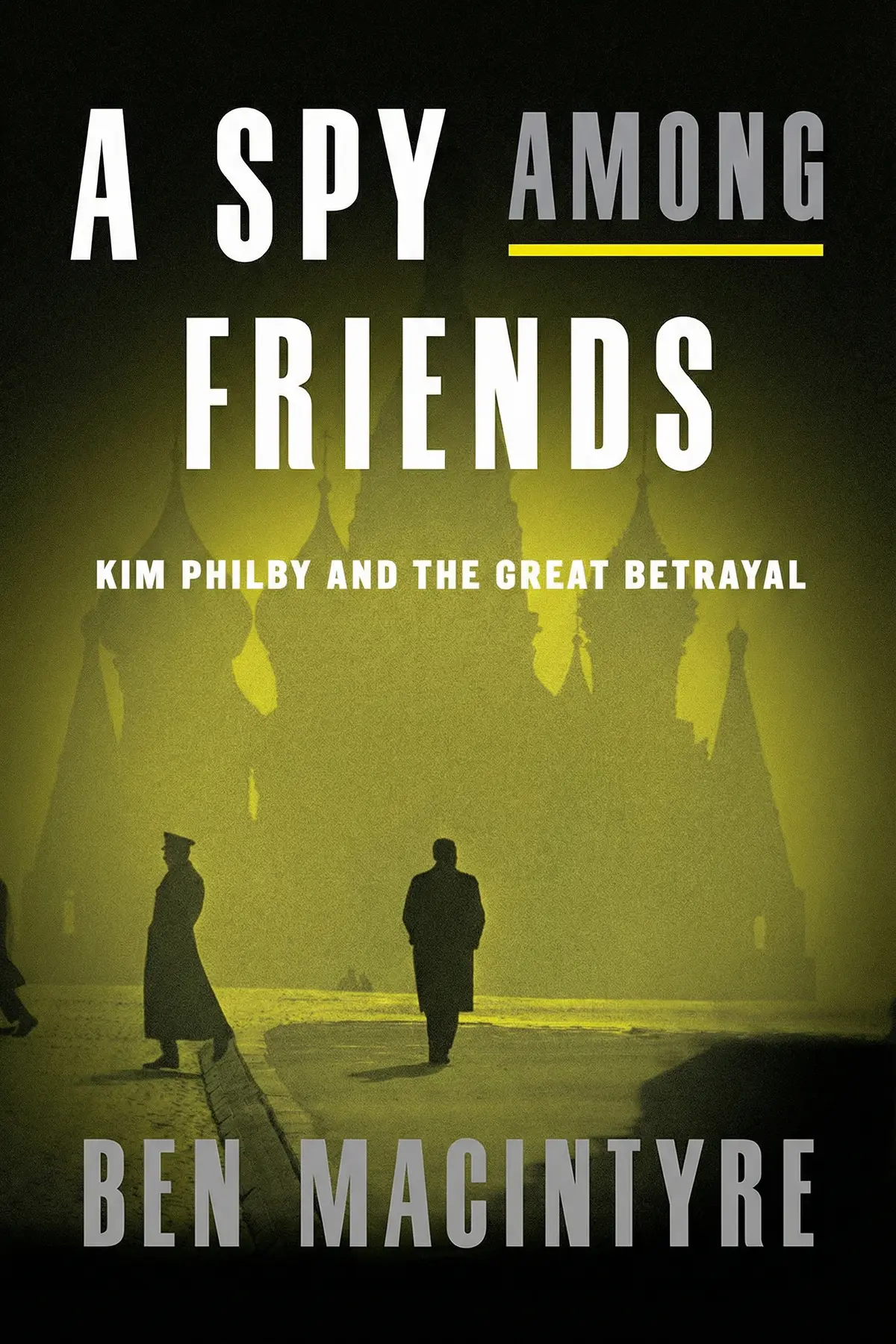
Ben Macintyre

Fay Bound Alberti

Daniel Goleman

James Shapiro


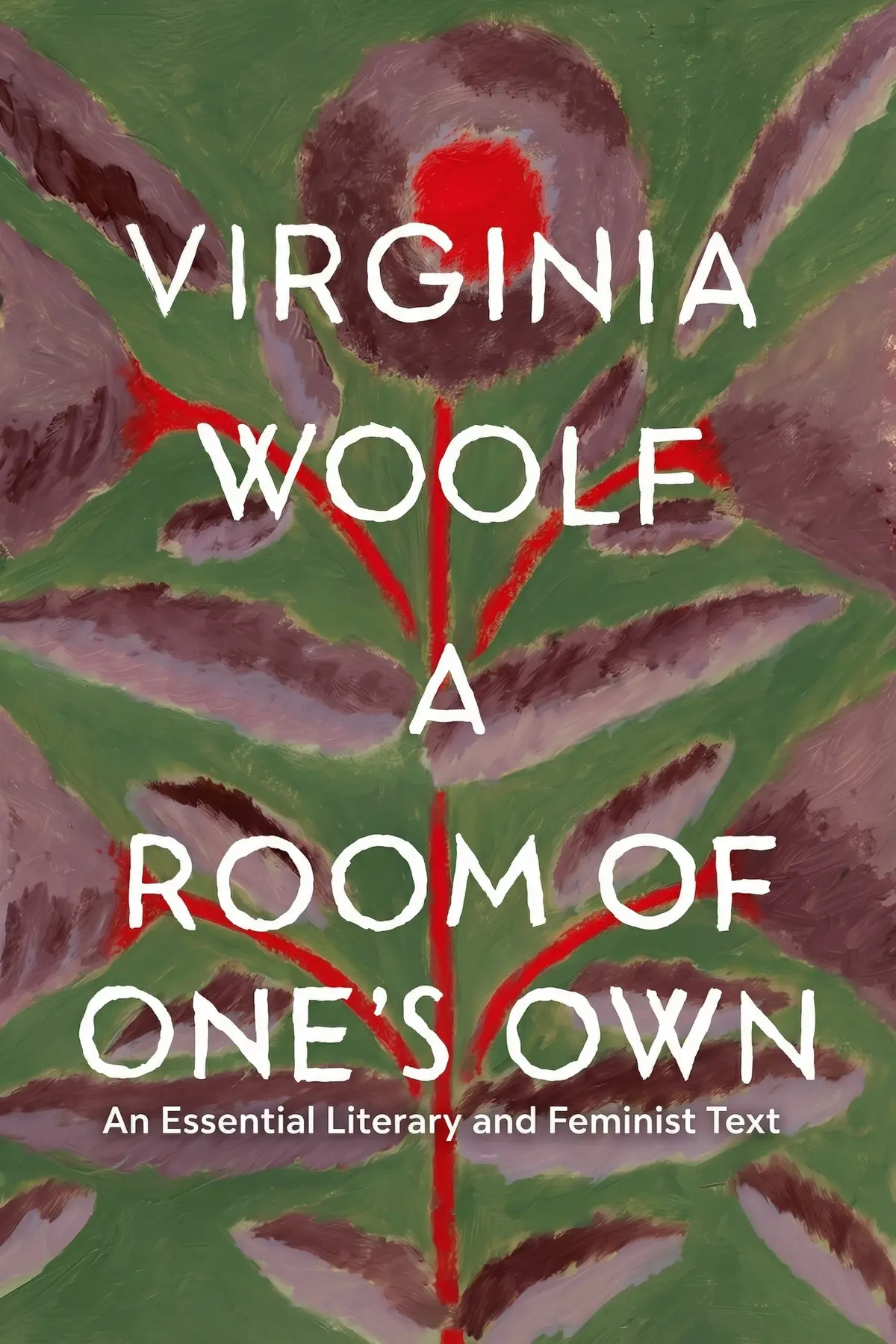
Virginia Woolf
AUDIO SUMMARY AVAILABLE
Get the key ideas from Maid by Stephanie Land, plus 5,000+ more titles in English and Thai.







