
15 min 21 sec
Managing Up: How to Get What You Need from the People in Charge
Managing Up provides a strategic roadmap for professionals to build stronger relationships with leadership, master difficult workplace conversations, and take proactive control of their career growth through effective communication and alignment.
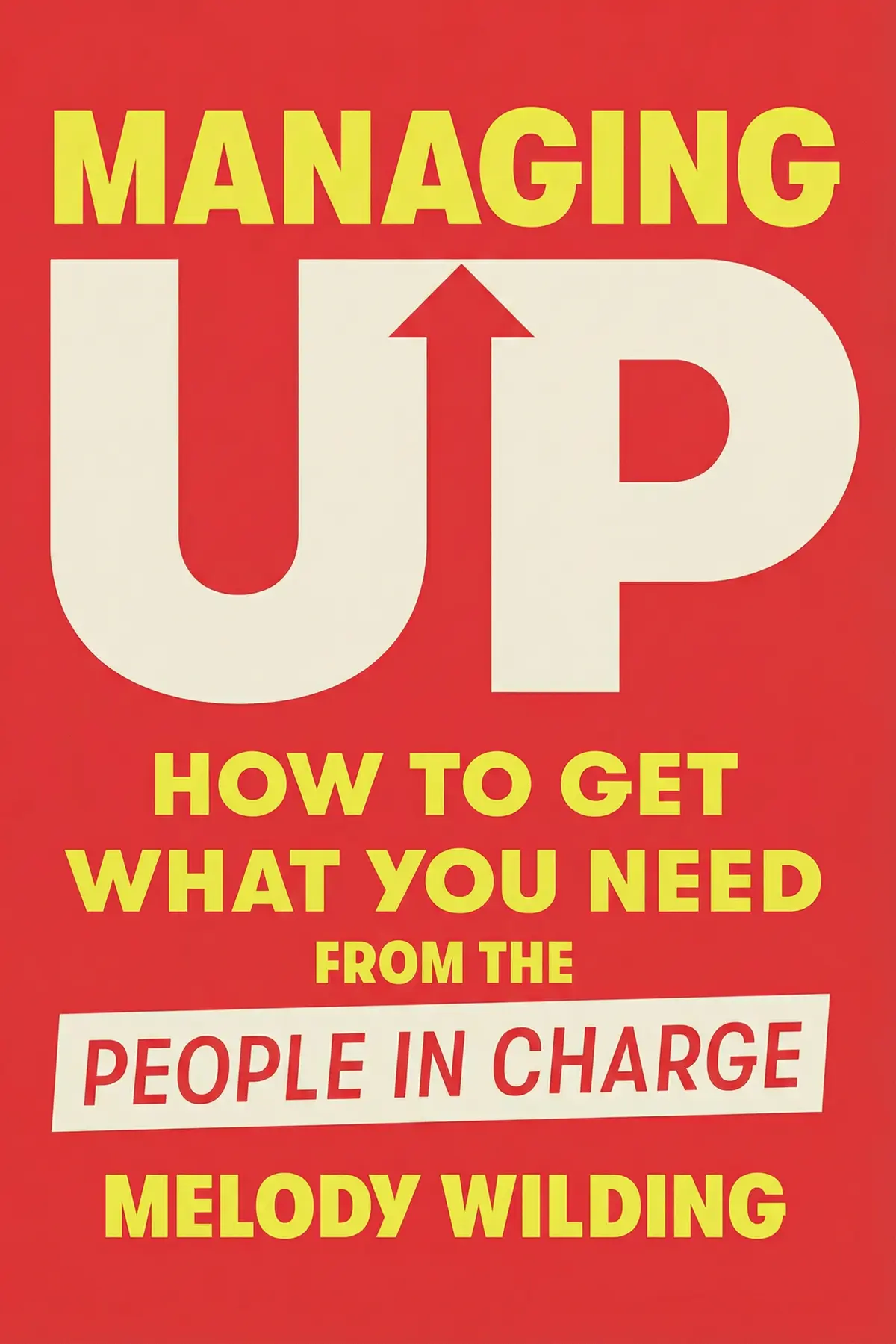
Table of Content
1. Introduction
1 min 43 sec
In a world that often measures success by the number of hours we spend at our desks, it is easy to fall into the trap of believing that performance is the only thing that matters. We assume that if we produce high-quality work, meet our deadlines, and stay out of trouble, the rewards—promotions, raises, and recognition—will naturally follow. But for many professionals, this isn’t the reality. They find themselves stuck in roles where their contributions are overlooked, their priorities are constantly shifting, and their career growth feels stalled. The missing piece of the puzzle isn’t usually more hard work; it’s the ability to manage the relationship with those above them in the corporate hierarchy.
Managing Up is about recognizing that your professional destiny is heavily influenced by how you interact with leadership. It’s not about manipulation or being a sycophant; it’s about establishing a partnership that benefits both you and your manager. It’s about understanding the pressures your boss faces and aligning your efforts with the goals that truly matter to the organization. When you master these dynamics, you stop being a passive recipient of your work environment and start becoming an active architect of your career.
In this guide, we are going to explore the ten fundamental conversations that define a successful professional life. These aren’t just one-off chats; they are ongoing dialogues that help you build trust, clarify expectations, and advocate for yourself. We’ll look at how to navigate the complex world of office politics, how to set boundaries that protect your well-being, and how to ensure you are seen as an indispensable asset to your company. By the end of this journey, you will have a clear framework for communicating with the people in charge in a way that gets you what you need while helping them succeed as well.
2. Alignment and Communication Styles
2 min 35 sec
Discover why being great at your job isn’t enough to secure your future and how adjusting to your boss’s unique personality can unlock new levels of influence.
3. Taking Ownership and Setting Boundaries
2 min 30 sec
Learn how to solve problems before you’re asked and why saying ‘no’ might actually be the most important part of your professional reputation.
4. Feedback and Strategic Networking
2 min 19 sec
Master the art of giving feedback to people in power and find out why your boss shouldn’t be your only professional advocate.
5. Visibility and Career Advancement
2 min 31 sec
Stop waiting to be noticed and start framing your successes in a way that makes leadership want to invest in your future.
6. Money, Value, and Knowing When to Leave
2 min 35 sec
Uncover the data-driven approach to asking for a raise and learn how to identify the signs that your current job has no more to offer you.
7. Conclusion
1 min 08 sec
Managing up is a continuous process of calibration and communication. It requires you to be observant of the world around you, empathetic to the challenges your leaders face, and courageous enough to advocate for your own worth. Throughout this summary, we’ve seen that the most successful professionals aren’t just those with the best technical skills, but those who understand how to navigate the human element of the workplace. By mastering the ten essential conversations—from style alignment to the final transition out of a company—you equip yourself with a toolkit for long-term career resilience.
The throughline of all these strategies is intentionality. Instead of letting your career happen to you, you are choosing to participate in the dialogue that shapes your environment. You are setting the boundaries that prevent burnout, seeking the visibility that leads to recognition, and gathering the data that justifies your advancement. As you move forward, remember that managing up is not about changing who you are; it’s about finding the most effective way to share your value with the people who need it most. When you do that, you don’t just make your boss’s life easier—you build a career that is sustainable, rewarding, and entirely your own.
About this book
What is this book about?
Have you ever felt like your hard work is going unnoticed or that your manager’s shifting priorities are holding you back? Managing Up explores the critical interpersonal dynamics that define professional success. This summary breaks down ten essential conversations every professional should master—from aligning with company goals and setting healthy boundaries to negotiating raises and knowing when it’s time to move on. By focusing on the psychology of leadership and communication, the book promises to help you transform your relationship with your boss. You will learn how to identify different management styles using the 4Cs framework, how to provide upward feedback without fear of retaliation, and how to build a network of influence that extends beyond your immediate department. Ultimately, it’s about moving from a reactive state to a proactive one, ensuring your career trajectory is defined by your contributions rather than workplace politics.
Book Information
About the Author
Melody Wilding
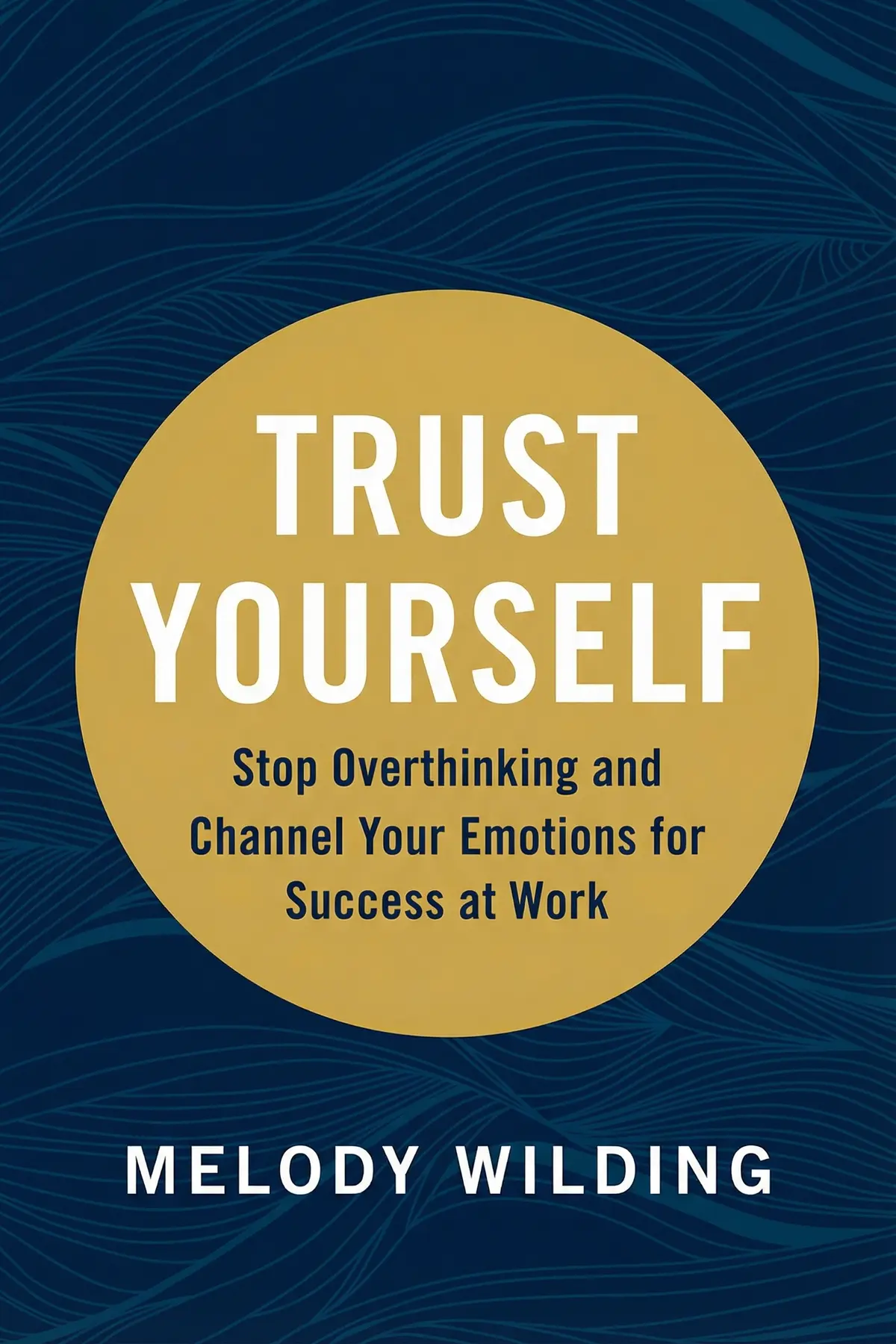
Melody Wilding is a highly respected licensed social worker and human behavior expert with a master’s degree from Columbia University. As a professor at Hunter College and a prominent career coach, her insights have been featured in major outlets like the New York Times and Harvard Business Review. She is also the author of Trust Yourself.
Ratings & Reviews
Ratings at a glance

What people think
Listeners find this resource to be an inspiring manual full of functional methods and usable tips, making it essential reading for employees in any position. This work masterfully explores office relationships and is simple to comprehend and put into practice, with one listener noting that it breaks the subject down into 10 conversations. Listeners value the prose and the overall production, with one review emphasizing the word-for-word scripts provided.
Top reviews
Hemp
Melody Wilding has delivered a masterclass in professional navigation with this one. Managing Up isn't just about 'dealing' with a boss; it is about building a strategic partnership that benefits your own career trajectory. I found the 4Cs framework particularly eye-opening because I finally realized my manager is a 'Controller' who needs precise data, while I've been acting like a 'Cheerleader' focusing on vibes and energy. The shift in my communication has been almost immediate. Honestly, the word-for-word scripts for the 'ten conversations' are worth the price of admission alone. They take the guesswork out of high-stakes moments like asking for a raise or setting hard boundaries when your workload becomes impossible. If you feel like your hard work is going unnoticed, you need to read the section on visibility. It’s practical, actionable, and devoid of the usual fluffy career advice.
Show moreKom
As someone who identifies as a 'sensitive striver,' this book felt like it was written specifically for my brain. I constantly struggle with overthinking my interactions with leadership, and Wilding’s advice on setting boundaries with confidence really resonated. The story about Jade knowing when to quit was particularly moving—it’s rare to find a career book that gives you permission to walk away when the alignment just isn't there anymore. Frankly, I’ve already started using the visibility scripts to share my results with senior leaders, and the response has been great. I love that the book doesn't just tell you to 'work harder' but instead teaches you how to ensure the right people actually see the work you're already doing. It’s an empowering read that has genuinely changed how I view my own authority at work. I’ll be revisiting my highlighted sections for years.
Show moreBam
Finally got around to reading this before my annual review, and the timing couldn't have been better. I’ve always been terrified of the 'money conversation,' but the step-by-step approach to salary negotiation gave me the boost I needed. Wilding emphasizes linking your request to organizational goals rather than just personal needs, which is a subtle but massive shift in strategy. I used the script for advocating for a title change and it actually worked! The book is packed with these little lightbulb moments. Even the chapter on networking, which I usually find cringey, was handled with a lot of tact and authenticity. It’s not just about 'using' people; it’s about building a support base that makes your job easier and your future more secure. This is easily one of the most practical business books I’ve read in the last five years.
Show moreSin
The 'Me Manual' exercise alone is worth the price of admission. I’ve never seen workplace dynamics explained so clearly through the lens of specific, actionable discussions. Wilding makes it clear that managing up isn’t about 'sucking up' or being fake; it’s about having the integrity to ask for what you need to do your job well. I loved the story of Radha giving upward feedback—it showed that you can be respectful while still being firm about what isn't working. This book has given me a lot of confidence to push back on unrealistic workloads without fearing for my job security. It’s refreshing to see a career guide that prioritizes well-being alongside professional growth. Whether you are negotiating a raise or just trying to survive a difficult boss, there is something in here for you. A must-read for any knowledge worker.
Show moreWichai
Picked this up after a frustrating week where I felt like my manager and I were speaking two different languages. Wilding’s focus on the 'ten essential conversations' provides a really solid roadmap for anyone feeling stuck in their current role. The 'Me Manual' exercise was a personal highlight—it helped me articulate how I work best without sounding like I was making demands. To be fair, some of the advice feels a bit geared toward entry-level corporate roles, and if you’ve been in leadership for twenty years, you might find some of it repetitive. However, the templates for pushing back on unrealistic deadlines were incredibly helpful for me. I’m giving it four stars because it can feel a bit like an advertisement for her coaching services at times, but the core content is too useful to ignore. Every knowledge worker should have this on their shelf.
Show morePraepimon
The core strength of this guide lies in its structure; by breaking career growth down into ten specific conversations, Wilding makes a daunting topic feel manageable. I spent the last year doing great work but seeing zero advancement, and reading the chapter on alignment made me realize I wasn't tied to the company's actual priorities. My role was valuable, but invisible to the people who make the budget decisions. Using the power map exercise helped me identify who I actually need to be talking to. The writing style is very accessible, though I will say that the transition into the 'advertisement' sections for her website was a bit clunky. Still, for anyone in a hierarchical environment, this is a goldmine of strategies. The focus on neutral language when giving upward feedback is a game-changer for avoiding unnecessary workplace friction. Definitely worth a read for the practical templates alone.
Show moreAnthony
Ever wonder why some people get promoted while doing half the work you do? Managing Up explains the 'invisible' work of relationship management that usually separates those who advance from those who stay stagnant. I really appreciated the focus on emotional intelligence and resilience. The section on handling work that gets credited to someone else was a lifesaver—I’ve been in that position before and didn't know how to respond without sounding petty. Wilding's 'subtle reaffirmation' technique is brilliant. My only minor complaint is that the book feels very geared toward traditional corporate offices. If you work at a flat-structure startup or a tiny non-profit, some of the power-mapping might feel a bit overkill. Regardless, the sections on communication styles are universal. It’s a solid 4-star guide that I've already recommended to several colleagues.
Show moreHassan
Look, the advice here is solid for someone starting their first office job, but it feels a bit basic for anyone who's been in the game for a decade. That being said, I still found the 'Me Manual' concept to be a really clever way to reset expectations with a new boss. Workplace friction is usually just a communication breakdown, and Wilding gives you the tools to fix that. I've been struggling with a 'Commanders' type manager lately, and the tips on keeping my updates efficient and goal-focused have already reduced my stress levels significantly. The book is easy to digest and doesn't get bogged down in too much theory. I think the 4.1 average rating is fair—it’s a very helpful, albeit slightly specialized, tool for the modern professional. Grab it if you're feeling unheard at work.
Show moreManop
Decent advice, though I could have done without the lengthy case studies that felt a little repetitive by the halfway mark. Managing Up has some gems, especially the parts about identifying your manager's style—be they a Commander or a Caretaker—but I found myself skimming the client stories to get to the actual scripts. In my experience, real-life managers aren't always as receptive to 'structured conversations' as the ones in this book, so take some of the success stories with a grain of salt. It’s a 3-star read for me because while the tools are useful, the tone can be a bit 'rah-rah corporate' for my tastes. If you’re brand new to the workforce, this will be a 5-star book for you. If you’re a seasoned pro, you’ll probably just want to download the templates and skip the rest of the fluff.
Show moreAva
Is it just me, or is the 'corporate speak' in this genre getting more exhausting by the year? While I appreciate Melody Wilding’s attempt to empower workers, Managing Up often feels like a guide on how to be the perfect cog in a machine that doesn't care about you. The idea that you have to perfectly align with the 'status quo' or risk being ruined is a grim reality, but the book presents it with a fakey corporate sheen that rubbed me the wrong way. Look, the scripts are okay if you’re terrified of talking to your boss, but a lot of this felt like common sense wrapped in fancy branding like the '4Cs framework.' I also found the client stories, like Seiko’s or Drew’s, to be a bit too neat and tidily resolved to feel authentic. It’s not a total waste, but it wasn't the revolutionary guide I was hoping for.
Show moreReaders also enjoyed


AUDIO SUMMARY AVAILABLE
Listen to Managing Up in 15 minutes
Get the key ideas from Managing Up by Melody Wilding, plus 5,000+ more titles in English and Thai.
- 5,000+ titles
- Listen as much as you want
- 7-day free trial
- Cancel anytime







