
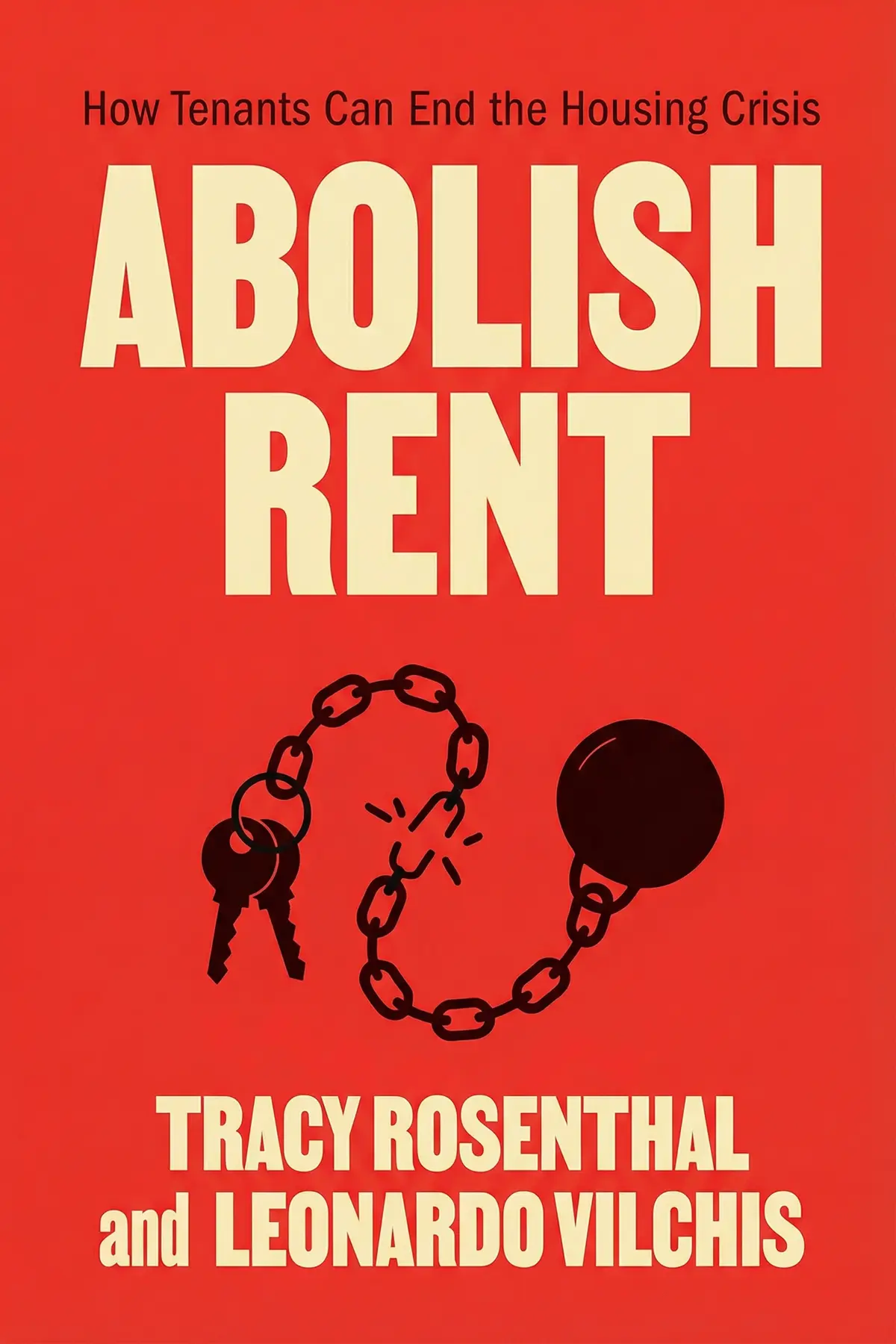
Abolish Rent: How Tenants Can End the Housing Crisis
Tracy Rosenthal
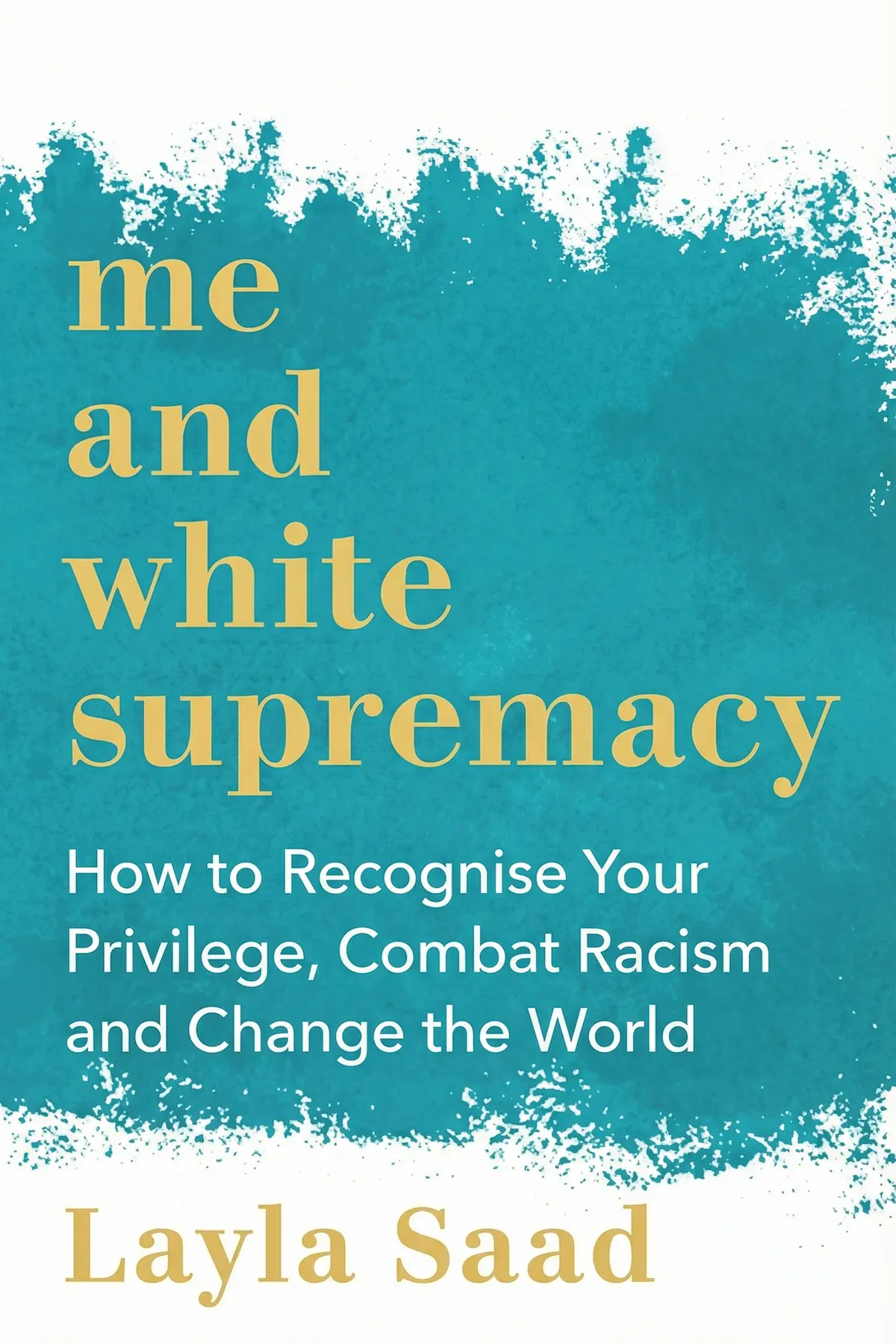
Discover how to confront systemic racism and personal privilege. This guide offers a deep dive into the psychological and social structures of racial hierarchy, providing a roadmap for genuine allyship.
1 min 49 sec
The journey toward understanding social justice often begins with a difficult realization: that the world we inhabit is not a neutral landscape. For those who identify as white or are perceived as white by society, there is an underlying structure of advantage that operates even in the absence of conscious prejudice. This is the reality of white supremacy—not as a niche extremist movement, but as a foundational social architecture that shapes every interaction, institution, and internal belief.
When we talk about this subject, it is natural to feel an immediate sense of defensiveness. Most people consider themselves to be kind, fair, and inclusive. However, this exploration is not about judging individual character; it is about examining the invisible systems we have inherited. It is about moving past the comfort of being ‘one of the good ones’ and looking honestly at how we might be unintentionally upholding a status quo that harms others.
In the pages and ideas ahead, we will navigate the complex landscape of privilege and complicity. We will look at the psychological barriers that prevent honest conversation and the subtle ways that racial stereotypes continue to manifest in our modern lives. The goal here is clarity. By naming the patterns of behavior and thought that keep systemic racism alive, we can begin to replace them with something better.
This is more than just an educational exercise; it is an invitation to do the internal work necessary to become a true ally. We will see why the common reflex to claim ‘color blindness’ actually hinders progress, and how superficial gestures can sometimes do more harm than good. Through this throughline of self-reflection and accountability, we can start to build a world where equity is not just an ideal, but a lived reality. This journey is ongoing, and it starts with the willingness to see the world as it truly is.
2 min 23 sec
Explore the reality of privilege and how a hidden set of social benefits shapes the lives of white individuals from childhood through adulthood.
2 min 14 sec
Discover why the instinct to defend your ‘good person’ status can actually become a barrier to fighting systemic racism.
2 min 19 sec
Examine how social expectations and the appropriation of culture serve to keep marginalized voices in check.
2 min 22 sec
Unpack the unique prejudices faced by people of African descent and the importance of an intersectional approach to justice.
2 min 32 sec
Learn why well-intentioned concepts like ‘color blindness’ and tokenism can actually stall progress and center white comfort.
2 min 06 sec
Moving beyond performance to practice: what it means to consistently show up and do the hard work of solidarity.
2 min 25 sec
How to move from theory to reality by making anti-racism a core part of your lifestyle and decision-making.
1 min 38 sec
The work of dismantling white supremacy is not a task that can be checked off a list. It is a fundamental shift in how one perceives the world and one’s place within it. Throughout this exploration, we have seen that privilege is often invisible to those who have it, and that the defensive reactions of the ego are the greatest obstacles to growth. We have identified the pitfalls of superficial allyship and the necessity of moving whiteness away from the center of our social and political dialogues.
True anti-racism requires more than just good intentions; it requires a sustained, active commitment to justice. It asks us to look at our lives—our relationships, our workplaces, and our internal biases—with a critical and honest eye. It demands that we move past the fear of making mistakes and instead embrace the learning that comes from being corrected.
As you move forward from this summary, the most important thing you can do is to remain consistent. Keep questioning the defaults of the society around you. Keep educating yourself and having the hard conversations that others might avoid. Most importantly, use your unearned privilege to create space for those who have been marginalized. Whether it is through financial support, professional advocacy, or simply knowing when to be silent and listen, your actions matter. This is a commitment to a lifelong journey of integrity and solidarity—one that benefits not just those who are oppressed, but the humanity of us all. The world will not change on its own; it requires the collective and individual efforts of those who are willing to do the work.
This summary explores the profound and often uncomfortable work required to dismantle white supremacy from the inside out. Rather than focusing on external hate groups, it examines how well-meaning individuals are socialized into a system that grants them unearned advantages while marginalizing others. The promise of this work is not a quick fix or a badge of honor, but a path toward authentic integrity and the creation of a more equitable world. Listeners will be guided through the nuances of privilege, the defensive mechanisms of the ego, and the common pitfalls that hinder true progress, such as tokenism and the desire to be a savior. By moving through these concepts, the summary provides the conceptual tools necessary to transition from passive awareness to active, consistent anti-racism. It serves as a starting point for a lifelong commitment to justice and human dignity.
Layla Saad is a prominent writer, speaker, and podcast host recognized globally for her focus on race, social change, and personal transformation. Her work gained massive attention in 2018 through her viral Instagram initiative, the #MeAndWhiteSupremacy challenge, which she eventually expanded into a comprehensive book. Saad spent her formative years in the United Kingdom and currently resides in Doha, Qatar.
Listeners find this work fosters a greater comprehension of global dynamics and serves as a supportive guide with step-by-step instructions. Additionally, the reflective prompts are quite evocative, and listeners view the book as essential reading for white people. The content is both actionable and crucial, with one listener noting its usefulness in groups for weekly discussions. Listeners describe the experience as moving, with one review mentioning how it digs deep into feelings about white supremacy.
After seeing this all over my social media feed, I finally committed to the 28-day challenge, and the experience was profoundly eye-opening. Layla Saad doesn't just explain systemic racism; she provides a meticulous, step-by-step guide for white people to excavate their own unconscious biases. The journal prompts are incredibly thought-provoking and often quite uncomfortable, which is precisely why they are so necessary for growth. I found the sections on white silence and tone policing particularly resonant because they highlighted behaviors I hadn't even realized were problematic. This isn't a passive reading experience—it’s a rigorous curriculum that demands total honesty with yourself. Truth is, if you aren't feeling a bit of friction while writing your responses, you probably aren't doing it right. I would highly recommend this to any white person who wants to move beyond performative allyship into real, tangible change. It is essential reading for anyone ready to do the deep, internal work required to become a better ancestor.
Show moreThis isn't a book you simply read; it's a mirror you're forced to look into every single day for a month. Saad focuses heavily on the 'internalized' aspect of white supremacy, which helped me understand that this isn't just about 'bad people' but about a system we all navigate. The journal prompts are poignant and deep, pushing you to recount specific instances where you might have caused harm through microaggressions or white silence. In my experience, doing this work in a group setting adds a layer of accountability that is absolutely vital. We met weekly to discuss our reflections, and those conversations were some of the most honest and transformative I’ve ever had. To be fair, it is emotionally exhausting, but that’s a small price to pay for a better understanding of the world. It’s a necessary primer for anyone who is serious about anti-racism. I’m giving it five stars because it actually provides a path forward rather than just pointing out problems.
Show moreMy local reading group decided to tackle this together, and I honestly think that's the only way to truly process it. Layla Saad has created something remarkably practical; it’s less of a manifesto and more of an actionable roadmap. Each day introduces a new concept—like white apathy or anti-Blackness—and then asks you to find where that lives within your own life. The prompts are simple yet devastatingly effective at cutting through the ego. Not gonna lie, I cried through more than a few of these sessions. The book is poignant and digs deep into the subconscious ways we uphold unfair systems. It’s an essential read for white people who are tired of being part of the problem but don't know where to start. By the end of the 28 days, I didn't feel like a 'fixed' person, but I certainly felt like a more conscious one. This is a crucial resource for our current times.
Show moreFinally got around to finishing the 28 days of journaling, and I feel fundamentally changed by the process. This book is a masterclass in self-accountability. Layla Saad guides you through a labyrinth of your own biases with a steady, uncompromising hand. The journal prompts are the heart of the book—they are deep, provocative, and absolutely essential for anyone who wants to understand their place in a racialized society. I’ve recommended this to several friends because it moves the conversation away from abstract theories and into real, lived experience. It’s a poignant journey that asks everything of you, but the clarity you gain on the other side is worth every bit of the struggle. This isn't just a 'book' in the traditional sense; it is a transformative spiritual and social exercise. If you are white and you care about justice, you simply have to do this work.
Show moreThe 28-day structure of this book makes it feel like a boot camp for the soul, stripping away the excuses we often make for ourselves. While I’ve read a lot on social justice, the workbook format here is what actually forced me to stop and reflect instead of just nodding along. Saad’s prose is sharp and uncompromising, which might be a bit jarring for some, but it’s exactly the wake-up call needed to address things like white fragility. Personally, I think the chapter on white exceptionalism was the hardest to get through because it hits so close to home for 'well-meaning' liberals. My only minor gripe is that some of the prompts felt slightly repetitive toward the end of the month. However, the overall impact is undeniable. It’s a practical and crucial tool for anyone looking to dismantle their own internalized superiority. This book doesn't give you a gold star for being 'one of the good ones'; it gives you a shovel and tells you to start digging.
Show moreSaad's writing is incredibly direct, which is exactly what a topic like this requires to be effective. I appreciated how she defined terms like 'the white gaze' and 'BIPOC' with such clarity, even if the acronyms themselves are sometimes debated in activist circles. The book operates on the assumption that you are part of the problem, which is a tough pill to swallow but a necessary one for genuine progress. I found the sections on 'white saviorism' particularly illuminating as they dismantled some of my own misconceptions about what it means to help. Look, it’s not a perfect text—some of the psychological assertions feel a bit generalized—but as a practical guide for self-reflection, it’s top-tier. It works best if you take your time with it rather than rushing through the chapters. If you’re a white person who feels 'attacked' by the title, that’s actually a sign you should probably read it. It’s a challenging, essential, and ultimately hopeful piece of work.
Show moreCompared to other 'anti-racist' literature I’ve picked up lately, Layla Saad’s approach feels much more personal and action-oriented. Where books like 'The New Jim Crow' provide the essential systemic history, this one focuses on the individual's role in the machine. The step-by-step instructions make it very accessible, even if the content itself is emotionally heavy. I particularly liked the quotes from figures like Toni Morrison; they provided a beautiful and grounded context for the work. I did feel that the book's reliance on the reader's ability to self-diagnose their own 'white supremacy' could be a bit of a stretch without more real-world examples to guide the way. Sometimes I found myself struggling to answer a prompt because I needed more 'showing' and less 'telling.' Regardless, it is a brave and necessary contribution to the conversation. It's a solid four-star guide that everyone should at least attempt.
Show moreGotta say, I wasn't expecting a workbook to be this emotionally draining, but I'm glad I stuck with it. The focus on 'white silence' really hit home for me, especially thinking about all the times I’ve stayed quiet in uncomfortable social situations. Saad’s tone is firm and authoritative, which helps keep the reader on track through the 28-day journey. It’s a very practical book, and the journal prompts are designed to be revisited over and over again. I did find the constant use of the term 'white supremacy' a bit jarring at first, as I'd always associated it with extreme hate groups, but Saad does a good job of redefining it in a systemic context. My only real critique is that the writing can feel a bit repetitive at times. Still, the core message is vital and the method is sound. It’s a great way to start the work of being a 'good ancestor.'
Show moreWhether you consider yourself an ally or just someone trying to understand the current climate, this is essential. The truth is, most of us have never been asked to look at our own skin color with this level of scrutiny. Saad provides the prompts and the framework, but the heavy lifting is entirely up to the reader. I found the chapter on 'optical allyship' to be a necessary gut-check for the social media age. While the tone is occasionally a bit dismissive of nuance, I understand why that approach was chosen for this specific audience. It prevents you from squirming out of the difficult questions. It’s a crucial guide that I plan on returning to every year to see how much I’ve actually learned. It’s not an easy read, nor should it be, but it is a rewarding one. Definitely a must-have for your anti-racism toolkit.
Show moreFrankly, I found the premise a bit heavy-handed even if the intentions are clearly noble. While I appreciate the effort to get people thinking about race, the book often leans into a 'guilty until proven innocent' tone that can feel counterproductive. It reminded me a bit of White Fragility by Robin DiAngelo, where any disagreement with the author is labeled as part of the problem. This circular logic makes it difficult to engage with some of the more nuanced points about social psychology. To be fair, the workbook format is a great idea, and some of the journal prompts did lead to interesting personal insights. However, the lack of broader historical context or references to global in-group/out-group dynamics made it feel a bit narrow in scope. It’s a useful tool for those who are already fully on board with this specific school of thought, but I’m not sure it would move the needle for anyone else. It's a decent start, but I’d recommend pairing it with something more historically grounded.
Show moreTracy Rosenthal
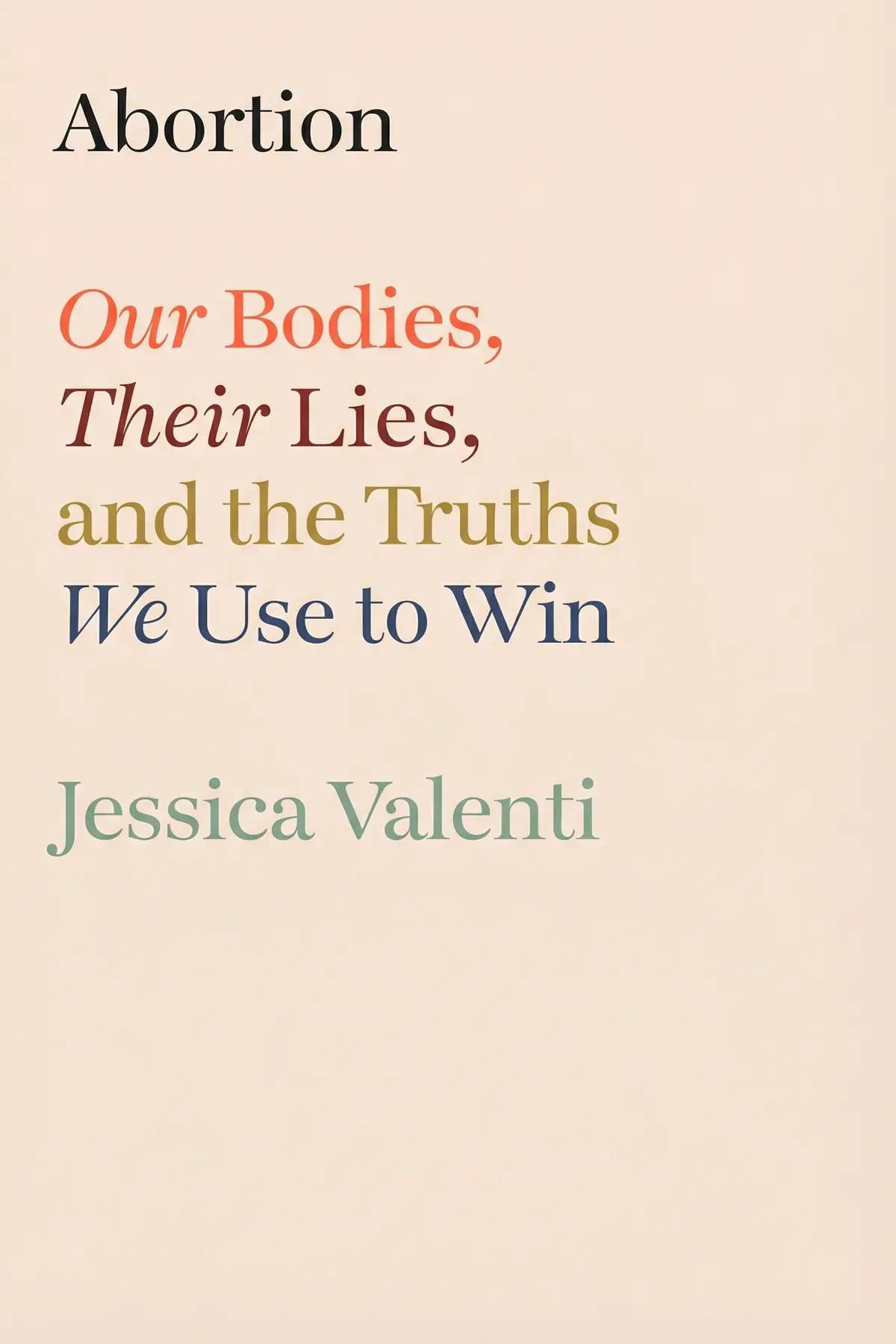
Jessica Valenti


Johny Pitts
bell hooks

Fay Bound Alberti
Daniel Goleman
AUDIO SUMMARY AVAILABLE
Get the key ideas from Me and White Supremacy by Layla Saad, plus 5,000+ more titles in English and Thai.







