
15 min 13 sec
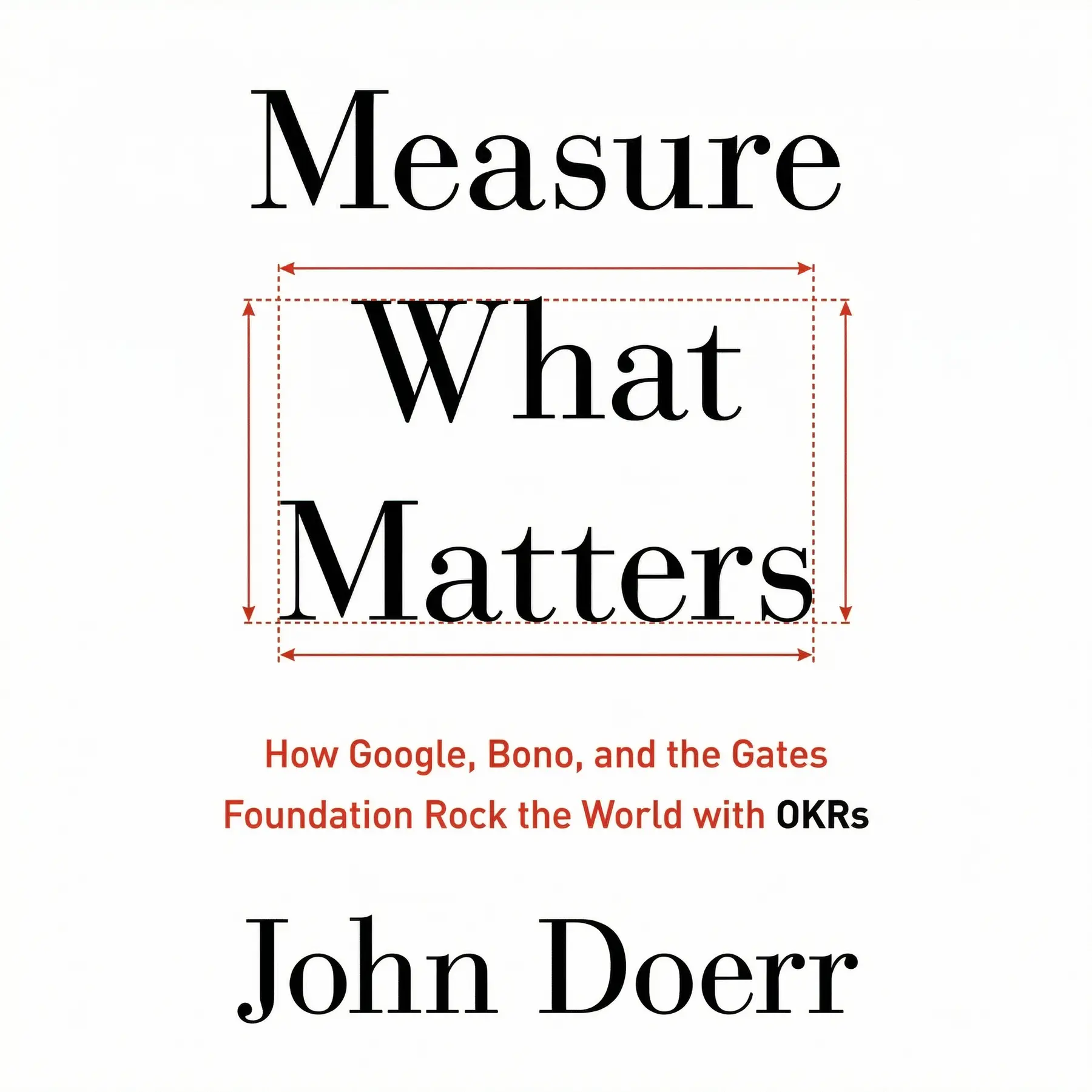
Measure What Matters: How Google, Bono, and the Gates Foundation Rock the World with OKRs
By John Doerr
Discover the goal-setting framework that fueled Google’s meteoric growth. This summary explores how Objectives and Key Results (OKRs) drive focus, alignment, and unprecedented success in organizations of all sizes.
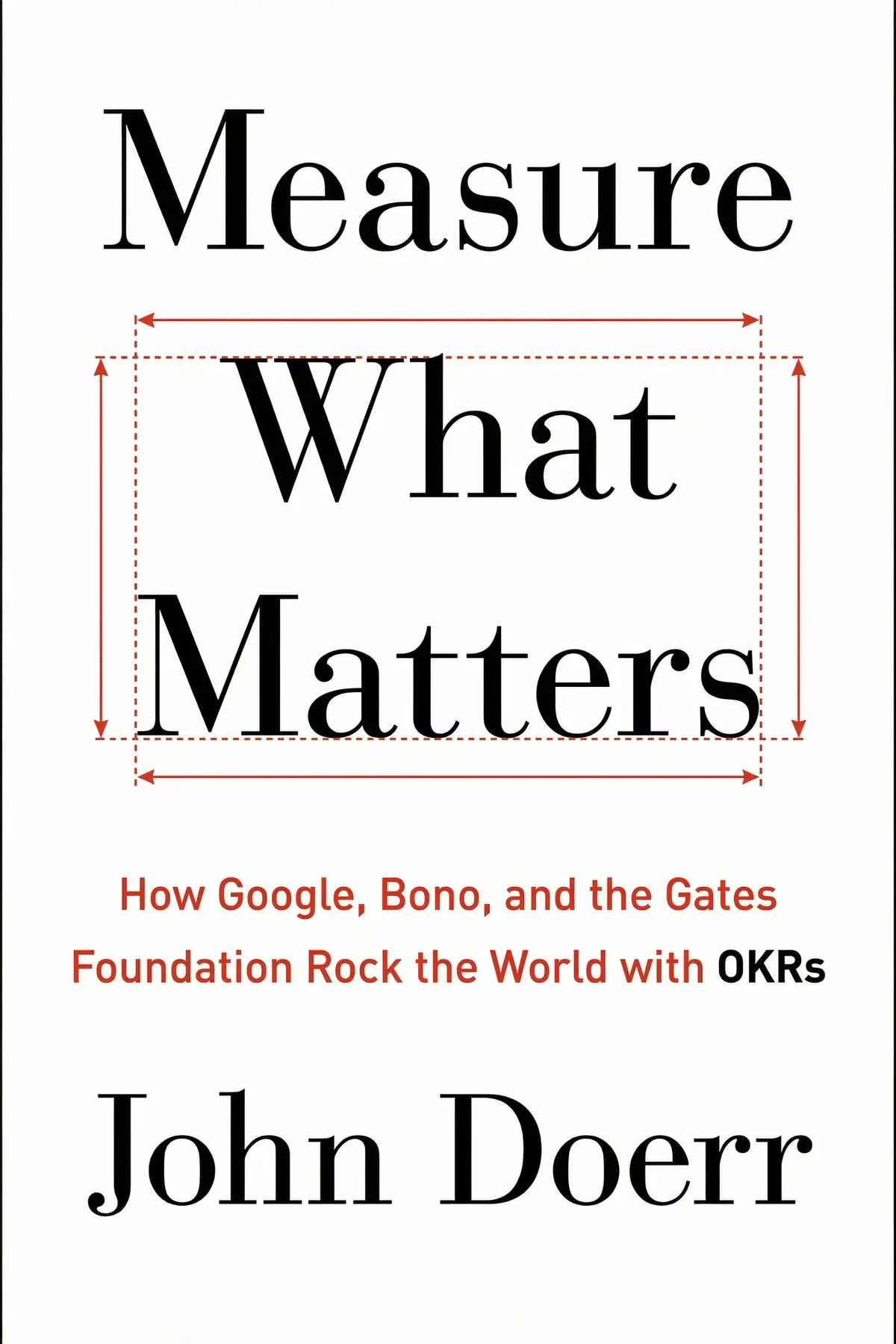
Table of Content
1. Introduction
1 min 35 sec
Have you ever found yourself in a workplace where everyone seems busy, yet the company as a whole feels stagnant? It is a common frustration. Organizations frequently struggle with a lack of direction, often because they try to pursue too many things at once. When a company lacks a clear, unified compass, employees end up being pulled in a dozen different directions, leading to burnout and a general sense of aimlessness. This is where the concept of Objectives and Key Results, or OKRs, enters the picture.
In this summary of Measure What Matters by John Doerr, we will explore a revolutionary framework for goal-setting that has powered some of the most successful companies on the planet. John Doerr, a legendary venture capitalist, didn’t just invent this system in a vacuum; he saw it transform Intel and later brought it to a tiny startup called Google when it was still operating out of a garage. The throughline of this summary is the idea that greatness isn’t just about having a visionary idea; it’s about the disciplined execution of that idea through measurable, transparent, and ambitious goals.
We will walk through the origins of OKRs, learn how they foster extreme focus, and see how they create a culture of alignment where even the most junior employee understands how their work supports the company’s highest mission. Beyond just business metrics, we will also look at how this system integrates with human connection through continuous feedback. By the end of this journey, you’ll understand how to bridge the gap between knowing what needs to be done and actually making it happen in a way that is both efficient and inspiring.
2. The Genesis of Execution over Knowledge
2 min 24 sec
Uncover how a personal quest for love led to a management revolution at Intel and why action must always triumph over theory.
3. The Power of Selective Focus
2 min 17 sec
Learn why doing less is often the secret to achieving more and how strict timeframes keep teams on their toes.
4. Transparency and the Alignment of Intent
2 min 20 sec
Discover how making goals public can supercharge motivation and why the best ideas often come from the bottom up.
5. The Art of Tracking and Pivoting
2 min 36 sec
Explore the color-coded system Google uses to measure success and learn when it’s time to kill a failing objective.
6. Stretching the Possible through CFRs
2 min 29 sec
Learn the difference between committed and stretch goals and why ‘check-ins’ are replacing the dreaded annual review.
7. Conclusion
1 min 32 sec
As we wrap up our look at Measure What Matters, the central takeaway is clear: success is not the result of a single brilliant stroke of luck, but the outcome of a disciplined system of goal-setting and execution. Objectives and Key Results provide the framework that allows an organization to dream big while keeping its feet firmly on the ground of measurable data. By limiting your focus to a few critical priorities, making those priorities transparent to everyone, and constantly tracking progress, you can turn even the most ambitious vision into a reality.
But remember, the system is not just about numbers on a spreadsheet. It is about people. By pairing OKRs with continuous conversations, feedback, and recognition, you create a culture of accountability and support. You move away from the ‘gotcha’ culture of annual reviews and toward a growth mindset where everyone is encouraged to stretch themselves.
If you want to put these ideas into practice today, start small. Remember the mantra: less is more. When setting your goals for the next three months, don’t try to change everything. Choose three to five objectives that would truly transform your work or your organization. Be specific about how you will measure them, and share them with your team. By putting more energy behind fewer initiatives, you’ll find that you can achieve far more than you ever thought possible. As Larry Page, the cofounder of Google, famously put it, the goal is to put more wood behind fewer arrows. Do that, and you will be well on your way to measuring what truly matters.
About this book
What is this book about?
Measure What Matters introduces the transformative power of Objectives and Key Results, a management system originally developed at Intel and popularized by venture capitalist John Doerr. The book reveals how clear, measurable goals can replace vague aspirations, ensuring that every individual in a company is moving in the same direction. Through real-world examples from tech giants like Google and non-profits like the Gates Foundation, it demonstrates how transparency and accountability can revolutionize workplace culture. Listeners will learn the distinction between an Objective—the 'what'—and Key Results—the 'how.' The book promises a roadmap for any leader or individual contributor to sharpen their focus, improve performance tracking, and foster a culture of continuous feedback. By moving away from rigid, annual performance reviews toward a more fluid and transparent system, organizations can achieve 'stretch goals' that once seemed impossible.
Book Information
About the Author
John Doerr
John Doerr is an American investor and venture capitalist who has mentored countless CEOs and founders on the magic of OKRs. In addition to working at venture-capital firm Kleiner Perkins, he served as a member of President Obama’s Economic Recovery Advisory Board.
Ratings & Reviews
Ratings at a glance
What people think
Listeners find this work to be a significant and engaging guide that offers firm principles and actionable guidance on OKR implementation. It delves deeply into the subject, using specific illustrations and case studies from established organizations to serve as a valuable goal-setting resource. The book's capacity to inspire is highly regarded, with one listener noting how it fuels both individual and professional growth. Opinions on the pacing vary; while some listeners consider the content brief, others believe it could be more succinct.
Top reviews
Pear
Finally got around to reading John Doerr’s take on OKRs, and I can see why it’s a staple in Silicon Valley circles. The truth is, most business books are dry, but the historical narrative involving Intel and Andy Grove kept me hooked through the technical sections. Personally, I found the emphasis on transparency and public accountability to be the most transformative part of the whole philosophy. While some chapters felt a bit like a victory lap for Kleiner Perkins, the motivational value for a manager like myself is undeniable. It’s a dense read that demands you take notes, but it provides a clear roadmap for anyone trying to bridge the gap between abstract strategy and daily execution.
Show moreAubrey
Wow, I didn't expect a business book about metrics to be this engaging. Most authors make goal-setting sound like a chore, but Doerr frames it as a way to unleash human potential and drive 10x growth. Frankly, the chapter on 'Coach' Bill Campbell was worth the price of the book alone, offering a moving portrait of leadership that goes beyond just numbers. I loved how the book emphasizes that OKRs shouldn't be tied to compensation to avoid 'sandbagging.' It’s a refreshing take on corporate culture that prioritizes ambition over safety. Even if you aren't a CEO, the personal growth tips in here are incredibly applicable to your own life goals.
Show moreKoi
After hearing about OKRs for the tenth time at work, I decided to go straight to the source. This book is an absolute masterclass in organizational alignment. John Doerr doesn't just give you a template; he gives you the 'why' behind the system, illustrated through the lens of companies that changed the world. Some might find the case studies repetitive, but I found them to be essential proof that the system works across different sectors. The concept of 'aspirational' goals—the ones you expect to fail at 30% of the time—was a total paradigm shift for me. It’s a must-read for anyone serious about high-performance leadership.
Show moreJune
This book acts as both a history lesson and a tactical manual for anyone leading a team in the 21st century. I loved the stories about the early days of Google in Susan Wojcicki’s garage; it really humanizes the giants of the industry. The truth is, many companies fail because they try to do everything at once, and Doerr’s focus on 'less is more' is the perfect antidote to that. I appreciate that he included the Google OKR playbook in the appendix, providing the specific detail that some chapters lacked. It’s an entertaining read that provides a simple framework for achieving the impossible. If you want to build a culture of accountability, start here.
Show moreTippawan
As someone who has struggled with goal setting for years, this framework provided much-needed clarity on how to align daily tasks with long-term vision. The distinction between the 'What' (Objective) and the 'How' (Key Results) is simple yet profound when you actually apply it to a messy startup environment. I appreciated the specific examples from the Gates Foundation, even if they occasionally felt a little too glossy and polished for the average small business owner. My only real complaint is the pacing; it starts strong but gets a bit repetitive toward the middle as the case studies begin to blur together. Still, the tactical advice in the appendix is pure gold for anyone actually trying to implement this system from scratch.
Show moreSawit
Look, you can find the basics of OKRs on Wikipedia, but Doerr provides the soul behind the system. I’ve worked in tech for a decade and seen OKRs used poorly, so reading the original intent from the person who brought them to Google was eye-opening. The book goes into enormous detail about the four superpowers: focus, alignment, tracking, and stretching. I do think the case studies from large foundations felt a bit disconnected from the average worker's reality. Nevertheless, the specific examples of how Google used metrics to dominate the browser market are genuinely educational. It’s a solid resource for any leader who wants to stop guessing and start measuring.
Show morePaiboon
Ever wonder why some startups explode while others fizzle out despite having great ideas? Doerr argues that execution is everything, and his OKR system is the engine that drives it. I found the pacing to be a bit uneven, as it jumps from tactical advice to historical lore quite abruptly. That said, the practical advice on 'bottom-up' goal setting was a highlight for me. It’s important to give staff the chance to set their own targets rather than just cascading orders from the top. While the book could be more concise, the sheer volume of specific examples from established companies makes it a useful reference manual for my office shelf.
Show moreWatchara
Is this book visionary or just a collection of anecdotes about wealthy tech founders? To be fair, the core logic of measuring what actually matters is sound, and Doerr is clearly an expert who has seen it all. However, I found the insistence that results must be binary—either you hit it or you didn’t—to be a bit too rigid for creative industries. The book is definitely padded with celebrity case studies that don't always translate to companies that aren't Google or Intel. It’s a decent introduction to the framework, but I spent more time reading about the history of Silicon Valley than learning how to fix my team's broken reporting system. It’s an okay read, I guess.
Show moreRung
The chapter on Intel’s history was fascinating, but the rest of this book felt like a bloated marketing pamphlet for Doerr's VC firm. Not gonna lie, I was expecting a rigorous tactical manual on how to actually write these metrics, but I got a collection of success stories instead. Why did I have to read about Bono's philanthropic efforts in a book that’s supposed to be about workflow efficiency? It feels like the entire concept could have been condensed into a three-page PDF or a decent blog post. If you’re already familiar with the difference between an objective and a key result, you’re just paying for fluff and anecdotes about Larry Page and Sergey Brin.
Show moreNong
Not what I expected from a legendary VC, and frankly, I feel like my time was stolen. This is a meandering, self-indulgent paean to unfettered capital gains that ignores the human cost of 'stretch goals' that lead to burnout. The book is essentially a sequence of rich people congratulating each other on how rich they got by using three-letter acronyms. It provides a very vague explanation of how to actually track these results in a non-tech environment. If you want to feel bad for not being a billionaire while reading about Bono, this is for you. Otherwise, save your money and just look up the definition of an OKR online.
Show moreFeatured in
Readers also enjoyed
A Year with Peter Drucker: 52 Weeks of Coaching for Leadership Effectiveness
Joseph A. Maciariello
Acting with Power: Why We Are More Powerful Than We Believe
Deborah Gruenfeld
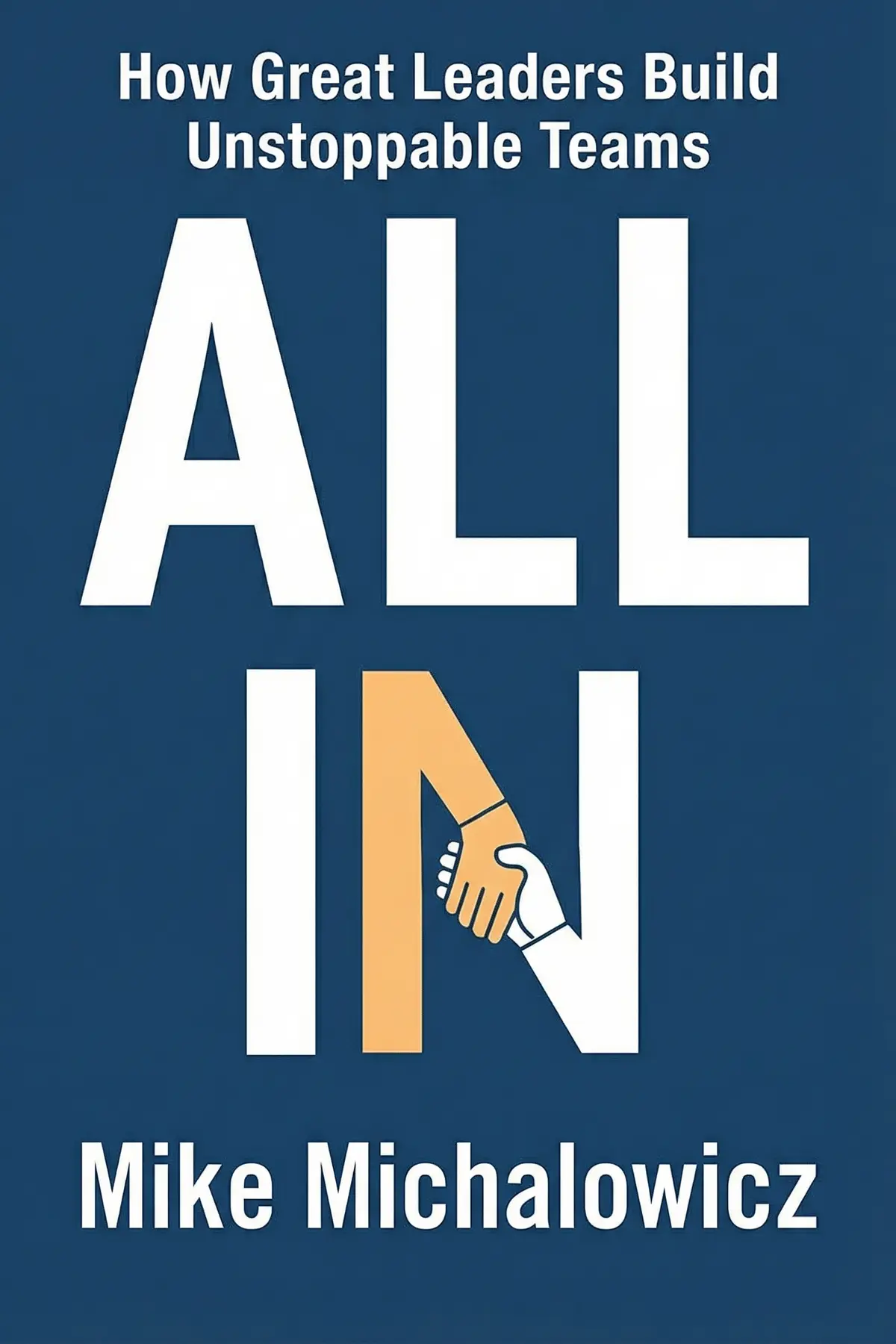
All In: How Great Leaders Build Unstoppable Teams
Mike Michalowicz
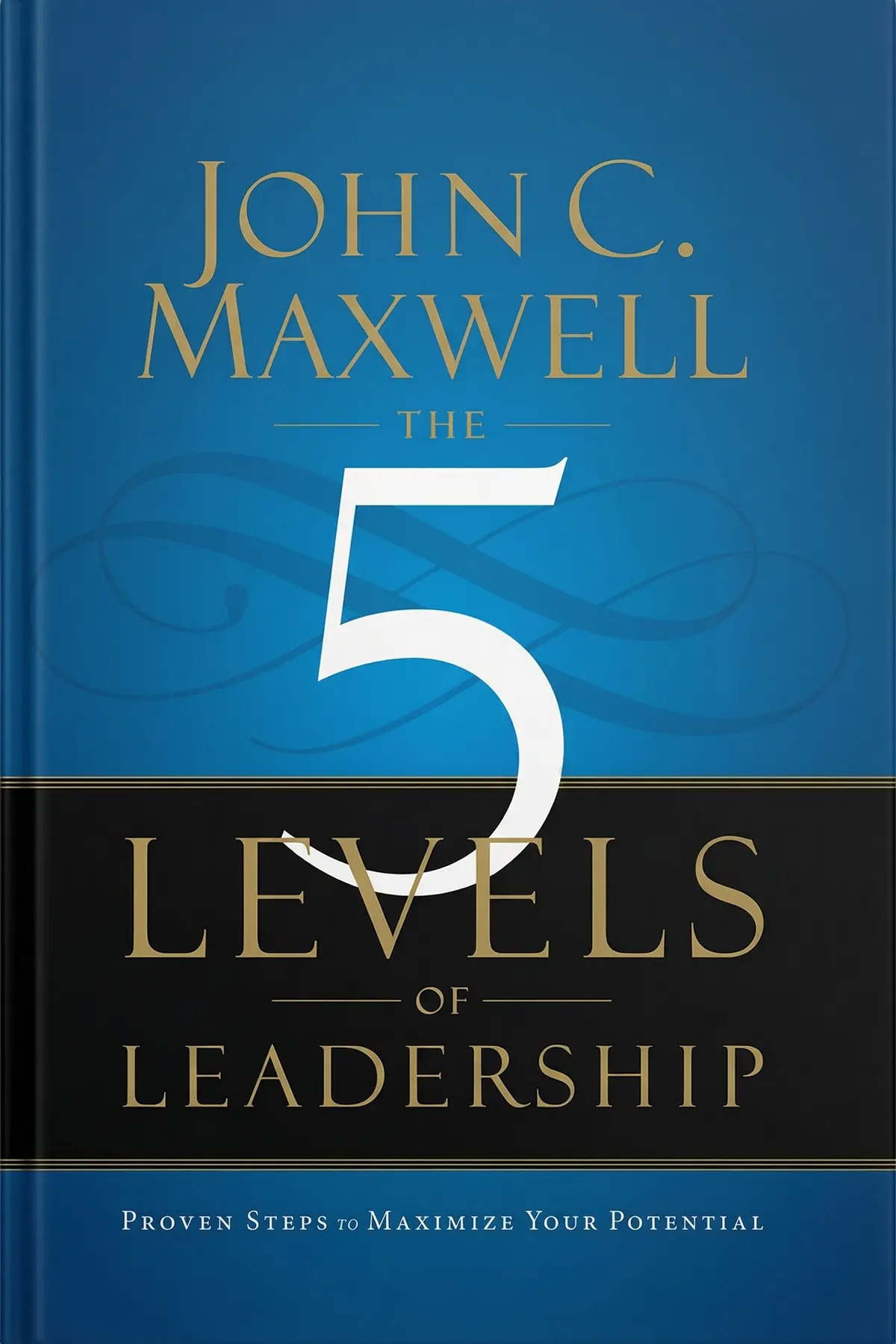
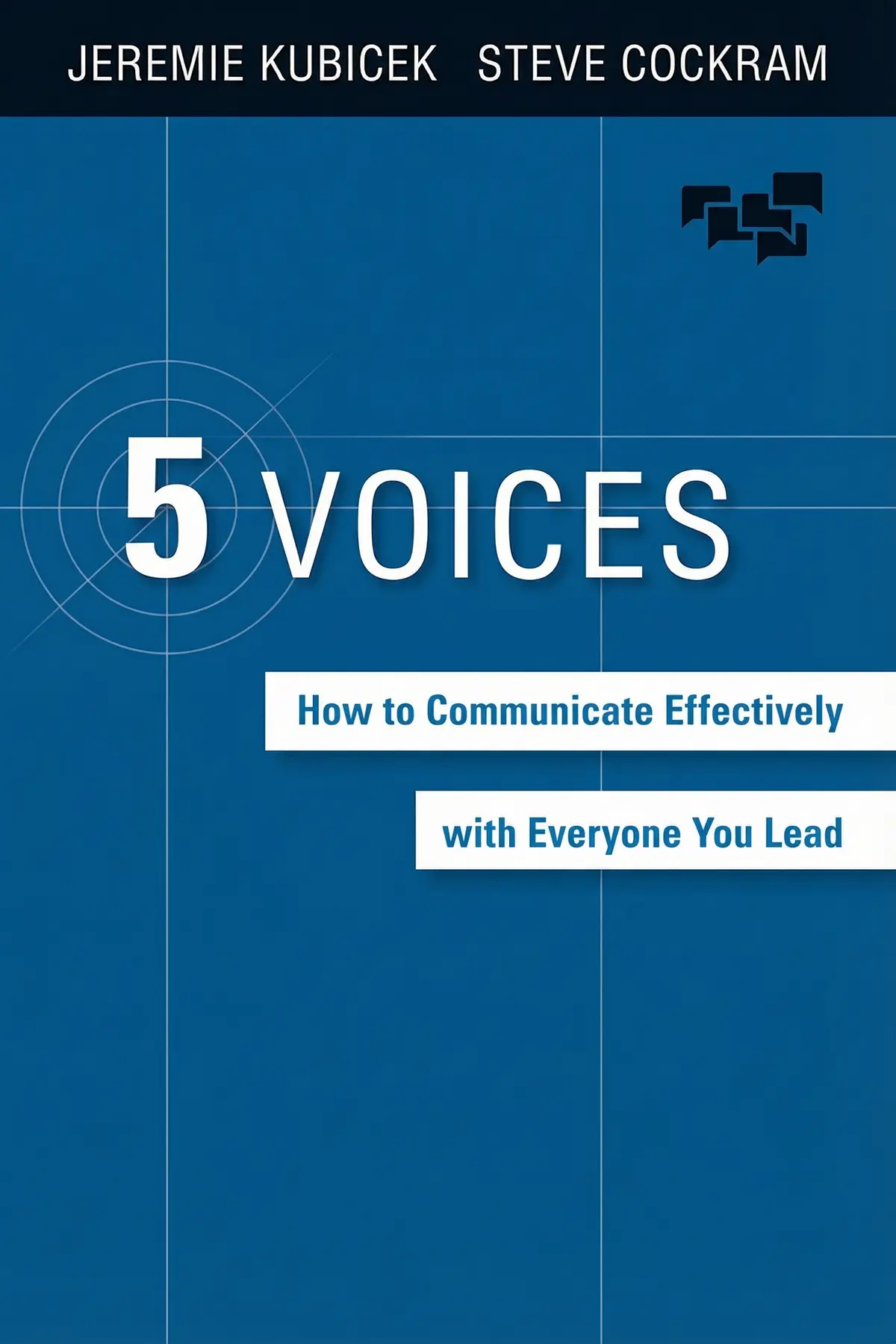
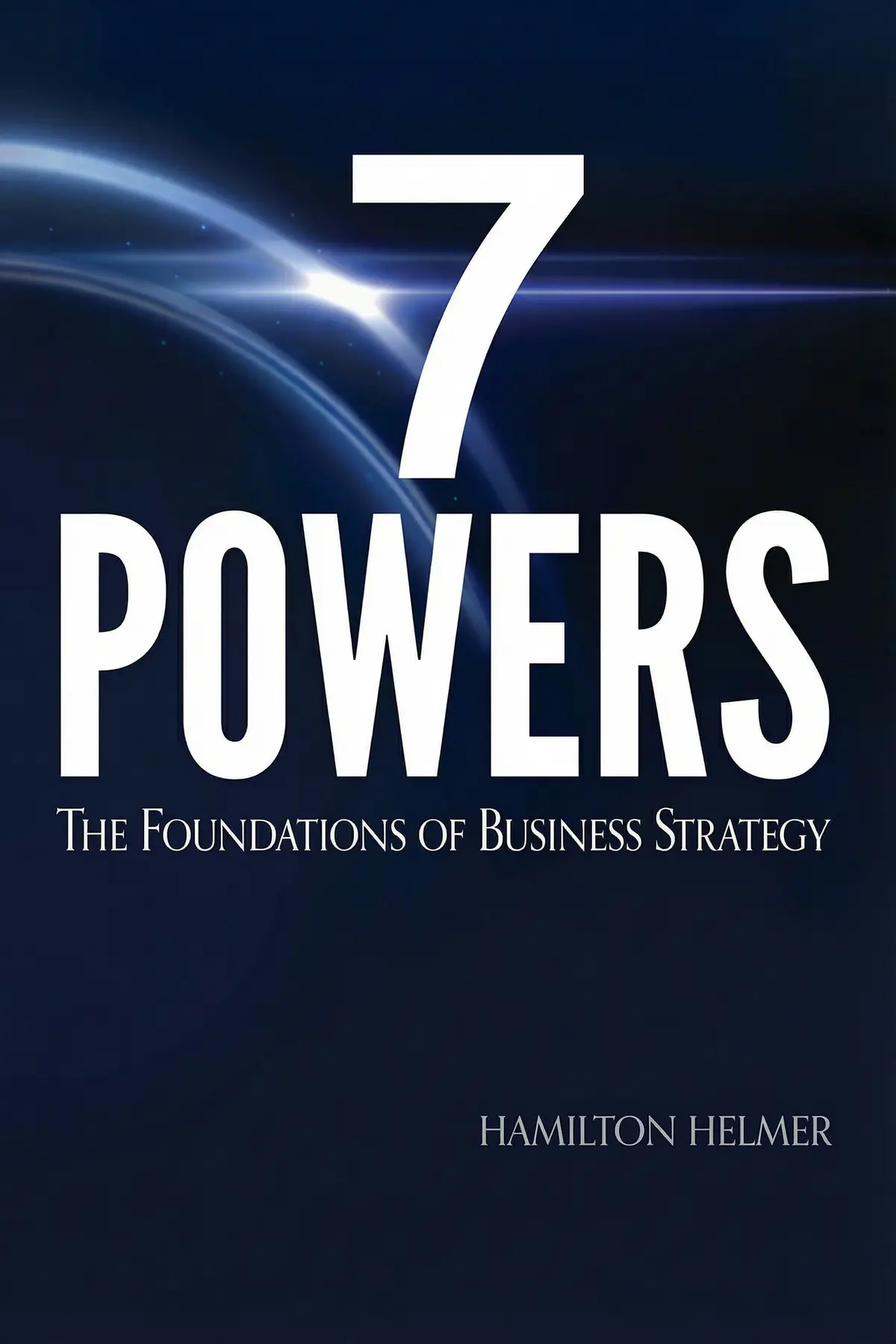
7 Powers: The Foundations of Business Strategy
Hamilton Helmer
AUDIO SUMMARY AVAILABLE
Listen to Measure What Matters in 15 minutes
Get the key ideas from Measure What Matters by John Doerr, plus 5,000+ more titles in English and Thai.
- 5,000+ titles
- Listen as much as you want
- 7-day free trial
- Cancel anytime







