
23 min 49 sec
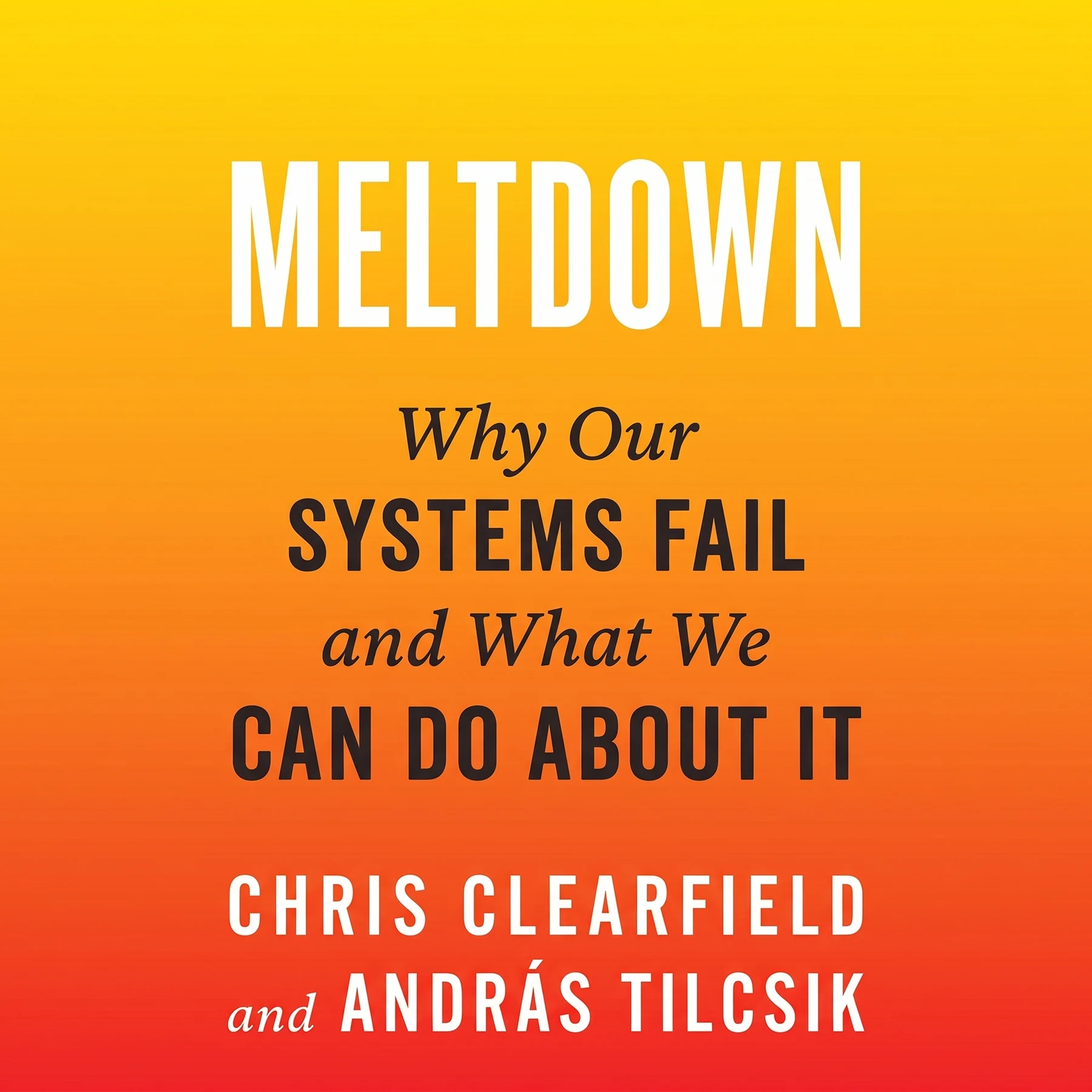
Meltdown: Why Our Systems Fail and What We Can Do About It
Meltdown explores why our increasingly complex world is prone to catastrophic failure and offers a research-backed toolkit for building resilient systems, improving communication, and making better decisions in high-stakes environments.
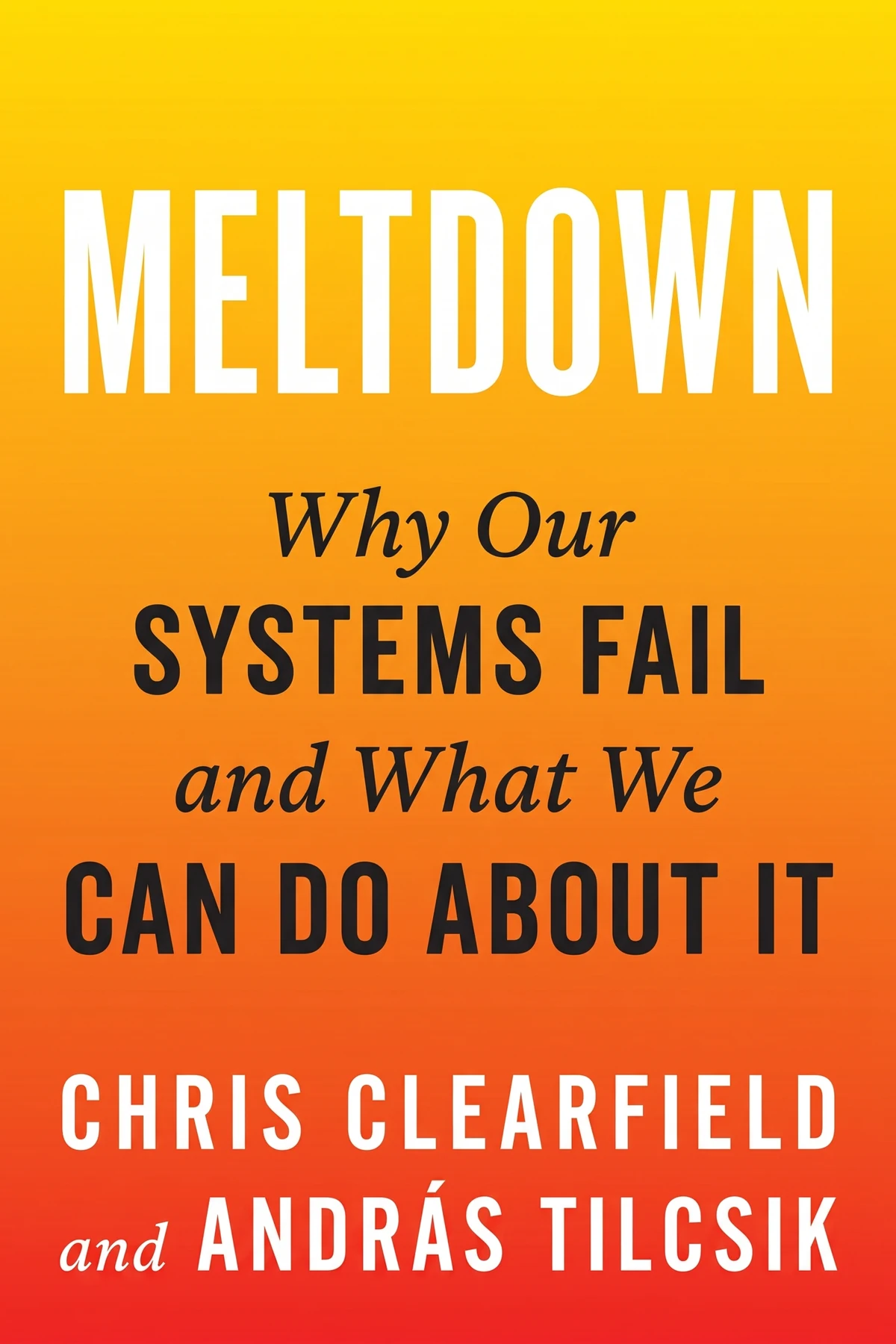
Table of Content
1. Introduction
2 min 10 sec
In the modern era, we are surrounded by technical marvels that would have seemed like magic only a few generations ago. We can fly across oceans in hours, trade stocks in milliseconds, and manage energy grids that power entire continents. But there is a dark side to this sophistication. As our systems become more capable, they also become more intricate, interconnected, and, ultimately, more dangerous. When we talk about a ‘meltdown,’ we often think of a nuclear reactor in crisis, but the truth is that meltdowns are happening all around us in less obvious ways. They happen in our banks, our hospitals, our transportation networks, and even our daily workflows.
The core problem is that we are using old-fashioned human brains to manage systems that operate at a level of complexity we weren’t evolved to handle. We rely on gut instinct where we should use data; we stay silent when we should speak up; and we ignore small glitches until they snowball into catastrophes. Authors Chris Clearfield and András Tilcsik argue that these failures aren’t just bad luck or ‘freak’ accidents. Instead, they are the predictable results of how our modern systems are built.
In this exploration, we’re going to look behind the curtain of some of the world’s most famous failures to see what they have in common. We will discover the ‘Danger Zone’ where complexity meets a lack of flexibility, and we’ll learn why even the most brilliant experts can be blinded by their own systems. More importantly, we will uncover the antidotes. From the cockpits of commercial airliners to the high-pressure environment of an emergency room, there are proven techniques for ‘failure-proofing’ our lives and our work. Whether you are leading a massive corporation or just trying to navigate a complicated family schedule, understanding the mechanics of failure is the first step toward building a safer, more resilient future. Let’s dive into the common threads that link an oil spill in the ocean to a botched Thanksgiving dinner, and see how we can keep our own systems from falling apart.
2. The Hidden DNA of Systemic Failure
2 min 45 sec
Discover why modern disasters in completely different industries often stem from the exact same structural flaws, creating a ‘Danger Zone’ where catastrophe becomes inevitable.
3. Simplifying Design and Building Buffers
2 min 44 sec
Learn how creating transparency and adding intentional ‘slack’ can prevent tragic accidents and keep projects from spiraling out of control.
4. The Limits of Human Intuition
2 min 58 sec
Our brains are often poorly equipped for complex forecasting, but specific structured tools can help us overcome our natural biases.
5. Listening to the Whispers of Impending Failure
2 min 54 sec
Major meltdowns are rarely a surprise; they are usually preceded by small warning signs that we choose to ignore.
6. Breaking the Silence: The Value of Dissent
2 min 38 sec
Hierarchy and the urge to conform can be deadly in a complex system. Learn how ‘open leadership’ and empowering subordinates saves lives.
7. Diversity as a Safety Feature
2 min 32 sec
Diverse teams don’t just provide a wider range of ideas; they naturally foster a healthy skepticism that prevents price bubbles and groupthink.
8. Iteration: Navigating Pressure with a Cycle of Learning
2 min 45 sec
High-pressure situations often lead to ‘get-there-itis.’ Discover how a three-step iterative process can keep you on track when the environment shifts.
9. Conclusion
2 min 23 sec
As we’ve seen throughout this journey, the meltdowns we witness in the headlines are not just random acts of fate. They are the logical conclusions of how we build and manage our modern world. Our systems have become so complex and so tightly linked that we can no longer rely on simple intuition or rigid hierarchies to keep us safe. But while the dangers are real, they are not insurmountable. The same complexity that makes our systems fragile also offers us opportunities to innovate and grow, provided we use the right tools.
The throughline of all these lessons is the importance of humility. We must be humble enough to admit that our brains have biases, humble enough to listen to the junior members of our teams, and humble enough to admit when our plans are no longer working. By building buffers into our schedules, simplifying our designs, and embracing the skepticism that comes with diversity, we can create ‘slack’ in a world that is increasingly tight.
One of the most practical ways to start applying these lessons today is by conducting a ‘pre-mortem.’ Most people are familiar with a post-mortem—the meeting held after a project has failed to figure out what went wrong. A pre-mortem flips this on its head. Before you start a project, gather your team and ask them to imagine that, one year from now, the project has been a total and complete disaster. Then, ask everyone to work backward and list the reasons why it failed. Research shows that this ‘prospective hindsight’ helps us see glitches and risks that we would otherwise be too optimistic to notice.
We are living in a golden age of technical capability, but it is also an age of unprecedented risk. By understanding the mechanics of failure, we don’t just protect ourselves from disaster; we also clear the path for more sustainable success. The next time you see a small error or feel the pressure to push through a dangerous situation, remember the lessons of the ‘Danger Zone.’ Listen to the weak signals, encourage the dissenting voice, and don’t be afraid to pause. The goal is not just to survive the next meltdown, but to build a world where they are no longer inevitable.
About this book
What is this book about?
We live in an era where technology and global connectivity have created systems more advanced than anything in human history. However, this progress comes with a hidden cost: extreme complexity. Meltdown examines why major disasters—from nuclear accidents to financial collapses—share a common DNA. It reveals how the very features that make our systems efficient also make them fragile and prone to unpredictable chain reactions. The book promises a path forward by identifying the 'Danger Zone' of high complexity and tight coupling. By looking at diverse fields like aviation, medicine, and professional kitchens, the authors provide actionable strategies for anyone managing a team or a project. You will learn how to spot early warning signs, foster a culture of healthy dissent, and use structured tools to override the cognitive biases that lead to disaster. It’s a guide to succeeding in a world where the stakes are higher than ever.
Book Information
About the Author
Chris Clearfield
Chris Clearfield and András Tilcsik are renowned experts in the field of crisis management and risk prevention. Clearfield possesses a unique professional background, having served as a commercial pilot and worked in financial forecasting as a derivatives trader. Tilcsik is a distinguished academic at the University of Toronto, where he was named one of the top 40 business professors under the age of 40 globally. Their collaborative work has been featured in the Guardian, Forbes, and the Harvard Kennedy School Review. Additionally, their disaster risk management curriculum has received official approval from the United Nations.
Ratings & Reviews
Ratings at a glance
What people think
Listeners view this work as a captivating study of systemic breakdowns, featuring fascinating examples ranging from the Fukushima reactor crisis to the blunder at the 2017 Academy Awards. Even though some listeners believe the concepts stem from established theories on complexity, many value the actionable techniques provided for reducing danger and handling "tightly coupled" environments. Furthermore, they appreciate the focus on how inclusive perspectives and organized disagreement can help organizations overcome groupthink. They also observe that the text offers a relevant caution for our automated age, with one listener commenting that it effectively identified the "common fault lines" underlying apparently disconnected disasters.
Top reviews
Ten
Clearfield and Tilcsik have crafted an incredibly unsettling yet necessary exploration of how our modern world is increasingly prone to systemic collapse as processes get faster. They masterfully explain the concept of "tightly coupled" systems where a minor glitch in one area cascades into a total meltdown without warning. I found the analysis of the Knight Capital algorithmic disaster particularly terrifying because it shows how automation eliminates the human margin for error. The authors don't just leave you in despair, though; they offer concrete strategies like nurturing dissent to break through groupthink. It is a gripping read that makes you look at every complex process with skepticism. This is a top-tier addition to your business shelf.
Show moreOmar
I picked this up because I’ve always been obsessed with "how things go wrong" stories, and Meltdown definitely delivered on that front. The narrative flows seamlessly from the Starbucks PR disaster to the tragic events at Fukushima, showing the common threads that link them together. What really struck me was the emphasis on "softening power cues" to allow lower-level employees to speak up when they see something wrong. It's a vital lesson for any leader who wants to avoid the trap of cognitive bias and groupthink. The writing style is punchy and accessible, making complex sociotechnical theories feel relevant to everyday decision-making. Frankly, this should be required reading for anyone in management.
Show moreKru
After hearing about the Fukushima analysis in this book, I can't stop thinking about how we design our critical infrastructure. The authors do a fantastic job of explaining why "tight coupling" is so dangerous: it leaves no room for error and allows failures to spread faster than we can react. I particularly loved the advice on bringing in amateurs or outsiders to challenge long-held assumptions within a company. This kind of cognitive diversity is clearly the best defense against the meltdowns the title warns about. It's an engaging, fast-paced read that manages to be both entertaining and deeply educational. Highly recommended for anyone interested in the intersection of psychology and strategy.
Show moreRuangrat
This is an essential manual for navigating the complexities of the 21st century. Clearfield and Tilcsik have a knack for taking high-level academic concepts and making them feel immediate and personal. I was particularly moved by the sections on how to build a culture where dissent is valued rather than punished. It's easy to see how so many of the disasters mentioned, from Enron to Flint, could have been avoided if someone had just listened to the outliers. The prose is clear and the pacing is excellent, making it a quick but impactful read. I walked away with a much better understanding of why systems fail and how to fix them.
Show moreNatchaya
Ever wonder why massive, multi-billion dollar companies seem to make such amateur mistakes during a crisis? This book provides a clear framework for understanding those failures through the lens of complexity and tight coupling. The case studies, ranging from the Fukushima nuclear disaster to the infamous Oscars mix-up, are well-researched and engagingly written. I appreciated the practical advice on performing "pre-mortems" to identify potential points of failure before they actually happen. While some of the theories on diversity felt a bit like standard management advice, the way they were linked to systemic resilience was genuinely insightful. This is a solid read for anyone who works in a high-stakes environment where one small error can lead to catastrophe.
Show moreRung
As a project manager, I found the insights regarding structured dissent and the dangers of automation to be highly relevant to my daily work. The authors argue that as we move toward an increasingly automated world, the risks of catastrophic failure actually grow because we lose our intuitive feel for the system. I liked the discussion on how diverse groups are naturally more skeptical and less likely to fall into herd mentality during a crisis. My only minor gripe is that some chapters felt a bit repetitive, hammering home the same points about coupling several times. Still, the practical takeaways for managing risk are excellent and easy to implement. It’s a very timely warning against the complacency that comes with technical progress.
Show moreWit
The chapter discussing the 2017 Oscars Best Picture snafu was a brilliant way to illustrate how poor design can lead to massive embarrassment. It wasn't just a human error by the PwC accountants; it was a systemic failure caused by the way the envelopes were printed. This book excels at showing how these "normal accidents" are baked into the very structures we build. I also found the section on the Theranos board of directors to be a chilling example of how a lack of diversity can lead to total blindness. While the tone is occasionally a bit too consultant-heavy for my taste, the underlying message is incredibly powerful. It forces you to look for invisible fault lines.
Show moreHemp
Not what I expected from a business book, as it reads more like a high-stakes thriller in several chapters. The explanation of the Knight Capital collapse, where $460 million vanished in minutes, was absolutely gripping and served as a perfect warning about the dangers of algorithms. I appreciated that the authors provided a checklist of ways to combat these issues, such as performing a "pre-mortem" to imagine what could go wrong. The book successfully argues that in our interconnected age, we can no longer afford to be complacent about small warning signs. It’s a great blend of storytelling and actionable advice, though it does occasionally repeat its main points. Overall, it’s a worthwhile read.
Show moreJoy
While the case studies are undeniably fascinating, I couldn't help but feel that much of the content was a repackaging of Charles Perrow’s older work. The authors do a decent job of updating the examples for the digital age, but the core "complexity plus coupling" thesis isn't exactly groundbreaking. To be fair, the sections on how diversity can help mitigate risk by forcing more rigorous thinking were a highlight for me. However, I was hoping for a more academic deep-dive into complexity theory rather than another breezy business book that skims the surface. It’s a fine introduction for newcomers to the topic, but seasoned readers of management theory might find it a bit derivative.
Show moreSamroeng
To be frank, I found the core thesis of this book to be quite thin despite the interesting historical anecdotes provided. It felt like the authors took a single, simple concept and stretched it out over 300 pages with recycled stories we have all heard before. The "solutions" they offer, like having more meetings or increasing diversity, felt like generic management platitudes rather than rigorous interventions. I was honestly expecting something far more original than this collection of Wikipedia summaries. If you have never read anything about systems thinking, you might enjoy it, but for me, it was a bit of a slog. Look, there are better books on complexity available.
Show moreFeatured in
Readers also enjoyed
A Year with Peter Drucker: 52 Weeks of Coaching for Leadership Effectiveness
Joseph A. Maciariello
Acting with Power: Why We Are More Powerful Than We Believe
Deborah Gruenfeld
All In: How Great Leaders Build Unstoppable Teams
Mike Michalowicz
AUDIO SUMMARY AVAILABLE
Listen to Meltdown in 15 minutes
Get the key ideas from Meltdown by Chris Clearfield, plus 5,000+ more titles in English and Thai.
- 5,000+ titles
- Listen as much as you want
- 7-day free trial
- Cancel anytime







