
The Value of Everything: Making and Taking in the Global Economy
Mariana Mazzucato
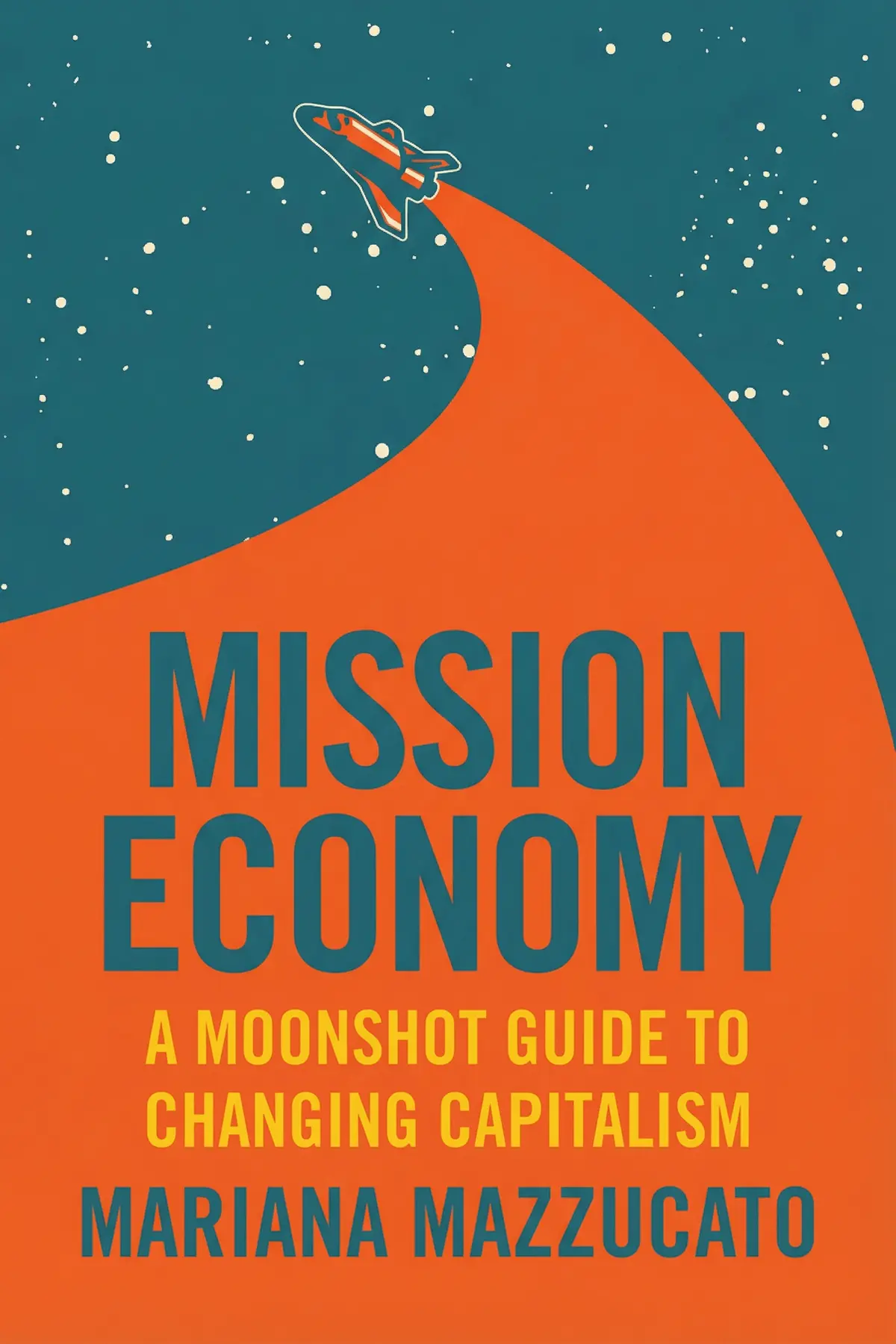
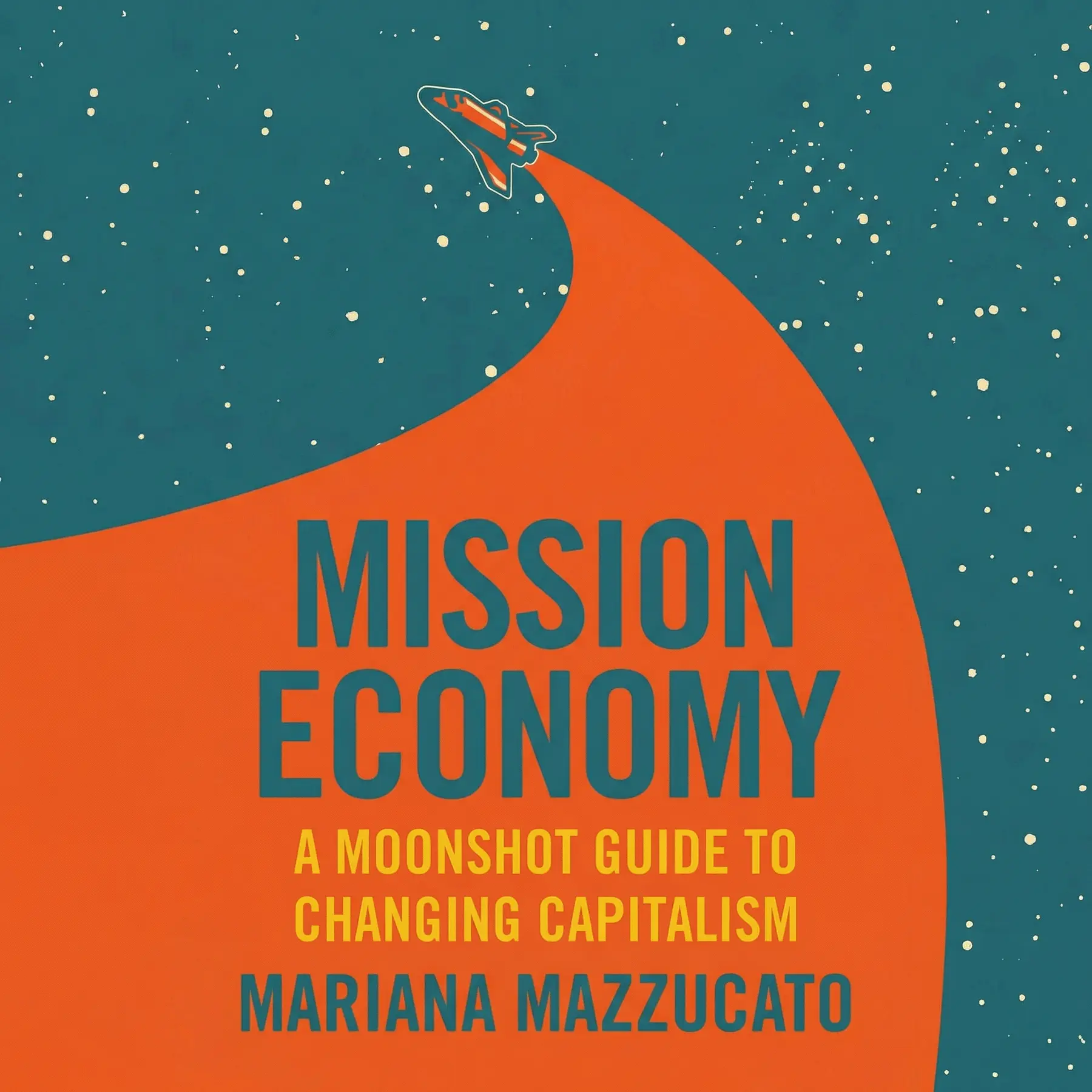
Mission Economy reimagines the relationship between government and business, advocating for a bold, moonshot-style approach to solving today's greatest global challenges like climate change, inequality, and healthcare.
2 min 23 sec
In the summer of 1969, the world stood still as the impossible became reality. Human beings didn’t just reach for the stars; they stepped onto the lunar surface. It was a moment of sheer audacity that transformed our understanding of what humanity could achieve. But behind that ‘one small step’ was something much larger than a single astronaut or a single rocket. It was the result of a massive, coordinated effort that spanned nearly a decade. It involved hundreds of thousands of people, billions of dollars, and a level of cross-sector cooperation that we rarely see today. Most importantly, it was driven by a singular, unwavering focus. It was a mission.
Today, we find ourselves in a world that feels increasingly fragmented and overwhelmed by crises that seem insurmountable. From the global fallout of the Covid-19 pandemic to the looming threat of climate change and the widening chasm of economic inequality, our current systems are struggling to cope. We often hear that the solutions are too expensive, that the government is too inefficient, or that the market will eventually solve everything on its own. But what if we are looking at the problem through the wrong lens? What if the reason we aren’t solving these massive earthly problems is that we’ve lost the ‘moonshot’ spirit that once defined our greatest collective successes?
In this exploration of Mariana Mazzucato’s vision, we are going to look at how we can fundamentally reshape the way our economy works. We are going to dive into the idea that capitalism doesn’t have to be a race to the bottom or a series of reactive fixes to market failures. Instead, it can be a purposeful, mission-oriented journey. We’ll examine why the current relationship between the state and the private sector is broken and how a new, bold approach to public investment could lead us toward a more stable, fair, and innovative future. It’s time to move past the era of economic austerity and limited thinking. By looking back at the lessons of the Apollo program, we can find a roadmap for tackling the most urgent challenges of our time. This isn’t just about spending money; it’s about changing the direction of growth and rediscovering what it means to work together for the common good.
1 min 51 sec
Discover how a singular focus on the moon landing created a ripple effect of innovation that still shapes our modern world today.
1 min 44 sec
Understand why our current view of the state as a mere ‘market-fixer’ prevents us from achieving truly visionary breakthroughs.
1 min 37 sec
Explore how our obsession with shareholder value and financial assets is draining resources away from the real economy.
1 min 45 sec
Learn how the Apollo mission successfully blended government oversight with private sector expertise to achieve the impossible.
1 min 40 sec
From the depths of the ocean to the heat of our cities, see how we can turn global challenges into actionable missions.
1 min 40 sec
Discover why we must move beyond the idea that price equals value if we want to build a truly resilient economy.
1 min 40 sec
Understand why the missions of the future must be built from the bottom up, involving the voices of the people they affect most.
1 min 42 sec
Learn how changing our corporate philosophy can help bridge the gap between economic success and social equity.
1 min 24 sec
The journey of the Apollo program reminds us that when we unite behind a clear, ambitious purpose, we can overcome even the most daunting obstacles. Today, the challenges we face are different from those of the 1960s, but they are no less urgent. The climate crisis, systemic inequality, and the need for a resilient global health system are our new frontiers. We cannot solve these problems with the same cautious, reactive thinking that created them. We need a fundamental shift in our political economy—a shift that places mission at the center of our efforts.
By moving away from the narrow focus on shareholder value and the myth of the passive state, we can unlock a new era of innovation and public value. This requires us to see the government not as an inefficient bystander, but as a bold leader capable of shaping markets and directing growth toward the public good. It requires businesses to rediscover their sense of purpose and for all of us to participate in the democratic process of choosing our collective goals. The view of Earth from the moon fifty years ago was a humbling reminder of our duty to protect our home and each other. Now, it is time for us to take that duty seriously. We have the tools, the creativity, and the resources to build a better version of capitalism. All we need is the mission.
Mission Economy explores the urgent need for a fundamental shift in our political and economic systems. Author Mariana Mazzucato argues that our current version of capitalism is failing because it is too reactive, too focused on short-term financial gains, and too dismissive of the state's potential to drive innovation. By looking back at the 1960s Apollo program, she illustrates how a goal-oriented 'mission' approach can mobilize vast resources and foster public-private partnerships that benefit all of society. The book promises a roadmap for the future, showing how we can apply this 'moonshot' mentality to earthly problems like the climate crisis and systemic inequality. It challenges the traditional view of the state as a mere 'market-fixer' and calls for a new definition of public value. Mazzucato provides a vision for a more inclusive, sustainable, and purposeful economy where growth has a clear direction and the rewards of success are shared by everyone who contributes to them.
Mariana Mazzucato is an economics professor at University College London, and founding director of the university’s Institute for Innovation and Public Purpose. She has won awards including the John Von Neumann Award in 2020 and the All European Academies Madame de Staël Prize for Cultural Values in 2019. She also advises policymakers all around the world on innovation and sustainable growth, and wrote the books The Entrepreneurial State and The Value of Everything.
Mariana Mazzucato
Listeners describe the book as both stimulating and motivating, with one person noting it transformed their viewpoint on governance. They also value the writing's clarity, with one listener remarking that it is an exceptional choice for anyone seeking significant systemic change.
This book is a clarion call for anyone tired of the 'government is the problem' narrative. Mazzucato takes the Apollo program and uses it as a stunning blueprint for how we can solve modern crises like climate change. I found the writing incredibly readable, which is rare for a superstar economist tackling such heavy structural issues. She doesn't just want to fix market failures; she wants the state to actively shape new markets for the public good. While some might find the optimism a bit much, the central argument about reclaiming public value is genuinely inspiring. It changed how I view the potential of governance in a world that feels increasingly stagnant. This isn't just theory; it’s a roadmap for a better, more purposeful kind of capitalism.
Show moreThe chapter on the moonshot as a blueprint for modern governance is nothing short of revolutionary for my own thinking. Mazzucato isn't just asking for more spending; she’s asking for a total shift in how we value public service and innovation. I loved the way she articulated that the state should be 'picking the willing' rather than just 'picking winners.' It’s a subtle but powerful distinction that changes the dynamic of public-private partnerships. The book flows well and avoids the dry, jargon-heavy pitfalls of most economic treatises. Even the diagrams, which usually bore me, were helpful in visualizing how missions can catalyze different sectors. Some of the case studies from her work with the EU felt a bit brief, but the overall message is clear. We need to stop seeing the state as a bailing-out mechanism and start seeing it as a lead investor.
Show moreFinally got around to this and it’s shifted my entire worldview on what the government is actually capable of achieving. Mazzucato’s 'Mission Economy' is the perfect book for our times, providing a clear-eyed look at how we can mobilize for a Green New Deal. Her prose is punchy and direct, avoiding the fluff that usually bogs down these kinds of manifestos. I was especially struck by the idea that a government lacking imagination will always struggle to create public value. We've been told for forty years that the state is incompetent, and this book shows exactly how that became a self-fulfilling prophecy. It’s an empowering read that suggests we already have the tools to change capitalism—we just need the political will. Minor criticisms aside, this is easily one of the most important economics books of the decade.
Show moreEver wonder why we could put a man on the moon but can't seem to solve homelessness or the plastic crisis? Mazzucato argues it's because we've lost our sense of collective mission and hollowed out the state’s internal capabilities. Frankly, her analysis of how we've outsourced vital government functions to 'Big Four' consultancies is the most eye-opening part of the text. By losing that institutional memory, we've lost our ability to dream big and execute complex tasks. The book is thought-provoking, even if it leans heavily on the Apollo analogy throughout every chapter. To be fair, she acknowledges that social 'wicked' problems are harder than technical ones, but I wanted more on that transition. It’s still a fantastic read for those craving big-picture change.
Show moreAs a policy wonk, I found the discussion on 'market-shaping' versus 'market-fixing' to be the strongest contribution here. Mazzucato challenges the idea that government should only step in when things go wrong, arguing instead for a proactive, entrepreneurial state. The prose is surprisingly accessible, making complex economic shifts feel intuitive and urgent for the average reader. I particularly enjoyed the section on reforming intellectual property and ensuring the public gets a return on its investments. It’s frustrating to think about how much public money subsidizes companies like Tesla without the taxpayer seeing a share of the success. My only gripe is that the book remains somewhat Euro-centric in its examples. Despite that, it’s an essential text for rethinking the social contract in the 21st century.
Show moreAfter hearing so much buzz about Mazzucato, I finally dove into 'Mission Economy' and found it to be a refreshing antidote to cynical politics. She makes a compelling case for 'stakeholder capitalism' that actually serves societal goals rather than just quarterly profits. The way she links the hollowing out of government to the rise of the consulting industry was particularly stinging and accurate. It explains why so many modern public projects feel sluggish and uninspired compared to the feats of the mid-20th century. While the book is quite optimistic, she doesn't shy away from the 'bad theory' that led us into the current climate and inequality crises. I would have liked more detail on how developing nations can adopt this model without the massive resources of the US. Still, it’s a thought-provoking piece that encourages you to imagine a more capable public sphere.
Show moreGotta say, I was skeptical about an economics book being this engaging, but Mazzucato has a real gift for communication. She breaks down the 'fictitious commodities' of capitalism in a way that feels relevant to everyday life and the current economic malaise. The focus on 'pre-distribution' and social wealth funds offers a tangible alternative to the endless cycle of tax-and-spend debates. It's an inspiring read that makes you want to get involved in local governance and demand more from our institutions. To be fair, the 'wicked problems' section could have used more concrete examples of failed missions to show what we can learn from mistakes. But the overall tone is so positive and solution-oriented that it’s hard not to feel a bit of hope. Fantastic for anyone who wants to see big-picture change but doesn't know where to start.
Show morePicked this up because I wanted a progressive take on state planning that wasn't just 'tax the rich.' Mazzucato is brilliant at debunking the myth that the private sector is the only source of innovation, reminding us that the state often takes the biggest risks. However, the book felt a bit repetitive at times, circling back to the 1960s space race more often than necessary. I appreciated the 'mission maps' for the UN Sustainable Development Goals, though they occasionally felt more like academic exercises than practical policy. If you’ve read her previous work like 'The Entrepreneurial State,' some of this will feel like a retread of old ground. It’s a solid 3-star read that offers a great introduction to her ideas but lacks the granular 'how-to' for today's messy politics.
Show moreThe truth is, while the vision of a mission-led economy is grand, the implementation details in this book feel a bit murky. Mazzucato is a master at identifying what’s wrong with our current 'market failure' mindset, but the transition to a 'market-shaping' one is easier said than done. I appreciated the honesty regarding the difficulty of social missions compared to the purely technical challenge of the moon landing. However, the book occasionally feels like it’s orbiting around the same three or four points for 200 pages. The insights into how the private sector socializes risks while privatizing rewards are vital, yet I left feeling like I needed a more tactical guide. It’s a great 'why' book, but perhaps not the definitive 'how' book I was hoping for. Still, it’s well worth a read for the intellectual challenge it provides to the status quo.
Show moreNot what I expected, and frankly, I found the whole thing a bit too sugar-coated for my taste. While I agree with the critique of neoliberalism, Mazzucato seems to ignore the darker, military-industrial roots of the very programs she praises. The Apollo mission wasn't just a peaceful quest for knowledge; it was a Cold War arms race product, yet the book glosses over that context. Her 'mission-oriented' solutions for climate change and health feel dangerously technocratic and detached from the reality of political struggle. It’s a very Western-centric view that assumes the current global system just needs a better 'mission' rather than a total overhaul. If you're looking for a deep dive into the 'why' of financialization, you'll be disappointed by the pop-psychology explanations offered here. It feels more like a pitch for middle-class reformers than a serious economic critique.
Show more
Tracy Rosenthal
Jessica Valenti

Yuval Noah Harari

Pankaj Mishra

Jacinda Ardern

Anthony Pratkanis
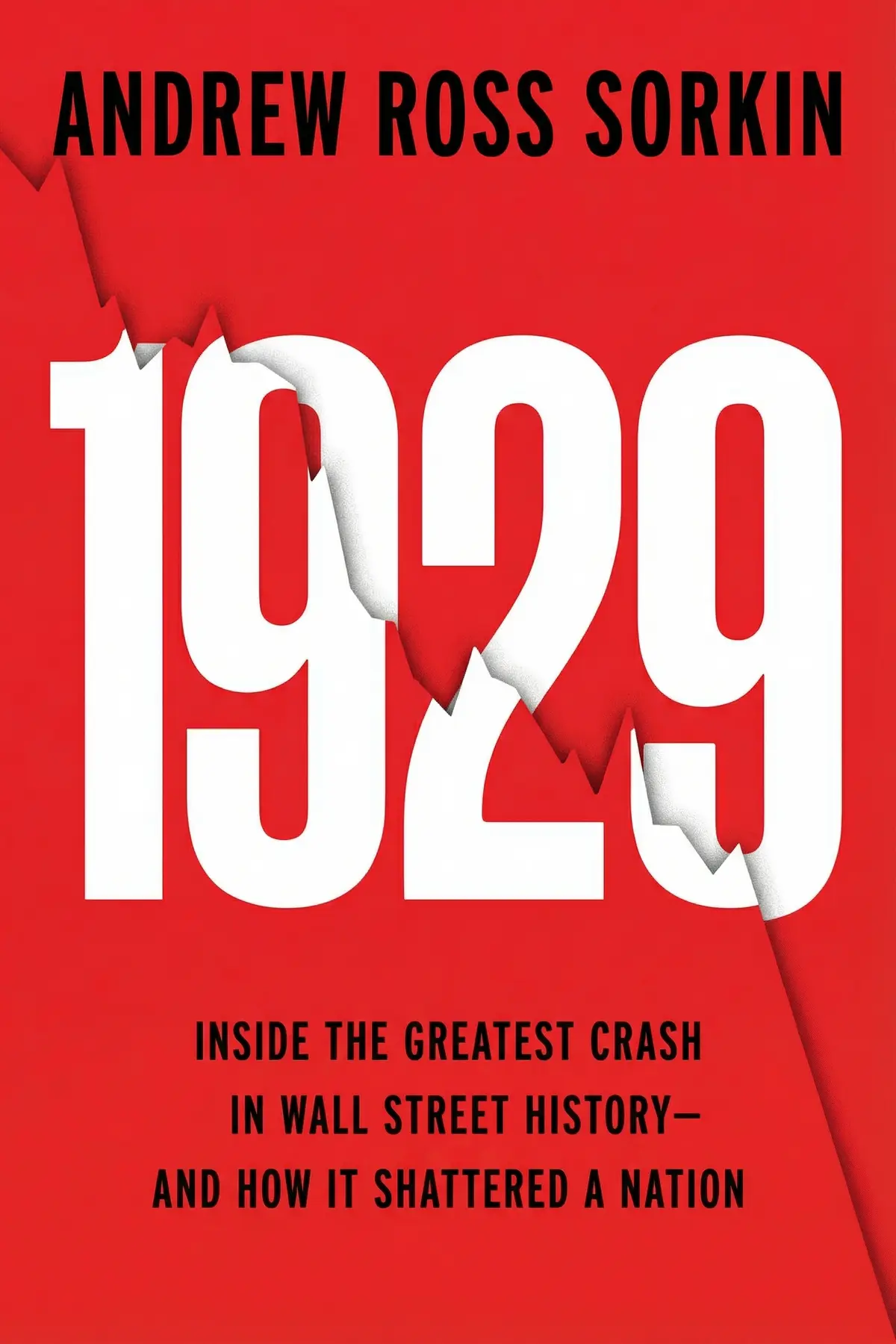
Andrew Ross Sorkin
AUDIO SUMMARY AVAILABLE
Get the key ideas from Mission Economy by Mariana Mazzucato, plus 5,000+ more titles in English and Thai.







