

20 min 50 sec
Multipliers: Unlocking The Secrets of Effective Leadership to Maximize Team Potential
By Liz Wiseman
Multipliers explores why some leaders drain their team’s intelligence while others amplify it. By shifting from diminishing behaviors to multiplier mindsets, leaders can unlock hidden potential and effectively double their collective output.
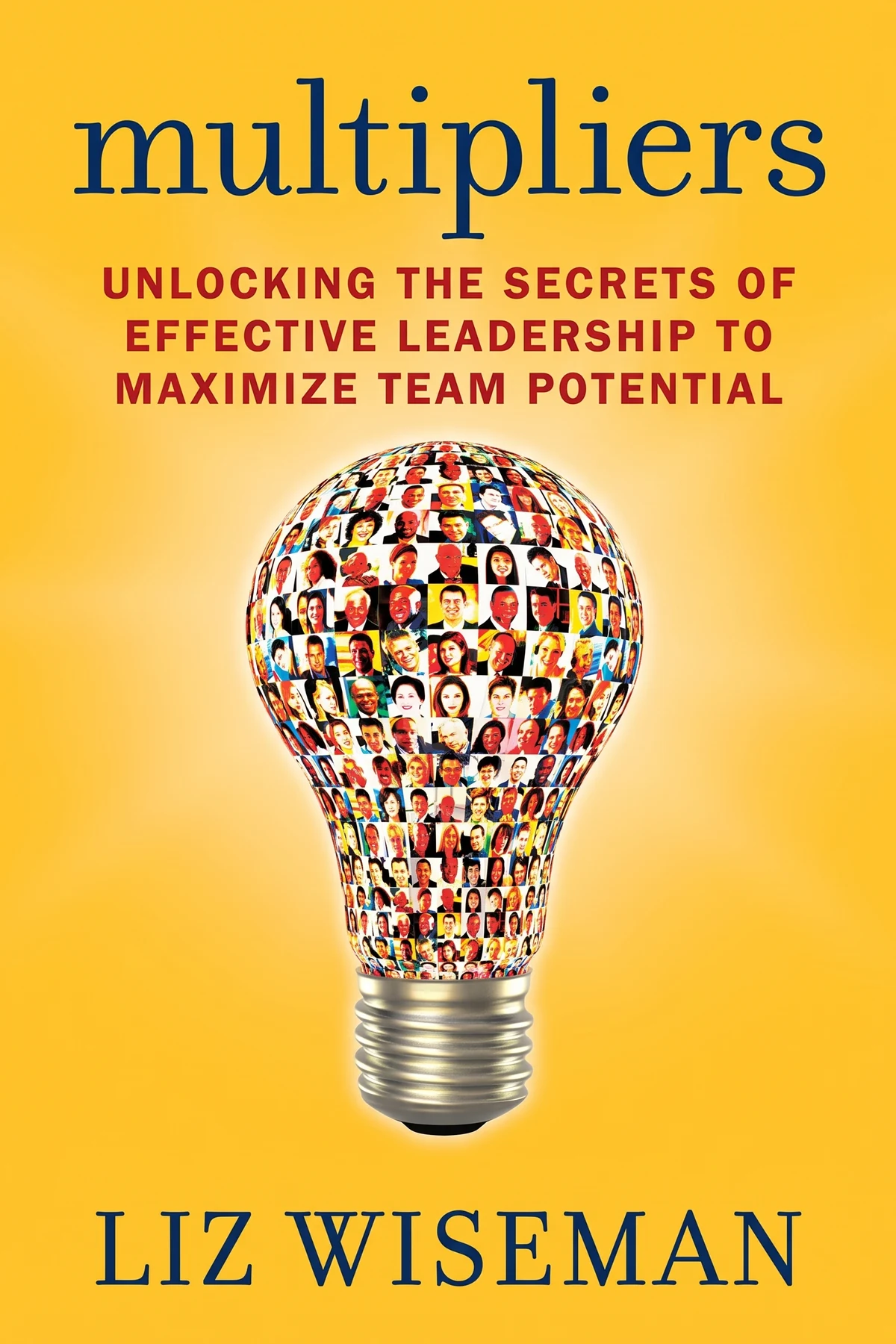
Table of Content
1. Introduction
1 min 56 sec
Think about the last time you walked out of a meeting feeling exhausted, unheard, or fundamentally smaller than when you walked in. We have all had that one boss—the one who seems to suck the air out of the room. When they speak, everyone else stops thinking. When they share an idea, it’s the only one that matters. These leaders might be brilliant individuals, but their brilliance comes at a high cost: it silences the collective intelligence of the team.
Now, flip that script. Think of the leader who makes you feel like you are capable of anything. When you work with them, you aren’t just doing your job; you are solving problems you didn’t know you could tackle. You leave their presence feeling sharper, more capable, and more energized. This isn’t just a matter of personality; it’s a fundamental difference in leadership philosophy.
In her research, Liz Wiseman identifies these two archetypes as Diminishers and Multipliers. A Diminisher is someone who uses their own intelligence as a ceiling, while a Multiplier uses their intelligence as a floor, a foundation upon which everyone else can build. The throughline of this exploration is simple yet profound: the best leaders don’t need to be the smartest person in the room; they need to be the person who makes the room smarter.
Over the next few minutes, we are going to dive deep into what separates these two styles. We will look at how Multipliers find talent where others see nothing, how they create environments that are both high-pressure and high-comfort, and how they push people to achieve the impossible without barking a single order. Whether you are leading a massive corporation, a small non-profit, or just looking to improve your influence in a group setting, these principles offer a roadmap for doubling the brainpower around you. We will also address the reality that many of us are accidental diminishers—leaders who mean well but unintentionally shut people down. By the end of this journey, you will have the tools to shift your style, neutralize your weaknesses, and start multiplying the genius of your team.
2. The Intelligence Gap: Multipliers vs. Diminishers
2 min 44 sec
Discover why some smart leaders actually stifle their teams and how the best bosses manage to extract double the effort from their employees.
3. The Talent Magnet: Finding and Placing Genius
2 min 28 sec
Learn the four key practices that allow certain leaders to attract top talent and place them where they can truly shine.
4. The Liberator: Creating Productive Pressure
2 min 23 sec
Explore the balance between giving your team space to breathe and demanding their absolute best work.
5. The Challenger: Leading with Questions
2 min 27 sec
Discover why the best leaders don’t give answers, but instead ask the right questions to provoke deep thought and action.
6. The Debate Maker: Rigor in Decision-Making
2 min 21 sec
Shift from making snap judgments to fostering inclusive debates that lead to better outcomes and total team buy-in.
7. The Investor: Delegating Ownership
2 min 15 sec
Stop micromanaging and start investing in your team by giving them the authority and resources they need to succeed.
8. Avoiding the Accidental Diminisher and Managing Up
2 min 35 sec
Recognize the well-intentioned habits that might be stifling your team and learn how to handle a Diminisher boss of your own.
9. Conclusion
1 min 41 sec
We have explored the two very different worlds of leadership. In one world, the leader is the sun, and everyone else is just a planet revolving around them—silenced, diminished, and under-utilized. In the other world, the leader is a catalyst, a person who sees the genius in others and builds a structure to let that genius flourish. This isn’t just about being a ‘better person’; it’s about being a more effective leader who gets significantly more results out of the same set of resources.
Becoming a Multiplier is a journey, not a destination. You don’t have to be perfect at every practice we have discussed. In fact, the most effective way to start is to pick just one strength to amplify and one weakness to neutralize. If you are already good at asking questions, lean into being a Challenger. If you know you tend to dominate debates, work on being a Debate Maker. It’s about small, intentional shifts in behavior that send a powerful signal to your team: I believe in your intelligence, and I am here to help you use it.
As a final takeaway, try the ‘chip’ experiment. In your next meeting, give yourself three imaginary chips. Each chip represents a time you are allowed to speak. Use them wisely. When you are out of chips, you must stop talking and start listening. You will be amazed at how much more space your team takes up when you simply stop filling it. By stepping back, you allow others to step up. That is the essence of being a Multiplier. You don’t just lead a team; you build a powerhouse of collective intelligence that can tackle any challenge. Go out and start making the people around you smarter—you might just find that you become smarter in the process, too.
About this book
What is this book about?
This book investigates the profound impact leadership styles have on human capital and organizational intelligence. Some bosses operate as Diminishers, believing they are the smartest person in the room and inadvertently suppressing the capabilities of those around them. This behavior leads to disengaged employees and wasted talent. In contrast, Multipliers are leaders who act as talent magnets and liberators, creating an environment where every individual feels empowered to contribute their best ideas and work at their highest level. The promise of Liz Wiseman’s research is that leadership is a skill that can be transformed. By adopting specific practices—such as fostering healthy debate, delegating true ownership, and setting ambitious challenges—leaders can effectively double the intelligence of their workforce without hiring a single new person. It is a guide to identifying the subtle, often accidental, ways we shut others down and learning the intentional habits that bring out the genius in everyone.
Book Information
About the Author
Liz Wiseman
Liz Wiseman is a dedicated researcher, speaker, and executive advisor. She serves as the president of The Wiseman Group, a leadership research and development center located in the heart of Silicon Valley. Her influential work includes the best-selling titles The Multiplier Effect, Rookie Smarts, and Multipliers. Wiseman continues to share her expertise globally, leading strategy forums and advising top-tier organizations on how to develop high-impact leadership.
Ratings & Reviews
Ratings at a glance
What people think
Listeners find this title to be an essential read for leadership roles, offering superb perspectives and actionable methods for professional growth. The text is straightforward to follow and filled with valuable details, including 5 pages of ideas as noted by one listener. Furthermore, listeners value the way it helps them assess their own performance against their peers, with one individual mentioning that it entirely reshaped their approach to their job.
Top reviews
Bun
Finally got around to reading Multipliers and it completely shifted my perspective on what "good" leadership looks like. Most of us think we are helping when we solve problems for our team, but Wiseman demonstrates how that actually shuts down their intelligence. I loved the "Talent Magnet" concept because it focuses on finding people's native genius rather than just filling seats. Truth is, I recognized myself in the "Accidental Diminisher" descriptions more than I’d like to admit. The book is easy to digest, though some sections feel a bit repetitive after the point has been made. Still, the strategies for building an environment where people willingly give their best thinking are invaluable for any career stage.
Show moreNing
As a manager who cares deeply about my team’s success, I found this book both enlightening and slightly uncomfortable to read. Wiseman challenges the idea that "protecting" your team is always a good thing, arguing instead that we should let people face the consequences of their actions. The section on "The Liberator" resonated with me because it explains how to create pressure for performance without creating destructive stress. It’s a subtle but vital difference that I hadn’t seen articulated so clearly in other leadership texts before. While the writing style is a bit academic at times, the "Genius Watching" exercises are highly actionable. I’ve already started changing how I run my weekly syncs.
Show moreHemp
The distinction between stress and pressure in Chapter 3 was worth the price of the book alone for me. We often think of any demand on our time as negative, but Wiseman shows that people actually thrive under the right kind of pressure. One feels stress when held to outcomes they can't control, whereas positive pressure comes from being expected to perform your absolute best. I’ve struggled with being a micromanager in the past, so the "Investor" chapter provided a much-needed roadmap for giving away ownership. This book provides a common language that my leadership team can now use to hold each other accountable. It is a must-read for anyone looking to double their team's output.
Show morePang
After hearing my colleagues rave about this for months, I finally picked it up and I’m glad I did. It’s one of those rare business books that actually makes you reflect on your own character rather than just giving you a checklist of tasks. The idea that people’s best thinking must be given, not taken, is a profound shift from the traditional "command and control" model of management. I loved the practical tips on how to talk less and listen more to allow others to fill in the blanks. Frankly, it has transformed how I approach my role as a director, and I’m seeing more engagement from my staff already. It’s an essential guide for anyone who wants to lead with impact.
Show moreNong
The core thesis here is brilliant, but the execution suffers from the classic business book "bloat" where one great idea is stretched across 200 pages. To be fair, the distinction between a Multiplier and a Diminisher is something every executive needs to understand immediately. I found the five disciplines—especially the "Debate Maker" role—to be incredibly practical for modern corporate environments. However, by the midpoint, the anecdotal evidence starts to feel like a massive confirmation bias exercise. You could probably read the first few chapters and the appendix and get 90% of the value. It is a solid read that would have been a five-star long-form article.
Show moreViolet
Ever wonder why some leaders seem to make everyone around them smarter while others just suck the air out of the room? Wiseman identifies these "Multipliers" and "Diminishers" with incredible precision, offering a framework that feels immediately applicable to real-world office politics. I particularly enjoyed the concept of being a "Challenger" who seeds opportunities rather than just handing out finished solutions. Not gonna lie, some of the personal stories felt a bit repetitive by the end of the book, but the core message remains powerful. It helped me realize that I was often an accidental diminisher by being a "Know-it-all" when I should have been asking questions. Definitely recommended for new managers.
Show moreLeah
Wiseman offers a compelling framework for understanding how intelligence is either leveraged or suppressed within an organization. By contrasting the "Talent Magnet" with the "Empire Builder," she highlights how ego often gets in the way of true organizational growth. To be fair, the book is a bit longer than necessary, and some of the examples feel a little dated in the current remote-work landscape. However, the five disciplines provide a solid foundation for anyone trying to move from being a "boss" to being a true leader. I especially appreciated the focus on "Debate Makers" who ensure that decisions are understood by everyone involved. It’s a strong addition to any professional development library.
Show moreGiulia
Look, I really wanted to like this given the high praise it receives in leadership circles, but the lack of scientific rigor is frustrating. Most of the "data" presented feels like subjective feedback turned into arbitrary numbers to support a pre-existing conclusion. It suffers from heavy survivorship bias, looking at successful companies and then retroactively applying these labels to their leaders. The constant repetition of the same anecdotes makes the reading experience feel like a chore after the first hour. While the idea that we should empower others isn't wrong, the presentation here is a bit dull and over-engineered. There are better, more evidence-based books on management if you are looking for actual research.
Show moreDivya
Picked this up for a book club and I have very mixed feelings about the overall experience. On one hand, the central concept of "Multipliers" is a fantastic mental model for assessing your own leadership effectiveness compared to your peers. On the other hand, the book is filled with examples ad nauseam that don't always feel grounded in reality. Personally, I think the author’s assumption that people will always figure things out is a bit optimistic and depends heavily on the specific situation. It’s a decent read with some very high highs, but you have to wade through a lot of filler to get to the good stuff. Read the summary chapters first to save your sanity.
Show moreVipawan
This was a slog that should have been a five-page PDF or a quick blog post at most. The author presents hundreds of pages of anecdotal "evidence" as if it were hard scientific fact, which is honestly quite dangerous for an influential business book. It relies on a flawed deductive leap that if you ask people subjective questions about their bosses, you can calculate an objective "multiplier" value. The logic is circular and the writing style is so repetitive that I found myself skimming entire chapters just to find a new thought. If you’ve read any other leadership book in the last decade, you’ve likely already heard these points made more concisely elsewhere. Save your time and skip this.
Show more
Readers also enjoyed
A Year with Peter Drucker: 52 Weeks of Coaching for Leadership Effectiveness
Joseph A. Maciariello

Acting with Power: Why We Are More Powerful Than We Believe
Deborah Gruenfeld
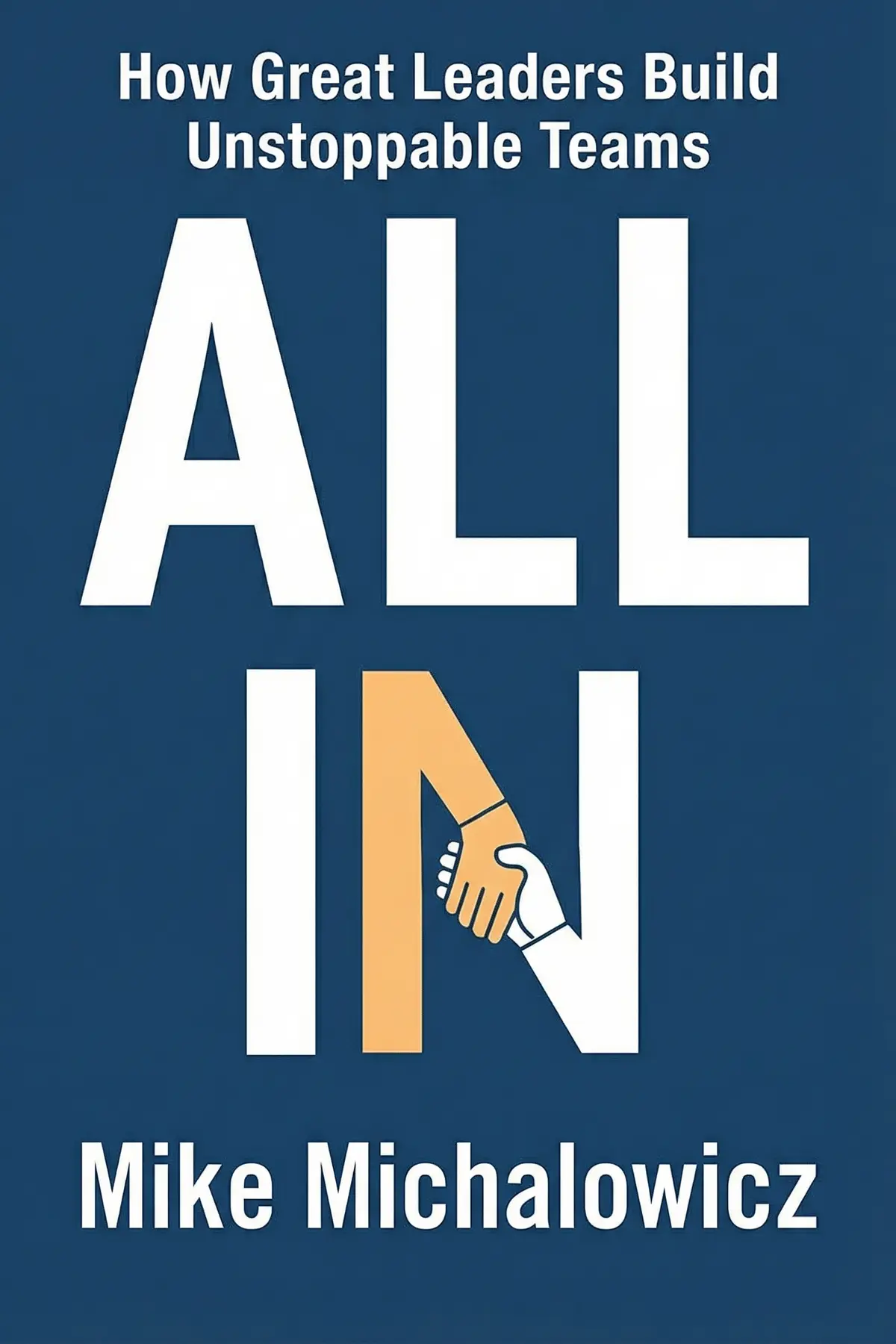
All In: How Great Leaders Build Unstoppable Teams
Mike Michalowicz
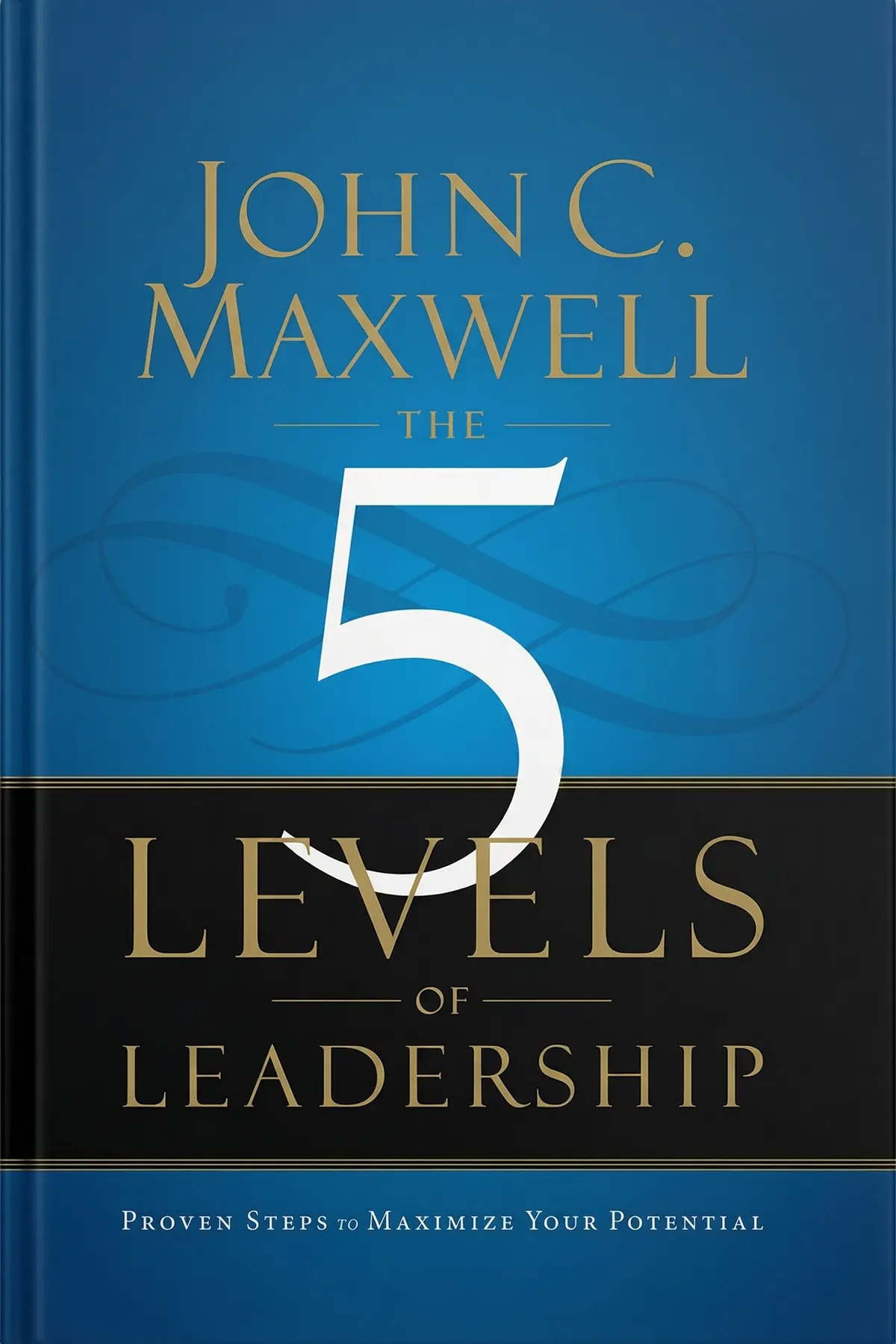
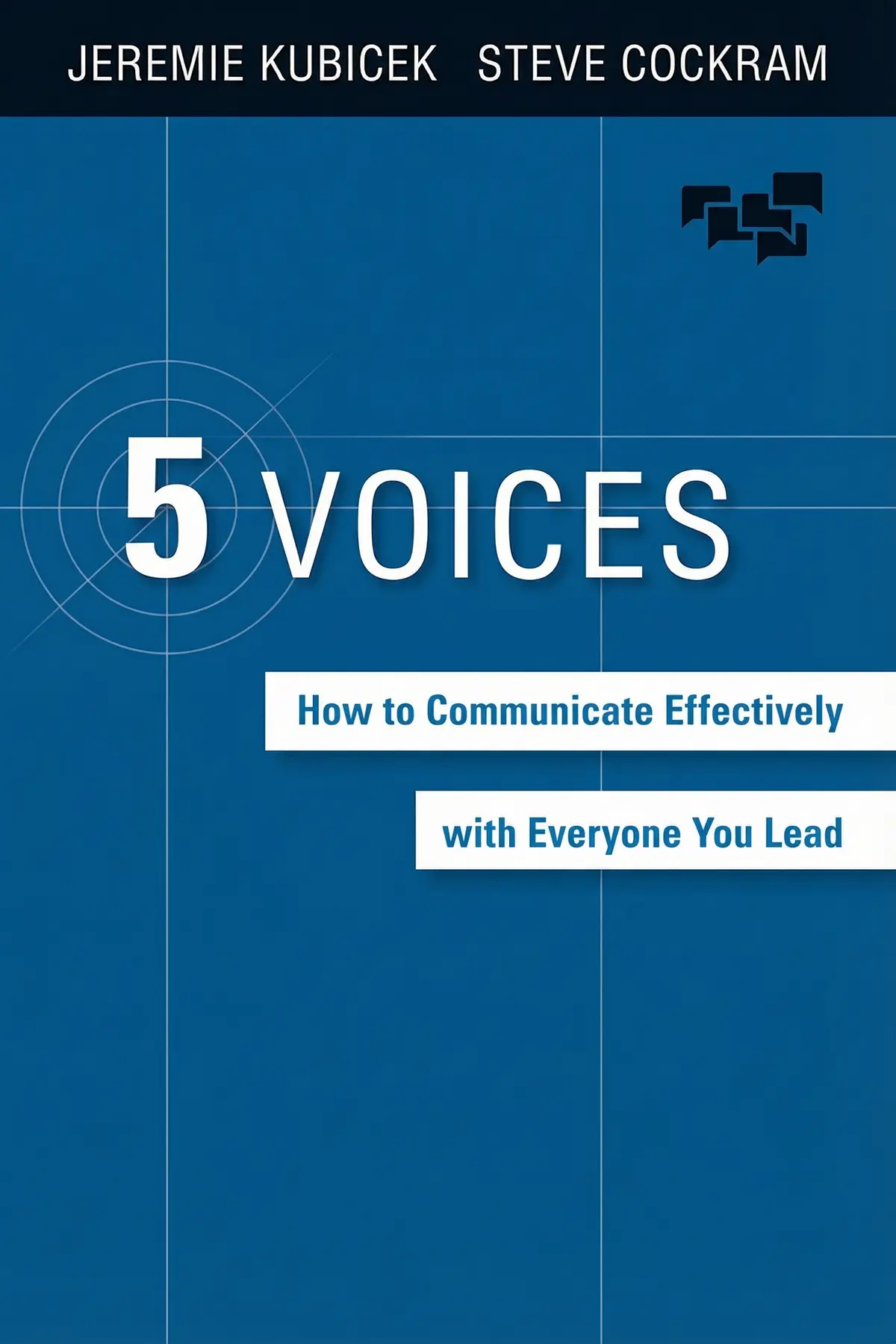
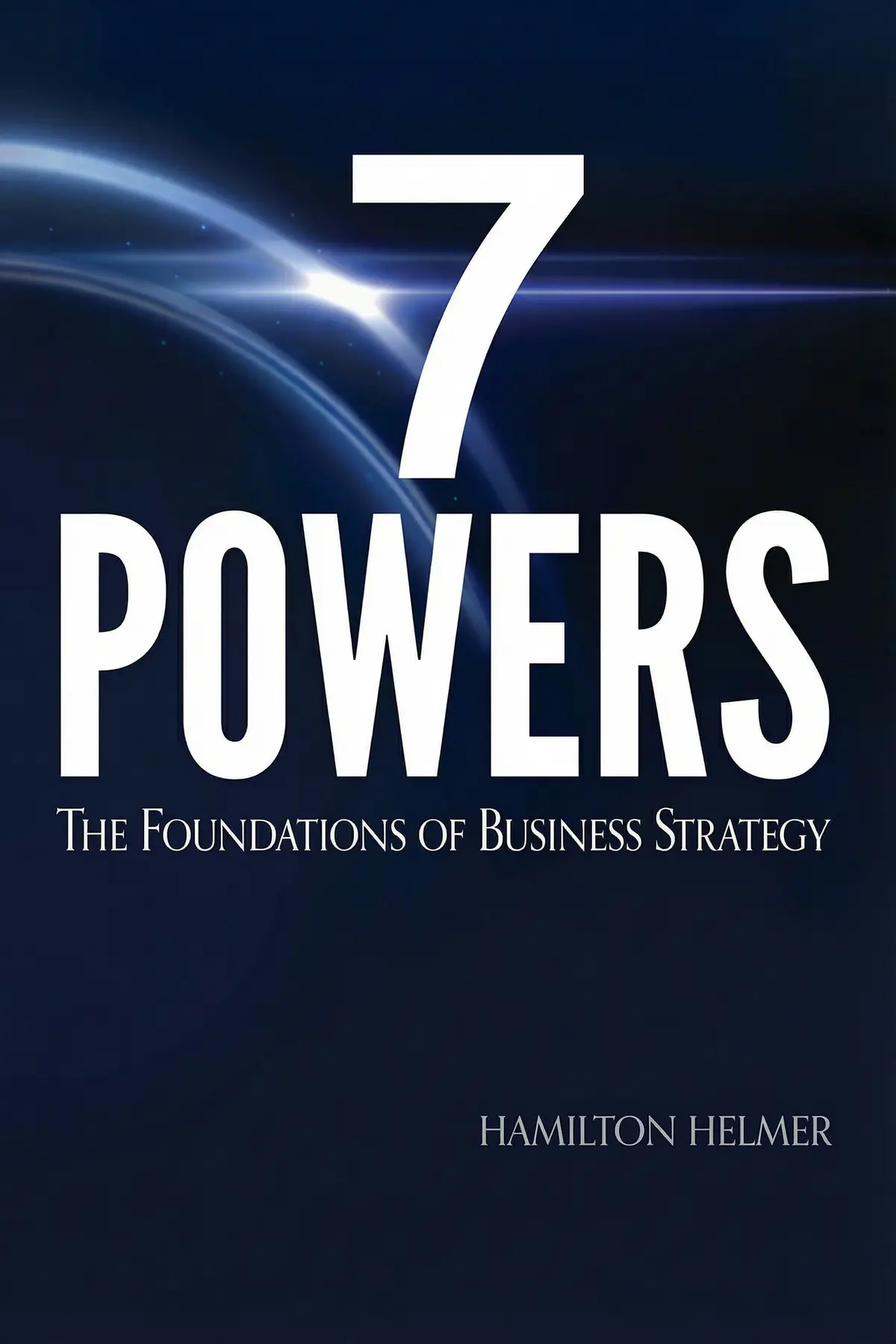
7 Powers: The Foundations of Business Strategy
Hamilton Helmer

A Bigger Prize: How We Can Do Better Than the Competition
Margaret Heffernan
AUDIO SUMMARY AVAILABLE
Listen to Multipliers in 15 minutes
Get the key ideas from Multipliers by Liz Wiseman, plus 5,000+ more titles in English and Thai.
- 5,000+ titles
- Listen as much as you want
- 7-day free trial
- Cancel anytime







