
23 min 57 sec
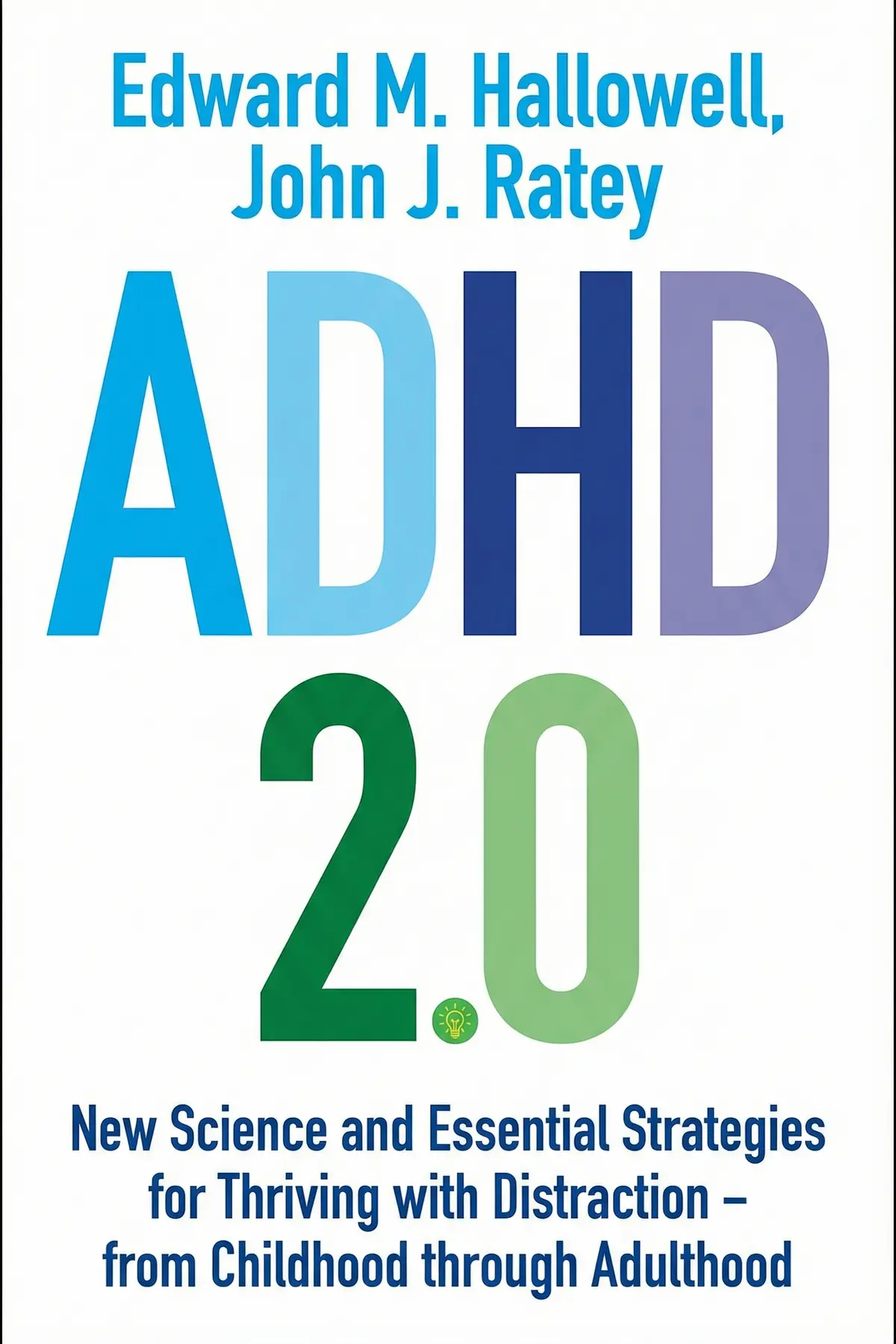
My Grandmother’s Hands: Racialized Trauma and the Pathway to Mending Our Hearts and Bodies
Explore the physical legacy of racial trauma in America. This summary reveals how racism resides in our nervous systems and offers somatic practices to heal our bodies and achieve collective liberation.
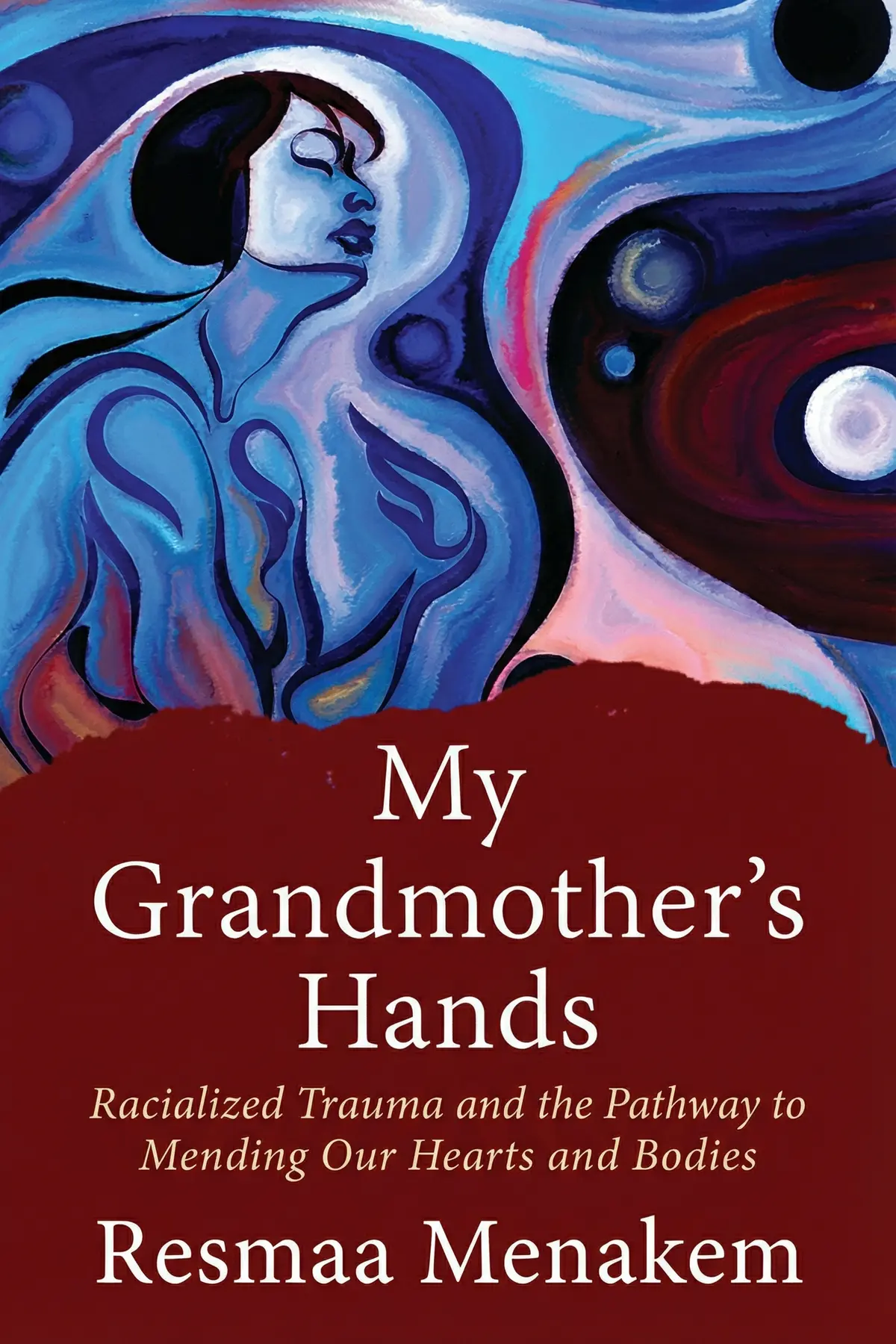
Table of Content
1. Introduction
2 min 13 sec
The history of racial tension in the United States is often discussed as a series of laws, protests, and policy debates. We analyze the social structures and the political movements that define our past and present. However, there is a dimension of this struggle that is frequently overlooked: the physical one. The legacy of racial injustice is woven into the very fabric of American existence, but it doesn’t just live in our history books or our courtrooms. It lives in our muscles, our breath, and our nervous systems.
In this exploration of My Grandmother’s Hands, we delve into the perspective of therapist Resmaa Menakem, who suggests that the burden of racism is a cumulative trauma. This trauma is not an abstract concept; it is a physiological reality that affects the brain chemistry and the biological responses of every person living in America today. Whether one identifies as Black, white, or as a member of law enforcement, the historical and personal weight of racism is a somatic experience that can trap the body in a state of perpetual high alert.
The central throughline we will follow is that social and political change, while necessary, is insufficient on its own. To truly uproot racism, we must address the trauma that resides within our bodies. This requires a deep understanding of how our ancestors’ experiences have shaped our own physical reactions and a commitment to somatic healing practices. We will see how trauma compounds over time, how the very concept of race was constructed as a tool of control, and how the path to collective liberation begins with the individual act of settling one’s own body.
Prepare to go on a journey that traces the origins of this trauma from the brutal conditions of the Middle Ages to the modern-day encounters between the police and the public. We will examine why common interactions can turn violent and how simple, body-based exercises can help us begin to metabolize the pain of the past. By the end of this summary, you will understand how to recognize the signals your body is sending you and how to foster a new culture where all bodies are valued and safe. Let’s begin by looking at how the invisible marks of history become visible on the human form.
2. The Physical Manifestation of History
2 min 19 sec
Discover how the scars of the past are etched into the present through the lens of a grandmother’s hands and the hidden nature of racial trauma.
3. The Cumulative Nature of Trauma
2 min 30 sec
Understand how trauma acts like a biological inheritance, moving through families and communities to create long-lasting soul wounds.
4. Race as a Manufactured Tool
2 min 22 sec
Explore the history of how the category of ‘whiteness’ was created to divide and control, leading to the myth of white body supremacy.
5. The Body as the Gateway to Healing
2 min 11 sec
Learn why traditional intellectual approaches to racism fail and how somatic practices like the ‘Body Scan’ offer a way out.
6. Metabolizing Pain in Black Bodies
2 min 04 sec
Discover the distinction between ‘clean’ and ‘dirty’ pain and how communal rituals can help Black Americans process historical trauma.
7. Building Resilience in White Bodies
2 min 16 sec
Learn how white Americans can move past fragility by building somatic stamina and taking active steps to challenge internalized bias.
8. The Somatic Pressure Cooker of Policing
2 min 19 sec
Explore the historical roots of American policing and the urgent need for officers to learn how to discharge duty-related stress.
9. Confronting the Hidden Language of Racism
1 min 47 sec
Examine how ‘dog whistle’ language maintains racial trauma and why direct communication is a tool for somatic clarity.
10. Creating a Culture of Anti-Racism
2 min 06 sec
See how individual somatic healing can expand outward to transform communities and create a safer future for all.
11. Conclusion
1 min 50 sec
As we reach the end of this journey through the somatic landscape of American racism, the central message of My Grandmother’s Hands remains clear: our history is written in our bodies. We have seen how the trauma of centuries past has been passed down through generations, manifesting as a ‘soul wound’ that affects how we breathe, how we react, and how we see one another. This trauma has created a society where our nervous systems are often in conflict, even when our conscious minds seek peace.
However, we have also discovered that we are not helpless in the face of this legacy. By moving beyond purely intellectual approaches to racism and engaging in the hard, necessary work of body-centered healing, we can begin to break the cycle. Whether it is through the quiet introspection of a Body Scan, the communal power of a shared rhythm, or the courageous act of calling out coded language, every somatic intervention is a step toward liberation.
The pathway to mending our hearts and bodies is not a quick fix. It requires a sustained commitment to ‘clean pain’—the pain of facing our wounds so that they can finally heal. It requires Black Americans to find safety and discharge tension, white Americans to build the resilience to challenge their own fragility, and law enforcement to humanize both themselves and the communities they serve.
The final takeaway is an invitation to start where you are. Pay attention to your breath when you feel the heat of a difficult conversation. Notice the tension in your shoulders when you encounter someone different from you. Settle your body, engage your thinking brain, and choose a path of empathy rather than reaction. When we transform our bodies, we transform our culture. And when we transform our culture, we create a world where every body is finally home.
About this book
What is this book about?
My Grandmother's Hands addresses the deep-seated trauma of racism through a physiological lens. Resmaa Menakem argues that the history of racial injustice in America is not just a collection of social or political events, but a physical experience stored within the bodies of Black, white, and police individuals alike. This inherited trauma affects our nervous systems, influencing our reactions and perceptions in ways we often don't consciously realize. The book promises a pathway toward healing by focusing on the body rather than just the mind. It explains how historical violence—from medieval Europe to the era of American slavery—has left a lasting impact that is passed down through generations. By engaging in somatic practices like mindfulness, breathing, and community rituals, readers can learn to settle their nervous systems. This process of individual and collective healing is presented as the essential foundation for dismantling white body supremacy and mending the divided heart of the nation.
Book Information
About the Author
Resmaa Menakem
Resmaa Menakem, MSW, LICSW, is a licensed clinical social worker and therapist who focuses on body-centered trauma therapy. His professional background includes extensive work as a consultant for major institutions, including the Minneapolis Police Department and the Minneapolis Public Schools, as well as the United States military. His expertise lies in trauma processing and the prevention of violence. Menakem has shared his insights on major media platforms, appearing on programs such as the Oprah Winfrey Show and Dr. Phil.
Ratings & Reviews
Ratings at a glance
What people think
Listeners find this work enlightening and life-altering, focusing on a specialized strategy for racialized trauma and somatic healing techniques. It is strongly suggested for group reading and shared practice, as it provides practical, immediate tools for confronting trauma. Listeners value the compassionate tone, with one listener noting how it exchanges blame for empathy, and another emphasizing its relevance in linking various systems of oppression. The book includes beneficial exercises throughout, and listeners describe it as profoundly transformative, with one listener mentioning its power to shift cultural outlooks.
Top reviews
Divya
This work is a revelation for anyone trying to understand why intellectualizing racism never seems to be enough to stop the cycle of violence. Menakem argues that white body supremacy is a physical phenomenon living in our nervous systems, and frankly, that makes more sense than almost any other theory I've encountered. I spent weeks moving through the breathing exercises because they aren't just 'fluff'—they actually force you to confront the tightness in your own chest. The distinction between clean and dirty pain helped me realize how much of my reaction to stress is actually just inherited trauma looking for an exit. While some might find the focus on police bodies controversial, I think the author’s background gives him a unique, albeit challenging, perspective on systemic violence. It is a slow, heavy read that demands active participation rather than passive consumption. My only minor gripe is the occasional repetitive phrasing, but the core message is too vital to ignore.
Show morePor
Picked this up after hearing an interview with the author, and I can say it has fundamentally shifted how I view the concept of 'healing' in a broken society. Truth is, we often treat racism like a mental glitch, but Menakem proves it is more like a chronic physical injury passed down through generations. I found the sections on communal healing particularly moving, especially the idea that we can’t fix our culture until we fix our individual nervous systems. The exercises are simple—humming, rocking, belly breathing—yet they feel profoundly radical when done with the intention of unlearning centuries of fear. Not gonna lie, it’s a difficult journey that made me cry more than once, but it felt like a necessary release. It bridges the gap between individual therapy and social activism in a way that feels incredibly urgent for today’s world. Highly recommended for anyone willing to do the uncomfortable work of looking inward.
Show moreErn
Wow. I’ve read a lot of literature on social justice, but nothing has quite hit home like the way this book explains the physical sensation of 'settling' your body. Menakem doesn't just blame; he offers a compassionate roadmap for how white bodies can move through their own historical trauma to stop inflicting 'dirty pain' on others. Personally, I found the concept of the 'soul nerve' to be a game-changer for my own anxiety management during difficult conversations. The writing style is accessible yet dense with meaning, demanding that you actually stop and feel the words rather than just skimming them. Some of the advice regarding police departments is a bit hard to swallow if you’re coming from an abolitionist perspective, but the author’s intent seems to be about harm reduction through somatic awareness. It is a transformative piece of work that I plan to revisit every year. It’s not just a book—it’s a practice.
Show moreSiriporn
After reading this with my local community group, I realized how much we overlook the power of collective somatic healing. We’ve spent years talking about policy, but Menakem showed us that we also need to hum together, breathe together, and learn to co-regulate our nervous systems. The book is incredibly practical, providing specific sequences for different groups to help ground themselves before tackling heavy communal work. I gotta say, the distinction between 'clean pain' and 'dirty pain' has become a staple in our group's vocabulary. Some might find the author’s personal anecdotes a bit too informal, but for me, they added a layer of authenticity that made the lessons stick. It’s rare to find a book that addresses the spirit, the mind, and the body with such equal weight. It has definitely changed the way we approach our local activism.
Show moreTen
Absolutely essential reading for anyone who feels exhausted by the constant cycle of racial tension and wants a path forward that feels tangible. This book isn't just about understanding racism; it's about healing the physical scars that racism leaves on everyone it touches. Not gonna lie, I was skeptical of the somatic approach at first, thinking it might be a bit 'woo-woo,' but the results speak for themselves. When I practice the techniques Menakem suggests, I feel more capable of showing up as my best self in high-stress situations. It’s a compassionate book that acknowledges the pain of all parties involved without ever losing sight of the systemic power dynamics at play. The structure of the book, with its summaries and guided practices, makes it an excellent resource for long-term study. It truly is a life-changing perspective on how we can begin to mend our fractured world.
Show moreBun
Ever wonder why certain conversations about race trigger an immediate 'fight or flight' response even when you know you are safe? This book dives deep into the 'soul nerve' and the physiological roots of our racialized interactions, offering a perspective that moves beyond simple policy changes. To be fair, I felt the terminology used for different racial groups felt a bit dated and sometimes reductive, particularly for those of us who don't fit into the black-white binary. However, the somatic practices are genuinely helpful for learning how to 'settle' the body before engaging in difficult social justice work. It builds beautifully on the foundations laid by 'The Body Keeps the Score' but applies them specifically to the American racial landscape. I appreciate that it doesn't just point out the problems; it gives you a physical toolkit to start repairing the damage. It's a solid four stars for the practical application, even if the historical analysis of policing felt a bit too optimistic for my taste.
Show moreBook
The chapter on the history of trauma in European bodies was the most eye-opening part of this entire read for me. It provides a historical context for white supremacy that isn't just about malice, but about the displacement of violence from one generation to the next. I’ll admit that the categorization of 'police bodies' felt a bit uncomfortable, but I understand the author's need to address the specific somatic pressures of that profession. The exercises scattered throughout the text are useful, although I wish there was more peer-reviewed science provided to back up some of the bolder claims about epigenetics. Regardless, the focus on moving from a 'defensive' body to a 'settled' body is a powerful tool for anyone in leadership roles. It’s a very grounded approach to a topic that usually stays stuck in the realm of theory. It's well worth the time if you're willing to engage with the author's unique terminology and world-view.
Show moreIvan
Comparing this to other trauma-informed texts, I found it much more culturally specific and immediately applicable to the current climate in the US. Menakem’s voice is firm yet inviting, though he isn't afraid to call out the reader when they might be retreating into intellectual safety. To be fair, some of the body-work suggestions felt a little rudimentary—like the advice on signature garments—but the overarching philosophy is robust. I did find the repetitive use of 'bodies' instead of 'people' a bit dehumanizing at times, even though I recognize it's a stylistic choice to keep the focus on the somatic. It’s a dense read that takes time to digest, and I wouldn't recommend rushing through it just to say you finished. There are gems here about how to handle the 'soul nerve' that I haven't found anywhere else. A very solid addition to any anti-racist library.
Show moreOoi
Finally got around to finishing this, and while I have some reservations about the 'police apologia' mentioned by other reviewers, I can’t deny the impact of the somatic tools. The idea that we can store the trauma of our ancestors in our very DNA is a heavy concept, but Menakem handles it with a lot of grace. Look, it’s not a perfect book—some of the language around different ethnic groups is a bit awkward and the science is more anecdotal than rigorous. However, the core message about 'settling' the body is something I have started using in my daily life with great success. It’s a great companion piece to more structural analyses of racism, filling in the gaps that politics and economics leave behind. I think everyone should read it, if only to become more aware of how their own body reacts to the world around them.
Show moreNutnicha
As someone who identifies as Asian American, I struggled with how this book centers the American racial dialogue almost entirely on a black-white binary. The author briefly mentions 'red and yellow' bodies, but these felt like afterthoughts rather than an integrated part of the somatic framework he’s building. Look, I respect the central thesis that trauma is intergenerational and stored in the body, but the execution felt messy and sometimes scientifically thin. The chapters on police felt particularly jarring; suggesting that systemic brutality can be mitigated by essential oils or massage feels like a massive oversimplification of state violence. While the breathing exercises are okay, they don't feel significantly different from basic mindfulness techniques you'd find in a standard meditation app. It’s an interesting premise with a lot of potential, but I think readers might be better served by books that engage more deeply with the economic and structural realities of racism. It tried to do too much and lost its focus.
Show moreReaders also enjoyed
ADHD an A-Z: Figuring It Out Step by Step
Leanne Maskell


Afropean: Notes From Black Europe
Johny Pitts
All About Love: New Visions
bell hooks
AUDIO SUMMARY AVAILABLE
Listen to My Grandmother’s Hands in 15 minutes
Get the key ideas from My Grandmother’s Hands by Resmaa Menakem, plus 5,000+ more titles in English and Thai.
- 5,000+ titles
- Listen as much as you want
- 7-day free trial
- Cancel anytime







