
Age of Propaganda: The Everyday Use and Abuse of Persuasion
Anthony Pratkanis
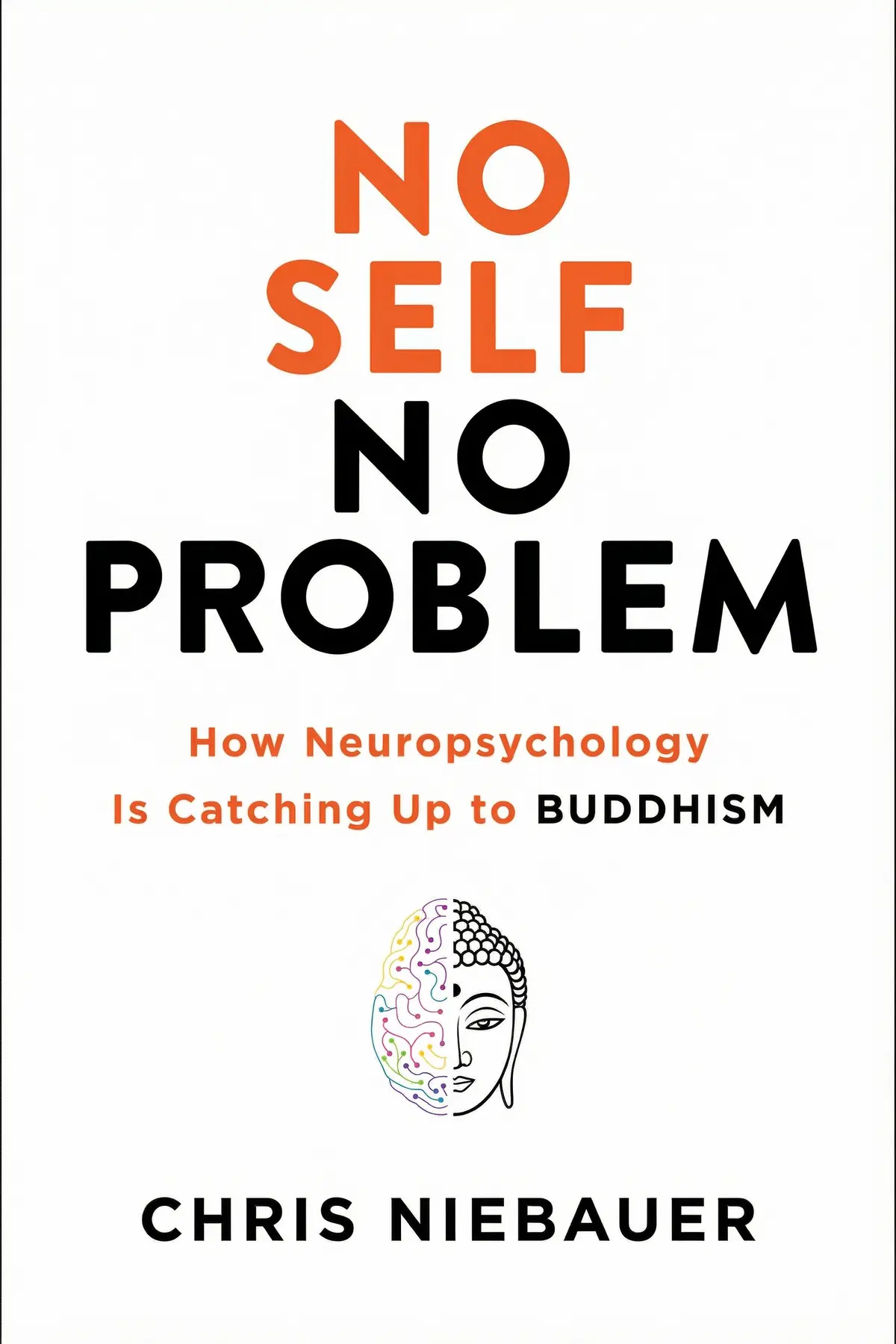
Explore the fascinating intersection of neuropsychology and Eastern philosophy. This summary reveals how modern brain science validates ancient Buddhist teachings, proving that our sense of self is a clever illusion created by the mind.
2 min 02 sec
If you look back at the history of Western thought, one specific phrase likely stands out above all others: ‘I think, therefore I am.’ This famous declaration by René Descartes in the seventeenth century became the cornerstone of how we view ourselves. It suggests that our existence is fundamentally tied to our thinking mind. To most people in the West, this feels like an undeniable truth. We feel like there is a ‘me’ sitting somewhere behind our eyes, a pilot directing our actions and generating our thoughts. We take this ‘I’ for granted as a solid, continuous entity that moves through time.
But what if that ‘I’ is nothing more than a trick of the light? What if the pilot isn’t actually there? This is the startling claim at the heart of Eastern philosophy. For thousands of years, Buddhists have argued that the self is an illusion—a construct that doesn’t actually exist in the way we think it does. More importantly, they argue that our belief in this false self is the primary source of all human suffering. We stress about our identity, our status, and our future because we are trying to protect a ghost.
In No Self, No Problem, Dr. Chris Niebauer explores how contemporary neuroscience is finally catching up to these ancient insights. By looking at how the brain is structured and how it processes information, we can see the physical mechanisms that create the illusion of the self. We begin to understand that the ‘I’ is not a commander-in-chief, but rather a storyteller—one that often gets its facts wrong. Throughout this journey, we will explore the radical differences between the left and right sides of our brains, learn how language traps us in false categories, and discover how we can tap into a more expansive, peaceful way of being that doesn’t rely on the ego. It is a shift from the ‘thinking self’ to the ‘experiencing self,’ and as we will see, it is the key to finding a life with far less stress and much more clarity.
2 min 29 sec
Scientists have mapped almost every part of the human brain, from language to emotion, yet the ‘I’ at the center of it all remains nowhere to be found.
2 min 24 sec
Discover how one half of your brain acts as a relentless storyteller, weaving narratives to explain your actions—even when those stories are completely fabricated.
2 min 38 sec
Language is a powerful tool for navigating life, but it often tricks us into mistaking mental labels for the true nature of reality.
2 min 27 sec
Our brains are hardwired to find meaning in chaos, but this tendency can lead to false conclusions and unnecessary emotional pain.
2 min 21 sec
What happens when the left brain’s constant chatter finally stops? The remarkable story of Dr. Jill Bolte Taylor offers a window into a different kind of consciousness.
2 min 11 sec
The right brain doesn’t use words, but it is far from ‘unconscious.’ Learn how movement and presence can connect you to this deeper way of knowing.
2 min 14 sec
Scientific studies show that your right brain often knows the answer long before your conscious mind can put it into words.
2 min 16 sec
Compassion and gratitude aren’t just moral choices; they are powerful tools for rewiring your brain and silencing the ego.
1 min 46 sec
The journey through the neuroscience of the self brings us to a radical conclusion that mirrors ancient wisdom: the ‘I’ that we spend so much energy protecting and polishing is a mental construct, not a physical reality. Our left brain is a brilliant storyteller, but its stories about who we are and what we need often lead to a life of unnecessary tension. We get caught in patterns of anxiety and trapped by the labels of language, forgetting that there is a vast, quiet intelligence waiting in the right hemisphere of our brains.
By understanding that the self is an illusion, we don’t lose anything valuable. Instead, we gain the freedom to experience life more directly. We can use the left brain’s logic when we need it, but we can also rest in the right brain’s sense of oneness and peace. We can move from being the ‘narrator’ of our lives to being the ‘experiencer’ of our lives. This shift doesn’t require a stroke or a miracle; it requires a conscious effort to step out of our inner monologue and into the present moment.
As a final takeaway, consider the power of your words in shaping your reality. The opposite of gratitude is complaint, and complaining is one of the ego’s favorite ways to reinforce the ‘self.’ For the next twenty-four hours, try a ‘complaint-free’ challenge. Notice every time your left-brain interpreter wants to label a situation as ‘bad’ or ‘wrong,’ and simply let the thought pass without speaking it. Instead, look for one thing in that moment to be grateful for. This simple practice begins to starve the ego of the conflict it thrives on, allowing your right-brain awareness to shine through. When you realize that there is ‘no self,’ you truly find that there is ‘no problem.’
For centuries, the Western world has been built on the foundation of the 'I'—the idea that each of us is a stable, thinking entity steering the ship of our lives. However, ancient Eastern traditions like Buddhism and Taoism have long suggested that this 'self' is nothing more than a persistent hallucination. In No Self, No Problem, Dr. Chris Niebauer bridges the gap between these two worlds, showing that what monks have claimed for millennia is now being confirmed in the lab. Through the lens of split-brain research and neuropsychology, the book explains how the left hemisphere of our brain acts as an 'interpreter,' constantly spinning stories to make sense of a chaotic world. By understanding how our brains categorize reality and create patterns, we can begin to see through the illusion of the ego. This promise isn't just theoretical; it offers a path to reducing the mental suffering—the anxiety, the overthinking, and the self-judgment—that comes from believing our thoughts are who we are.
Chris Niebauer is an esteemed professor at Slippery Rock University in Pennsylvania. With a deep specialization in the field of neuropsychology, he dedicates his academic career to exploring the intricate differences between the left and right hemispheres of the human brain. Beyond traditional neuroscience, Dr. Niebauer also teaches courses focused on mindfulness and the nature of consciousness. He is the author of several insightful works that blend science and spirituality, including The Neurotic’s Guide to Avoiding Enlightenment.
Listeners find the material highly accessible for a single sitting and value its enlightening perspective on brain function. The content is thoroughly researched, with one listener mentioning that it offers extensive citations for those wanting to dive deeper. Furthermore, the prose is straightforward and simple to track, and listeners appreciate the actionable elements, with one highlighting the use of basic exercises to validate the author's arguments. They also commend the thematic blend, as one listener points out the successful integration of Eastern philosophy and scientific breakthroughs.
Ever wonder why your inner monologue never shuts up? Niebauer provides a fascinating explanation by looking at the brain’s left hemisphere as a compulsive 'interpreter' that constructs the story of 'you.' I found the bridge between modern neuroscience and ancient Eastern philosophy to be incredibly sturdy for the most part. The book is remarkably easy to read in one sitting, avoiding the dense jargon that usually bogs down science writing. Specifically, the sections on how our left brain creates categories and patterns to maintain the illusion of a stable self were eye-opening. While some might find the later chapters a bit speculative, the core message about shifting toward a right-brain consciousness is profoundly liberating. If you’ve struggled with traditional meditation, this rational, evidence-based approach might finally be the thing that makes the concept of 'no-self' click for you. It’s a quick, punchy read that challenges your entire sense of reality.
Show moreFinally got around to reading this and I am genuinely impressed by how much ground is covered in such a short book. Personally, I’ve always found the idea of 'no-self' to be too esoteric to grasp, but seeing it framed through the lens of hemispheric lateralization made it tangible. The way Niebauer describes the left brain as a pattern-matching machine that creates a 'character' to inhabit is genius. Not gonna lie, I was worried it would be too dry, but the writing is engaging and the references are well-documented for further study. The exercises, like the ones involving visual perception, successfully prove how much our brain 'fills in the blanks' of our reality. This isn't just a philosophy book; it's a manual for understanding the hardware of your own mind. It really opens your eyes to the way your brain messes with your sense of what is real.
Show moreThis book essentially blew my mind by showing how the 'self' is just a clever story our left brain tells us to keep things organized. Frankly, I’ve read a lot of books on mindfulness, but none have explained the 'why' behind mental suffering as clearly as this. The idea that we are 'interpreted' by our own brains rather than being the 'interpreters' is a total paradigm shift. Niebauer’s writing is crisp, and he provides plenty of references for those who want to dive deeper into the clinical studies. I found the practical exercises to be genuinely helpful—they aren't just fluff; they actually help you experience the right brain's non-verbal perspective. This is a must-read for anyone interested in how the brain constructs our reality. It’s a life-changing perspective on how to achieve inner peace by simply recognizing the left brain's chatter for what it is: fiction.
Show moreNot what I expected, but in the best way possible. I’ve been interested in Buddhism for years, but the concept of 'No Self' always felt like a hurdle I couldn't clear. This book changed that. By using neuroscience to show how the left brain functions as an 'interpreter module,' the author makes a scientific case for what the monks have been saying for millennia. The book is well-documented and provides ample references, which I really appreciated. The writing style is straightforward and doesn't get lost in its own ego. Even the parts that felt a bit 'out there' were handled with a sense of curiosity that I found infectious. If you want to understand why your brain keeps you in a loop of anxiety and how to break out of it, buy this book. It’s a brilliant mash-up of spirituality and science.
Show moreWow. This was exactly what I needed to read right now. After hearing about the 'left brain/right brain' divide for years, I thought I knew the story, but Niebauer takes it to a whole new level. He explains how our verbal left brain is basically a fictional character creator, and we’ve all fallen for the trap of identifying with the character instead of the actor. The book is short, clearly written, and incredibly practical. The suggestion to go a full day without complaining was a massive wake-up call for me. It’s rare to find a book that combines deep philosophical questions with actionable advice that actually works. Whether you’re into meditation or just want to know how your brain works, this is an essential read. It really simplifies the path to peace of mind by showing that the problem isn't 'you'—it's the narrator in your head.
Show moreAs someone who has always been skeptical of both religion and 'pop science,' I found this book surprisingly grounded. To be fair, there are moments where the author’s conclusions go a bit beyond the data, but the core thesis is rock solid. The way he uses the work of researchers like Michael Gazzaniga to support the concept of 'no-self' is brilliant. It’s a quick read, but the implications are massive. You start to realize that the 'you' that is stressed out about work or relationships is just a series of mental categories created by the left hemisphere. The right brain’s holistic approach offers a way out of that suffering. This book is a great wrap-up of neuroscience and spirituality that avoids being too esoteric. Highly recommended for anyone who wants a more rational approach to enlightenment.
Show moreNiebauer has a real knack for taking complex neurobiological concepts and making them digestible for the average reader. To be fair, I was a bit skeptical about how he would link lab results to Buddhism, but the arguments regarding the left brain's role in creating a fictional 'self' are quite compelling. The writing style is clear and easy to follow, and I appreciated the practical exercises scattered throughout the chapters. One specific highlight for me was the 'complaint-free day' challenge—it really highlights how much of our mental suffering is self-generated through language. I’m knocking off one star because the final section regarding 'psychic abilities' felt out of place and lacked the rigorous grounding of the earlier chapters. However, the first 80% of the book is top-tier material for anyone interested in the intersection of psychology and spirituality. It’s a great companion to books like Buddha’s Brain.
Show morePicked this up after seeing a few recommendations, and it’s a solid addition to the 'Neuro-Dharma' genre. The author does a great job of explaining how the left brain acts as a narrator that we eventually mistake for our actual identity. Look, the science is presented in a very accessible way, which is great for beginners but might feel a bit light for experts. I particularly enjoyed the discussion on how the right brain provides a more holistic, interconnected view of the world. My only gripe is that the definitions of 'consciousness' remain a bit blurry throughout the text. Still, the practical content is valuable, and the philosophical approach is refreshing. It’s a very quick read that will definitely change how you view your inner monologue. Worth a look if you want a bridge between Eastern thought and Western psychology.
Show moreThe truth is, I’m torn on this one. On one hand, the central argument that the 'self' is a linguistic construction of the left hemisphere is a brilliant way to frame the Buddhist concept of anatta. On the other hand, the scientific evidence felt a bit cherry-picked at times. For instance, relying heavily on a single case study like Dr. Jill Bolte Taylor to explain the entire human experience of reality seems like a stretch. The author admits that more research on split-brain patients is needed, yet he draws very firm conclusions anyway. Also, Chapter 7 dives into some pretty woo-woo territory regarding telepathy that almost ruined the book's credibility for me. It’s a decent introductory text if you are new to these ideas, but if you’re looking for a deep, academic dive into neuroscience, you might find the 'simplistic' approach a bit frustrating. It’s okay, just not the life-changing masterpiece I was expecting.
Show moreI really wanted to love this, but I gotta say, the linkage to scientific evidence felt incredibly tenuous in many places. The author assumes that because we can’t find a 'physical self' in the brain, it must be an illusion, which is a bit of a logical leap. Absence of evidence isn't necessarily evidence of absence! Half the book felt like common sense, while the other half veered into weird, semantically wonky metaphors that didn't land for me. Also, the chapter on 'testing your psychic abilities' was a total dealbreaker. Quoting Rupert Sheldrake and trying to pass off cold-reading tricks as science is just disappointing. If you want a serious look at neuroscience and the self, I’d stick with someone like Iain McGilchrist instead. This felt more like a religious argument trying to wear a lab coat. It’s just not for me.
Show moreAnthony Pratkanis
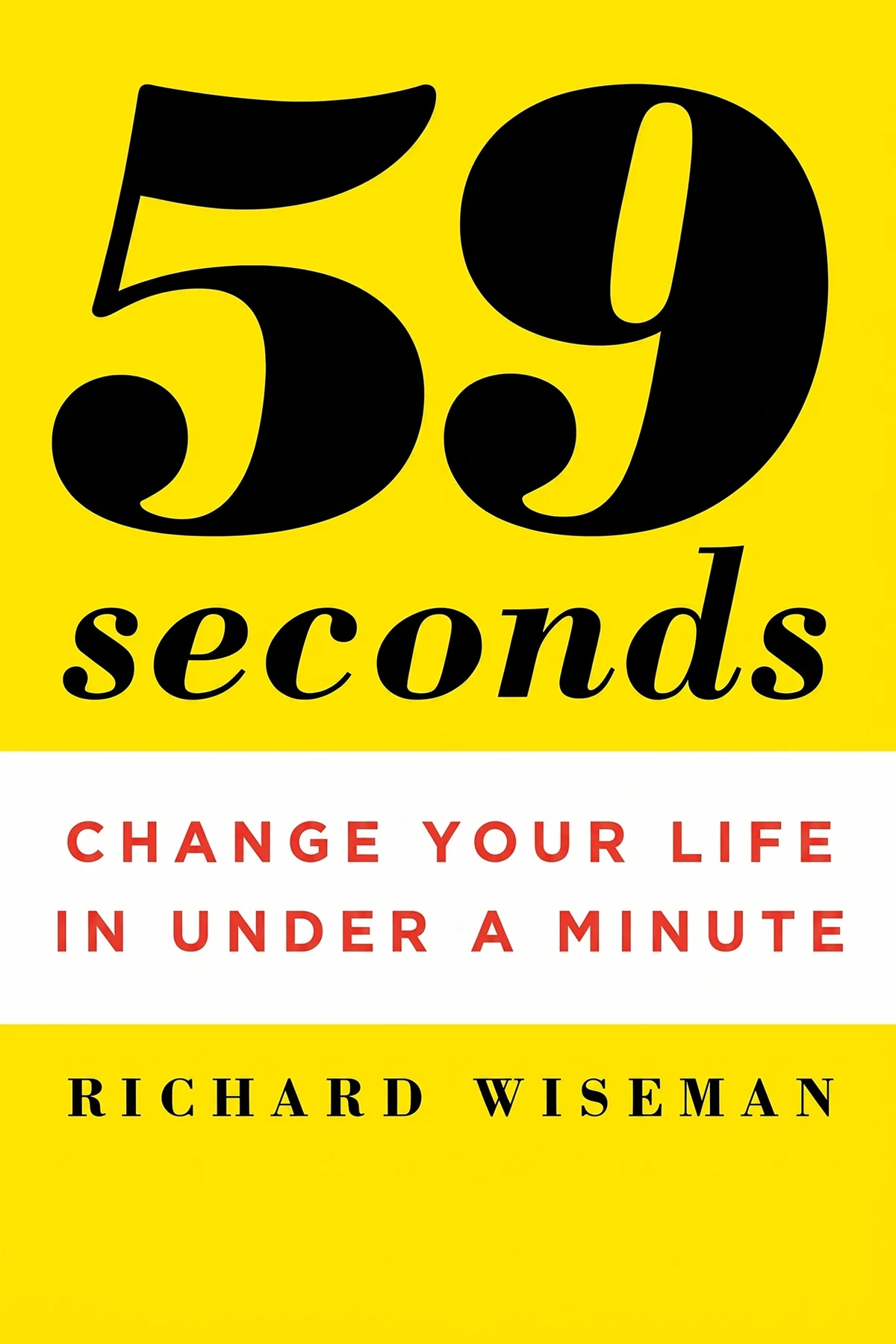
Richard Wiseman
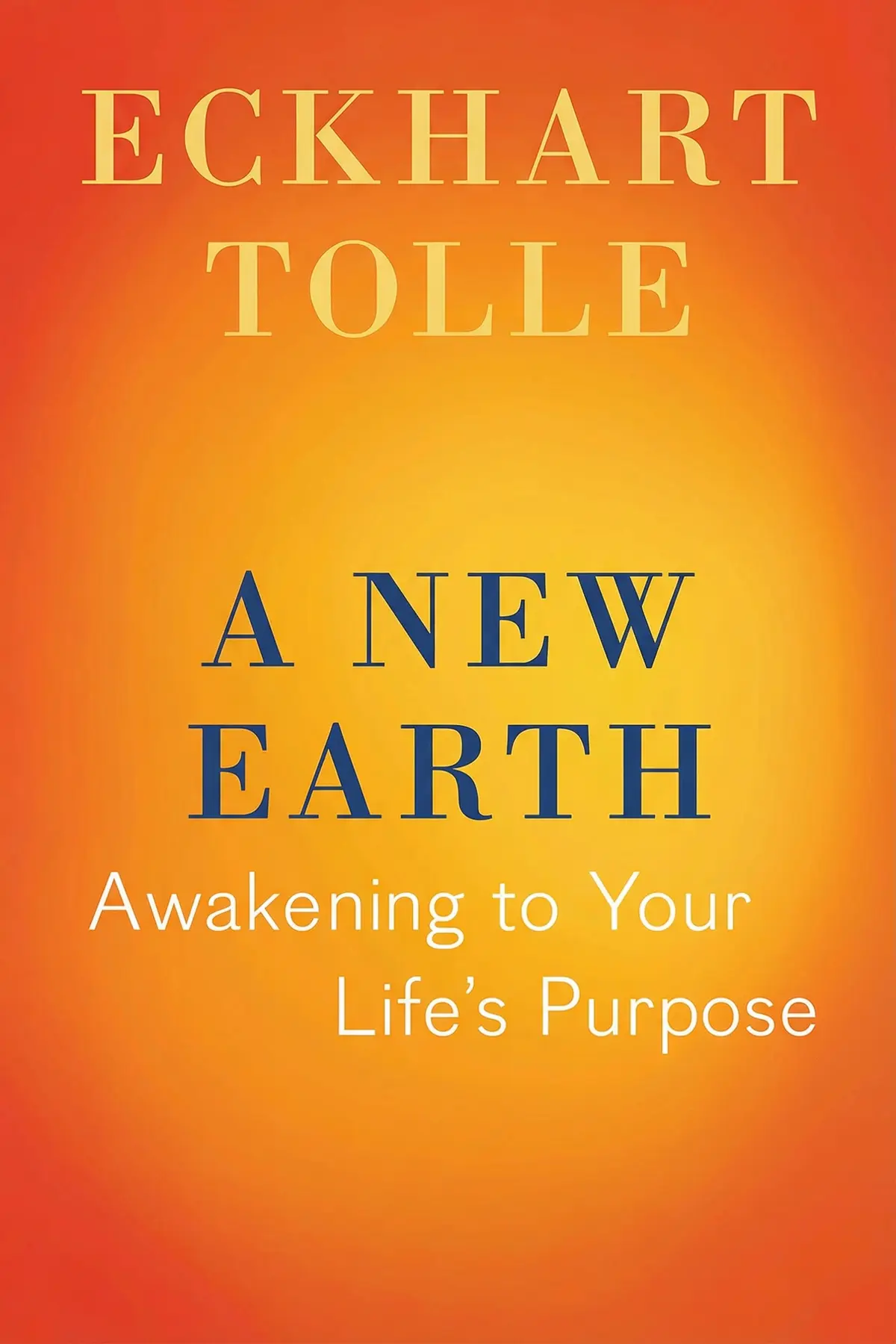
Eckhart Tolle
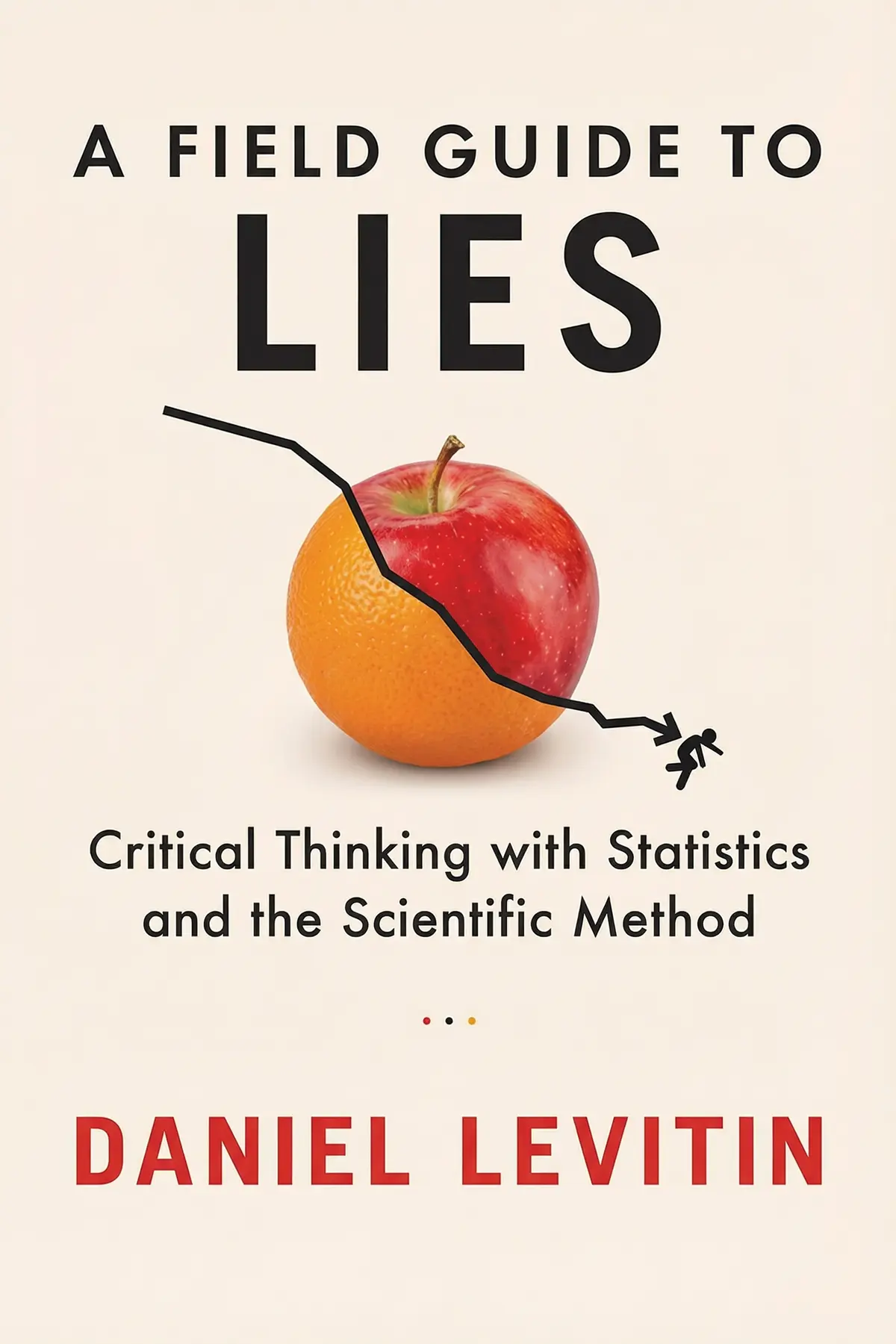
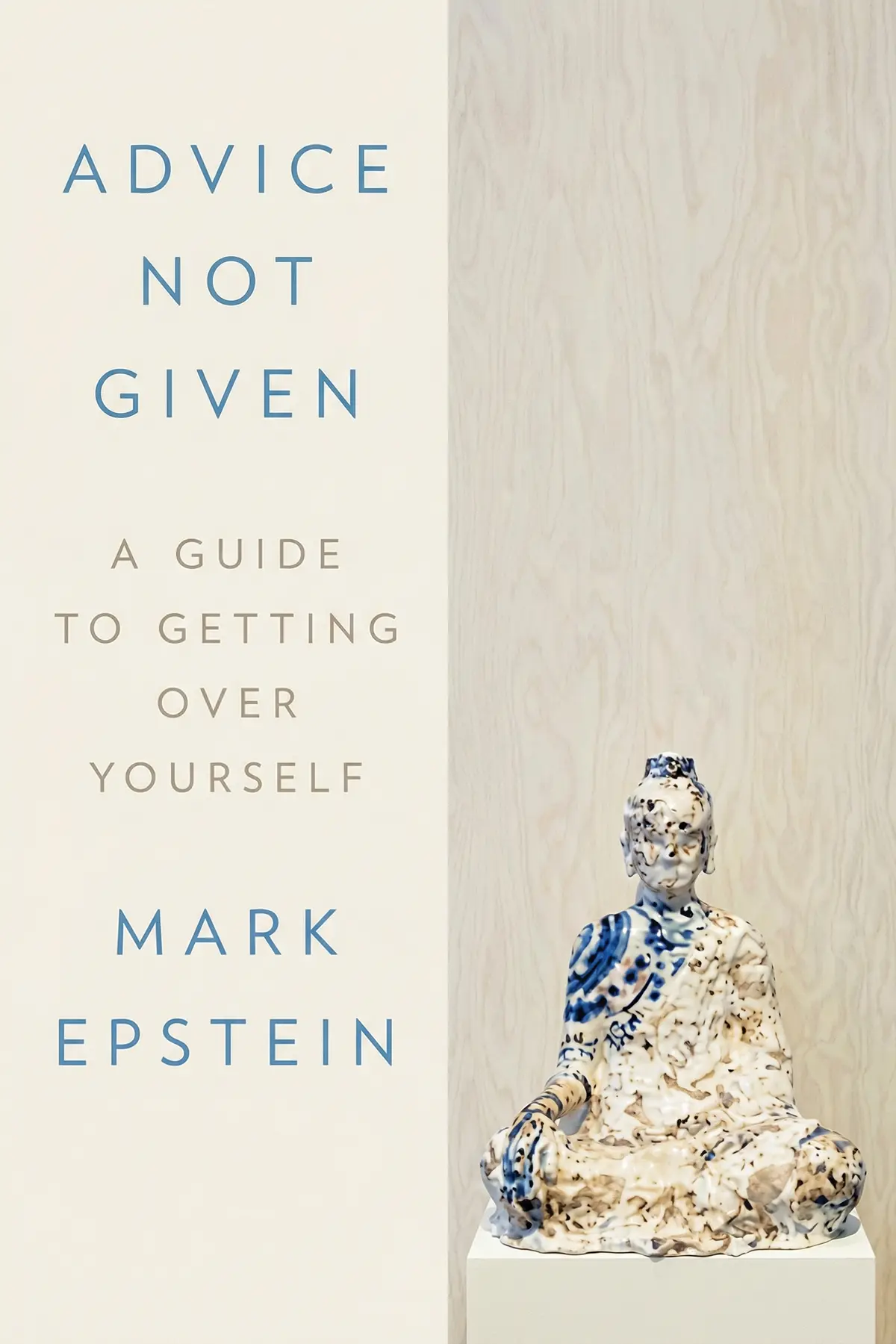
AUDIO SUMMARY AVAILABLE
Get the key ideas from No Self, No Problem by Chris Niebauer, plus 5,000+ more titles in English and Thai.







