
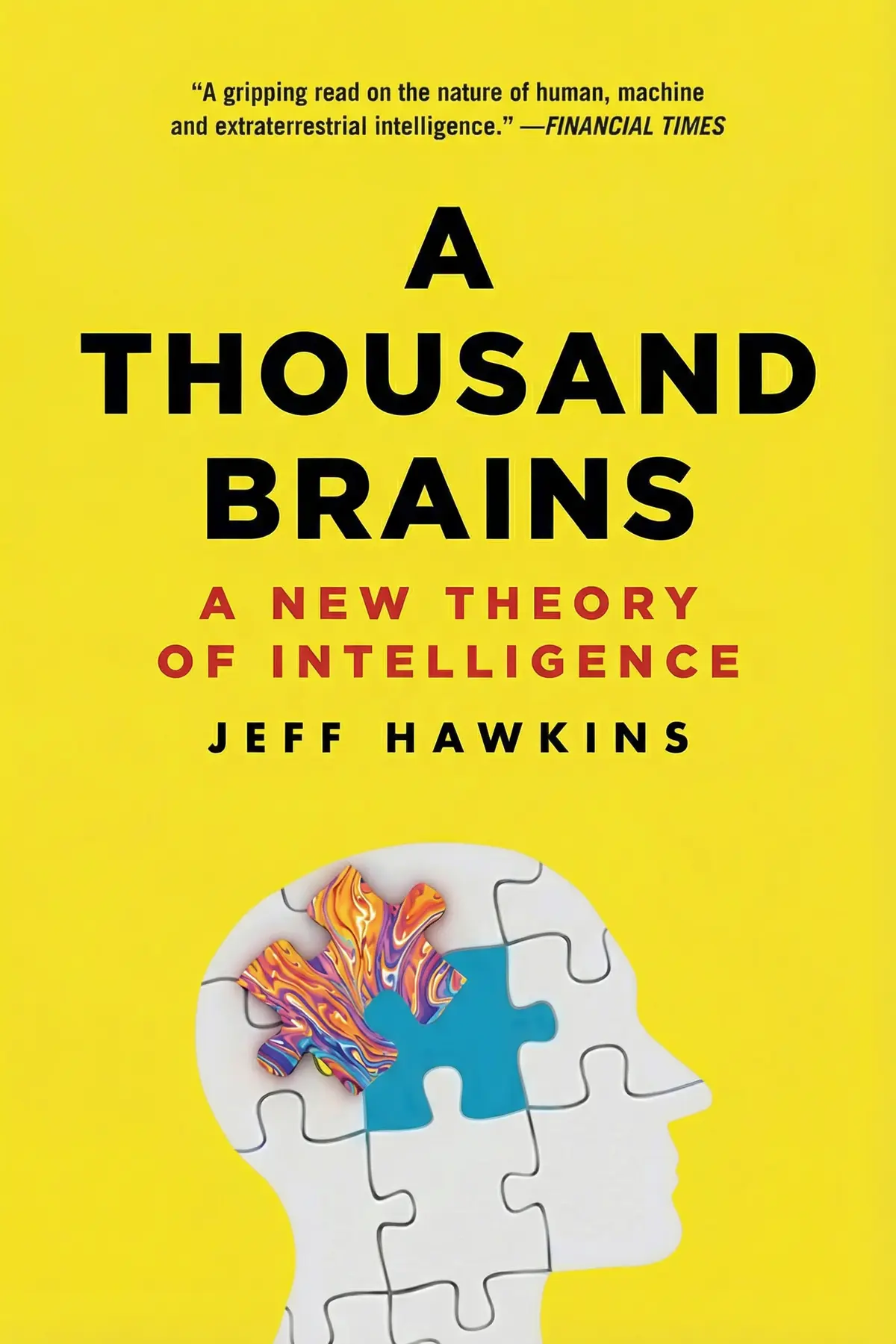
A Thousand Brains: A New Theory of Intelligence
Jeff Hawkins
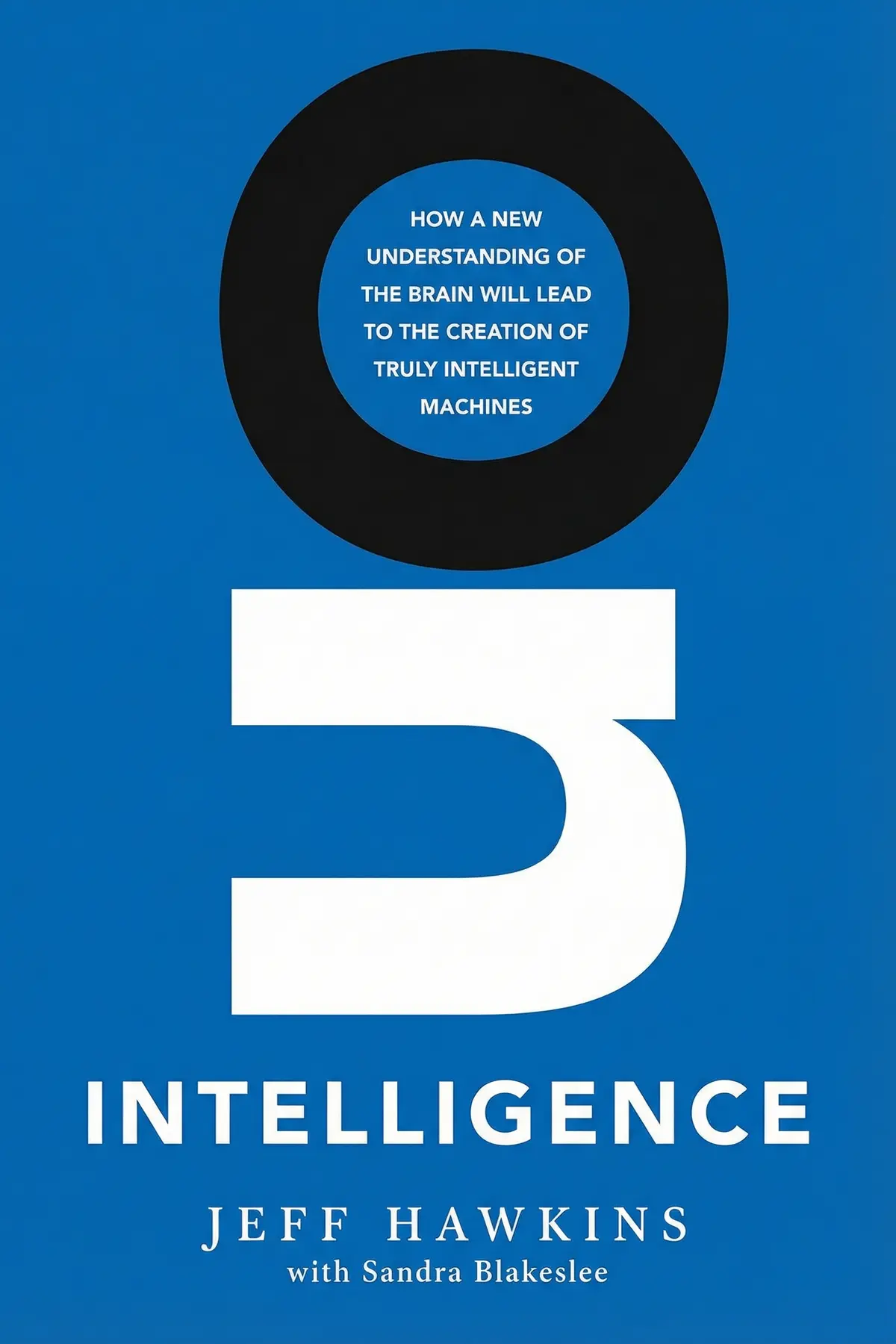
Explore a revolutionary theory of intelligence that challenges everything we know about AI. Discover how the human brain’s neocortex uses memory and prediction to understand the world and how this inspires future machines.
1 min 58 sec
For as long as we have had machines that can perform basic math, we have nurtured a specific dream: the creation of a mind out of silicon and steel. Science fiction has spent the last century populating our collective imagination with robots that can think, feel, and sometimes even threaten our very existence. But as we look at the actual progress of technology, a strange paradox emerges. We have computers that can process billions of operations per second, yet they often struggle with tasks a toddler finds effortless, like recognizing a face in a crowded room or understanding the nuance of a conversation.
What are we missing? According to the insights we are about to explore, the problem isn’t that our computers aren’t fast enough; it’s that we don’t truly understand what intelligence is. We have been trying to build ‘smart’ machines using the wrong blueprint. We’ve treated intelligence as a computational problem—a matter of inputs, outputs, and massive processing power. But the human brain works on an entirely different set of principles.
In this journey through the mechanics of the mind, we will explore a new theory of intelligence. We will move away from the idea of the brain as a computer and toward the idea of the brain as a memory-prediction system. We’ll look at how the neocortex—the seat of our higher thinking—organizes the world not just as a series of facts, but as a continuous stream of experiences that allow us to anticipate what’s coming next. Along the way, we will see why even the most famous victories of machines over humans, like in the game of chess, don’t actually prove that the machines are intelligent. We’ll also demystify the fear of a robot uprising, explaining why a truly intelligent machine would likely be a brilliant tool rather than a sentient threat. By the end, you’ll have a new framework for understanding your own mind and a clearer vision of the technological future that awaits us.
2 min 36 sec
Discover why winning at chess doesn’t make a computer smart and learn the fundamental difference between processing power and human-like intelligence.
2 min 29 sec
Explore the layered architecture of the human brain and how it transforms raw sensory data into the complex world we perceive every day.
2 min 12 sec
Understand why your brain is constantly guessing the future and how this predictive ability is the real foundation of intelligent behavior.
2 min 29 sec
Learn how the brain recognizes complex patterns over time, from the melody of a song to the rhythm of human speech.
2 min 17 sec
Find out why current artificial neural networks fall short of human intelligence and what they need to bridge the gap.
2 min 16 sec
What will it take to build a machine as smart as a human? Discover the hardware challenges and the technological solutions on the horizon.
2 min 21 sec
Debunking the sci-fi myths: learn why truly smart machines won’t want to conquer the world or experience human emotions.
2 min 07 sec
As we have seen, the path to true artificial intelligence doesn’t lie in making faster calculators, but in understanding the elegant simplicity of the human neocortex. We have explored the idea that intelligence is, at its core, a memory-prediction framework. Our brains aren’t just reacting to the world; they are constantly anticipating it, using a library of learned patterns to fill in the gaps of our sensory experience. This realization changes how we look at technology and how we look at ourselves.
The future of intelligent machines is bright, not because they will replace us, but because they will augment us. By building silicon systems that mimic the layered structure and predictive power of the brain, we can create tools that ‘understand’ the world in ways we previously thought impossible. These machines will be our partners in solving complex global issues, from climate patterns to medical breakthroughs, all while remaining safe and focused tools without the volatile emotions of biological life.
But while we wait for these machines to arrive, there is a lesson we can apply to our lives today. Your brain is a masterpiece of millions of years of evolution—a highly sophisticated organ that thrives on learning and pattern recognition. It is a terrible waste to let such a powerful system sit idle or to damage it through neglect or harmful habits. Treat your mind with the respect it deserves. Keep it sharp, keep it learning, and keep feeding it the new experiences it needs to refine its predictions.
Finally, consider this: if you had access to a machine that was several times more intelligent than you, how would you use it? What global problems would you ask it to solve? The age of truly intelligent machines is coming, and it will be up to us to decide how to use that unprecedented power for the betterment of the world. The blueprints are in our heads; now it’s just a matter of building the future.
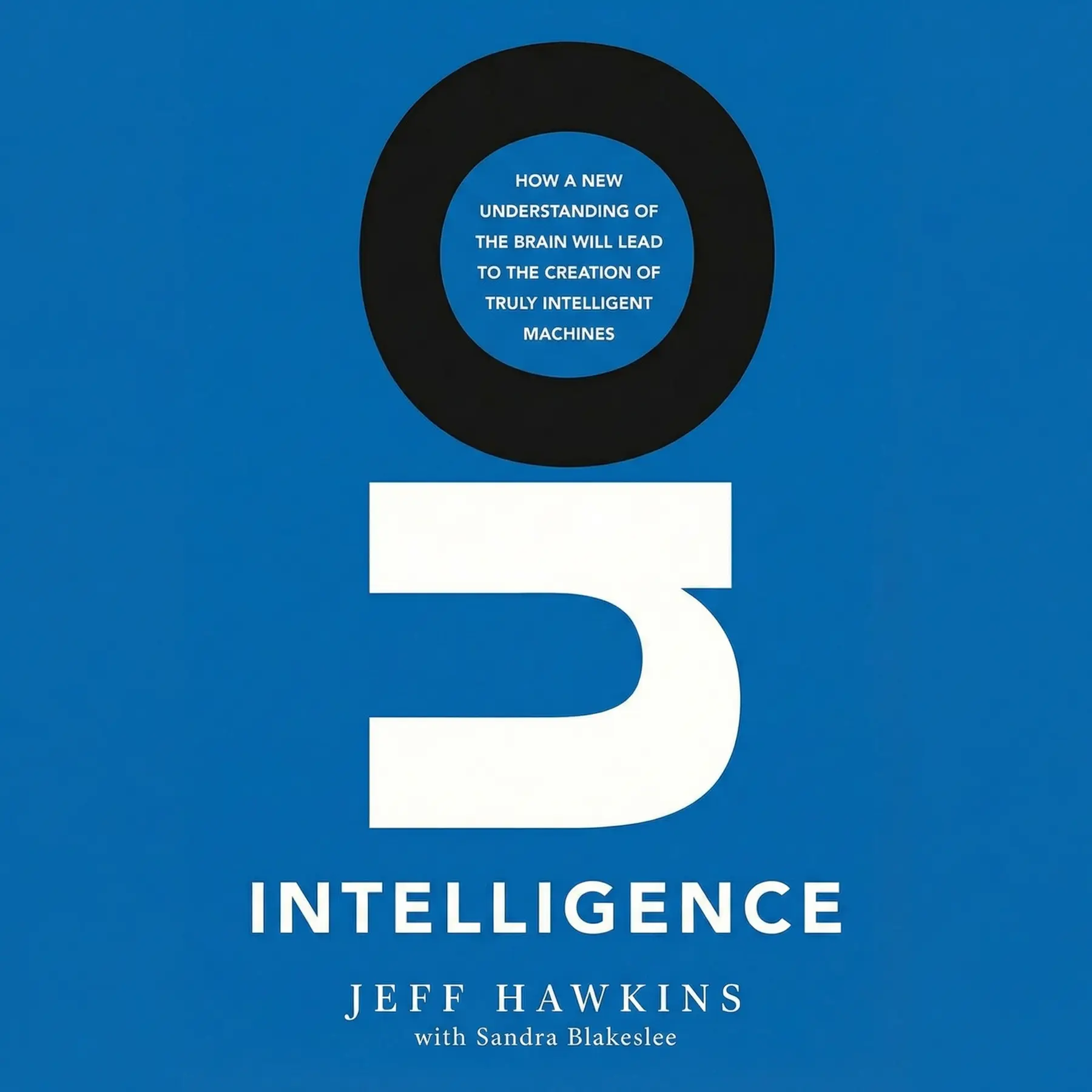
For decades, we have tried to build intelligent machines by making computers faster and more powerful. Yet, even our most advanced systems lack the basic understanding and creativity of a human child. This book argues that we have been looking at intelligence all wrong. Instead of seeing the brain as a high-speed calculator, we must view it as a sophisticated memory system that exists to make constant predictions about the future. On Intelligence provides a deep dive into the architecture of the neocortex, explaining how it processes sensory information through hierarchical layers. By understanding how the human mind actually functions, we can move past the limitations of traditional artificial intelligence and neural networks. The book promises a future where machines possess true understanding, not just the ability to crunch numbers. It offers a roadmap for building silicon-based minds that can solve complex global problems while remaining safe, unemotional tools that serve humanity’s best interests.
Jeff Hawkins is a renowned inventor and neuroscientist who co-founded Palm and Handspring, where he created the PalmPilot and the Treo smartphone. He later shifted his focus to brain research at the Redwood Neuroscience Institute. Sandra Blakeslee is a respected science correspondent for the New York Times and has co-authored several influential books on neurology, including Phantoms in the Brain.
Jeff Hawkins
V. S. Ramachandran
Listeners feel the book delivers an excellent explanation of brain function while proposing a fresh and believable framework for intelligence. Additionally, the prose is straightforward and organized effectively, resulting in an enjoyable reading experience. They value the perspective on pattern recognition, specifically highlighting the focus on hierarchical structures and the unifying cortical algorithm. Nevertheless, opinions on accuracy are divided, as some believe the basic theories are accurate while others point out a deficiency in technical precision.
Wow, what a refreshing and bold perspective on the human mind. Instead of getting bogged down in the minutiae of individual neurons, Hawkins zooms out to look at the big picture of cortical organization. The result is a beautifully simple theory: the brain is a memory-prediction system. This is a must-read for anyone frustrated by the slow progress of traditional artificial intelligence. His explanation of the "cortical algorithm" is so logical that it makes you wonder why this wasn't the standard model all along. The book is written in a very accessible way, avoiding unnecessary jargon without dumbing down the central ideas. I found the section on how we differentiate important versus unimportant information in long-term memory to be especially insightful. It’s rare to find a book that offers both a scientific framework and a vision for the future of engineering. This is easily one of the most influential books I’ve read in the last decade.
Show moreFinally got around to reading this classic, and it’s surprisingly accessible for such a dense subject. Hawkins does a fantastic job of explaining how our cortex handles hierarchical pattern recognition. The writing is clear, concise, and honestly, a joy to engage with. I loved the "thought experiments" he uses to illustrate his points; they really help bridge the gap between abstract theory and everyday experience. While some critics point out the lack of technical depth, I think they’re missing the point. This isn't a textbook; it’s a manifesto for a new way of thinking about intelligence. He captures the essence of how we learn and adapt in a way that feels incredibly intuitive. The book’s focus on the time element of sensory input was a total "aha" moment for me. It’s a visionary work that challenges the status quo in both neuroscience and computer science. Highly recommended for any curious mind.
Show moreThe way Hawkins differentiates between simple storage and true intelligence is a total game-changer for me. He argues that we don't just "process" data; we use a hierarchy of patterns to anticipate what happens next. This perspective explains so much about human behavior, from how we learn to speak to how we catch a ball. Personally, I found the chapters on the structure of the neocortex to be the most rewarding part of the book. Even though it was written nearly twenty years ago, the core concepts feel ahead of their time. The style is conversational yet rigorous enough to be taken seriously. Some might find the author’s confidence a bit much, but I found his passion for the subject contagious. It’s a terrific description of the brain's "one algorithm" and how that might be replicated in silicon. If you want a plausible model of how you actually think, look no further.
Show moreDirect opinion: this is one of the best books on the brain ever written for a general audience. Hawkins manages to synthesize complex neurological data into a coherent and elegant framework that anyone can understand. The concept that our sensory cortex runs a single, universal algorithm is simply brilliant. It makes sense of the brain’s amazing flexibility. In my experience, the book is a masterclass in clear communication. I especially appreciated how he deconstructed the "grandmother cell" myth and replaced it with a more sophisticated columnar organization theory. While he definitely focuses on the neocortex to the exclusion of other regions, the depth he provides there is unparalleled. The implications for future AI are staggering, and he presents them without the usual sci-fi hyperbole. It’s a well-structured, thought-provoking journey that will change the way you look at every interaction you have with the world.
Show moreThis book is a fascinating artifact of early 2000s tech-optimism that still holds up surprisingly well. I loved the way Hawkins addresses the topic of intelligence by stripping away the "computer-as-brain" metaphor that has plagued AI for decades. His focus on prediction as the primary function of the neocortex is a powerful shift in perspective. The writing style is exceptionally clear, making complex concepts like hierarchical temporal memory accessible to someone without a PhD. I particularly enjoyed the chapter on how our brains handle sensory input, like the example of recognizing a song regardless of the pitch. Personally, I think he got some of the timelines wrong—progress has been slower than he anticipated—but the fundamental logic remains sound. There are some minor issues with scientific oversimplification, but as a framework for building intelligent systems, it’s brilliant. It's a pure pleasure to read such a well-structured argument.
Show moreEver wonder why computers struggle with things a toddler finds easy, like recognizing a face in a crowd? Hawkins tackles this head-on, proposing that our brains aren't calculating results but rather retrieving memories to make constant predictions. Frankly, the elegance of this "cortical algorithm" is what makes the book so hard to put down. He describes a unified system where every part of the sensory cortex performs the same basic function, just on different types of data. It’s a bold, unifying theory that feels right, even if the specific biological details are a bit light. My only real gripe is the way he brushes off the complexities of the cerebellum and other "old brain" parts. Still, the discussion on how to build truly intelligent machines in silicon is thought-provoking. He avoids the trap of trying to mimic humans exactly, focusing instead on the underlying principles of hierarchy and pattern recognition. It’s a solid four-star read for anyone interested in the future of technology.
Show moreAs someone who lived through the Palm Pilot era, it was cool to see the mind behind that tech tackle something as massive as neuroscience. The book is remarkably well-structured and moves at a brisk pace. Hawkins argues that the neocortex is essentially a pattern-recognition machine, and his explanation of how these layers work together is the best I've read. He makes a compelling case for why traditional AI, built on von Neumann architecture, was never going to achieve true intelligence. Not gonna lie, the tone gets a bit "lone genius" at times, which can be grating. He tends to frame his ideas as revolutionary insights that everyone else missed, which isn't entirely accurate. Regardless, the thought experiments provided are incredibly useful for visualizing how we perceive the world. It’s a terrific description of brain function for the general public. I’m glad I finally sat down with this one.
Show moreNot what I expected from a tech executive, but "On Intelligence" is a surprisingly deep dive into biological theory. The core thesis—that intelligence is the ability to predict the future based on patterns from the past—is explained with wonderful clarity. Hawkins and Blakeslee have a way of making high-level neuroscience feel like common sense. I was particularly impressed by the emphasis on hierarchical structures; it changed how I think about my own sensory experiences. To be fair, some of the specific predictions about AI development haven't aged perfectly, but the underlying philosophy is more relevant than ever. There is a certain factual flippancy in how he treats existing research, but the overarching model is plausible and stimulating. It’s a book that invites you to argue with it, which is the mark of a good science read. If you’re looking for a new perspective on what it means to think, this is it.
Show moreAfter hearing about Hawkins' background in tech, I expected a very different book. It’s a moderately entertaining speculation on how human intelligence works on a neural level, but the lack of technical accuracy in several spots is hard to ignore. To be fair, his criticisms of how AI research has traditionally ignored the brain's biology are spot-on. He argues for a hierarchical pattern-recognition model that is elegant in its simplicity. Yet, he seems to lean way too heavily on Mountcastle’s 'Organizing Principle' without providing the necessary evidentiary support to back up such strong assertions. Look, as a layperson’s guide to a specific theory, it’s a quick and clear read. But for anyone with a background in biology, his dismissal of subcortical structures like the basal ganglia feels reckless. He treats the neocortex as the end-all-be-all of intelligence, which simplifies the puzzle to the point of distortion. It’s a valuable thought experiment, but take the conclusions with a massive grain of salt.
Show morePicked this up hoping for a rigorous scientific dive, but I ended up feeling like I was reading a 200-page advertisement for Jeff Hawkins' brilliance. Truth is, the science—what little there is between the anecdotes of his own success—is actually quite interesting. He proposes a model where the neocortex is a prediction machine, which is a compelling hook. However, the tone is so astonishingly self-congratulatory that it distracts from the actual content. He paints himself as the lone visionary against a sea of "misguided" neuroscientists, often using straw man arguments to dismiss entire fields of research. By the time I reached the chapters on machine intelligence, I was too exhausted by the author's ego to care about his predictions. It’s a shame because the core idea of a unified cortical algorithm deserves a more humble and thorough treatment. If you can stomach the "look at me" attitude, there’s a kernel of a great idea here, but it's buried under layers of sludge.
Show more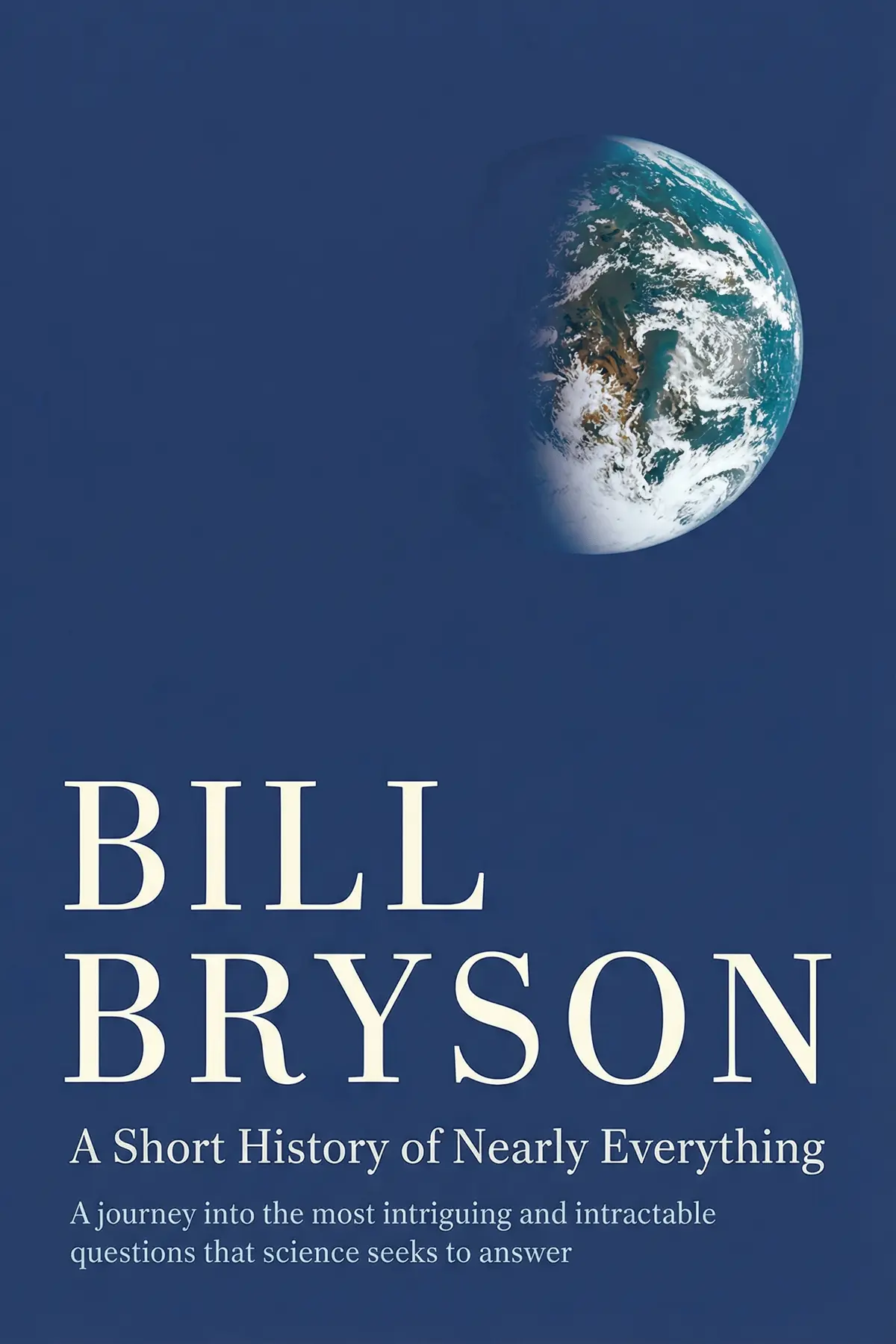
Bill Bryson
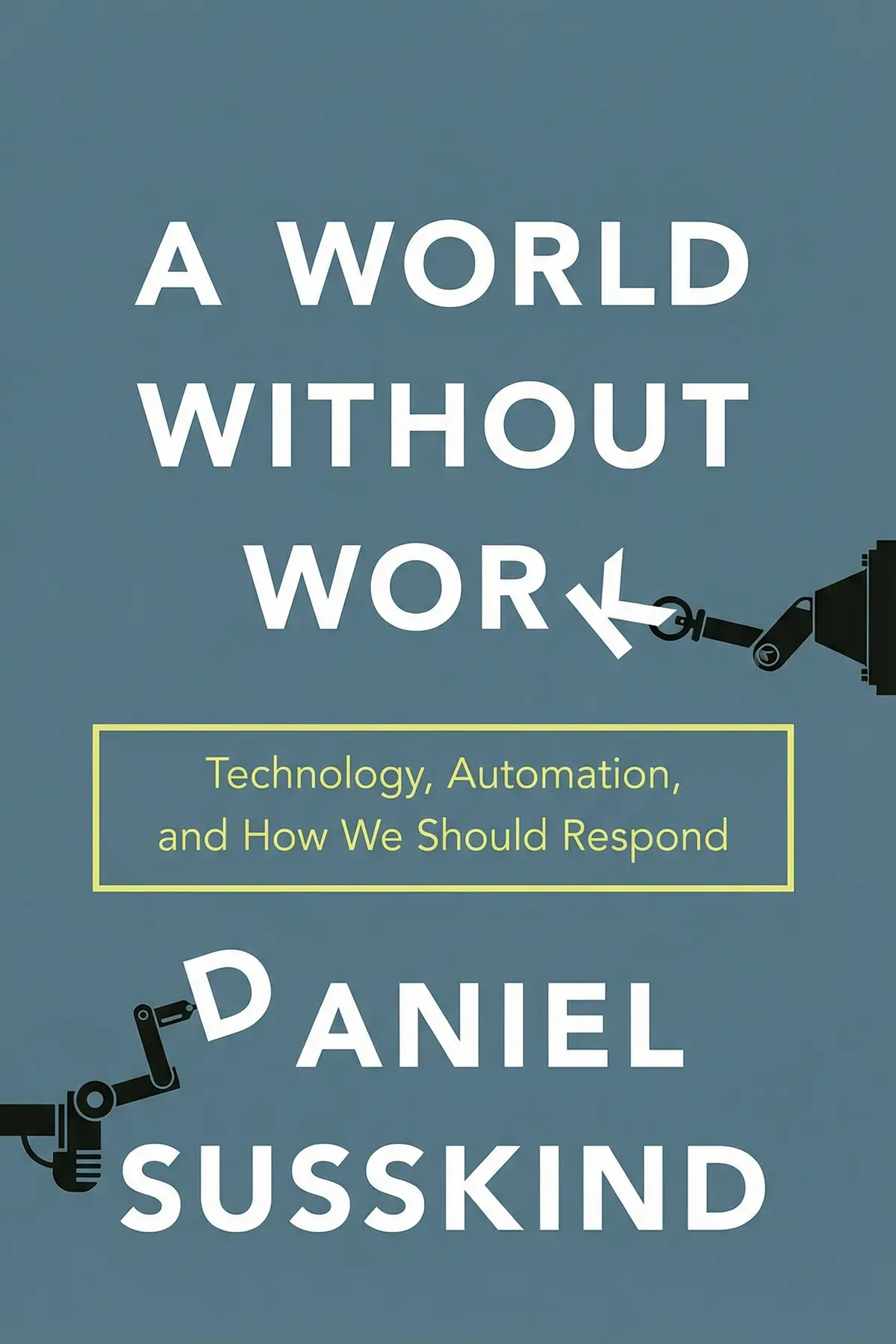
Jeff Hawkins
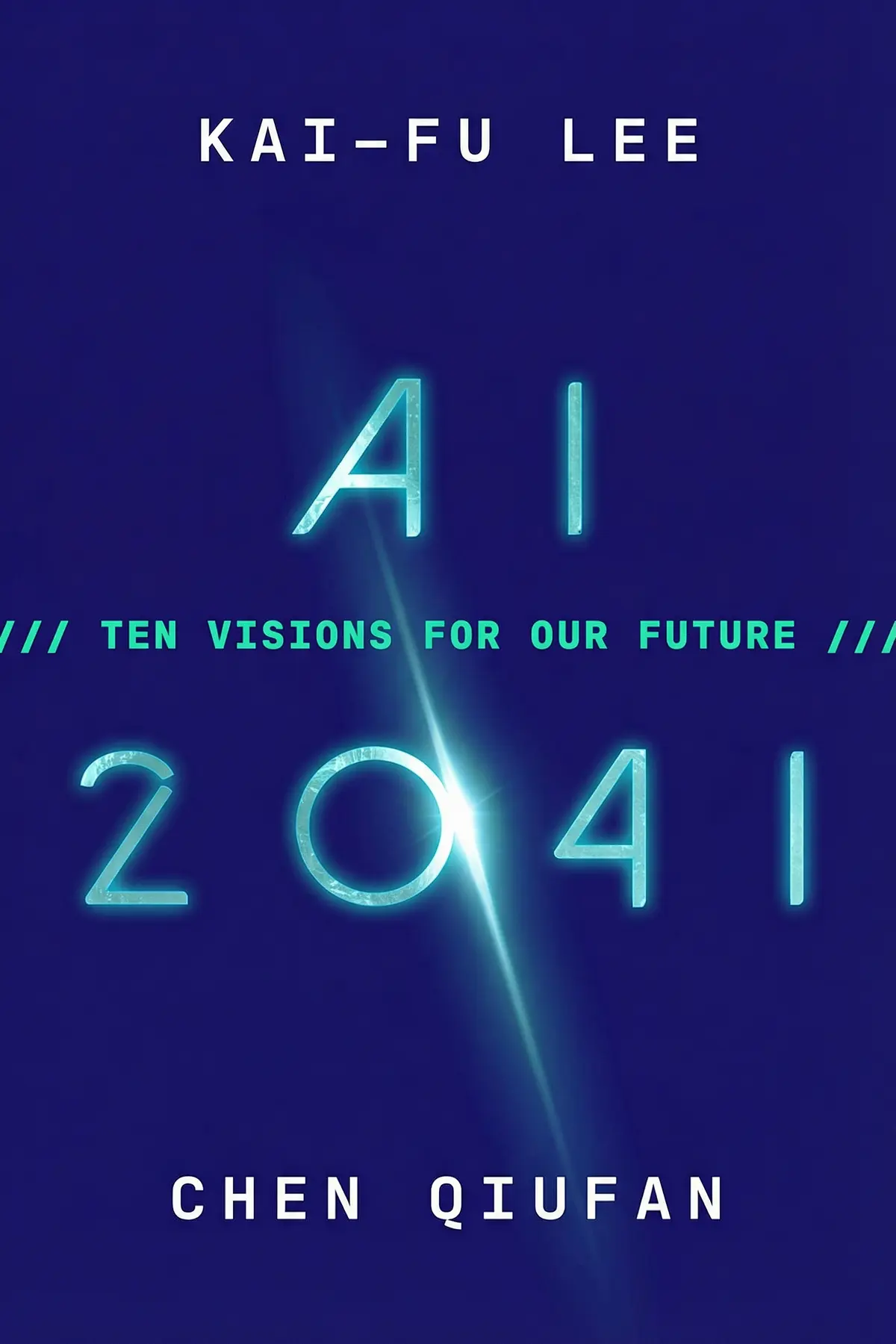
Kai-Fu Lee
AUDIO SUMMARY AVAILABLE
Get the key ideas from On Intelligence by Jeff Hawkins, plus 5,000+ more titles in English and Thai.







