
Musicophilia: Tales of Music and the Brain
Oliver Sacks
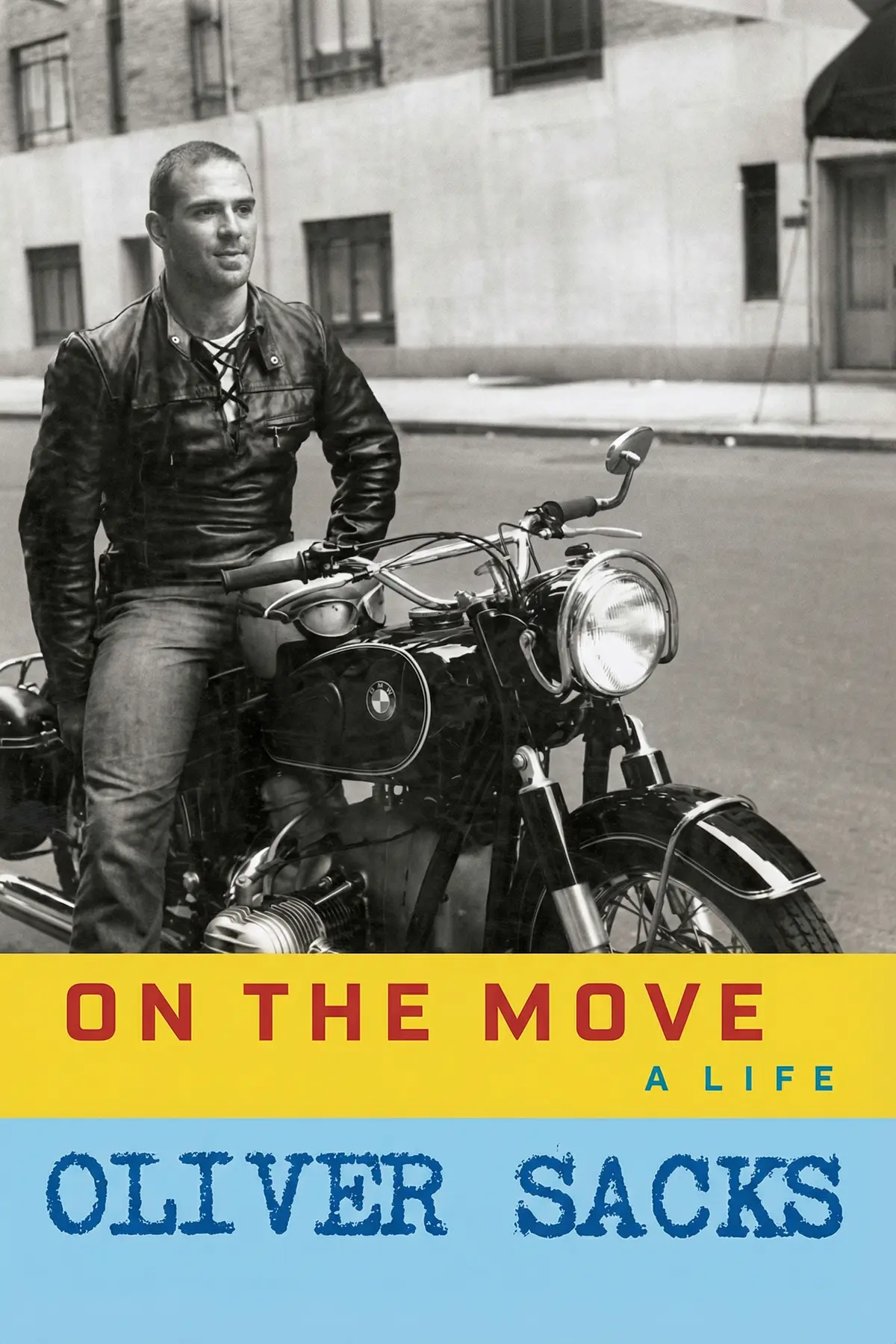
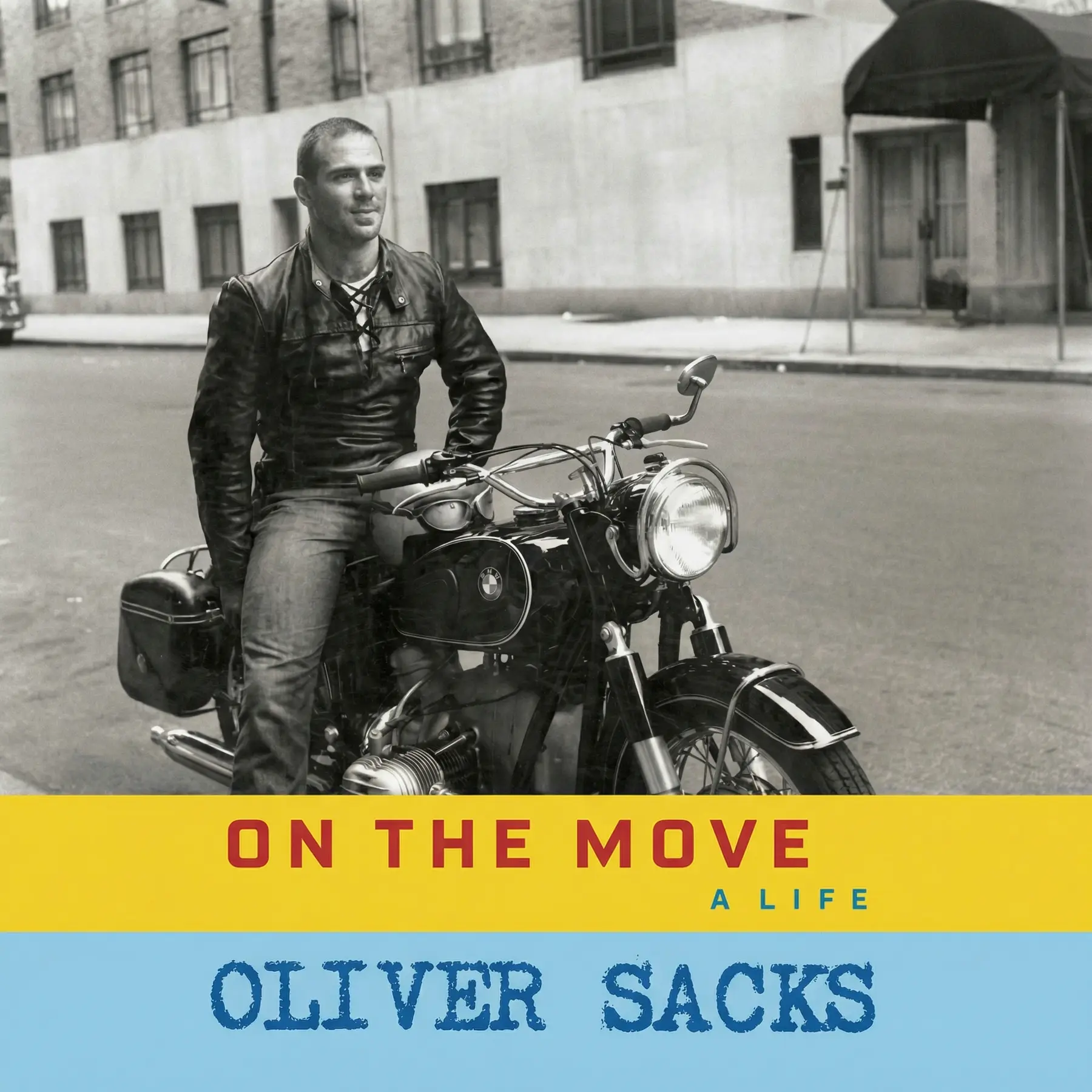
On the Move explores the vibrant and restless life of Oliver Sacks, the legendary neurologist who combined a passion for motorcycles and bodybuilding with a profound, narrative-driven approach to medicine.
2 min 08 sec
Imagine a young boy in London, barely twelve years old, surrounded by the acrid scent of chemical reactions. His room is a makeshift laboratory, a place where curiosity often outweighs caution. This boy, Oliver Sacks, would one day receive a school report that acted as a startling prophecy for his entire life: “Sacks will go far, if he does not go too far.” This single sentence perfectly captures the tension of a man who spent his life testing boundaries—academically, physically, and chemically.
On the Move is not just a memoir of a doctor; it is the chronicle of a restless soul who refused to be confined to a single identity. In the pages that follow, we will trace the arc of a life that was as much about the open road and the weightlifting platform as it was about the hospital ward. Sacks was a man of immense contradictions: a shy, inhibited physician who found liberation on a high-powered motorcycle; a brilliant researcher who nearly sabotaged his career through clumsiness and addiction; and a gifted writer who felt the weight of his mother’s disapproval for decades.
As we explore this narrative, notice the throughline that connects all these disparate parts. It is a relentless search for meaning and connection. Whether he was drinking aquavit on a North Sea ferry or sitting by the bedside of a patient trapped in a decades-long trance, Sacks was always looking for the story beneath the surface. He moved across continents and through various states of consciousness, always seeking to bridge the gap between the cold facts of neurology and the warm, messy reality of human experience. This is the story of how a man who almost lost his way in the haze of amphetamines found himself through the power of listening to others. It is an invitation to see the world through the eyes of a man who believed that every individual, no matter how “broken” by disease, possessed a unique and vital narrative. Let’s begin the journey into the mind of a man who truly went far, and occasionally, exactly far enough.
2 min 24 sec
Discover how a young Sacks balanced a dangerous passion for chemistry with an obsession for classic literature, setting the stage for his future dual identity.
2 min 30 sec
A pivotal family conversation reveals the deep-seated cultural and personal barriers Sacks faced regarding his identity and his mother’s devastating reaction.
2 min 26 sec
Witness the unconventional way Sacks won a prestigious scholarship at Oxford, highlighting his struggle with traditional testing and his natural gift for writing.
2 min 04 sec
Follow Sacks as he seeks personal liberation in a foreign city, leading to a moment of profound emotional relief and a message of self-worth.
2 min 27 sec
Step into the double life Sacks led in California, where he traded his lab coat for leather and sought a new identity through strength and speed.
2 min 18 sec
Explore the dark turn Sacks’s life took in the Santa Monica Mountains as a personal rejection pushed him toward a dangerous amphetamine habit.
2 min 13 sec
Follow Sacks as he hits rock bottom in the city, facing terrifying hallucinations and a string of professional failures that label him a ‘menace.’
2 min 11 sec
Witness the turning point where Sacks discovers his true calling by connecting deeply with patients and leaving his addiction behind.
2 min 11 sec
Sacks faces a formidable adversary in his quest to publish his first book, testing his resolve and his commitment to his new path.
2 min 02 sec
Sacks reveals his perfectionist nature and the vital role of his editor in shaping the books that would eventually reach millions.
2 min 17 sec
Learn about the groundbreaking work that brought Sacks global fame and his mission to restore the human element to medical writing.
2 min 00 sec
Reflect on Sacks’s lifelong journey of self-discovery and how he finally reconciled his disparate identities into a unified whole.
1 min 31 sec
In the end, Oliver Sacks’s life stands as a powerful reminder that our greatest strengths often emerge from our deepest vulnerabilities. He was a man who lived at the intersection of science and art, proving that one does not have to be sacrificed for the other. By documenting his own struggles with addiction, identity, and professional failure, Sacks humanized the figure of the doctor and showed us that empathy is as essential to medicine as any pharmaceutical or surgical intervention.
His journey from a ‘menace’ in the lab to a world-renowned author teaches us the value of persistence and the importance of finding a path that aligns with our true nature. Sacks could have been a standard researcher or a traditional physician, but by embracing his love for storytelling, he created a new way of seeing the world. He taught us that behind every diagnosis is a person with a history, a family, and a soul.
As you move forward from this summary, consider how you might apply Sacks’s perspective to your own life. Are there parts of your identity that you feel you must keep separate? Are there ‘footnotes’ in your own story that you’ve been afraid to explore? Sacks’s legacy encourages us to embrace the complexity of our own narratives and to look for the humanity in everyone we encounter. He went far, he went too far, and in doing so, he showed us how to truly see one another. The road is always open, and like Sacks, we are all, in our own way, forever on the move.
On the Move is the candid and exhilarating autobiography of Oliver Sacks, a man who navigated the worlds of science and literature with equal intensity. The memoir takes listeners from his formative years in England, marked by a thirst for chemical experiments and a love for classic novels, to his high-octane life in California as a competitive weightlifter and motorcyclist. It details his struggles with identity, a devastating rejection from his mother regarding his sexuality, and a dangerous period of substance abuse that nearly cost him everything. Beyond the personal drama, the book offers a window into the evolution of Sacks’s career as a neurologist. It chronicles the shift from his failed laboratory research to the clinical work that would eventually define his legacy: the deep, empathetic study of patients with rare neurological disorders. Through his experiences at clinics and hospitals in New York, Sacks reveals how he found his calling by blending the objective observations of science with the rich storytelling of literature, ultimately changing the way we perceive the human mind and the resilience of the human spirit.
Oliver Sacks was a prominent British neurologist and author who spent the majority of his professional life in the United States. Following his medical training at Oxford University, he practiced at several institutions in San Francisco and New York. Sacks was renowned for his work with patients suffering from rare and complex neurological conditions, often using these experiences as the foundation for his literary works. His notable books include Awakenings and The Man Who Mistook His Wife for a Hat. He also documented his own neurological challenges in titles such as A Leg to Stand On and The Mind’s Eye.
Oliver Sacks
Listeners find this autobiography captivating and expertly crafted, with one individual characterizing the journey as a "wonderful literary motorcycle ride." The narrative offers a gripping look into a talented neurologist’s life, teeming with unique adventures and a broad spectrum of passions. Listeners value the writer's sharp medical insights and empathetic perspective, which create a motivating portrait of an extraordinary humanist.
Oliver Sacks was a titan of empathy, and this final look into his life is nothing short of breathtaking. Most people know him as the clinical observer of the human brain, but this memoir reveals the leather-clad biker, the record-breaking weightlifter, and the man who struggled with deep loneliness for decades. Truth is, his description of finding love in his late seventies brought me to tears. He writes about his early drug use and his mother's harsh rejection of his sexuality with a vulnerability that is rare for a public figure of his stature. It’s a thrilling textual journey on two wheels through the twentieth century. Sacks proves that a life dedicated to science doesn't have to be devoid of passion or physical vigor. He was a remarkable humanist who treated his patients as co-explorers of the mind, and this book serves as a perfect, poignant farewell. I’ll be returning to his sharp-eyed medical insights for years to come.
Show moreWow, what a life—Sacks lived more in a single weekend on his bike than most of us do in a decade. This book is an extraordinary portrait of a man who refused to be put in a box. Scientist, biker, bodybuilder, and lover of ferns; he was a true polymath. I was particularly struck by his honesty regarding his drug addiction and his late-in-life discovery of romantic partnership. It’s a brave book. He doesn't shy away from his flaws or his 'face blindness,' which makes his achievements seem even more Herculean. The way he bridges the gap between the hard sciences and the human heart is masterful. To me, this is more than just a memoir; it’s a manual on how to remain curious until your last breath. Sacks was a genius, but more importantly, he was a kind man. This book is a mandatory read for anyone interested in the intersection of medicine and the human spirit.
Show moreThe chapter on his early days in California completely redefined my understanding of the modern scientist. Seeing Oliver Sacks as 'Wolf'—a leather-clad biker high on amphetamines—is a far cry from the grandfatherly figure we saw in his later years. This memoir is a celebration of the 'unfathomable intricacies' of a human life. He lived with such gusto, whether he was squatting 600 pounds or discovering new ways to treat his patients at Beth Abraham. His writing is as elegant as ever, filled with the footnotes and sketches that fans have come to love. The truth is, Sacks was a pioneer who showed us that patients are more than their diagnoses. This book is a beautiful testament to his curiosity and his bottomless empathy. It’s the best thing I’ve read all year. Oliver, rest in peace; you were a true original and a credit to the human race.
Show moreFinally got around to reading this after seeing that famous photo of Sacks as a young rogue on a motorbike, and it’s quite the ride. It’s amazing to reconcile the gentle doctor played by Robin Williams with this amphetamine-using, weight-lifting adventurer. The book captures his restless energy perfectly; he was always on the move, both physically and intellectually. I particularly enjoyed learning about his friendships with Auden and Thom Gunn, which adds a beautiful literary layer to his scientific life. My only complaint is that the middle sections get bogged down in the minutiae of his publication history and footnotes. Still, his compassionate approach to neurology shines through every page. He wasn't just treating disorders; he was documenting souls. It’s an inspiring, if occasionally rambling, account of a life lived at full throttle. This memoir really underscores why he was such a unique voice in modern literature.
Show moreAs someone who has followed Sacks’s career for decades, this book feels like the missing piece of a complex, beautiful puzzle. We finally get the backstory to his most famous cases and a glimpse into the internal struggles of a man who felt like a perpetual outsider. His journey from a repressed young man in England to a pioneering doctor in New York is filled with 'uncertain violence' and quiet grace. The way he discusses his brother Michael’s schizophrenia provides a necessary context for his career-long obsession with the brain. He was a doctor who actually listened. While the prose is occasionally dense with medical jargon, his passion for the natural world is infectious. Look, it’s not a perfect book—some chapters feel like a collection of disparate journal entries—but the overall impact is deeply moving. He lived his life with a rare kind of intensity that makes you want to go out and experience the world more fully.
Show moreAfter hearing about his terminal diagnosis, reading this memoir felt like a poignant and necessary goodbye to a man who changed how we see the brain. Sacks writes with a sense of urgency that is palpable. He chronicles his busy adult life with a mix of clinical precision and raw emotion, especially when discussing his family’s medical legacy and his own battle with substance abuse. The chapters on his travels through the American West are particularly vivid, reading like a classic road novel. Gotta say, his ability to turn a neurological case into a compelling story is unparalleled. Some of the later science chapters get a bit heavy for a layperson, but his enthusiasm usually carries the reader through. This book is an essential endnote for anyone who has ever been moved by his writing. He was a man who truly seized hold of life and never let go until the very end.
Show morePicked this up on a whim and was immediately struck by Sacks’s obsession with the narrative form. He wasn't just a doctor; he was a storyteller who understood that we are all made of memories and language. The book is filled with fascinating anecdotes, from his brush with death in a road rage incident to his late-life romance with Bill Hayes. He writes about his prosopagnosia with such clarity that it helps you understand his social awkwardness in a whole new way. While the book could have been tightened by a more aggressive editor—he does repeat certain themes—the warmth of his personality shines through. His love for his schizophrenic brother Michael adds a heavy emotional weight to his scientific pursuits. It’s a deeply humanizing look at a man who spent his life studying what makes us human. An inspiring read for anyone who feels like they don't quite fit the mold.
Show moreWhile I’ve long admired Sacks's clinical essays in the New Yorker, I found this memoir to be a somewhat jarring and uneven experience. The first half is electric, detailing his 'Wolf' persona on motorbikes and his 'Dr. Squat' days at Muscle Beach. However, the second half feels like a tedious exercise in name-checking. To be fair, Sacks is open about his social awkwardness, but that often translates into an aloof, self-absorbed narrative style that leaves the reader feeling like an outsider. He glides over forty years of celibacy with very little introspection, then pivots back to dense scientific theories that could have used a much tougher editor. It’s fascinating to see the man behind 'Awakenings,' yet I couldn't shake the feeling that he was more interested in his own intellectual processes than in the people around him. It’s worth a read for die-hard fans, but newcomers should probably start with his earlier, more focused work.
Show moreEver wonder what the real doctor behind the movie 'Awakenings' was like behind the scenes? This memoir provides the answer, though it’s not always a comfortable one. Sacks reveals himself to be a man of immense contradictions—deeply shy yet physically daring, scientifically rigorous yet prone to flights of poetic fancy. In my experience, the book is at its best when he describes his early years and his move to America. However, it loses steam when he starts listing every colleague he ever met. The 'genial' descriptions of his peers become repetitive and the narrative flow suffers as a result. Also, I wanted more depth regarding his decades of celibacy; it’s such a significant part of his life that felt under-examined. It’s a decent book that offers some great 'behind-the-scenes' info on his famous cases, but it lacks the tight narrative structure of his clinical work. A bit of a mixed bag, honestly.
Show moreNot what I expected from the man who wrote 'The Man Who Mistook His Wife for a Hat.' Frankly, I found the tone of this autobiography to be surprisingly cold and self-indulgent. Sacks spends so much time detailing his own triumphs and the famous people he knew that the humanity of his patients—the very thing that made his earlier books great—gets lost in the shuffle. There’s a certain hubris in the way he describes his clinical breakthroughs, and his humblebragging about his athletic feats becomes exhausting after a while. I was also disappointed by how he handled his personal life; he mentions his mother’s devastating comment about him being an 'abomination' and then just moves on to the next topic. It felt like he was keeping the reader at arm's length the entire time. If you want to appreciate Sacks, watch 'Awakenings' or listen to his old interviews instead. This book just left me feeling frustrated and disconnected.
Show more
James Shapiro

Carl Zimmer

Ben Macintyre
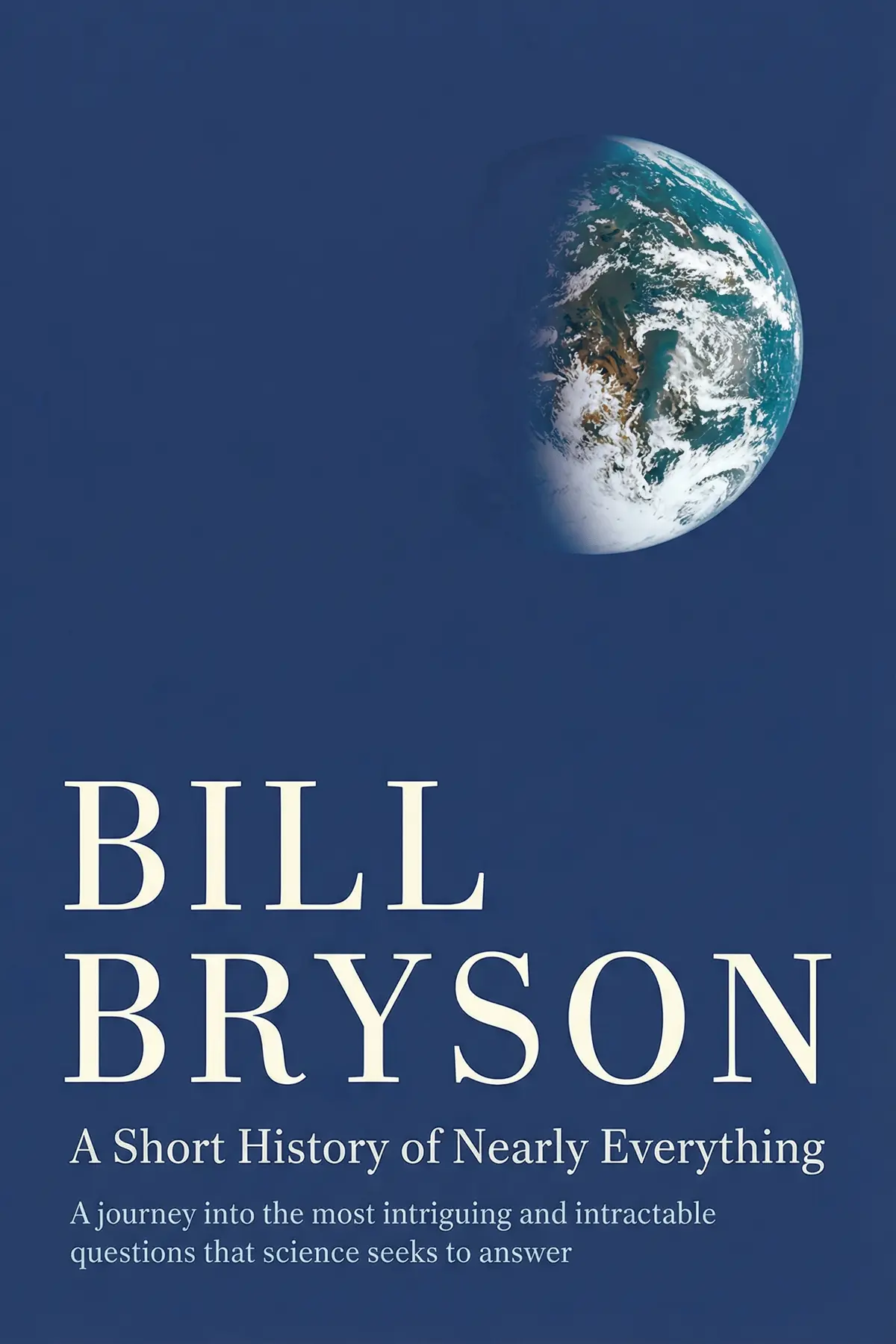
Bill Bryson
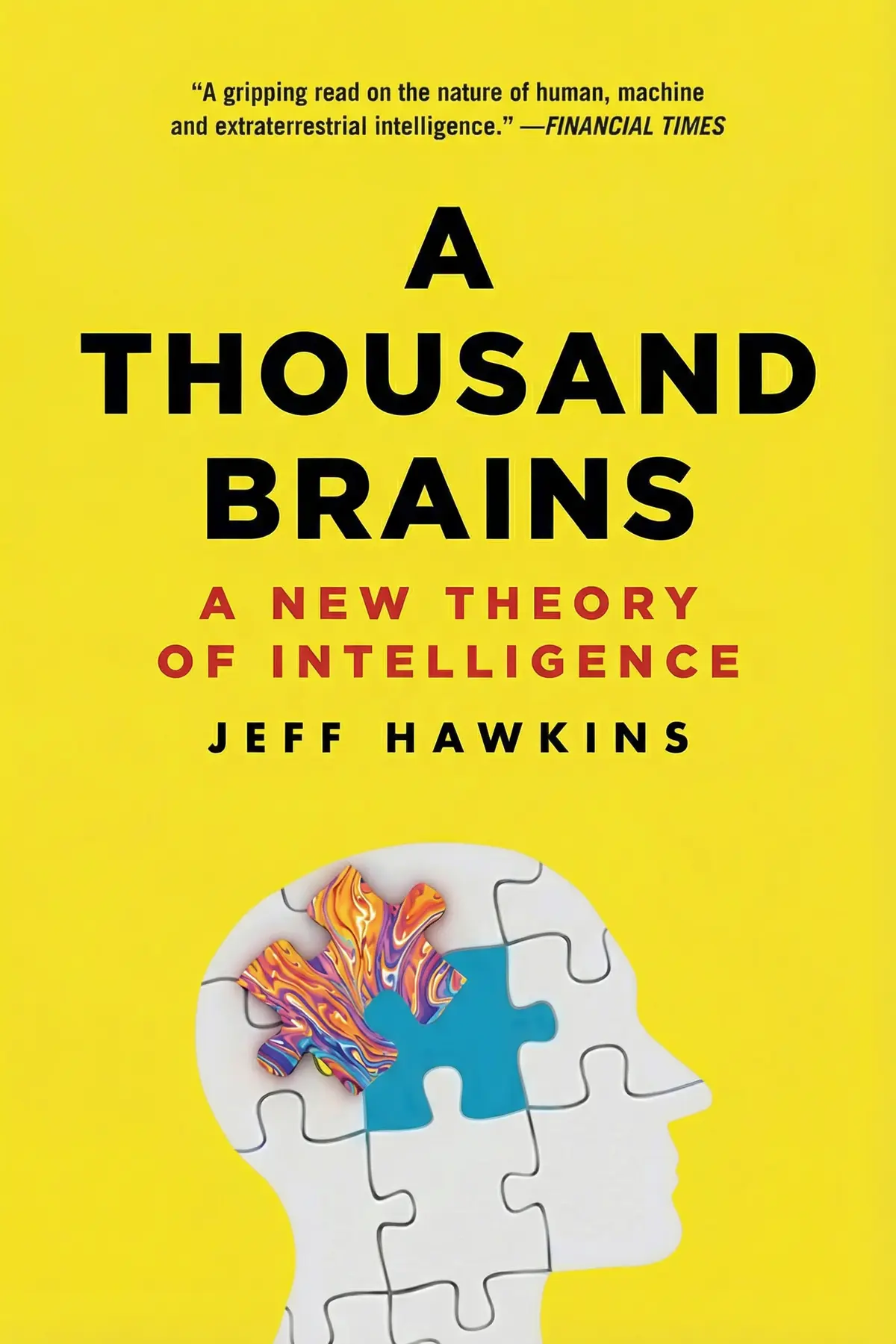
Jeff Hawkins
AUDIO SUMMARY AVAILABLE
Get the key ideas from On the Move by Oliver Sacks, plus 5,000+ more titles in English and Thai.







