Can’t Even: How Millennials Became the Burnout Generation
Anne Helen Petersen
Examine the evolution of remote work and discover how to rebuild your professional life. Learn to establish firm guardrails, prioritize community, and reclaim your identity beyond your job description.
2 min 20 sec
For decades, the traditional office was a place of high-pressure environments, grueling commutes, and constant interruptions. For many, the dream was simple: what if we could just stay home? What if we could trade the gray cubicle for the comfort of a living room sofa? We imagined a world where flexibility meant reclaiming our mornings and where the absence of a boss hovering over our shoulders would lead to a more balanced, peaceful existence.
When the year 2020 arrived, that dream became a sudden, forced reality for millions. But as the months turned into years, a strange thing happened. That newfound freedom started to feel a lot like a different kind of trap. Without the physical walls of the office to contain our professional responsibilities, work began to bleed into every corner of our private lives. Our dinner tables became conference rooms, and our bedrooms became extensions of our cubicles. The boundary between who we are and what we do for a living started to dissolve entirely.
Journalists Charlie Warzel and Anne Helen Petersen were ahead of this curve. They left the relentless pace of New York City for the mountains of Montana back in 2017, hoping to find that elusive remote-work paradise. They quickly discovered that simply changing your zip code doesn’t change the underlying culture of work. Anne found that while she enjoyed the quiet, the lack of structure was its own challenge. Charlie, on the other hand, found himself overcompensating for his absence from the office by becoming hyper-available on digital platforms, struggling to ever truly disconnect.
They realized that the problem wasn’t just where we work, but how we think about work itself. This throughline connects every aspect of our lives, from the way we design our cities to the way we spend our Saturday afternoons. In this summary, we are going to look at why our current definitions of flexibility are often broken, how we can stop treating our coworkers like family members, and what it truly takes to rebuild a life that doesn’t revolve around a paycheck. We’re moving beyond the simple ‘work from home’ debate and looking at a much bigger promise: the chance to finally put work back in its proper place.
3 min 12 sec
Discover why the modern promise of freedom often masks a lack of security, and how true flexibility requires firm structural guardrails rather than just personal discipline.
2 min 52 sec
Explore the hidden dangers of the ‘office as family’ metaphor and learn how remote teams can build genuine connection without emotional manipulation.
2 min 58 sec
From the failure of the open-plan landscape to the rise of asynchronous documentation, discover how the physical and digital spaces we inhabit shape our productivity.
2 min 44 sec
Learn how the shift to remote work offers a unique opportunity to revitalize midsize cities and rediscover social connections outside the professional sphere.
2 min 58 sec
Challenge the deep-seated belief that work is the core of your existence and discover how to cultivate a meaningful life through hobbies and long-term thinking.
2 min 06 sec
As we wrap up our journey through the ideas of Charlie Warzel and Anne Helen Petersen, it’s clear that the ‘remote work’ revolution is about much more than just where we plug in our laptops. It is an invitation to fundamentally question the role that labor plays in our lives. We have seen how the promise of flexibility can be a double-edged sword, how the ‘office as family’ myth can lead to emotional exhaustion, and how the very design of our workspaces has often prioritized efficiency over human connection. But we’ve also seen the potential for something better: a world where guardrails protect our peace, where asynchronous work gives us back our time, and where we are once again active participants in our local communities.
The seismic shift caused by the pandemic has given us a rare opportunity to hit the reset button. We don’t have to go back to the way things were, but we also shouldn’t settle for a ‘new normal’ that just means working longer hours from our homes. The goal is to create a future where work is a meaningful part of a full life, but never the whole of it. We are more than our output, and our value cannot be measured by a status icon on a messaging app.
To begin this process of reclamation, here is a simple, actionable step you can take starting today: perform a thorough audit of your own working habits. For one week, track exactly how you spend your time. Note how many hours are swallowed by performative emails, unnecessary meetings, or the ‘shadow work’ of just being available. Be honest about when you feel most stressed and when you feel most present. Once you have these numbers on paper, compare them to how you *want* to be spending your time. This data will give you the clarity you need to start setting those firm guardrails and making space for the things—and the people—that truly matter. It’s time to move out of the office and back into your life.
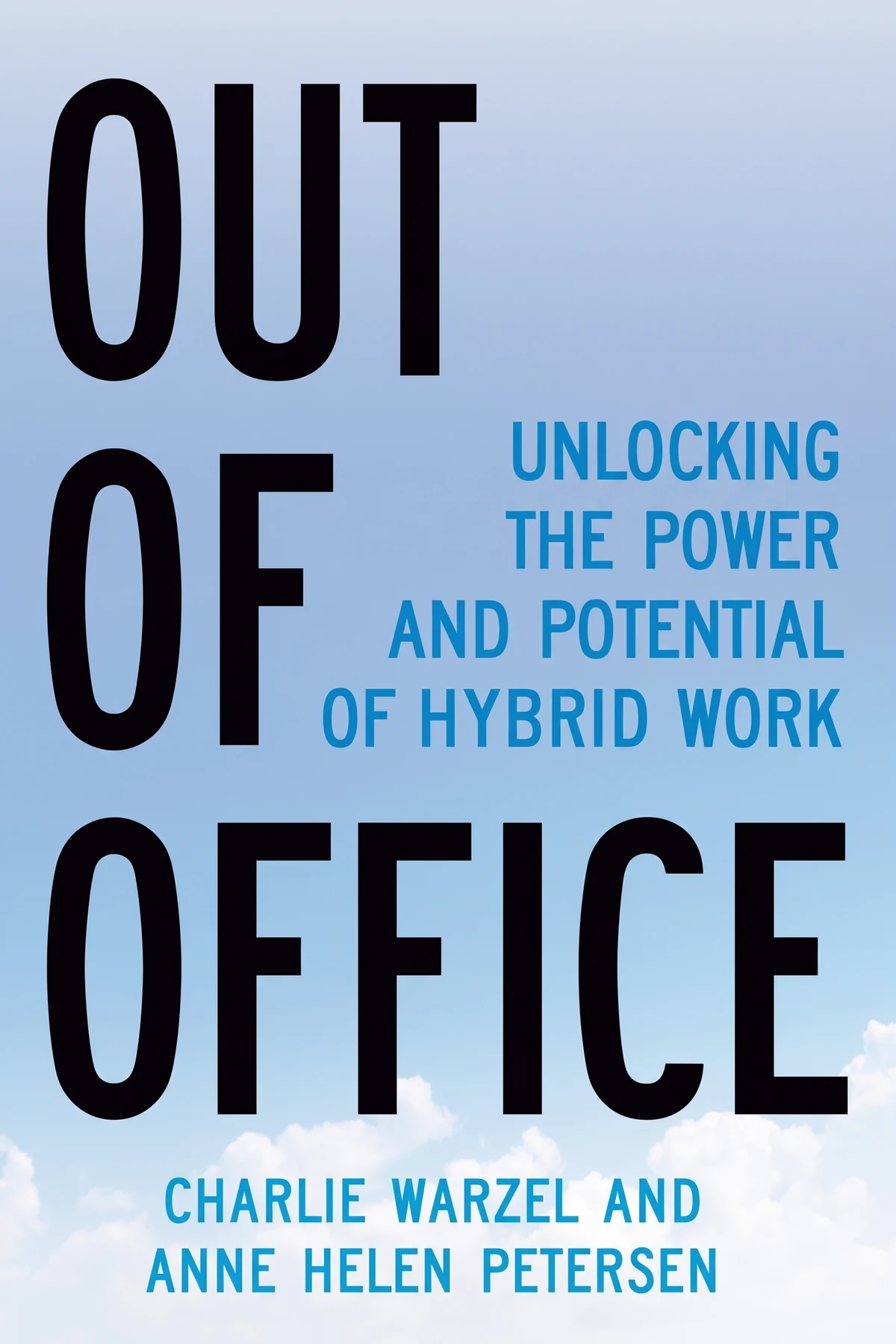
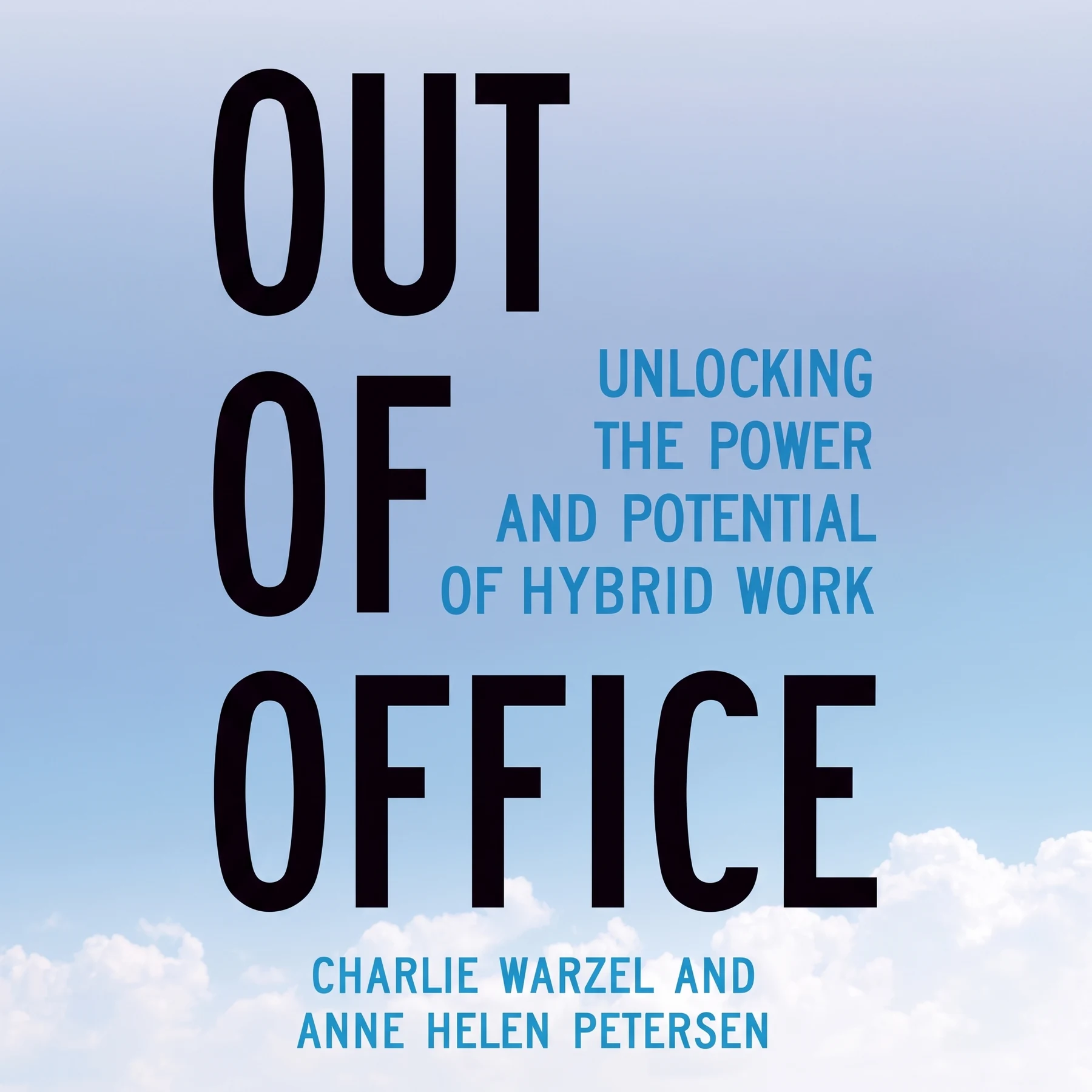
This exploration dives into the complexities of the modern workplace, specifically focusing on the shift toward remote and hybrid models. It moves beyond the simple perks of working from home to address the deeper issues of burnout, the erosion of personal boundaries, and the myth of the office as a family. The promise of the book is a path toward a more intentional life where work serves the individual rather than the other way around. Through a mix of historical context, corporate case studies, and personal narratives, the text explains why our current obsession with productivity is often counterproductive. It offers a blueprint for restructuring organizational culture, redesigning physical and digital workspaces, and revitalizing local communities. By examining how flexibility often benefits employers more than employees, it provides listeners with the tools to demand better structures and rediscover the joy of free time.
Charlie Warzel and Anne Helen Petersen are a journalist couple who moved from New York City to Montana in 2017 to pursue a different pace of life. Warzel is a contributing writer at the Atlantic, where he pens the Galaxy Brain newsletter, following previous roles at the New York Times and BuzzFeed. Petersen, the author of three books including Can’t Even: How Millennials Became the Burnout Generation, also writes the popular newsletter Culture Study.
Anne Helen Petersen
Listeners offer varied responses to the stimulating material, as one listener considers it highly perceptive while another deems it not particularly helpful. The authors' perspective draws diverse feedback; one listener values the focus on community engagement, yet another notes a lack of constructive employer models. Appraisals of its worth are also split, with one listener calling it an absorbing listen and another feeling it is not worth the time.
After hearing so much about the 'great resignation,' I needed a framework to understand what was actually happening in my own home-turned-cubicle. Charlie Warzel and Anne Helen Petersen provide exactly that, fusing history and sociology to explain why we are so obsessed with being 'on' all the time. The authors aren't just complaining; they offer a vision for a future where we reclaim our identities from our jobs. To be fair, this book is primarily aimed at knowledge workers, but the points about digital surveillance and the 'always-on' culture apply to almost everyone. I particularly loved the section on finding hobbies that aren't for social media or profit. It felt like a permission slip to finally stop monetizing every second of my existence. This is essential reading for anyone feeling the weight of professional burnout.
Show moreWow, I didn't expect a book about work to make me want to go join a local community garden or a civic organization. Out of Office is so much more than a guide to remote work; it is a plea for us to start acting like citizens again instead of just employees. The writing is lucid and the examples are provocative, especially when discussing how managers have failed to adapt to new realities. Petersen’s previous work on burnout clearly informs the narrative, but having Warzel’s tech-focused perspective adds a necessary layer of balance. In my experience, most books on this topic are either too dry or too optimistic, but this one finds a perfect middle ground. It’s one of the few books that actually made me change how I schedule my day. I’ve started setting those guardrails, and my mental health is already better for it.
Show moreLooking back at how the pandemic changed my life, this book is the most accurate post-mortem of the 'remote work revolution' I've read yet. Charlie Warzel and Anne Helen Petersen provide a brilliant examination of how we got here and where we could go if we are brave enough to change. I loved the way they linked office culture to the broader lack of social safety nets in the US. It’s a bold, thoughtful book that dares to imagine a world where work isn't the center of our gravity. Some might find the analysis too focused on the 'knowledge worker' class, but for those of us in that boat, it hits home hard. The conclusion is especially moving, reminding us that better is not just a dream but a choice we can make. It sits on my shelf next to Jenny Odell as a vital guide to modern living.
Show moreEver wonder why you feel guilty for closing your laptop at 5 PM even when you've been productive all day? The authors moved to Montana to escape the New York grind, and they offer a fascinating historical look at why we worship at the altar of the office. It’s a bit depressing to realize how deeply Frederick Winslow Taylor’s ghost still haunts our modern Slack channels. I appreciated how they dissected the 'do what you love' trap that so many of us fell into over the last decade. While some of the advice feels a bit self-help adjacent, the core argument for sturdy guardrails is undeniably sound. My only complaint is that the book leans heavily on the USA perspective, making some points feel less relevant to my colleagues abroad. Still, it’s a provocative read that challenged my relationship with labor.
Show moreThe chapter on the technology of the office really hit home, especially the parts about how we use tools to perform productivity rather than actually doing work. I’ve been a remote worker for years, and this is the first book that accurately describes the 'flexibility' trap where you're actually just reachable 24/7. Warzel and Petersen write with a refreshing candor that makes the heavy sociological themes feel accessible and personal. I did notice a lack of positive employer examples, which made the future feel a bit bleak. Is anyone actually doing this right? It would have been helpful to see more success stories from companies that have successfully implemented these changes. Regardless, the book is a great conversation starter for teams trying to figure out their post-pandemic identity. It’s messy and realistic, which I prefer over hokey corporate slogans.
Show moreFinally got around to reading this, and while it's very US-centric, the sociological look at the 'work ethic' is absolutely devastating. We have been conditioned to believe that paid work is the only thing that matters, and this book systematically dismantles that lie. The authors don't pretend to have all the answers, which I actually found quite refreshing in a world of self-proclaimed 'business gurus.' Instead, they offer a series of questions that every knowledge worker should be asking themselves right now. Some sections are undeniably depressing, as they highlight just how toxic our current corporate culture has become. But the 'Letters to Workers' at the end provides a much-needed spark of hope. It’s an important read for anyone who feels like they are drowning in their inbox. We can’t go back to the way things were, and this book explains why.
Show moreThis book wasn’t quite the practical toolkit I anticipated for my day-to-day management struggles. As a middle manager, I was looking for concrete solutions to help my hybrid team communicate better and stay productive without burning out. Instead, I found a lot of macro-level policy recommendations about urban planning and childcare that, while important, don't help me next Monday. The problem analysis is sharp, but the solutions feel a bit out of reach for someone who doesn't run a Fortune 500 company. I also felt like the book was a bit rushed to market to capitalize on the pandemic's height. Truth is, there are some interesting tidbits here, but I often found myself wanting more specific answers about how the economy is actually shifting. It's a decent think piece, but not the 'how-to' guide I was craving.
Show moreAs someone who has been working remotely since before the pandemic, I found the authors' perspectives a bit late to the party. They spend a lot of time describing problems that those of us in the trenches have known about for a decade. The emphasis on community involvement was a nice touch, though, as it’s easy to become isolated when your office is your living room. However, I found the tone a bit repetitive after the first few chapters. It felt like they were circling the same three points about boundaries and work-life balance without digging into the nitty-gritty of the future. The book mentions the 'bullshit jobs' theory, but it doesn't quite have the same bite or originality. It’s a fine summary of the current state of things, but don't expect a radical new roadmap. It’s more of a mirror than a lighthouse.
Show moreFrankly, this felt like an over-extended magazine article that didn't provide the rigorous economic analysis I was hoping for. Warzel and Petersen are clearly talented writers, but the book lacks the intellectual depth to truly tackle the massive shifts in our logistical economy. Much of the content feels like a collection of random articles or tweets you’ve already read over the last two years. They come across as somewhat priggish bo-bo misfits, offering superficial cultural commentary rather than a substantial look at urban density or sector penetration. Where is the data on how remote work affects different industries? Most of these big questions are answered peripherally at best. If you’ve spent any time on the internet lately, there isn’t much new or insightful here. It’s a soft polemic that ultimately left me feeling underwhelmed and wanting something more concrete.
Show moreNot what I expected and honestly quite disappointing given the hype surrounding these two authors. I was looking for a deep dive into the future of urban life and the economic shifts of remote work, but this felt like a collection of anecdotes. There is very little real analysis or research here, just a lot of hand-wringing about educated Americans being workaholics. We know we work too much! Tell us something we don't know. The book feels like it was put together in a rush to meet a deadline, leaving the bigger questions about the economy almost entirely untouched. For a book titled 'Out of Office,' it spends a lot of time talking about the office and not enough about the world outside of it. It’s a superficial cultural commentary that isn't worth the cover price if you're looking for substance.
Show moreAUDIO SUMMARY AVAILABLE
Get the key ideas from Out of Office by Charlie Warzel, plus 5,000+ more titles in English and Thai.