
16 min 20 sec
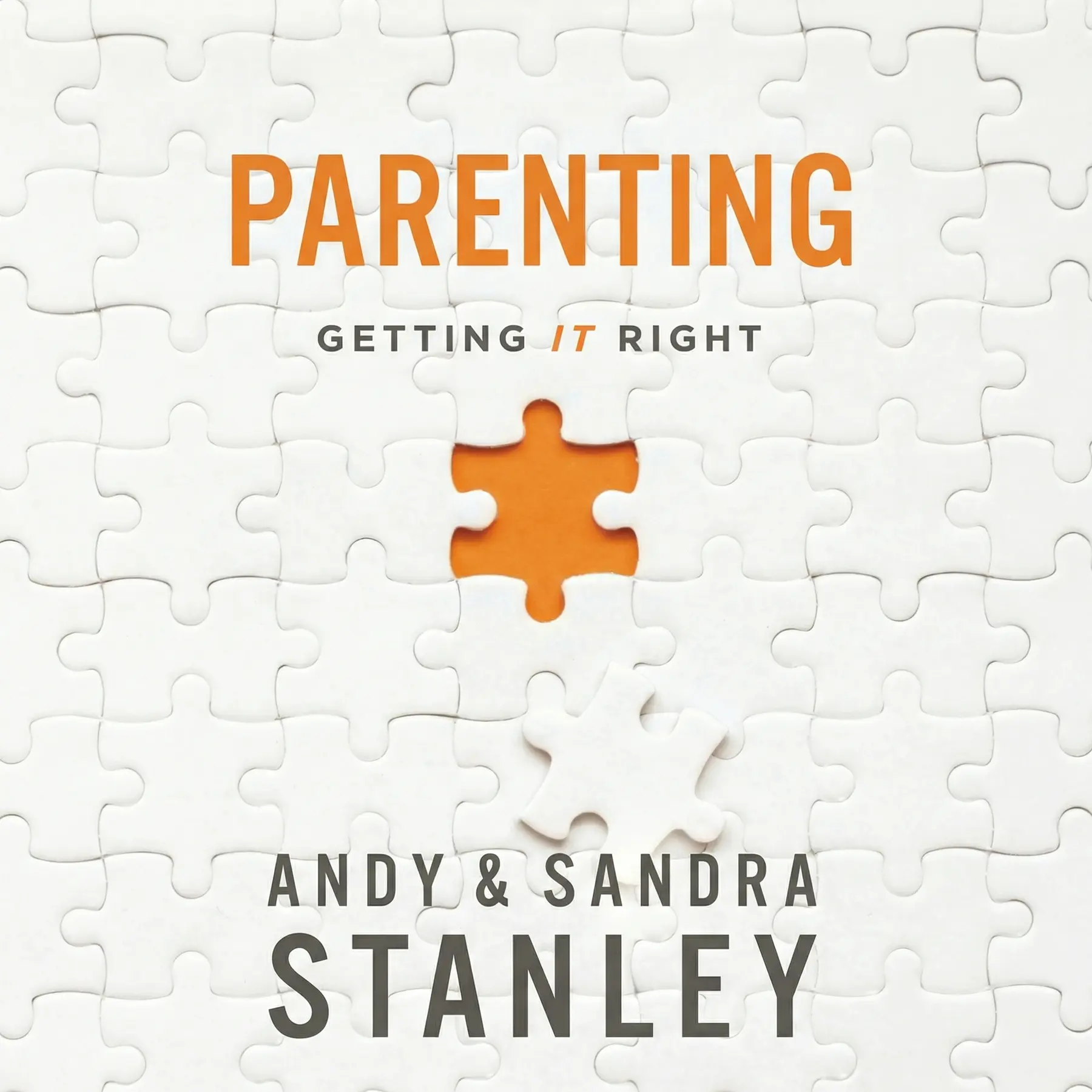
Parenting: Getting It Right
Discover a transformative approach to raising children by prioritizing the long-term relationship. This guide navigates the distinct stages of development, helping parents move from early discipline to lifelong friendship.
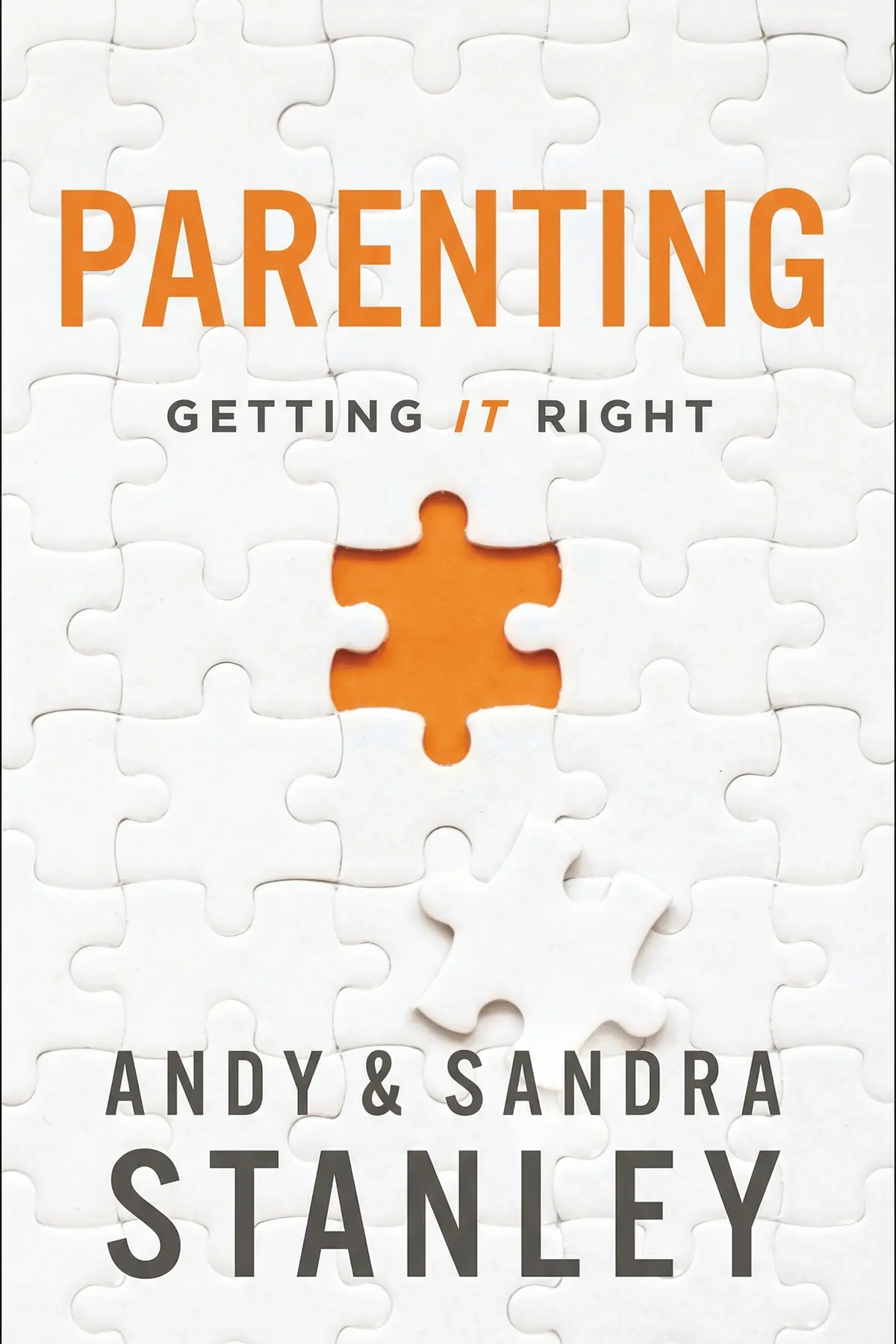
Table of Content
1. Introduction
1 min 50 sec
Every parent has experienced that sharp, cold spike of anxiety. It usually happens in the quiet moments, or perhaps in the middle of a particularly loud grocery store meltdown. You look at this small person—this unique, sometimes confusing, and always energetic human—and you wonder if you are doing enough. Or worse, you wonder if you are doing it all wrong. From that first surreal drive home from the hospital, when you realize they are actually letting you take a tiny human home without a manual, a single question haunts the background of every decision: Am I getting this right?
The pressure is immense because the stakes feel permanent. We worry that a single mistake today will ripple out into a lifetime of trouble for our children. But here is the challenge: it is impossible to know if you are ‘getting it right’ if you haven’t clearly defined what ‘it’ is. Most of us parent by reaction. We react to the grades, we react to the mood swings, and we react to the social pressures of our neighbors and relatives. We get so buried in the day-to-day survival of raising a child that we forget to look at the horizon. We forget to ask what kind of adults we are actually trying to produce.
In this exploration of the insights from Andy and Sandra Stanley, we are going to step back from the immediate chaos and look at the big picture. We are going to define a ‘win’ in parenting that isn’t about trophies, diplomas, or even safety, but about something much more enduring. Whether you are currently changing diapers or trying to understand a surly teenager, it is never too late to recalibrate. We will walk through the different seasons of a child’s life and look at how our roles must shift if we want to reach the ultimate goal: a family that actually likes being together. Let’s dive into how we can move from accidental parenting to intentional connection.
2. The North Star of Parenting
2 min 08 sec
What does a successful family actually look like once the kids are grown? Discover why the quality of your future relationship is the only metric that truly matters.
3. Establishing Authority through Discipline
2 min 16 sec
The early years are about more than just survival. Learn why consistent discipline between ages zero and five creates a foundation of security and respect.
4. The Training Phase and Social Competence
2 min 18 sec
Between ages five and twelve, parents shift from enforcers to trainers. Explore how to turn daily behaviors into lifelong character traits through practice.
5. Transitioning from Control to Influence
2 min 06 sec
The teenage years require a radical shift in strategy. Learn why ‘coaching’ is more effective than ‘correcting’ when the stakes get higher.
6. The Calendar as a Statement of Value
2 min 06 sec
Time is the ultimate currency of love in a family. Discover how to align your busy schedule with your relational goals.
7. The Weight and Influence of Your Words
2 min 12 sec
Your voice becomes your child’s inner monologue. Learn how to use words that build up rather than tear down.
8. Conclusion
1 min 24 sec
As we wrap up this journey through the seasons of parenting, the central theme remains clear: everything comes back to the relationship. Whether you are navigating the early years of discipline, the middle years of training, or the complex teenage years of coaching, your primary objective is to build a bridge that lasts into adulthood. You are not just raising a child; you are raising a future adult, a future friend, and perhaps a future parent.
By staying intentional with your schedule, you prove their value. By choosing your words with grace, you build their confidence. And by adjusting your parenting style as they grow, you respect their developing independence. Parenting is not about achieving perfection or following a rigid set of rules. It is about being a steady, loving presence in the lives of your children so that, one day, the relationship itself is the reward.
If you find yourself feeling like you’ve missed the mark in previous years, remember that it is never too late to start moving in the right direction. Relationships are resilient when there is a genuine effort to connect. Start today by looking at your child through the lens of the future. Ask yourself what you can do in this current season to ensure that twenty years from now, your children will want to come home. When you parent with the end in mind, you stop just surviving the day and start building a legacy of love.
About this book
What is this book about?
Raising children is often a whirlwind of immediate crises, from toddler tantrums to teenage defiance. It is easy for parents to lose sight of the long-term objective amidst the daily chaos. This summary explores the philosophy that the primary goal of parenting should be to foster a relationship so healthy that children choose to spend time with their parents even after they are no longer required to do so. Through the framework of four distinct developmental seasons—discipline, training, coaching, and friendship—parents learn how to adjust their style to meet their child's changing needs. The promise is not a perfect family, but a connected one. By focusing on intentional scheduling, meaningful communication, and relational health, parents can navigate the complexities of childhood while building a foundation for a lasting, meaningful bond that survives the transition into adulthood.
Book Information
About the Author
Andy Stanley
Andy Stanley is a prominent author, pastor, and the founder of North Point Ministries, which oversees a global network of 180 churches. He resides in Atlanta with his wife, Sandra, and they have three grown children. Sandra Stanley holds a Master of Arts from Dallas Theological Seminary and is a dedicated advocate for foster care through North Point Ministries. Together, Andy and Sandra have been active foster parents since 2010.
Ratings & Reviews
Ratings at a glance
What people think
Listeners find this parenting guide delivers useful perspectives for every age, keeping a primary emphasis on relational health. The content is realistic and simple to digest, with one listener pointing out how it aids in leading parents through difficult talks with their kids.
Top reviews
Mingkwan
The 'later is longer' mantra is exactly the mindset shift I needed as a parent of two toddlers. Andy and Sandra Stanley offer a refreshing perspective that moves away from short-term compliance and toward the long-term goal of a healthy adult relationship. Truthfully, many parenting books feel like a laundry list of rules, but this one focuses heavily on the heart of the child. I loved the section on the four stages—discipline, training, coaching, and friendship. It makes the transition into the teenage years feel much less daunting when you have a roadmap for when to let go. While the Christian influence is definitely front and center, the core principles of prioritizing the relationship over being right are universal. Our family has already started implementing the 'honor your mother' rule, and it has changed the atmosphere in our home for the better. This is a must-read for anyone who wants their kids to actually want to visit them when they’re thirty.
Show moreLuke
Is it possible for a parenting book to be both convicting and encouraging at the same time? The Stanleys managed to do just that by being vulnerable about their own mistakes rather than acting like the perfect "holier than thou" couple. The focus on relationship-driven parenting really resonated with me, especially the idea that lying is primarily an offense against the connection between parent and child. It’s not just about a broken rule; it’s about a broken bond. Personally, I found the "Coaching" stage description to be the most helpful part as I navigate the middle school years right now. It’s a lot of wisdom packed into a very digestible format. Even if you don't agree with every theological point, the practical takeaways for building a home where kids feel safe and respected are invaluable. I wish I’d had this copy years ago so I could have marked it up with a highlighter from day one.
Show morePawinee
After hearing so many people rave about this on social media, I decided to grab the audiobook narrated by the authors themselves. It felt like sitting down for coffee with a couple who has been through the trenches and made it out the other side. Their parenting philosophy centers on the idea that every decision should be filtered through how it affects the relationship, which is a game-changer. The way they break down the stages from discipline to friendship makes so much sense when you look at the big picture. I especially liked the emphasis on confession and restoration; it’s about fixing the bond, not just correcting the behavior. To be honest, I think every new parent should read the first few chapters to get their head in the right space. It isn't a "how-to" manual with rigid steps, but a collection of principles that actually feel sustainable.
Show moreJin
Wow. I’ve read dozens of parenting blogs and books over the years, and this is easily the most impactful one I’ve encountered. The simplicity of the "Honor your mother" and "Don't lie" rules covers so much ground without being overwhelming for the kids. It’s all about teaching them how their actions affect the people around them. In my experience, most parenting advice focuses on the "now," but this book focuses on the "years from now." They want you to parent in a way that your adult children actually want to spend Christmas with you. That perspective shift changes how you handle every argument and every discipline moment. It’s digestible, conversational, and deeply practical. I’m planning to reread this every few years to make sure I’m staying on track with the different stages.
Show moreWitthaya
As someone who struggles with over-parenting, the breakdown of the four stages was exactly what I needed to hear. Realizing that I need to move from "training" to "coaching" as my kids get older is a huge relief. It’s about trusting the foundation you’ve built and giving them the autonomy they need to grow. The Stanleys write in a way that feels very accessible, like they’re just chatting with you in your living room. The focus on making decisions based on the long-term relationship is a principle I’ve already started using during daily conflicts. To be fair, the book is very Christian-centric, but the wisdom on building a family culture of honor and honesty is something anyone can appreciate. It’s less about "do this" and more about "be this kind of person."
Show moreRapee
Finally got around to reading this after seeing it everywhere in my church circle. I appreciate that the authors speak from the vantage point of having already raised their kids, which gives their advice a layer of credibility many modern blogs lack. The distinction between punishment and discipline—focusing on restoration rather than just making them pay—was a real lightbulb moment for me. However, I have to be fair: the book is extremely heteronormative and relies on some pretty old-school gender roles that felt a bit dated. If you aren’t coming from a traditional Christian background, the last twenty percent might feel a bit like a sermon you didn't sign up for. Even with those caveats, the central idea of parenting with the end in mind is gold. It’s a quick, conversational read that I’ll likely revisit as my kids enter the 'training' phase.
Show moreThida
This book isn't exactly a 'how-to' guide in the traditional sense, and that’s precisely why I liked it. Instead of giving you a script for every tantrum, Andy and Sandra provide a framework of principles that apply across the board. The concept of "later is longer" is a powerful reminder to stop sweating the small stuff and focus on the character of the adult you are raising. I did find some of the mom and dad roles a bit regressive, but I tried not to let that distract from the overall message of relational health. The chapter on the "training stage" for ages 5-12 offered some really practical ways to give kids autonomy while still providing a safety net. Not gonna lie, the ending gets very specific about keeping kids in the faith, which might not be for everyone. But for those looking for a relationship-centered approach, it hits the mark.
Show moreNikolai
The chapter on discipline versus punishment alone makes this book worth the price of admission. Andy and Sandra explain that the goal of discipline should always be confession and restoration, which is such a beautiful way to look at childhood mistakes. It teaches kids how to own their messes rather than just fearing a penalty. Frankly, some of the examples they gave felt a bit like they were checking their privilege, but the underlying concepts are still very transferable to any household. I appreciated how both authors shared their own failures, which kept the tone from feeling too superior. It’s a quick read, but there is a lot of meat to chew on regarding the transition from coach to friend. I do wish there had been more secularly-framed arguments at the end, but the advice is still top-tier. It's a solid four-star read for any parent looking for a relational roadmap.
Show moreRungtip
Ever wonder what the end goal of your parenting actually is? Most of us are just trying to survive the day, but this book challenges you to think about the next twenty years. The central theme of prioritizing the relationship above all else is a convicting but necessary message. I loved the practical tips on how to handle lying as a relational breach rather than just a moral failure. Look, the book does rely on some traditional stereotypes that felt a bit like a 90s sitcom, and the religious emphasis is heavy throughout. However, the core wisdom about the "friendship stage" being the ultimate destination is something I haven’t seen articulated this well elsewhere. It’s an easy read that manages to be both inspiring and sensible. Even if you don't agree with their theology, the relational principles are hard to argue with. Definitely worth a read for the perspective shift.
Show moreGai
Look, there are some great gems here regarding the different stages of childhood, but the delivery was a bit of a mixed bag for me. While the "relationship first" philosophy is solid, the book feels like it was written for a very specific, privileged demographic. There’s an undercurrent of "SEC Greek mixer" energy that made certain sections feel slightly out of touch with more diverse modern families. The heavy-handed religious tone in the final chapters was also a bit much, even for someone who grew up in the church. I was hoping for more biblical backup for their specific methods rather than just anecdotal evidence from their own lives. That said, I did appreciate the two-rule system they suggested because of its simplicity. It’s a decent resource if you can filter through the parts that feel like a 90s sitcom. Not the best I've read, but certainly not the worst.
Show moreReaders also enjoyed
AUDIO SUMMARY AVAILABLE
Listen to Parenting in 15 minutes
Get the key ideas from Parenting by Andy Stanley, plus 5,000+ more titles in English and Thai.
- 5,000+ titles
- Listen as much as you want
- 7-day free trial
- Cancel anytime







