
A High-Performing Mind: Strengthen Your Mind and Live Your Best Life
Andrew D. Thompson
Discover how to overcome the paralyzing effects of high-stakes situations. This guide explores the science of performance, offering a practical toolkit to remain calm, creative, and effective when the pressure is on.
1 min 34 sec
We have all been there. The clock is ticking, the eyes of your peers or superiors are fixed on you, and suddenly, your mind feels like a cluttered room where the lights have just gone out. Many of us have bought into the myth that we work better under pressure—that the looming deadline or the high stakes of a presentation actually sharpens our edge. However, the reality revealed by modern psychology is quite the opposite. For most of us, pressure acts as a restrictive weight that narrows our vision, stifles our creativity, and causes us to settle for the most basic, uninspired solutions.
The central problem is that pressure isn’t just an external force; it’s a physiological and cognitive event that can systematically dismantle your ability to perform. When the stakes are high, your brain’s resources are diverted, leaving you prone to errors you would never make in a relaxed state. But there is a silver lining. While we cannot always remove the pressure from our lives, we can certainly change how we respond to it.
In this BookBits summary of Performing Under Pressure, we are going to explore why your brain reacts the way it does in high-stakes moments and, more importantly, how you can build a mental ‘COTE’ of armor to protect your performance. We will look at the crucial distinction between stress and pressure, the science of ‘choking,’ and a set of practical attributes—Confidence, Optimism, Tenacity, and Enthusiasm—that can help you thrive when everyone else is feeling the heat. By the end of this journey, you’ll have a clearer understanding of how to reclaim your best self, even when the world is breathing down your neck.
2 min 14 sec
Are you stressed out or under pressure? Discover why confusing these two concepts can lead to the wrong solutions and learn the unique mental shifts required for each.
2 min 27 sec
Ever wondered why your mind goes blank right when you need it most? Explore how over-thinking and linguistic choices can lead to a total performance breakdown.
1 min 52 sec
Preparation is more than just practice. Learn how to use your personal values and a dose of healthy realism to keep your head clear when the heat is on.
2 min 15 sec
Confidence and optimism aren’t just personality traits; they are skills you can build. Discover how posture and gratitude can shield you from performance anxiety.
2 min 15 sec
Persistence and passion are the final keys to pressure management. Learn how to stay the course and keep your mind open when others are shutting down.
1 min 22 sec
In the end, the secret to performing under pressure isn’t about being superhuman or having ice in your veins. It’s about understanding the mechanics of your own mind and having a reliable set of tools to manage those mechanics when the stakes get high. We’ve seen how pressure can hijack our memory and stifle our creativity, but we’ve also seen that this process is not inevitable. By distinguishing between the volume of stress and the importance of pressure, we can apply the right solutions to the right problems.
Remember the ‘COTE’ of armor: Confidence to act, Optimism to see the path forward, Tenacity to stay the course, and Enthusiasm to keep your mind open and creative. These aren’t just abstract concepts; they are practical attributes you can build through intentional practice, from your physical posture to the way you frame your goals in your mind.
The next time you find yourself in a high-stakes moment, take a breath. Remind yourself that you don’t ‘need’ the outcome, you simply ‘want’ it. Connect with your values, put on your COTE of armor, and trust in the preparation you’ve done. Pressure doesn’t have to be your enemy. When managed correctly, it can be the very thing that pushes you to discover just how much you are truly capable of. Start today by practicing a power pose or reframing one ‘need’ into a ‘want,’ and begin building the resilience you need to do your best when it matters most.
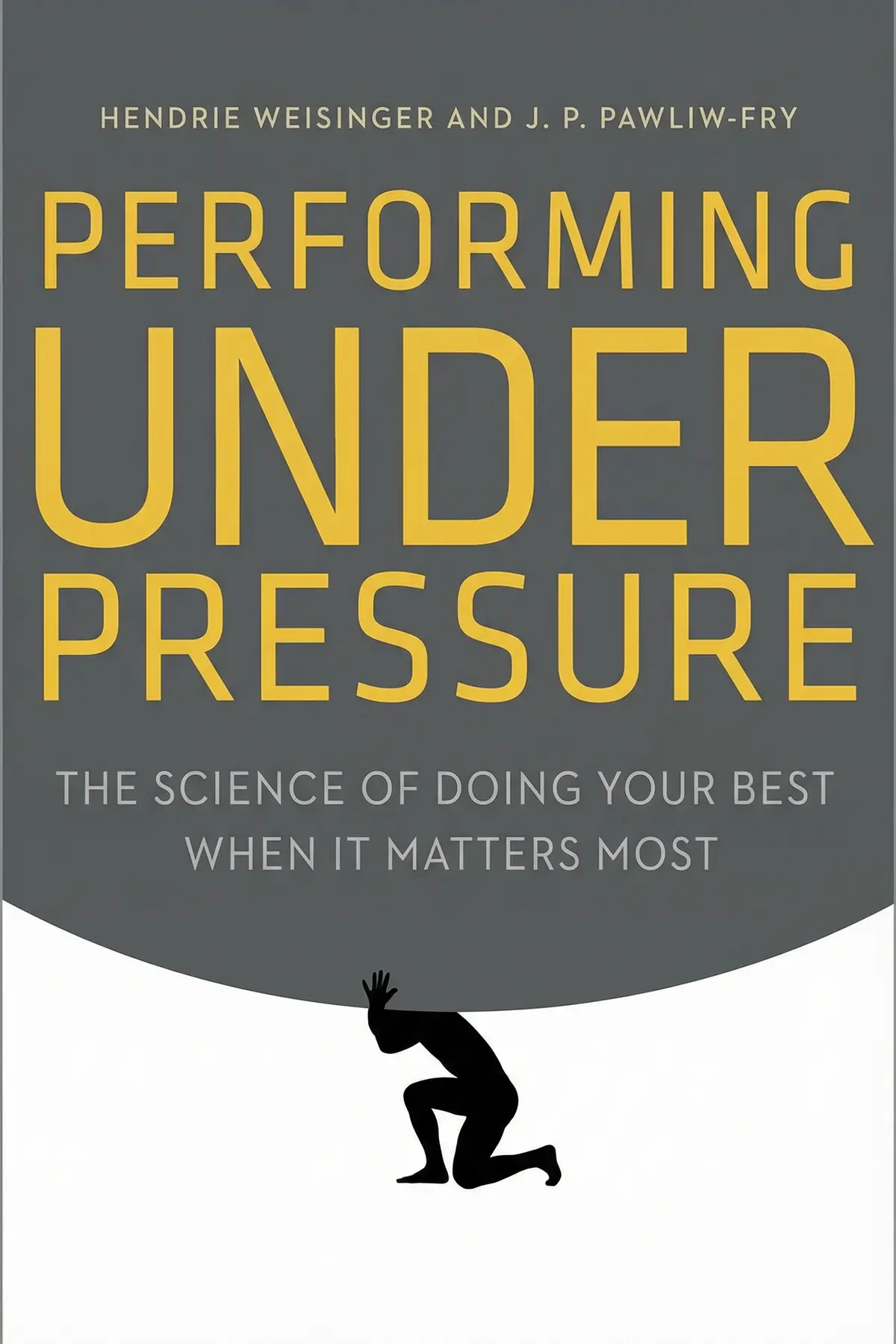
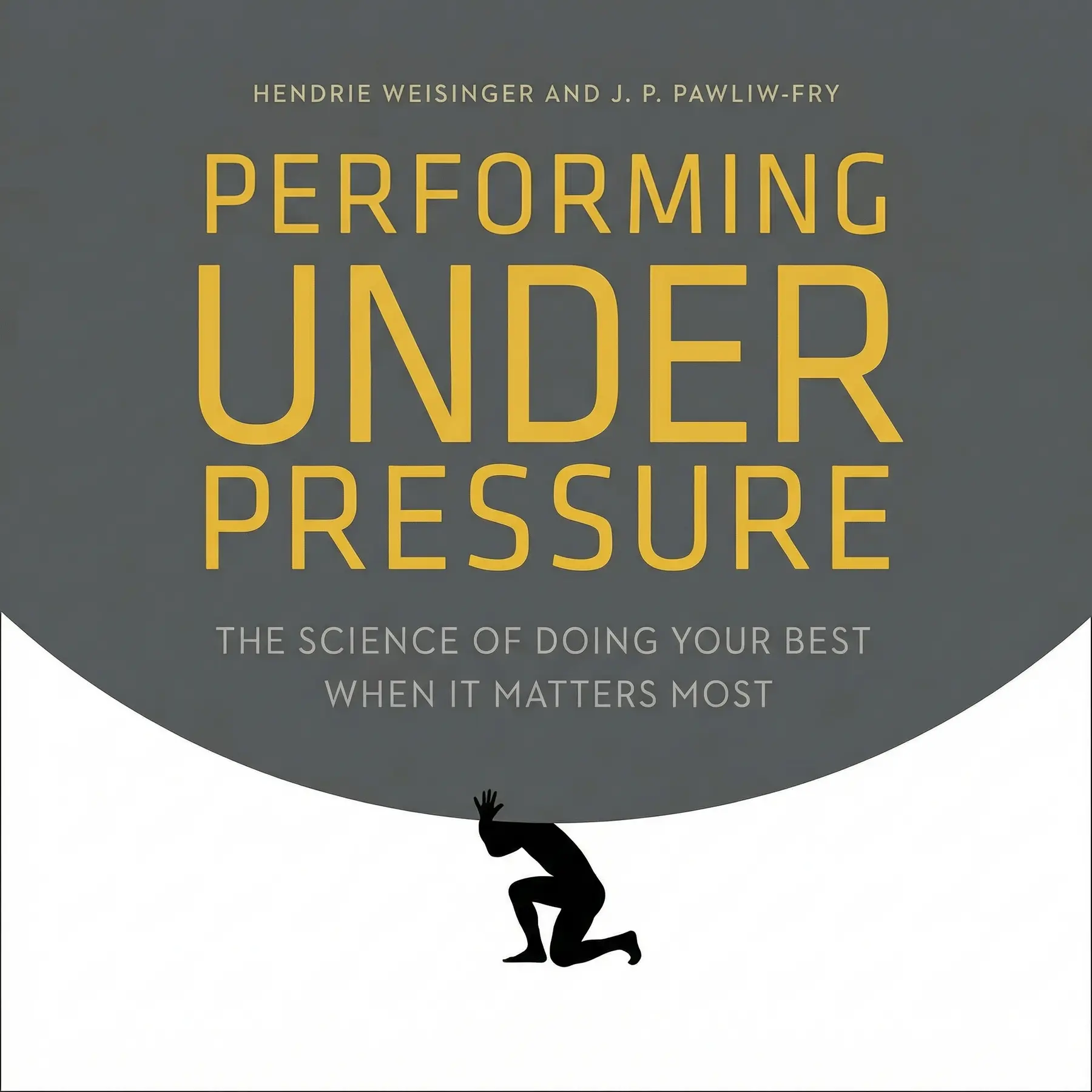
Performing Under Pressure addresses a universal human challenge: why do we often fail when it matters most? The book breaks down the physiological and psychological mechanisms that cause us to 'choke' and distinguishes between everyday stress and true pressure. By understanding these forces, readers can learn to safeguard their creativity and decision-making. The promise of this work is a comprehensive 'COTE' of armor—Confidence, Optimism, Tenacity, and Enthusiasm. Through actionable strategies like power posing, value alignment, and cognitive reframing, the authors provide a roadmap for anyone from executives to athletes to transform their performance in the heat of the moment.
Hendrie Weisinger is a psychologist and pioneer in the field of pressure management as well as a bestselling author. J.P. Pawliw-Fry is a performance coach who advises Olympic athletes and business executives. He is the president of the Institute for Health and Human Potential, a global research and learning company that trains organizations and leaders to best perform under pressure.
Listeners find the material very accessible and value the actionable life advice and mental frameworks provided. It is a thoroughly researched book, with claims supported by various scientific studies, and listeners mention successfully learning how to handle high-stakes situations. They describe it as beneficial for improving performance, and one listener highlights that it offers excellent perspectives on controlling stress and reframing intense moments.
Picked this up during a particularly brutal quarter at work and it was exactly the mindset shift I needed to survive. The most impactful takeaway for me was the distinction between stress and pressure; I realized I was treating every minor task like a life-or-death predator encounter. Weisinger and Pawliw-Fry explain that pressure actually derails our cognitive ability, so 'trying harder' often makes us perform worse. I’ve started implementing the 'slowing down' techniques during meetings to give my working memory a chance to catch up. It works. The writing is accessible and the 'COTE' acronym is easy to remember when you’re in the heat of the moment. While some people might find the sports examples tedious, I thought they illustrated the 'choking' phenomenon perfectly. This is a must-read for anyone who feels like they are constantly under the microscope.
Show moreWow, I never realized how much my own uncertainty was manifesting as physical symptoms until I read the chapter on the London bombing victims. The authors show that unpredictable pressure is far more damaging than consistent stress, which really changed how I view my chaotic work environment. The 'Befriend the Moment' strategy has been a game-changer for my public speaking anxiety. Instead of seeing the audience as judges, I’m learning to see them as partners in a shared opportunity. The book is well-researched, with most assertions backed by studies that feel relevant to modern professionals. I especially appreciated the focus on 'micro-successes' to build confidence. It’s a very easy read that provides a comprehensive toolkit for anyone looking to master their internal environment. I’ve already recommended it to several colleagues who struggle with 'pressing' too hard during sales pitches.
Show moreFinally got around to reading this and I am impressed by how the authors translated complex physiological responses into everyday language. They tackle the 'anatomy of choking' with precision, explaining why our brains freeze up just when we need them most. I loved the list of ten values shared by the top 10% of performers—especially the point about not becoming defensive when criticized. It’s a rare self-help book that actually provides 22 specific, distinct tactics rather than just one big idea stretched over 300 pages. Is some of it a bit 'rah-rah'? Sure. But the techniques for managing 'working memory' are legitimately useful for anyone in a high-pressure field like medicine or law. It helps put high-stakes situations into perspective so you can actually use the skills you’ve spent years developing.
Show moreThis book offers a compelling deep-dive into why we stumble when the stakes are high, effectively dismantling the 'clutch hitter' myth. I found the COTE of armor concept—Confidence, Optimism, Tenacity, and Enthusiasm—to be a refreshing framework for professional development. While the authors lean heavily on sports analogies, the underlying psychology regarding how pressure differs from stress is genuinely enlightening. It turns out that pressure is a selection mechanism, not just a feeling of being busy. I did feel that some of the scientific claims, like the power-posing segments, felt a bit dated and have been contested in recent years. However, the twenty-two practical solutions provided in the latter half of the book are worth the price of admission alone. If you can filter through the occasional fluff, there is a wealth of actionable advice here for anyone in a high-stakes career.
Show moreTo be fair, I was skeptical about another performance book, but the 'Pressure vs. Stress' chapter alone was worth the read. Stress is about volume; pressure is about the outcome. Recognizing that distinction allowed me to categorize my daily tasks much more effectively. I appreciated the emphasis on 'slowdowns'—taking that extra second to breathe and let your cognitive operations catch up. My only gripe is the inclusion of 'power-posing' and some of the more dubious 'placebo' studies which have been widely criticized lately. If you ignore the slightly shaky science in the intro, the actual tools for performance are quite robust. The book is written in a very accessible way that makes it easy to pick up and put down. It's a great practical guide for shifting your mindset from 'crisis' to 'challenge.'
Show moreLook, I found this book to be a very helpful manual for anyone who feels like they 'choke' when all eyes are on them. The authors do a great job of explaining that nobody actually performs *better* under pressure; the best we can do is perform up to our actual capability. That realization alone took a lot of the weight off my shoulders. I really liked the practical life tips, like using humor to break the tension or focusing on the mission rather than the outcome. Some of the jargon can be a bit much, and the 'pseudo-science' warnings from other reviewers aren't entirely wrong, but the practical results are hard to argue with. I’ve felt much calmer during my recent presentations. It's a solid addition to the genre.
Show moreAfter hearing a lot of buzz about this title, I expected something more revolutionary, but it mostly feels like a polished compilation of existing cognitive behavioral techniques. There is some truly great advice for boosting crunch performance, particularly the idea of 'downsizing' the importance of a single event to avoid magnification. However, the book suffers from significant bloat. I found myself skimming through large portions of the middle section that felt like they were just repeating the same three points about the Roy Hobbs myth. The distinction between the amygdala’s emotional memory and the hippocampus’s factual memory was interesting, yet I wish the authors spent more time on application and less on these narrative filler stories. It’s a solid 3-star read: helpful and practical, but certainly not a page-turner that breaks new ground in the field.
Show moreThe core issue with this book is that it’s about 75% too long for the amount of unique information it provides. Frankly, the authors spend way too much time on anecdotes about NBA players and golfers that didn't really resonate with my experience in a corporate setting. While I appreciate the 'COTE' framework, I found the tone to be a bit repetitive after the first few chapters. There are definitely some gems here, like the advice to write down your worries before a test to clear your working memory, but you have to dig for them. It’s a decent resource if you have the patience to sift through the fluff, but a summarized version would probably be more effective for busy people. Not bad, just a bit of a slog to get through.
Show moreEver wonder how much 'pop' is actually in pop-psychology? This book is a prime example of why you should take self-help 'studies' with a massive grain of salt. The authors cite Amy Cuddy’s debunked power-posing work as if it were gospel, which immediately tanked their credibility for me. Then they suggest you can increase physical finger strength just by imagining the exercise? That is magical thinking, plain and simple. It is frustrating because there are a few decent nuggets about 'befriending the moment' buried under layers of pseudo-scientific nonsense and repetitive filler. The book is easily twice as long as it needs to be to convey its core message. To be fair, the section on the 22 strategies has some utility, but I found myself constantly fact-checking their more absurd claims. I would recommend skipping the first 20% and just reading the tactical tips at the end.
Show moreAs someone who appreciates evidence-based psychology, I found this book deeply disappointing. It starts with a promising premise but quickly devolves into a collection of dubious conclusions and 'magical thinking' that permeates the self-help industry. Citing a study that claims you can gain muscle by thinking about it is just irresponsible. It makes me question every other 'study shows' sentence in the entire text. While the twenty-two strategies in section two are somewhat useful, they aren't exactly ground-breaking—most are standard CBT techniques you can find for free online. The writing is easy to read, but the content lacks the rigour I expected from authors with these credentials. If you want real science, look elsewhere. If you want a feel-good book with lots of sports stories, this might be for you.
Show moreAndrew D. Thompson
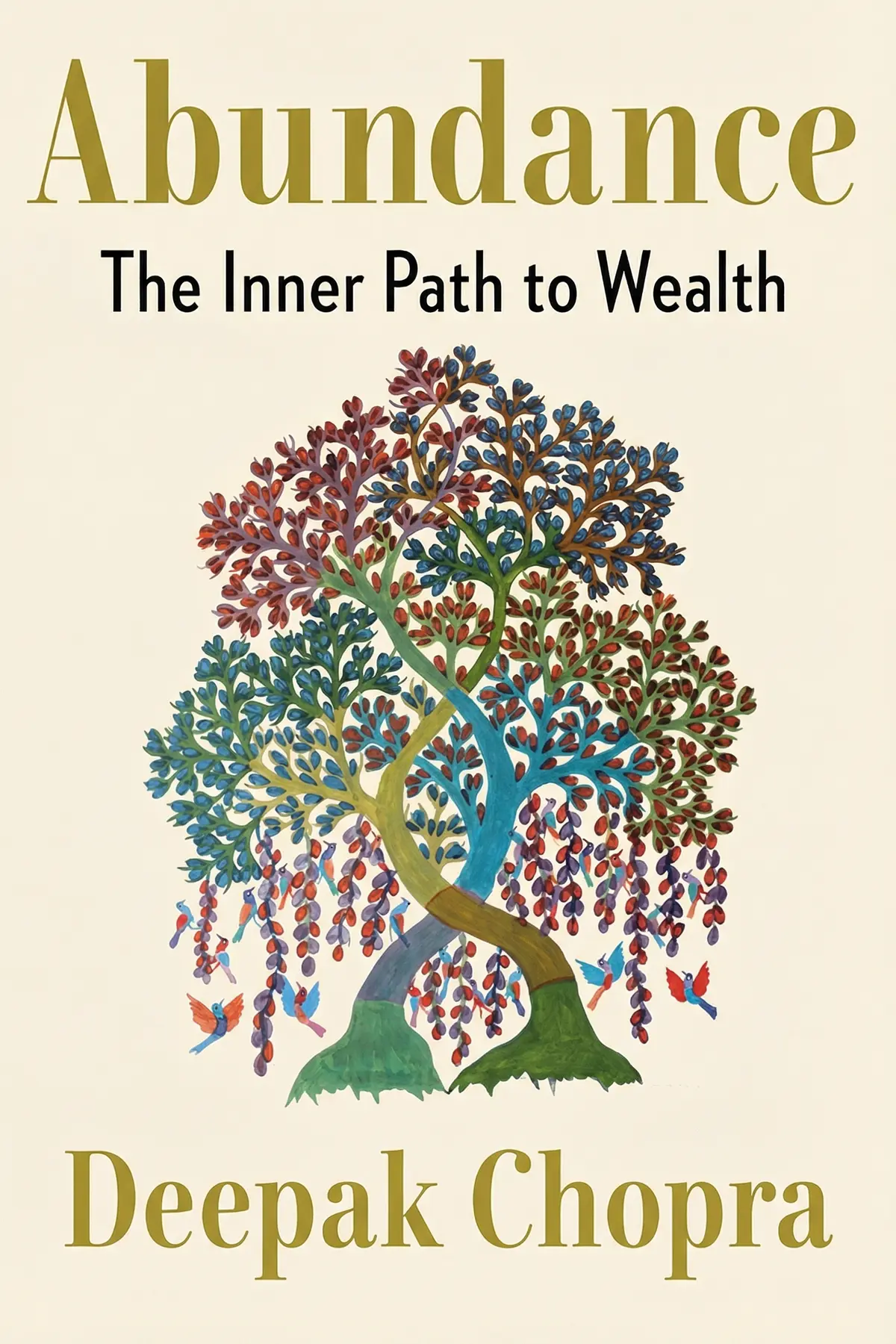
Deepak Chopra
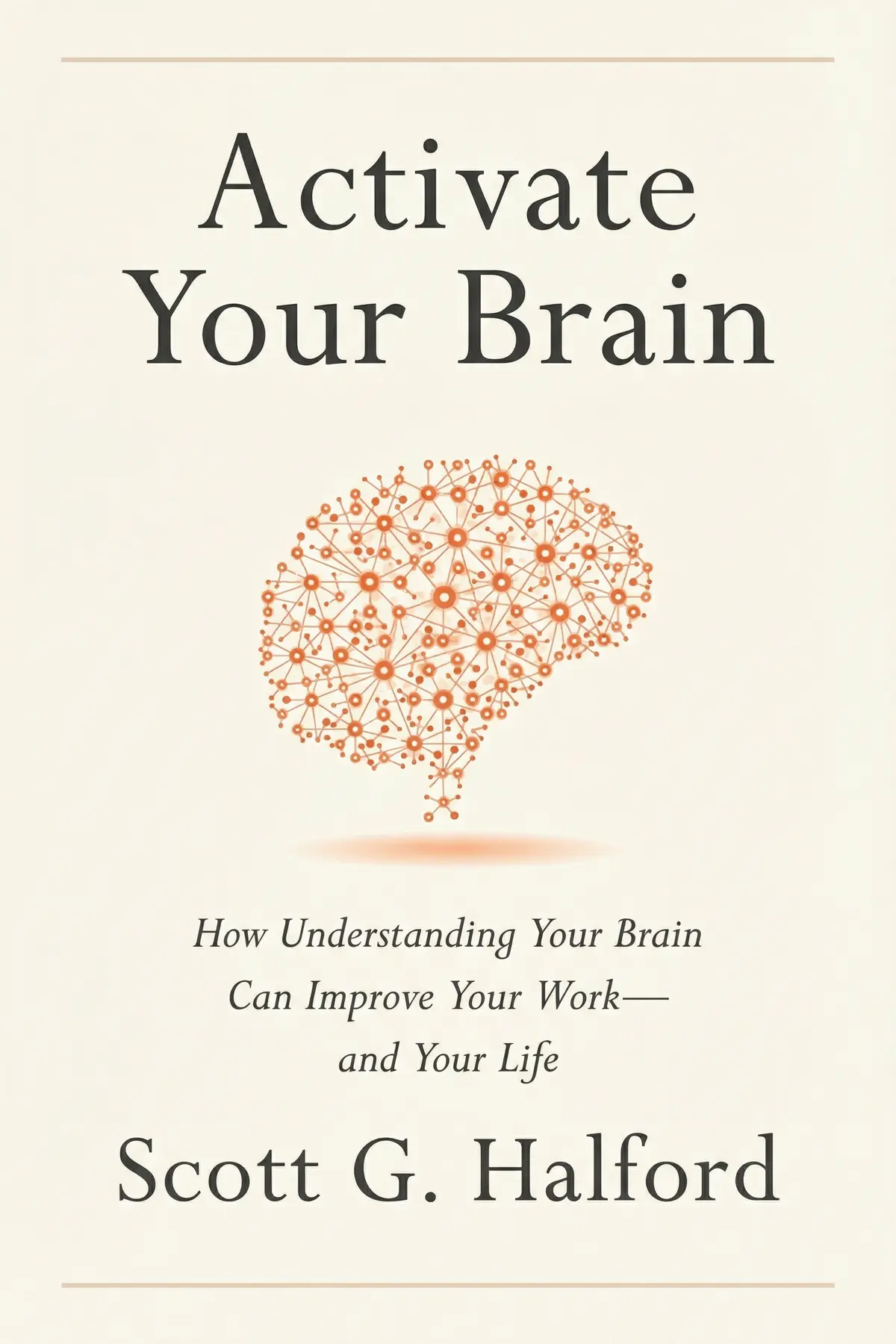
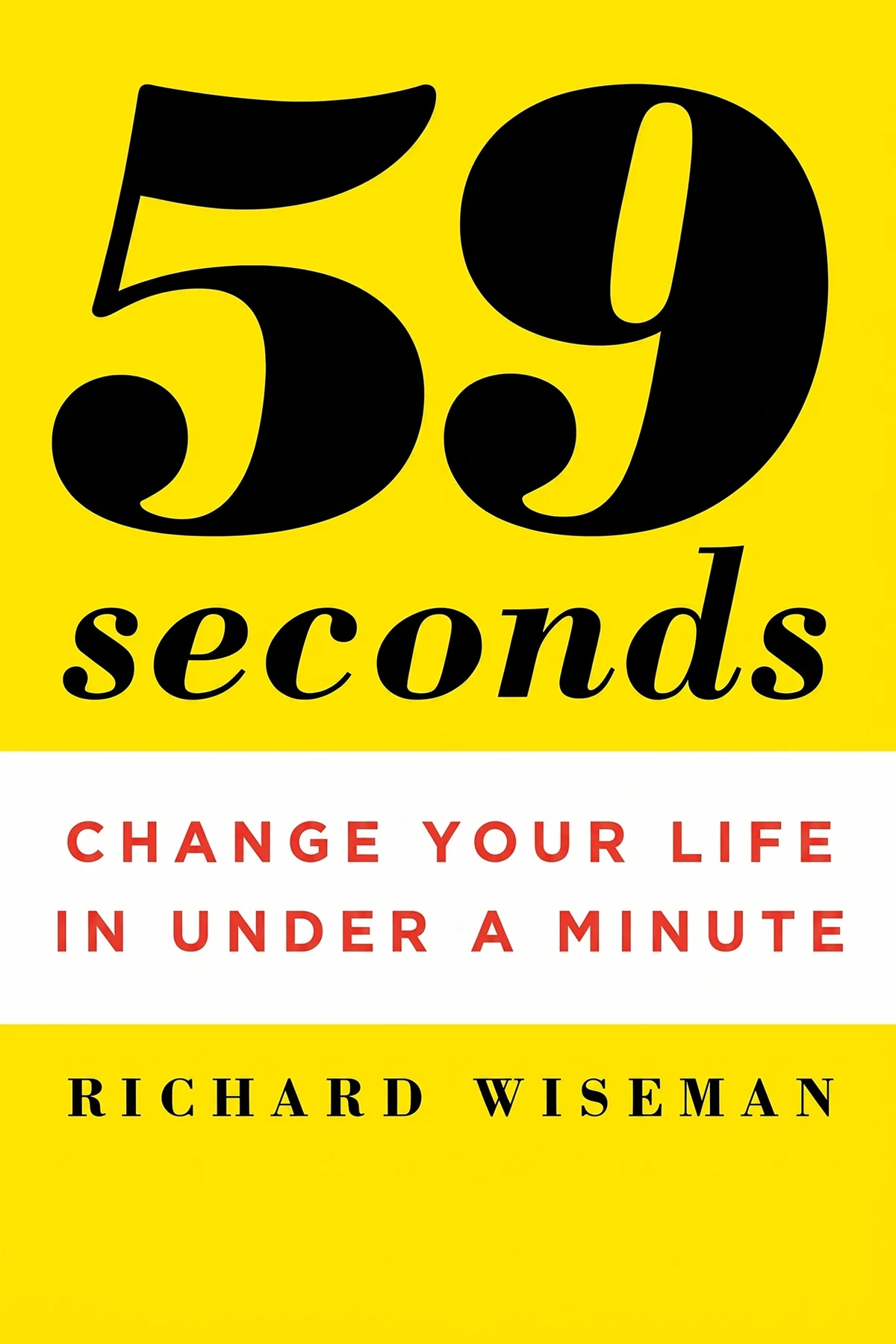
Richard Wiseman
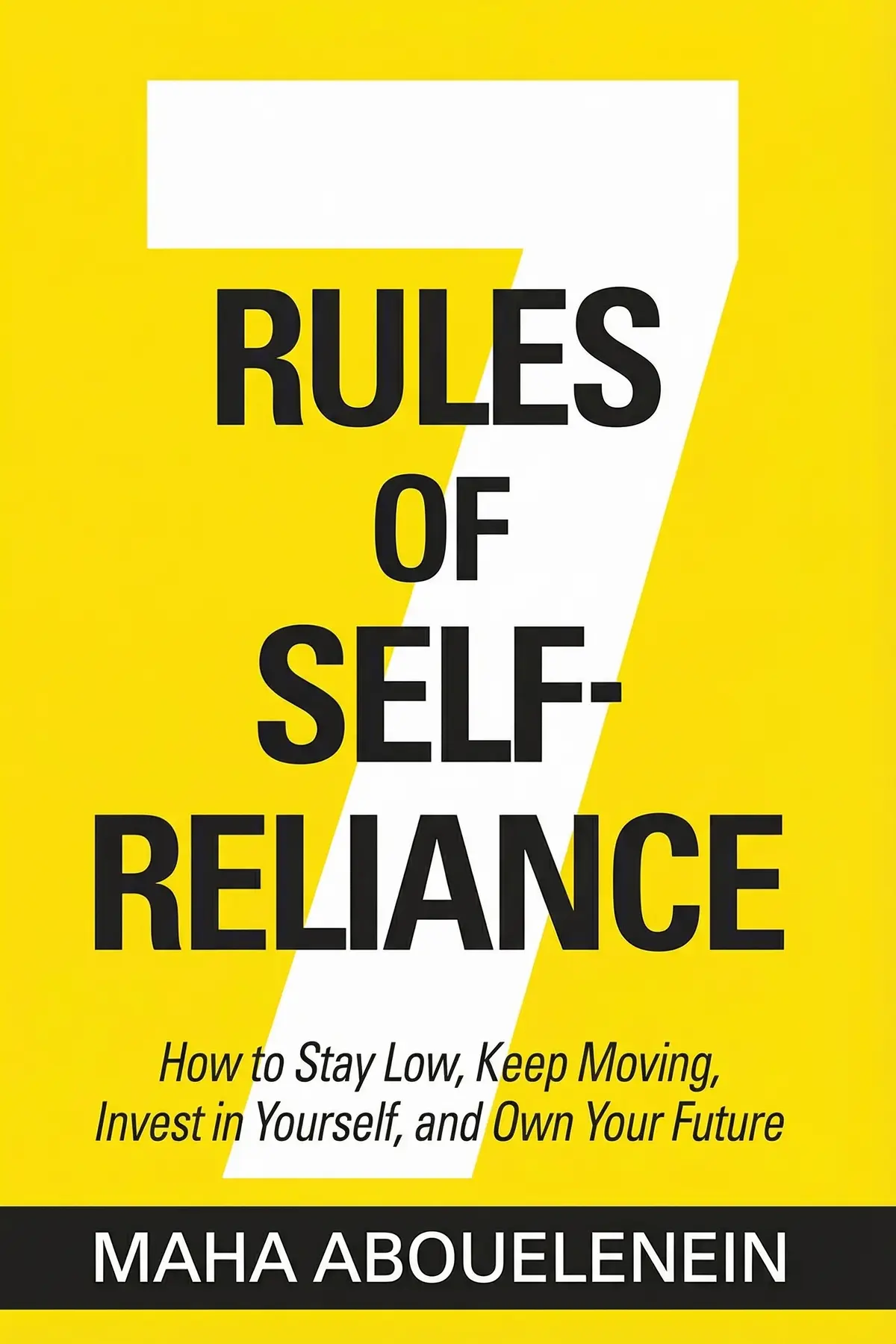
William B. Irvine
AUDIO SUMMARY AVAILABLE
Get the key ideas from Performing Under Pressure by Hendrie Weisinger, plus 5,000+ more titles in English and Thai.







