
17 min 48 sec
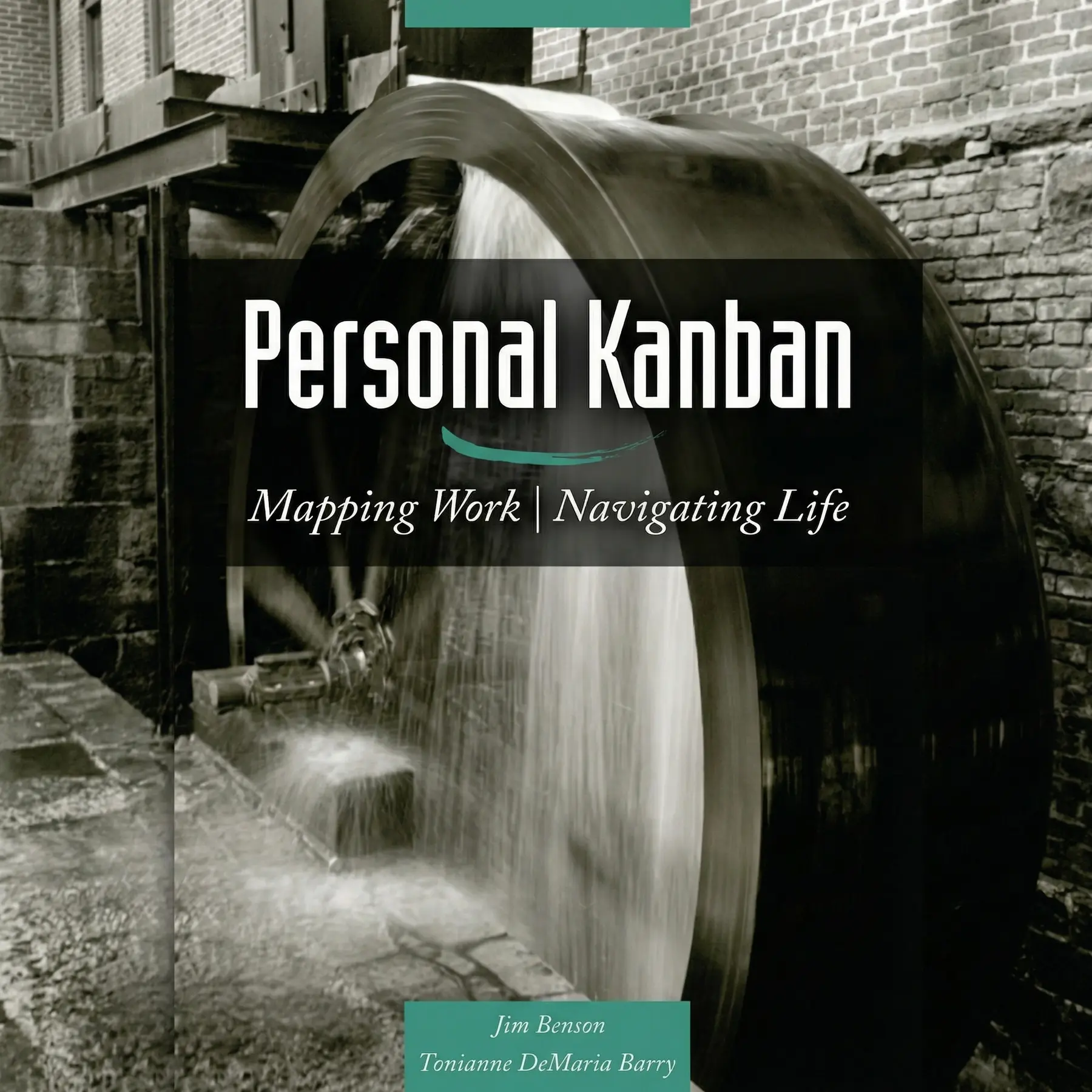
Personal Kanban: Mapping Work / Navigating Life
Personal Kanban offers a visual framework to manage your life and work. By mapping tasks and limiting ongoing projects, you can reduce stress, increase efficiency, and achieve your most meaningful goals.
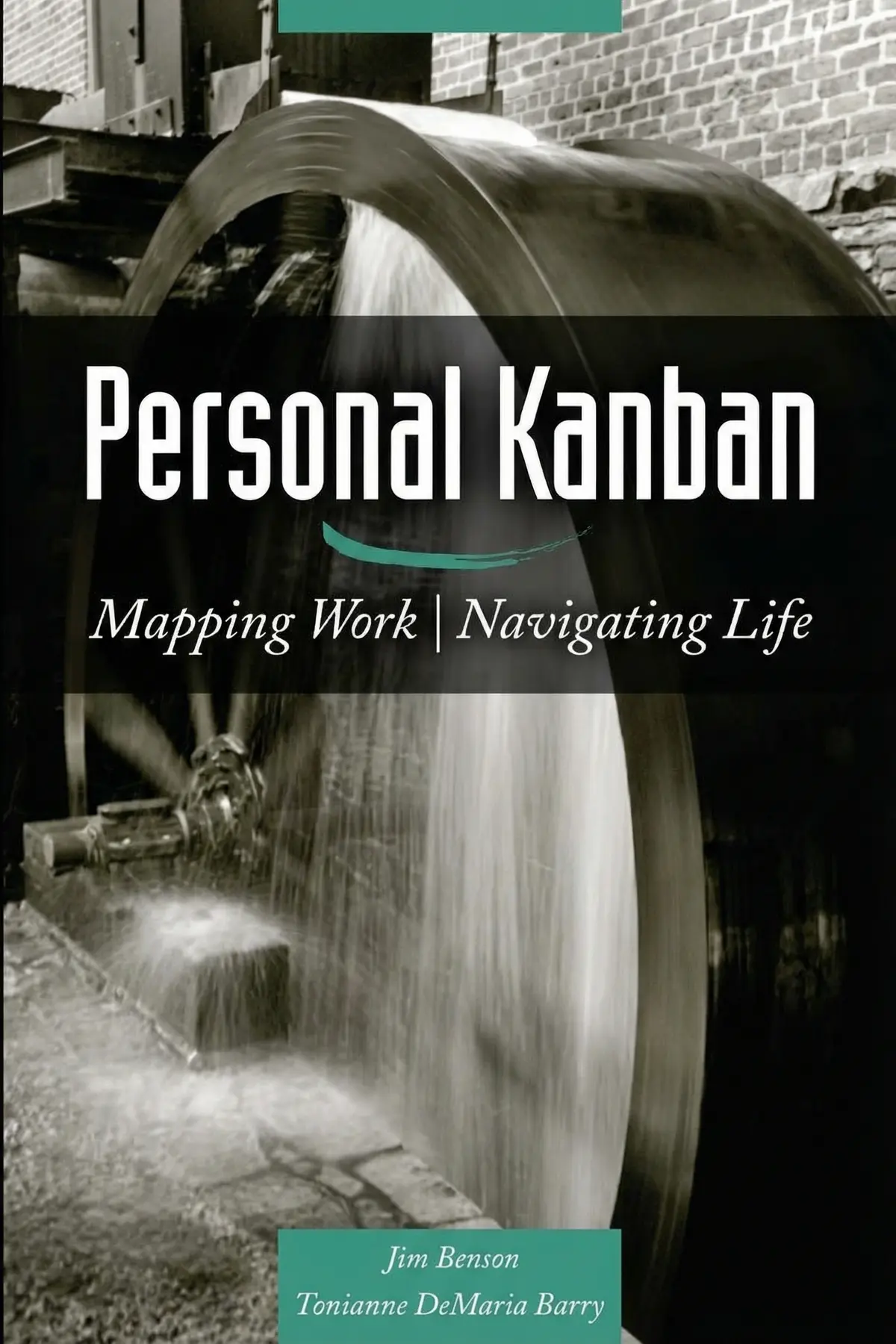
Table of Content
1. Introduction
1 min 54 sec
Imagine waking up with a sense of clarity about exactly what needs to be done, rather than a mounting feeling of dread. We’ve all been there—staring at a digital calendar or a crumpled piece of paper, feeling like we’re drowning in a sea of obligations. Traditional time management often feels like another chore on the pile. We try new apps, we write complex lists, and yet we still feel behind. The problem isn’t that we aren’t working hard enough; it’s that we can’t see the big picture. We are trying to navigate a complex landscape without a map.
This is where the concept of Personal Kanban comes in. Born from the revolutionary manufacturing systems that helped Toyota become a global powerhouse, this method has been adapted specifically for the individual. It’s not just for factory floors or software developers; it’s for anyone who wants to get a grip on their time and their life. At its core, this system is about visualization and balance. It challenges the common notion that we can do everything all at once if we just try harder.
In the following sections, we are going to explore how to move away from the stress of looming deadlines and toward a system of “pulling” work that respects your actual capacity. We will look at why our brains struggle with unfinished tasks and how a simple board with sticky notes can become the most powerful tool in your productivity arsenal. By the end of this journey, you’ll understand how to bridge the gap between your daily chores and your long-term dreams, creating a life that is not just busy, but deeply meaningful. We are moving beyond the to-do list and into a way of navigating life that is fluid, adaptable, and, most importantly, visible.
2. The Fallacy of Separation
2 min 26 sec
Discover why treating your job and your private life as two different worlds is a recipe for burnout and how integrating them leads to true success.
3. Lessons from the Supermarket
2 min 25 sec
Explore the surprising history of Kanban and how a grocery store’s efficiency inspired a revolution in how we handle our daily responsibilities.
4. Visualizing the Invisible
2 min 20 sec
Learn the two foundational principles that turn a chaotic schedule into a clear path forward by making your mental load tangible.
5. Building Your Board
2 min 16 sec
Step-by-step guidance on creating your personal command center, from choosing your tools to defining the stages of your unique journey.
6. The Psychology of Closure
2 min 17 sec
Understand the ‘Zeigarnik Effect’ and why the simple act of moving a task to the finished column provides more than just a sense of relief.
7. Continuous Improvement
2 min 23 sec
Go beyond the basics by using retrospectives and custom columns to fine-tune your efficiency and adapt to life’s changing demands.
8. Conclusion
1 min 47 sec
As we wrap up our look at Personal Kanban, it’s worth reflecting on the central philosophy: that we are whole people, not just collections of tasks. The beauty of this system lies in its simplicity and its honesty. It forces us to confront the reality of our limited time and energy, but it does so in a way that is empowering rather than discouraging. By making your work visible and limiting what you take on, you aren’t just getting better at checking boxes; you’re getting better at living.
Think of your Kanban board as a conversation with yourself. Every time you move a sticky note, you are making a choice about what matters right now. You are giving yourself permission to focus on one thing at a time, and you are giving yourself the gift of seeing how much you’ve truly accomplished. The ‘Done’ column isn’t just a list of finished chores; it’s a history of your growth and your commitment to your goals.
To get started today, don’t worry about finding the perfect app or the most expensive whiteboard. Just grab a pack of sticky notes and a pen. Clear a small space on a wall and draw three columns. Fill your backlog, set a limit on your work-in-progress, and start pulling. Remember to be honest about ‘hidden tasks’—those small interruptions and chores that we often pretend don’t take up time. Include them on your board. The more accurate your map is, the better it will guide you. As you begin to see the flow of your life move from ‘Ready’ to ‘Done,’ you’ll find that the stress of the unknown starts to fade, replaced by the quiet confidence of someone who is truly in command of their own journey.
About this book
What is this book about?
Do you ever feel overwhelmed by an endless to-do list that never seems to shrink? Personal Kanban provides a way out of the chaos. This approach, rooted in the highly successful management systems used by Toyota, is designed to help individuals navigate the complexities of modern life. It isn't just about finishing tasks; it’s about understanding your capacity and visualizing the flow of your work. The promise of this system is simple but profound: by making your work visible and limiting how much you take on at once, you regain control over your time. You will learn how to integrate your personal and professional ambitions into a single, cohesive map. Whether you are managing a household, a corporate project, or a long-term dream, this method provides the clarity needed to turn scattered efforts into consistent progress.
Book Information
About the Author
Jim Benson
Jim Benson has a diverse professional background, having worked with everything from startups to Fortune 10 companies and government agencies. He is a co-owner of the software firm Modus Cooperandi and works as a consultant who applies Personal Kanban to optimize work environments. Tonianne DeMaria Barry is a management consultant whose experience spans the fashion industry, non-profit associations, government agencies, and Fortune 100 corporations.
Ratings & Reviews
Ratings at a glance
What people think
Listeners find this to be an engaging and entertaining listen that offers superb direction on using Personal Kanban techniques. They also value the clear, down-to-earth breakdown of the principles, and one listener mentions that it had a life-altering impact on their professional and private world. Additionally, listeners praise the productivity gains it enables, helping them focus on the right tasks and increase output across all areas of life. The system's efficiency is highly regarded; one listener points out it functions effectively with minimal overhead, while another observes its versatility for virtually any kind of project.
Top reviews
Tod
Finally got around to reading this after struggling with endless to-do lists that just felt like a pile of failure. This approach completely shifted how I view my workload. The authors explain the two core principles—visualizing work and limiting work-in-progress—in a way that feels incredibly intuitive yet revolutionary. It's not just for software developers; I'm using it to manage my household projects and freelance writing gigs. The clarity it provides is refreshing because you can actually see what you’re accomplishing. Some parts felt a bit wordy, but the core message is life-changing if you actually apply it. I no longer feel overwhelmed by a 'backlog' that never ends. Truth is, seeing those sticky notes move to the 'Done' column is the hit of dopamine I needed to stay productive. Highly recommend for anyone drowning in tasks.
Show moreEarn
After hearing so many people rave about 'Personal Kanban,' I wanted to see if the hype was real. It is. This book doesn't just give you a new way to write a list; it gives you a framework for understanding how work actually flows through your life. Most of us are addicted to the 'Doing' column, but we never stop to think about our capacity. The authors do an excellent job of explaining why 'multitasking' is a lie we tell ourselves to feel busy. By limiting my work-in-progress to just three tasks, I've actually started finishing things instead of having ten half-baked projects. It’s applicable to almost any type of endeavor, from office work to planning a wedding. I wish I had found this years ago before I burned out on traditional planners. It works well without much overhead at all.
Show moreAiden
Wow. I’m genuinely surprised by how much this changed my daily routine at the office. I’ve always been someone who starts ten things and finishes none, but the 'limit your WIP' rule has been a total game-changer for my focus. The authors write in a conversational, wonderful way that makes you feel like you’re having a coffee with them. I found the chapter on 'The Pen' to be particularly insightful for managing those tasks that are out of my hands. It’s a very simple system that works well without much overhead, which is exactly what I need. Seeing my 'Done' column grow throughout the week gives me a massive sense of accomplishment. If you're feeling overwhelmed and scattered, just buy the book and start a board.
Show moreSam
As someone who has tried every productivity hack under the sun, I found this to be a compelling and genuinely fun read. The concept of 'The Pen' was a standout for me, providing a specific place to corral those annoying call-backs and external dependencies that usually stall my momentum. I appreciate the emphasis on 'Ready' instead of just a generic backlog. However, I have to agree with other reviewers that the production quality is a bit lacking. The photos of the whiteboards are grainy and hard to read, which is ironic for a book about visualization. Despite the 'dreary' business book aesthetic, the conversational tone makes the heavy concepts digestible. It’s a solid 4-star guide that I’ll keep on my desk for reference when my workflow starts to feel cluttered again.
Show moreAubrey
Picked this up on a whim and I'm glad I did, even if it’s a bit rough around the edges. The writing style is warm and relatable, which is a nice change of pace from most dry business texts. I especially liked the examples of how different people adapted the board to fit their specific needs, like using it for team outreach or handling emergencies. In my experience, the book is repetitive, and you'll find yourself reading the same definitions multiple times. But maybe that’s the point? It drills the importance of the 'Doing' column into your head until you finally stop over-committing. The production value is definitely low-budget—don't expect high-res graphics—but the system itself is robust. It's a great tool for anyone who needs to see the 'big picture' of their daily life.
Show moreSin
Ever wonder why your to-do lists always feel like a burden instead of a help? This book answers that question by showing you how to visualize the 'flow' of your work rather than just listing items. I love the flexibility of the system; it’s not dogmatic at all. You can have a 'Today' column, a 'This Week' column, or even specialized steps like 'Test' or 'Deploy' if you're doing technical work. The authors' tone is sympathetic and informal, which makes you feel like they're in your corner. My only real gripe is that it feels like they were trying to hit a page count. There's a lot of fluff around the edges that doesn't add much to the core rules. Still, it’s a productivity book that actually provides a sustainable pace for real life.
Show moreTong
This book is a decent introduction to a powerful system, but it suffers from significant bloat. Frankly, the entire methodology could have been distilled into a long-form blog post or a ten-page pamphlet without losing much value. The authors spend a lot of time trying to differentiate Kanban from the Franklin Covey system, which felt a bit like they were attacking a straw man just to make their points. I also found the typeface and layout to be surprisingly unattractive for a book that champions visual clarity. That said, the two rules—visualize and limit WIP—are absolute gold. I've started using a physical board with columns for 'Ready,' 'Doing,' and 'Done,' and it’s already helping me manage my consulting projects better. It’s worth a read, but feel free to skim the more repetitive chapters.
Show moreDarawan
Not what I expected given the high praise I’d heard, but I can see why it has a following. The text is quite dry in sections and some sentences are so awkwardly phrased that I had to reread them just to grasp the point. For a book that's all about making things clear, the layout is messy and the supplementary tips at the bottom of pages are nearly unreadable due to the tiny font. However, the core technique is undeniably effective. Shifting from a static to-do list to a dynamic Kanban board has helped me prioritize my tasks much more effectively than any app ever did. I’m giving it three stars because while the information is valuable, the presentation feels uninspired and way longer than necessary. Go read a summary online if you're short on time.
Show moreDylan
The chapter on comparing Kanban to other productivity systems was where this book lost me a bit. I use a hybrid of these methods and didn't find them to be in conflict at all, so the 'us vs. them' mentality felt forced. That said, the actual advice on mapping out a personal workflow is solid. I’ve started using 'Ready' and 'Doing' columns on a small whiteboard in my home office, and it definitely prevents that feeling of being totally overwhelmed by 'incomings.' The writing is informal and generally easy to follow, though it does get a bit verbose toward the end. I’d recommend it to beginners who are new to lean concepts, but experienced project managers might find it a bit too basic. It’s a decent read, just don't expect a polished masterpiece.
Show moreVarinee
To be fair, the concept of Personal Kanban is great, but this book is an absolute chore to get through. It feels like a five-page blog post that was stretched into a full book through repetition and unnecessary filler. I was constantly frustrated by the quality of the production; the hand-written whiteboard examples are basically illegible and look like they were taken with an old camera. Why the authors felt the need to spend chapters 'villainizing' to-do lists is beyond me. You can explain your system without acting like every other method is a tragedy. If you already know that you should 'visualize work' and 'limit your work in progress,' you've already learned 90% of what this book has to offer. Save your money and just look at a few YouTube videos on the topic instead.
Show moreReaders also enjoyed
AUDIO SUMMARY AVAILABLE
Listen to Personal Kanban in 15 minutes
Get the key ideas from Personal Kanban by Jim Benson, plus 5,000+ more titles in English and Thai.
- 5,000+ titles
- Listen as much as you want
- 7-day free trial
- Cancel anytime







