
28 min 01 sec
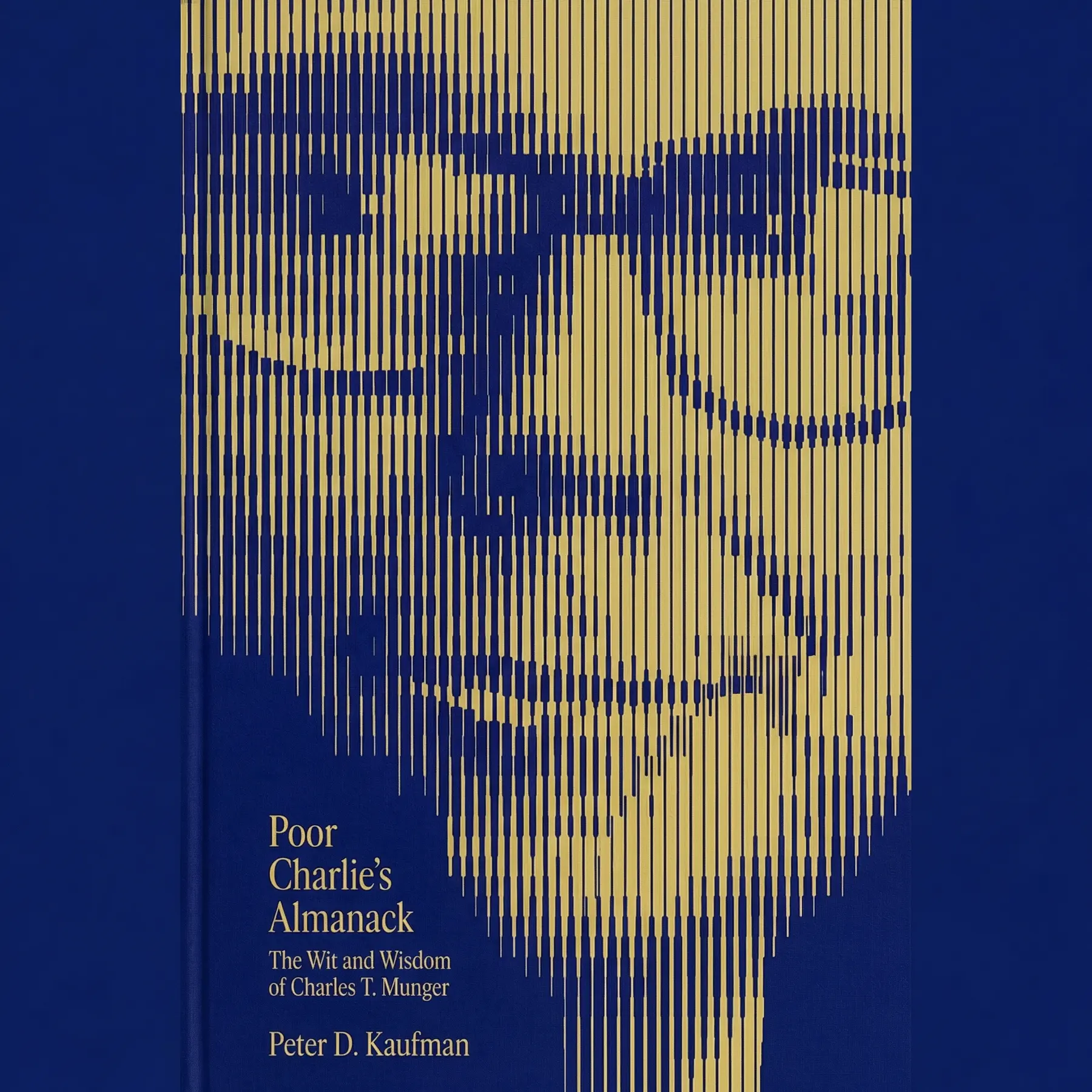
Poor Charlie’s Almanack: The Wit and Wisdom of Charles T. Munger
This collection of speeches and essays explores the multidisciplinary wisdom of Charles Munger. It details how his unique mental models, ethical standards, and patient approach to investing created one of history's most successful partnerships.
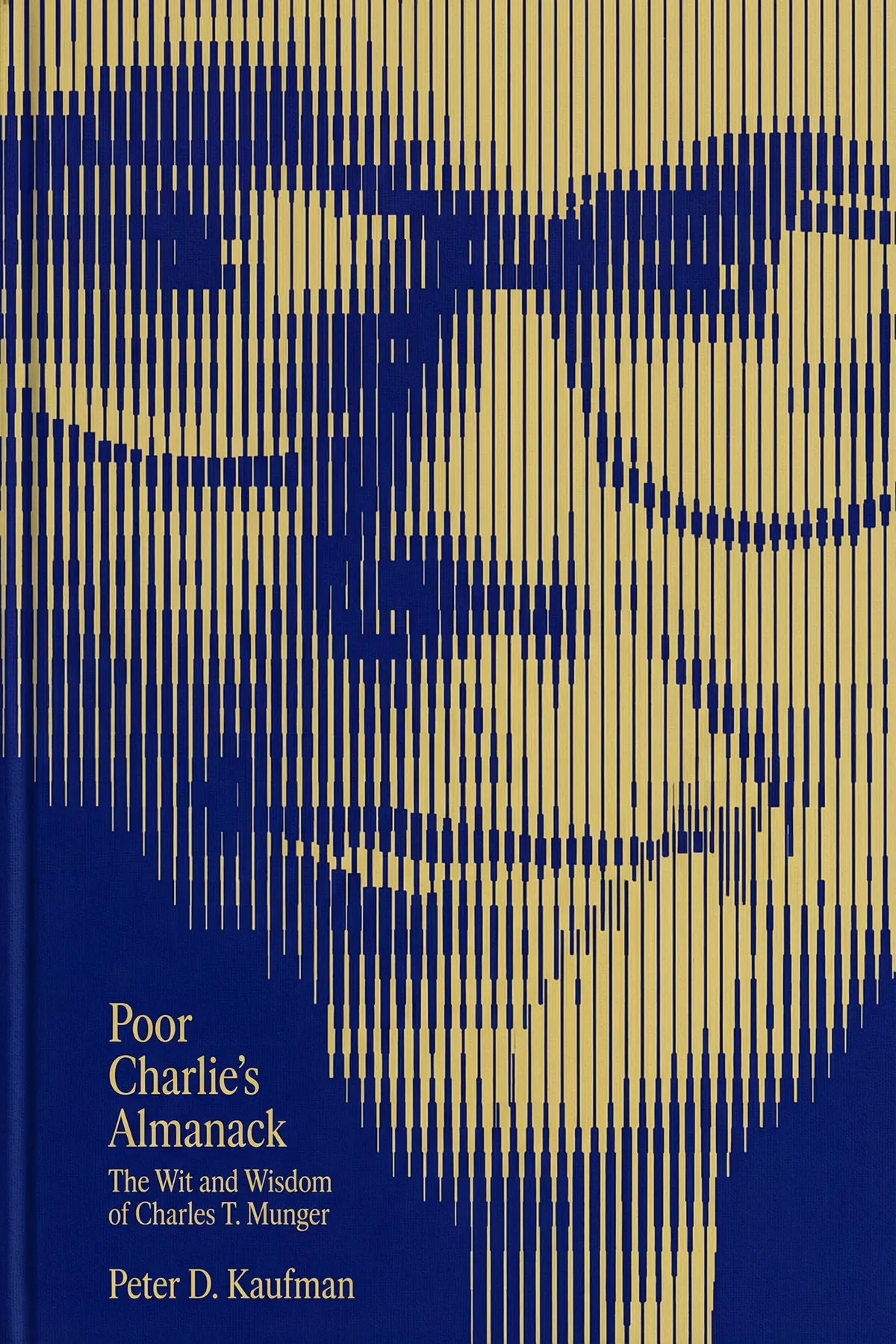
Table of Content
1. Introduction
1 min 49 sec
In an era where financial headlines are dominated by overnight crypto-millionaires and high-frequency trading algorithms, there is something deeply refreshing about the story of Charles T. Munger. You might not recognize his face immediately; he doesn’t spend his time seeking the limelight or showcasing a flashy lifestyle on social media. Instead, the vice-chairman of Berkshire Hathaway is more likely to be found in the same house he has inhabited for half a century, lost in the pages of a dense biography or a scientific journal. Munger represents a different kind of success—one built on the bedrock of patience, multidisciplinary learning, and an unwavering commitment to ethics.
This summary explores the foundational ideas that have guided Munger from his modest beginnings in the American Midwest to the pinnacle of global finance. It isn’t just a book about how to pick stocks; it’s a manual for how to think. Munger’s philosophy is centered on the idea that the world is a complex, interconnected system, and that to navigate it successfully, one must possess a “latticework” of mental models. He challenges the notion that being an expert in a single field is enough. To Munger, a great investor must be part-mathematician, part-psychologist, and part-historian.
Throughout our journey, we will see how Munger’s childhood during the Great Depression forged a work ethic that never wavered. We’ll examine his partnership with Warren Buffett, which stands as one of the most profitable collaborations in history. Most importantly, we will uncover why Munger believes that honesty and integrity aren’t just moral choices—they are the most practical business strategies one can employ. From predicting the global financial crisis years before it happened to knowing when to simply sit still and do nothing, Munger’s wisdom offers a blueprint for anyone looking to build a life of principle and prosperity. So, let’s dive into the wit and wisdom of Charlie Munger and discover how a broader perspective can lead to better decisions.
2. The Roots of Personal Discipline
2 min 11 sec
Discover how a grueling childhood job and a demanding father shaped the legendary work ethic and focus that define Munger’s career.
3. The Strength of an Unconventional Education
2 min 06 sec
Learn how a patchwork of academic experiences and a major world conflict forced Munger to become a truly independent and original thinker.
4. A Partnership Built on Intellectual Synergy
2 min 03 sec
Explore the chance encounter that united two of the greatest minds in finance and changed the world of investing forever.
5. Integrity as a Business Strategy
2 min 18 sec
Uncover why Munger believes that strict ethical standards are not just a moral choice, but a practical path to long-term success.
6. The Foresight of a Rational Mind
2 min 16 sec
Reflect on Munger’s early warnings about the 2008 financial crisis and the dangers of speculative accounting.
7. Humility and the Value of Admitting Error
2 min 14 sec
Discover why the ability to own up to mistakes and change your mind is a secret weapon in the world of high-stakes decisions.
8. The Power of Strategic Inactivity
2 min 09 sec
Learn why the most profitable move an investor can make is often to do absolutely nothing at all.
9. Building a Latticework of Mental Models
2 min 15 sec
Understand the danger of the ‘man with a hammer’ syndrome and how to broaden your intellectual toolkit.
10. The Discipline of the Professional Pilot
2 min 14 sec
Learn why the rigorous training and checklist-driven culture of aviation is the perfect model for sound financial judgment.
11. Navigating the Psychology of Human Misjudgment
2 min 18 sec
Explore the subconscious biases that cloud our thinking and the ‘circle of competence’ strategy for avoiding disaster.
12. Identifying and Surfing the Wave of Success
2 min 17 sec
Learn how to spot the rare combination of great management and market momentum that leads to extraordinary wealth.
13. Conclusion
1 min 51 sec
As we conclude our exploration of the wit and wisdom of Charlie Munger, the throughline of his life becomes clear: success is the natural byproduct of a disciplined, rational, and highly ethical life. Munger has shown us that being a great investor isn’t about having a secret formula or a faster computer; it’s about having a broader perspective. By building a latticework of mental models—drawing from the hard sciences, the social sciences, and the humanities—we can see the world with a clarity that others lack. We can spot the “hammer” syndrome in ourselves and others, and we can choose the right tool for the right problem.
Munger’s journey reminds us that the foundational virtues of hard work and integrity are still the most effective tools we have. From the twelve-hour shifts at the grocery store to the principled stand against creative accounting, his career is a testament to the power of doing things the right way. He has proven that patience is a form of courage—the courage to do nothing when the right opportunity hasn’t appeared, and the courage to act decisively when it finally does. His partnership with Warren Buffett stands as a model of how intellectual honesty and mutual respect can create a sum far greater than its parts.
The actionable advice that Munger leaves us with is as simple as it is profound: become a lifelong learning machine. He and Buffett are famous for the hours they spend reading every single day. If you want to improve your life and your financial future, start by expanding your mind. Go to the library and pick up a book on a subject you know nothing about. Read a biography of someone you disagree with. Challenge your own assumptions and work to find the holes in your own logic. By constantly updating your mental models and staying within your circle of competence, you can navigate the complexities of the modern world with confidence. Charlie Munger’s life is proof that if you focus on being a bit wiser every day, the results will eventually take care of themselves.
About this book
What is this book about?
Poor Charlie's Almanack is a deep dive into the mind of one of the most successful investors in history, Charles T. Munger. As the longtime partner of Warren Buffett at Berkshire Hathaway, Munger developed a reputation for clear thinking, high ethical standards, and a refusal to follow the herd. The book distills decades of his speeches, board meeting minutes, and personal essays into a coherent philosophy for both business and life. The core promise of the text is to teach listeners how to build a "latticework" of mental models. Rather than relying on a single discipline like economics or finance, Munger argues that a truly successful person must draw on physics, biology, psychology, and history to make sound judgments. It explores his journey from a young man working in a grocery store to a billionaire philanthropist, emphasizing that character and honesty are just as important to the bottom line as mathematical skill. By following these principles, listeners can learn to avoid common psychological traps and identify the rare, truly great opportunities that lead to lasting wealth.
Book Information
About the Author
Peter D. Kaufman
Charles Munger attended Harvard Law School before establishing a successful legal practice. A pivotal encounter with Warren Buffett eventually steered him toward the world of high-stakes investing. He served as the vice-chairman of the legendary firm Berkshire Hathaway until his death in 2023. Poor Charlie's Almanack represents the first major collection of his professional advice, drawing from his public speeches and the detailed minutes of Berkshire Hathaway's board meetings.
Ratings & Reviews
Ratings at a glance
What people think
Listeners find the material deeply educational and mentally stimulating, valuing the compilation of life lessons and relaxed humor. It is regarded as essential reading for both professional and individual advancement, with one listener observing its particular merit as a book about the human experience. The content helps improve critical thinking skills, with one review noting its refreshingly candid style. While the subject matter is praised, the layout earns conflicting reactions, as several listeners feel the work is disorganized.
Top reviews
Fon
This massive volume is essentially a cheat code for life, disguised as a business book. Munger’s approach to building a 'latticework' of mental models has completely reshaped how I view decision-making. Frankly, it’s refreshing to hear a billionaire admit that much of his success comes from simply not being as stupid as everyone else. He emphasizes the importance of basic disciplines like biology and psychology over the false precision of modern finance. While the book is heavy enough to be a literal weapon, the insights inside are even more powerful. I particularly loved the section on the '20-slot punch card' philosophy. It forces you to be selective and patient in a world that demands constant, often mindless, action. If you want to understand how a truly multidisciplinary mind works, this is the gold standard. It’s not just about stocks; it’s about becoming a more rational human being.
Show moreOat
Finally got around to buying this through the official site since Amazon doesn’t stock it, and it lived up to the hype. Picked this up because I wanted to understand the man behind Buffett, and Munger does not disappoint. His wit is dry, biting, and remarkably honest. He has this incredible ability to pull from the 'eminent dead,' making friends with thinkers like Adam Smith and Ben Franklin. The book is a beautiful synthesis of history, physics, and economics. I found the 'psychology of human misjudgment' chapter to be the most impactful thing I’ve read this year. It helps you spot your own biases before they ruin your bank account. You can really feel the Midwestern morality shining through every page. It’s a call to be more reliable, more curious, and more patient. Truly a life-changing resource for those willing to do the work.
Show moreThida
Wow, the depth of Charlie Munger’s mental models is actually staggering. I’ve read plenty of investing guides, but nothing quite matches the philosophical weight of this almanack. Munger doesn't just give you fish; he teaches you how to think about the pond, the rod, and the weather. His advice on the '20-hole punch card' completely changed my perspective on how to approach major life decisions. We often mistake activity for progress, but Charlie argues for a patient, aggressive-when-it-matters style that is rare today. The book itself is a gorgeous production, filled with illustrations and various bits of history that make it feel like a treasure chest. It’s expensive, but when you consider the decades of experience poured into these pages, it’s a bargain. Every page forces you to confront your own biases. This is truly a masterpiece of human wisdom.
Show moreYuki
Personally, I think the greatest takeaway here isn't the financial advice, but the focus on avoiding folly. Munger makes a compelling case that success is more about character than IQ. He pushes you to become a learning machine, just like him and Warren Buffett. I loved the references to 'Captain Cook' and 'Max Planck' because they illustrate complex points through memorable stories. The book encourages you to look for second and third-order effects, which is a skill most people lack. It's definitely an investment—both in terms of the high price and the time it takes to digest—but the ROI is massive. It’s not a book you read once; it’s a manual for life that you keep on your shelf and reference whenever you feel yourself becoming a 'man with a hammer.' It’s brilliant, biting, and entirely authentic.
Show moreGioia
As someone who has spent years in the finance world, I can say this is the most honest work I’ve encountered. Munger doesn't sugarcoat anything. He tells you that getting rich takes discipline, patience, and a hell of a lot of reading. The symbiosis between investment advice and life advice is what makes this book special. It’s not just about ROI; it’s about duty, reliability, and the 'golden rule' of deserving what you want. I found the section on 'Inversion' particularly helpful—always flip a problem to see what you want to avoid. The book is physically beautiful and serves as a constant reminder to keep learning. It's easily one of the most important books in my collection. It helps you see the world as it really is, not as you wish it were. Worth every penny of the $80 price tag.
Show moreEnd
Ever wondered how a billionaire who refuses to use a computer thinks? This book gives you the answer, though it comes in a very large and expensive package. To be fair, the wisdom here is top-tier, but the organization is a bit of a mess. It’s mostly a collection of speeches, which means you’ll hear the same anecdotes about Max Planck’s chauffeur several times. However, the core message about 'inverted' thinking is incredibly useful. Instead of trying to be brilliant, just try to avoid being an idiot. It’s a simple concept that most people ignore. The coffee-table format is beautiful but quite unwieldy for actual reading. I ended up having to read it at my desk because it’s too heavy for a casual commute. Despite the repetition and the price tag, the psychological insights are worth the effort. It’s a dense read that demands your full attention.
Show morePla
The chapter regarding human misjudgment is worth the price of admission alone. In my experience, most business books are 300 pages of fluff, but this is 500 pages of dense, multidisciplinary brilliance. I love Munger’s disdain for 'physics envy' in economics and his insistence on using a checklist for every major decision. However, I have to agree with other reviewers that the editing is subpar. You’ll read the same quotes about being a 'book with a couple of legs' multiple times throughout the different speeches. It makes the reading experience feel a bit disjointed. Regardless, the core principles of assiduity and lifelong learning are vital. He reminds us that the best way to get what you want is to deserve what you want. It’s a tough, honest look at what it takes to actually succeed. I’ll be returning to these pages for years to come.
Show moreSebastian
Frankly, this feels less like a cohesive book and more like a curated scrapbook of genius. It’s incredibly informative and thought-provoking, but be prepared for a very casual, non-linear structure. Munger’s wit is the glue that holds it all together. He isn't afraid to call out the 'insane irresponsibility' of Wall Street or the failures of academia. I appreciated the specific examples of how to apply multiple mental models to evaluate a business like Coca-Cola. It’s refreshingly straightforward compared to the jargon-heavy nonsense you usually find in finance. My only real gripe is that it’s such an unwieldy size; it really is a coffee-table book and not something you can easily carry around. But if you have the space on your desk and the patience to sift through the repetition, you’ll find some of the best advice ever printed. It’s a must-read for anyone serious about thinking better.
Show moreGoy
Look, you have to look past the repetitive anecdotes about Max Planck’s chauffeur to see the real value here. Munger is a singular thinker, and this book captures his voice perfectly—grumpy, wise, and remarkably sharp. The emphasis on being a 'biography nut' resonated with me, as it’s a great way to learn from the 'eminent dead.' He makes a strong case for concentrated, high-conviction betting rather than the 'madness' of excessive diversification. While some of the advice is general, the underlying framework of using a 'latticework' of ideas is profound. It’s a bit annoying that you can’t buy this on Kindle, and the physical copy is quite pricey. However, the quality of the paper and the illustrations make it feel like a premium product. It’s a solid 4-star read that would be a 5 if the editing were tighter.
Show moreAom
Truth is, I found the physical format of this book incredibly frustrating. It is a massive, heavy coffee-table book that makes reading in bed nearly impossible. While Munger’s wit is legendary, the editor should have trimmed the redundant speeches that repeat the same three anecdotes. He mentions the 'man with a hammer' syndrome dozens of times without ever specifically listing every discipline he thinks we should study. Is it biology? Chemistry? Engineering? He stays a bit too vague for my taste. That said, the section on the psychology of human misjudgment is essential reading for anyone in business. I just wish the delivery wasn't so clunky and expensive. If you can get past the lack of structure, there is gold in here, but you really have to dig for it. It's a bit of a mixed bag for me.
Show moreFeatured in
Readers also enjoyed
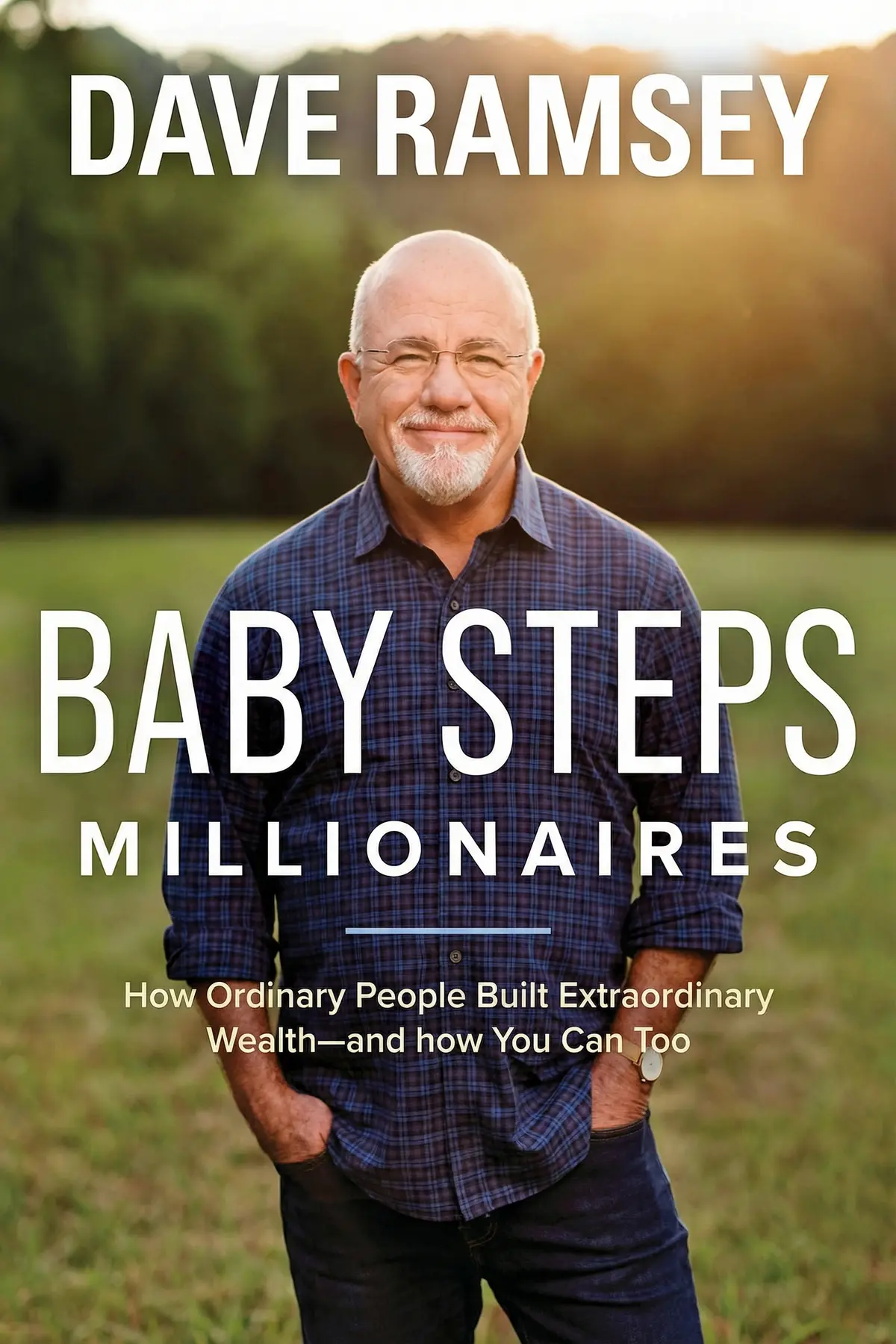
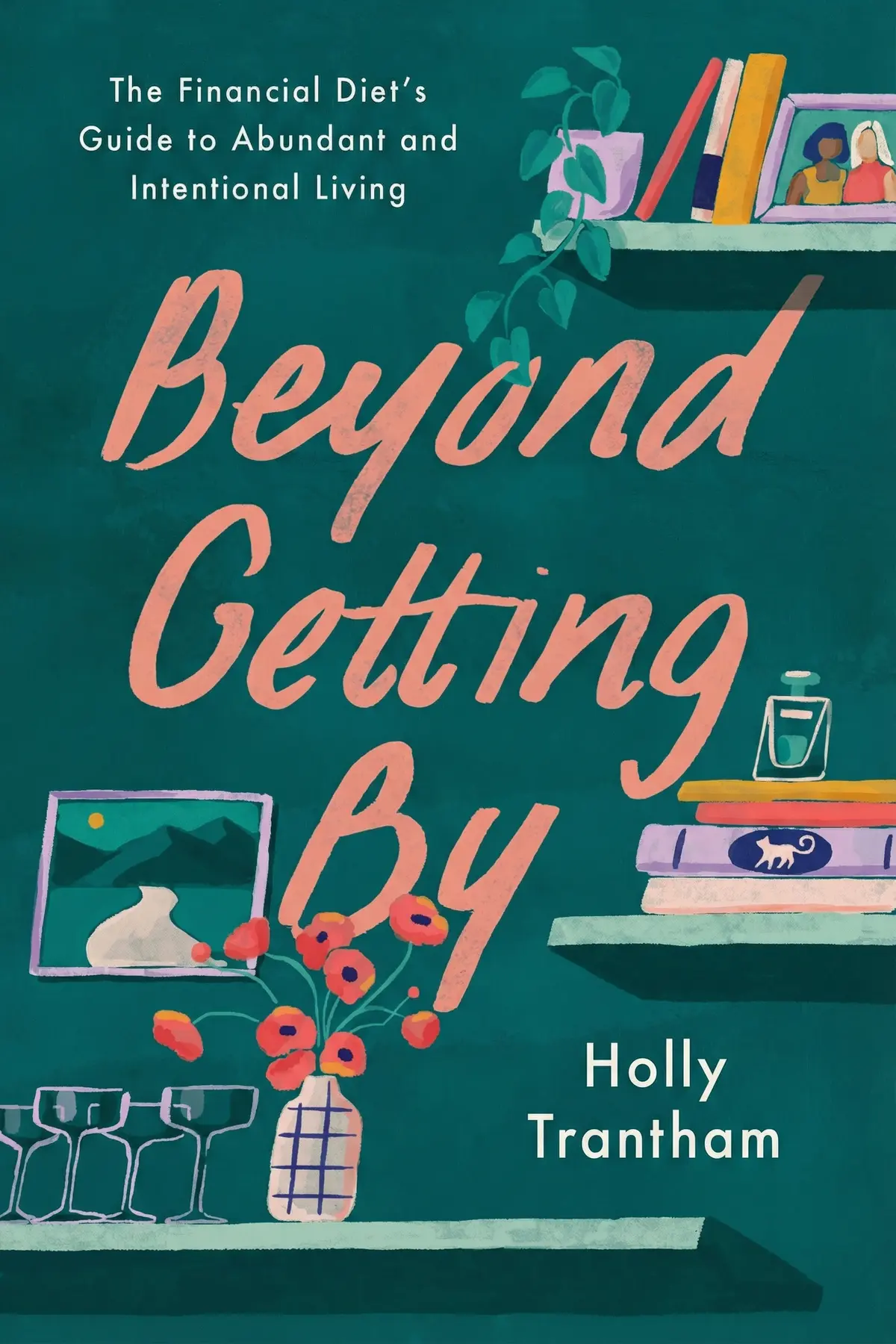

Cashing Out: Win the Wealth Game by Walking Away
Julien Saunders
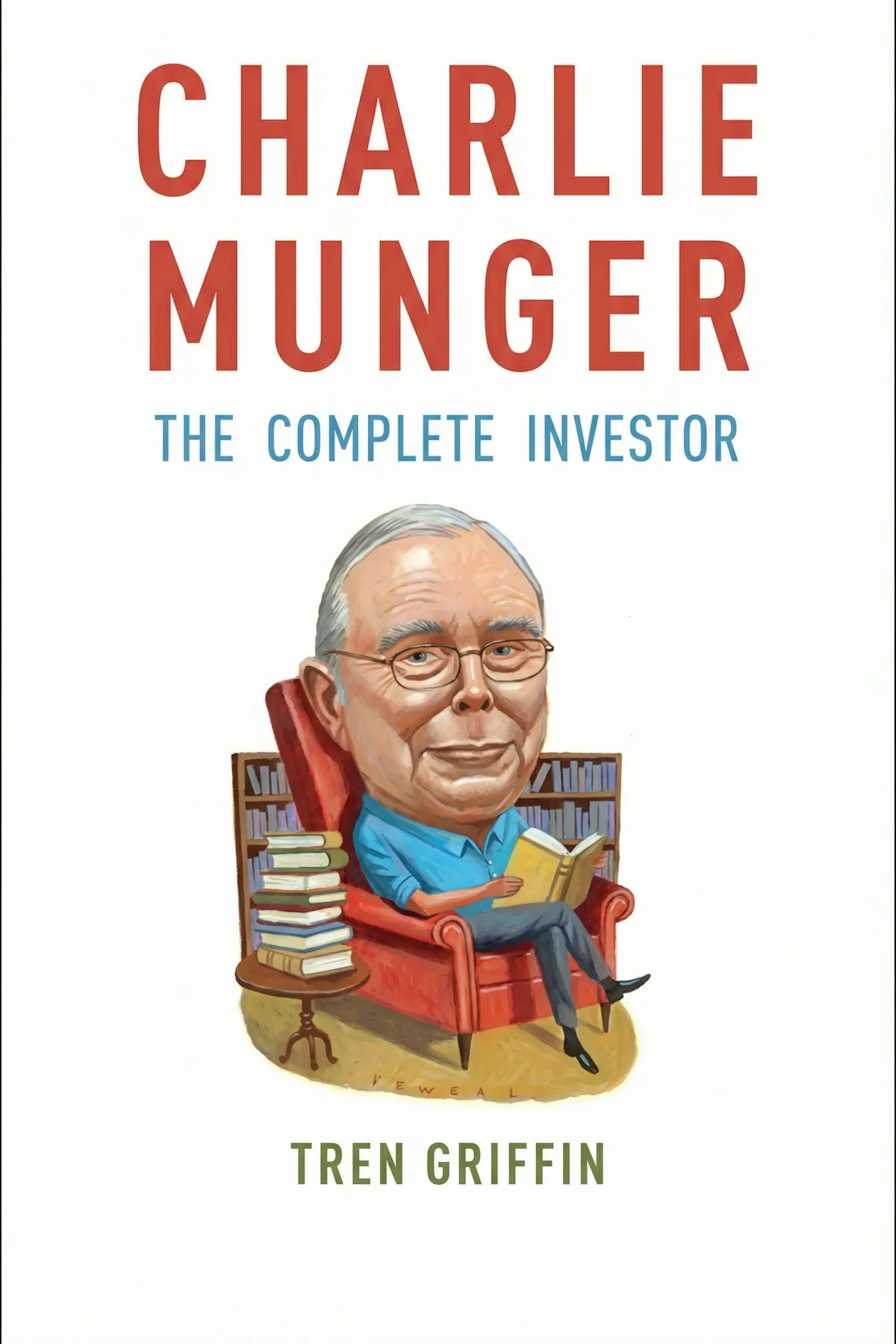
Charlie Munger: The Complete Investor
Tren Griffin
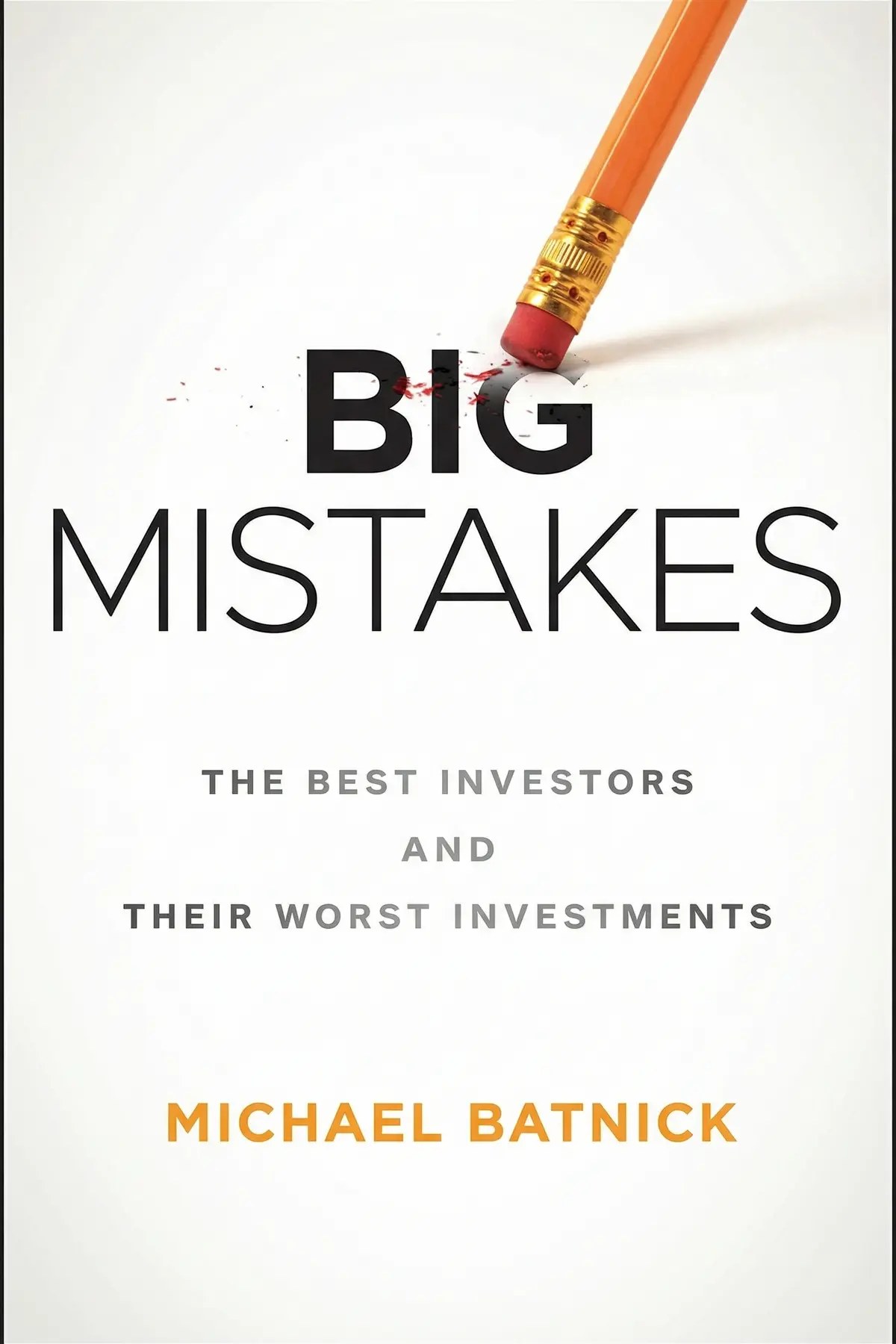
Big Mistakes: The Best Investors and Their Worst Investments
Michael Batnick
AUDIO SUMMARY AVAILABLE
Listen to Poor Charlie’s Almanack in 15 minutes
Get the key ideas from Poor Charlie’s Almanack by Peter D. Kaufman, plus 5,000+ more titles in English and Thai.
- 5,000+ titles
- Listen as much as you want
- 7-day free trial
- Cancel anytime







