
13 min 12 sec
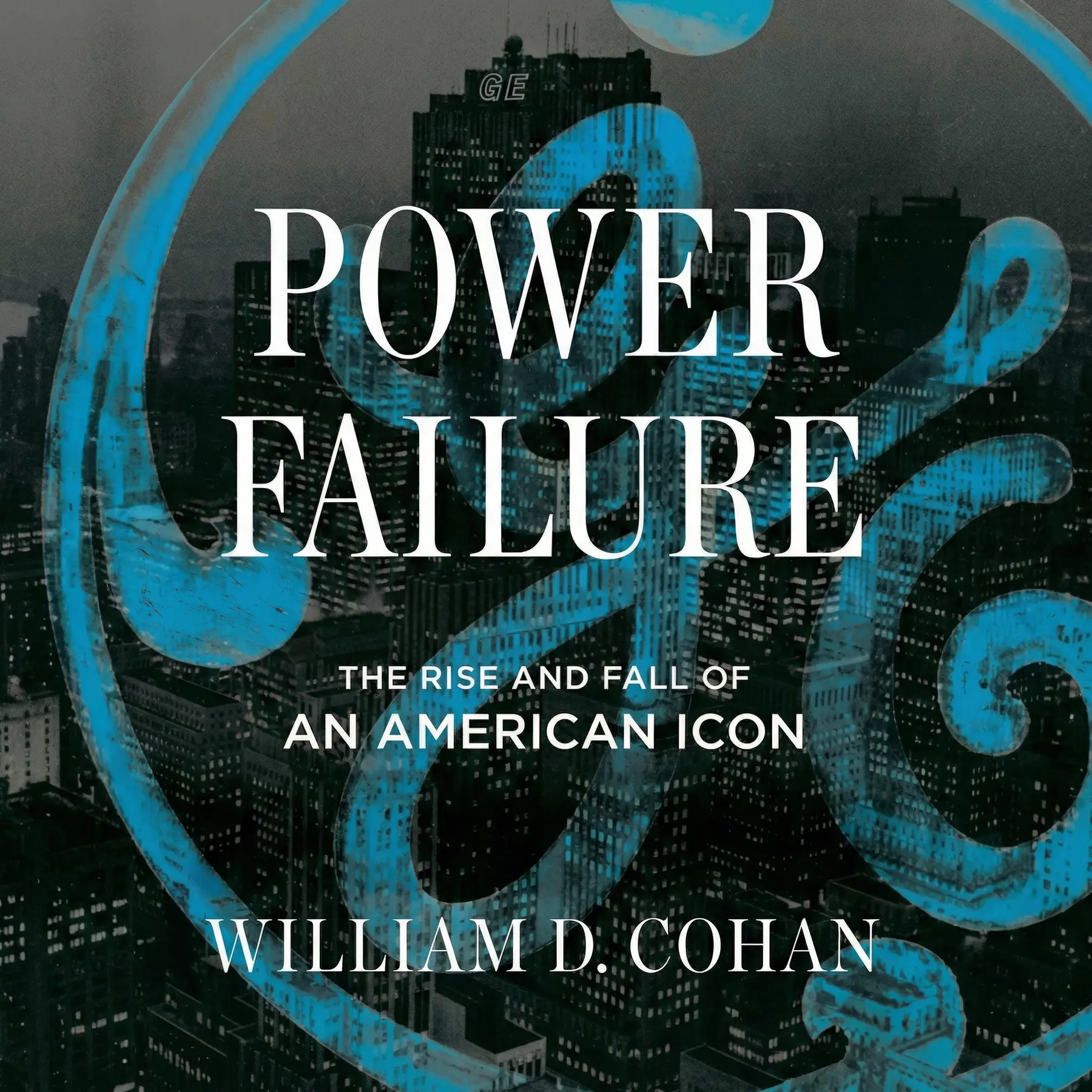
Power Failure: The Rise and Fall of an American Icon
Explore the dramatic rise and eventual stagnation of General Electric. This summary examines how a symbol of American innovation transformed into a cautionary tale of leadership, corporate culture, and financial complexity.
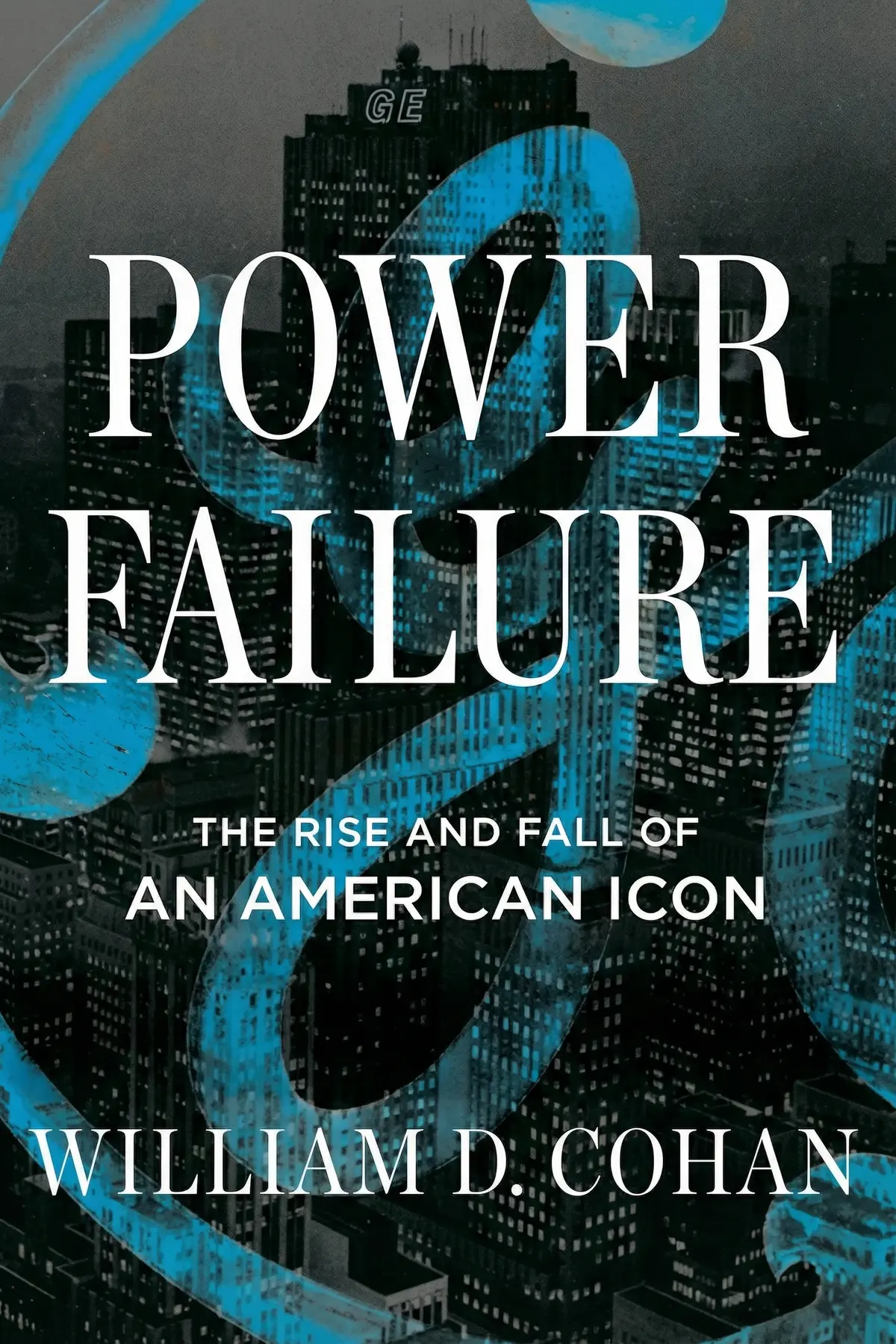
Table of Content
1. Introduction
1 min 38 sec
Imagine, for a moment, that it is the mid-1950s. You are standing in the office of Ralph Cordiner, the man at the helm of General Electric. If you were to suggest to him that his company—a titan of industry, the envy of the global market—might one day face a crisis of survival, he likely would have dismissed you without a second thought. At that time, General Electric wasn’t just a successful firm; it was a cornerstone of the American dream. It carried the kind of cultural and economic weight that we now associate with modern tech giants like Amazon or Microsoft. GE was everywhere. They were the architects of the electrical age, the pioneers of radio, and the innovators behind aviation breakthroughs. If you look at the history of modern medicine, you’ll find GE scientists behind the development of CAT scans. Their brand was effectively the hallmark of human ingenuity.
But as history often reminds us, no giant is too big to falter. The narrative of GE is a gripping saga of ambition, talent, and sheer luck, but it is also a somber warning about hubris and the dangers of losing sight of core values. The company eventually transformed into a sprawling, unwieldy creature, and when the 2007-2008 financial crisis hit, the structural flaws that had been building for decades were finally exposed. This isn’t just a story about spreadsheets and stock prices; it is a human drama about how leaders make decisions and how a corporate culture can become its own worst enemy. As we walk through this history, we will uncover lessons that are vital for any entrepreneur, manager, or anyone interested in the mechanics of success and failure.
2. The Evolution from Agility to Complexity
2 min 12 sec
General Electric began as a nimble innovator in the electrical race, but over decades, it morphed into a giant conglomerate that eventually struggled to stay light on its feet.
3. The Erosion of Conservative Financial Values
2 min 10 sec
Early GE leaders prioritized financial caution, a trait that was eventually replaced by aggressive accounting and a risky reliance on short-term debt.
4. Leadership and the Shadow of the Successor
2 min 03 sec
The contrast between Jack Welch’s detail-oriented leadership and Jeff Immelt’s strategic missteps highlights how much a single person can influence a company’s fate.
5. The Vital Importance of Constructive Dissent
1 min 44 sec
A culture that suppresses bad news or discourages disagreement can quickly become blind to its own vulnerabilities, as seen in GE’s later years.
6. The Peril of Misaligned Incentives
1 min 56 sec
When corporate goals are prioritized over ethical conduct and human nature, the resulting pressure can create a breeding ground for systemic corruption.
7. Conclusion
1 min 29 sec
In the hallowed halls of General Electric’s executive offices, there was a long-standing belief in the company’s own invulnerability. They were the masters of the universe, a brand so legendary that the normal rules of gravity didn’t seem to apply. This sense of hubris is perhaps the most significant reason for the company’s fall. When you believe you are untouchable, you stop following the safeguards that keep you safe. You take risks you shouldn’t take, you ignore warnings you should heed, and you stop being honest about your own weaknesses.
However, the story of GE is not just a tragedy; it is an ongoing narrative of resilience. Despite the massive losses and the loss of its status as a conglomerate king, the company is still finding ways to innovate. Today, GE is refocusing on its core strengths, particularly in aviation. They are developing cutting-edge jet engines and exploring sustainable fuels, while also looking toward the future of industrial 3D printing. It is a reminder that while failure is a powerful teacher, it doesn’t have to be the final chapter. The lessons of GE—about the need for flexibility, the danger of debt, the importance of listening to dissent, and the power of incentives—are universal. By studying their rise and their fall, we can learn how to build organizations that are not just large, but truly enduring. Success requires constant vigilance, and the moment you think you’ve finally made it is exactly the moment you are most at risk.
About this book
What is this book about?
For much of the twentieth century, General Electric was the gold standard of American industry. From the laboratory of Thomas Edison to the global dominance of the 1990s, the company was synonymous with progress and stability. It wasn't just a manufacturer; it was an incubator for technology, management talent, and financial power. This book provides a deep dive into the evolution of GE, tracing how it moved from its industrial roots toward a high-risk financial model that eventually left it vulnerable to global economic shifts. Power Failure promises to reveal the internal dynamics that led to the decline of this once-invincible giant. By contrasting the leadership styles of legendary figures like Jack Welch and Jeff Immelt, it illustrates how culture, incentive structures, and strategic choices can either propel a company to the top or lead to its unraveling. You will learn about the importance of maintaining organizational flexibility, the hidden dangers of aggressive accounting, and the vital role that dissenting voices play in sustainable corporate success.
Book Information
About the Author
William D. Cohan
William D. Cohan is a veteran of the financial industry and a former GE employee. He has leveraged his insider experience to become a highly respected chronicler of Wall Street. His portfolio of New York Times bestselling books includes The Last Tycoons, House of Cards, Money and Power, and The Price of Silence, which explores the Duke Lacrosse scandal and the culture of elite institutions.
Ratings & Reviews
Ratings at a glance
What people think
Listeners find the book to be extensively researched and well-crafted; one review even highlights the incredible detail provided through facts and interviews. The storytelling is quite engaging, with one listener comparing it to a corporate thriller, and listeners appreciate the management and leadership lessons shared throughout. However, readability is a point of contention, with some finding it very accessible while others find it difficult to read. Furthermore, the book has faced criticism for being riddled with typos.
Top reviews
Narongrit
This book is a masterclass in corporate forensics, digging deep into the DNA of what once was America’s most respected company. Cohan’s research is nothing short of exhaustive. He captures the transition from the Reg Jones era to the cult of personality surrounding Jack Welch with the precision of a surgeon. You really feel the weight of every decision made in the Fairfield boardroom. To be fair, it is a massive commitment at nearly 800 pages, but the storytelling is so propulsive that it often feels like a thriller rather than a dry business history. The way he details the rise of GE Capital as a shadow bank is particularly illuminating and terrifying. It’s the definitive account of how obsession with 'making the numbers' eventually hollowed out an industrial giant.
Show moreWatchara
Picked this up after seeing the buzz on business Twitter and it absolutely lives up to the hype as a corporate 'Icarus' story. The narrative surrounding the succession battle between Immelt, McNerney, and Nardelli is worth the price of admission alone; it’s high-stakes drama at its finest. Cohan doesn't just give you the 'what,' he gives you the 'why' by exposing the psychological machinery of the C-suite. Frankly, it’s rare to find a business book that balances complex financial engineering with such human, ego-driven storytelling. The breakdown of how GE Capital's 'black box' worked was a highlight for me. Even though the book is a literal brick, the pacing is excellent. A must-read for anyone interested in the pitfalls of modern management.
Show moreRoongsak
The chapter on the 2008 financial crisis is a masterpiece of reporting that reveals just how close GE came to a total meltdown. Cohan utilizes his wealth of sources to show how the 'triple-A' rating became a cage for the company. It’s a gripping account of how the board of directors failed in their fiduciary duties, prioritizing the stock price over sustainable growth. I was particularly struck by the anecdotes regarding the private jet usage and the sheer extravagance of the executive lifestyle while the company was rotting from within. It’s a massive book, but it moves quickly because the characters are so well-drawn. If you want to understand the death of the American conglomerate, this is the book for you.
Show moreBee
Wow, Cohan does an incredible job weaving together hundreds of interviews into a cohesive, if tragic, narrative about the fall of an icon. This isn't just a dry list of facts; it’s a living, breathing story filled with direct quotes that make you feel like a fly on the wall in those high-stakes meetings. The focus on the 'power failure' of leadership is spot on. I appreciated how he didn't hold back on criticizing the board's role in enriching CEOs while shareholders lost everything. The prose is lively and energetic, making the complex world of industrial conglomerates accessible to anyone. It’s easily one of the best business biographies I’ve read in years, despite its daunting length.
Show morePui
Ever wonder how a titan like General Electric simply evaporates into the background of the S&P 500? Cohan attempts to answer this by painting a vivid, though often biting, portrait of the CEOs who steered the ship into an iceberg. The prose is sharp, but I found his treatment of Jeff Immelt a bit one-sided. It felt like Cohan had a personal axe to grind at times. However, the sheer volume of primary source material—interviews, memos, and board minutes—is impressive. It’s a cautionary tale about the hubris of capitalism and the dangers of a board that is too enamored with its star CEO to ask the hard questions. Some sections drag, especially when he gets into the weeds with minor executives, but it’s mostly a fascinating ride.
Show moreBam
As someone who spent years analyzing industrial stocks, I can say the level of detail Cohan provides here is staggering. He manages to weave together thousands of disparate threads into a cohesive timeline of decline. Look, the book isn't perfect—it definitely could have used a more aggressive editor to trim the 150-page deep dives into bit players. But the core story of how GE transitioned from an engineering marvel to a financial services firm is handled brilliantly. You get a real sense of the boardroom machinations and the disconnect between the executives and the hundreds of thousands of employees they affected. It’s a sobering look at how easily a legacy can be dismantled by a few years of poor instincts and bad luck.
Show moreElena
Not what I expected from a 700-page business history, as it felt surprisingly personal and biting throughout. Cohan clearly has strong opinions on his subjects, and while his obvious disdain for Immelt is clear, it makes for an entertaining, if slightly biased, read. The book excels when it focuses on the culture Jack Welch created—one of relentless competition and performance-at-any-cost. Personally, I would have liked more coverage of the early Edison years, which are rushed through in the first few chapters. However, the subsequent deep dive into the 1980s through the 2000s is incredibly thorough. It’s a fantastic, if long-winded, look at how the 'Manager of the Century' might have actually set the stage for the eventual collapse.
Show moreRoydao
Finally got around to finishing this behemoth and it left me with a profound sense of how ego destroys value. Cohan captures the hubris of the 'GE Way' perfectly, showing how the company’s internal training and culture created a feedback loop of arrogance. To be fair, the book is quite repetitive in places, and the author's voice can be a bit too present in the narrative. But the insights into the Reg Jones transition and the lack of R&D funding are crucial for understanding the full picture. It’s a very well-researched primer on the failures of 20th-century management styles. Even with the occasional typo, it remains an essential piece of corporate history for any serious business student or investor.
Show moreCholada
Truth is, the book could have used one more pass by a copy editor, but the content is too good to ignore. There are some glaring typos that shouldn't be in a prestige release like this. That said, the actual analysis of John Flannery’s short tenure and Larry Culp’s subsequent takeover is fascinating and provides much-needed context to the recent breakup. Cohan succeeds in showing that GE’s downfall wasn't a single event but a slow, decades-long erosion of common sense. The breadth of the book is its greatest strength and its greatest weakness. You get the full story, but you have to be willing to wade through a lot of secondary details. Still, it’s a highly readable and important work.
Show morePaiboon
While I’m a fan of financial history, the density of this book made it a legitimate slog to get through. Cohan has clearly done his homework, yet the editing feels surprisingly loose for a book of this stature. Not gonna lie, the frequent typos and repetitive sentences started to grate on me by the halfway point. He also leans heavily on snarky, first-person asides that distract from the factual narrative. He treats Jack Welch like a flawed god while casting Immelt as the ultimate villain, which misses some of the nuance regarding the R&D vacuum Welch left behind. It's a 3-star read because the information is valuable, but the presentation is messy. I expected something more polished and objective.
Show moreReaders also enjoyed
A Year with Peter Drucker: 52 Weeks of Coaching for Leadership Effectiveness
Joseph A. Maciariello
Acting with Power: Why We Are More Powerful Than We Believe
Deborah Gruenfeld
All In: How Great Leaders Build Unstoppable Teams
Mike Michalowicz
AUDIO SUMMARY AVAILABLE
Listen to Power Failure in 15 minutes
Get the key ideas from Power Failure by William D. Cohan, plus 5,000+ more titles in English and Thai.
- 5,000+ titles
- Listen as much as you want
- 7-day free trial
- Cancel anytime







