
16 min 41 sec
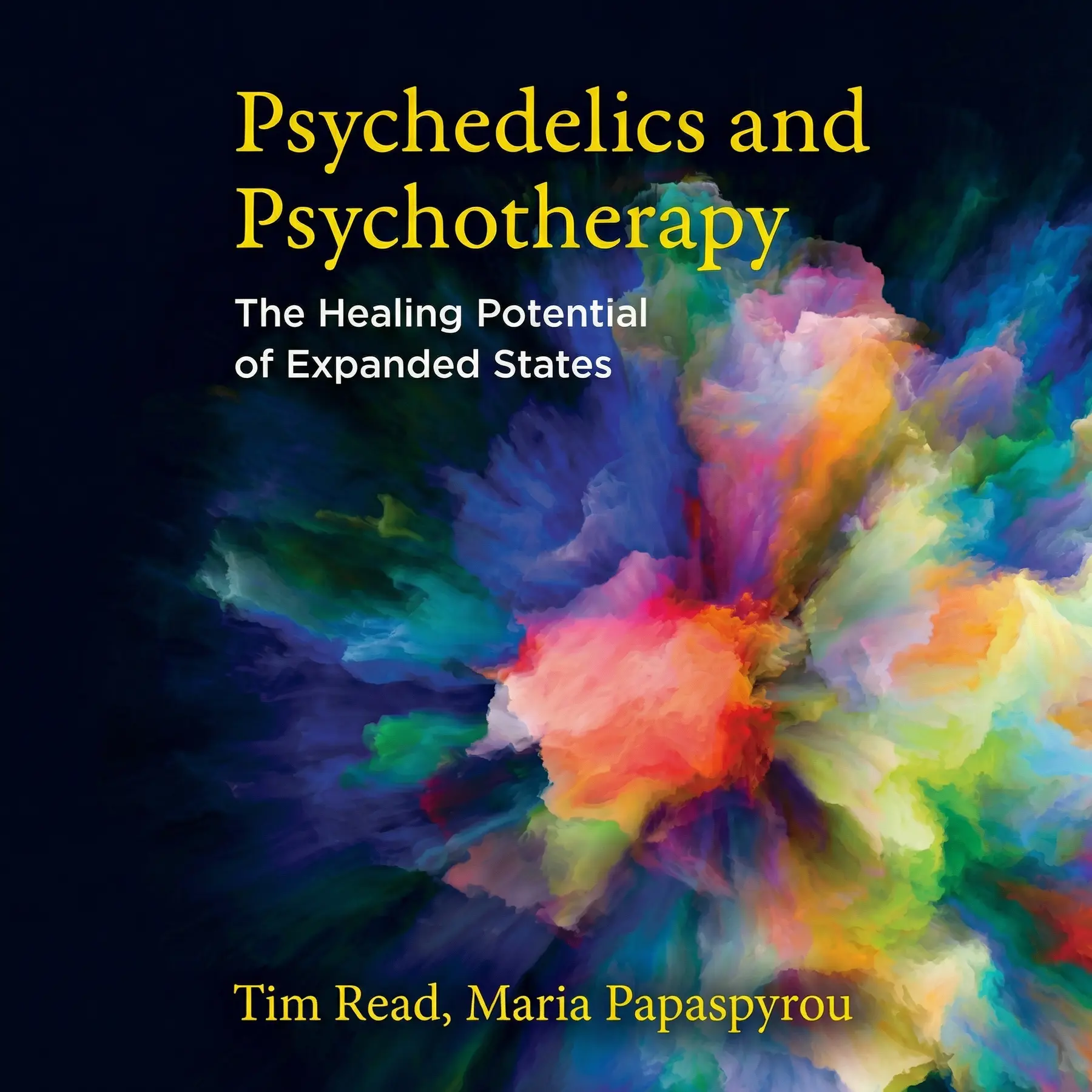
Psychedelics and Psychotherapy: The Healing Potential of Expanded States
Discover how psychedelics and alternative states of consciousness are revolutionizing psychotherapy. This guide explores the therapeutic potential of ayahuasca, MDMA, and breathwork for healing deep trauma and fostering spiritual growth.
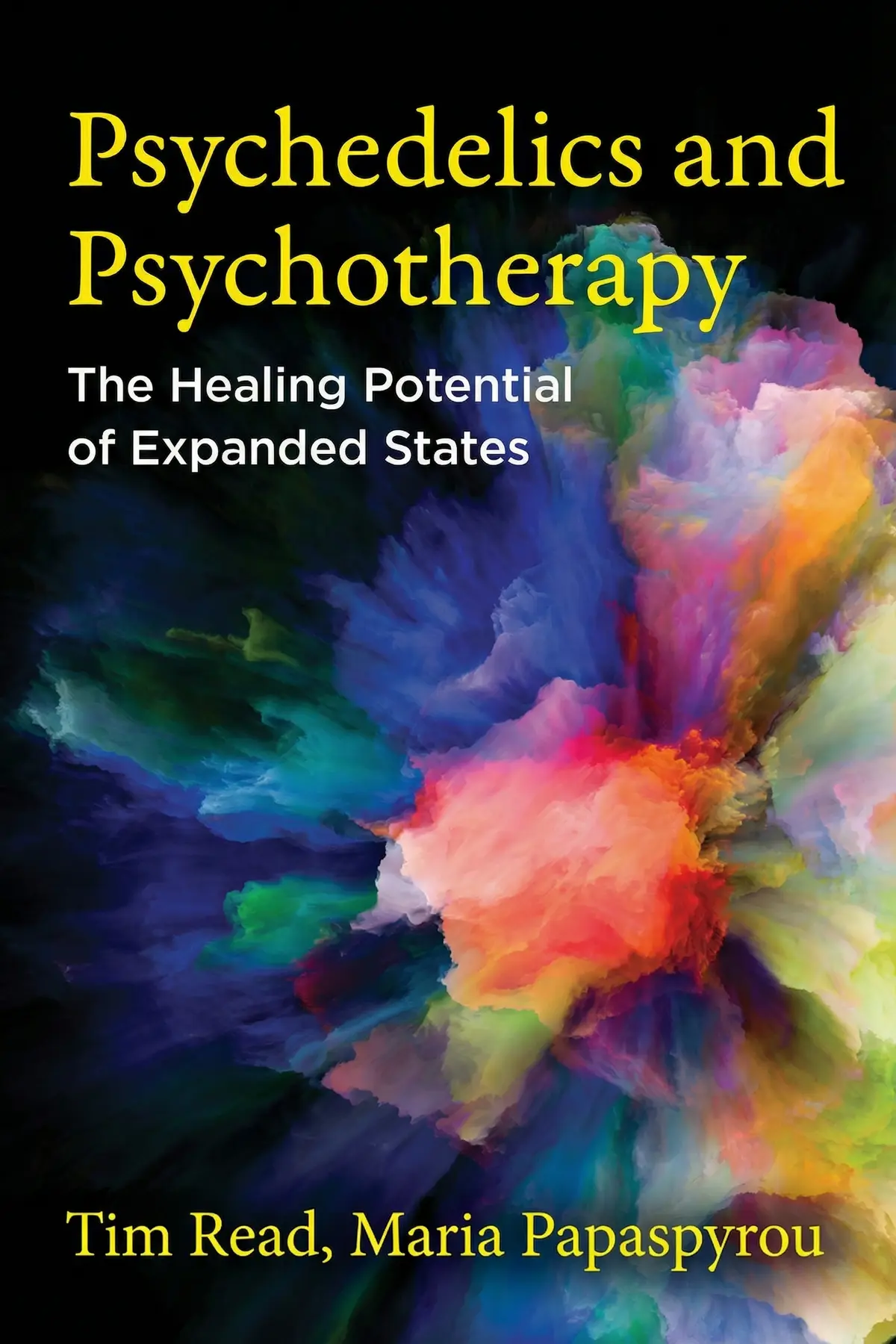
Table of Content
1. Introduction
1 min 43 sec
We are currently living through what many experts describe as a mental health crisis. Despite the wide availability of traditional pharmaceuticals and standard talk therapy, rates of anxiety, depression, and addiction continue to climb globally. For many individuals, these conventional methods feel like they are merely scratching the surface, managing symptoms without ever touching the deep-rooted causes of their suffering. If you or someone you care about has felt stuck in this cycle, you may have wondered if there is a more profound way to access the hidden architecture of the mind.
This is where the field of psychedelic psychotherapy comes into focus. It is a discipline that bridges the gap between ancient wisdom and modern clinical science. Rather than viewing the mind as a collection of chemical imbalances to be suppressed, this approach sees the psyche as a landscape containing its own inherent wisdom and capacity for healing. By utilizing specific substances and techniques to enter altered states of consciousness, individuals can often bypass the ego’s defenses to confront and process long-held pain, trauma, and existential fear.
In this exploration, we will look at the foundational principles that make these treatments effective. We will move through the specific applications of various medicines and methods—from the heart-opening qualities of MDMA to the visionary depth of ayahuasca and the natural power of the breath. Crucially, we will also address the vital importance of context: why these experiences require a safe container, an ethical guide, and a dedicated process of integration to turn a fleeting vision into a permanent shift in one’s life. Let’s begin by looking at the unique relationship at the heart of this transformative journey.
2. The Foundations of Psychedelic Healing
2 min 18 sec
Traditional medicine often focuses on symptoms, but psychedelic therapy aims for the root of the psyche by prioritizing the relationship between the guide and the voyager.
3. Ayahuasca and the Healing of Early Wounds
2 min 20 sec
Learn how the ancient plant medicine from the Amazon acts as a surrogate for parental care, helping individuals repair deep-seated attachment issues from childhood.
4. The Inner Healing Intelligence in MDMA Therapy
2 min 02 sec
Discover why MDMA is uniquely suited for treating trauma by silencing fear and activating the mind’s natural capacity to move toward wholeness.
5. Breathwork as a Natural Portal to the Subconscious
2 min 16 sec
You don’t always need a substance to reach a psychedelic state. Holotropic breathwork uses the power of oxygen and music to unlock deep emotional releases.
6. The Ethical Imperative of Professional Training
2 min 13 sec
Guiding someone through the depths of their mind is a sacred trust that requires a balance of clinical rigor and spiritual openness.
7. Harm Reduction and the Safety Net of Compassion
2 min 09 sec
Not all psychedelic experiences happen in a clinic. Peer-led harm reduction efforts provide essential support in the unpredictable environments of festivals and events.
8. Conclusion
1 min 40 sec
As we look back at the landscape of psychedelic psychotherapy, the overarching message is one of profound hope and necessary caution. We have seen that these tools—whether they are ancient plant medicines like ayahuasca, modern compounds like MDMA, or the simple power of our own breath—offer a gateway to the parts of our minds that are usually locked away. They provide a rare opportunity to move past the symptoms of our distress and engage with the core narratives of our lives. By confronting our traumas, repairing our attachment wounds, and listening to our inner healing intelligence, we can find a way out of the darkness of chronic mental suffering.
However, the throughline of this work is that the substance is only a catalyst. The real transformation depends on the container: the safety of the setting, the integrity of the guide, and the diligence of the integration. This is not a path of quick fixes, but a path of deep, often difficult work. It requires a willingness to be vulnerable and a commitment to bringing the insights of the ‘peak experience’ back into the plains of everyday life.
Ultimately, the re-emergence of these practices represents a shift in how we view human health. It suggests that we are more than just biological machines; we are beings in search of meaning, connection, and wholeness. Whether you are a clinician looking for new ways to help your patients, or an individual seeking your own path to healing, the world of psychedelics and psychotherapy offers a map to the most important destination of all: the truth of who you are. As this field continues to grow and mature, it holds the promise of a more compassionate and effective approach to mental wellness for everyone.
About this book
What is this book about?
Modern mental health challenges like treatment-resistant depression and chronic anxiety often require more than traditional talk therapy can provide. Psychedelics and Psychotherapy presents a profound look at the re-emergence of psychedelic substances as powerful tools within a clinical framework. It moves beyond the hype to examine how substances such as MDMA and ayahuasca, along with techniques like holotropic breathwork, can serve as catalysts for deep emotional release and psychological integration. The book promises to demystify the psychedelic experience by rooting it in ethical practice, safety, and the essential bond between therapist and patient. You will learn about the history of these practices, the importance of 'set and setting,' and the specific ways these tools address trauma and attachment wounds. By focusing on the 'inner healing intelligence' of the individual, the text provides a roadmap for how expanded states of consciousness can lead to lasting transformation, provided they are approached with the proper guidance and respect for the subconscious mind.
Book Information
About the Author
Tim Read
Tim Read, MD, is a psychiatrist and psychotherapist with decades of experience in psychiatric emergencies, having led crisis services at the Royal London Hospital for 20 years. He is a prominent researcher in the therapeutic application of psychedelics and the author of works like Breaking Open. Maria Papaspyrou, MSc, is a psychotherapist, clinical supervisor, and family constellations facilitator. As a co-director of the Institute of Psychedelic Therapy in the UK, she has dedicated her career to the reintroduction of entheogens into clinical practice and is the editor of Psychedelic Mysteries of the Feminine.
Ratings & Reviews
Ratings at a glance
What people think
Listeners consider this anthology an extensive study of psychedelic-assisted healing, praising the varied angles and types of substances addressed by the multiple contributors. Even though some listeners suggest the text at times prioritizes spiritual concepts over the technicalities of clinical psychotherapy, they still acknowledge the beneficial points made about the necessity of setting and presence. Furthermore, the volume is regarded as a bold and uplifting resource, with one listener pointing out its sincere interest in discovering ethical avenues to facilitate a "beautiful qualia of life."
Top reviews
Wipada
Wow, this was quite the journey into the heart of modern healing. The editors have curated a series of essays that truly speak to the ethical commitment required when navigating these non-ordinary states of consciousness. I was particularly moved by the recurring theme of seeking a 'beautiful qualia of life' for patients who have often run out of other options. It isn’t just a dry textbook; it’s a courageous exploration of what it means to be human and how we can use these tools to unlock the unconscious. To be fair, some sections lean quite heavily into New Age spirituality, which might alienate those looking for purely empirical data. But if you’re open to the idea that healing involves more than just neurochemistry, you will find a wealth of inspiration here. It feels like a labor of love.
Show moreIngrid
The courage displayed by these contributors is nothing short of inspiring. It takes a lot of guts to write about these taboo subjects with such professional gravity and ethical concern. I loved how the book didn’t shy away from the spiritual dimensions of healing, treating the 'qualia' of the experience as something sacred rather than just a side effect. Each chapter offers a different window into the potential of these substances to transform lives. Gotta say, the section on holotropic breathwork as a bridge to psychedelic states was a fascinating addition I didn't see coming. While the anthology format means you get some overlap in the introductory concepts, it’s worth it to see so many different brilliant minds in one place. This is a foundational text for anyone interested in the future of mental health.
Show moreYothaka
Ever wonder how deep the rabbit hole goes when you combine ancient medicine with modern psychology? This book provides a sprawling, beautiful, and sometimes messy answer to that question. The focus on the 'qualia' of the experience—the subjective quality of healing—is what sets this apart from more clinical texts. It’s an inspiring call to action for healers to be more courageous and ethically grounded in their work. Frankly, I didn't mind the spiritual leanings; I think it's impossible to talk about these substances without acknowledging the transpersonal. The diverse perspectives from so many different authors made me feel like I was part of a global conversation. It’s a thick book, but every page feels like it was written with a genuine desire to alleviate human suffering. Absolutely loved the depth and the passion.
Show moreHugo
As a practitioner interested in the intersection of ego-dissolution and traditional therapy, I found this anthology to be an enlightening, if somewhat uneven, collection. The heavy emphasis on Jungian archetypes makes sense given the history of the field, yet I occasionally craved a more grounded, object-relations perspective as mentioned by other readers. Each of the twenty-six contributors brings a unique flavor to the table, ranging from the technical to the deeply esoteric. Frankly, the insights regarding the importance of the therapist’s presence and the 'set and setting' were the highlights for me. I did find some chapters more compelling than others, and the lack of clinical logistics like medical screening was a minor letdown. However, the sheer breadth of substances and contexts discussed—from holotropic breathwork to MDMA—makes it a worthy addition to any psychedelic library.
Show moreSue
Finally got around to finishing this massive anthology, and I’m impressed by the sheer variety of substances covered. From LSD to ayahuasca, the contributors provide a wide-angle lens on how these tools interact with the psyche. The focus on 'setting' and the psychological headspace of the patient was incredibly insightful. It helped me realize how much of the healing happens not just in the drug, but in the container created by the therapist. My only real gripe is that the quality of the chapters varies wildly; some are brilliant academic pieces while others feel like personal blog posts. Truth is, you have to sift through a lot of repetition to get to the gold. But for anyone wanting a holistic view of the current psychedelic landscape, it’s a solid resource. It’s definitely not a light read.
Show moreNadia
Truth is, the psychedelic renaissance needs books that prioritize the internal landscape of the patient over just the neurobiology. This book does exactly that, emphasizing the 'presence' of the healer as a crucial component of the process. I found the discussion on the 'key to peace' via ego dissolution to be a bit optimistic—maybe even naive—but it certainly sparks an important conversation. Some readers might be put off by the Zionism chapter, which felt a bit out of place compared to the more clinical sections. Still, the overall message of the book is one of hope and radical empathy. It’s a comprehensive look at how we might move past the limitations of traditional talk therapy. I appreciated the deep dive into how different substances uniquely impact the therapeutic alliance. A very strong four stars.
Show moreSaranya
Picked this up looking for a technical manual but found a spiritual manifesto instead. To be fair, that’s not necessarily a bad thing, but the title 'Psychedelics and Psychotherapy' is a bit misleading if you’re expecting a guide to billing, insurance, or legal protocols. What you get instead is a deep, Jungian-heavy exploration of the unconscious and its various manifestations. The chapters on mandalas and the 'presence' of the therapist were surprisingly moving. I did find the inclusion of the Israeli peace-building study to be a bit controversial, as it seemed to gloss over some very real political complexities. Nevertheless, the book succeeds in showing that there is no one-size-fits-all approach to this work. It’s an important, albeit slightly disorganized, contribution to the field. I’d recommend it to anyone who prefers depth psychology over cognitive-behavioral approaches.
Show moreAria
Not exactly what I expected based on the title, which suggests a more clinical focus on the mechanics of psychotherapy. I was hoping for deep dives into transference, countertransference, and the legal hurdles of integrating these substances into a standard practice. Instead, the book functions more as an anthology of diverse perspectives, some of which feel a bit tangential to therapy, like the chapters on mandalas and astrology. Personally, I found the repetition between authors a bit draining, as many feel the need to redefine the basics in every chapter. That said, the sections on harm reduction and the potential for peace-building were thought-provoking. It’s a 3-star read for me because it’s a bit disorganized, though the passion of the authors is undeniable. It’s more 'Psychedelics and Healing' than a rigorous professional manual.
Show morePita
While I appreciate the breadth of contributors, the overlap between chapters became tedious after a while. When you have 26 authors, you end up reading about the history of the 'psychedelic sixties' or the definition of 'set and setting' far too many times. I was really looking for more on the logistics—things like how a therapist handles the transference that surely intensifies during a session. Instead, I got a lot of Jungian theory and even some astrology. Not gonna lie, I expected something more organized and clinically focused. However, the insights into harm reduction and the ethical frameworks for these treatments were quite valuable. It’s a decent introductory anthology, but it feels like it’s trying to do too many things at once. It’s better as a reference to dip into than a cover-to-cover read.
Show moreMethinee
I struggled with the sheer amount of 'woo' in this collection, especially when it veered into astrology and questionable political takes. To be fair, I appreciate the effort to be comprehensive, but including twenty-six different authors leads to a serious lack of cohesion. The chapter regarding conflict resolution in the Middle East felt particularly tone-deaf and reductive, ignoring deep-seated historical trauma in favor of a simplistic 'dissolve the ego' narrative. Why are we talking about mandalas when therapists need to know about medical screening and legal liability? The Jungian framework dominates almost every page, leaving little room for other therapeutic modalities. Look, there are some gems hidden in here about presence and setting, but the signal-to-noise ratio is just too low for my taste. It felt more like a New Age manifesto than a clinical resource.
Show moreReaders also enjoyed
Alcoholics Anonymous
Alcoholics Anonymous World Services
A Liberated Mind: How to Pivot Toward What Matters
Steven C. Hayes


ADHD an A-Z: Figuring It Out Step by Step
Leanne Maskell

AUDIO SUMMARY AVAILABLE
Listen to Psychedelics and Psychotherapy in 15 minutes
Get the key ideas from Psychedelics and Psychotherapy by Tim Read, plus 5,000+ more titles in English and Thai.
- 5,000+ titles
- Listen as much as you want
- 7-day free trial
- Cancel anytime







