
15 min 46 sec
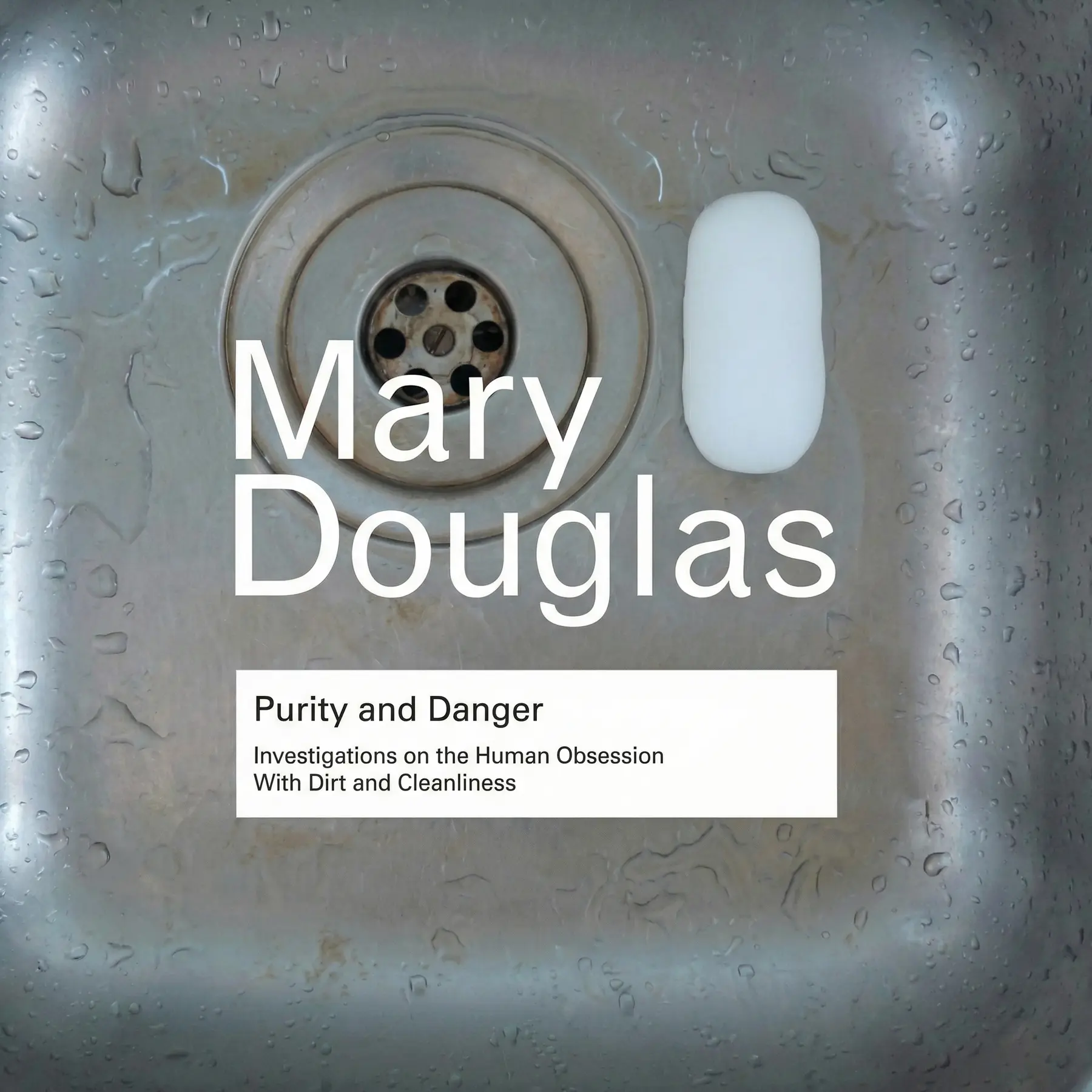
Purity and Danger
By Mary Douglas
A profound anthropological study exploring how societies use the concepts of dirt and purity to organize their worlds, create social boundaries, and define the sacred through the lens of symbolic order.
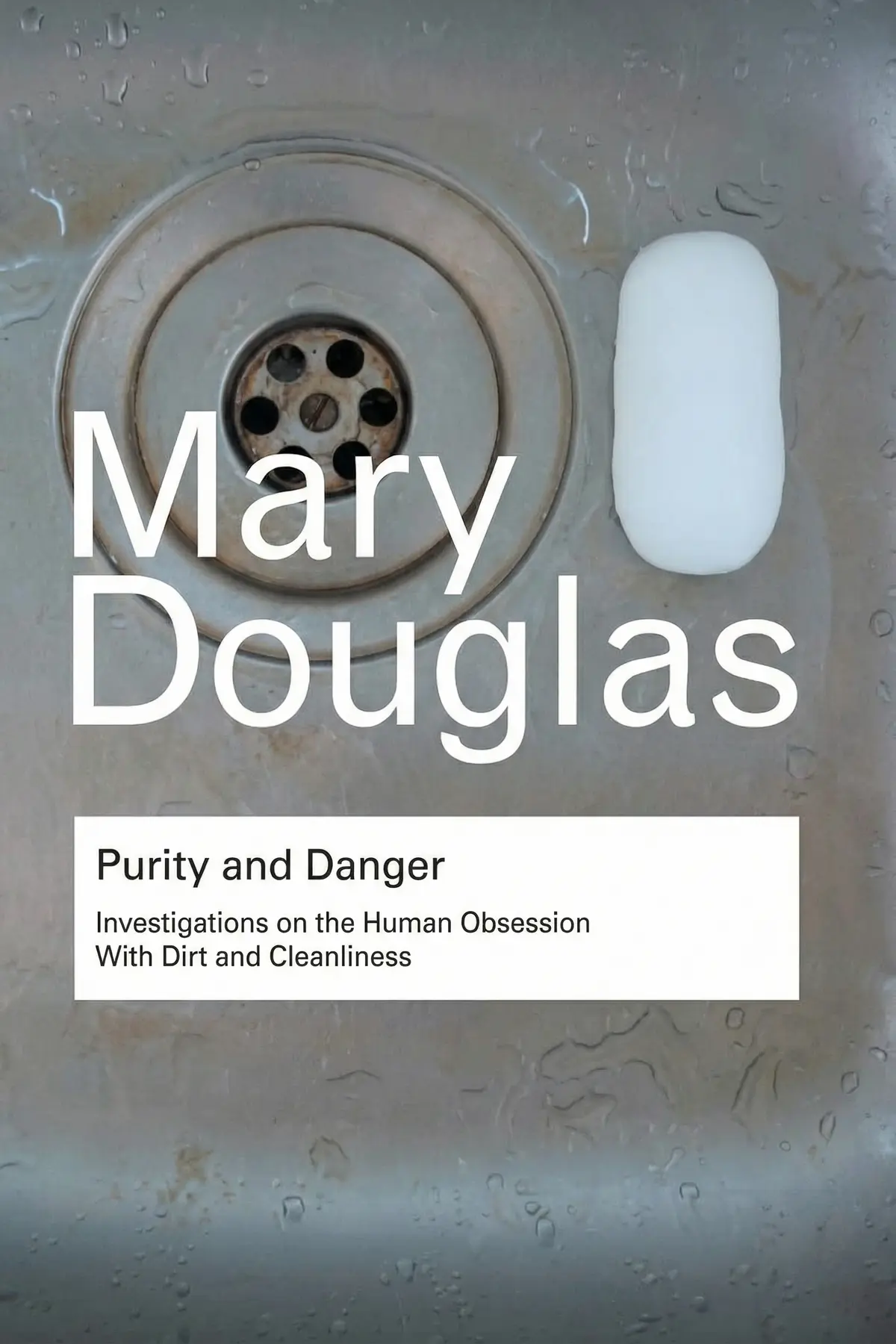
Table of Content
1. Introduction
1 min 45 sec
Picture a scene that might play out in any home. You are sitting down to a carefully prepared meal when someone walks in and places a pair of muddy hiking boots directly onto the dining table. The reaction is usually immediate and visceral: disgust. But if you stop to analyze that feeling, something interesting emerges. The mud on those boots isn’t inherently evil. If that same soil were in your garden, nurturing a row of flowers, you would find it productive and even beautiful. The ‘dirtiness’ only exists because the mud has moved from the garden to the kitchen table. It is, quite literally, matter that is in the wrong place.
This simple observation serves as the foundation for Mary Douglas’s landmark study on how human beings categorize their world. In this summary, we are going to explore the deep, symbolic undercurrents that dictate what we consider pure and what we label as dangerous. We will see how these classifications aren’t just about physical cleanliness but are essential tools that societies use to build their identities and maintain order.
By the end of this journey, we’ll see how the lines we draw between the sacred and the profane are more than just ancient superstitions; they are the very frameworks through which we interpret our existence. We will challenge the traditional distinctions between ‘modern’ and ‘primitive’ thought, looking at how all cultures—including our own—use taboos to navigate the chaos of life. Through Douglas’s perspective, we will discover that the things we find most threatening are often the things that refuse to fit into the neat boxes we’ve created for them.
2. The Relativity of Dirt and Social Order
2 min 26 sec
Discover why nothing is inherently dirty and how our sense of revulsion is actually a defense mechanism for the social structures we hold dear.
3. A Critique of Anthropological Bias
2 min 30 sec
Uncover the hidden prejudices in early scholarship and see how every culture uses logic to explain the universe, regardless of its technological level.
4. Holiness as a State of Being Set Apart
2 min 37 sec
Revisit the ancient laws of the Bible to see how dietary restrictions were never about health, but about a grander vision of spiritual integrity.
5. The Power and Peril of Ambiguity
2 min 15 sec
Explore the strange world of the Lele people, where animals that defy classification can be seen as either dangerous outcasts or sacred sources of life.
6. Marginal States and Social Danger
2 min 37 sec
Learn why those on the edges of society—from ancient witches to modern-day outcasts—are often viewed with such deep-seated suspicion and fear.
7. Conclusion
1 min 36 sec
As we wrap up our exploration of Mary Douglas’s insights, the central throughline is clear: our human obsession with cleanliness is actually an obsession with order. We are a species that thrives on patterns and predictability. By creating categories of ‘purity’ and ‘danger,’ we transform the chaotic rush of sensory experience into a structured world where we know exactly where we stand.
Dirt, as we’ve seen, is far more than just a matter of hygiene. It is a signal that a boundary has been crossed. Whether it’s a dietary law in an ancient text, a ritual involving a scaly anteater in a forest, or the modern social stigma faced by those on the margins, the logic remains the same. We use these labels to define the ‘us’ and the ‘them,’ the ‘sacred’ and the ‘profane.’ These boundaries give our lives meaning and give our societies their unique character.
The next time you find yourself reacting with disgust to something ‘dirty’ or feeling uneasy about something that doesn’t quite fit, take a moment to look deeper. Ask yourself: what category is being challenged here? What social order am I trying to protect? By understanding that ‘dirt’ is just matter out of place, we gain a powerful tool for self-reflection. We can begin to see the invisible walls we’ve built around our own lives and, perhaps, find the courage to question if those walls are still serving us. Ultimately, the study of purity and danger is the study of how we build civilizations, one category at a time.
About this book
What is this book about?
Have you ever wondered why certain things feel viscerally 'unclean' even if they aren't actually harmful? In this exploration of Mary Douglas’s seminal work, we dive into the idea that dirt is simply 'matter out of place.' This isn't a book about hygiene; it’s a journey into the human psyche and the structures of civilization. By examining everything from ancient Hebrew dietary laws to the rituals of the Lele people in Africa, the text reveals how taboos serve as the glue for social identity. It promises to change how you perceive the world around you, showing that our modern obsessions with order are not so different from the ritualistic behaviors of so-called primitive cultures. You will learn how ambiguity creates danger and how holiness is often synonymous with being set apart.
Book Information
About the Author
Mary Douglas
Mary Douglas was a distinguished British anthropologist and cultural theorist who lived from 1921 to 2007. She held prestigious professorships at University College London and Princeton University. Douglas is widely celebrated for her pioneering work on human symbolism and her extensive field research with the Lele people. Her influential bibliography includes titles such as Natural Symbols, Risk and Culture, and How Institutions Think.
Ratings & Reviews
Ratings at a glance
What people think
Listeners find the work insightful, with one listener specifically noting its importance for grasping religious purity. They describe the content as informative, and one individual mentioned that it successfully addressed their questions.
Top reviews
Pacharapol
Picked this up after a friend mentioned it in a discussion about religious taboos, and it was a total revelation. I expected a dry, dusty tome, but Douglas has a sharp wit that keeps the pages turning and the ideas flowing. She brilliantly dismantles the idea that 'primitive' people were just superstitious while we are 'rational.' Instead, she shows that our own obsession with hygiene is just as symbolic as any ancient ritual. Gotta say, the way she explains the dietary laws in Leviticus through the lens of animal classification is pure genius. This isn't just for anthropologists; it's for anyone curious about the human psyche.
Show moreDiego
Ever wonder why we find certain things 'gross' even when they aren't actually harmful? This book provides the answer by looking at how we impose system and order on an inherently messy world. Douglas posits that purity is a way of protecting social structures from the danger of the unclassifiable. Personally, I found her analysis of 'marginal' people as sources of both power and pollution to be the most compelling part of the work. It’s a short book, but it packs a heavy intellectual punch that will stay with you long after you finish it. Essential reading for understanding culture.
Show moreAiden
Wow, I didn't think a book about 'pollution' would be this relevant to my own life, but here we are. Not gonna lie, I was captivated by the idea that disorder isn't just something to be feared, but also a source of incredible power and potential. Douglas looks at how rituals of purification are actually tools for maintaining the status quo and defending the boundaries of a community. The way she links the physical body to the 'social body' is a stroke of brilliance that explains so much about modern politics. It’s a deep, rich text that deserves a slow, careful reading to really absorb everything.
Show moreNoo
This book completely rewired how I think about the mundane act of cleaning. Douglas argues that dirt isn't about biology or germs, but rather 'matter out of place' that disrupts our social order. It’s a fascinating deep dive into how societies create boundaries to keep the chaos at bay. Truth is, her critique of early modernist anthropology feels just as relevant today when looking at how we categorize 'outsiders' in political discourse. While some of the structuralist framework feels a bit rigid for a modern reader, the core insights are undeniable. It is a dense read but the prose is surprisingly lively for an academic text.
Show moreNan
The chapter on Leviticus and the dietary laws of the Israelites is easily the highlight of this entire volume. Douglas masterfully debunks 'medical materialism'—the idea that ancient people avoided pork just because of trichinosis—and replaces it with a fascinating theory of symbolic logic. Look, if an animal doesn't fit into a clear-cut category, it becomes 'unclean' because it threatens the conceptual map of the world. While I think she overextends the structuralist argument in some of the later chapters, her ability to make sense of seemingly bizarre ancient rules is impressive. The writing is clear, concise, and remarkably free of unnecessary jargon.
Show moreTaw
Mary Douglas manages to take the concept of 'dirt' and turn it into a profound meditation on the human condition. In my experience, most people assume our rules about purity are based on objective facts, but Douglas shows they are almost entirely cultural. She explores how anything that exists in the margins—the 'in-between' spaces of society—is viewed as inherently dangerous or even magical. This explains so much about how we treat people who don't fit into traditional gender or social roles. The book is intellectually stimulating and surprisingly accessible, though you do need to concentrate to follow her logic. A true classic.
Show morePaiboon
Finally got around to reading this for a graduate seminar, and it definitely lived up to the hype surrounding its reputation. Douglas has a way of defamiliarizing the familiar, making you question why you wash your hands or why certain words are considered 'dirty.' Truth is, the structuralist approach can feel a bit like a magic trick where the answer is always 'it's about classification,' but she performs it with such mastery that you can't help but be impressed. It’s a landmark text that bridged the gap between religious studies and social science. Definitely a must-read for anyone interested in the sociology of the sacred.
Show moreManop
After hearing about Douglas's work in a podcast, I decided to see if the actual book was as insightful as the summary. It is. The central idea—that purity is about maintaining logical categories—is one of those 'aha' moments that changes how you see the world. Basically, we create taboos to protect the integrity of our systems, whether those systems are religious, social, or scientific. While the book's 'English Protestant' bias occasionally peeks through, her effort to treat all cultures with equal intellectual respect was ahead of its time. It’s a fascinating, if sometimes challenging, exploration of why we fear the untidy.
Show moreRatthapong
As someone who appreciates classic social theory, I found Douglas's insights into the nature of taboo to be incredibly thought-provoking. However, to be fair, the book is very much a product of 1966. Her use of terms like 'primitive' and her heavy reliance on structuralism can feel quite dated and occasionally reductive to a contemporary ear. She spends a lot of time arguing against other anthropologists from her era, which might lose readers who aren't familiar with James George Frazer or the history of the discipline. Still, her central thesis regarding how we handle anomalies is foundational. It’s a solid three stars for the historical value alone.
Show moreYuwadee
Not what I expected, and frankly, quite a struggle to get through compared to more modern sociology. While I understand why this is considered a classic, the constant referencing of obscure 19th-century theories made it feel like I was reading a transcript of an old academic debate. The prose is okay, but the 'us versus them' mentality regarding 'technologically advanced' societies is hard to ignore. It feels like she’s trying to force complex human behaviors into these tiny, neat boxes that don't always fit. If you're a student of anthropology, you probably have to read it, but for a casual reader, it’s a bit of a slog.
Show moreReaders also enjoyed
All About Love: New Visions
bell hooks
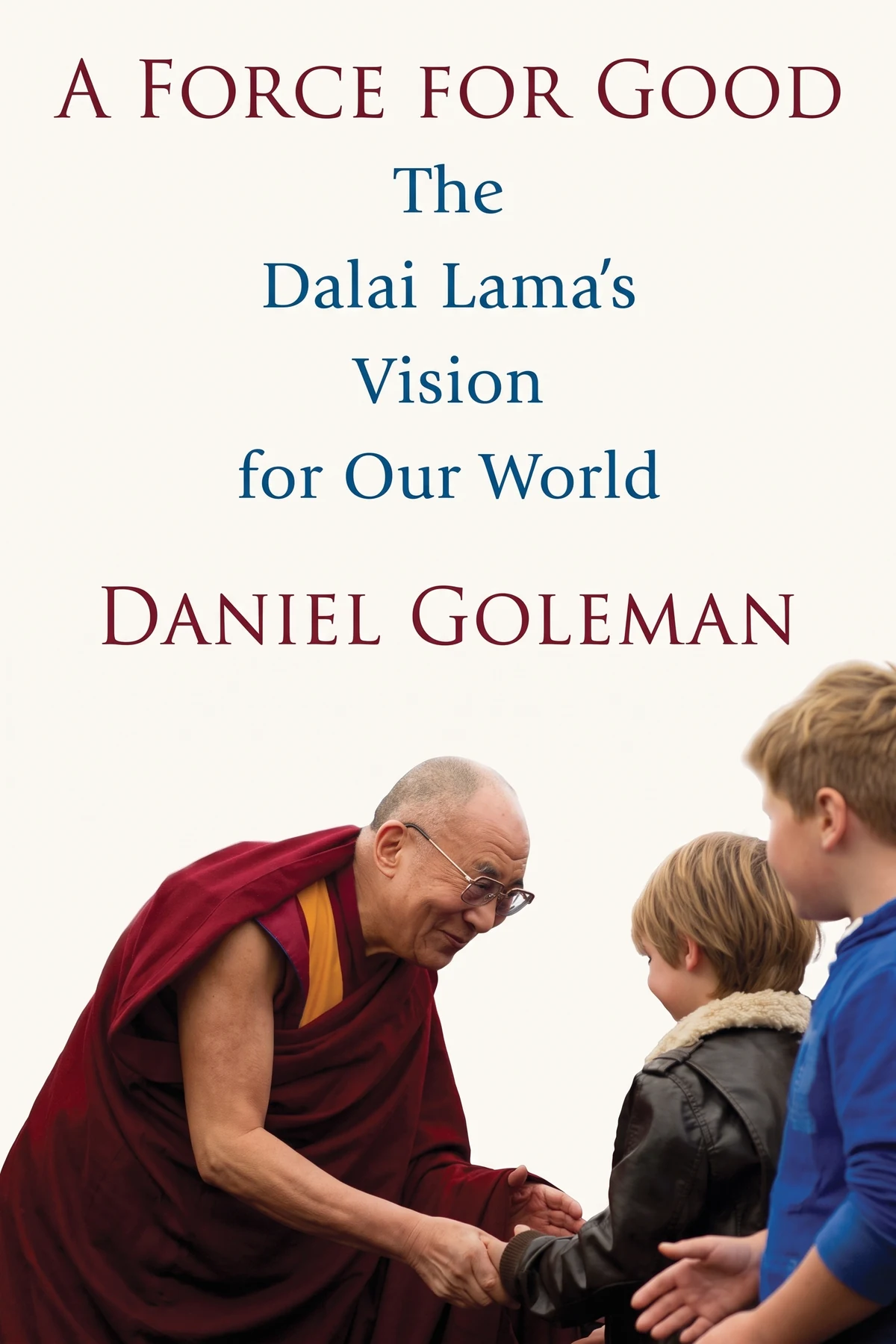
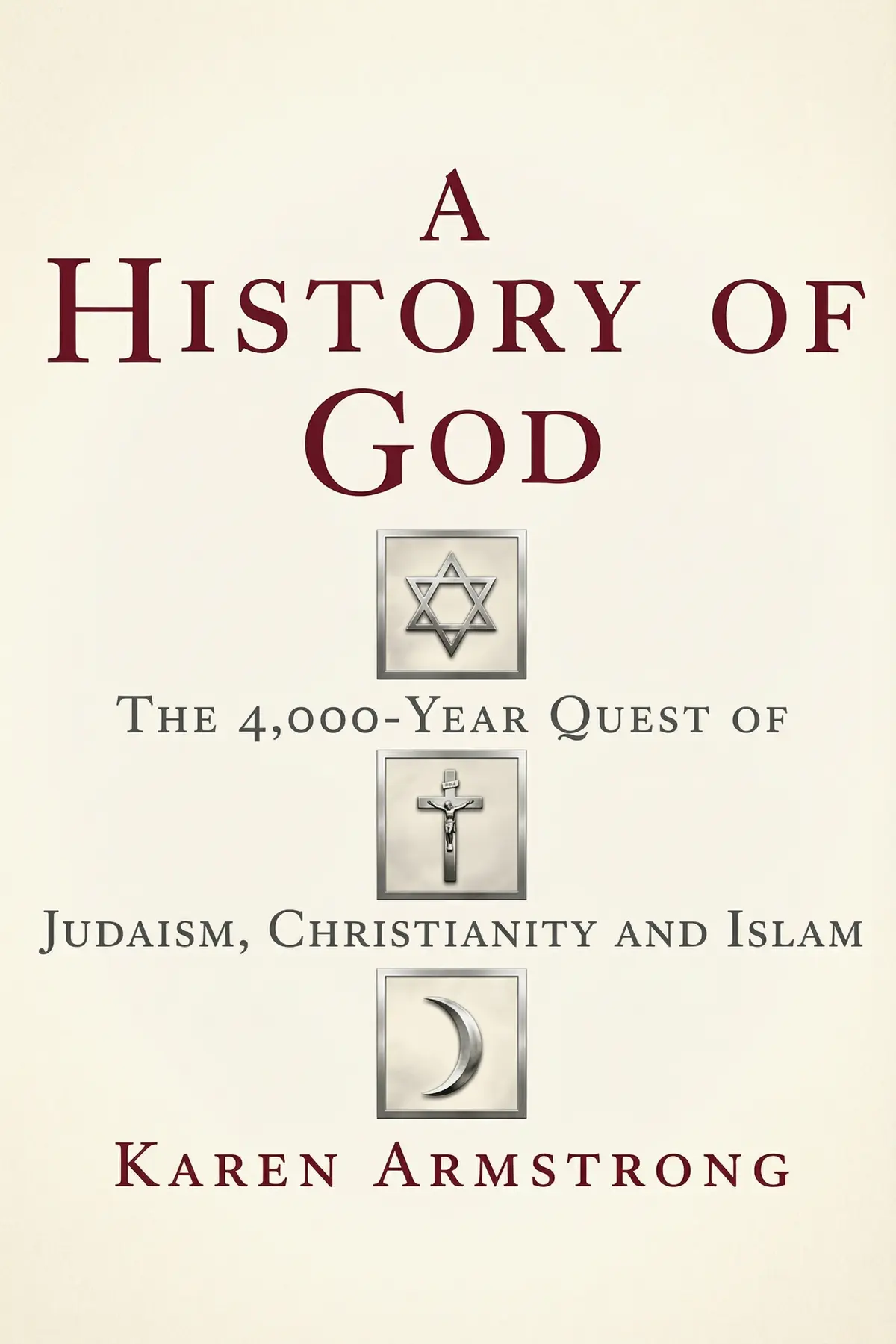
A Force for Good: The Dalai Lama's Vision for Our World
Daniel Goleman
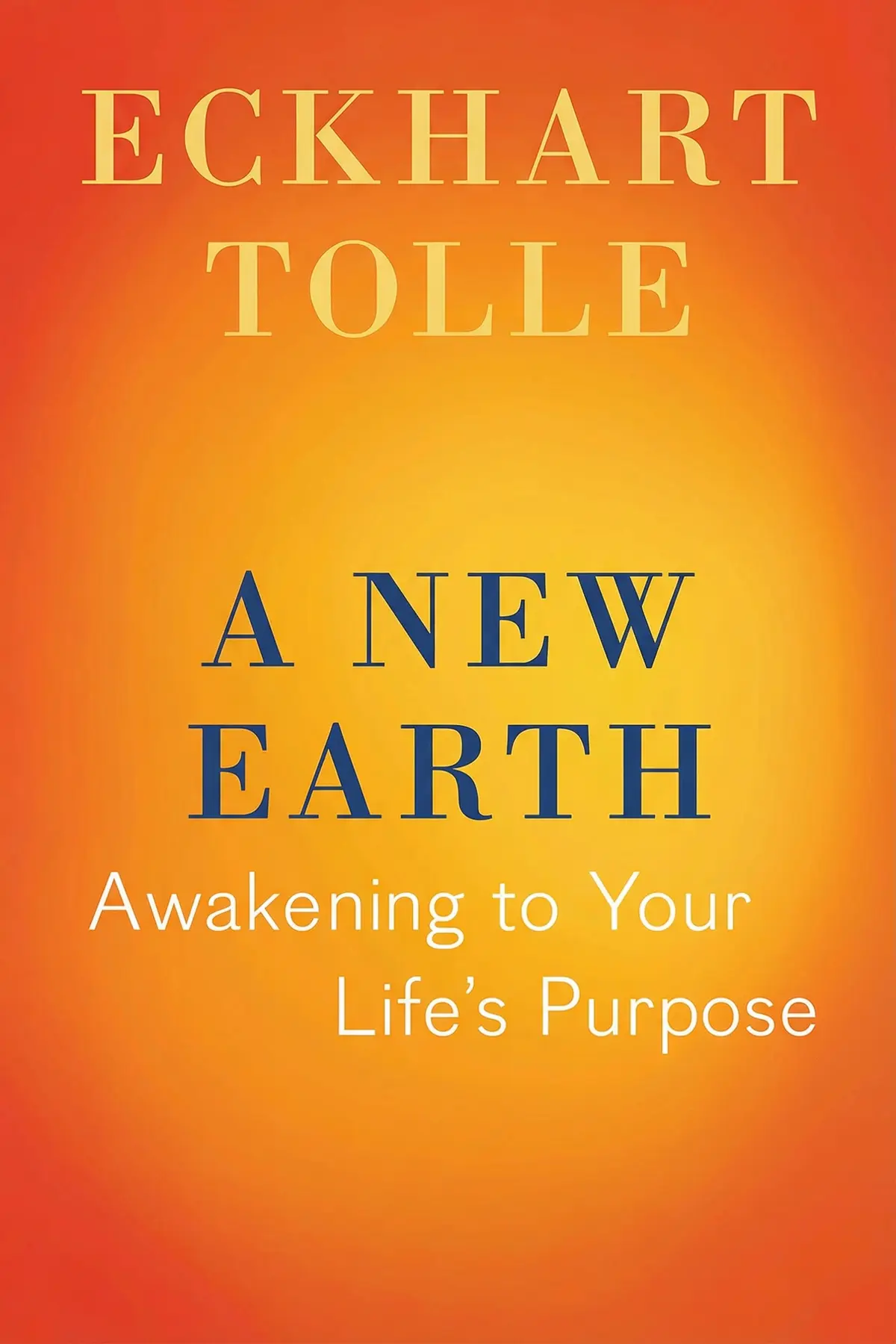
A New Earth: Awakening to Your Life’s Purpose
Eckhart Tolle
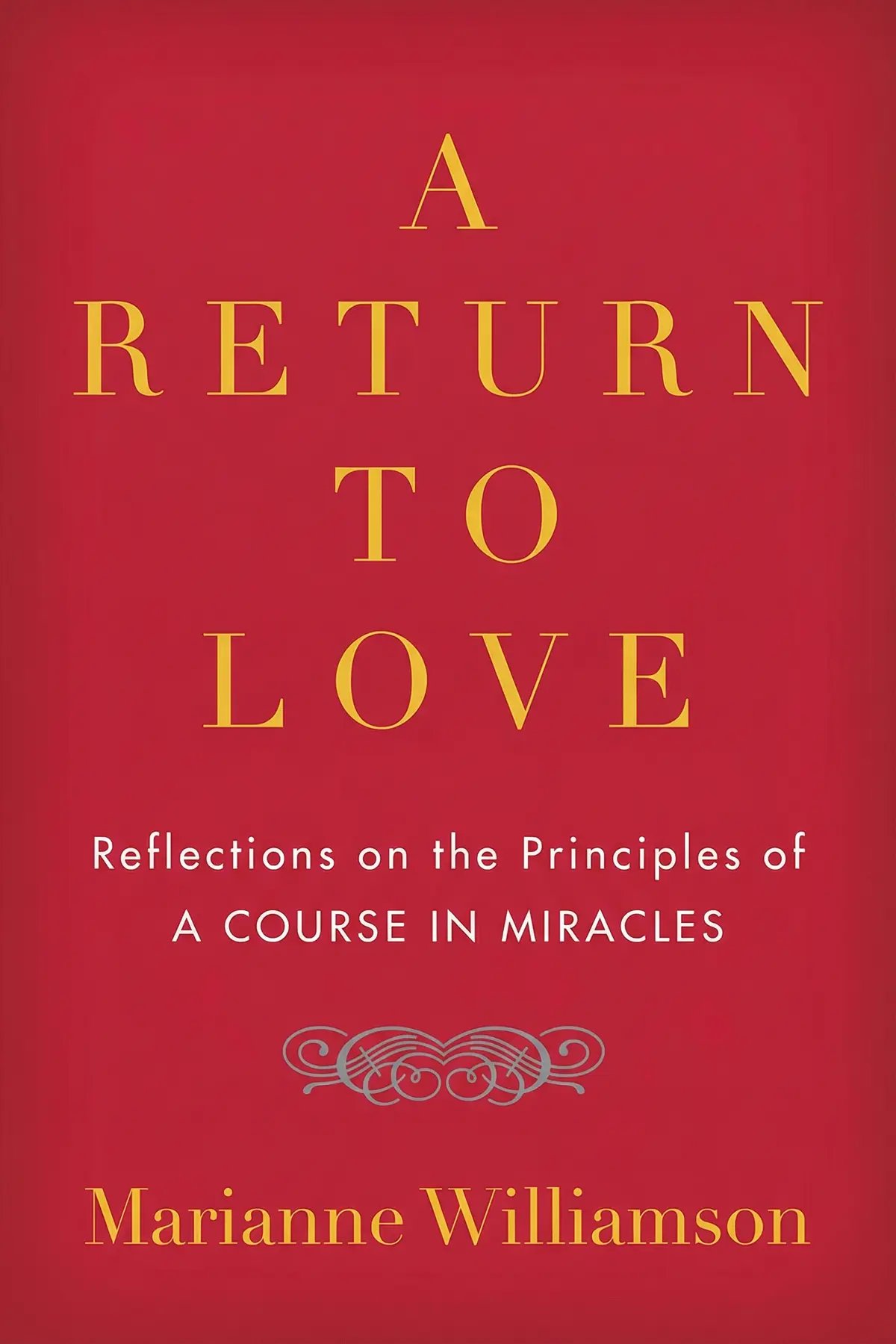
A Return to Love: Reflections on the Principles of a Course in Miracles
Marianne Williamson
Abundance: The Inner Path to Wealth
Deepak Chopra
Aflame: Learning from Silence
Pico Iyer
Alcoholics Anonymous
Alcoholics Anonymous World Services
AUDIO SUMMARY AVAILABLE
Listen to Purity and Danger in 15 minutes
Get the key ideas from Purity and Danger by Mary Douglas, plus 5,000+ more titles in English and Thai.
- 5,000+ titles
- Listen as much as you want
- 7-day free trial
- Cancel anytime







