
A New Earth: Awakening to Your Life’s Purpose
Eckhart Tolle
A profound literary and theological exploration of the first book of the Bible, examining how its narratives of creation, mercy, and human fallibility shape our understanding of the divine and the human condition.
1 min 43 sec
When we approach the Book of Genesis, we often bring with us a lifetime of assumptions. Whether you see it as a literal historical account, a collection of myths, or a strict religious manual, it is a text that has fundamentally shaped the architecture of Western thought. But what happens if we step back and look at it through a different lens? What if we approach these ancient scrolls not just as theology, but as high-level literary art?
In this exploration of Marilynne Robinson’s insights, we are invited to see Genesis as a work of deliberate genius. The foundational book of the Bible is far more than a simple assembly of stories; it is a meticulously woven narrative that uses the power of language to explore the most profound questions of existence. By acknowledging that human hands—the hands of poets, scholars, and storytellers—shaped these verses over generations, we don’t lose the sacred. Instead, we find a new kind of richness. We begin to see how the authors of Genesis were not just chroniclers, but artists who embedded their understanding of the divine within a structure that is as complex and resonant as the universe itself.
Over the next several sections, we will journey through the familiar tales of creation, the first family, and the early patriarchs. Along the way, we’ll discover how this text breaks away from the violent myths of its neighbors, how it presents a God whose mercy often outweighs His wrath, and how it serves as a enduring meditation on the presence of evil and suffering. This is an invitation to witness the virtuosity of Genesis, finding within its chapters a masterpiece of storytelling that continues to offer spiritual and intellectual rewards to those who read it closely.
2 min 28 sec
Discover why recognizing the human hands behind sacred scripture doesn’t weaken its power, but actually highlights the profound intention of the community that preserved it.
2 min 50 sec
While neighboring cultures told stories of cosmic wars and violent origins, Genesis introduced a world born of calm intention and inherent goodness.
2 min 47 sec
Examine the story of the first murder and discover a God who, surprisingly, chooses to protect the guilty rather than enact immediate retribution.
2 min 56 sec
Explore the Tower of Babel not as a tale of angry punishment, but as a story of a protective God who slows us down for our own benefit.
2 min 49 sec
Genesis doesn’t offer easy answers to the problem of evil, but instead provides a profound meditation on how grace persists even through our deepest trials.
1 min 20 sec
As we conclude this journey through the Book of Genesis, we are left with a vision of a text that is as much an artistic masterpiece as it is a spiritual foundation. We’ve seen how the authors used the precision of language to create a world that is orderly and fundamentally good, standing in stark contrast to the chaotic myths of the ancient world. We’ve explored the scandalous nature of a divine mercy that protects even the most guilty, and the protective grace of a God who sets limits on our potentially destructive ambitions.
More than anything, Genesis reminds us that the human story is one of constant wrestling—wrestling with our flaws, our suffering, and our relationship with the infinite. It tells us that being made in the divine image is both a glorious gift and a heavy responsibility. Through the lens of Marilynne Robinson, we see that the ancient stories of Adam, Cain, Noah, and Abraham are not just relics of the past; they are living mirrors of our own lives. They remind us that while the world is full of brokenness, it is also a place where grace is always at work, often in the most unexpected ways. By engaging with these narratives as high literature, we open ourselves up to a deeper, more resilient faith—one that acknowledges the darkness but never loses sight of the Light that spoke the world into being.
This exploration of the Book of Genesis moves beyond traditional religious dogma to treat the text as a masterful piece of literature. By examining the stories of the patriarchs, the creation of the world, and the early history of humanity, the summary unveils a portrait of a God characterized more by mercy than by vengeance. It delves into the intentionality behind the writing, suggesting that the human hands that shaped these stories did not diminish their sacredness but rather gave them the depth and resonance needed to endure for millennia. Readers are invited to see Genesis not just as a historical or theological document, but as a sophisticated meditation on the complexities of existence. The narrative promise is a deeper appreciation for how language can house the infinite, and how the ancient struggles of figures like Cain, Noah, and Abraham reflect the enduring tensions of our own lives. It bridges the gap between literary analysis and spiritual inquiry, offering a fresh perspective on a foundational text of Western civilization.
Marilynne Robinson is an acclaimed American author and essayist, best known for her Pulitzer Prize-winning novel Gilead and her profound explorations of faith, morality, and the human condition. She has also been a significant voice in contemporary literature through her thoughtful essays on religion, culture, and politics.
Listeners find the work deeply perceptive, with one pointing out how context shapes the core message, and they value its modern examination of impactful narratives and intellectually stimulating material. The prose style sparks varied opinions; while several listeners characterize it as awful, others describe it as interesting. Pacing and ease of reading are also points of contention, with some viewing it as an excellent choice while others find it extremely challenging, and one listener highlighting that it contains hundreds of archaic and little-used words.
Marilynne Robinson writes with the kind of luminous intensity that demands your full attention. This isn't a textbook; it’s a deep, philosophical dive into the heart of Providence and human fallibility. I was particularly struck by her analysis of how the narrative shifts from the cosmic scale of creation to the intimate, messy lives of the patriarchs. Her prose is undeniably dense, often requiring a second or third pass to truly grasp the weight of her arguments. Some might find her dismissal of modern biblical criticism frustrating, but her focus remains strictly on the internal coherence of the text itself. It’s a rewarding experience if you’re willing to sit with the complexity of her thought. To see the 'standing back' of God as an act of grace rather than distance changed how I view these stories.
Show moreEver wonder how a Pulitzer-winning novelist tackles the oldest stories in the Western canon? Robinson approaches Genesis not as a historian, but as a master storyteller investigating the mystery of the human condition. Her focus on the 'remarkable realism' of the biblical characters—who are often petty, jealous, and flawed—is where the book truly shines. She argues that God’s loyalty isn't dependent on human virtue, a perspective that feels both ancient and radically fresh. I did struggle with the pacing, as the first half feels a bit repetitive when comparing Hebrew and Babylonian myths. Still, the second half, which focuses on the family dramas of the patriarchs, is absolutely stunning in its emotional depth. It’s a challenging, erudite piece of work that requires patience but pays off in profound ways for the attentive reader.
Show moreRobinson’s meditation on theodicy is perhaps the most moving thing I’ve read this year. She treats the Bible not just as a primary text, but as a deliberate work of theology that addresses the problem of evil with startling honesty. The grace she finds in the story of Joseph’s forgiveness of his brothers brought tears to my eyes. It is rare to find a writer who can blend such high-level intellectual rigor with such profound emotional resonance. Yes, the language is archaic and the reasoning is condensed, but that only adds to the sense that you are engaging with something timeless. She captures the 'burst of light' at the beginning of creation and the 'homesick old man' at the end with equal beauty. This book is a gift to anyone who still finds mystery in the sacred.
Show moreFinally finished this masterpiece and I'm left feeling completely reoriented toward the text of Genesis. Robinson’s ability to find the 'marrow-deep' meaning in the lives of the patriarchs is nothing short of miraculous. She avoids the trap of making these figures into demigods, instead showing them as deeply flawed people through whom God works in mysterious ways. I especially loved the section on the 'standing back' of God, which she frames as an act of allowing human freedom. The pacing is a bit uneven, and the lack of an index is a minor crime, but the sheer beauty of her prose makes up for it. It feels like a long, winding conversation with a very brilliant, very faithful friend. If you’re willing to do the work, the rewards are immense.
Show moreAs a longtime fan of the Gilead series, I expected something profound, and Robinson certainly delivers on that front. Her theological insights are deeply rooted in a Calvinist tradition that emphasizes grace over merit, which she illustrates beautifully through the lives of Jacob and Joseph. However, I must admit the reading experience was occasionally marred by a lack of formal structure and a heavy reliance on archaic vocabulary. It feels more like a collection of brilliant, wandering sermons than a cohesive scholarly work. The way she uses the King James Version provides a certain poetic weight, though it adds another layer of difficulty for the casual reader. Frankly, the book is quite demanding, but the way she frames Genesis as a theodicy is incredibly thought-provoking. If you enjoy slow, meditative reading, this is a treasure.
Show morePicked this up for a book club, and while we spent half the time debating the definitions of her words, the insights were worth the effort. Robinson has a unique way of making the ancient text feel immediate and vital to our contemporary understanding of evil and goodness. The contrast she draws between the biblical God and the whimsical deities of Mesopotamian myth is particularly enlightening. It helps to have a Bible open next to you, specifically the KJV, as she references it constantly without much hand-holding. There were times when the lack of clear chapters made me want to put it down, but then I'd hit a sentence of pure gold. It’s a heavy lift, no doubt about that. But for anyone interested in the intersection of literature and faith, it’s a must-read.
Show moreThe way Robinson contrasts Hebrew scripture with the Enuma Elish provides a fascinating contemporary lens on ancient theology. She highlights how the Bible elevates the status of humanity in a way that was totally unique for its time. I loved her exploration of human agency and how our 'fallen' nature interacts with a divine providence that we can’t fully comprehend. The writing is elegant, though I agree with other reviewers that it can be a bit 'wordy' and difficult to parse on a first read. There’s a certain smugness to the tone that might rub some readers the wrong way, but I chose to see it as deep conviction. It’s a slow-burn analysis that stays with you long after you’ve closed the cover. Definitely one of the more thought-provoking books on my shelf.
Show moreThis was a slog. I really wanted to love it because I admire Robinson’s fiction, but the lack of structure here is genuinely discouraging. She jumps from one patriarch to another without much signposting, making it hard to follow the thread of her argument. What’s worse is the total dismissal of historical-critical scholarship; she treats the text as a unified whole in a way that feels a bit intellectually stubborn. While there are moments of brilliance regarding the psychological depth of Rebekah and Hagar, they are buried under pages of dense, opaque prose. It feels like she’s preaching to the choir rather than engaging with the broader world of biblical studies. Truth is, I left this book feeling more confused about her specific interpretations than enlightened by the scripture itself.
Show moreTo be fair, I think you need to be a specific kind of reader to enjoy this. If you’re looking for a conventional commentary with historical dates and archeological evidence, you’re in the wrong place. This is Robinson’s personal, deeply felt interaction with scripture, and it’s heavily colored by her specific Calvinist leanings. I appreciated her insights into the 'economics of grace,' but I found her habit of using the New Testament to explain Genesis to be historically jarring. The structure is quite messy, which makes it difficult to use as a reference tool. It’s more of a book you have to read straight through, even when the sentences get long and the vocabulary gets obscure. It’s insightful in patches, but the overall experience was a bit too idiosyncratic for my taste.
Show moreThe vocabulary here is needlessly dense. I found the tone to be quite pretentious, as if Robinson is intentionally trying to exclude anyone who hasn't spent decades steeped in Reformed theology. There are no footnotes, no index, and very little acknowledgement of the diverse sources that shaped the Pentateuch. It’s a very 'take it or leave it' kind of book that starts with its conclusions and works backward to find evidence. While her prose is sophisticated, it often borders on the opaque, making simple concepts feel unnecessarily complicated. If you already agree with her worldview, you’ll probably find this brilliant. For those of us looking for a more balanced or scholarly investigation of Genesis, it’s a major disappointment. It felt like a collection of loose reflections rather than a serious study.
Show moreEckhart Tolle
Marianne Williamson
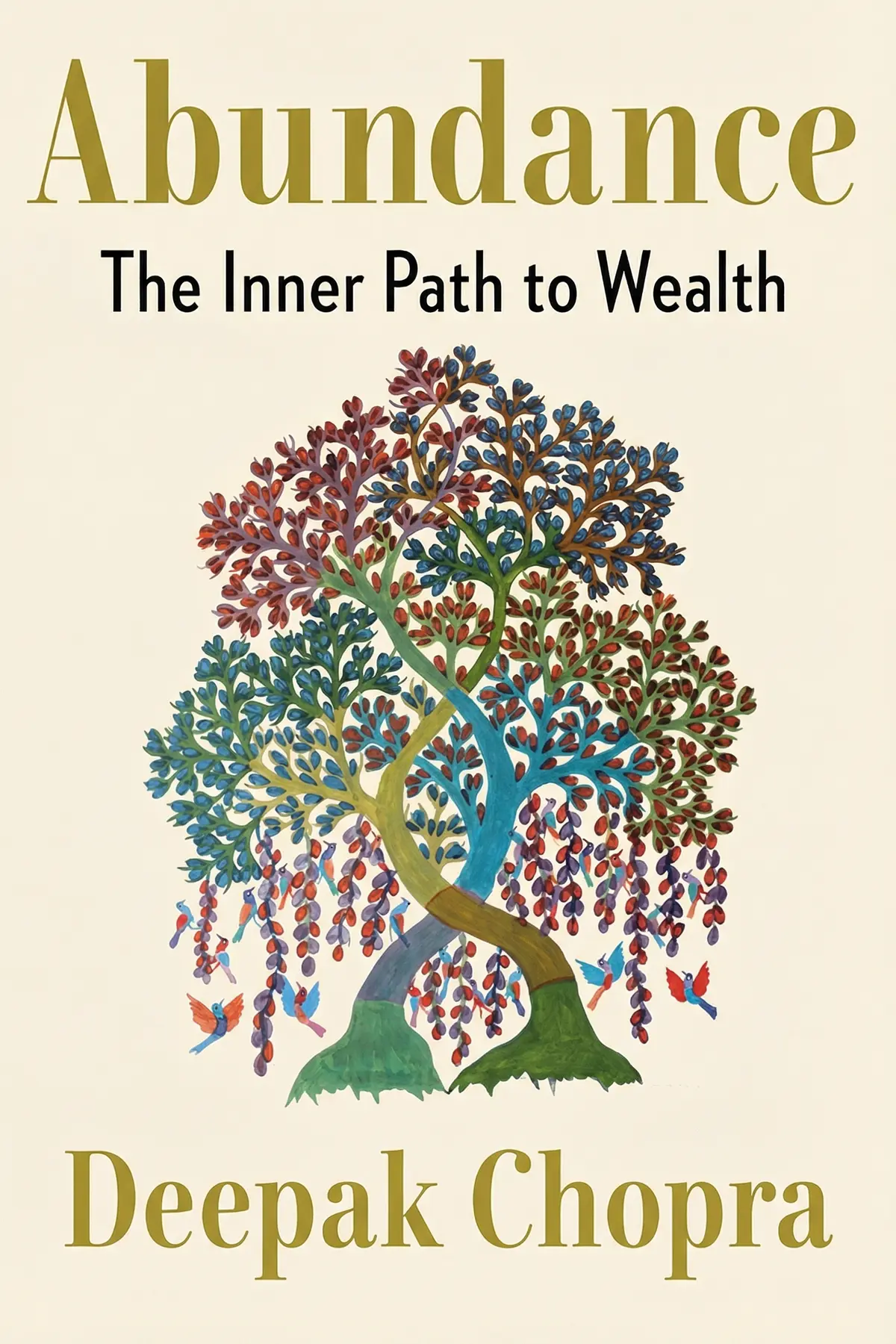
Deepak Chopra
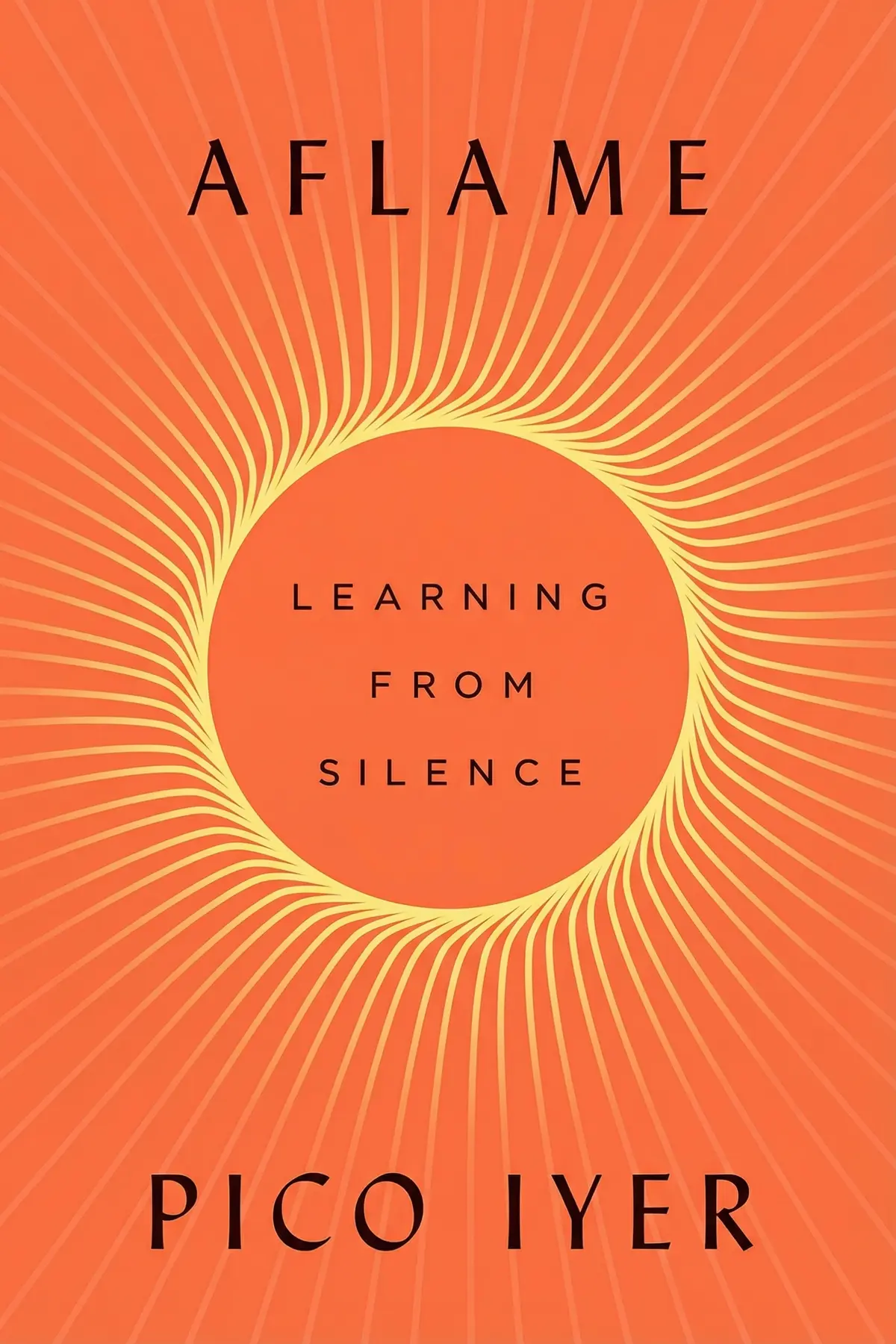
Pico Iyer
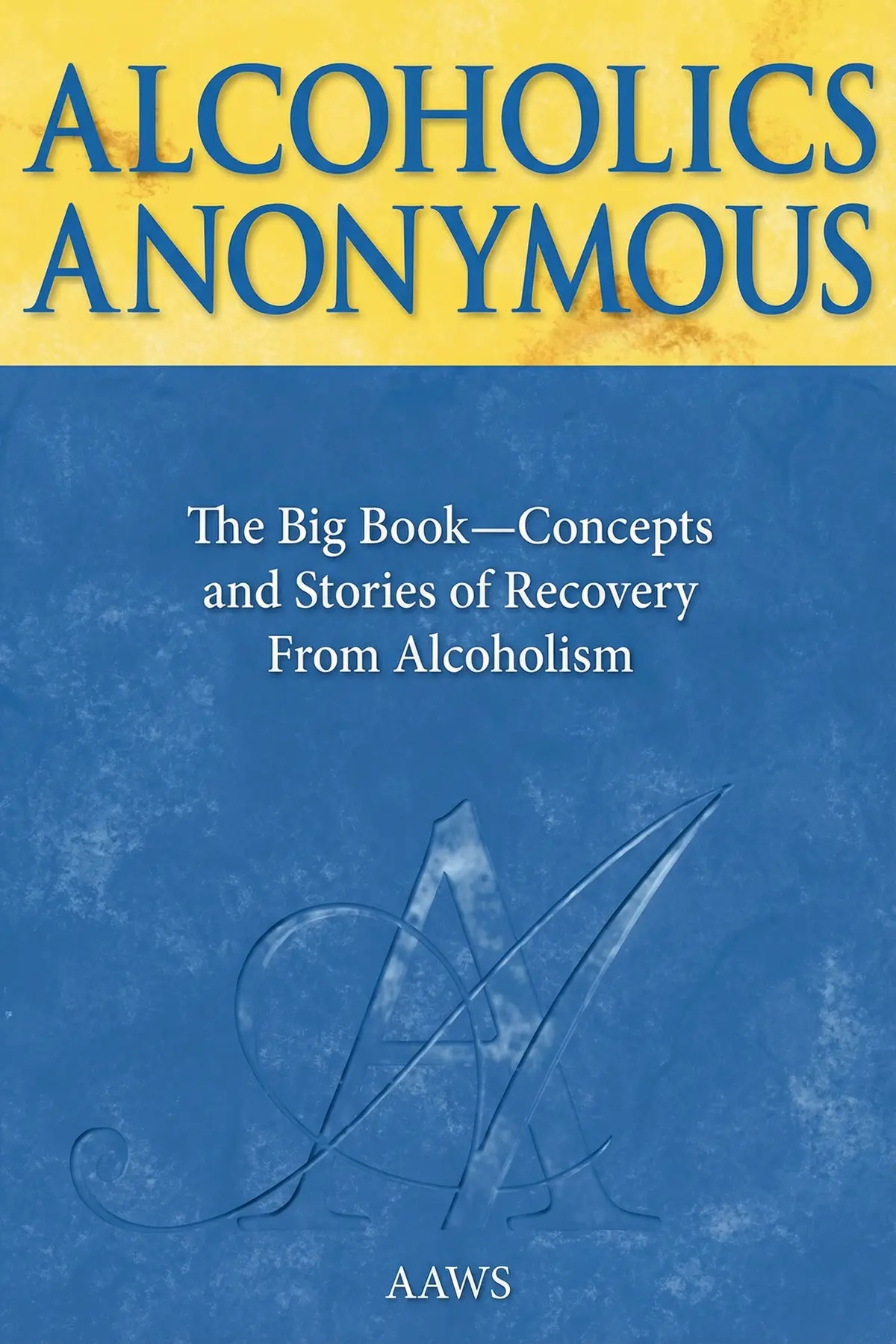
Alcoholics Anonymous World Services
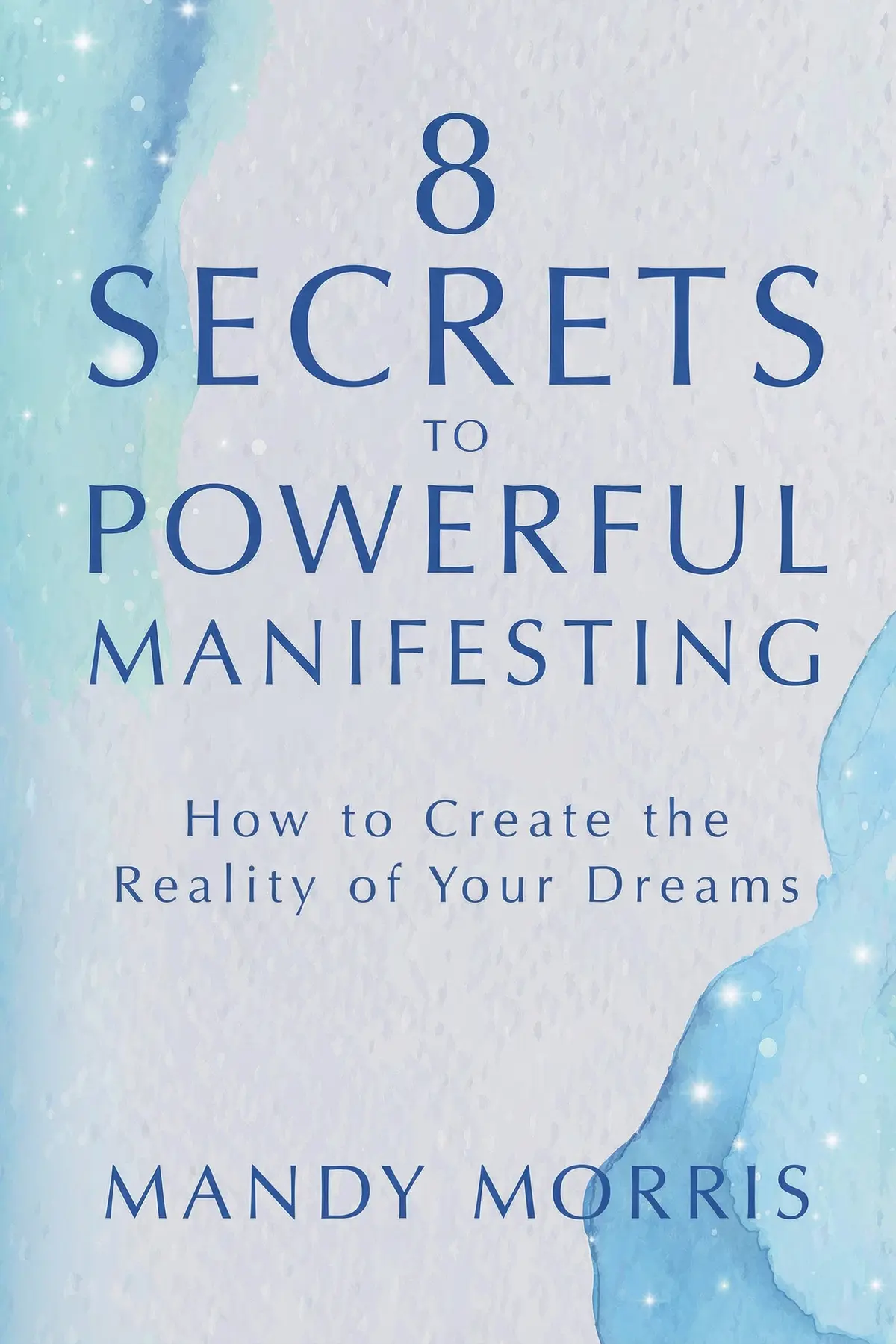
Daniel Goleman

Beth Moore
Paramahansa Yogananda
AUDIO SUMMARY AVAILABLE
Get the key ideas from Reading Genesis by Marilynne Robinson, plus 5,000+ more titles in English and Thai.







