
19 min 14 sec
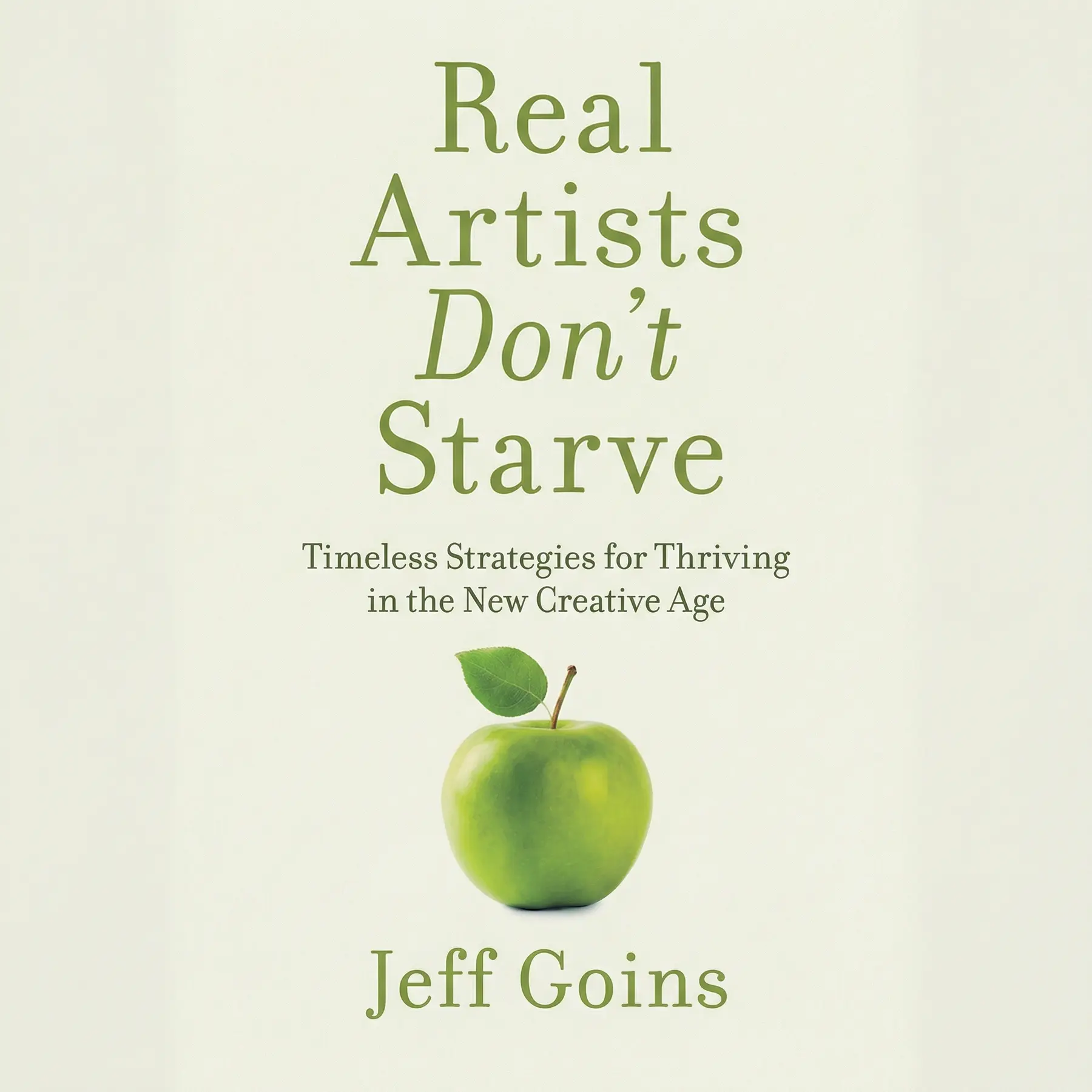
Real Artists Don’t Starve: Timeless Strategies for Thriving in the New Creative Age
By Jeff Goins
Real Artists Don’t Starve challenges the damaging myth of the destitute creative, offering a modern roadmap for artists to bridge the gap between their creative passion and financial prosperity through strategic business thinking.
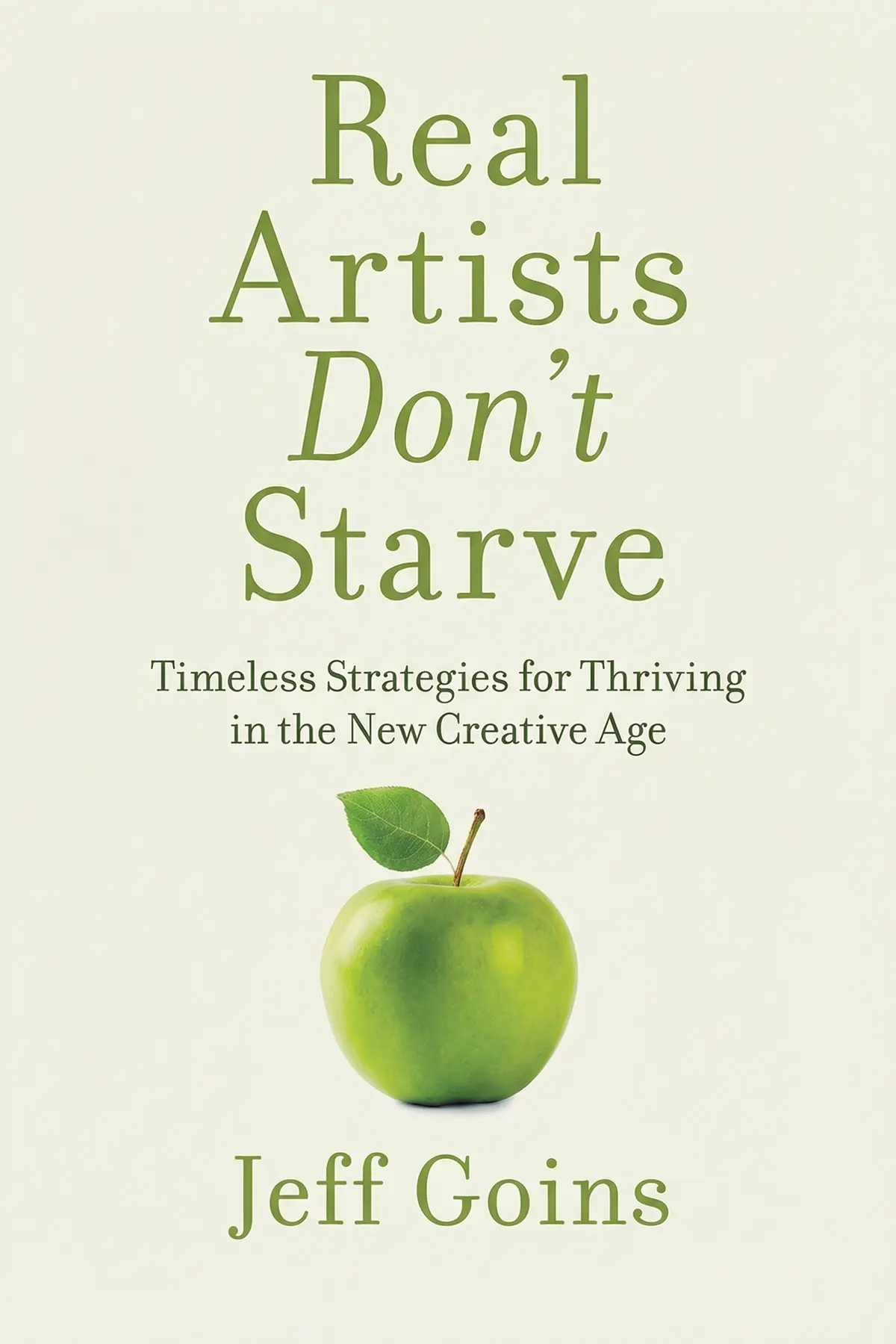
Table of Content
1. Introduction
1 min 58 sec
For generations, we have been told a specific story about what it means to be a creator. It is a story of suffering, of cold garrets, and of empty pockets. We call it the myth of the starving artist. This narrative suggests that if you are truly dedicated to your craft—if you are a real poet, a real painter, or a real musician—you must be willing to sacrifice your financial well-being for your work. We romanticize the struggle, believing that hunger somehow feeds the muse. But the truth is far less poetic. The reality of a life spent in constant financial anxiety is not a catalyst for genius; it is a grind that often stifles the very creativity it is supposed to protect.
In this exploration of Real Artists Don’t Starve, we are going to look at why this myth is not only false but actively harmful to anyone trying to make their mark on the world today. We are moving into an era where the old rules of the creative world are being rewritten. The gatekeepers are falling, and the tools for production and distribution are in the hands of the creators themselves. This means that the dream of thriving from your art is no longer a lottery ticket; it is a viable path for those who are willing to pair their creative vision with a bit of practical strategy.
Through this summary, we will follow a clear throughline: the difference between a starving artist and a thriving artist is not talent—it is mindset and methodology. We will look at how to move past the fallacy of the natural-born genius and embrace the discipline of the craft. We will see why solitude is often the enemy of progress and why community is its greatest ally. Most importantly, we will establish a new blueprint for the creative life, one where your art doesn’t just survive, but flourishes in a way that allows you to keep creating for years to come. It’s time to stop thinking about art as a hobby that costs you everything and start seeing it as a career that sustains you.
2. Dismantling the Myth of Natural Talent and Absolute Originality
2 min 42 sec
Discover why waiting for a lightning bolt of inspiration or a natural gift is a trap, and learn the secret to creative success through disciplined effort and strategic influence.
3. The Power of Stubbornness and the Necessity of Humility
2 min 38 sec
Success in the arts requires a paradoxical blend of two traits: the grit to ignore the critics and the openness to learn from the masters.
4. Creating in Community Instead of Isolation
2 min 39 sec
The image of the lonely genius in a basement is a romantic lie; learn why your best work will likely happen when you surround yourself with the right people.
5. Cultivating an Audience Through Public Practice
2 min 18 sec
In the digital age, marketing isn’t about selling out; it’s about inviting people into your process and building a community around your work.
6. Claiming Your Worth and Maintaining Ownership
2 min 35 sec
Learn the psychological shift required to stop working for ‘exposure’ and why protecting the rights to your work is the most important business decision you’ll make.
7. The Rise of the New Renaissance Artist
2 min 33 sec
Discover why the modern age favors the ‘Renaissance’ approach of being a multi-talented generalist and how to use money as a tool to fuel your creative freedom.
8. Conclusion
1 min 51 sec
As we wrap up this journey, the core message should be ringing clear: the days of the starving artist are over, provided you are willing to leave the old myths behind. We have seen that success in the creative world isn’t about waiting for a lightning strike of inspiration or being born into a lineage of geniuses. Instead, it is about the quiet, daily discipline of showing up, the humility to find a master to learn from, and the stubbornness to keep going after the hundredth rejection slip. It is about realizing that your best work won’t happen in a lonely vacuum, but in the vibrant, sometimes messy context of a community that pushes you to be better.
You now have a roadmap for how to bridge the gap between your passion and your profession. You’ve learned why it is essential to share your work early and often, building an audience through the act of practicing in public. You’ve seen the importance of valuing your own time and skill, refusing to work for ‘exposure’ and maintaining the rights to your own creations. And you’ve seen how the ‘New Renaissance’ rewards those who are brave enough to be more than just one thing.
The throughline of this entire discussion is that you have more power than you think. You don’t have to wait for a gatekeeper to give you permission to be an artist. You don’t have to suffer for your craft to be valid. The most ‘real’ thing an artist can do is to survive and thrive so they can continue to bring beauty and meaning into the world.
So, as you step back into your own creative practice, start by taking one small, professional step. Perhaps it’s finally calling yourself an artist on your business card, or reaching out to a potential mentor, or setting a price for the work you’ve been giving away. Stop romanticizing the struggle and start planning for your success. Your art is worth it, and the world is waiting to see what you create next when you are finally free from the burden of the starve.
About this book
What is this book about?
This book addresses one of the most persistent lies in our culture: the idea that true creativity must be accompanied by poverty. For centuries, we have romanticized the image of the suffering artist, believing that financial struggle is a prerequisite for authentic work. Jeff Goins deconstructs this misconception, showing that the most legendary artists in history were often savvy businesspeople who understood the value of their craft. Through a series of historical examples and modern case studies, the narrative explores how creators can move from a mindset of scarcity to one of abundance. It covers essential strategies like finding a mentor, collaborating within a creative community, and taking ownership of one’s work. The promise of the book is a shift in perspective that allows any creative—whether a writer, painter, or designer—to thrive in the contemporary economy by treating their art with the professional respect it deserves.
Book Information
About the Author
Jeff Goins
Jeff Goins is a former musician who transitioned into a successful writing career. Since then, his work has evolved into a thriving business focused on helping other creators turn their artistic dreams into reality. He is the author of several books, including the bestseller The Art of Work. Goins is also a sought-after speaker, sharing his insights on creativity and the professional life of artists through his keynote speeches and his website, goinswriter.com.
Ratings & Reviews
Ratings at a glance
What people think
Listeners consider this work an essential read for creators, noting its remarkable research and deep, reflective material. The book examines methods for thriving in artistic fields and destroys the starving artist cliché, all while offering concrete, practical guidance for the creative community. These listeners value the narrative style, which features numerous stimulating accounts of well-known figures, and describe the experience as both motivating and uplifting.
Top reviews
Kamol
This book completely shifted my perspective on what it means to be a professional creative in the modern world. Goins does a stellar job of dismantling the tired "starving artist" trope that has kept so many of us in a state of perpetual financial anxiety. I was particularly blown away by the historical research regarding Michelangelo's actual net worth, which apparently rivaled some of today's tech moguls. It makes you realize that being a "real artist" isn't about suffering for your craft in a cold attic; it's about being a savvy business person who values their own output. While some of the advice feels a bit broad, the mindset shift alone is worth the cover price. It’s an empowering read for anyone who is tired of feeling like they have to choose between their passion and a paycheck.
Show moreKung
Finally got around to reading this and I must say it’s a refreshing take on the creative economy. Goins argues that we are entering a New Renaissance where the barriers to entry are lower than ever before. I loved the section on finding your own "patron" or even becoming your own patron by maintaining a day job while you build your brand. It takes the pressure off the art to provide immediately, which actually allows for more creative freedom in the long run. Truth is, we’ve been fed a lie that commercial success somehow cheapens the work. This book annihilates that myth with precision and grace. It’s a must-read for anyone who wants to stop apologizing for wanting to make a living from their talents.
Show moreRin
I feel like I finally have permission to be successful. Jeff Goins has written a manifesto for the modern creative that is both inspiring and deeply practical. I’ve always felt guilty about charging for my work, like I was "selling out" or something equally ridiculous. This book helped me realize that charging for my art is actually a form of respect for the craft itself. The storytelling is top-notch, and I found myself highlighting almost every other page. It’s not just about the money; it’s about the freedom that comes with being a professional. If you are a creative who is tired of the "starving" narrative, you need this on your shelf immediately. It's empowering, well-written, and exactly what I needed to hear this year.
Show moreJoseph
Not what I expected from a business book, but it’s exactly what I needed. Goins manages to bridge the gap between touchy-feely self-help and hard-nosed business strategy better than most. I particularly appreciated the section on maintaining legal control of your work to ensure creative control. That’s a lesson many artists learn the hard way, so seeing it emphasized here was great. The writing style is chatty and accessible, making even the denser financial concepts easy to digest. Gotta say, the way he weaves together the lives of historical figures with modern-day success stories makes for a very compelling narrative. It’s the kind of book you’ll want to re-read every time you start a new project. Truly a fantastic resource for any serious artist.
Show moreBua
As someone who has spent years struggling to balance a legal career with my passion for acting, the story of the lawyer-turned-actress resonated deeply. I did notice the weird confusion regarding the actress's name—Tia Link versus Tia Ling—which made me question the editing a bit. Despite that minor hiccup, the core message of this book is incredibly solid and empowering. Goins emphasizes that you don't need anyone's permission to create, and that mindset change is vital for success. I appreciated the advice on diversifying skills; you can't just be a painter anymore, you have to be a marketer too. Some chapters felt a bit repetitive, and the Michelangelo case study was stretched a little thin across the entire book. Still, it’s a very thought-provoking read that encouraged me to take my side hustle much more seriously.
Show moreSomkid
The chapter on "Stealing from your Influences" was easily the highlight of the entire book for me. Hearing how Hunter S. Thompson literally typed out pages of classic literature just to feel the rhythm of great writing was fascinating. Goins does a great job of showing that even the "greats" didn't emerge fully formed from a vacuum. This book is a warm bath of positivity that helps you realize your work has intrinsic value. Personally, I think the section on money management is the most useful part for younger creatives. We aren't taught how to handle the business side in art school, so having it framed as a noble pursuit is helpful. It’s a quick read, but one that stays with you long after you close the cover. Not every strategy will work for every medium, but the general philosophy is sound.
Show moreChanon
Picked this up during a creative slump and it definitely provided the spark I was looking for. The idea that Michelangelo was actually one of the richest men of his time blew my mind. It totally reframes the history of art as we know it. I’ll admit, I don’t quite buy the "New Renaissance" argument as a universal truth because the current economy is pretty brutal. However, Goins provides enough solid actionable advice to make you feel like you have a fighting chance. The "practice in public" concept has already changed how I use social media for my portfolio. It’s no longer about waiting to be discovered, but about building a scene. A few parts felt like fluff, but the overall message is too important to ignore.
Show moreBun
After hearing so much hype about this title, I expected a roadmap, but what I got was more of a pep talk. To be fair, Goins is a gifted storyteller and his anecdotes about artists like Hunter S. Thompson are genuinely engaging. However, I struggled to find the "solid actionable advice" that the back cover promised to deliver. Much of the content felt like it was treading the same ground as Austin Kleon’s older books. The idea of "practicing in public" is great, but how does that translate for a novelist who needs to protect their intellectual property? I found the business sections a bit thin on the actual mechanics of taxes and contracts. It’s a decent motivational tool if you’re feeling stuck, but don’t expect a masterclass in art business management.
Show moreAkira
Ever wonder why we romanticize the image of the destitute poet? Goins attempts to answer that by deconstructing the "Bohemian" myth, though I think he oversimplifies the solution. While he correctly identifies that artists need to be business-minded, his examples are often quite extreme. Not everyone can transition from a major league baseball career into professional writing. The "day job" advice is practical, but it lacks the nuance needed for people working minimum wage jobs. Frankly, it feels like it was written for a specific class of professionals looking for a second act. It’s well-researched and the prose is snappy, but it feels a bit like self-help lite at times. I’d recommend it as a starting point, but you'll need other resources for the actual mechanics of a career.
Show moreLucia
Look, I really wanted to love this, but it felt like a collection of Wikipedia summaries wrapped in capitalist buzzwords. The author uses Jeff Bezos as an example of a "real artist," which feels like a massive stretch that undermines the entire premise. Most of the case studies are about wealthy white men who already had significant safety nets or careers in finance. As a freelance illustrator from a working-class background, I found the advice to "just charge more" to be incredibly out of touch with reality. He brushes over the concept of natural talent and systemic barriers as if they don't exist at all. There are a few nuggets of wisdom about not working in secret, but you have to dig through a lot of fluff. If you want actual substance, I would suggest sticking to books like "Grit" or "Drive."
Show moreFeatured in
Readers also enjoyed
A Room of One’s Own
Virginia Woolf
60 Seconds & You’re Hired!
Robin Ryan
Beethoven: A Life in Nine Pieces
Laura Tunbridge
AUDIO SUMMARY AVAILABLE
Listen to Real Artists Don’t Starve in 15 minutes
Get the key ideas from Real Artists Don’t Starve by Jeff Goins, plus 5,000+ more titles in English and Thai.
- 5,000+ titles
- Listen as much as you want
- 7-day free trial
- Cancel anytime







