
21 min 38 sec
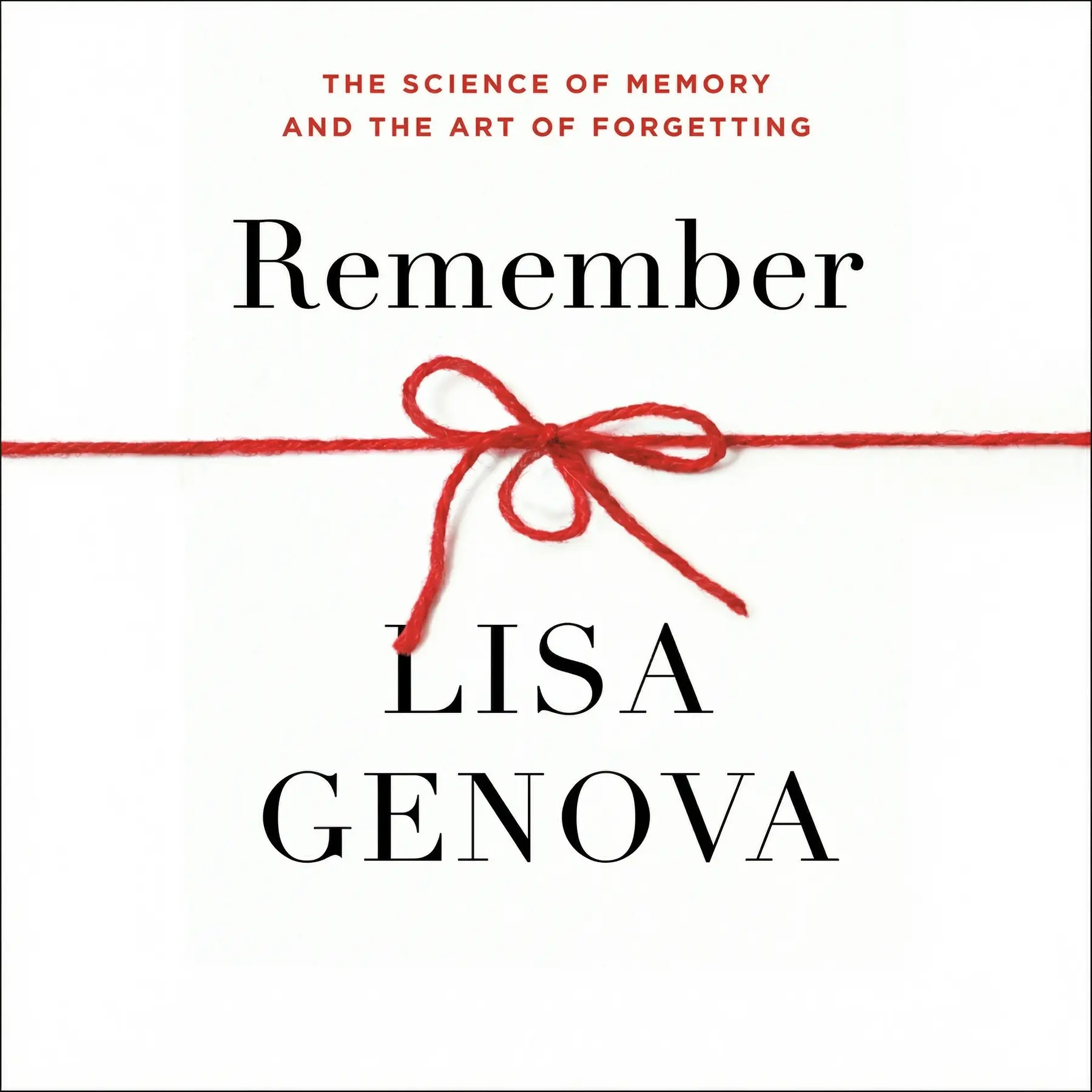
Remember: The Science of Memory and the Art of Forgetting
By Lisa Genova
Explore the fascinating intersection of neuroscience and daily life. This summary reveals why we forget, how memories are physically formed, and how to distinguish between normal aging and the signs of Alzheimer’s disease.
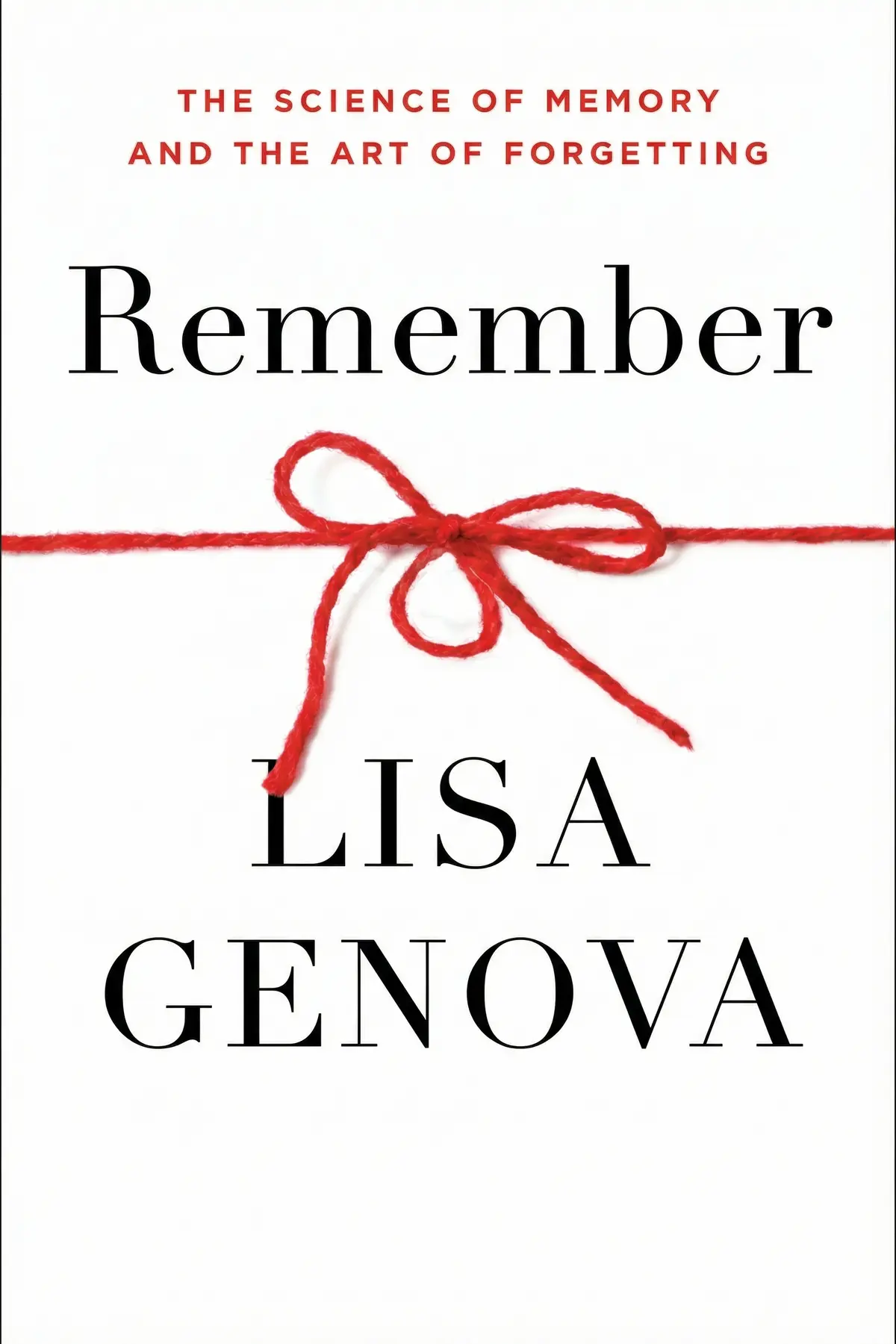
Table of Content
1. Introduction
1 min 32 sec
Every one of us has experienced that sinking feeling of a memory lapse. Perhaps you’re standing in your kitchen, staring at an open cupboard, wondering what you were looking for. Or maybe you’re in a conversation and find yourself unable to recall a common word, leaving a gaping hole in your sentence. For many, these small glitches aren’t just annoying; they are frightening. We worry that they are the first cracks in our mental foundation, signaling the onset of dementia or Alzheimer’s. But as we explore the insights of neuroscience, we begin to see a much more complex and, frankly, much more beautiful picture of how our brains actually work.
Our memory is a paradox. On one hand, it is incredibly powerful. You have likely memorized tens of thousands of words, the complex lyrics to songs you haven’t heard in years, and the vivid details of your childhood home. On the other hand, memory is frustratingly fragile. It can be swayed by suggestion, eroded by time, and disrupted by a simple lack of attention. The goal of this exploration is to pull back the curtain on these systems. We will look at how the brain takes raw sensory data and knits it into a lasting physical record. We’ll also see why forgetting is actually a sign of a healthy brain, and how we can use the science of the mind to live more fully. This isn’t just a manual on how to remember; it’s a guide to understanding the very essence of your identity and how your brain navigates the flow of time.
2. The Biological Foundation of Memory
2 min 06 sec
Discover how the brain transforms fleeting sensory experiences into lasting physical structures through the essential processes of encoding and consolidation.
3. The Unreliability of Lived Experience
1 min 59 sec
Explore why our most vivid and emotional memories are often factually incorrect, and why the act of remembering actually changes the past.
4. The Power of the Motor Cortex
1 min 54 sec
Learn about muscle memory, a unique system that bypasses the traditional memory centers to store physical skills through repetition.
5. The Vital Function of Forgetting
2 min 00 sec
Understand why the ability to let go of information is just as important as the ability to retain it for a healthy, functioning mind.
6. The Flaws of Prospective Memory
1 min 59 sec
Examine the inherent unreliability of remembering future intentions and why even experts like world-class musicians and surgeons fall victim to it.
7. The Mystery of the Tip-of-the-Tongue
2 min 10 sec
Investigate the cognitive glitches that cause us to forget common names and why meaningful associations are the key to long-term recall.
8. Distinguishing Aging from Alzheimer’s
2 min 00 sec
Understand the biological differences between normal age-related memory decline and the pathological changes caused by Alzheimer’s disease.
9. Building Cognitive Reserve
2 min 03 sec
Learn how a lifestyle of mental stimulation, social engagement, and proper rest can create a resilient brain that resists the symptoms of dementia.
10. Mnemonic Mastery and External Tools
2 min 17 sec
Master practical techniques for improving your memory and learn why embracing technology is a smart move for your long-term cognitive health.
11. Conclusion
1 min 38 sec
In our journey through the science of memory, we have seen that our minds are far from perfect recording devices. Instead, they are dynamic, creative, and physically tangible systems that are constantly being reshaped by our experiences. We have learned that memory is a process of encoding and consolidation, primarily handled by the hippocampus, but that our physical skills live in the motor cortex. We’ve discovered that forgetting is not a flaw but a feature—a necessary pruning process that allows us to focus on what truly matters. We’ve also confronted the reality that our episodic memories are more like stories we tell ourselves than factual transcripts of the past.
Most importantly, we have learned that we are not helpless in the face of time and aging. By building cognitive reserve through lifelong learning and social connection, prioritizing sleep, and managing chronic stress, we can build a brain that is resilient against decline. As an actionable final step, consider adopting the MIND diet. This scientific fusion of the Mediterranean and DASH diets focuses on berries, leafy greens, nuts, and fish, and has been shown to significantly reduce the risk of Alzheimer’s. Ultimately, understanding your memory is about more than just avoiding lost keys; it’s about appreciating the incredible biological machinery that allows you to experience, learn, and grow. Your memory, with all its quirks and inconsistencies, is the very fabric of your life. Treat it with care, use the tools at your disposal, and don’t be afraid to let the trivial things fade away.
About this book
What is this book about?
Have you ever walked into a room only to forget why you went there? Or struggled to recall the name of a famous actor that is right on the tip of your tongue? These moments can be frustrating, but they are actually a natural part of how the human brain functions. This guide delves into the intricate machinery of our memory systems, explaining the biological processes of encoding, consolidation, and retrieval. Through the lens of modern neuroscience, you will learn that memory is not a video recording of the past, but a reconstructive process that is prone to errors and changes. We will explore the different types of memory—from the facts we study to the physical skills we master—and understand why forgetting is not just a failure, but a necessary biological function. By understanding the roles of the hippocampus and the motor cortex, you can learn to leverage your brain's strengths while accepting its inherent flaws. Ultimately, this journey offers practical strategies for maintaining cognitive health, reducing the risk of decline, and coming to terms with the art of forgetting.
Book Information
About the Author
Lisa Genova
Lisa Genova is a Harvard-trained neuroscientist who has gained international acclaim for her ability to humanize complex neurological conditions. She is the author of several best-selling novels that explore the intricacies of the human brain, including the celebrated Still Alice. This novel was later adapted into an Academy Award-winning film starring Julianne Moore, further cementing Genova's reputation as a bridge between scientific research and compassionate storytelling.
Ratings & Reviews
Ratings at a glance
What people think
Listeners find this work beneficial for its accessible details regarding memory and brain activity, making complicated topics easy to grasp. Furthermore, the prose is charming and lively, and listeners value the thorough scientific evidence and research included. The material is also simple to digest and listeners find the learning experience captivating, with one listener mentioning how well it clarifies the gap between everyday memory lapses and Alzheimer's.
Top reviews
Sakura
This book is a breath of fresh air for anyone who has ever panicked after forgetting a name or where they parked their car. Lisa Genova manages to bridge the gap between hard neuroscience and relatable storytelling perfectly, making complex brain functions feel understandable. I’ve always enjoyed her fiction, but her ability to explain the hippocampus and memory consolidation in a non-fiction format is just as impressive. The distinction she makes between normal forgetting and the red flags of Alzheimer’s provided me with so much relief. It’s fascinating to learn that our brains aren’t actually video cameras. Instead, we are constantly editing our own histories every time we tell a story. This is a must-read for anyone who wants to understand how to protect their brain health without the dry, clinical tone of a textbook.
Show moreSven
As someone who has watched a family member struggle with dementia, I went into this book with a heavy heart and a lot of anxiety. Lisa Genova handles the subject with incredible compassion and expertise, explaining the science of Alzheimer’s in a way that feels hopeful rather than terrifying. She reminds us that while we might lose our data, we don't necessarily lose our ability to feel love and connection. The chapters on the importance of sleep and learning new things as a way to build cognitive reserve were particularly motivating. Sentence for sentence, it's one of the most engaging science books I've ever read. It’s not just about what we lose; it’s about how we can optimize what we have. I’ve already started implementing her suggestions for better sleep hygiene, and I’m recommending this to everyone I know.
Show moreGung
Wow. I didn't think a book about brain science could be this entertaining. Lisa Genova uses humor and personal anecdotes—like the jellyfish incident—to illustrate how our brains prioritize emotional or high-stakes information over the mundane. It’s a brilliant look at the mechanics of why some things stick and others don’t. I loved the section on "muscle memory" and how it differs from the type of memory used for facts and dates. The writing is incredibly clear, and she has a way of making you feel like a genius for understanding complex biological processes. It’s an empowering read that makes you want to take better care of your brain. Plus, her advice on how to actually study and retain information is something every student should read. Truly an excellent piece of non-fiction.
Show moreMo
After finishing this, I immediately felt a weight lift off my shoulders. As a lifelong fan of Genova's work, I knew she could write with empathy, but I was surprised by how effectively she teaches. She manages to make topics like synaptic plasticity and amyloid plaques feel as engaging as a thriller novel. The way she structures the book into three logical parts—how we remember, why we forget, and how to improve—makes the information very easy to digest and refer back to later. Her compassion for the human experience shines through every page, especially when she talks about her grandmother. It’s a beautiful blend of science and soul. If you’ve ever worried about your brain, just read this. You’ll feel better, and you’ll definitely learn something new.
Show morePat
Ever wonder why you can recite every lyric to a 90s pop song but can’t remember why you walked into the kitchen three seconds ago? Genova breaks down exactly why this happens, emphasizing that attention is the key ingredient we often skip. To be fair, the science is very accessible, and I appreciated the practical tips on how sleep and stress impact our ability to retain information. My only real gripe was the occasional name-dropping of her famous friends, which felt a bit unnecessary for a science book. However, the explanation of the "penny test" and why we forget mundane details was eye-opening. It turns out my brain isn't broken; I'm just not paying enough attention to where I put my keys. I finished this feeling much more empowered and significantly less worried about my own occasional lapses.
Show moreDavid
Picked this up because I’ve loved Lisa Genova’s novels for years, and I was curious to see how she handled a straight-up science book. The prose is conversational and light, which makes the neurological concepts go down easy. I particularly enjoyed the section on episodic memory and how our "re-collecting" of events is often a flawed reconstruction rather than a perfect playback. It’s a relatively short read, but it’s packed with insights about how sleep clears out the metabolic waste that can lead to dementia. Frankly, some of the advice felt a little like common sense, but having the scientific backing to explain why we should stop multitasking was helpful. It's a solid 4-star read that offers a lot of comfort to those of us entering our middle-age years.
Show moreGioia
The chapter on the role of attention changed my perspective on my own "absent-mindedness" almost overnight. Look, I’ve spent years thinking I had a terrible memory, but Genova explains that you can’t remember what you never actually perceived in the first place. If you don't pay attention, the memory never moves from your sensory input to your hippocampus. Simple, right? Yet, it’s a total game-changer for how I go about my day. I also liked the bit about how Google isn't actually making us stupid; it's just a different way of storing information. The book is very encouraging and takes the stigma out of the "tip-of-the-tongue" moments we all experience. It’s a quick read with a lot of heart, and Genova’s voice is as warm and inviting as it is in her fiction.
Show moreCooper
Finally got around to reading this after hearing Lisa Genova on a podcast, and I’m glad I did. The truth is, I’ve been terrified that my frequent "senior moments" were the start of something more serious. This book explains that forgetting where you parked is normal, but forgetting what a car is for is a different story. That distinction alone was worth the price of the book. I found the science of how we edit our memories through the act of retrieval to be the most fascinating part. Every time we pull a memory out, we change it based on our current feelings. It’s a wild thought! I’m giving it four stars instead of five because some of the self-help sections felt a bit generic, but the core science is absolutely top-notch.
Show moreGoy
Not what I expected in terms of depth, though it certainly has its moments of brilliance. Personally, I felt it oversimplified certain conditions like ADHD, grouping almost everything that isn't Alzheimer's into the category of "normal forgetting." While I understand she’s writing for a general audience, I wanted a bit more meat on the bones regarding other types of memory impairment. The writing is very much in the style of a TED talk—engaging and punchy, but sometimes a bit repetitive. That being said, her explanation of how we create "prospective memories" for future tasks was quite interesting. It’s a good introductory book for someone who knows nothing about how the brain works. If you’re looking for a deep academic dive, you might find this a little too light, but for a casual reader, it serves its purpose well enough.
Show moreRoongsak
To be fair, I think my expectations were just too high because I loved Still Alice so much. This felt less like a book and more like a collection of blog posts or a transcript of a lecture series. I found the tone to be a bit condescending at times, as if the author assumed the reader couldn't handle any real complexity without a silly joke to break it up. Also, the constant references to her own life and celebrity encounters started to grate on me after a while. I wanted more case studies and hard data and less about her personal opinions on movies like A Star is Born. It’s an okay primer if you want the very basics, but it didn't offer the deep insight into the human condition I was hoping for.
Show moreReaders also enjoyed
Acting with Power: Why We Are More Powerful Than We Believe
Deborah Gruenfeld
Alien Earths: The New Science of Planet Hunting in the Cosmos
Lisa Kaltenegger
Age of Propaganda: The Everyday Use and Abuse of Persuasion
Anthony Pratkanis
AUDIO SUMMARY AVAILABLE
Listen to Remember in 15 minutes
Get the key ideas from Remember by Lisa Genova, plus 5,000+ more titles in English and Thai.
- 5,000+ titles
- Listen as much as you want
- 7-day free trial
- Cancel anytime







