
A Room of One’s Own
Virginia Woolf
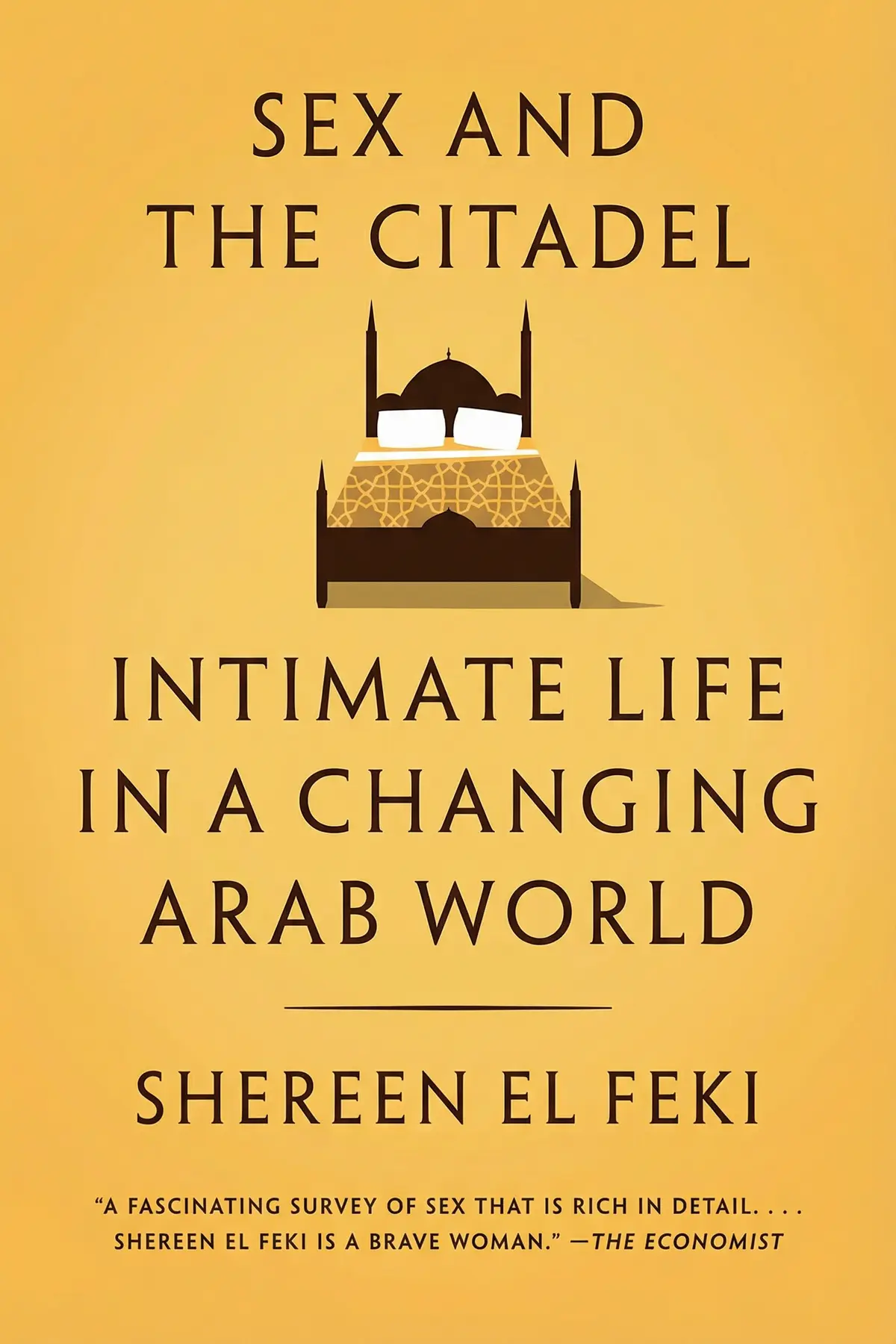
A deep exploration of intimacy and tradition in the Middle East, uncovering how history, politics, and religion shape the private lives of individuals across a rapidly changing Arab landscape.
1 min 42 sec
When many people in the West look toward the Arab world, they see a region defined by strict morality, religious conservatism, and a seemingly total repression of the sensual. It is easy to view these societies as static, unchanging citadels of tradition where the private lives of men and women are governed by an unwavering set of ancient rules. But if we peel back the layers of history and look past the public facades, we find a story that is far more vibrant, complicated, and surprisingly paradoxical.
The title of this exploration refers to the ‘Citadel,’ a metaphor for the private, guarded spaces where the most intimate aspects of life are negotiated. To understand the modern state of intimacy in these regions, we must recognize that the current atmosphere of restriction is not an eternal truth of the culture. Rather, it is the result of a long historical arc that saw a once-liberated society turn inward.
Over the course of this journey, we will explore the roots of this shift, from the arrival of European powers to the rise of modern political movements. We will see how these macro-level changes trickle down into the most personal corners of life: the doctor’s office, the marriage contract, the movie screen, and the family home. By looking at the challenges faced by ordinary people—from women seeking to prove their virtue to men living double lives—we gain a clearer picture of a society in the midst of a profound and often painful transformation. Ultimately, this isn’t just a story about sex; it’s a story about human rights, cultural identity, and the enduring search for connection in a world that is constantly shifting beneath one’s feet.
2 min 22 sec
Discover how the Arab world moved from a period of celebrated sexual freedom to a culture of deep repression following the psychological impact of Western colonization.
2 min 16 sec
Explore the hidden consequences of a culture that lacks formal sex education, where silence and shame often lead to widespread dissatisfaction in the most intimate of settings.
2 min 06 sec
Examine the high stakes and drastic measures surrounding the cult of virginity, where a woman’s social worth is often tied to a single physical marker.
2 min 10 sec
Follow the transformation of the Arab film industry from a golden age of sensuality to a modern era of ‘clean cinema’ and strict governmental oversight.
2 min 07 sec
Uncover how ancient marriage traditions are being repurposed in modern Egypt to create legal covers for sex work and short-term unions.
2 min 21 sec
Learn about the linguistic and social hurdles faced by the LGBT community in the Arab world, and how some individuals find ways to navigate a culture that refuses to acknowledge them.
2 min 11 sec
Examine how meaningful change can be fostered in the Arab world by supporting local grassroots organizations instead of imposing external Western standards.
1 min 38 sec
The journey through the private lives of the Arab world reveals a society that is far from the monolithic, repressed image often portrayed in global media. What we have seen is a region in the grip of a complex historical transition—one where the ghost of a liberated past haunts the restrictive present. The ‘Citadel’ of intimacy is not just a place of defense; it is a space of negotiation, survival, and quiet resistance.
From the filmmakers battling censors to the doctors trying to educate their patients, and from the women navigating the myth of virginity to the men balancing double lives, the human spirit continues to seek connection despite the walls built around it. The main takeaway is that change is possible because it has happened before. The current wave of religious and social conservatism is a relatively modern phenomenon, a reaction to historical trauma rather than a permanent state of being.
As the world moves forward, the focus must remain on the agency of individuals within these cultures. Real progress will come when people are empowered to speak their own truths and define their own identities. The path to a new era of openness lies in rediscovering the intellectual and sensual heritage that once made this region a beacon of civilization.
For those of us watching from the outside, the most actionable step we can take is to listen and learn. By moving past our own stereotypes and supporting the local voices that are already doing the hard work of reform, we contribute to a future where the Citadel’s gates might once again open to a world of shared understanding and mutual respect. The conversation has started; the goal now is to ensure it never falls silent again.
This narrative takes you behind the closed doors of the Arab world to explore the complex realities of sex, love, and gender. While Western perceptions often paint these societies as monolithically repressed, the reality is a far more intricate tapestry of history and adaptation. The book examines how a once-liberated culture shifted toward restriction following colonization and how modern individuals navigate these strict social boundaries today. From the medicalization of virginity to the legal loopholes of temporary marriages, the text reveals the creative and sometimes desperate ways people reconcile their private desires with public expectations. It offers a promise of understanding the 'Citadel'—the private inner sanctum of Arab life—and suggests a path toward a future where sexual education and individual rights might once again flourish without losing their cultural identity.
Shereen El Feki is an acclaimed journalist whose insightful reporting has been featured in prominent publications like the Economist and the Huffington Post. Based in both Cairo and London, she brings a unique cross-cultural perspective to her work. Sex and the Citadel marks her debut as an author, establishing her as a vital voice in the conversation regarding social change and personal freedom in the modern Muslim world.
Listeners find this work exceptionally well-documented and essential reading, full of distinctive perspectives and fascinating stories. The prose is clever, and listeners enjoy the humor woven into the author's examples. They describe it as a necessary, empathetic, and absorbing read, with one listener mentioning how the text enlightened their view of the Middle East and Islam.
Ever wonder what really happens behind closed bedroom doors in cultures often portrayed as monolithically conservative? Shereen El Feki delivers a masterpiece of compassionate journalism that completely shattered my preconceptions about Islam and intimacy. The way she weaves together her personal journey of self-discovery with rigorous sociological fieldwork is nothing short of brilliant. I particularly loved the sections discussing the "fifty shades of grey" within Islamic jurisprudence—it proves that the religion is far more nuanced and flexible than Western media suggests. Her writing is punchy, often hilarious, and incredibly brave. It’s a fundamental read for anyone trying to understand the human side of the Arab Spring. I couldn't put it down because every chapter felt like a secret door being opened into a world I thought I knew but didn't.
Show moreAs someone who has always been curious about the intersection of faith and feminism, I found this book to be an absolute revelation. It’s rare to find a writer who can navigate the sensitivities of the Muslim world with such grace, humor, and intellectual honesty. El Feki doesn't just look at the "what," but the "why," tracing current hang-ups back through centuries of history and politics. The way she describes the "Citadel"—the fortress of tradition—and how individuals are chipping away at it is deeply moving. Look, it’s not just about sex; it’s about the struggle for individual agency in the face of crushing social pressure. The anecdotes about LGBT life and the lack of formal sex education were heartbreaking but necessary to hear. This is truly eye-opening stuff that everyone should read to understand the modern world better.
Show moreThe introduction alone, where El Feki discusses sex toys with a group of Egyptian women, had me completely hooked on her narrative voice. This book is fundamental reading for anyone who wants to move beyond the headlines and understand the actual lives of people in the Arab world. She treats her subjects with such immense compassion, allowing them to speak for themselves rather than just being data points in a study. I loved how she challenged the "Orientalist" tropes by showing that the issues faced in the region—like the search for virility or the struggle for gender equality—aren't as alien to the West as we might think. Her prose is elegant, sharp, and frequently funny. It’s a brave exploration of a taboo subject that manages to be both informative and deeply human. Highly recommended.
Show morePicked this up thinking it would be a broad survey of the entire Middle East, but it's actually much more grounded in the specific landscape of Cairo. Shereen El Feki’s background as both a scientist and a journalist shines through in the way she balances hard statistics with deeply human, often funny anecdotes. She blends data with these really humanizing stories—like the one about the sex toy party—that make the research feel alive. While the title might be a bit of a stretch since it’s largely about Egypt, the depth of her investigation into how religion interacts with private life is truly eye-opening. To be fair, she does touch on Lebanon and Morocco, but the heart of the "citadel" is definitely the Tahrir Square era. It is witty, bold, and doesn't shy away from the gritty details of marital rights and social taboos. A very solid read for anyone interested in sociology.
Show moreFinally got around to reading this, and the chapter on the "bridal show" in Abu Dhabi was worth the price of admission alone. El Feki has a knack for finding these absurd, telling moments that explain more about a culture than a hundred dry statistics could. The truth is, sex is the ultimate lens through which to view the power dynamics of both the state and the family. Her writing style is incredibly engaging—think high-level journalism meets a very candid dinner conversation. My only minor gripe is that she leans heavily on her own identity as a subversion, which sometimes overshadows the voices of the women she’s actually interviewing. Still, it's a vital, well-researched contribution to a conversation that is too often hushed up. It made me rethink a lot of my own assumptions about the Middle East.
Show moreAfter hearing so much buzz about Shereen El Feki, I was surprised by how much heart is actually in this research. She really gets into the nitty-gritty of how the state uses the bedroom to control the public square. The chapters on marriage and the economic barriers to "halal" intimacy were particularly insightful for me. While I agree with other reviewers that it focuses a lot on Egypt, her insights there are so profound that it's hard to complain too much. She uses her own bicultural background to bridge the gap between East and West very effectively. It’s a witty, slightly provocative, and thoroughly researched look at a world that is usually kept behind a veil of secrecy. It opened my eyes to the complexities of the Middle East in a way no news report ever could.
Show moreThis is a courageous and necessary piece of journalism that manages to be both serious and incredibly readable at the same time. El Feki’s background in science and journalism creates a unique rhythm—one minute you’re reading about demographic shifts, and the next you’re in a candid interview about dating in the age of the Arab Spring. She doesn't shy away from the contradictions of modern Arab life. Personally, I found her exploration of how colonial laws actually made some Islamic societies more conservative to be the most fascinating part of the whole book. Though the work is a few years old now, the core themes of identity, repression, and the fight for personal freedom remain incredibly relevant today. It’s a compassionate, witty, and deeply engaging piece of work that I'm glad I picked up.
Show moreThis book occupies a strange middle ground between a travelogue and a scholarly thesis. El Feki covers a massive amount of ground—from dating apps to female genital mutilation—but the focus feels scattered. On one hand, the witty prose makes it a very quick and engaging read. On the other, the analysis often feels a bit superficial, skimming over complex political realities to focus on sensationalist topics like Viagra use or secret marriages. I appreciated the historical context regarding how liberal Islam was before colonial influence. However, the author’s optimism about the Arab Spring’s impact on sexual rights feels quite dated now, given how things turned out. It’s a good introductory text for Westerners, but those already familiar with the region might find it stating the obvious. It’s a mixed bag, but certainly an interesting one.
Show moreInteresting, but definitely more "journalistic" than "academic" in its approach. I enjoyed the quick pace and the witty observations, but I couldn't shake the feeling that this was written primarily for a Western audience looking for something "exotic." El Feki uses words like "subversive" a lot, yet much of what she reports is common knowledge for anyone who has spent significant time in Cairo or Beirut. The connection she tries to forge between the political revolution and a sexual one felt a bit forced at times. It’s an entertaining read, but don't go into it expecting a comprehensive regional study. It's a series of snapshots, some more focused than others. To be fair, her writing is very eloquent, but the substance didn't always match the grandiosity of the title.
Show moreNot what I expected, and frankly, a bit of a letdown in terms of objective research. I found the author’s voice to be overly self-indulgent for a book that claims to be a serious study. She says she’s a scientist, but the narrative reads more like a memoir of her trying to "find herself" while planning her own wedding. Every time she got close to a really interesting sociological point, she’d pivot back to her grandmother’s quotes or her own personal feelings. Plus, the title is incredibly misleading; this is almost entirely a book about Egypt, not the whole Arab world. The lack of male perspectives was also a major flaw. It felt like she was cherry-picking anecdotes to fit a specific "sexual revolution" narrative that many locals she interviewed didn't even agree with. It was just too personal and not academic enough for my taste.
Show moreVirginia Woolf
Tracy Rosenthal
Jessica Valenti
Johny Pitts
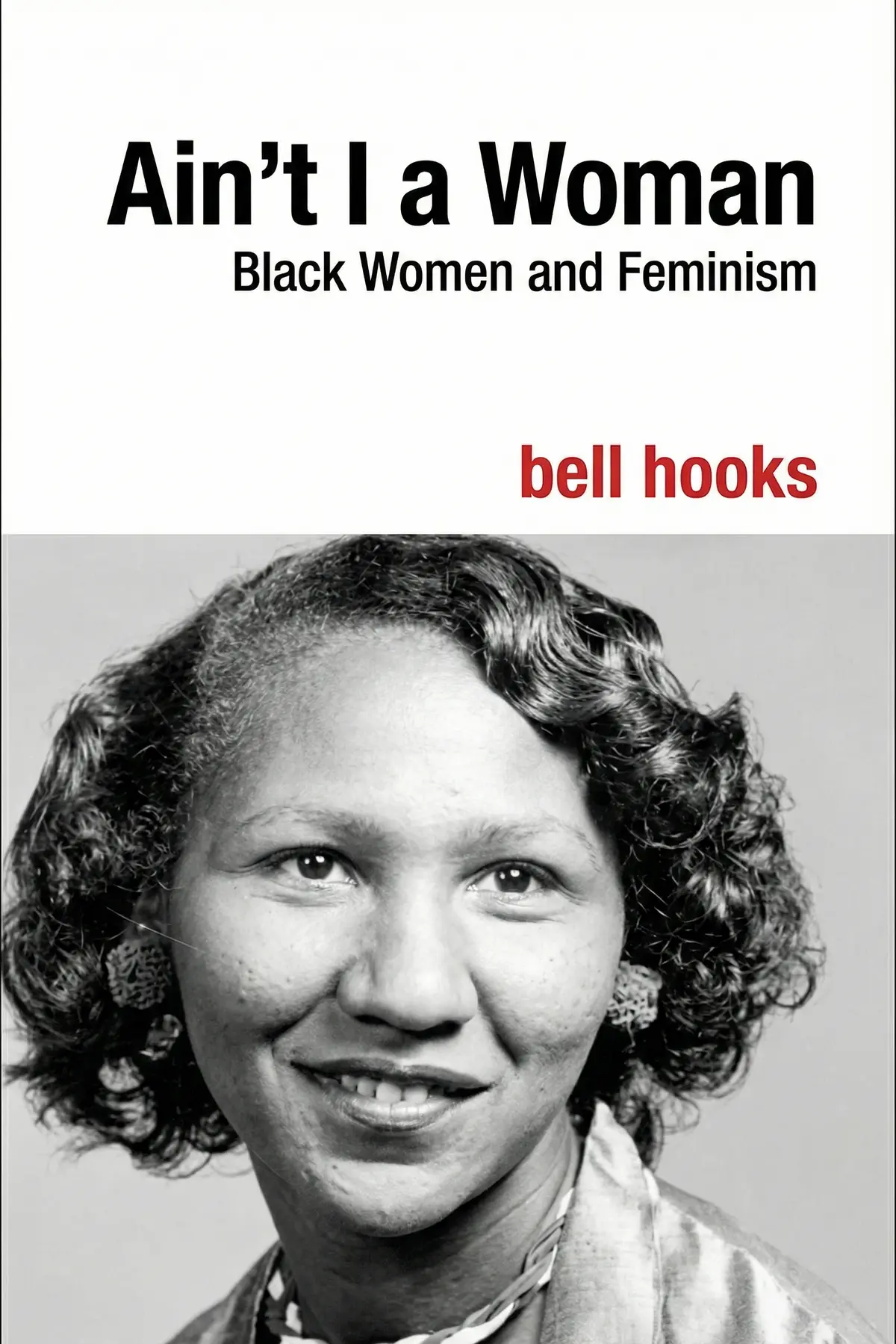
bell hooks

Fay Bound Alberti
AUDIO SUMMARY AVAILABLE
Get the key ideas from Sex and the Citadel by Shereen El Feki, plus 5,000+ more titles in English and Thai.







