
A Life Decoded: My Genome: My Life
J. Craig Venter
Sex at Dawn challenges the standard narrative of human evolution, suggesting our ancestors were naturally promiscuous. It explores how agriculture forced monogamy upon us and why modern relationships often struggle against biological reality.
2 min 01 sec
Have you ever wondered why, despite our best intentions and societal promises, so many long-term relationships seem to lose their spark over time? We are told a very specific story from the moment we are born: that humans are naturally designed to find one perfect partner, settle down in a nuclear family, and stay sexually exclusive until death do us part. This is the ‘standard narrative’ of human evolution. But if this narrative is so natural, why is it so difficult to maintain? Why do people risk everything—their careers, their reputations, and their families—for a brief, often meaningless encounter outside of their marriage?
Think about the headlines we see year after year. Even the most powerful figures, like Bill Clinton, have fallen prey to impulses that seem to defy logic and self-interest. In many parts of the world, the punishments for breaking the rules of monogamy are horrific, yet the behavior persists. This suggests that there is something deeper at play—something hard-wired into our biology that clashes with our modern cultural rules.
Sex at Dawn aims to pull back the curtain on this fundamental tension. It suggests that our ancestors lived in a world far different from the one we imagine. Instead of isolated couples, they thrived in small, hyper-social groups where resources, including sexual ones, were shared for the good of the community. By exploring the reality of our evolutionary past, we can begin to understand why we feel the way we do today.
In this summary, we are going to explore how the invention of farming changed the way we love, why our closest primate relatives hold the key to our own behavior, and what our own bodies tell us about our promiscuous history. We will look at how the suppression of our natural drives has led to a modern epidemic of frustration and how a more honest conversation about sex might just save our relationships.
2 min 17 sec
Explore the nomadic world of our ancestors, where sharing everything from food to physical affection was the key to group survival and social harmony.
2 min 08 sec
Discover how ancient tribes viewed paternity as a collective effort, ensuring every child was protected by multiple men within the community.
2 min 12 sec
Uncover the dramatic shift in human relations that occurred when we stopped wandering and started claiming the land as our own.
2 min 06 sec
Look into the lives of our closest relatives, the bonobos and chimps, to see a mirror of our own complex sexual nature.
2 min 12 sec
Examine the physical evidence hidden in human anatomy that points toward a history of multiple mating partners.
2 min 20 sec
Challenge the long-held belief that women are naturally less sexual, and discover the evolutionary reasons for their complex desires.
2 min 07 sec
Investigate how forcing ourselves into unnatural relationship structures can lead to physical and emotional decline.
1 min 59 sec
Learn how embracing the truth about our nature can lead to more resilient, honest, and fulfilling connections in the modern world.
1 min 30 sec
In the end, Sex at Dawn isn’t an argument against love or long-term partnership. It is a plea for a more honest understanding of what it means to be human. We have spent the last few thousand years trying to convince ourselves that we are something we’re not. We have built religions, laws, and social structures to keep our ancient, hyper-sexual nature under wraps, and we wonder why we feel so much tension and dissatisfaction in our private lives.
By looking at the communal sharing of our hunter-gatherer ancestors, the peaceful social sex of the bonobo, and the clear evidence in our own anatomy, we see a different story. We are a species designed for connection, variety, and communal support. The Agricultural Revolution may have given us property and cities, but it also gave us jealousy, possessiveness, and the isolation of the nuclear family.
The takeaway is simple: don’t take the traditional rules so seriously that they ruin your happiness. Recognize that lust is a biological impulse that is separate from the deep, enduring affection of a life partnership. When we stop confusing the two, we can stop feeling like we are ‘broken’ or ‘bad’ just because we feel the pull of our evolutionary history. Whether you choose a traditional path or something more unconventional, let that choice be based on honesty and mutual respect, rather than a narrative that was never really true to begin with. By embracing our inner primate, we might just find a way to love each other more authentically in the modern world.
Sex at Dawn takes a deep dive into the hidden history of human sexuality, questioning everything we think we know about the nuclear family and lifelong monogamy. Authors Christopher Ryan and Cacilda Jethá argue that the traditional model of one-man-one-woman pairing is a relatively recent cultural invention, rather than an evolutionary mandate. By looking at our primate cousins, prehistoric hunter-gatherer societies, and human anatomy, they reveal a past where sexual resources were shared just as freely as food and shelter. The book promises to explain why modern relationships often feel like an uphill battle against our own instincts. It explores the shift from egalitarian, nomadic tribes to the ownership-driven culture of the agricultural revolution. By understanding the biological mismatch between our ancient bodies and our modern societal rules, listeners can gain a clearer perspective on infidelity, desire, and the complex nature of human connection. It is an invitation to reconsider the roots of our social structures and find a more honest way to navigate intimacy.
Christopher Ryan is an author and journalist with a PhD in Psychology, who has lived in Alaska, Mexico, India and Spain. Indian-Portuguese co-author Cacilda Jethá M.D. is a physician and psychiatrist. Ryan and Jethá have been married for years and have chosen not to reveal any personal details about their sex life.
Listeners find this work captivating and easy to digest, commending the deep research and the way it challenges perceptions of human nature. Written in a casual and lighthearted tone, the text remains approachable for a broad audience. Listeners value the study of human sexuality and find the material fascinating, with one listener highlighting the way it simplifies intricate topics. The authors offer a persuasive case backed by specific instances, and listeners enjoy the wit throughout, with one noting it was the very first anthropology book to make them chuckle.
Finally got around to reading this, and frankly, it’s a total game-changer for how I view human history. Ryan and Jethá dismantle the 'standard model' of marriage with a witty, almost irreverent style that keeps you turning pages faster than a thriller. I loved the deep dive into our primate cousins, especially the bonobos, and how they contrast with the more aggressive chimps we’re usually compared to. It makes so much sense that the advent of agriculture changed the rules of the game for our species. While some of the jokes are a bit 'nudge-nudge,' the core argument feels incredibly well-researched and necessary. It’s the first science book that actually made me laugh out loud. If you’ve ever felt like modern expectations for relationships are a mismatch for our biology, this is essential reading.
Show moreEver wonder why staying monogamous feels like a constant uphill battle for so many people? Ryan and Jethá argue that it’s because we aren’t built for it, and their evidence—ranging from the shape of the human penis to the behavior of modern foraging tribes—is compelling. I was struck by the idea that our ancestors raised children communally rather than in isolated nuclear families. It explains so much about modern loneliness. The book is playful and informal, making complex biological concepts easy to grasp for a general audience. Not gonna lie, some of the rhetoric is a bit hyperbolic, but the underlying message is incredibly liberating. It encourages us to be kinder to ourselves and our partners by acknowledging our true nature. A must-read for anyone in a relationship.
Show moreWow, what a wild ride through the history of human sexuality. I picked this up because I wanted to understand why we mate the way we do, and I got so much more. The authors have a gift for making anthropology feel relevant and exciting. They tackle the 'Standard Model' of human evolution with sharp wit and a lot of courage. It’s refreshing to see someone challenge the idea that women are naturally less sexual than men, a myth that has done so much damage over the years. The book is well-researched but remains incredibly readable, avoiding the dry jargon that usually bogs down science books. It’s provocative, funny, and deeply human. Whether you agree with their conclusions or not, you’ll never look at a wedding the same way again.
Show moreIt’s rare to find an anthropology book that feels this urgent and alive. Ryan and Jethá have written something that is equal parts science, history, and social commentary. I loved the way they compared human biology—like our relatively large testicles and the female capacity for multiple orgasms—to other primates to show our promiscuous heritage. The writing is incredibly engaging and humorous, making it accessible even if you don't have a background in science. It’s a thought-provoking deep dive into the 'why' behind our relationships. My only minor gripe is that they sometimes ignore cultural factors in favor of purely biological ones, but the overall argument is so powerful it didn't bother me much. This book will stay with you for a long time.
Show moreAs an anthropology nerd, I found the data here absolutely fascinating, even if the authors' tone gets a bit smug at times. They do a brilliant job explaining how we've 'Flintstonized' our ancestors, projecting our own Victorian morals onto prehistoric foragers who likely lived much more fluid lives. The section on female copulatory vocalization was a real eye-opener! To be fair, they do cherry-pick certain studies to fit their narrative of prehistoric promiscuity, and I can see why traditional evolutionary psychologists get riled up. However, the writing is so accessible and engaging that it’s hard to put down. It challenges the 'Darwin says your mother’s a whore' barter system theory in a way that feels long overdue. It’s not a perfect scientific treatise, but it’s a brilliant catalyst for conversation.
Show moreThe chapter on 'Flintstonization' alone is worth the price of admission. It’s so true that we assume Caveman Fred and Wilma lived just like us, only with stone tools. Ryan and Jethá do a great job of stripping away those layers of cultural bias to show a much more complex, sexually communal past. Their writing style is punchy and accessible, which is rare for this kind of subject matter. I do think they oversimplify the 'Standard Model' to make it easier to knock down, but their points about the shift from foraging to farming are hard to ignore. Property rights changed everything, including how we 'own' our partners. It’s a thought-provoking look at why we stray and what it means for our modern marriages. Definitely recommended for the curious.
Show morePicked this up after hearing Dan Savage mention it on his podcast multiple times. It’s a fascinating exploration of how our sexual behaviors were shaped long before we started living in cities. The connection they draw between the rise of agriculture and the 'locking up' of female sexuality is particularly striking. While I think they might be a bit too optimistic about the 'peaceful' nature of our ancestors, their critique of modern monogamy is spot on. The prose is brisk and full of personality, though some readers might find the informal tone a bit dismissive of opposing views. Still, it’s a vital piece of the puzzle if you’re trying to understand the disconnect between our biological urges and our social structures. It definitely brings clarity to a very messy subject.
Show moreTo be fair, the authors make some really interesting points about human anatomy and our similarities to bonobos, but the social proselytizing got on my nerves. About halfway through, it stops being a book about evolution and starts being a manifesto for polyamory. I agree that the traditional narrative of 'man provides, woman stays faithful' is flawed, but Ryan and Jethá swing too far in the other direction. They present prehistoric life as an endless orgy without any of the jealousy or conflict that we know are human universals. Personally, I found the 'naughty bits' humor a bit cringey after a while. It’s an engaging read, and I don’t regret the time spent, but take the scientific 'facts' with a very large grain of salt.
Show moreLook, I enjoyed the prose and the witty banter, but I left this book feeling a bit skeptical of the actual science. The authors are great at pointing out the flaws in traditional theories, but their own 'ancient egalitarianism' theory feels a bit like wishful thinking. They use phrases like 'Darwin says your mother's a whore' to mock the opposition, which is funny, but doesn't actually prove their point. It felt like a popular science book for people who want to be told that their wandering eyes are just evolution at work. That said, it is very well-written and kept me interested throughout. It’s a fun, fast-paced read that raises some great questions, even if the answers it provides are a bit too convenient. Worth a look for the perspective.
Show moreThis book attempts to sell a very specific lifestyle under the guise of hard science, and I’m just not buying it. While the authors are undeniably talented writers with a gift for humor, their dismissal of the entire field of evolutionary psychology as a 'clipboard-carrying crowd' feels childish and defensive. I felt cheated by the lack of hard evidence for their claims of a peaceful, pansexual utopia before agriculture. After reading this, I picked up Sex at Dusk by Lynn Saxon, which systematically dismantles almost every point Ryan and Jethá make. Truth is, they ignore huge swaths of data regarding male parental investment just to promote polyamory as the 'natural' state. It's a fun read if you want to justify cheating, but as a serious academic work, it falls flat.
Show moreJ. Craig Venter
bell hooks
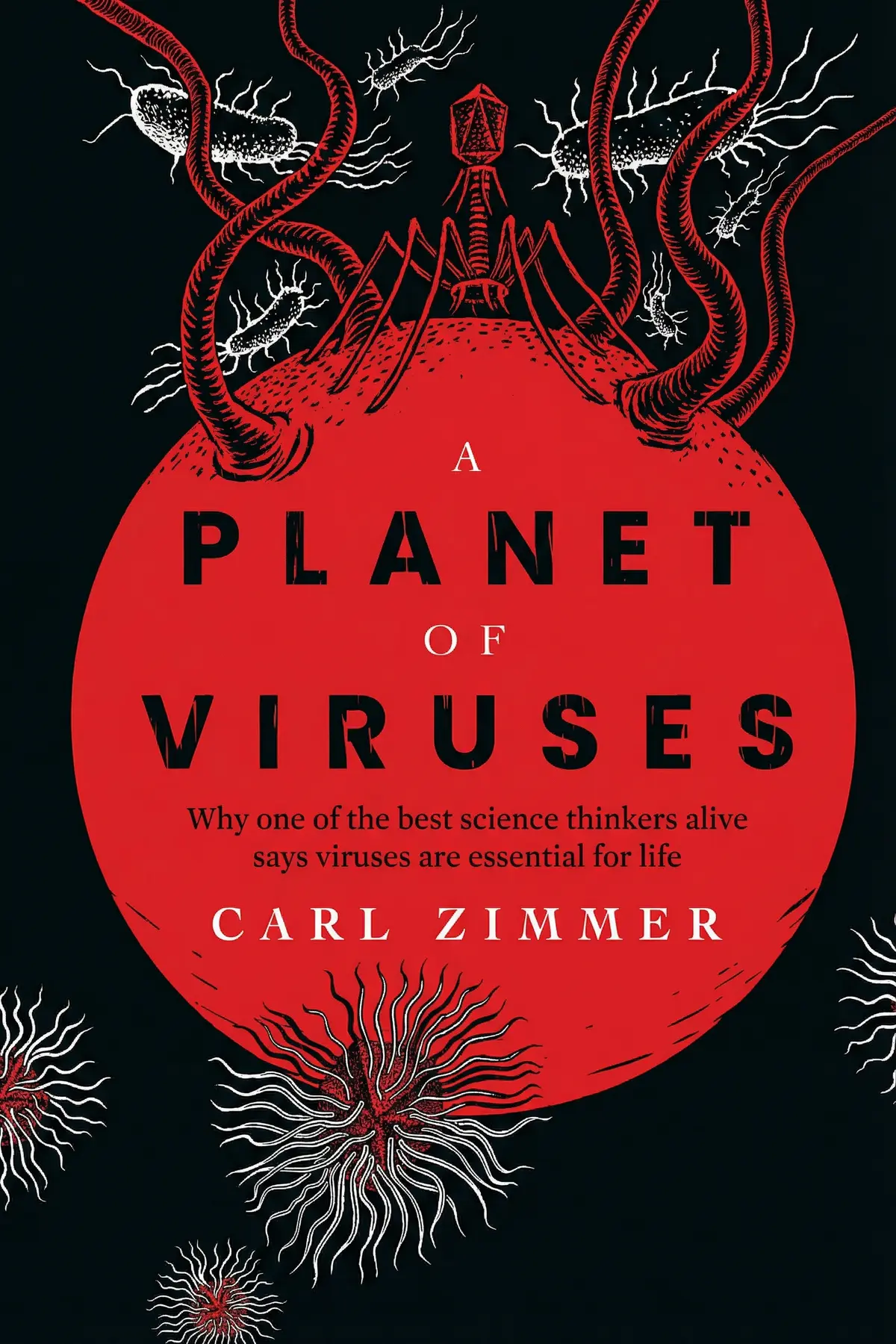
Carl Zimmer
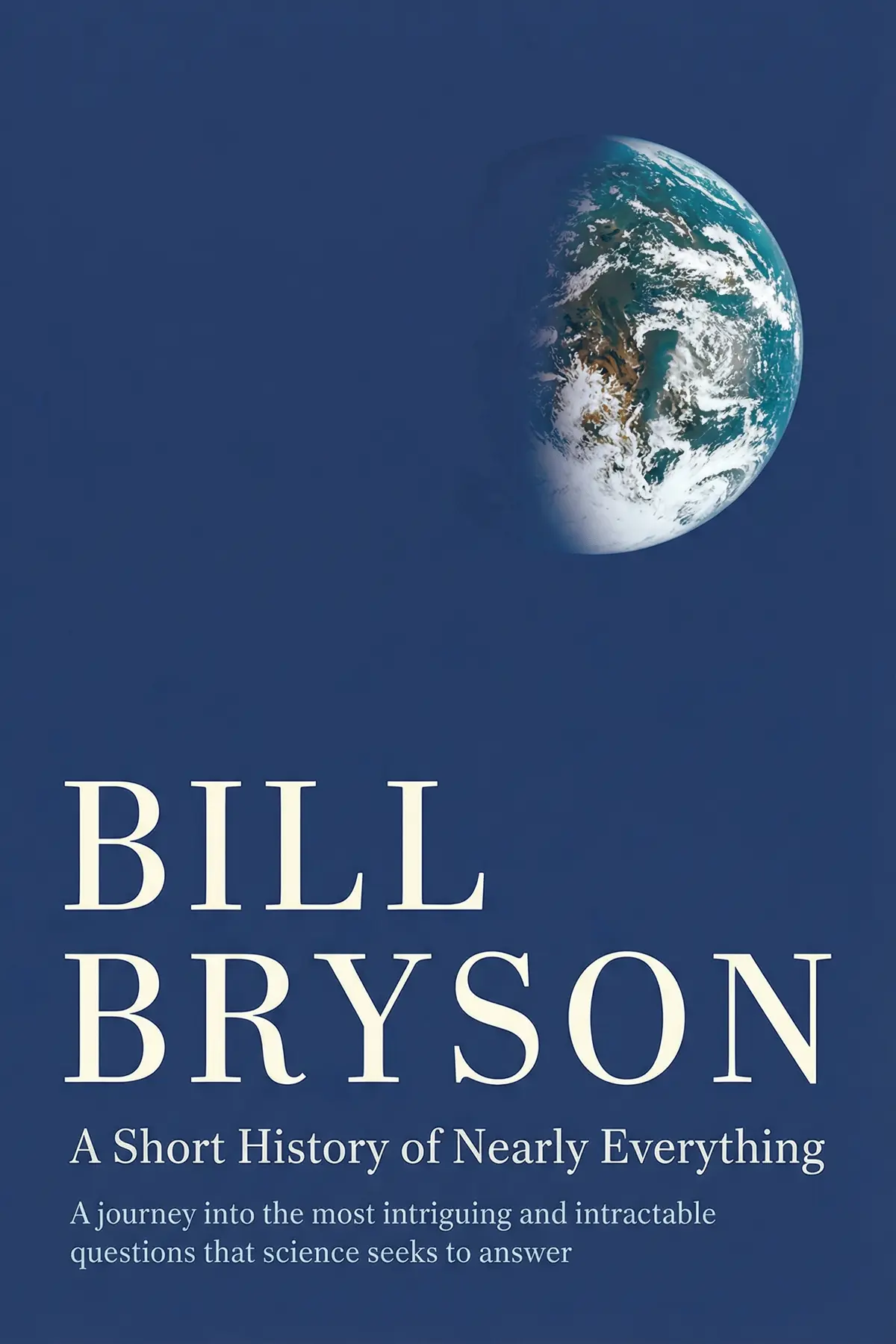
Bill Bryson
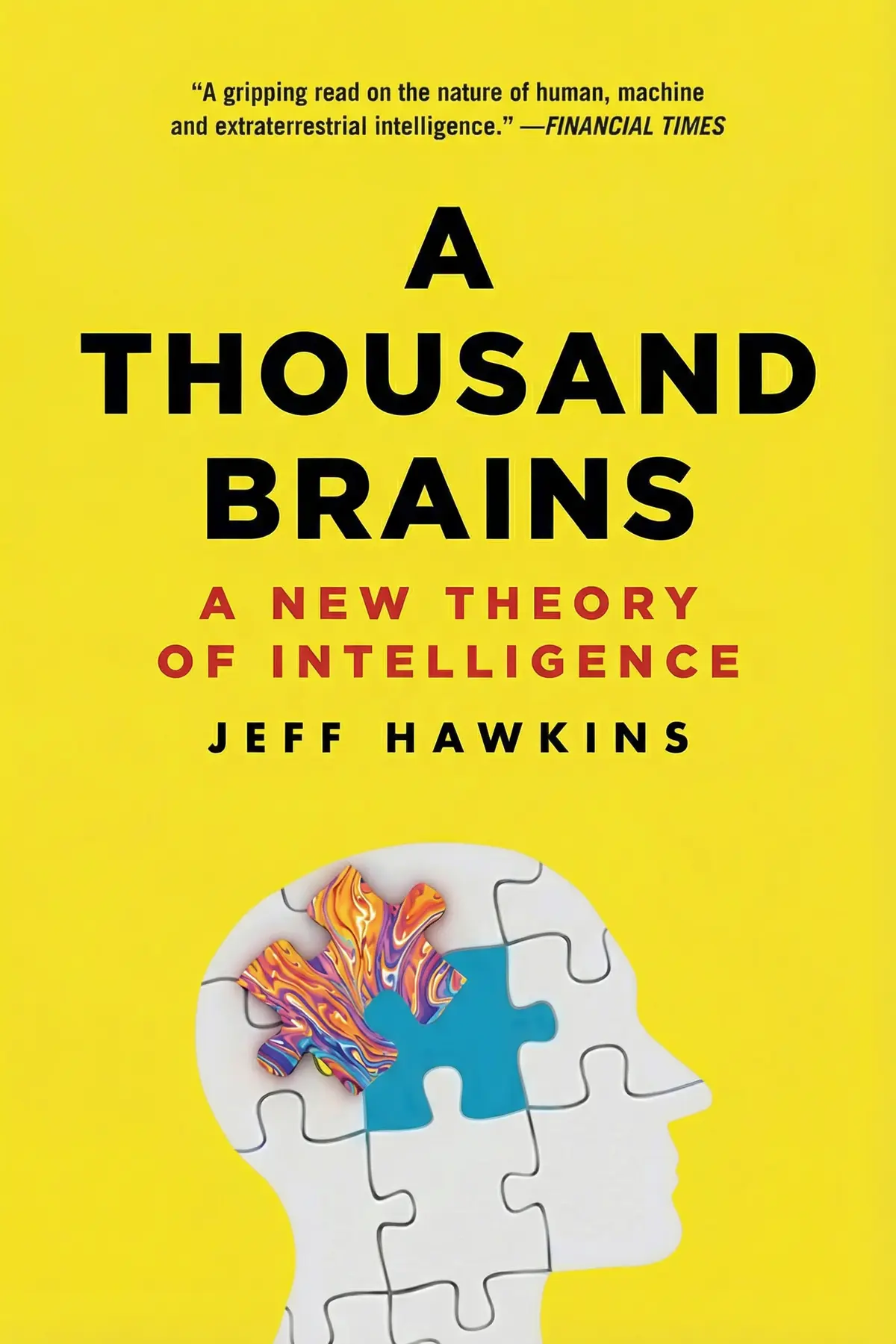
Jeff Hawkins
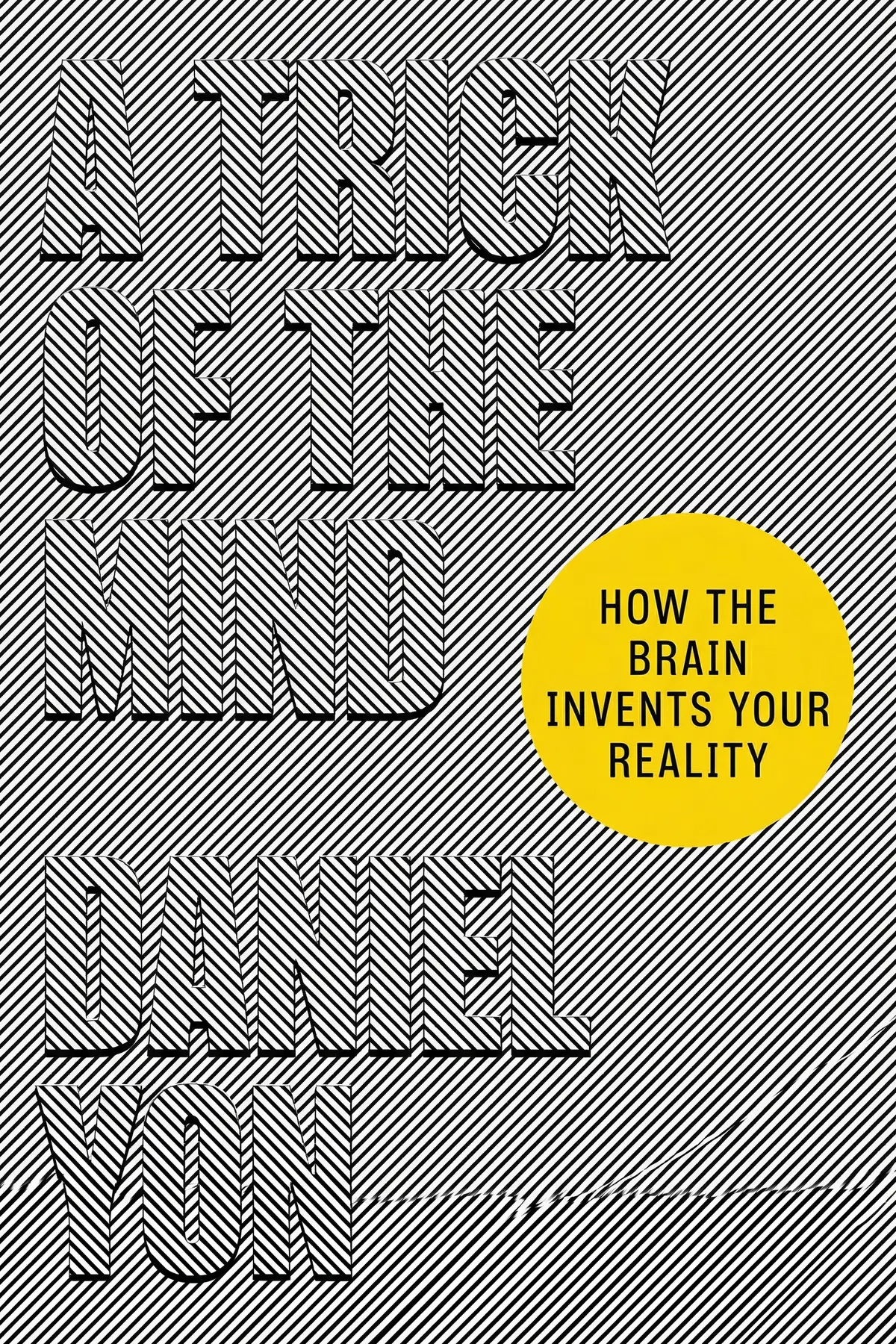
Lisa Kaltenegger
AUDIO SUMMARY AVAILABLE
Get the key ideas from Sex at Dawn by Christopher Ryan, plus 5,000+ more titles in English and Thai.







