
23 min 53 sec
Slouching Towards Utopia: An Economic History of the Twentieth Century
Explore the economic history of the twentieth century, from the technological pivot of 1870 to the 2008 financial crisis, examining how humanity gained immense wealth but struggled to build a lasting utopia.
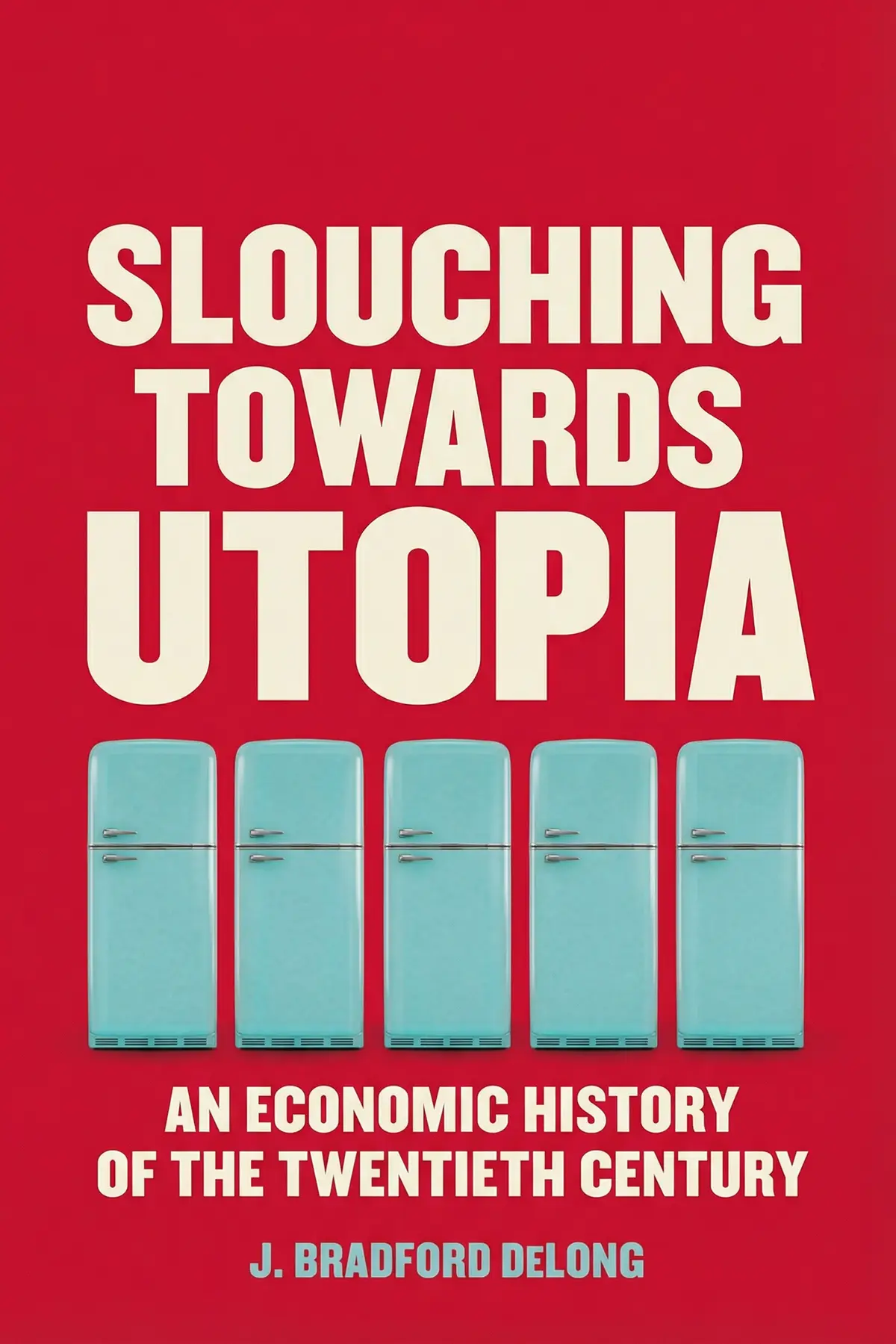
Table of Content
1. Introduction
2 min 41 sec
For the vast majority of human history, the story of our species was defined by a grim, inescapable reality: there was simply never enough to go around. We think of history as a series of kings, battles, and grand empires, but underneath it all was a desperate, daily struggle for calories and survival. Even when we invented new tools or discovered better farming techniques, the benefits were almost immediately wiped out by a rising population. This was the trap that defined existence for millennia, a cycle where every step forward was met by a demographic correction that pushed the average person back to the brink of subsistence.
But then, something miraculous happened. Around the year 1870, the world hit a tipping point. The slow, grinding pace of human improvement didn’t just speed up; it transformed entirely. We entered what has been called the ‘long twentieth century,’ a period lasting until 2010, characterized by a staggering explosion in technological capability and material wealth. For the first time, we had the tools to actually win the race against poverty. We weren’t just producing more; we were producing enough to change the very nature of human life. This was the moment the path to utopia—a world where every human could enjoy food, shelter, and dignity—finally became visible.
However, as we look back on those 140 years, we see that we didn’t exactly run toward that bright future. Instead, we slouched. The progress was undeniable, but it was also chaotic, often cruel, and deeply uneven. We witnessed the rise of ideologies that promised heaven but delivered hell, the collapse of global systems in the face of world wars, and a constant tug-of-war between the efficiency of the market and the needs of the community.
In this exploration, we are going to trace that long, winding journey. We will look at how we escaped the ancient trap of poverty, how we organized our societies to manage this new-found wealth, and why, after decades of incredible momentum, that progress seemed to falter in the early 21st century. Through the lens of economic history, we can begin to understand not just where our wealth came from, but why the utopia we once glimpsed remains just out of reach. We are traveling through a century of unprecedented hope and terrifying failure, seeking to understand the forces that built our modern world and the challenges that now threaten to hold us back.
2. Breaking the Malthusian Cycle
2 min 55 sec
Discover how the invention of the industrial research lab in 1870 allowed humanity to finally outrun population growth and escape the ancient trap of universal poverty.
3. The Double-Edged Sword of Globalization
3 min 08 sec
Explore how early globalization connected the world through trade and technology, while simultaneously creating a deep and lasting divide between the wealthy North and the struggling South.
4. The Crisis of Markets and the Ghost of Hayek
3 min 11 sec
Dive into the fundamental conflict between the belief in self-regulating markets and the human demand for social stability, a tension that defined the early 20th century.
5. The False Promises of Totalitarian Utopia
3 min 15 sec
Analyze why the 20th century’s most radical attempts to force a utopia—socialism and fascism—failed so spectacularly, leading to dystopia instead of progress.
6. The Golden Age of Social Democracy
2 min 59 sec
Witness the ‘Thirty Glorious Years’ following World War II, when the world finally found a balance between market freedom and government responsibility.
7. The Neoliberal Pivot and the Stalled Utopia
3 min 13 sec
Trace the shift toward neoliberalism in the 1970s and see how it led to a world of rising inequality and the eventual economic stagnation of the early 21st century.
8. Conclusion
2 min 31 sec
The journey from 1870 to 2010 was perhaps the most extraordinary period in the history of our species. In those 140 years, we did what once seemed impossible: we broke the cycle of universal poverty and created enough material wealth to potentially provide a decent life for every person on the planet. We transitioned from a world where the majority of people were one bad harvest away from starvation to a world of unimaginable technological abundance. This was the era of the ‘long century,’ a time when humanity was, at last, slouching toward utopia.
But as we’ve seen, that progress was never guaranteed and never easy. We learned that technology and wealth are not enough on their own. The way we choose to organize our societies—the balance we strike between the efficiency of the market and the protection of the community—is what determines whether that wealth leads to a better world or a more divided one. We saw the horrors that result when we try to force a utopia through totalitarian control, and we saw the incredible prosperity that is possible when we manage the economy with a focus on full employment and social dignity.
However, the end of this long century has left us at a difficult crossroads. The neoliberal shift of the late 20th century and the crisis of 2008 have eroded the foundations of the post-war consensus. Today, the escalator of growth has slowed, and the gap between the winners and those left behind has widened into a chasm. The optimism that defined the long century has been replaced by a sense of uncertainty and fear.
What, then, is the lesson of this history? It is that progress is a choice. The tools to build a better world are still in our hands—the technological and organizational breakthroughs of 1870 haven’t disappeared. But we have to find a way to use them more wisely. We need to rediscover the spirit of social democracy—the understanding that the market is made for man, not man for the market. To resume our walk toward utopia, we must ensure that our economic systems serve the needs of the many, not just the few. The story of the long century isn’t over; its next chapter depends on whether we can learn from the successes and the tragedies of the 140 years that brought us here. The path is still there, waiting for us to find our footing once again.
About this book
What is this book about?
For most of human existence, the threat of starvation and extreme poverty was the constant reality of the species. This changed dramatically in 1870, marking the beginning of what economist J. Bradford DeLong calls the long twentieth century. In this era, the combined power of the industrial research lab and modern corporate organization shattered the old limits of growth. For 140 years, humanity enjoyed an unprecedented explosion of material prosperity, allowing us to 'slouch' toward the dream of a world without want. This book explores the fascinating and often tragic journey of this long century. It examines the intense philosophical battles between the belief in unhindered markets and the demand for social protection, the rise and fall of murderous totalitarian regimes, and the golden age of social democracy. It also tackles the difficult questions of why this growth was distributed so unequally and why, in the wake of the 2008 financial crisis, the progress that once seemed inevitable has largely stalled. It is a story of how we nearly reached paradise, only to find ourselves losing the trail.
Book Information
About the Author
J. Bradford DeLong
James Bradford DeLong is a professor of economics at UC Berkeley and a prominent figure in economic history. His career includes a significant tenure under the Clinton Administration as the deputy assistant secretary of the US Treasury. In that role, he contributed to the development of the federal budget and worked on pivotal trade agreements like NAFTA and the Uruguay Round. Beyond his academic and governmental work, DeLong is an established author known for his insightful analysis in titles such as The End of Influence and Concrete Economics.
Ratings & Reviews
Ratings at a glance
What people think
Listeners find this work offers a helpful new lens on economic history and is deeply researched, with one listener praising its focus on key political trends. Additionally, the prose is highly readable; one listener notes it manages to survey 1870-2010 in 600 pages, and listeners describe the material as revealing and perceptive. However, there is divided sentiment regarding the book's factual precision and layout, with several listeners calling it disorganized. Listeners also hold conflicting views about its overall credibility.
Top reviews
Patchara
Bradford DeLong has managed to construct a truly monumental narrative that reframes the 'long twentieth century' from 1870 to 2010. It is a massive undertaking. He successfully weaves together a story explaining why the human race grew so incredibly wealthy without actually reaching a state of utopian bliss. I loved the tension he builds between the ideas of Hayek and Polanyi. The market 'giveth and taketh away,' as he often quips. While the book is occasionally US-centric, its sweep of history is breathtaking and deeply researched. If you want to understand how the triad of the corporation, the industrial lab, and modern communication changed everything, start here. It is easily one of the most insightful books on political economy I have ever encountered.
Show moreDao
As someone who usually finds economic history as dry as dust, I was pleasantly surprised by how much I enjoyed this. DeLong writes with a light, playful touch that makes 600 pages fly by. He frames the history of the 20th century as a struggle between different 'gods' of economics, with Keynes acting as a sort of mediator. It’s brilliant. The way he quantifies growth rates to put our current stagnation into perspective was particularly enlightening. Not gonna lie, some of the 'internet speak' felt a bit out of place for a Berkeley professor, but it made the content accessible. This is the kind of 'grand narrative' history that we need more of. It provides a coherent pattern for the chaotic events of the last 150 years.
Show moreNing
This is the definitive account of the era DeLong calls the 'long twentieth century.' It is an essential read for anyone trying to make sense of why our material abundance hasn't solved our political problems. The concept that 1870 was the true turning point for humanity is argued convincingly. DeLong's prose is vibrant and filled with 'snark' and 'multiverses,' making the heavy subject matter feel surprisingly light. He does a fantastic job of critiquing both the extreme left and right without being fence-sitting. Yes, the mid-chapters on the World Wars are a bit light on hard economics, but the narrative flow is so good that I didn't mind. This book will be on my shelf for a long time.
Show moreGun
Ever wonder why we aren't living in a literal paradise despite being eight times richer than our ancestors were in 1870? DeLong tackles this head-on with his 'slouching' metaphor. I found his description of the 'marriage' between Hayek’s market efficiency and Polanyi’s social protections to be a brilliant way to frame the post-WWII era. The book is full of delightful vignettes, like Herbert Hoover’s early career in China, which keep the narrative moving. Frankly, it is a much more engaging read than your typical economics textbook. My only gripe is that the conclusion feels a bit rushed and overly pessimistic about our current century. Still, it is a very strong work that consolidates a huge amount of information into a readable format.
Show morePreeda
Picked this up on a whim after seeing it mentioned in several newsletters. It is an eye-opening look at how technological growth became the primary driver of the modern world. DeLong is a born storyteller. He manages to make complex policy shifts feel personal and urgent. I particularly enjoyed the sections on the 'war of the currents' and the rise of the global south. However, the organization is a bit messy in places. You’ll be reading about global trade one moment and then suddenly find yourself in a deep dive into the nutritional value of white bread. It’s quirky, sure, but it can be distracting when you’re trying to follow his main thesis about the end of the neoliberal era.
Show moreOmar
Finally got around to finishing this beast of a book. It’s a solid 4 stars for the sheer ambition alone. DeLong manages to cover everything from the industrial revolution to the Great Recession without making it feel like a chore. I appreciated how he didn't hide his personal views. He calls himself a 'left neoliberal' and isn't afraid to label Hayek a genius and an idiot in the same breath. This honesty makes for a much more interesting read than a dry, supposedly 'neutral' text. Some sections on the Cold War felt a bit repetitive, and I wish he’d spent more time on the 'why' of our current unhappiness. Overall, though, it’s a terrific refresher for anyone interested in how we got here.
Show moreChanida
DeLong writes with a certain playfulness that you rarely see in high-level economic history. It reminded me a bit of Sapiens, but with much more grounding in actual data and policy. I loved the way he tracked the evolution of the research lab and the corporation as the engines of modern growth. The central question of the book—why we aren't satisfied despite our wealth—is haunting. While he doesn't provide a single, simple answer, the journey through the various failed ideologies of the 1900s is fascinating. It’s a bit of a 'slouch' itself at times, especially during the long digressions on 19th-century history, but the payoff is worth the effort. A very strong recommendation for history nerds.
Show moreAmy
The first half of this book is a sweeping, five-star masterpiece of economic narrative, but the momentum fades significantly toward the end. DeLong is excellent when discussing the period up to 1945. His analysis of the Great Depression and the failures of the gold standard is top-notch. However, as the book enters the recent decades, the tone becomes blindingly self-serving and overly focused on the US political landscape. He also includes a few factoids that seem blatantly wrong, specifically regarding the share of German women in the workforce during WWII. It is still a useful introduction for newcomers to the subject, but seasoned history buffs might find the lack of precision in the later chapters frustrating. It’s a good book that could have been great with better editing.
Show morePete
Look, the research here is clearly extensive, but the organizational choices are often baffling. I found myself frequently checking the index to see if I’d missed a section on actual economic policy because the author was too busy talking about nationalistic sentiment. While those insights are interesting, they often come at the expense of the 'economic history' promised on the cover. Also, some of the data points, like his figures for Soviet losses or pre-industrial breastfeeding, have been questioned by other historians. It makes me wonder about the validity of his other claims. It is an entertaining story, but maybe not the definitive academic resource I was expecting. It functions better as a personal essay on the 20th century than a rigorous textbook.
Show moreWanida
To be fair, I expected a rigorous economic analysis, but what I got was a collection of meandering digressions that often lost the plot. The author frequently goes off on tangents about nationalism or military tactics instead of sticking to the economic determinants he promised. For instance, the chapters on the World Wars focus more on diplomacy and battlefield prowess than on the actual fiscal machinery of the era. It felt like a missed opportunity. If you already have a basic grasp of 20th-century history, you won't find many fresh insights here. The writing style is also quite jarring, shifting from dense academic jargon to internet memes like 'money printers going brr.' It simply lacked the objective focus I was looking for in a 600-page history.
Show moreReaders also enjoyed
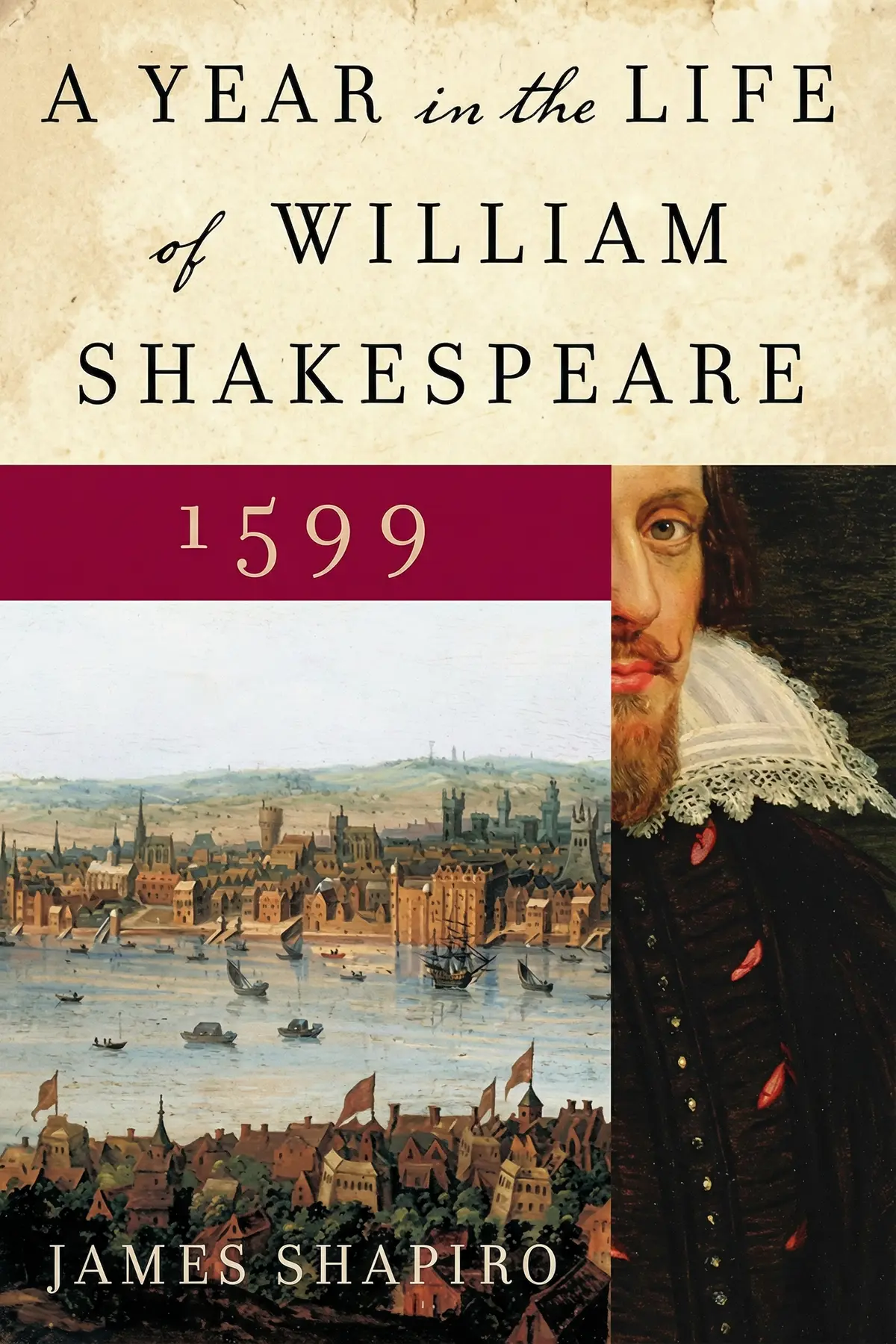
A Year in the Life of William Shakespeare: 1599
James Shapiro
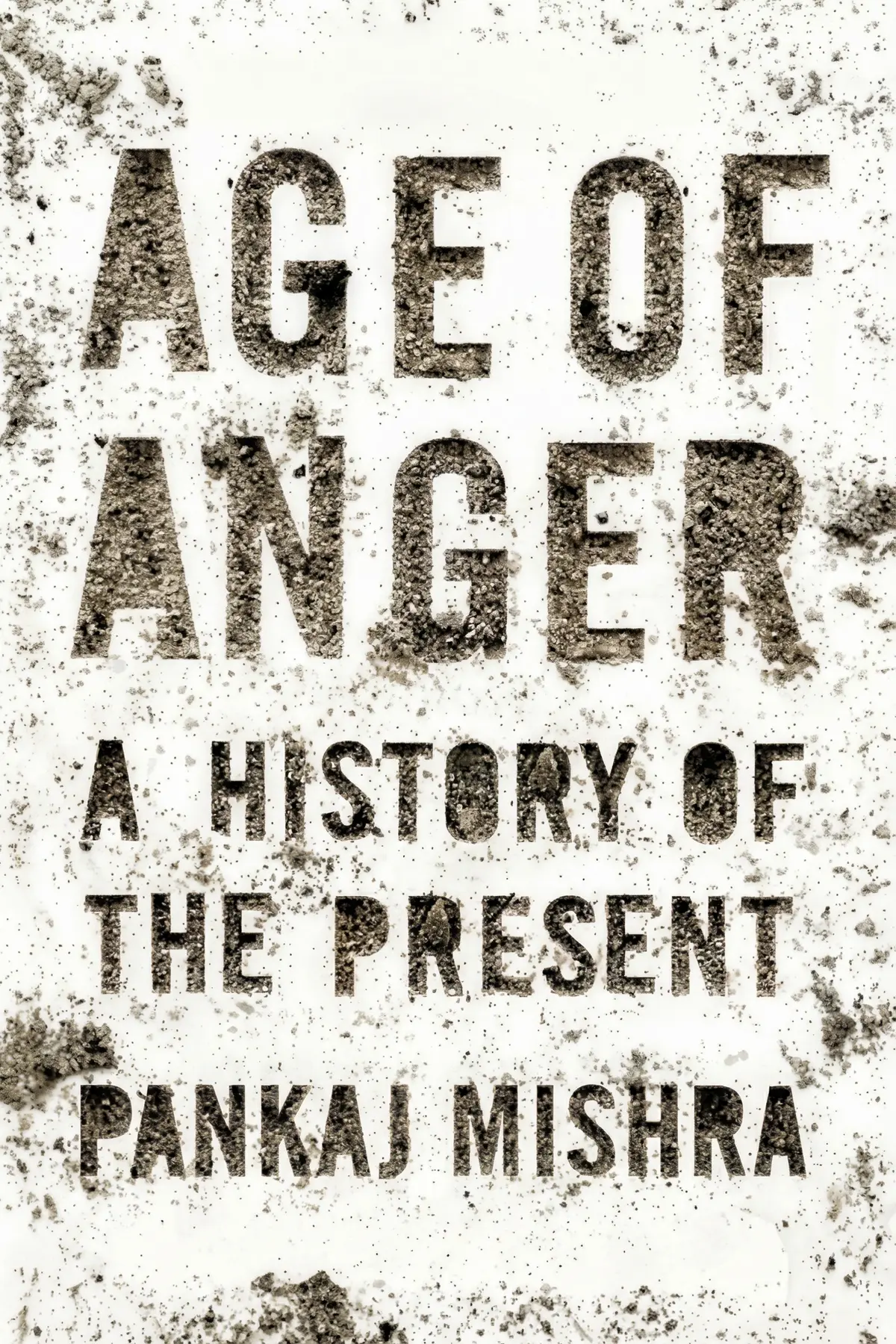
Age of Anger: A History of the Present
Pankaj Mishra
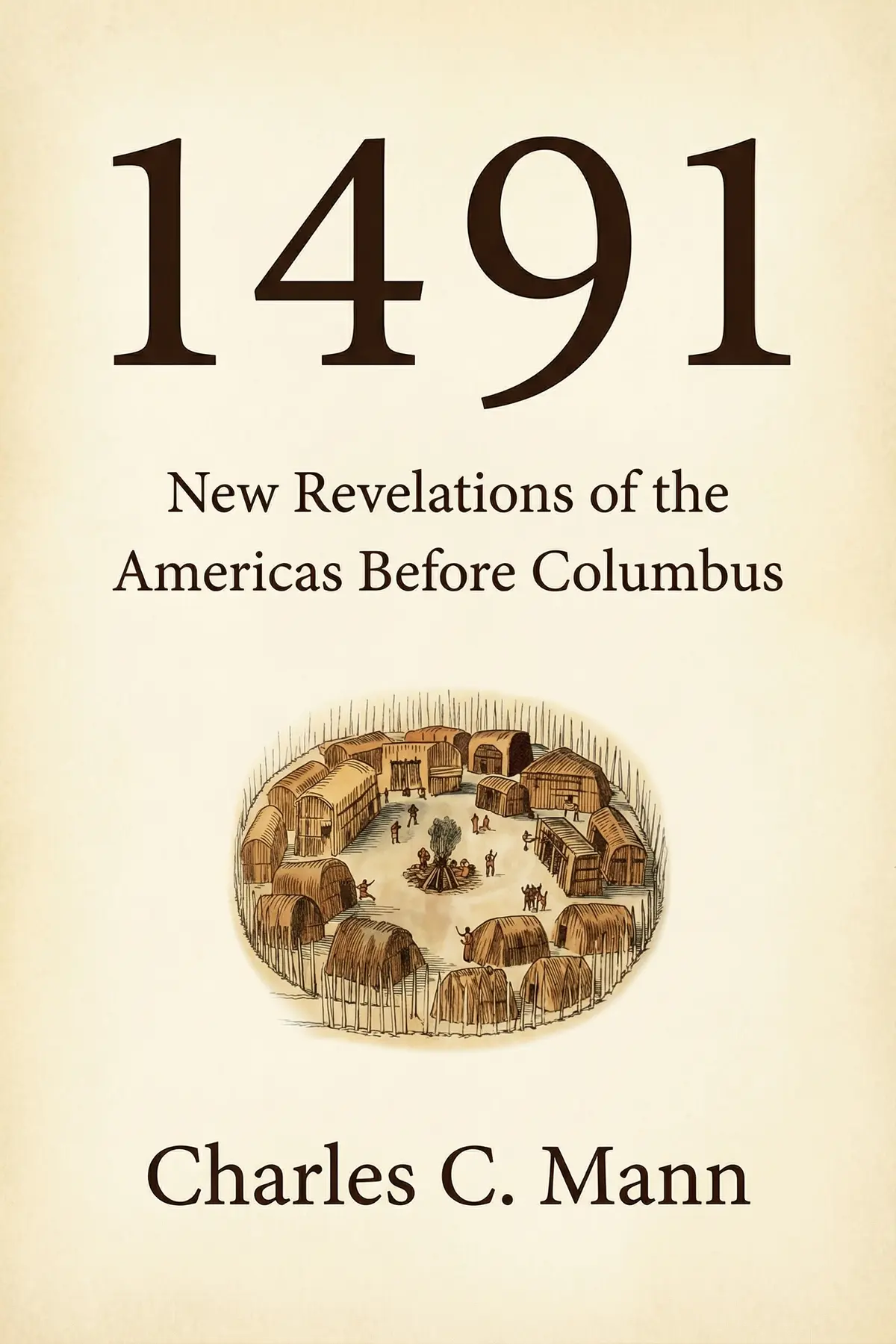
1491: New Revelations of the Americas Before Columbus
Charles C. Mann

Agent Sonya: The Spy Next Door
Ben Macintyre

A Biography of Loneliness: The History of an Emotion
Fay Bound Alberti
Alexander Hamilton
Ron Chernow
1929: Inside the Greatest Crash in Wall Street History--and How It
Andrew Ross Sorkin
AUDIO SUMMARY AVAILABLE
Listen to Slouching Towards Utopia in 15 minutes
Get the key ideas from Slouching Towards Utopia by J. Bradford DeLong, plus 5,000+ more titles in English and Thai.
- 5,000+ titles
- Listen as much as you want
- 7-day free trial
- Cancel anytime







