
18 min 50 sec
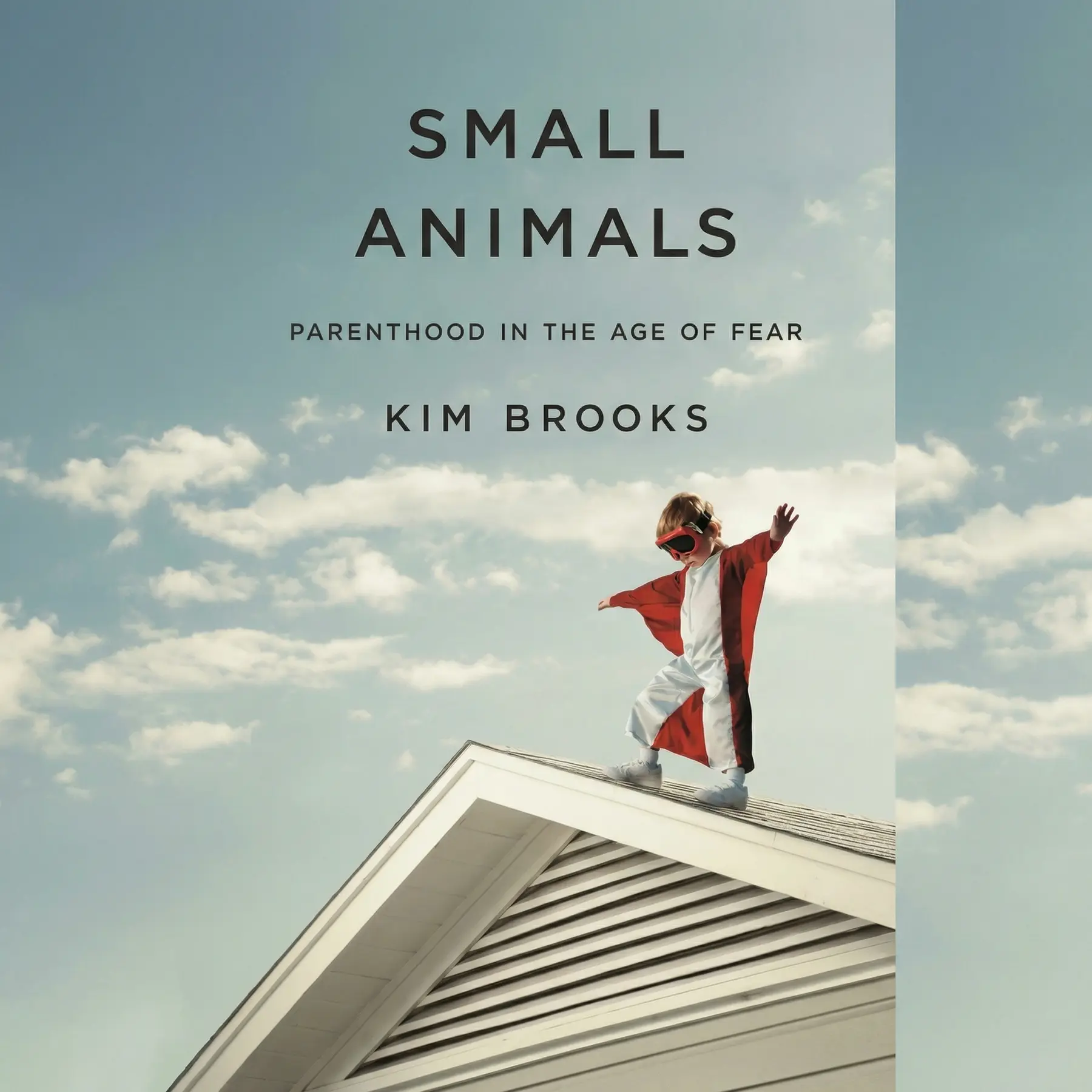
Small Animals: Parenthood in the Age of Fear
By Kim Brooks
Kim Brooks examines the cultural shift toward hyper-vigilant parenting. Through a personal legal crisis, she explores why modern society prioritizes rare fears over the essential independence children need to grow into healthy adults.
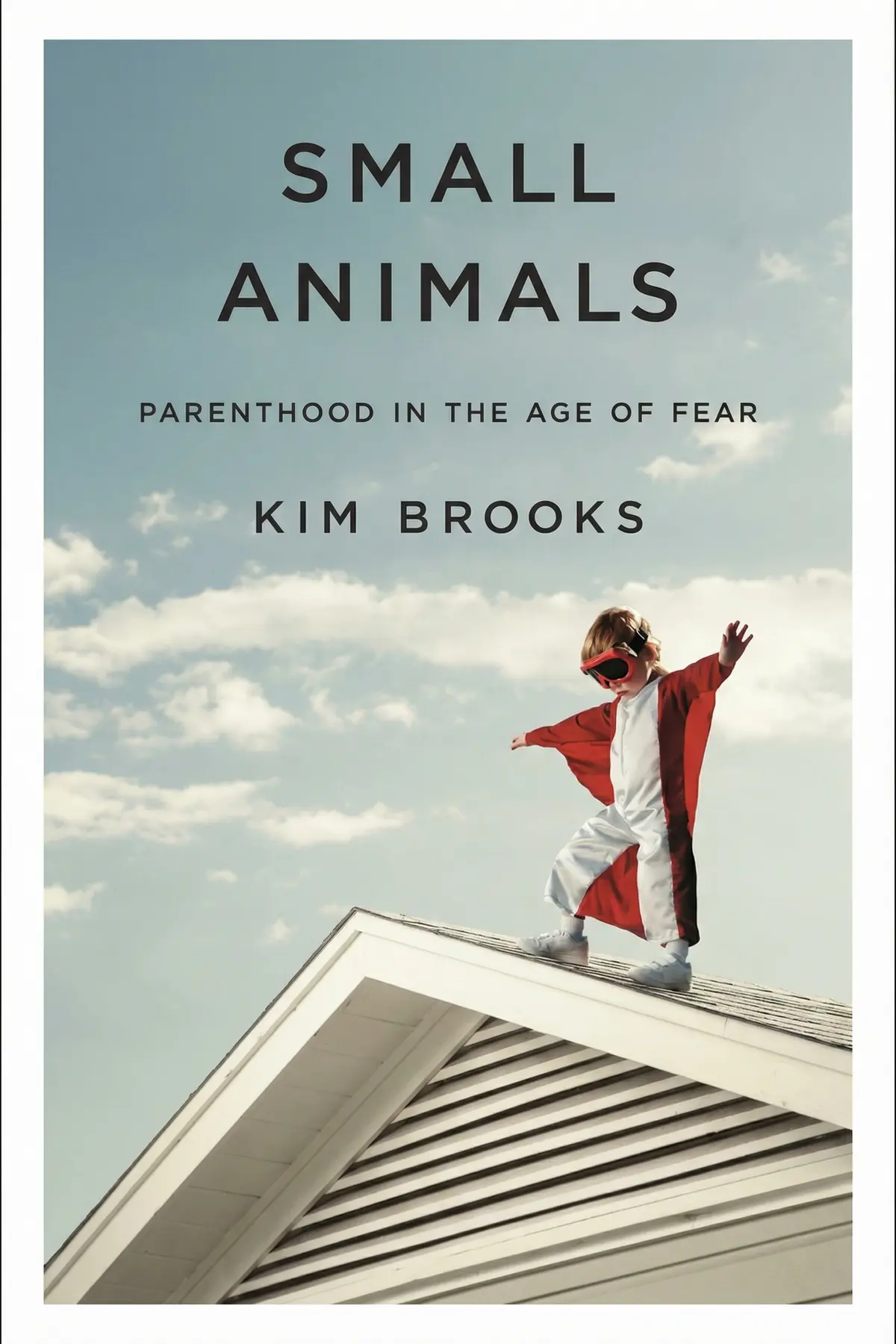
Table of Content
1. Introduction
1 min 56 sec
Every parent knows the weight of a racing heart when a child briefly disappears from sight in a crowded park or when a sudden fever spikes in the middle of the night. Fear is often described as the constant companion of modern parenthood, a biological mechanism intended to keep our most vulnerable family members safe. But in recent decades, this natural instinct has morphed into something far more pervasive and, perhaps, more destructive. We find ourselves living in an era where the definition of a ‘good parent’ has become synonymous with constant supervision and a refusal to acknowledge even the smallest risks.
In this exploration of the cultural landscape of parenting, we follow the journey of Kim Brooks, who found herself at the center of a national conversation about safety and judgment. After a seemingly minor decision led to a legal nightmare, Brooks began to question the very foundations of how we view parental responsibility. Why have we become a society that treats a few minutes of unsupervised time as a criminal offense? Why do we focus so intently on rare, terrifying events while ignoring the everyday habits that truly impact our children’s health?
This is not just a story about one woman’s brush with the law; it is an investigation into the ‘Age of Fear.’ We will look at how the shift from children being an economic necessity to a lifestyle choice has raised the stakes of every decision a mother or father makes. We will examine the psychological shortcuts our brains take when evaluating danger and see how the media has fueled our most irrational anxieties. Most importantly, we will see the real-world consequences of this culture of surveillance—from the legal targeting of marginalized families to the rising rates of anxiety and physical health issues in children who are never allowed to simply be alone. By the end of this summary, you will have a clearer understanding of the forces shaping your parenting choices and why reclaiming a bit of ‘free range’ freedom might be the best thing you can do for your family.
2. The Target Incident
2 min 11 sec
A simple five-minute errand at a suburban store turned into a legal catastrophe, illustrating how quickly modern society turns a moment of parental pragmatism into a criminal investigation.
3. Rational Risk vs. Perceived Danger
2 min 14 sec
Our brains are wired to fear the spectacular while ignoring the mundane, leading parents to worry about rare abductions while ignoring the very real dangers of the family car.
4. The Evolution of Parenting Roles
2 min 07 sec
Parenthood has transitioned from an economic necessity to a high-pressure lifestyle choice, changing the way we monitor and manage our children’s lives.
5. The Impact of Media and High-Profile Cases
1 min 58 sec
Sensationalized media coverage in the 1980s permanently altered the American psyche, elevating kidnapping to a national obsession that remains today.
6. Morality Disguised as Risk Assessment
2 min 02 sec
Research suggests that our judgments about a parent’s safety choices are often based more on their perceived moral character than on the actual danger present.
7. The Class Divide in Parental Judgment
1 min 57 sec
While all parents feel the pressure of the age of fear, the consequences of societal judgment fall most heavily and unfairly on the poor.
8. The Price of Lost Independence
2 min 20 sec
By eliminating risk and unstructured time, we may be inadvertently harming our children’s long-term physical and mental health.
9. Conclusion
2 min 05 sec
The age of fear is a complex cultural phenomenon built on a foundation of misplaced anxieties, media-driven narratives, and a shift in how we value childhood. Kim Brooks’s journey through the legal system serves as a powerful reminder that our collective obsession with total safety has far-reaching consequences. We have created a society where parents are constantly on edge, watching not only their children but also the shadows of their neighbors’ judgments. This culture of surveillance doesn’t necessarily make children safer; instead, it often makes parents more stressed and families more isolated.
As we have seen, the risks we fear most are often the ones least likely to happen. By letting our lives be governed by the ‘availability heuristic,’ we ignore the very real health and developmental costs of a restricted childhood. We have also seen how this culture disproportionately harms those with the fewest resources, turning parenting into a minefield for the poor. The evidence suggests that for children to thrive, they need more than just safety; they need autonomy, the freedom to play, and the chance to navigate the world without a parent constantly hovering over their shoulder.
So, where do we go from here? The takeaway is not that we should stop caring about safety, but that we should recalibrate our definition of it. We can start by questioning our own impulses to judge other parents and by recognizing that ‘unsupervised’ is not a synonym for ‘neglected.’ We can advocate for communities that support parents rather than surveil them. Most importantly, we can look for small ways to give our children back their freedom. Whether it’s letting them walk to a neighbor’s house or play in the backyard alone, these small acts of trust are the building blocks of a more resilient generation. By choosing empathy over judgment and rational risk over irrational fear, we can begin to move past the age of fear and rediscover the joy and independence that childhood was always meant to include. It is time to let our children—and ourselves—breathe a little easier.
About this book
What is this book about?
Small Animals: Parenthood in the Age of Fear is an exploration of the modern parenting landscape, which has become increasingly defined by anxiety and surveillance. The book centers on a pivotal moment in Kim Brooks's life when she was arrested for leaving her child in a car for a few minutes. This experience serves as a catalyst for a deeper investigation into the social and psychological forces that have reshaped how we raise children in the United States. Brooks looks at why we have become so fearful of statistically improbable events, like stranger abductions, while ignoring more pervasive risks. The book promises to uncover the hidden motivations behind our collective parenting anxieties, revealing how our safety concerns are often moral judgments in disguise. By examining historical shifts in family dynamics and the impact of the media, Brooks provides a compelling argument for why we must reclaim childhood freedom. This work is a call for empathy and a more rational approach to risk, aiming to help parents move past the culture of fear to raise more resilient and independent children.
Book Information
About the Author
Kim Brooks
Kim Brooks is a prominent writer and an editor who oversees personal essays for the news and opinion platform Salon. In addition to her extensive editorial work, she is the author of the 2016 novel titled The Houseguest. Brooks currently resides in Chicago, where she balances her professional writing career with her family life as a mother and a wife. Her work often explores the intersection of individual experience and broader societal trends.
Ratings & Reviews
Ratings at a glance
What people think
Listeners find the book thought-provoking, with one review emphasizing the balanced research conducted throughout. Furthermore, the writing style receives positive feedback, as one listener points to the author's intimate and self-aware approach. Listeners also value the parenting content, with one describing it as one of the most important books for modern parents. However, the pacing gets mixed reviews, with some finding it very interesting while others consider it long and boring.
Top reviews
Woramet
Finally, a book that addresses the "peak parenthood" madness we are all currently living through. Brooks takes her traumatic experience at a Target parking lot and turns it into a brilliant critique of how we've basically criminalized mothering. The writing style is intimate and self-aware, making her feel like a friend sharing a horrifying secret. I especially loved the deep dive into how "good parenting" has become synonymous with 24/7 supervision, which actually stunts our children's growth and resilience. It’s an essential read for anyone tired of the playground side-eye. This isn't just a memoir; it's a necessary wake-up call for our entire culture. Look, we need to stop treating our children like they are made of glass.
Show moreUdom
Picked this up on a whim and couldn't put it down. The story of her being recorded by a stranger and then hounded by the police for a ten-minute errand is a horror story for the modern age. Brooks is a talented writer who manages to make statistics about kidnapping and car accidents feel personal and urgent. Truth is, we are raising a generation of kids who don't know how to navigate the world because we never let them out of our sight. This book gave me the courage to let my daughter walk to the mailbox alone without checking the street ten times. A bit dense in the research parts, but highly recommended for those feeling the burnout of modern supervision.
Show moreTim
The chapter on how poverty and race affect these child welfare cases was the most eye-opening part for me. Brooks acknowledges that her experience, while harrowing, was tempered by her status. She writes with a level of intimacy that makes the legal threats feel visceral. It’s a fascinating blend of memoir and social commentary that hits on exactly why modern parents feel so burned out and constantly "on." If you’ve ever felt like you’re failing as a parent because you can’t be in two places at once, read this. Personally, I think it's one of the most significant books on the American family to come out in years. Deeply moving and intellectually stimulating.
Show moreSureerat
Brooks dives headfirst into the modern parenting nightmare that began with a quick stop at Target. It is terrifying how quickly a momentary decision turned into a year-long legal ordeal involving child welfare services. I appreciated her vulnerability in describing her own anxiety, though at times it felt a bit repetitive. She masterfully blends her personal memoir with hard data about how our society has become obsessed with "stranger danger" despite it being statistically rare. It makes you question why we've replaced childhood independence with constant surveillance. A few sections dragged, but the overall message is vital for anyone raising kids in this climate of judgment. If you have ever felt the weight of a stranger’s stare at the playground, this will resonate.
Show moreJun
Why is it that mothers are always the ones under the microscope? Brooks explores the double standards of parenting with brutal honesty, showing how a dad doing the same thing might just get a shrug. The book is incredibly thought-provoking, especially when it talks about how we use "child safety" as a proxy for our larger cultural anxieties. I found the legal details of her case to be the most gripping part, though the pacing slowed down significantly toward the end when it moved into more abstract theories. Still, her point about the "idolatry of motherhood" resonated deeply with my own experiences. It’s a brave look at a broken system that penalizes parents for being human.
Show moreSomboon
This should be required reading for every person who has ever looked at a parent in public and felt the urge to judge. Brooks dismantles the idea that "more supervision" always equals "better parenting." I was particularly struck by the chapter on how we perceive risk differently depending on the parent's motivation for leaving the child. It’s a bit chilling to realize how much power a random bystander with a smartphone has over your life. My only gripe is that the book feels a little repetitive toward the final third, and the author's voice can be a bit grating. Overall, a very self-aware and deeply researched look at a toxic culture that I'm glad I read.
Show morePim
Wow. This book really got under my skin. It forces you to look at the "fear-filled" culture we’ve built and ask what it's costing our kids. Brooks is very open about her own mistakes, which I appreciated, even if I didn't always agree with her logic regarding the Target run. The writing is sharp and the interviews with experts add a lot of weight to her claims. I've been thinking about the "moral assessment vs. risk assessment" loop for days now. It’s not a perfect book—some parts are definitely a bit long and dry—but it is incredibly important for modern parents.
Show moreTuck
As a parent who struggles with helicoptering, I expected this to be a manifesto for freedom, but I found the author’s own high-strung nature a bit exhausting to read. Frankly, Brooks is so anxious that her writing occasionally transfers that stress right onto the reader. The middle section felt long and boring as she rehashed her legal fears over and over again. However, the sociological research she includes is fascinating. She uncovers the uncomfortable truth that we judge "risk" based on how much we moralize a mother’s choices rather than actual danger. It’s worth a read for the data alone, even if the personal narrative gets bogged down in self-justification and pacing issues.
Show moreSamuel
While the research into the history of parenting was genuinely enlightening, I struggled with the tone of the memoir bits. The author’s extreme anxiety before the incident even happened made it hard to relate to her perspective at times. It felt like she was constantly looking for someone to judge her, even before she gave them a reason. The pacing is a bit uneven; some chapters fly by while others feel like they are circling the same drain of legal jargon and repetitive self-reflection. Got to say, she raises important questions about class and race, but they often felt secondary to her own personal drama. It’s an okay read, but maybe a bit over-stretched for the content provided.
Show moreNina
I'm genuinely conflicted after finishing this. While the author makes great points about the "bubble-wrap" generation, I couldn't get past the core incident. Leaving a four-year-old alone in a car because you don't want to deal with a tantrum isn't "free-range parenting"—it's negligence, plain and simple. She spends so much time trying to justify her actions with statistics that she misses the point that a child that age can't help themselves in an emergency. Also, the glaring omission of her own privilege as a white, middle-class woman felt like a massive oversight until the very end. A woman of color would have faced much harsher consequences than she did. To be fair, her writing is decent, but I found her excuses hard to swallow.
Show moreReaders also enjoyed
A Room of One’s Own
Virginia Woolf
Abolish Rent: How Tenants Can End the Housing Crisis
Tracy Rosenthal
Abortion: Our Bodies, Their Lies, and the Truths We Use to
Jessica Valenti
Afropean: Notes From Black Europe
Johny Pitts
All About Love: New Visions
bell hooks
AUDIO SUMMARY AVAILABLE
Listen to Small Animals in 15 minutes
Get the key ideas from Small Animals by Kim Brooks, plus 5,000+ more titles in English and Thai.
- 5,000+ titles
- Listen as much as you want
- 7-day free trial
- Cancel anytime







