
15 min 29 sec
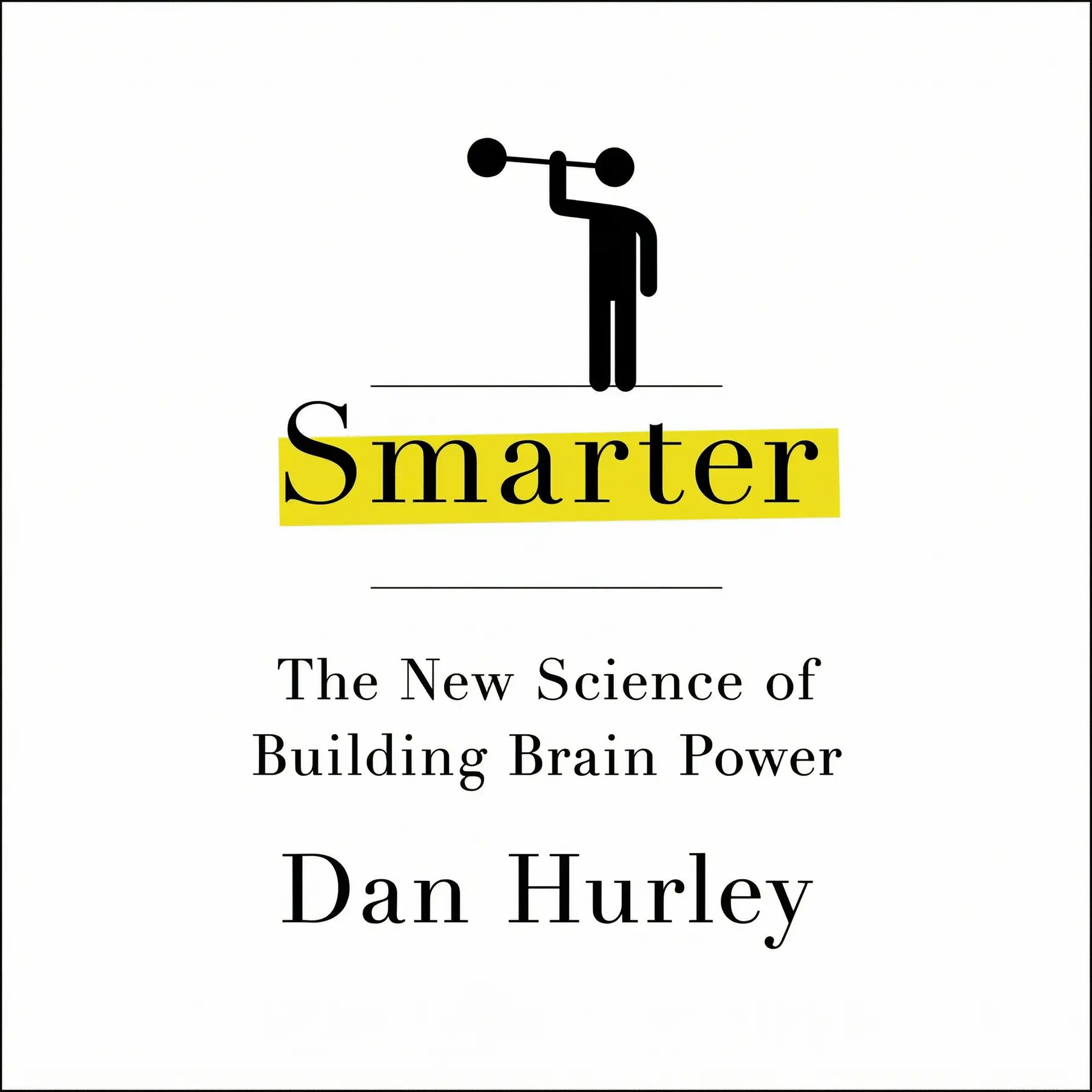
Smarter: The New Science of Building Brain Power
By Dan Hurley
Explore the cutting-edge science of cognitive enhancement. This summary reveals how fluid intelligence, once thought fixed at birth, can be improved through specific brain games, physical exercise, and musical training.
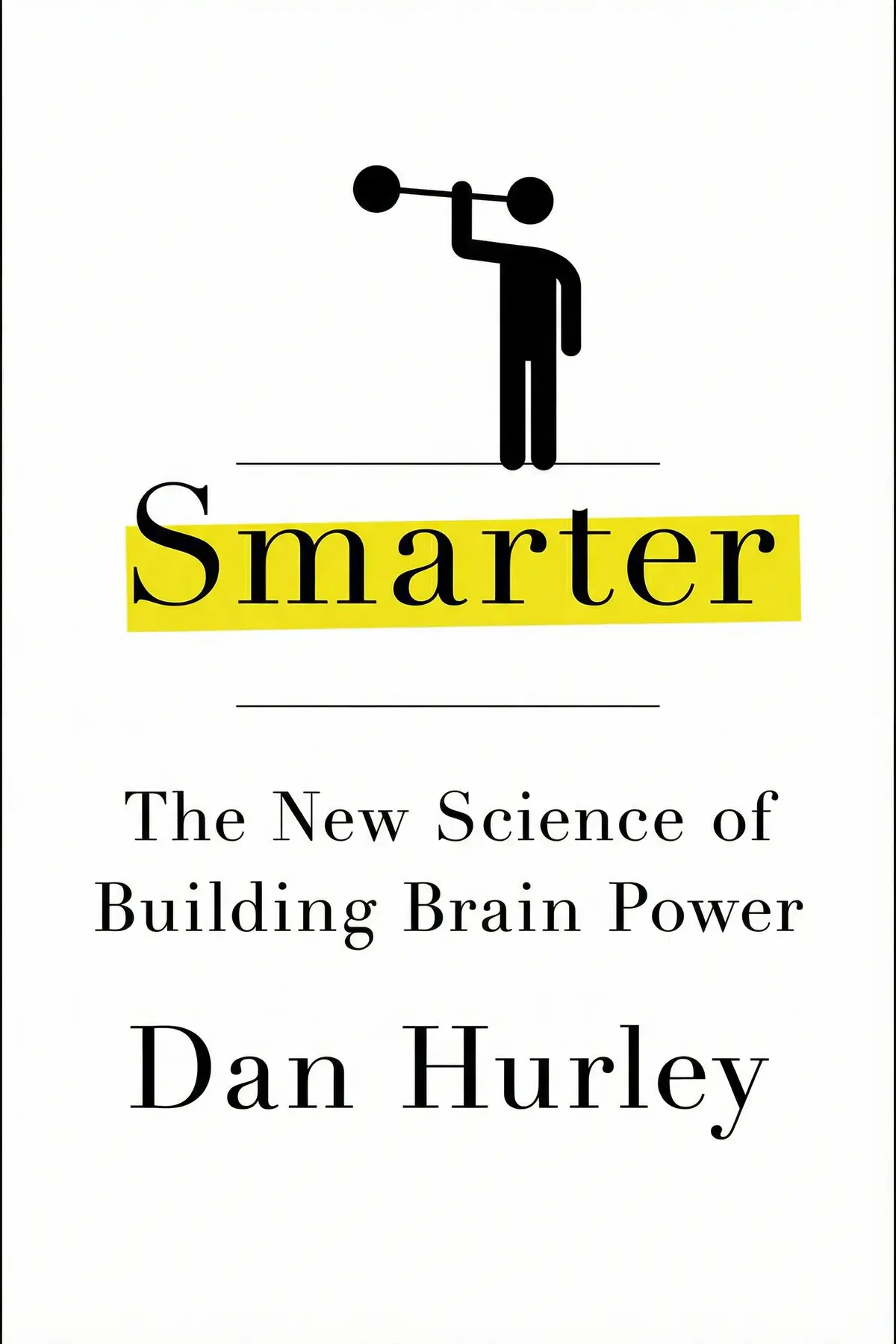
Table of Content
1. Introduction
1 min 33 sec
Have you ever looked at a complex problem and wished your brain just worked a little bit faster? For a long time, the prevailing wisdom in psychology was that you were essentially stuck with the hand you were dealt. The idea was that while you could certainly learn more facts—like filling up a hard drive with data—you couldn’t actually upgrade the processor itself. You had a certain amount of ‘raw’ intelligence, and once you hit adulthood, that was that.
But what if that assumption was fundamentally wrong? Dan Hurley’s exploration into the world of cognitive science suggests that we are living through a revolution in how we understand the human mind. The throughline of this journey is the concept of neuroplasticity—the idea that the brain is not a static machine, but a dynamic, changing organ that can be tuned and strengthened.
In the pages that follow, we are going to look at the evidence that suggests you can actually make yourself smarter. We’ll explore the different types of intelligence that define how we interact with the world and look at the specific tools—from high-tech computer programs to old-fashioned physical exertion—that researchers are using to push the boundaries of human thought. We’ll also look at why this is so controversial in the scientific community and why, despite that controversy, the highest levels of the military are betting millions of dollars on the idea that the human brain can be upgraded. By the end of this summary, you’ll have a clearer picture of what intelligence really is and, more importantly, how you might be able to increase your own.
2. Distinguishing Between Logic and Knowledge
2 min 40 sec
Discover the two primary ways our brains process information and why one was long considered unchangeable after your twenty-sixth birthday.
3. The Search for a Cognitive Yardstick
2 min 24 sec
How do you measure something you can’t see? Explore the fascinating methods scientists use to track the invisible mechanics of the human mind.
4. Training the Brain Through Digital Play
2 min 16 sec
Can a simple computer game really change your brain chemistry? Learn about the specific tasks that have been shown to boost logic and attention.
5. The Surprising Connection Between Muscle and Mind
2 min 31 sec
It turns out that your cognitive health isn’t just about what you do with your head—it’s also about what you do with your body.
6. Why the Military is Betting on Brain Power
2 min 25 sec
Despite the debate among academics, elite organizations are moving full steam ahead with intelligence-building programs.
7. Conclusion
1 min 40 sec
So, where does this leave us in our quest for a sharper mind? The overarching lesson from Dan Hurley’s exploration is one of profound hope. The old idea that we are born with a fixed amount of intelligence that inevitably declines after our youth is being replaced by a much more exciting reality: our brains are built for change.
We have seen that while intelligence is complex and difficult to measure, we can target specific areas like working memory to see real improvements. We’ve learned that the digital age has given us tools like the N-Back task that act as a gym for the prefrontal cortex. Perhaps most importantly, we’ve seen that cognitive health is holistic. It’s not just about what you do in front of a screen; it’s about the physical strain of exercise and the creative challenge of learning music.
If you want to take action based on these findings, the advice is clear: keep it natural. While the world is full of ‘smart pills’ and supplements like Omega-3s or B vitamins that claim to boost your IQ, the scientific evidence for these is often shaky at best, sometimes relying on nothing more than the placebo effect. Worse, some pharmaceutical shortcuts can actually interfere with your brain’s natural ability to adapt and grow.
The most effective way to build brain power is through the hard work of challenge. Put yourself in situations where you have to think logically and solve new problems. Pick up a musical instrument. Head to the gym for some resistance training. Your brain is an extraordinary, adaptable organ, and it is ready to grow—as long as you give it a reason to.
About this book
What is this book about?
For generations, the scientific community operated under the assumption that we are born with a set level of raw intellectual horsepower. While we could learn new facts, our fundamental ability to reason and solve complex problems was believed to be set in stone by our early twenties. Smarter challenges this long-held dogma, presenting a compelling look at the modern research suggesting our brains are far more plastic than we ever imagined. Dan Hurley takes listeners through the laboratories and testing centers where researchers are discovering how specific interventions can actually raise a person’s IQ. From the digital challenges of working-memory games to the surprising cognitive benefits of lifting weights and learning an instrument, the book explores the practical ways we can sharpen our minds. It also addresses the skepticism within the field, weighing the results of academic meta-analyses against the massive investments being made by organizations like the U.S. military. This summary provides a roadmap for anyone looking to understand the mechanics of the mind and the potential for lifelong cognitive growth.
Book Information
About the Author
Dan Hurley
Dan Hurley is an acclaimed science journalist who has received multiple awards for his work. Since 2005, he has contributed nearly two dozen articles to the New York Times Magazine. His 2012 piece titled Can You Make Yourself Smarter? became a cultural sensation and stood as one of the year’s most widely read articles.
Ratings & Reviews
Ratings at a glance
What people think
Listeners find the text accessible and enjoyable, praising its detailed exploration of intelligence improvement and the optimism it provides for expanding brain power. The prose is described as delightful, with one listener observing that it functions as an effective companion to cognitive psychology classes. Opinions remain divided on the research quality and personality aspects.
Top reviews
Saranya
Picked this up on a whim and I’m so glad I did. The way Hurley weaves together his personal journey with the history of intelligence research is just brilliant. He captures the tension between the skeptics and the believers in the scientific community perfectly. I loved the deep dive into how working memory functions and why it might be the key to everything else. Even if some of the specific brain games aren't the magic bullet they were promised to be, the book’s exploration of tDCS and physical fitness is fascinating. It’s a well-researched, deeply human look at the quest for self-improvement. If you have any interest in how your mind works, you need to read this.
Show moreJong
Searching for a way to actually improve my focus led me here, and I wasn't disappointed. Hurley’s exploration of building brain power is both deeply researched and incredibly fun to read. He handles the controversy between different academic camps with a lot of grace, showing how science is often a messy, human process. I was particularly struck by his commitment to his own experiment, even when it involved wearing nicotine patches and zapping his brain with electrodes. It provides a sense of hope that we can indeed influence our own cognitive health through intentional action. For those who want to get past the marketing hype of brain games and see the actual studies, this is the perfect resource. It's a genuine page-turner.
Show moreAnong
The chapter on Down syndrome felt really out of place in a book that was supposedly about a personal quest for higher IQ. It’s an important topic, but it didn't mesh well with the rest of the narrative, making the overall structure feel a bit haphazard. Hurley has a very 'magazine-writer' style—lots of adjectives and unnecessary fluff about the weather during his interviews. On the plus side, I did enjoy the section where he pushes back against the commercialization of immature science. He manages to capture the back-and-forth drama between academics quite well. It’s worth a read if you’re interested in the culture of science, but maybe skip it if you want hard facts. It’s more about the people than the actual data.
Show morePranee
As someone currently enrolled in a cognitive psychology course, I found this to be a fantastic supplement to my textbooks. Hurley takes the 'boring' parts of working memory and fluid intelligence and turns them into a narrative that actually moves. He doesn't just list facts; he visits the labs and talks to the people behind the famous n-back studies. I especially liked how he tried to incorporate music instruction and mindfulness into his own life to see what would happen. While the results were mixed, his honesty about the difficulty of the process was refreshing. It’s a delightful read that bridges the gap between dense academic papers and popular science. Definitely recommend it for anyone curious about the limits of the human mind.
Show moreTantipat
Finally got around to reading this, and I have to say the section on nicotine patches was eye-opening. Most people associate nicotine purely with smoking, but Hurley explores it as a standalone nootropic with a lot of curiosity. The book is written in a very accessible, journalistic style that keeps you turning pages even when he's discussing complex meta-analyses. It’s not a perfect book—some of the studies he cites have definitely been challenged since publication—but the general message is hopeful. It encourages you to stay active, keep learning new things like the lute, and challenge your brain daily. Even if the 'IQ boost' is debatable, the lifestyle changes he suggests are genuinely beneficial for overall well-being.
Show moreNit
Ever wonder if you could actually change your brain's hardware? This book is an absolute blast because Dan Hurley doesn't just report from the sidelines; he throws himself into the fire. His enthusiasm is contagious, and I found myself laughing at his descriptions of wearing electrodes and trying to meditate. He makes complex neuroscience feel like an adventure story. It gave me a lot of hope that we aren't just stuck with the intelligence we were born with. However, to be fair, the science on n-back training is still a bit shaky and hasn't fully replicated across all labs. Whether it's through exercise or novel challenges, the idea that we can keep 'building' our power is inspiring. It’s rare to find a science book that is this entertaining without being totally shallow.
Show moreBee
Is there actually a point to all these anecdotes? I picked this up hoping for a concrete manual on boosting cognitive function, but instead, I got a memoir about a guy trying to play the lute. While the writing style is certainly breezy and easy to follow, the 'how-to' aspect is buried under mountains of unnecessary personal descriptions. He spends ages talking about the physical appearance of the researchers he interviews rather than getting to the meat of their findings. By the time I reached the end, I felt like I had learned more about Hurley's daily schedule than about my own brain. It’s entertaining in a shallow way, but ultimately it fails to deliver on the promise of its title. I’m disappointed by the lack of depth here.
Show moreConnor
After hearing so much about the brain-training craze, I figured this would be a balanced look at the field. To be fair, Hurley does a decent job of navigating the tricky literature around things like nicotine and physical exercise. He writes with a lot of energy, and his passion for the subject makes the dry parts of cognitive psychology much more palatable. However, the book leaves many questions unanswered, and the evidence presented often feels like it's pointing in five different directions at once. It’s a fun journey, but don’t expect a solid 'yes' or 'no' regarding whether these methods actually work. It’s a good conversation starter, but it lacks the scientific rigor required to be a definitive text on the subject.
Show moreHunter
Avoid this if you actually want evidence-based results. The book is dangerously outdated, focusing heavily on brain-training games like Lumosity that have long lost their scientific luster. Hurley is clearly in love with credentials, but he seems unable to evaluate the actual quality of the research he’s presenting. He literally counts studies to prove his point rather than weighing the merit of the methodology, which is a massive red flag for any science writer. The 'curse of learning specificity' has reasserted itself, and most of the gains he crows about simply don't translate to real-world intelligence. It feels like a time capsule from 2013 that shouldn't have been preserved. Truth is, there is no easy shortcut to being smarter, and this book’s suggestion otherwise is just misleading.
Show moreRosa
The hype around this book is frankly exhausting once you realize it's just another piece of Gladwellian fluff. Hurley attempts to tackle fluid intelligence, yet he spends way too much time on chatty, over-interpreted social science that hasn't aged well at all. I found his self-experimentation—waking up at 6 AM and slapping on nicotine patches—to be more of a gimmick than actual journalism. The science here is immature, often relying on low-power psychology studies that have since failed to replicate in larger meta-analyses. It’s frustrating to read a journalist play scientist when he can’t even distinguish between active and passive controls in the studies he cites. If you’re looking for real cognitive gains, you’re better off just getting a good night’s sleep rather than reading this. It’s essentially a collection of conference backbiting masquerading as a breakthrough.
Show moreReaders also enjoyed
Acting with Power: Why We Are More Powerful Than We Believe
Deborah Gruenfeld

Alien Earths: The New Science of Planet Hunting in the Cosmos
Lisa Kaltenegger
Age of Propaganda: The Everyday Use and Abuse of Persuasion
Anthony Pratkanis
AUDIO SUMMARY AVAILABLE
Listen to Smarter in 15 minutes
Get the key ideas from Smarter by Dan Hurley, plus 5,000+ more titles in English and Thai.
- 5,000+ titles
- Listen as much as you want
- 7-day free trial
- Cancel anytime







