
16 min 04 sec
Soundtracks: The Surprising Solution to Overthinking
By Jon Acuff
Discover how to identify and replace the repetitive negative thoughts that fuel overthinking. This guide offers practical strategies to rewrite your internal dialogue, boosting confidence and productivity through actionable mindset shifts.
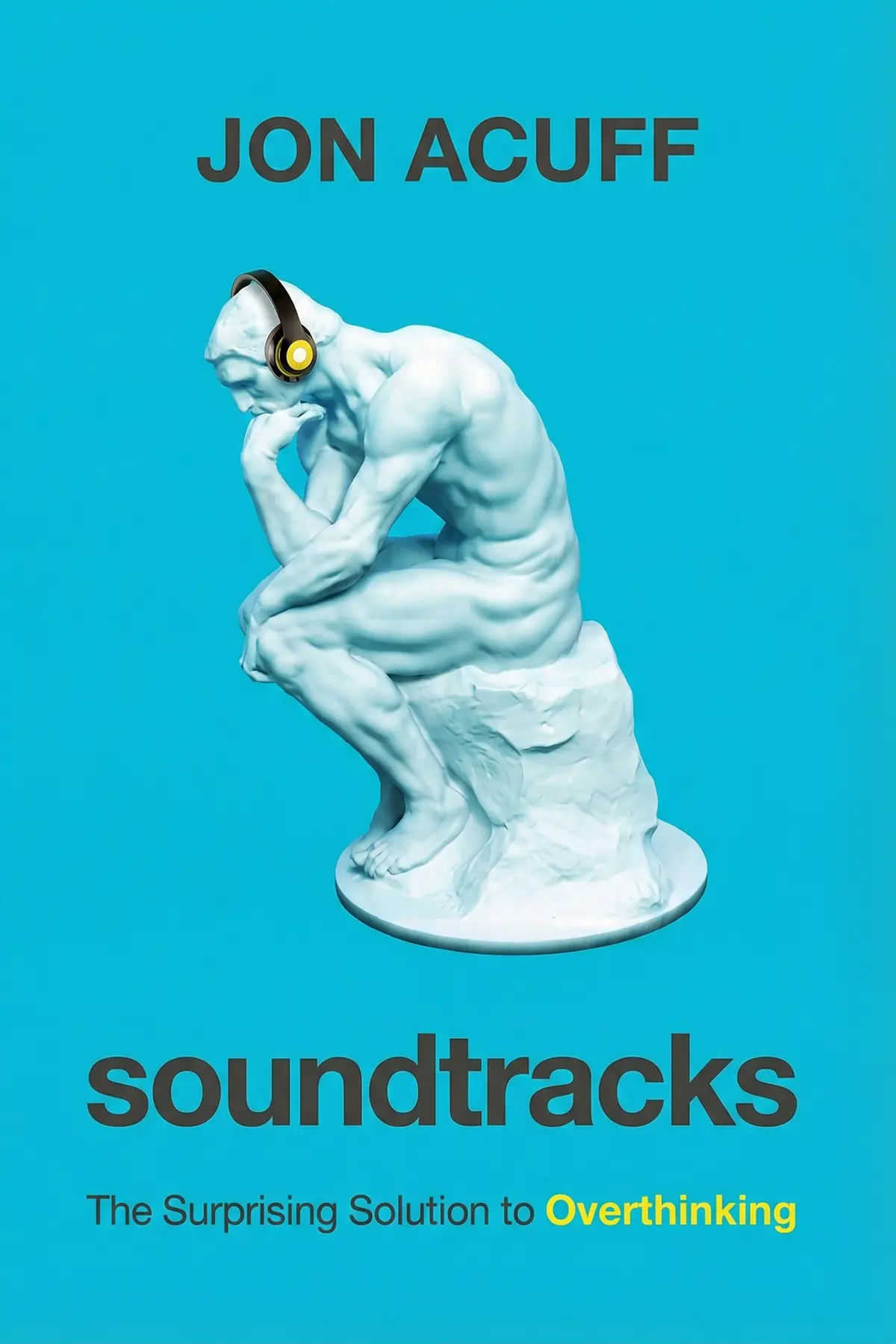
Table of Content
1. Introduction
1 min 38 sec
Every movie has a soundtrack. When the hero is in danger, the music turns sharp and fast, making your heart race. When a moment is tender, the melody softens, inviting you to feel the connection. But movies aren’t the only things with soundtracks. You have one, too. It’s the constant stream of internal narration that accompanies your every move, from the moment you wake up to the second your head hits the pillow. The problem is that for many of us, this soundtrack wasn’t composed by a master musician; it was cobbled together from past mistakes, societal pressures, and deep-seated insecurities.
This internal music often manifests as overthinking. We ruminate on what we said in a meeting, we fret over what might go wrong in the future, and we allow a chorus of ‘what-ifs’ to drown out our potential. Overthinking isn’t just a minor annoyance; it’s a form of self-sabotage that keeps us stuck in place. It makes us procrastinate, hesitate, and ultimately, play small. But here is the throughline we will explore: your thoughts are not fixed. They are not an unchangeable part of your identity. Instead, they are a choice. You can learn to identify the broken records playing in your mind and replace them with a new playlist that actually serves your goals. By the end of this journey, you’ll understand how to reclaim your mental space and use your thoughts as a tool for action rather than a barrier to success. We are going to look at the mechanics of these mental loops, how to test them for accuracy, and how to cement new, empowering beliefs that will propel you forward.
2. Choosing Your Mental Playlist
2 min 09 sec
Your internal thoughts aren’t permanent fixtures of your mind; they are selections you can change to better suit your life’s goals.
3. The Three-Question Filter
2 min 18 sec
Stop overthinking in its tracks by subjecting every negative thought to a simple yet powerful three-part interrogation process.
4. Borrowing Better Beliefs
2 min 01 sec
You don’t have to invent positive thoughts from scratch; you can source inspiration from the success and confidence of others.
5. The Power of Inversion
2 min 01 sec
Transform your most stubborn negative thoughts by simply flipping them into their positive, actionable opposites.
6. Challenging the Pocket Jury
2 min 03 sec
Learn to outmaneuver your inner critics by treating their judgments like a legal case that requires actual evidence to stand.
7. Anchoring Thoughts with Symbols
2 min 04 sec
Solidify your new mental soundtracks by connecting them to physical objects and visual cues in your environment.
8. Conclusion
1 min 50 sec
As we wrap up this exploration of your internal world, it’s important to remember that the goal isn’t to never have a negative thought again. That’s impossible. Human brains are naturally wired to scan for threats and problems. The goal is to change your relationship with those thoughts. Instead of letting them run the show, you become the director. You’ve learned that overthinking is simply a soundtrack that you have the power to change. You have the tools to interrogate those thoughts—asking if they are true, helpful, and kind. You know how to borrow better beliefs from the world around you and how to flip your negative absolutes into positive actions. You’ve learned to out-argue your inner jury with hard evidence and to anchor your new mindset with physical symbols.
The final piece of the puzzle is a shift in how you handle challenges. The legendary Zig Ziglar once noted a profound difference between two words: reacting and responding. If you have a bad reaction to a medicine, it means something has gone wrong. But if you respond to a medicine, it means the treatment is working. Most overthinkers spend their lives reacting—letting stress and fear dictate their movements in a panicked, defensive way. But by choosing your soundtracks, you learn to respond. You take the same difficult circumstances and approach them with a calm, decisive, and optimistic plan.
This transformation doesn’t happen overnight. It requires a bit of determination and a lot of repetition. But every time you catch a broken soundtrack and replace it with a new one, you are making an investment in your future self. You are clearing away the mental barriers that have kept you from your best work and your most joyful life. So, take a look at the playlist running in your head today. If you don’t like the music, don’t just sit there and complain about it. Reach out, change the track, and start playing something that makes you want to dance, work, and live to your fullest potential.
About this book
What is this book about?
Have you ever felt paralyzed by a loop of self-doubt that keeps you from starting a new project or asking for a well-deserved promotion? This summary explores the core concepts of Soundtracks, a book that identifies overthinking not as a character flaw, but as a series of broken internal recordings. These 'soundtracks' play in the background of our lives, influencing our decisions, our moods, and our potential for success. By learning to recognize these automatic negative thoughts, readers can begin the process of intentional mindset design. The promise of the book is a life free from the suffocating weight of hesitation. You will discover how to filter your thoughts through three essential questions, how to borrow confidence from the world around you, and how to use physical symbols to ground your new, positive beliefs. It is a roadmap for transforming internal criticism into a powerful engine for action.
Book Information
About the Author
Jon Acuff
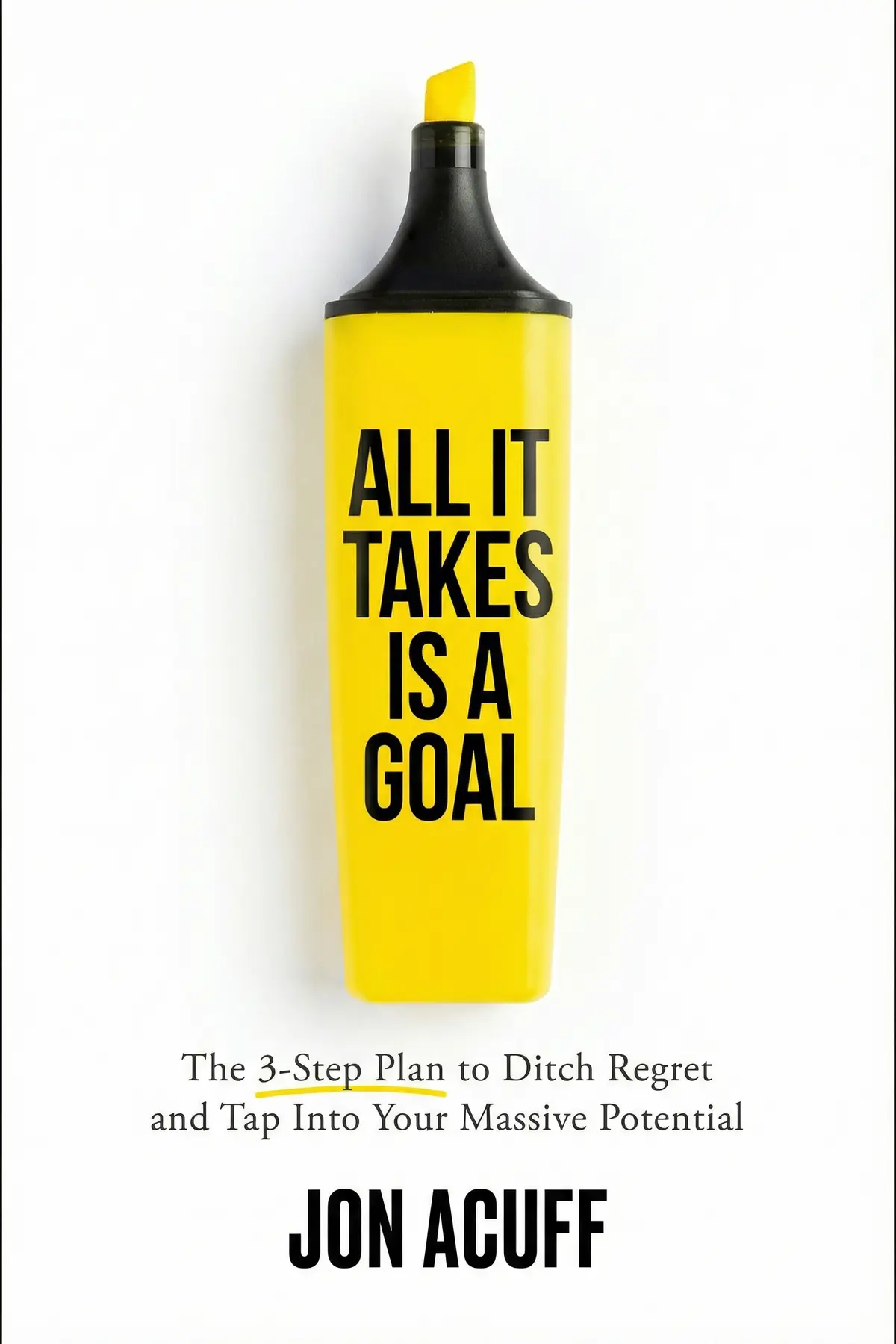
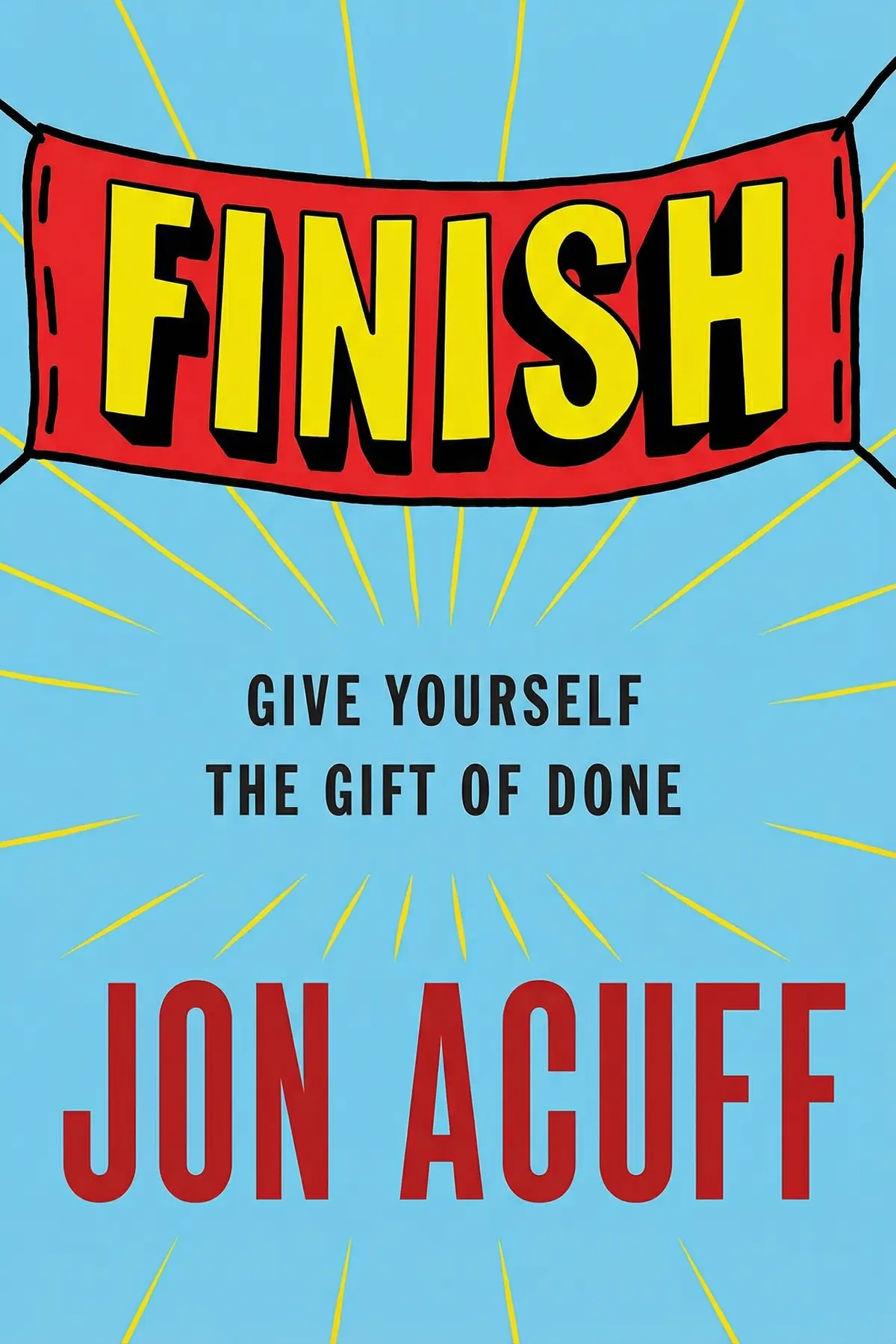
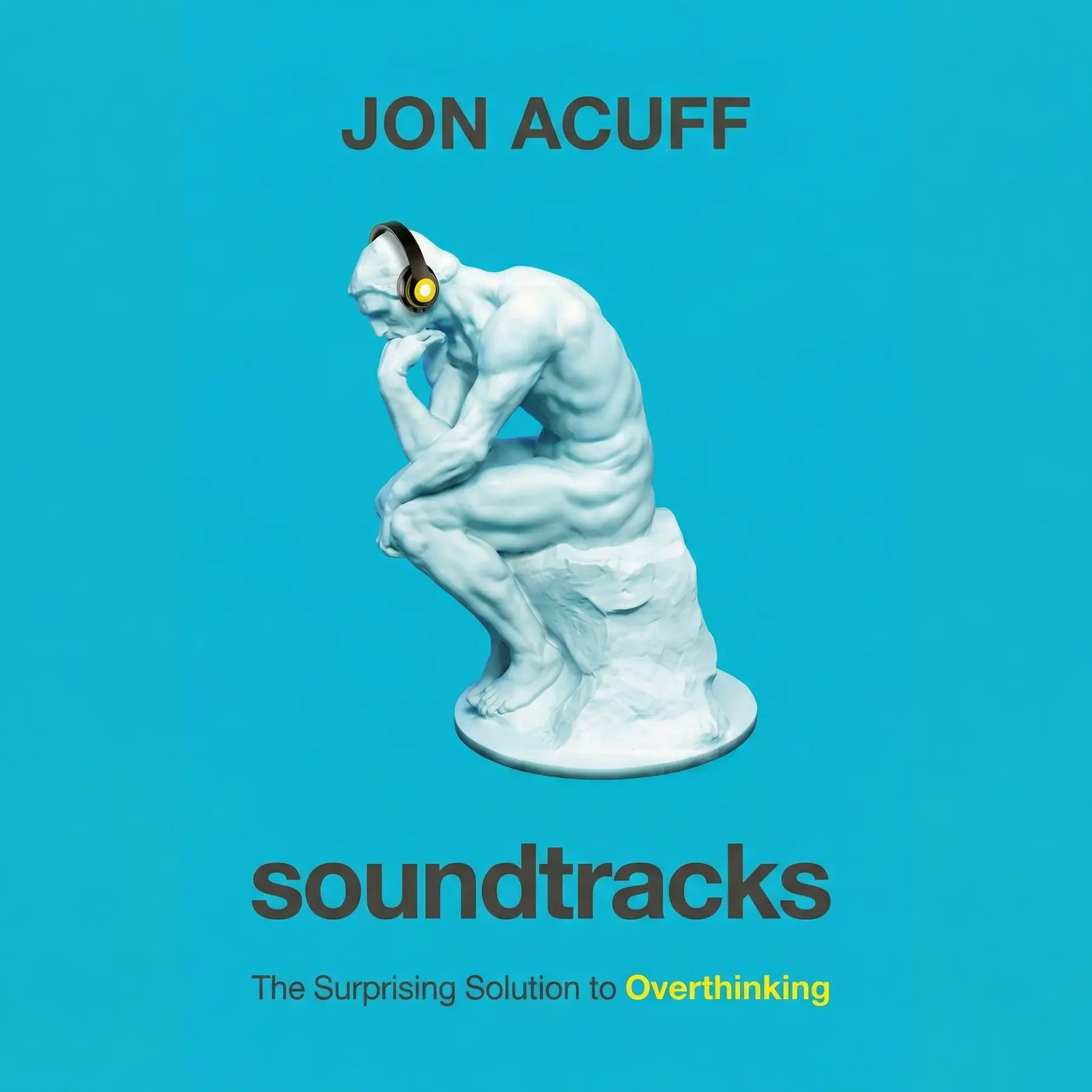
Jon Acuff is a celebrated motivational speaker and a New York Times best-selling author. He currently resides near Nashville, Tennessee. Over his prolific career, he has written seven books, including the widely acclaimed and best-selling title Finish. Acuff is known for his relatable, humorous, and practical approach to personal development and goal-setting.
Ratings & Reviews
Ratings at a glance
What people think
Listeners find this book effective for defeating overthinking, enjoying its mix of comedic flair and step-by-step guidance. The content is accessible and easy to digest, while remaining deeply rooted in research and offering realistic wisdom. They value its capacity to rewrite mental soundtracks and its inspiring nature, with one listener mentioning it provides positive affirmations for daily recitation.
Top reviews
Champ
Jon Acuff's humor is the secret sauce that makes this self-help guide actually digestible. Instead of dry clinical advice, he offers relatable anecdotes that make you realize you aren't the only one spiraling over a single email. The "soundtracks" metaphor isn't just a catchy title; it's a genuinely useful framework for identifying those intrusive thoughts that keep us from starting new projects. To be fair, he uses the term "soundtrack" quite a bit, but the repetition helps cement the concept into your daily routine. I found the actionable steps—like asking if a thought is true, helpful, and kind—to be simple enough to implement immediately without feeling overwhelmed. It’s a fast read, but the impact stays with you long after you close the cover. If you’ve read his previous work like Finish, you’ll recognize the punchy tone, but this feels like a much deeper dive into the "why" behind our procrastination.
Show moreRosa
Finally got around to reading this after seeing it all over social media, and the hype is actually justified. As a musician, the concept of internal soundtracks really resonated with my way of processing the world. The book isn't just about "positive thinking" in a vacuum; it's about neuroplasticity and actively retraining your brain to work for you rather than against you. Truth is, I didn’t even realize how many broken soundtracks I was playing until I saw them listed on the page. Acuff’s writing style is punchy and incredibly funny, which makes the hard truths easier to swallow. While it’s not a religious book per se, you can definitely feel the undercurrent of biblical wisdom woven into the advice. I’ve already started re-recording a few of my own internal scripts. This is the kind of book you buy for your friends because you know exactly which "soundtrack" they are currently stuck on.
Show moreAir
Picked this up during a Kindle sale and it might be the best two dollars I’ve ever spent. I’ve struggled with "paralysis by analysis" my entire life, often letting one negative thought derail an entire week of productivity. Acuff’s approach to "rewriting" these thoughts is so simple it’s brilliant. He doesn't just tell you to "think happy thoughts," he gives you a framework to audit your mind. One of the most powerful realizations was that my overthinking wasn't a flaw, but a tool I was using incorrectly. In my experience, most self-help books are 10% insight and 90% fluff, but this stays engaging throughout. The humor is a huge plus, too; I actually laughed out loud at the anecdotes. It’s rare to find a book that is this practical while also being genuinely entertaining. I’m already planning on a second read-through with a highlighter.
Show moreKanchana
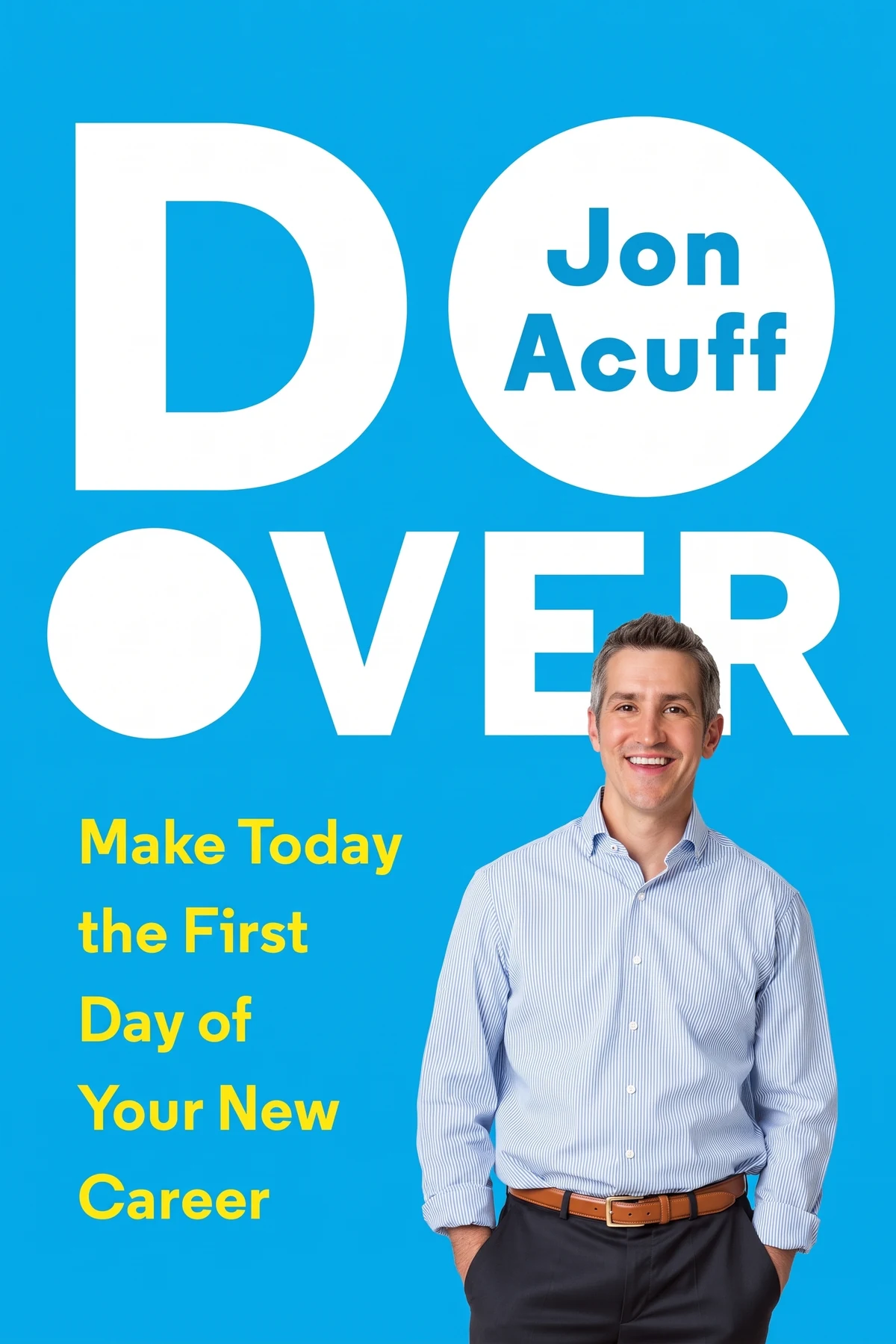
Wow, this was exactly the mental reset I needed after a particularly stressful year. I’ve read Finish and Do Over, so I knew I liked Acuff’s style, but Soundtracks feels the most personal and impactful yet. The way he breaks down how our thoughts dictate our actions is masterfully done. He doesn't just leave you with a "feel-good" message; he gives you a specific list of positive affirmations to start using today. Look, some people might find the tone a bit too "hype-man," but for me, it was incredibly motivating. It’s a book that asks you to participate, not just read. The concept of "borrowing" soundtracks from people you admire was a standout moment for me. I’m genuinely excited to start applying these principles to my business and my personal life. It’s a fast, funny, and deeply useful guide to taking back control of your brain.
Show moreOksana
After hearing so much buzz, I had to see if it lived up to the hype. I’m glad I did. This isn't just another book about "thinking your way to success." It’s a practical manual on how to stop being your own worst enemy. The distinction between "overthinking" as a habit and a personality trait was a lightbulb moment for me. Frankly, I didn’t think a book this funny could also be this useful, but Acuff proves me wrong in every chapter. The advice is actionable, the tone is encouraging, and the "soundtrack" metaphor makes the concepts easy to remember. I particularly appreciated the section on how to handle the "broken" soundtracks that have been playing since childhood. It takes some work to replace them, but the book provides the tools to start. This is easily one of the most helpful books I’ve read this year.
Show moreSophia
Ever wonder why your brain chooses to replay your worst failures on a loop like a bad radio station? Acuff tackles this head-on by teaching readers how to "flip the switch" on their internal dialogue. Look, I’ve read a lot of mindset books, and many of them veer into toxic positivity or woo-woo affirmations that don't stick. This one feels different because it acknowledges that changing your mind is hard work. "Fear comes free, faith takes work" is a line that really stuck with me throughout the chapters. My only real gripe is that the book feels a bit stretched in the middle sections, where a few points are hammered home more than necessary. However, the humor keeps it from feeling like a chore. It’s definitely more of a practical "how-to" than a scientific deep dive like Ethan Kross's Chatter, but for the average person looking to stop overthinking, it hits the mark.
Show moreJai
To be fair, I went in a bit skeptical because some of the early reviews seemed almost too enthusiastic. However, after finishing it, I can see why people are excited. Jon has a way of taking complex psychological hurdles and turning them into manageable, bite-sized tasks. The core idea is that overthinking is a superpower if you can just point it in the right direction. Frankly, some of the "studies" he cites feel a bit anecdotal—often pulled from his own social media followers—which might bother readers looking for clinical data. But if you can get past the lack of academic rigor, the practical application is top-tier. I particularly liked the section on choosing new soundtracks to replace the old, broken ones. It’s a quick read that doesn't overstay its welcome, though I do think some of the chapters could have been combined for a tighter narrative.
Show moreIce
As someone who has struggled with chronic overthinking, I found the strategies in this book to be incredibly grounding. Acuff isn't trying to be a therapist, and he makes that clear. Instead, he’s like a funny friend who finally figured out how to get out of his own way. The book focuses on turning your internal dialogue from a critic into a coach. Personally, I found the "True, Helpful, Kind" filter to be a game-changer for my daily anxiety. Some parts felt a bit like a long-form podcast episode, and the branding of "soundtracks" is leaned on very heavily. But the core message is solid. It’s about taking responsibility for the noise in your head. It’s not a magic wand, but it provides the blueprints to build something better. I would recommend this to anyone who feels stuck in their own head.
Show moreAkosua
The chapter on the "studies" felt a bit thin compared to something like Ethan Kross’s Chatter, which provides a much more scientific backbone for the same topic. Not gonna lie, I found the constant repetition of the word "soundtrack" to be a little grating after the first hundred pages. It felt like an English essay where the student is trying to hit a specific word count. That being said, there are some undeniable nuggets of wisdom buried in here. Acuff is undeniably funny, and his lighthearted approach makes the heavy topic of mental health feel much more approachable. If you want a fun, motivational kick in the pants, this is great. But if you’re looking for a deep, evidence-based exploration of the human psyche, you might find this a bit superficial. It works better as a companion piece to more serious texts rather than a standalone manual for brain retraining.
Show moreBoss
Not what I expected after reading Finish, which I absolutely loved for its focus on data and completion. This book felt much more like a collection of blog posts or a transcript of a motivational speech. To be fair, the central premise is a good one: we shouldn't let negative thoughts run on autopilot. However, the execution felt a bit repetitive, and the word "soundtrack" appeared so many times I started to lose the meaning of it. I was also hoping for more scientific backing rather than just surveys conducted on his own social media groups. That felt a bit like an echo chamber. There are definitely some funny lines and the writing is engaging, but it didn't hit as hard as his previous work. It’s a decent introductory book for someone who has never thought about their internal monologue before, but it might feel a bit light for veteran self-help readers.
Show more
Readers also enjoyed
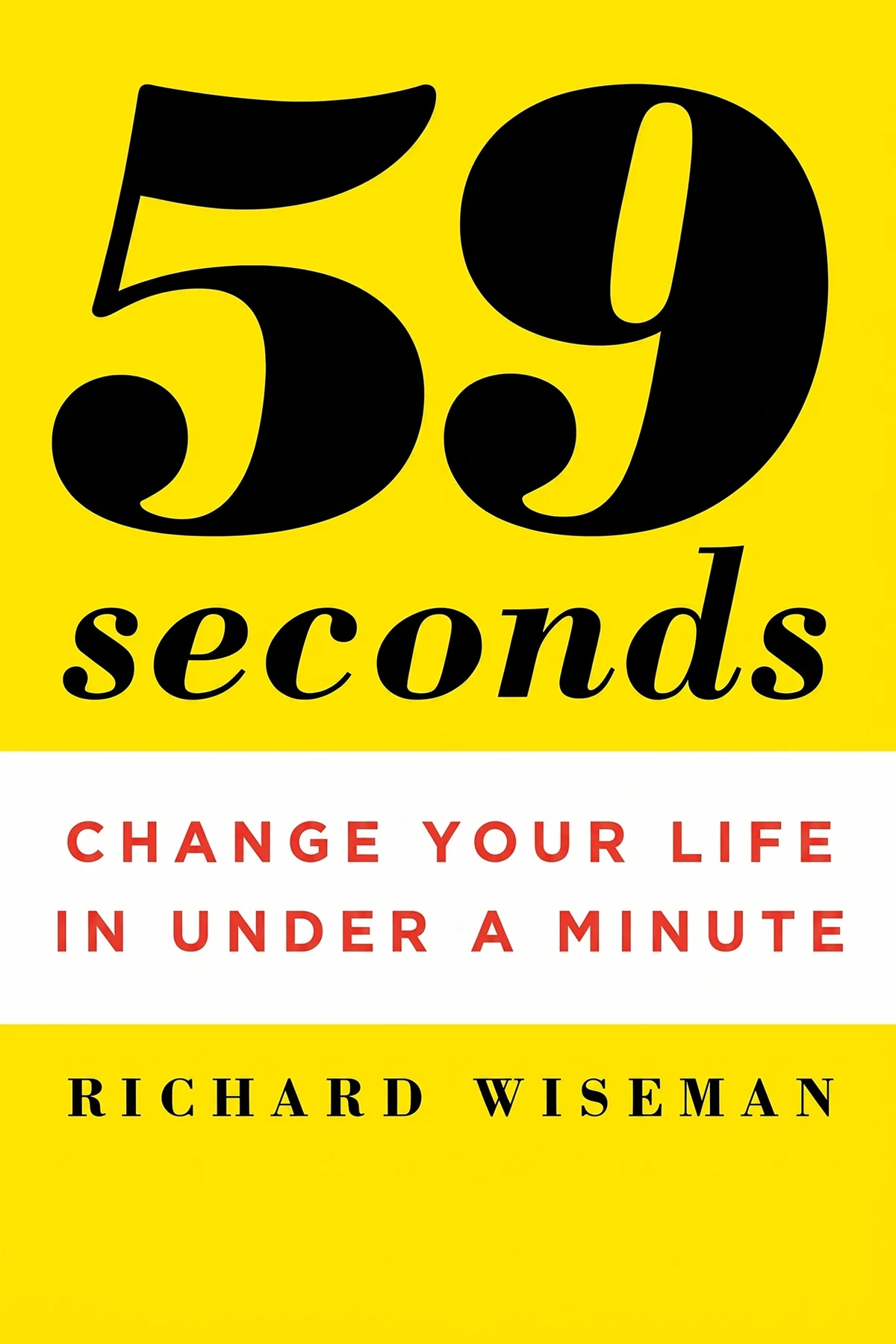
59 Seconds: Change Your Life in Under a Minute
Richard Wiseman
A Guide to the Good Life: The Ancient Art of Stoic Joy
William B. Irvine
A High-Performing Mind: Strengthen Your Mind and Live Your Best Life
Andrew D. Thompson
Abundance: The Inner Path to Wealth
Deepak Chopra
AUDIO SUMMARY AVAILABLE
Listen to Soundtracks in 15 minutes
Get the key ideas from Soundtracks by Jon Acuff, plus 5,000+ more titles in English and Thai.
- 5,000+ titles
- Listen as much as you want
- 7-day free trial
- Cancel anytime







